
Reviewed · WORKSHOPS
Beginner Swahili Woodcarving Classes with Woman Woodcarver
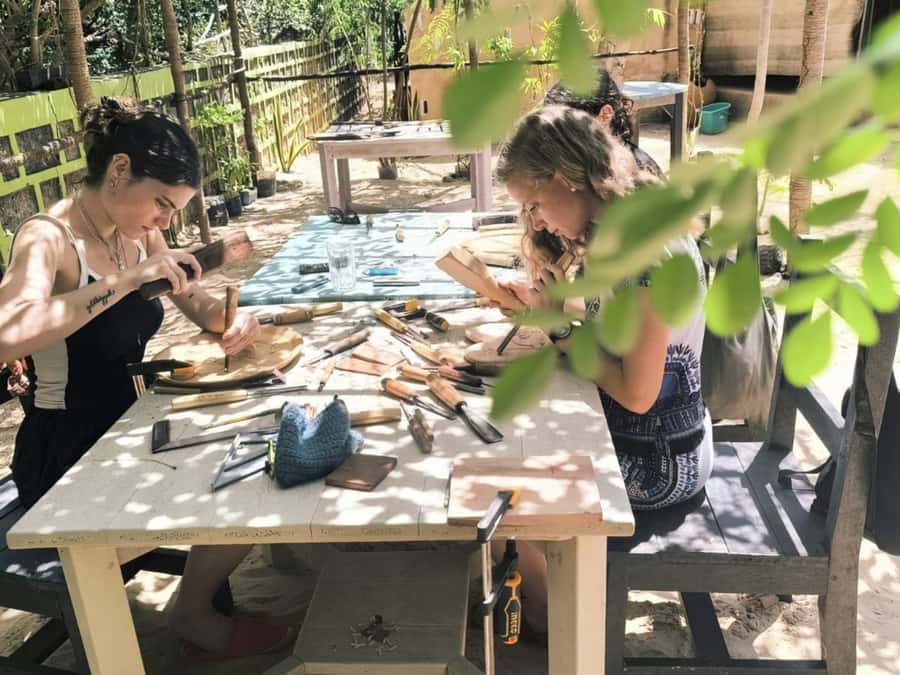
The unusual draw here is clear: Almasi is Lamu Island’s only woman woodcarving teacher, and she teaches a craft passed down through Swahili generations. You learn by using the tools yourself, not by watching a quick demonstration and moving on.
I like two things right away: you leave with a handmade souvenir you created, and the three-hour private class gives you time to work at a calm, beginner-friendly pace. Almasi’s patient, careful teaching is especially helpful when a tool feels unfamiliar.
The main consideration is practical. The class costs $75 per person, and while it is marked wheelchair accessible, it is also listed as unsuitable for people with mobility impairments. Ask for clear details before booking if accessibility matters for you.
Key points to know before booking
- Learn from Almasi: She is the only woman woodcarving teacher on Lamu Island.
- Make your own souvenir: Your finished piece is included, along with all tools and materials.
- Plan for three quiet hours: This is a hands-on craft lesson, not a fast sightseeing stop.
- Choose your setting: Classes take place at Earth Love Healing Center Garden in Shela, or at your home or hotel by request.
- Bring simple sun protection: A hat, sunscreen, water, and comfortable clothes are useful.
- Book for a private group: The class suits adults and children aged five and older.
Meeting Almasi at Peponi Hotel
Your meeting point is Peponi Hotel. Ask at the front counter, and staff will point you toward the guide.
That simple arrangement matters on Lamu, where meeting points can feel less obvious than they look on a booking page. Give yourself enough time to find the hotel and ask for help rather than arriving at the last second. The supplied information does not give a fixed starting time, so you need to check availability when choosing your date.
From there, the class can take place at the Earth Love Healing Center Garden in Shela. The garden setting is described as tranquil, which fits the nature of the lesson. Woodcarving works best when you have time to focus, handle the tool with care, and listen to instructions without being pushed through a crowded schedule.
If you prefer not to meet at the garden, Almasi can come to your home or hotel upon request. That option is useful for families, small groups, or anyone who wants the lesson built into a quiet day at their accommodation. Confirm the location when you book, since the standard meeting instructions point you to Peponi Hotel while the class itself may be held elsewhere.
A few more Kenya days to weigh up
- Traditional Kenyan Cooking Class & Local Market Tour
★ 5.0 · 129 reviews - Authentic Kenyan Cooking Class & Market Tour in Nairobi
★ 5.0 · 12 reviews - Private Traditional Kenyan Cooking Class with Lunch in Nairobi
★ 5.0 · 10 reviews
What happens during the three-hour class
You begin with an introduction to traditional Swahili woodcarving techniques. The aim is not to turn you into a professional carver in one afternoon. Instead, you get a practical first look at how the craft works and why patience matters.
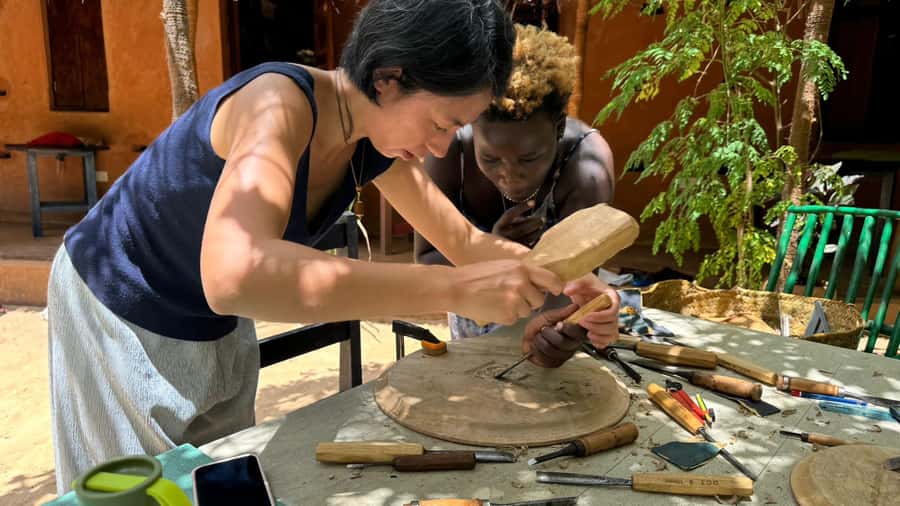
Almasi provides the wood, tools, and other materials needed for the lesson. You do not need to arrive with carving equipment or prior experience. That makes this a good choice if you want to try a traditional craft without buying supplies or learning from a general-purpose workshop.
The teaching is hands-on. You handle the tools, follow Almasi’s guidance, and gradually shape your piece. Wood does not respond well to hurried movements, so expect the work to feel slower and more deliberate than many holiday activities. That is part of the point. You learn to pay attention to pressure, direction, and small changes in the surface.
The class is designed for beginners, including both children and adults. Children under five are not accepted, and younger participants will likely need close attention from the adults accompanying them. The activity information does not specify a minimum age beyond that restriction, so families with children should confirm the best arrangement when booking.
Refreshments are provided during the lesson. One particularly warm touch is that the class can include a snack shared with Almasi, making the experience feel more personal than a simple paid instruction session. The exact refreshments are not specified, so do not book this as a meal replacement.
By the end, you have your own handmade souvenir. It may not have the polished finish of a shop-bought carving, but that is exactly why it has value. You can point to the marks and shape and say you made it while learning a local tradition.
Why learning from a woman woodcarver matters
The class offers more than a chance to keep your hands busy. You are learning from a local woman artist who has made woodcarving her work and teaches the methods passed through generations.
That personal connection gives the lesson a useful focus. Instead of treating Swahili woodcarving as a decorative product on a shelf, you get time with someone who can explain the work through practice. The experience is about making, but it also gives you a better sense of the care behind traditional craft.
Almasi’s teaching style is described as calm, patient, attentive, and serious about the work. Those qualities matter in woodcarving. A beginner needs clear explanations about using each tool, but also room to make small mistakes without feeling rushed.
You should expect instruction in English or Swahili. If you are interested in the words used for the tools, techniques, or patterns, ask Almasi as you go. The listed languages make basic communication possible, while the hands-on format helps carry the lesson even when a technical term needs extra explanation.
The value of making your own Lamu souvenir
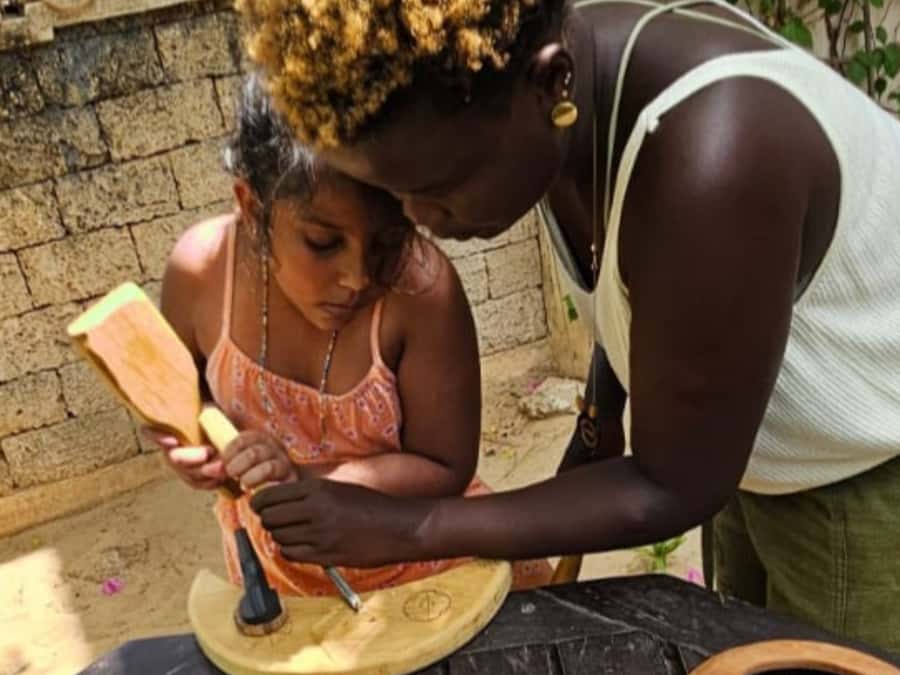
Lamu has no shortage of things to buy. A handmade piece from this class gives you a different kind of keepsake because the value comes from the time and effort involved, not only from its appearance.
The $75 price includes three hours of private instruction, all necessary materials and tools, refreshments, and the completed souvenir. I consider that fair for a focused personal class, especially if you would otherwise spend money on a craft item without knowing how it was made.
The value is strongest for people who enjoy the process. If you want a quick, inexpensive memento, a market purchase may suit you better. If you like learning a skill and taking home something connected to your own day in Lamu, the price makes more sense.
You also receive something less visible: basic woodcarving skills that you can continue to use. The class will not make you an expert, but it can give you a starting point for working with wood patiently and safely. That lasting element helps separate this activity from a standard souvenir stop.
A different kind of day from the same base:
- Nairobi National Park Half-Day Tour; Free Wi-Fi connection
★ 5.0 · 878 reviews - Nairobi: National Park & Optional Elephants & Giraffe Center
★ 4.8 · 874 reviews - NAI NAMI: Nairobi Storytelling Tour with Street Children
★ 5.0 · 792 reviews - Nairobi National Park Half-Day Game Drive
★ 4.5 · 738 reviews
Why the private format changes the experience
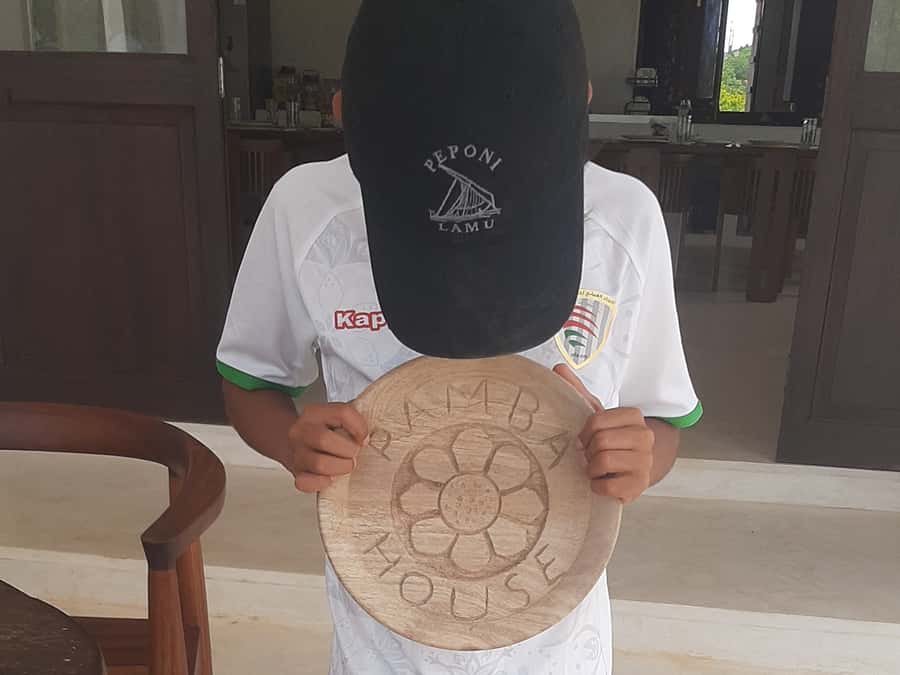
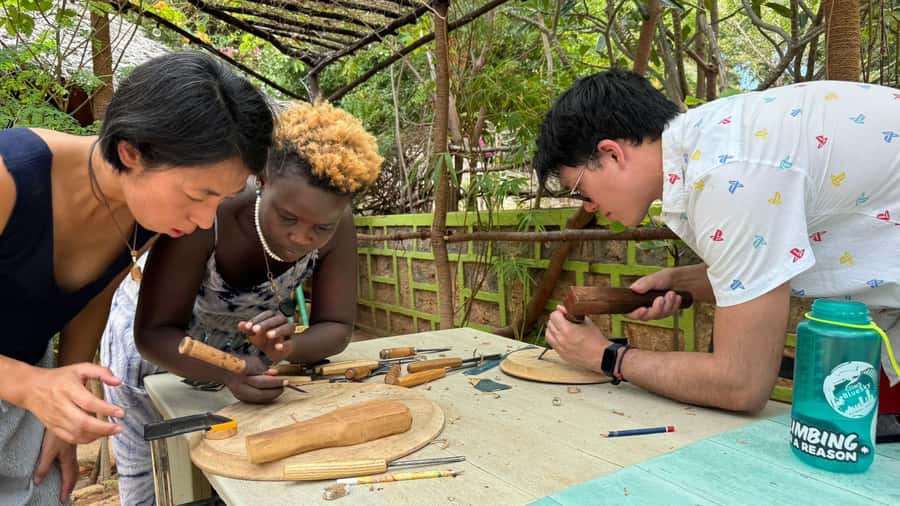
This is a private group activity, so you are not placed in a large class with strangers. That gives you more room to ask questions and work at your own speed.
A private format is useful for couples and families because everyone can share the same activity without splitting up. It also lets Almasi spend more attention on each person’s technique. Beginners often need different levels of help, and private teaching makes that easier to manage.
The tradeoff is that the price is charged per person, not presented as one flat group fee. A family or group should calculate the total cost before booking. For a solo participant, the private format may feel like a special lesson, but it also means the $75 price is paid for one place.
The three-hour length is another plus for a private class. You have enough time to settle in, learn the basic handling of the tools, work on your piece, and finish without turning the lesson into a rushed craft project. Still, woodcarving requires concentration. If you want a high-energy outing packed with several activities, this may feel too slow.
Choosing between Shela and your accommodation
The Earth Love Healing Center Garden in Shela is the named class location. Its quiet setting should appeal to you if you want a break from busy sightseeing and a place where the craft itself gets your attention.
Having Almasi come to your home or hotel is more convenient. It can save you the effort of arranging a separate meeting point, and it may work better with a child’s schedule or a group that wants to stay together at its accommodation.
The information provided does not explain any extra charge, setup requirements, or travel limits for hotel visits. Ask about those points when requesting an accommodation-based class. The location choice may affect how easy the activity is for your group, so do not assume the two options work in exactly the same way.
What to bring for a comfortable lesson
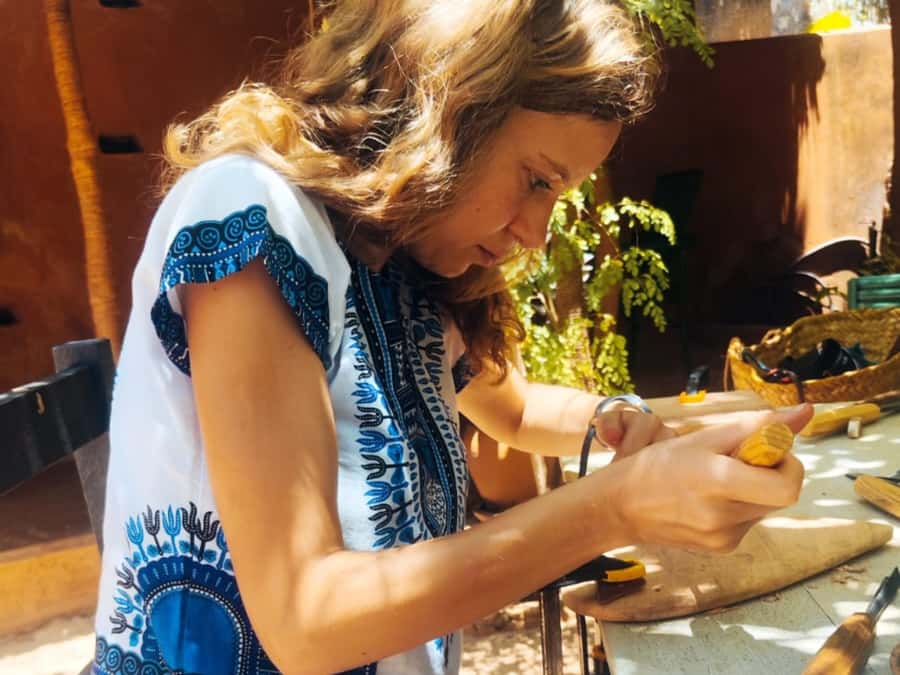
The suggested packing list is short:
- Hat
- Sunscreen
- Water
- Comfortable clothes
A hat and sunscreen are sensible for a class in coastal Kenya, even if parts of the garden offer shade. Water is useful during three hours of focused work. Comfortable clothes matter because you may spend a long period seated or leaning forward while shaping the wood.
You do not need to bring tools, wood, or a finished design. Those materials are supplied. I would still wear clothes you do not mind getting dusty or marked by wood shavings, since carving is a practical activity. That is sensible preparation rather than a special requirement.
Who will enjoy this class most
I would recommend this experience to you if you like small-scale cultural activities, meeting local artists, or making something with your hands. It also suits people who prefer a quiet, personal lesson to a large group tour.
Families can book it for children aged five and older, though adults should be ready to help younger participants stay focused and handle the tools carefully. The activity is beginner-friendly, so nobody in your group needs previous carving experience.
It is also a good fit for couples and friends. You can work side by side, compare your progress, and leave with separate souvenirs. Because the group is private, the activity can feel more like shared time than a formal classroom.
I would think twice if you dislike slow, careful work or want a polished item guaranteed to look professionally made. Your souvenir is handmade by you. Its uneven edges or simple form are part of the story, but they may not suit someone seeking a perfect decorative object.
Mobility needs deserve special attention. The activity is identified as wheelchair accessible, yet it is also marked as unsuitable for people with mobility impairments. Those statements do not provide enough detail to judge the practical setup, so contact the provider before booking if you need specific access arrangements.
What the strongest feedback tells me
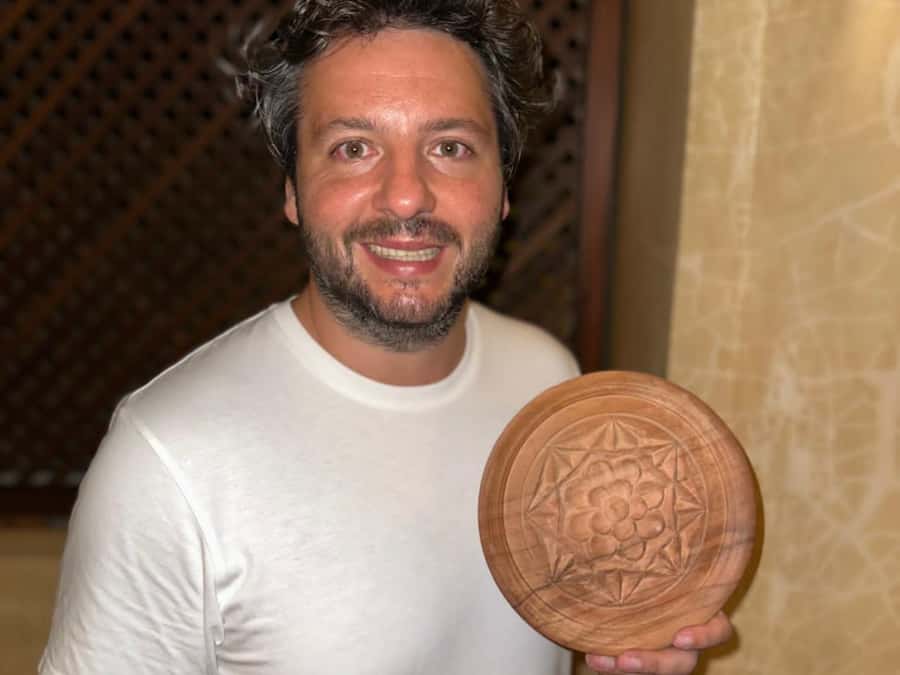
The most consistent praise focuses on Almasi herself. The feedback describes her as warm, professional, patient, and careful when explaining how to use the carving tools.
That is important because the teacher can make or break a craft class. A charming setting cannot compensate for poor instruction. Here, the useful signs are her willingness to explain details, her calm support when beginners need time, and her balance of kindness with attention to proper technique.
The personal welcome also matters. Refreshments and a shared snack add a human touch, but the bigger benefit is the chance to learn directly from Almasi rather than simply watch a demonstration. You get a lesson in both the craft and the patience required to practice it.
The feedback also points to the character of the work itself. Woodcarving is described as grounding and impossible to rush. That is a good expectation to carry into the class. You are not buying three hours of constant entertainment. You are setting aside time to concentrate on one object and learn why traditional handwork takes care.
Booking, cancellation, and timing
The activity lasts three hours, and starting times depend on availability. Check the schedule before you commit, particularly if you are fitting the class between boat transfers, meals, or other plans.
You can reserve now and pay later, which helps if your Lamu schedule is still taking shape. You may cancel up to 24 hours in advance for a full refund. These terms make the activity easier to fit into a changing holiday plan, though you should still check the exact booking conditions shown for your date.
If you want the class at your hotel or home, request that before the day of the activity. The standard meeting point remains Peponi Hotel, and asking at the counter is the stated way to find the guide.
Should you book the Swahili woodcarving class?
Book this class if you want a personal cultural experience and like the idea of making your own souvenir under the guidance of a local artist. The private format, three-hour length, supplied materials, and patient teaching make it a strong choice for beginners, families with older children, couples, and small groups.
Skip it if you only want a quick activity or a flawless finished product. Woodcarving takes patience, and the $75 price is best justified by the instruction, the private attention, the refreshments, and the skill you begin to learn, not by the resale value of the object.
For most visitors who value time with a local craftsperson, I would put this near the top of a Lamu activity list. Confirm the meeting location, discuss any mobility needs, and arrive ready to work slowly. That is how you get the most from Almasi’s class.
FAQ
How long does the woodcarving class last?
The class lasts three hours.
How much does the class cost?
The price is $75 per person.
Where does the class take place?
The class is held at the Earth Love Healing Center Garden in Shela, Lamu Island. By request, Almasi can also conduct it at your home or hotel.
Where is the meeting point?
Meet at Peponi Hotel. Ask at the counter, and staff will point out the guide.
Are tools and materials included?
Yes. All necessary materials and tools are provided.
Do I get to take home something I make?
Yes. Each participant receives their own handmade souvenir.
Is the class suitable for children?
The class is suitable for beginners, including children and adults, but children under five are not accepted.
Recently added around Kenya
- Nairobi; City Walk Tour★ 4.5 · 3 reviews
- 2 Days Amboseli National Park Safari★ 3.5 · 3 reviews
- Private 3-Day Masai Mara Safari Adventure★ 5.0 · 3 reviews
- Kenya safari★ 5.0 · 3 reviews
- 11-Days Best of Kenya & Tanzania Big 5 Safari on a 4×4 Jeep★ 5.0 · 3 reviews
- Full Day, Small Group Guided Tour to Amboseli National Park★ 4.5 · 3 reviews
- 1-Day Tsavo East Safari From Mombasa★ 5.0 · 3 reviews
- 10-Days Explore Kenya Wildlife Private Safari★ 5.0 · 3 reviews
Workshops, compared.

Traditional Kenyan Cooking Class & Local Market Tour
Read our review →
Authentic Kenyan Cooking Class & Market Tour in Nairobi
Read our review →
Private Traditional Kenyan Cooking Class with Lunch in Nairobi
Read our review →
Market Tour and Traditional Kenyan Cooking Class in Nairobi
Read our review →
Local Market Tour and Traditional Meal Cooking Class
Read our review →
Private Kenyan Cooking Class in Nairobi with a Local
Read our review →
Browse the lists this tour appears in