
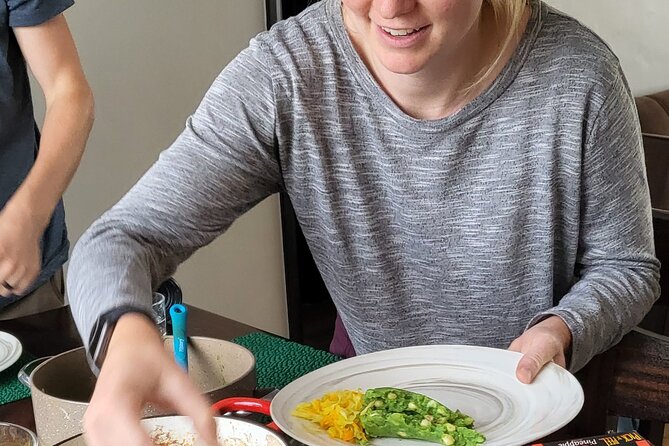
Reviewed · NAIROBI TOURS
Traditional Kenyan Cooking Class & Local Market Tour
Nairobi’s best food lesson may begin before you reach the kitchen. This three-part outing takes you through a farmers market, onto a matatu, and into Nimoh’s home to prepare a traditional Kenyan meal from scratch. You see how food fits into ordinary city life, not just how it appears on a restaurant plate.
I like the market stop because you can handle the produce, ask questions, and learn how to choose ingredients. I also like the matatu ride, which adds a real slice of Nairobi transport culture before the cooking starts. The main consideration is that this is a social, hands-on activity, so it may feel less comfortable if you want a quiet, polished cooking demonstration.
Key points to know before booking
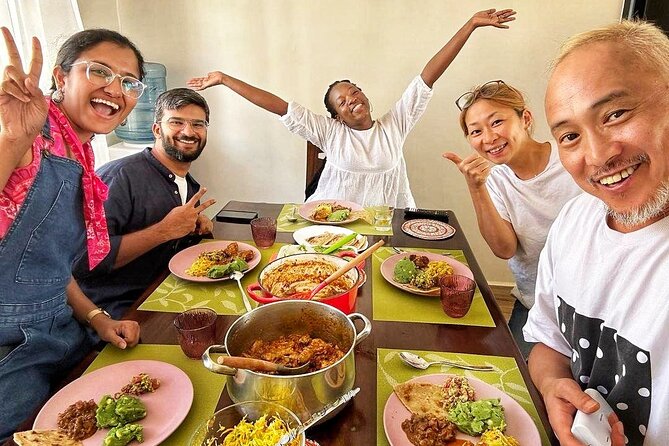
- Three experiences in one: A market visit, a matatu ride, and a home cooking class are all part of the outing.
- Nimoh leads the day: She brings six years of food guiding experience and a strong interest in Kenyan food and culture.
- Your shopping is part of the lesson: The price includes the groceries used for the meal.
- The meal is cooked from scratch: You prepare a main dish, a side, and vegetables, then eat together.
- You can choose your level of participation: Get your hands dirty, watch the preparation, or skip the market and go straight to the home meal.
- Small enough to stay personal: The group limit is 15 people, with wheelchair access and lifts at the cooking location.
Starting at Westlands Square

The meeting point is Westlands Square on Ring Road Parklands in Nairobi. You finish back at the same meeting point, which makes the activity easier to fit into a day of sightseeing or a first full day in the city.
The meeting spot also gives you a useful starting point for getting your bearings. Nimoh communicates through the booking platform and WhatsApp, according to the practical details shared by past participants, so confirm the meeting instructions before setting out.
The activity lasts about three and a half hours. That is long enough to give each part room to breathe, but not so long that the kitchen session takes over your whole day.
The group can reach 15 people. That is not an intimate one-on-one lesson, but the format remains more personal than a large commercial food tour. If you want the most time at the stove, ask at the start how the cooking tasks will be shared.
More cooking classes in Nairobi:
- Authentic Kenyan Cooking Class & Market Tour in Nairobi
★ 5.0 · 12 reviews - Private Traditional Kenyan Cooking Class with Lunch in Nairobi
★ 5.0 · 10 reviews - Market Tour and Traditional Kenyan Cooking Class in Nairobi
★ 4.8 · 6 reviews
Seeing Nairobi through a farmers market
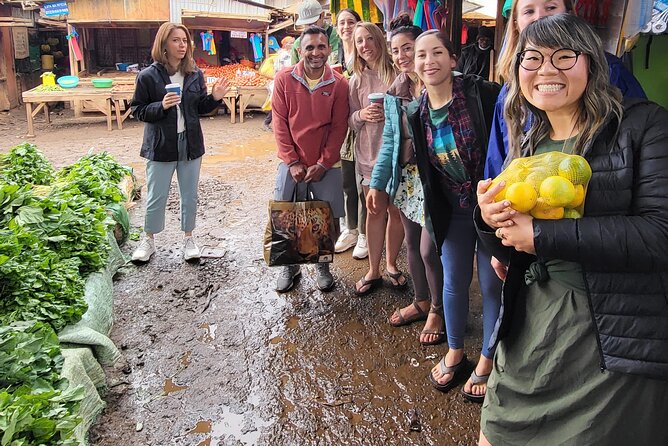
The market is more than a place to buy supplies. It gives you a direct look at the produce used in Kenyan homes and lets you compare it with the food you may see in restaurants.
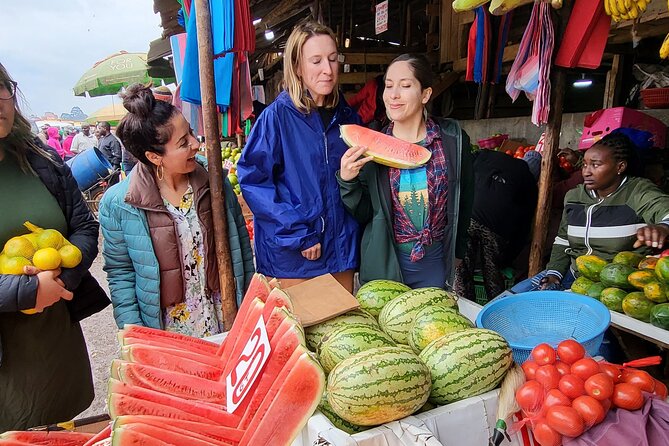
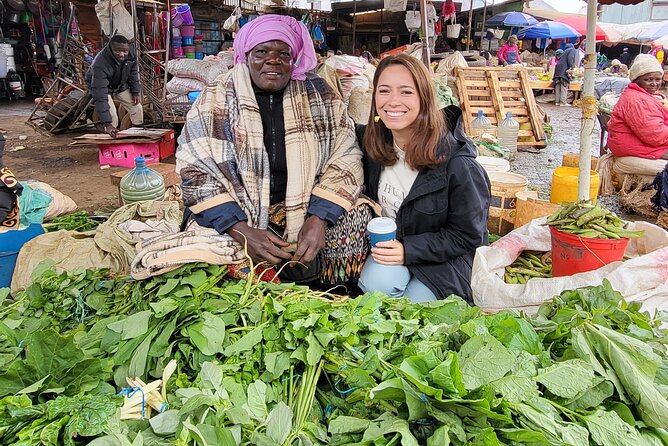
You shop with Nimoh for the ingredients needed for the meal. She explains the produce, points out what to look for when choosing good ingredients, and talks about food and market customs. This is where the class gains much of its value: you are not simply handed a prepared basket and told to follow instructions.
The market can also be the most sensory part of the outing. You can expect the sights, sounds, and smells of a working local market rather than the tidy layout of a supermarket. That makes it interesting, but it also means you should be ready for a less controlled setting.
Nimoh has been described as especially helpful with questions about spices, vegetables, meat, and street food. If you are curious, this is the right time to ask how ingredients are used at home, what makes one item a better buy, and which foods are common in everyday Nairobi cooking.
The grocery shopping is included in the $50 price, so you do not need to budget separately for the meal’s ingredients. That is a useful detail when comparing this activity with classes that charge a low base price and add a market or food fee later.
You can also skip the market if you are not feeling up to it. The host welcomes people who prefer to go directly to the home meal, though you will miss the shopping and market portion that gives the class much of its local character.
Taking a matatu instead of a tour bus
The matatu ride is the most unusual part of the schedule. These public minibuses are a familiar part of daily transport in Kenya, and riding one gives you a quick lesson in how people move around Nairobi.
This is not a sightseeing bus. You are using public transportation with your host, so the ride may be lively and less predictable than a private transfer. Some matatus are known for bright decoration and loud music, details that make the trip memorable but may not suit someone seeking a calm journey.
For a first visit to Nairobi, having Nimoh with you matters. She helps make the ride feel manageable and gives context to what you are seeing. One useful point from the practical feedback is that even a person who had lived in East Africa but had never tried a matatu felt comfortable taking one with her.
You should still treat this as a real public transport ride. Keep your belongings secure, follow Nimoh’s instructions, and expect the journey to be part of the activity rather than dead time between attractions.
The matatu portion also helps connect the market to the cooking class. You are not just moving from one tourist stop to another. You are carrying the ingredients you helped select and heading to a local home to use them.
Cooking a Kenyan meal from scratch
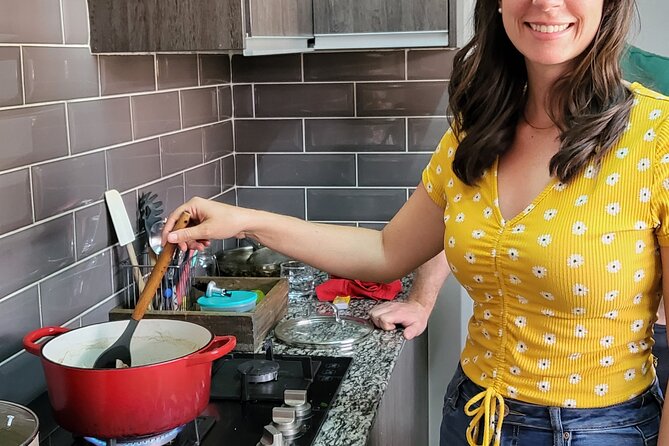
At Nimoh’s home, the focus shifts from shopping to preparation. You make a complete meal with a main dish, a side dish, and vegetables. The exact menu can vary, and the full itinerary is shared after booking, so do not book expecting one fixed recipe unless you confirm it in advance.
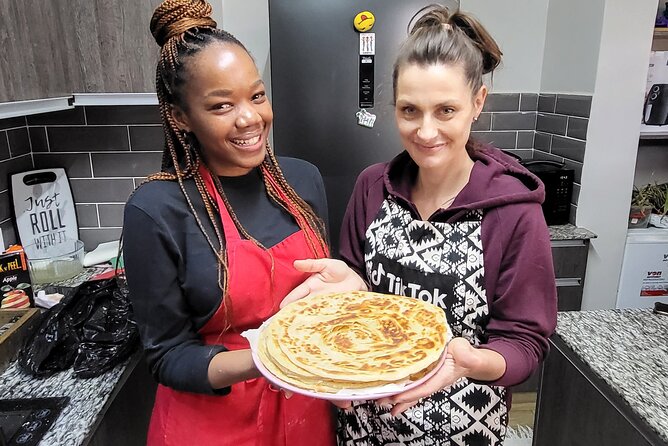
Past menu details include chapati, stewed goat, and side dishes. That combination gives you a sense of the class’s range, but your own meal may be different. Vegetarian, pescatarian, and gluten-free choices are available if you give notice when booking.
The class is participatory. You can help prepare the food, learn cooking tips, and ask about the customs tied to the meal. If you would rather watch, that is fine too. This flexibility makes the activity work for both confident home cooks and people who rarely cook.
I would recommend joining in at least for part of the preparation. Kneading, chopping, seasoning, and watching the food come together help you remember the meal later. You also leave with a better sense of how Kenyan dishes are built, rather than just a recipe card with measurements.
The kitchen setting is a home, not a culinary school. That is the point, but it also sets expectations. You may not receive a formal lesson with printed steps, individual workstations, or restaurant-style presentation. Instead, the reward is learning in a welcoming household setting and talking over the food as it cooks.
The home has lifts and is wheelchair accessible. Service animals are allowed, and the activity is near public transportation. If you have a food allergy or a serious dietary restriction, state it clearly before booking and confirm the menu with the host.
More market walks in Nairobi:
- Memorable Daily KIBERA Slums/Toi Market Tour with Locals (2 hours)
★ 5.0 · 29 reviews - Half-Day Nairobi National Park and Maasai Market with Pick up
★ 5.0 · 16 reviews - Nairobi: Hop on Hop off and Maasai market Collections Visit
★ 3.5 · 10 reviews - Explore local Market matatu ride & Make Kenyan Cuisines with a home cook
★ 5.0 · 8 reviews
Eating together and taking food with you
Once the cooking is finished, you sit down to eat the meal you helped make. The shared meal is an important part of the day because conversation continues after the practical work is done.
Nimoh talks about Kenyan culture, family traditions, local customs, and Nairobi. The food gives those subjects a natural focus. You can ask why a dish is served a certain way, how it fits into home life, or how cooking differs between communities.
The host’s own tribal background shapes the menu and the stories. The activity describes the meal as traditional food from her tribe, so you are learning one particular Kenyan food tradition rather than being given a broad, generic version of Kenyan cuisine.
You can carry the prepared food with you after the activity. That is useful if you are not very hungry at the end, or if you want to save part of the meal for later. Bring a suitable container only if you want to confirm whether one is provided, since that detail is not specified.
The social side is a major part of the appeal. People have described the setting as feeling like lunch with a friend, which tells you what kind of atmosphere to expect. It is warm and conversational rather than formal and instructional.
Is $50 a fair price in Nairobi?
At $50 per person, this is a good value if you take part in all three sections. You receive a guided market visit, public transport with a local host, a cooking class, a prepared meal, and groceries. The price also covers the ingredients, which makes the cost easier to assess.
A shorter market walk alone might cost less. A formal cooking school could offer more structured instruction. This outing combines several modest activities into one half-day, and the value comes from the connection between them.
The market shows you where the food begins. The matatu shows you one way people get around. The kitchen shows you how the ingredients become a meal. That sequence gives the $50 fee a clear purpose.
The price is less attractive if you plan to skip both the market and the matatu and only want to eat at the home. The host does welcome that option, but the full outing is designed around the complete route.
With a 4.9 rating from 129 ratings and a 98 percent recommendation rate, the activity has a strong record. The praise centers on Nimoh’s warmth, the food, the market explanations, the matatu ride, and the sense of seeing Nairobi beyond standard sightseeing.
Who will enjoy this activity most?
I would choose this for a first or second day in Nairobi. The host can help you understand the city’s food, transport, and daily customs, and the casual conversation may give you useful ideas for the rest of your stay.
It suits you if you:
- Like meeting local people in a home setting
- Want to cook rather than simply watch
- Enjoy public transport and everyday city life
- Are curious about markets, spices, produce, and street food
- Want a cultural activity that does not take a full day
- Are happy with a flexible menu and a relaxed pace
Families and small groups may also enjoy it, provided everyone is comfortable in a public market and on a matatu. The limit of 15 people makes it possible for mixed groups, though larger groups may get less individual time during preparation.
This may not be your best choice if you want a chef-led class with professional equipment, a fixed menu, or a quiet private transfer. It is also worth thinking twice if market crowds, unfamiliar food, or public transport make you uneasy.
The activity requires good weather. If poor weather causes cancellation, you are offered another date or a full refund. You can cancel for a full refund up to 24 hours before the start time. Cancellations or changes inside that window are not refunded or accepted.
Small details that make planning easier
Bring comfortable clothes that you do not mind wearing in the kitchen. The host encourages you to get involved, and flour, oil, spices, and other ingredients can make hands-on cooking messy.
Keep the schedule flexible around the three-and-a-half-hour duration. Market time, transport, and cooking all depend on the group and the pace of the day, so avoid booking a tightly timed attraction immediately afterward.
The activity is confirmed at booking, and mobile tickets are accepted. The end point is the original meeting point, so you do not need to arrange a separate return transfer from the home.
Dietary requests must be made in advance. Vegetarian, pescatarian, and gluten-free options are available on notice, but do not assume that a last-minute change can be accommodated.
The class is accessible by lift and wheelchair, and service animals are allowed. Near-public-transport access is another plus for people who prefer not to arrange a private car.
Should you book the Kenyan cooking class?
Book it if you want food tied to real daily life, not just a recipe lesson. The market, matatu, and home meal work well together, and Nimoh appears to be the key reason the day feels personal and easy to follow.
The strongest choice is to take the full route, join in with the cooking, and ask plenty of questions. You will get the most from the $50 fee that way.
Skip it if you want a polished restaurant kitchen, a guaranteed menu, or a private luxury outing. For everyone else, especially first-time visitors looking for a friendly introduction to Nairobi, this is one of the more useful ways to spend three and a half hours.
FAQ
Where does the activity begin?
It begins at Westlands Square on Ring Road Parklands in Nairobi, Kenya.
Where does the activity end?
The activity ends back at the meeting point.
How long does the experience last?
It lasts about 3 to 3.5 hours.
What is included in the $50 price?
The price includes the market grocery shopping and the cooking activity. You also prepare and eat a Kenyan meal.
Is the market visit required?
No. You can skip the market if you do not feel up to it and go directly to the home meal.
Is the matatu ride included?
Yes. The activity includes a public transport experience by matatu.
What food will I cook?
You will prepare a complete Kenyan meal with a main dish, a side dish, and vegetables. The exact itinerary and menu are shared after booking.
Are special diets supported?
Vegetarian, pescatarian, and gluten-free options are available when requested in advance.
Is the cooking location wheelchair accessible?
Yes. The building has lifts and is wheelchair accessible.
What is the cancellation policy?
You receive a full refund if you cancel at least 24 hours before the start time. Cancellations or changes made less than 24 hours before the start are not accepted or refunded.
More Workshops in Nairobi
- Local Market Tour and Traditional Meal Cooking Class
★ 5.0 · 4 reviews - Private Kenyan Cooking Class in Nairobi with a Local
★ 5.0 · 3 reviews - Malindi : Kenyan Cooking Class with Campfire Meal
★ 5.0 · 3 reviews - Beginner Swahili Woodcarving Classes with Woman Woodcarver
★ 5.0 · 3 reviews
More shopping trips in Nairobi
- Nairobi souvenir Shopping and Historical Half day Tour
★ 5.0 · 61 reviews - Nairobi Cultural Shopping Experience
★ 5.0 · 21 reviews - Nairobi Guided Cultural Shopping Experience Day Tour
★ 4.0 · 12 reviews - Nairobi cultural souvenir shopping tour with a local
★ 5.0 · 12 reviews
Recently added around Nairobi
- Nairobi; City Walk Tour★ 4.5 · 3 reviews
- Private 3-Day Masai Mara Safari Adventure★ 5.0 · 3 reviews
- Kenya safari★ 5.0 · 3 reviews
- 2 Days Amboseli National Park Safari★ 3.5 · 3 reviews
- 11-Days Best of Kenya & Tanzania Big 5 Safari on a 4×4 Jeep★ 5.0 · 3 reviews
- Full Day, Small Group Guided Tour to Amboseli National Park★ 4.5 · 3 reviews
- 10-Days Explore Kenya Wildlife Private Safari★ 5.0 · 3 reviews
- Nairobi: Giraffe Center, Beads Factory & Bomas of Kenya Tour★ 4.5 · 3 reviews
Nairobi Tours, compared.

Nairobi National Park Half-Day Tour; Free Wi-Fi connection
Read our review →
National Park & Optional Elephants & Giraffe Center
Read our review →
NAI NAMI: Nairobi Storytelling Tour with Street Children
Read our review →



Elephant Orphanage and Giraffe Center Tour with Options
Read our review →Browse the lists this tour appears in