
Reviewed · NAIROBI TOURS
Authentic Kenyan Cooking Class & Market Tour in Nairobi
The best part of this experience is the move from a local market into Tabitha’s home kitchen. You are not just shown Kenyan food. You help choose ingredients, cook the meal, and sit down with your host and her family to talk about everyday life in Kenya.
I like the direct contact with local people and the chance to learn dishes such as ugali, pilau, chapati, sukuma wiki, and kuku kienyeji. I also like that transport to and from the market and lunch are included. The main consideration is that the home kitchen has limited space, so this is a personal, hands-on visit rather than a polished cooking studio.
Key points to know before booking
- Tabitha, known as Tabby, leads the experience in English or Swahili and welcomes you into her home.
- The market visit comes first, giving you a look at daily shopping and a chance to help select fresh ingredients.
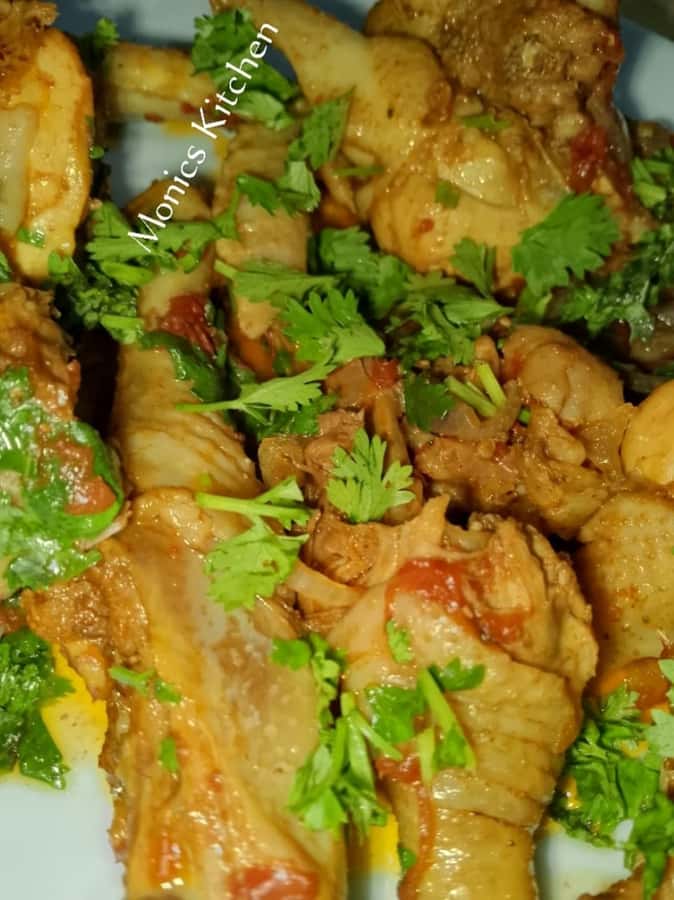
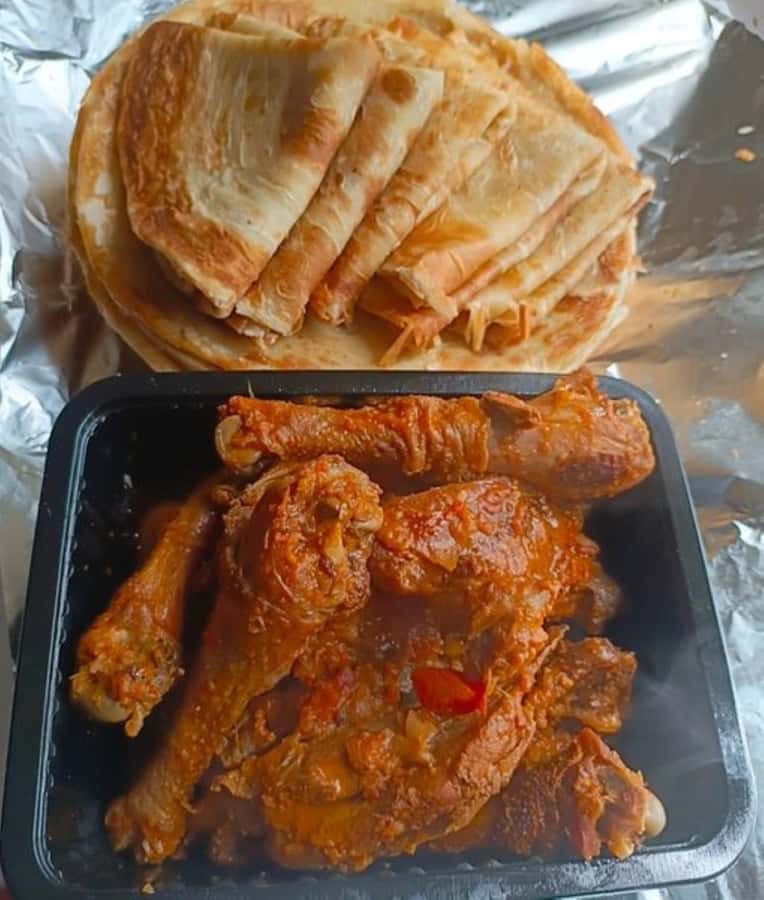
- You may prepare several Kenyan staples, including ugali, pilau, chapati, sukuma wiki, kachumbari, mukimo, githeri, and kuku kienyeji.
- Lunch is part of the experience, with water, soda, and tea included.
- The meeting point is K-MALL Komarocks parking lot, with transport provided to and from the market.
- The $64 price suits visitors seeking personal contact, though it is less useful if you only want a quick demonstration or have food allergies.
From K-MALL Komarocks to a Nairobi market
Your meeting point is the K-MALL Komarocks parking lot. From there, the experience begins with transport to a local market, where you can see a less packaged and more ordinary side of Nairobi life.
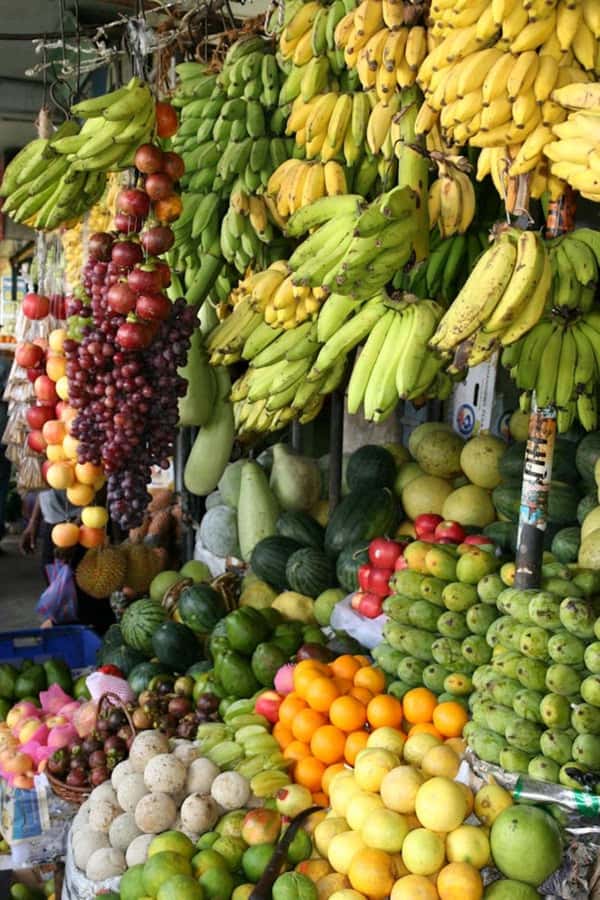
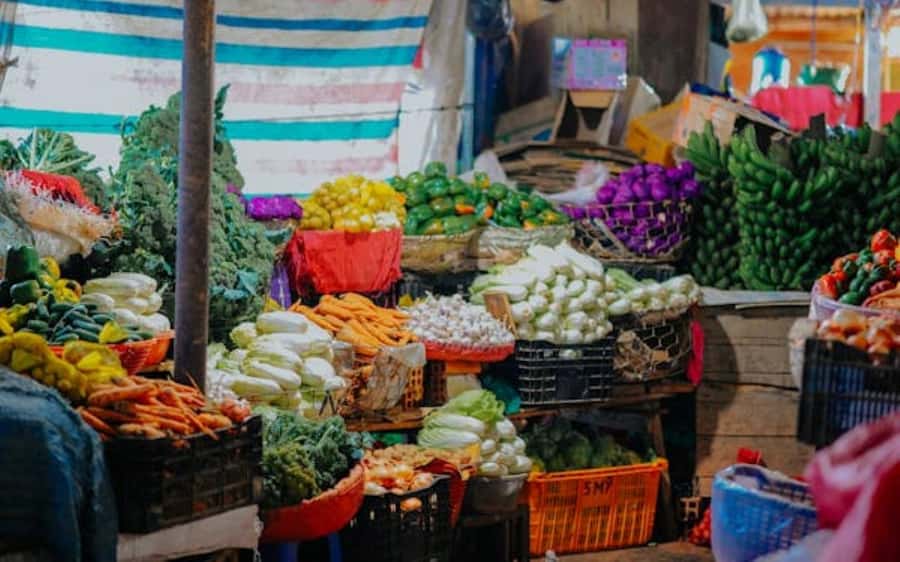
The market is not simply a stop for sightseeing. You help pick the ingredients used later in the meal. That small detail gives the visit a clear purpose. You can see what is being bought, learn how produce is selected, and connect the morning shopping trip to the food on your plate.
Tabitha guides you through the market and helps you manage the busy setting. This matters if you are unfamiliar with local shopping customs or unsure how to approach vendors. You will also have chances to interact with local people, though the market is a working place rather than a set built for visitors.
The atmosphere may feel crowded and energetic. One practical tip is to wear comfortable shoes and clothes you can move in. Bring cash, since it is listed as something to have with you, and keep your camera ready if you want to record the colors and activity. Do ask before photographing people.
The journey itself can be part of the experience. The route takes you through Nairobi toward the outskirts, giving you a view of the city beyond the main visitor areas. It is not presented as a separate city tour, so keep your attention on the food and daily life rather than expecting detailed commentary about every neighborhood.
More cooking classes in Nairobi:
- Traditional Kenyan Cooking Class & Local Market Tour
★ 5.0 · 129 reviews - Private Traditional Kenyan Cooking Class with Lunch in Nairobi
★ 5.0 · 10 reviews - Market Tour and Traditional Kenyan Cooking Class in Nairobi
★ 4.8 · 6 reviews
Entering Tabitha’s home kitchen
After the market, you head to Tabitha’s home for the cooking class. This is where the activity becomes more personal. You are in a real household, not a commercial kitchen, and the setting shapes the whole visit.
Space is limited, but that can work in your favor. You are likely to be close to the preparation and have opportunities to help, taste, and ask questions. The class is designed around participation, so come ready to chop, stir, shape, season, and learn as the meal comes together.
Tabitha, also called Tabby, is the central figure in the experience. Her hosting style includes cooking, conversation, and storytelling. You can ask about ingredients and cooking methods, but the conversation also reaches into food customs and ordinary life in Kenya.
That personal setting is the main reason to book this rather than a standard restaurant meal. Eating Kenyan food is easy in Nairobi. Spending time in a Kenyan home, helping prepare it, and sharing lunch with the person who taught you gives the meal more meaning.
There is a tradeoff. A home kitchen may not offer the room, equipment, or precise format of a professional cooking school. If you want a structured lesson with printed recipes and individual workstations, this may feel informal. If you prefer a relaxed visit with conversation and shared work, the setting is a strong match.
The Kenyan dishes you may prepare
The food list covers several important Kenyan staples, though the exact combination prepared during your session may vary. The experience focuses on familiar home cooking rather than rare or highly technical dishes.
Ugali is one of the best-known Kenyan foods. It is a firm maize meal served as an accompaniment, and learning to prepare it helps you understand the texture and timing that make it work with other dishes. You may also learn how it is eaten alongside vegetables or meat.
Sukuma wiki is a leafy green dish often associated with everyday Kenyan meals. Its name is commonly linked to the idea of stretching food through the week. It is a useful dish to learn because it shows how a simple vegetable preparation can sit at the heart of a home meal.
Kachumbari brings a fresh salad element to the table. It is a good counterpoint to heavier dishes such as ugali, pilau, or chicken. Preparing it also gives you a chance to handle some of the market ingredients soon after buying them.
Chapati requires more hands-on work than simply placing food in a pot. You may help with the dough and shaping, then watch how it is cooked. It is a familiar comfort food in Kenya and a useful dish to add to your home cooking after the visit.
Pilau provides the meal with spice and fragrance. It is commonly prepared with rice and seasoning, though the exact method and ingredients used here are taught by Tabitha. Pay attention to how she builds flavor, since the value of the class lies in seeing the steps rather than just eating the finished dish.
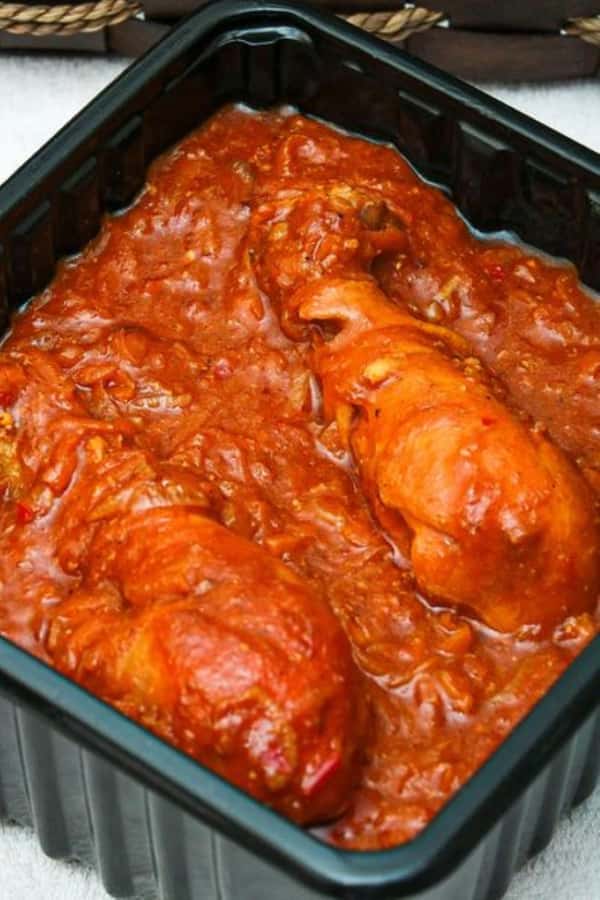
The menu can also include mukimo, githeri, and kuku kienyeji. Mukimo is a mashed dish, githeri is a bean and maize preparation, and kuku kienyeji refers to traditional-style chicken. The range means you may taste several different textures and cooking methods in one sitting.
The description also mentions some kienyeji chicken alongside the other dishes. If a particular item matters to you, ask Tabitha before booking or at the start of the class which dishes will be prepared that day.
Sharing lunch instead of rushing off
Once the food is ready, you sit down to eat lunch in the home. This is not a quick tasting between scheduled stops. The meal is the point at which the market, the cooking, and the conversation come together.
Lunch includes beverages: soda, water, and tea. Alcoholic drinks are not included, so you should not expect wine or beer with the meal. If you want an alcoholic drink, the activity information makes clear that it is your responsibility.
The shared meal also creates room for storytelling. Tabitha and her husband may join the conversation, and the experience can include discussion about daily life, family, food, and the challenges and joys of living in Kenya. That human exchange has been one of the most praised parts of the visit.
You should still keep your expectations sensible. A four-hour activity cannot explain every regional food tradition in Kenya. The dishes and stories come from the host’s own cooking and life, making this a personal introduction rather than a full survey of Kenyan cuisine.
More market walks in Nairobi:
- Memorable Daily KIBERA Slums/Toi Market Tour with Locals (2 hours)
★ 5.0 · 29 reviews - Half-Day Nairobi National Park and Maasai Market with Pick up
★ 5.0 · 16 reviews - Nairobi: Hop on Hop off and Maasai market Collections Visit
★ 3.5 · 10 reviews - Explore local Market matatu ride & Make Kenyan Cuisines with a home cook
★ 5.0 · 8 reviews
What $64 includes and what it does not
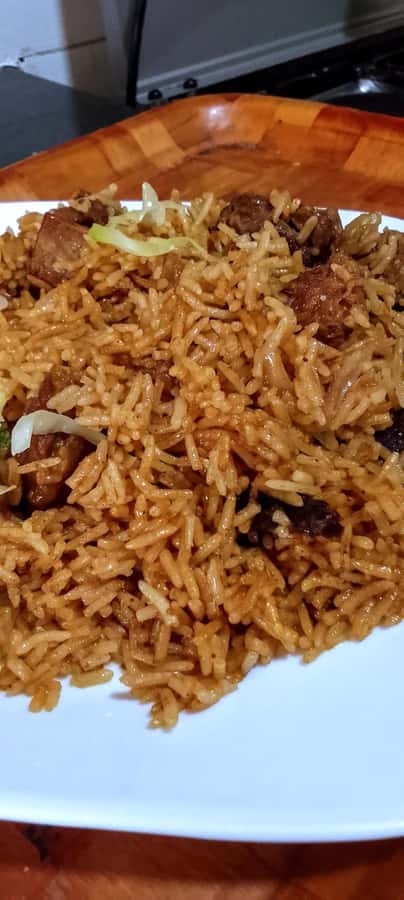
At $64 per person, the price is reasonable for a four-hour experience that combines a host, market transport, cooking instruction, a home visit, lunch, and drinks. You are paying for time and personal contact as much as for food.
The included elements are:
- Local host services
- Transport to and from the market
- Cooking lessons
- Lunch
- Soda, water, and tea
The value is strongest if you want more than a meal. A restaurant may cost less, but it will not give you the market visit, the cooking practice, or the conversation in a private home. A formal cooking class may provide more equipment, but it may not offer the same connection to daily life.
Transport requires a little care when planning. The stated meeting point is K-MALL Komarocks parking lot, and transport to and from the market is included. Transportation can be arranged for convenience, but Uber and other transport fees are not included. Confirm the exact pickup plan if you are staying elsewhere in Nairobi, since the listed meeting point may require your own ride.
The secure neighborhood is another comfort for visitors who may feel uncertain about visiting an unfamiliar residential area. Still, follow Tabitha’s directions and keep the day focused on the planned route.
Who will enjoy this most
I would recommend this experience to you if food is your way into a culture. You do not need advanced cooking skills. Curiosity, comfortable clothing, and a willingness to take part matter more.
It is especially suited to:
- Couples or small groups who want personal conversation
- First-time visitors looking for everyday life beyond major sights
- Home cooks who want to learn Kenyan dishes
- People who enjoy markets and local food shopping
- Families with children, since children below 10 receive free entrance
The activity is less suited to anyone with food allergies. The information specifically says it is not suitable for people with food allergies, so do not assume that substitutions can be provided.
It is also listed as unsuitable for people over 95. Anyone with mobility concerns should consider the market setting, the cooking space, and the need for comfortable shoes, though no detailed accessibility information is provided.
Timing, language, and practical preparation
The activity lasts four hours, with starting times based on availability. That is enough time for a market visit, transport, cooking, and lunch, but it is not a full-day outing. Plan your schedule so you are not racing to another appointment.
Tabitha guides in English and Swahili. English-speaking visitors should be able to take part in the instruction and conversation, while Swahili speakers may enjoy an added layer of ease during the market visit.
Wear comfortable shoes and clothes. You may be walking through a market, standing during cooking, and working in a home kitchen. Bring a camera if you want photographs, but use good manners around vendors and household members.
Cash is listed among the things to bring. Keep personal items manageable, since a market and a small kitchen are easier to handle without a large bag. Weapons and sharp objects are not allowed.
The experience offers free cancellation up to 24 hours before the start for a full refund. You can also reserve now and pay later, which helps if your Nairobi schedule is still changing.
How this compares with a standard Nairobi food tour
A typical food tour may take you from one restaurant or stall to another. This experience has a different rhythm. You shop first, cook second, and eat with the person who hosted the process.
That makes it more intimate, but also less predictable. The market may be noisy, the kitchen may feel close, and the pace may depend on the food being prepared and the conversation. You should choose it for contact and participation, not for a polished performance.
I also like that it does not treat food as a separate attraction. The market shows where ingredients enter the meal. The kitchen shows how they are handled. Lunch shows how the finished food fits into social life.
The strongest part is the welcome. Tabitha’s home is not just a location for the class. It is the setting for the stories and shared meal that give the activity its character. That is why this can become one of the more personal experiences in a Nairobi visit.
Should you book the Kenyan cooking class?
Book it if you want to spend part of your Nairobi trip with a local host, learn the basics of Kenyan home cooking, and share a meal in a real home. The market visit, Tabitha’s warm hosting, and the chance to prepare several classic dishes make the $64 fee fair for this kind of personal experience.
Skip it if you have food allergies, want a large professional kitchen, or prefer a short tasting with no hands-on work. Also check your transport to K-MALL Komarocks before booking.
For the right visitor, this is less about mastering every Kenyan recipe and more about seeing, cooking, and eating daily life with Tabitha. Bring an appetite, comfortable shoes, and enough curiosity to take part.
FAQ
Where does the experience meet?
The meeting point is the K-MALL Komarocks parking lot.
How long does the activity last?
The activity lasts four hours.
What languages does Tabitha speak during the tour?
The live tour guide languages are English and Swahili.
Is transport included?
Transport to and from the market is included. Transportation can also be arranged for convenience, but Uber and other transportation fees are not included.
What food will I learn to prepare?
The experience focuses on Kenyan dishes such as kachumbari, sukuma wiki, ugali, chapati, pilau, and kuku kienyeji. It may also include mukimo and githeri.
Is lunch included?
Yes. Lunch is included, along with soda, water, and tea.
Are alcoholic drinks included?
No. Alcoholic drinks are not included.
Can children join the activity?
Yes. Children below 10 years receive free entrance.
What should I bring?
Bring comfortable shoes, comfortable clothes, a camera, and cash.
Can I cancel for a refund?
Yes. You can cancel up to 24 hours in advance for a full refund. Reserve now and pay later is also available.
More Workshops in Nairobi
- Local Market Tour and Traditional Meal Cooking Class
★ 5.0 · 4 reviews - Private Kenyan Cooking Class in Nairobi with a Local
★ 5.0 · 3 reviews - Malindi : Kenyan Cooking Class with Campfire Meal
★ 5.0 · 3 reviews - Beginner Swahili Woodcarving Classes with Woman Woodcarver
★ 5.0 · 3 reviews
More shopping trips in Nairobi
- Nairobi souvenir Shopping and Historical Half day Tour
★ 5.0 · 61 reviews - Nairobi Cultural Shopping Experience
★ 5.0 · 21 reviews - Nairobi Guided Cultural Shopping Experience Day Tour
★ 4.0 · 12 reviews - Nairobi cultural souvenir shopping tour with a local
★ 5.0 · 12 reviews
Recently added around Nairobi
- Nairobi; City Walk Tour★ 4.5 · 3 reviews
- 2 Days Amboseli National Park Safari★ 3.5 · 3 reviews
- Private 3-Day Masai Mara Safari Adventure★ 5.0 · 3 reviews
- Kenya safari★ 5.0 · 3 reviews
- Full Day, Small Group Guided Tour to Amboseli National Park★ 4.5 · 3 reviews
- 11-Days Best of Kenya & Tanzania Big 5 Safari on a 4×4 Jeep★ 5.0 · 3 reviews
- 10-Days Explore Kenya Wildlife Private Safari★ 5.0 · 3 reviews
- Nairobi: Giraffe Center, Beads Factory & Bomas of Kenya Tour★ 4.5 · 3 reviews
Nairobi Tours, compared.

Nairobi National Park Half-Day Tour; Free Wi-Fi connection
Read our review →
National Park & Optional Elephants & Giraffe Center
Read our review →
NAI NAMI: Nairobi Storytelling Tour with Street Children
Read our review →




Elephant Orphanage and Giraffe Center Tour with Options
Read our review →Browse the lists this tour appears in