
Reviewed · NAIROBI TOURS
Private Kenyan Cooking Class in Nairobi with a Local
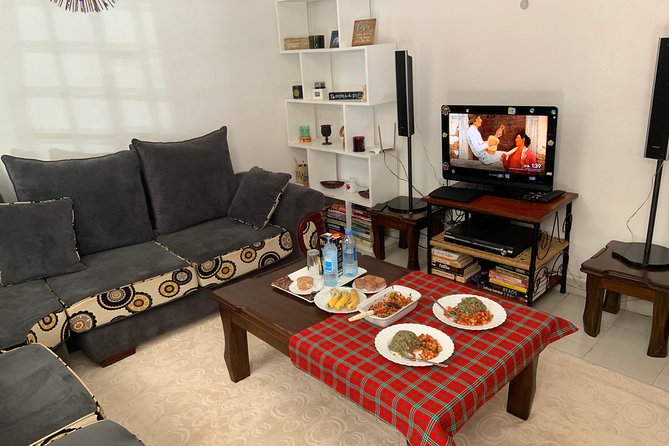
Kenyan food makes the most sense when you see it prepared at home. In Nairobi, Grace welcomes you into her modest kitchen for a private cooking session built around mukimo, ugali, pilau, and local vegetables, followed by the meal you have helped create. Her stories about her grandmother, who is more than 100 years old, add a personal thread to the food.
I like the direct contact with a local household, and I like that you learn dishes you can try again with ordinary pantry ingredients. The price is also reasonable for a private, three-hour experience with food included. The main consideration is space: Grace’s kitchen is very small, so this is closer to a cooking demonstration with some hands-on work than a full class where everyone cooks at once.
Key Points About Cooking With Grace
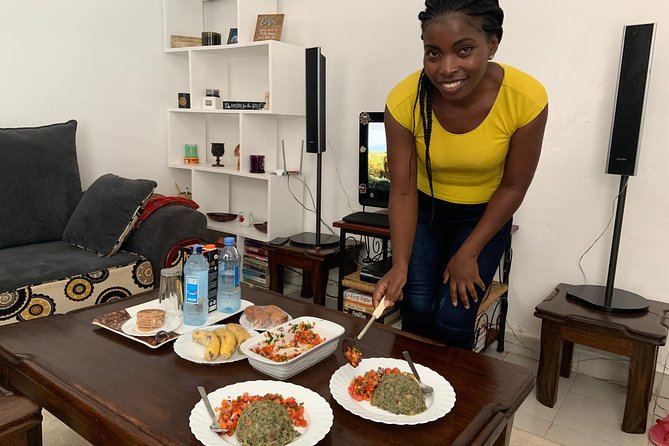
- Grace’s Nairobi home: You enter a real household rather than a restaurant kitchen or formal cooking school.
- Classic Kenyan dishes: The menu can include mukimo, ugali, pilau, and local vegetables.
- Small-kitchen format: Grace does most of the cooking, with your help added when space permits.
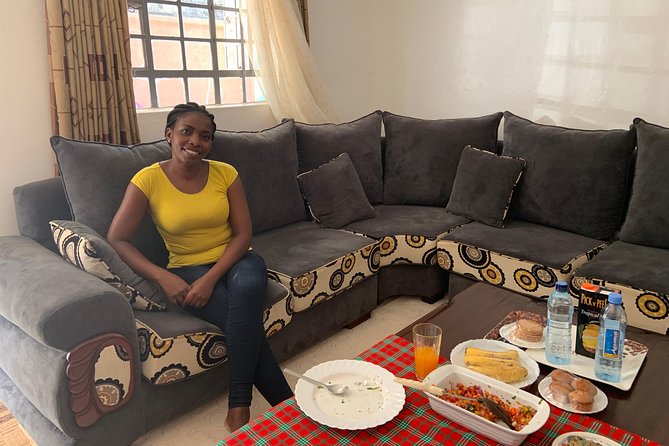
- Shared home-cooked meal: You sit down together to eat the food prepared during the session.
- Private for your group: No other group participates, making it easier to ask questions and shape the conversation.
- Three-hour morning experience: The activity begins at 11:00 a.m. and ends back at the meeting point in Nairobi.
A Kenyan Meal Begins in Grace’s Kitchen
This experience starts at 11:00 a.m. in Nairobi and lasts about three hours. The setting is the important part. You are not simply watching a chef prepare a plate for you. You are welcomed into the home of Grace, who uses her own small kitchen to explain how familiar Kenyan dishes come together.
The kitchen’s size shapes the whole class. You should expect Grace to handle most of the chopping, stirring, boiling, and cooking while you watch closely. When there is room, she brings you into the process. That makes the session less hands-on than the wording cooking class might suggest, but it also keeps the focus on the host, her family stories, and the way food is prepared in an ordinary Kenyan home.
I would treat the limited space as part of the experience, not as a flaw to be hidden. A large cooking studio could give you more room to work, but it would not offer the same sense of visiting a household. If your main goal is to practice every step yourself, you may want a larger formal class. If your goal is to understand Kenyan food through one person’s family and daily cooking, this format makes good sense.
More cooking classes in Nairobi:
- Traditional Kenyan Cooking Class & Local Market Tour
★ 5.0 · 129 reviews - Authentic Kenyan Cooking Class & Market Tour in Nairobi
★ 5.0 · 12 reviews - Private Traditional Kenyan Cooking Class with Lunch in Nairobi
★ 5.0 · 10 reviews
Mukimo, Ugali, Pilau, and Local Vegetables
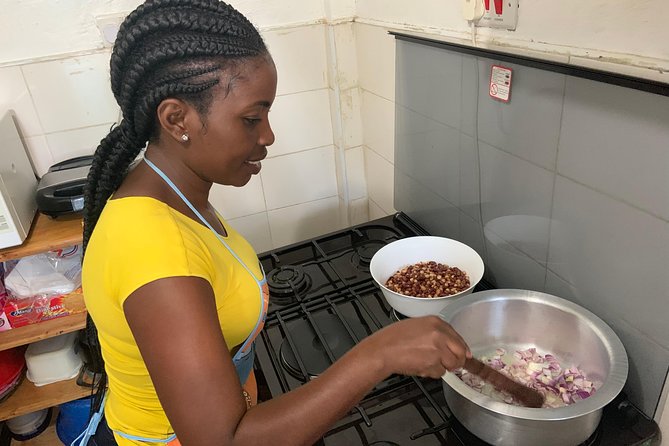
The food gives the session its structure. You may learn to prepare mukimo, a hearty mash of potatoes and greens. The dish is filling, straightforward, and well suited to a home kitchen. Grace explains different ways to make it, including versions that use ingredients already found in a typical pantry.
Ugali is another possible focus. This Kenyan staple is made by mixing corn flour with water until it reaches a firm, dense texture. It is simple in its ingredient list, but the method and final consistency matter. Watching Grace prepare it gives you a better sense of how the dish fits into a Kenyan meal than reading a recipe alone.
Pilau brings spice and fragrance to the menu. It is a spiced rice dish, and Grace may prepare it along with local vegetables. The exact combination can vary, so you should not expect a fixed restaurant-style menu with every dish guaranteed on every visit.
That flexibility is useful. Kenyan home cooking is not one unchanging formula, and Grace can explain variations instead of presenting a single official recipe. You may leave with several ways to approach mukimo, ugali, or pilau using ingredients you can find at home.
The vegetables are worth watching closely, too. One especially useful lesson is how much flavor can come from basic seasoning. The available information points to simple ingredients such as salt and onions, rather than a long list of hard-to-find spices. That is good news if you want to recreate the meal after returning home.
Family Stories Give the Food Context
Grace’s stories about her grandmother, who is more than 100 years old, are a memorable part of the session. Her grandmother’s way of making mukimo turns a basic mashed dish into a family tradition passed between generations.
This kind of story is valuable because it explains why a dish matters, not only how to cook it. You hear about variations, family habits, and the practical nature of home recipes. The food becomes connected to people and memory instead of being presented as a list of ingredients.
I also like that the conversation can follow your questions. The private format gives you room to ask about the dishes, the cooking methods, or the ingredients without worrying about keeping up with a large class. One person who took the class described Grace as personable and praised her for answering questions while allowing hands-on participation.
That said, the private format does not guarantee that every minute will be spent with your hands on a knife, pot, or spoon. The kitchen is small, and Grace will need to do much of the work. You get the best value by arriving ready to watch carefully, listen, help when invited, and ask questions.
What the Three Hours Actually Feel Like
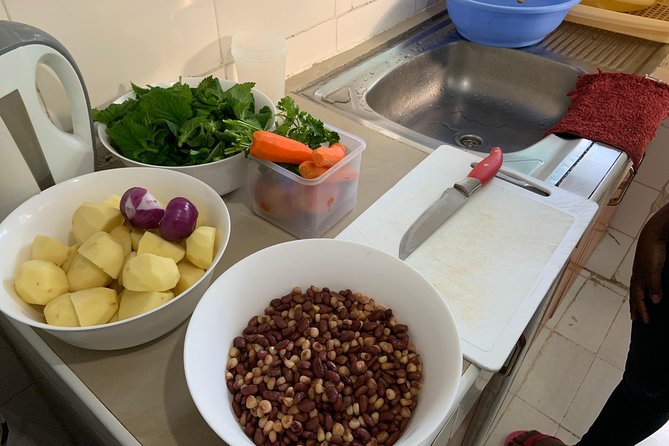
The experience is described as a half-day workshop, with about one hour devoted to the authentic cooking demonstration itself. The full activity lasts approximately three hours, so time is also available for meeting Grace, discussing the dishes, helping where possible, and sharing the finished meal.
The opening portion should feel informal rather than like a tightly timed professional lesson. You settle into the home, meet your host, and learn what you will be preparing. Since this is a private activity, the pace can suit your group better than a large scheduled class.
During the cooking portion, Grace takes the lead. Watch how she handles the ingredients, listen for the family variations, and step in whenever the kitchen allows. If you are cooking with children or with someone who does not want a demanding practical lesson, this arrangement may be comfortable. You still participate, but you are not responsible for managing an entire kitchen.
The meal at the end is more than a tasting. You sit down and share the food together. That final stage gives the experience a natural finish and lets you understand how the dishes work as a meal rather than as separate recipes.
Plan on the meal being hearty and home-style. Mukimo and ugali are substantial foods, while pilau and vegetables add different textures and seasoning. The exact dishes served can depend on the cooking plan, so it is sensible to confirm the menu if a particular item is especially important to you.
A few more Nairobi days to weigh up
- Market Tour and Traditional Kenyan Cooking Class in Nairobi
★ 4.8 · 6 reviews - Local Market Tour and Traditional Meal Cooking Class
★ 5.0 · 4 reviews - Malindi : Kenyan Cooking Class with Campfire Meal
★ 5.0 · 3 reviews - Beginner Swahili Woodcarving Classes with Woman Woodcarver
★ 5.0 · 3 reviews
Why a Private Home Visit Can Be Worth $76

The cost is $76 per person. For that price, you get a private experience in Nairobi, instruction and conversation with Grace, food preparation, and a shared meal. Group discounts are available, which can improve the value if you are traveling with several people.
The key question is what kind of food experience you want. At a cheaper market demonstration, you might see ingredients and hear a short explanation. Here, the appeal is the personal setting and the time spent with one host. You are paying for access to a household, a private group format, and a meal prepared around a conversation.
I would consider the price fair for a couple, family, or small group that values personal contact. It is less compelling if you only want to eat Kenyan food, since a restaurant will usually be a simpler and possibly cheaper way to do that. The price makes more sense if you care about learning how the food is made and hearing the stories behind it.
The booking pattern also matters. This experience is booked about 18 days ahead on average, so I would not leave it until the last minute if it is an important part of your Nairobi plans. Confirmation is sent within 48 hours of booking, subject to availability.
The Small Kitchen Is Both Limitation and Advantage
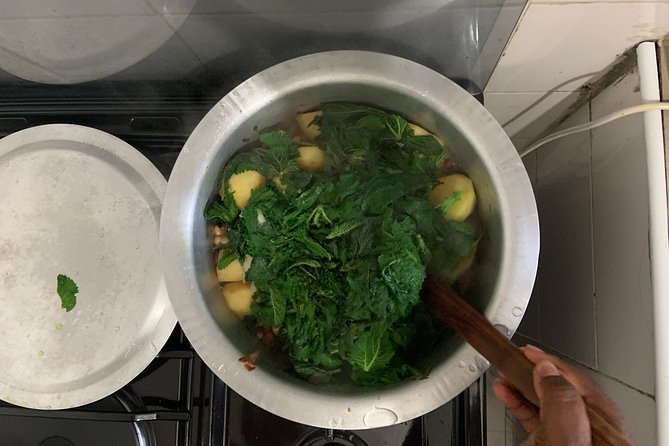
The most important practical detail is the kitchen size. Grace’s kitchen is modest, and several people cannot work comfortably at the same time. Expect to watch much of the preparation, then take part when there is a suitable task or enough room.
This makes the experience more demonstration-based than the title might lead you to expect. Do not book it assuming you will independently prepare every dish from start to finish. Instead, book it for the chance to see Kenyan home cooking up close and to contribute as the setting allows.
The small kitchen also keeps the atmosphere personal. You are near the host, close enough to hear her stories and ask questions. A larger space might be more efficient, but it could feel less like an invitation into someone’s home.
For me, the right expectations make all the difference. Think of it as a private home visit centered on cooking, not as a professional culinary course. You will probably remember the setting and conversation as much as the recipes.
Who Will Get the Most From This Nairobi Experience
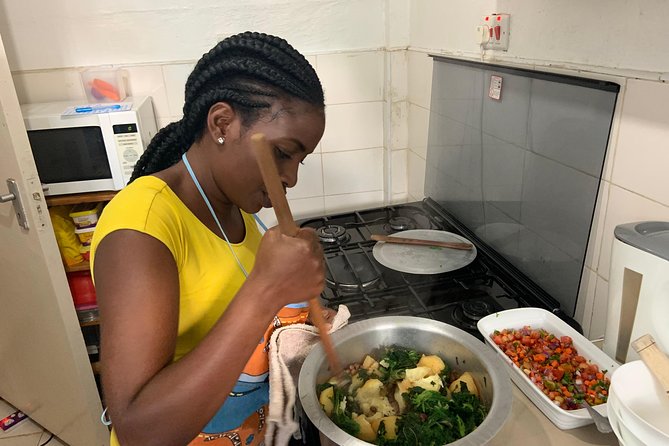
This activity suits you best if you enjoy food as a way to understand daily life. It works particularly well for:
- Couples seeking a private activity with a local host
- Families who prefer a relaxed cultural experience
- Small groups interested in Kenyan recipes they can recreate
- First-time visitors who want more than a standard restaurant meal
- People who enjoy conversation, storytelling, and home cooking
- Anyone who prefers a demonstration with occasional participation
It may not suit you if you need a fully hands-on cooking course, a large professional kitchen, or a guaranteed fixed menu. The limited space means your role may vary during the session.
The private setup is also useful for groups with different interests. One person can focus on the food, another can ask about family traditions, and another can simply enjoy the meal and conversation. Since only your group participates, you do not have to match the pace or preferences of strangers.
Getting There and Planning Your Morning
The meeting point is in Nairobi, and the activity ends back at the meeting point. The exact meeting instructions should be checked when your booking is confirmed, since the supplied details do not name a specific street address.
The start time is 11:00 a.m. That timing works well for a late morning and lunch-style activity. Give yourself enough time to reach the meeting point without rushing, especially since this is a home visit and punctuality is a simple courtesy.
The experience is near public transportation, and mobile tickets are accepted. Service animals are allowed. Since this is a private activity, the format is straightforward for your own group, with no shared coach or large class to join.
Free cancellation is available if you cancel at least 24 hours before the start time. Changes or cancellations made less than 24 hours before the activity are not accepted for a refund, and the cut-off follows Nairobi local time. Keep that deadline in mind when arranging the rest of your day.
How to Make the Most of the Cooking Session
Arrive with curiosity rather than a checklist. The value comes from seeing how Grace cooks, hearing her family stories, and learning how flexible home recipes can be.
A few simple habits will help:
- Ask Grace to explain the texture you should look for in mukimo, ugali, or pilau.
- Pay attention to seasoning, especially the use of basic ingredients such as salt and onions.
- Ask about substitutions if you want to cook the dishes at home.
- Take mental notes on proportions and cooking stages, since the kitchen setting may not feel like a formal recipe lesson.
- Be ready to help when Grace offers you a task, but do not expect constant hands-on work.
- Save room for the shared meal at the end.
The strongest practical benefit is repeatability. These are not dishes that require a professional kitchen or a long shopping list. Grace’s explanations about pantry ingredients can help you adapt the recipes after your trip.
Should You Book Cooking With Grace?
Book it if you want a personal Nairobi food experience, enjoy meeting local people, and are happy with a cooking demonstration that includes hands-on help when possible. Grace’s family stories, simple seasoning, and shared meal give the session a human scale that a standard food tour may miss.
Think twice if you want to cook every dish yourself. The small kitchen is a real limitation, and the activity is mainly demonstration-based. At $76 per person, the value rests on the private home setting, the conversation, and the chance to learn several Kenyan dishes, not on the amount of time you spend holding a cooking utensil.
For the right audience, this is a warm and practical introduction to Kenyan home food. You leave with a better idea of how mukimo, ugali, pilau, and vegetables fit into a meal, plus recipes and ideas you can adapt in your own kitchen.
FAQ
How long does the Kenyan cooking experience last?
The activity lasts approximately three hours. The cooking demonstration itself is described as taking about one hour, with the remaining time covering the home visit, conversation, participation when possible, and shared meal.
What time does the activity begin?
It begins at 11:00 a.m. in Nairobi.
Is this a private activity?
Yes. Only your group participates, and the activity is not shared with other groups.
Which Kenyan dishes may be prepared?
The menu may include mukimo, ugali, pilau, and local vegetables. The information provided does not guarantee that every dish will be prepared during every session.
Will I cook everything myself?
No. Grace’s kitchen is very small, so she does most of the cooking. You can help when space and the cooking process allow, but the experience is mainly a cooking demonstration.
What is the cancellation policy?
You can cancel for a full refund up to 24 hours before the start time. Cancellations or changes made less than 24 hours before the activity are not accepted for a refund.
Recently added around Nairobi
- Nairobi; City Walk Tour★ 4.5 · 3 reviews
- 2 Days Amboseli National Park Safari★ 3.5 · 3 reviews
- Private 3-Day Masai Mara Safari Adventure★ 5.0 · 3 reviews
- Kenya safari★ 5.0 · 3 reviews
- Full Day, Small Group Guided Tour to Amboseli National Park★ 4.5 · 3 reviews
- 11-Days Best of Kenya & Tanzania Big 5 Safari on a 4×4 Jeep★ 5.0 · 3 reviews
- 10-Days Explore Kenya Wildlife Private Safari★ 5.0 · 3 reviews
- Nairobi: Giraffe Center, Beads Factory & Bomas of Kenya Tour★ 4.5 · 3 reviews
Nairobi Tours, compared.

Nairobi National Park Half-Day Tour; Free Wi-Fi connection
Read our review →
National Park & Optional Elephants & Giraffe Center
Read our review →
NAI NAMI: Nairobi Storytelling Tour with Street Children
Read our review →




Elephant Orphanage and Giraffe Center Tour with Options
Read our review →Browse the lists this tour appears in