
Reviewed · NAIROBI TOURS
Market Tour and Traditional Kenyan Cooking Class in Nairobi
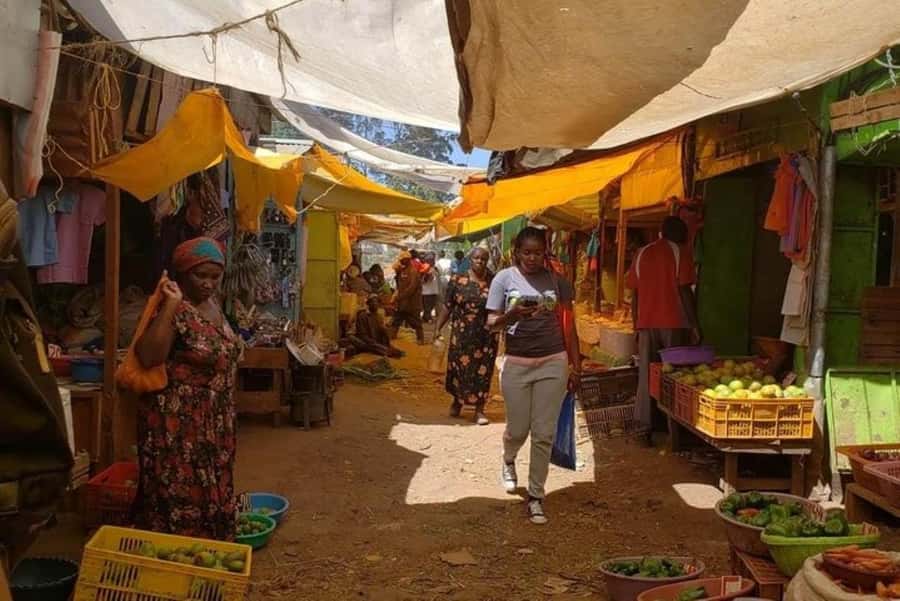
The best part of this Nairobi experience happens before anyone turns on the stove. You meet at K Mall Komarock, visit a local market, and choose the ingredients that will become your meal. Then you head to host Evaline Mbugua’s home to prepare Kenyan favorites such as ugali, chapati, and pilau, along with curry-style dishes.
I like the market visit because it gives your meal a real setting rather than treating Kenyan food as a staged demonstration. I also like the private format, which lets you ask questions and work at your own pace. The main consideration is the small kitchen: because space is limited, Evaline does most of the cooking while you help with selected steps.
Key points to know before booking
- Market shopping comes first: You choose fresh local ingredients before cooking, giving you a better sense of everyday food in Nairobi.
- Evaline Mbugua hosts the session: She guides the cooking in English or Swahili and explains Kenyan home-style dishes.
- You eat what you prepare: Food, fruit, soda, and water are included, so the class ends with a shared meal.
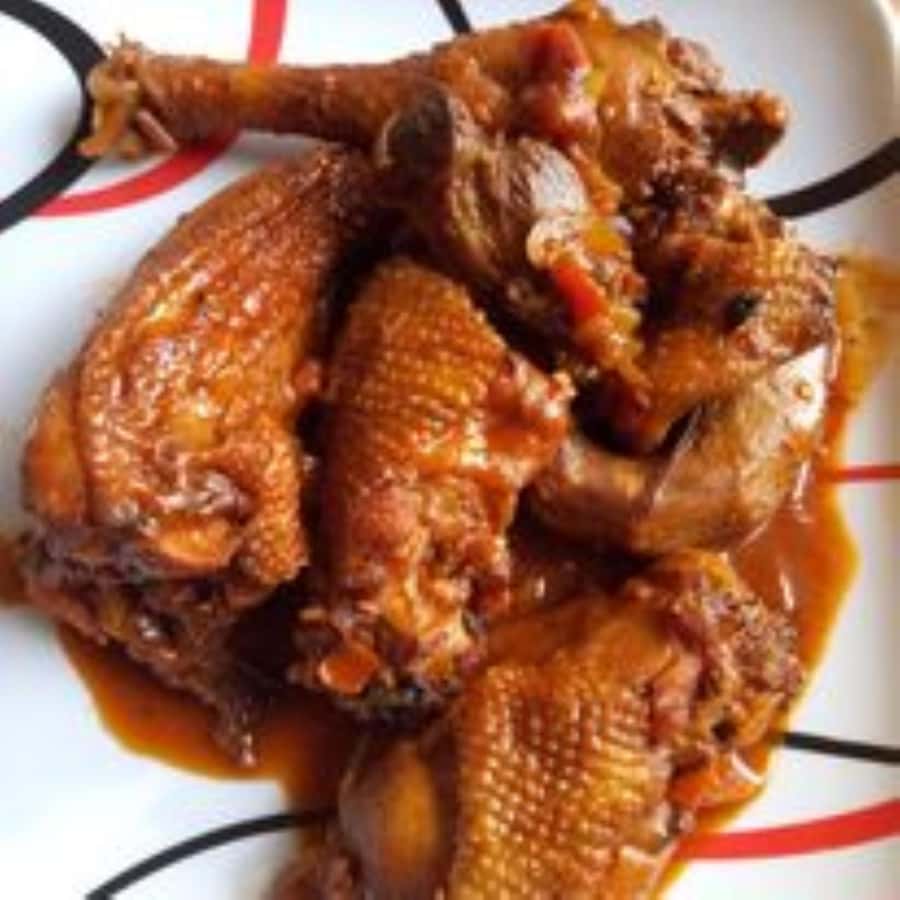
- The menu has Kenyan and Indian influences: Expect dishes such as ugali, chapati, pilau, and curries.
- It is a private four-hour activity: Your party does not share the class with a large group.
- Plan for the meeting point: You meet at the K Mall Komarock parking lot, and Uber fees are not included.
Starting at K Mall Komarock
Your meeting point is the K Mall Komarock parking lot. From there, you proceed to a local market before continuing to the host’s home.
This arrangement matters because the experience is not simply a cooking class held in a fixed studio. The food starts with the shopping trip. You see the ingredients in the place where local people buy them, then follow them through preparation and onto your plate.
I would allow a little extra care when arranging your route to K Mall Komarock. Transport to and from the market is included, but Uber fees are not. The information provided does not specify hotel pickup, so you should plan to reach the stated meeting point yourself and confirm any transport details before booking.
More cooking classes in Nairobi:
- Traditional Kenyan Cooking Class & Local Market Tour
★ 5.0 · 129 reviews - Authentic Kenyan Cooking Class & Market Tour in Nairobi
★ 5.0 · 12 reviews - Private Traditional Kenyan Cooking Class with Lunch in Nairobi
★ 5.0 · 10 reviews
Shopping for the meal at a local market
The market visit is the most useful part for anyone who wants more than a standard food demonstration. You are not only shown finished dishes. You first see the raw materials and take part in buying the supplies for the meal.
The exact market name and shopping list are not specified, so the selection may depend on what is fresh and available that day. That is part of the appeal. You might find produce and other ingredients that are less familiar than the packaged foods you see in a cooking school. Evaline can explain what is being bought and how it will be used later.
A market also gives you a quick look at ordinary food shopping in Nairobi. It puts the meal into context. Ugali, chapati, pilau, and curry are not isolated recipes presented for tourists. They belong to home cooking and to the daily work of choosing, preparing, and sharing food.
You should expect a working market rather than a polished food hall. Wear comfortable clothes and shoes, and keep your belongings secure as you would in any busy public market. The supplied details do not promise a food tasting or a long guided walk, so consider the market portion a practical shopping visit with cultural explanation rather than a separate street-food tour.
Moving from shopping to a Kenyan home kitchen
After the market, you go to Evaline’s home and begin preparing the meal. This change of setting is important. You get to see how food is handled in a real home kitchen, not just in a purpose-built classroom.
The kitchen is small, and that affects the way the class works. Evaline does most of the cooking because there is not enough room for everyone to work at once. You still help with the preparation and learn by watching closely, but this is not a fully hands-on class where every participant controls a separate cooking station.
I see that as a trade-off rather than a flaw. A compact kitchen limits movement, yet it can make the session feel more personal. You are close to the host, able to ask about techniques as they happen, and likely to see a practical version of home cooking rather than a lesson designed around commercial equipment.
If your main goal is to cook every dish independently, you may want a larger class with more counter space. If your goal is to understand how the food is made, take part where possible, and share time with a local host, the format makes good sense.
Learning ugali, chapati, pilau, and curry
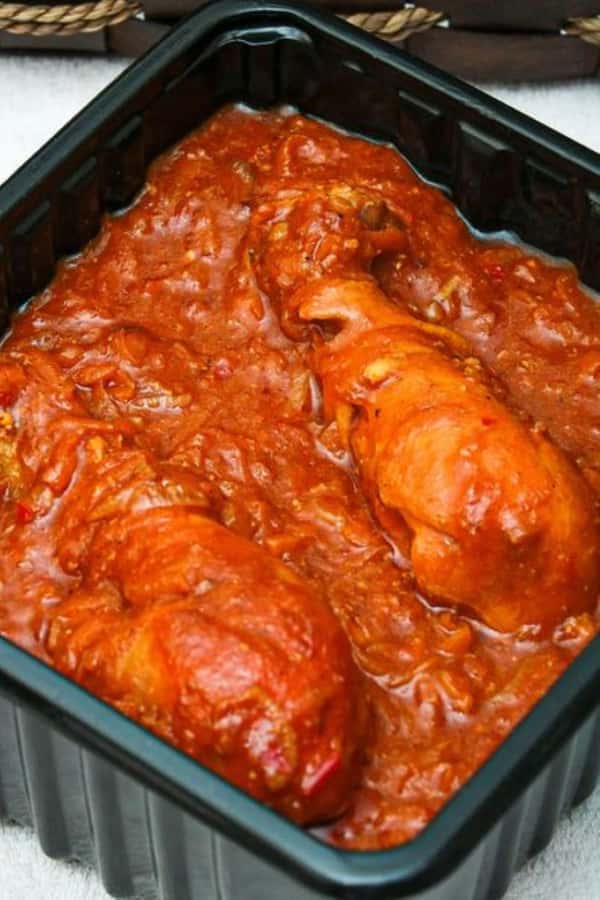
The food combines Kenyan staples with Indian influences. The dishes specifically associated with the session include ugali, chapati, pilau, and curries.
Ugali is a firm cornmeal dish and a key part of many Kenyan meals. It is simple in appearance, but the texture and consistency matter. Watching it come together helps you understand why a basic staple can be central to a meal rather than treated as a side dish.
Chapati offers a different kind of lesson. This flatbread requires handling dough and preparing it for cooking. The class gives you the chance to help make it, rather than only eating a finished piece. For many people, that practical step will be the most memorable part of the kitchen work.
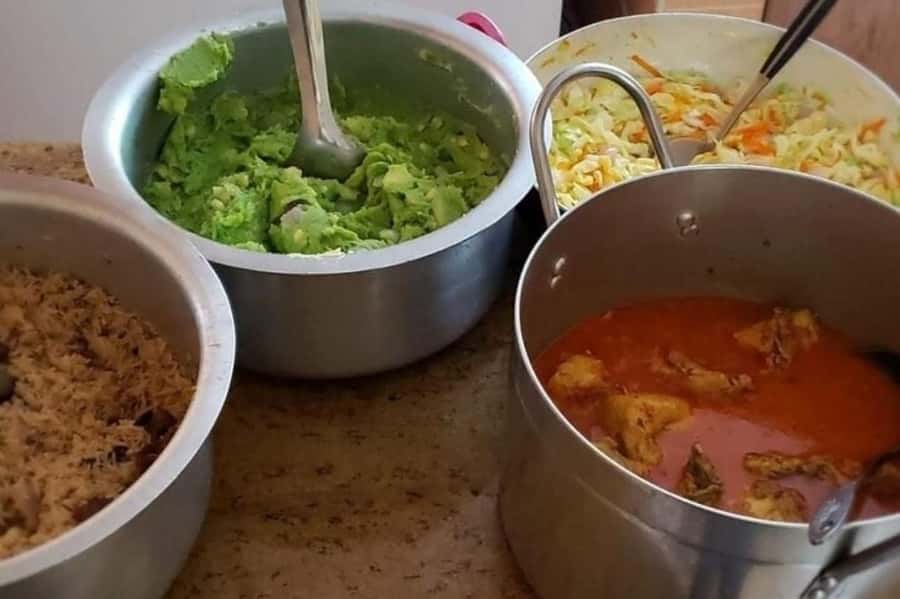
Pilau brings fragrant rice and spice into the meal, while the curry dishes show the Indian influence named in the experience description. The precise recipes are not fixed in the information available, so you should not book expecting a guaranteed menu beyond the named examples. Ask Evaline about the day’s dishes if a particular ingredient or recipe matters to you.
The food is not presented as a formal culinary syllabus. You learn through preparation, explanation, and participation. That makes it a good fit for curious eaters who enjoy asking why a dish is prepared in a certain way. It is less suited to someone seeking advanced chef training or written technical recipes.
More market walks in Nairobi:
- Memorable Daily KIBERA Slums/Toi Market Tour with Locals (2 hours)
★ 5.0 · 29 reviews - Half-Day Nairobi National Park and Maasai Market with Pick up
★ 5.0 · 16 reviews - Nairobi: Hop on Hop off and Maasai market Collections Visit
★ 3.5 · 10 reviews - Explore local Market matatu ride & Make Kenyan Cuisines with a home cook
★ 5.0 · 8 reviews
A private class with room for conversation
The session is arranged for your party alone. That is a real benefit at $55 per person, especially if you want to ask about Kenyan food, family cooking, or market ingredients without waiting for a large group to move along.
The private format also lets the conversation follow your interests. You can focus on chapati, ask about the role of ugali, or spend more time discussing the shopping experience. The guide languages are English and Swahili, so you can expect the session to work for English-speaking visitors while also connecting with local language and culture.
A private class does not automatically mean unlimited hands-on time. The small kitchen remains the main limitation. Your role is a mixture of helping, watching, and eating, with Evaline handling much of the stove work.
That balance is worth understanding before you reserve. The experience is strongest as a personal cultural exchange built around food. It is not a professional cooking workshop where each person prepares a complete menu from start to finish.
Eating the meal you helped prepare
Food is included, along with soda, fruit, and water. You are not paying $55 simply to watch a demonstration and then find your own lunch. The meal is part of the four-hour experience.
Eating at the end gives the class a clear purpose. You have seen the ingredients at the market, watched them being prepared, and helped with parts of the process. The final meal lets you compare the finished dishes with what you saw at each stage.
The shared meal also creates time for conversation. One especially appealing detail is that the session is built around sitting together and talking, not rushing straight from the last cooking step to the end of the tour. That human contact is a major reason to choose this activity over a standard restaurant meal.
Still, do not assume that every possible dish or drink is included. The stated inclusions are food, soda, fruits, and water. Alcohol, specialty drinks, and extra purchases are not listed, so you should budget separately if you want anything beyond those items.
Is $55 good value for four hours?
At $55 per person, the price is reasonable if you value access to both a market and a private home kitchen. The fee covers four hours, the meal, fruit, soda, water, and transport to and from the market. It also gives you a private guide rather than placing you in a large shared class.
The value is less about the number of recipes you take home and more about the setting. You see where ingredients are bought, learn how they are used, and eat the result in the host’s home. That combination is difficult to reproduce with a restaurant meal or a short cooking demonstration.
The price may feel less attractive if you mainly want a polished, hands-on cooking school. The limited kitchen means Evaline does much of the cooking, and the exact menu is not guaranteed beyond the examples provided. You are paying for personal contact and cultural context as much as for technique.
For a first visit to Nairobi, I think the market-to-home format gives the fee a clear purpose. It fills half a day without requiring a separate food tour and lunch booking. Just remember that Uber fees are not included, and make sure you understand how you will reach K Mall Komarock.
Who will enjoy this Nairobi food experience?
I would recommend this activity to you if you enjoy meeting local people, asking questions, and learning through ordinary routines. It suits couples, families, friends, and solo visitors who prefer a private setting.
It is also a good choice for anyone who wants a quieter introduction to Kenyan food. You do not need to arrive with cooking expertise. The dishes are presented as home cooking, and you can help with the preparation even when Evaline takes over the main cooking because of space.
Food-focused visitors will get the most from the market and ingredient discussion. If you are interested in how Kenyan and Indian influences appear together, the combination of pilau, chapati, ugali, and curry gives you several different styles of food in one meal.
I would be more cautious about recommending it to you if you need a fully accessible kitchen setup, a fixed recipe list, or a formal lesson with detailed written instruction. No accessibility information is provided, and the compact kitchen may not suit every mobility need. Ask before booking if those details are important.
Timing, language, and cancellation details
The experience lasts four hours, but the available starting times depend on the date. Check the schedule before you reserve.
You can take the tour in English or Swahili. The group is private, so the session is limited to your own party rather than mixed with a larger public group.
You can reserve now and pay later, which helps if your Nairobi plans are still changing. Free cancellation is available up to 24 hours in advance for a full refund. As always, keep that cutoff in mind rather than waiting until the day before.
My booking advice
Book this experience if you want a personal look at Nairobi food culture, especially if the idea of shopping for ingredients and eating in a local home appeals to you. The market visit, private format, and meal make it more meaningful than a demonstration alone.
Go in with the right expectations. You will help prepare the food, but Evaline will handle much of the cooking because the kitchen is small. You will also need to arrange your own way to K Mall Komarock, with Uber costs outside the tour price.
For me, the strongest reason to choose it is the complete chain from market to kitchen to table. You see the ingredients in their everyday setting, learn how familiar Kenyan dishes are made, and share the finished meal with your host. That is a solid four-hour introduction to local food and home life in Nairobi.
FAQ
How long does the market and cooking experience last?
The activity lasts four hours. Starting times vary, so check availability for your preferred date.
Where do I meet the host?
You meet at the K Mall Komarock parking lot and proceed to the market from there.
Who leads the cooking class?
The experience provider is Evaline Mbugua. The session is offered in English and Swahili.
What food and drinks are included?
Food, soda, fruits, and water are included. The meal may include dishes such as ugali, chapati, pilau, and curries.
Is transport included?
Transport to and from the market is included. Uber fees are not included.
Can I cancel or pay later?
You can cancel up to 24 hours in advance for a full refund. You can also reserve the activity and pay later.
More Workshops in Nairobi
- Local Market Tour and Traditional Meal Cooking Class
★ 5.0 · 4 reviews - Private Kenyan Cooking Class in Nairobi with a Local
★ 5.0 · 3 reviews - Malindi : Kenyan Cooking Class with Campfire Meal
★ 5.0 · 3 reviews - Beginner Swahili Woodcarving Classes with Woman Woodcarver
★ 5.0 · 3 reviews
More shopping trips in Nairobi
- Nairobi souvenir Shopping and Historical Half day Tour
★ 5.0 · 61 reviews - Nairobi Cultural Shopping Experience
★ 5.0 · 21 reviews - Nairobi Guided Cultural Shopping Experience Day Tour
★ 4.0 · 12 reviews - Nairobi cultural souvenir shopping tour with a local
★ 5.0 · 12 reviews
Recently added around Nairobi
- Nairobi; City Walk Tour★ 4.5 · 3 reviews
- Private 3-Day Masai Mara Safari Adventure★ 5.0 · 3 reviews
- Kenya safari★ 5.0 · 3 reviews
- 2 Days Amboseli National Park Safari★ 3.5 · 3 reviews
- 11-Days Best of Kenya & Tanzania Big 5 Safari on a 4×4 Jeep★ 5.0 · 3 reviews
- Full Day, Small Group Guided Tour to Amboseli National Park★ 4.5 · 3 reviews
- 10-Days Explore Kenya Wildlife Private Safari★ 5.0 · 3 reviews
- Nairobi: Giraffe Center, Beads Factory & Bomas of Kenya Tour★ 4.5 · 3 reviews
Nairobi Tours, compared.

Nairobi National Park Half-Day Tour; Free Wi-Fi connection
Read our review →
National Park & Optional Elephants & Giraffe Center
Read our review →
NAI NAMI: Nairobi Storytelling Tour with Street Children
Read our review →




Elephant Orphanage and Giraffe Center Tour with Options
Read our review →Browse the lists this tour appears in