
Reviewed · MALINDI TOURS
Malindi : Kenyan Cooking Class with Campfire Meal
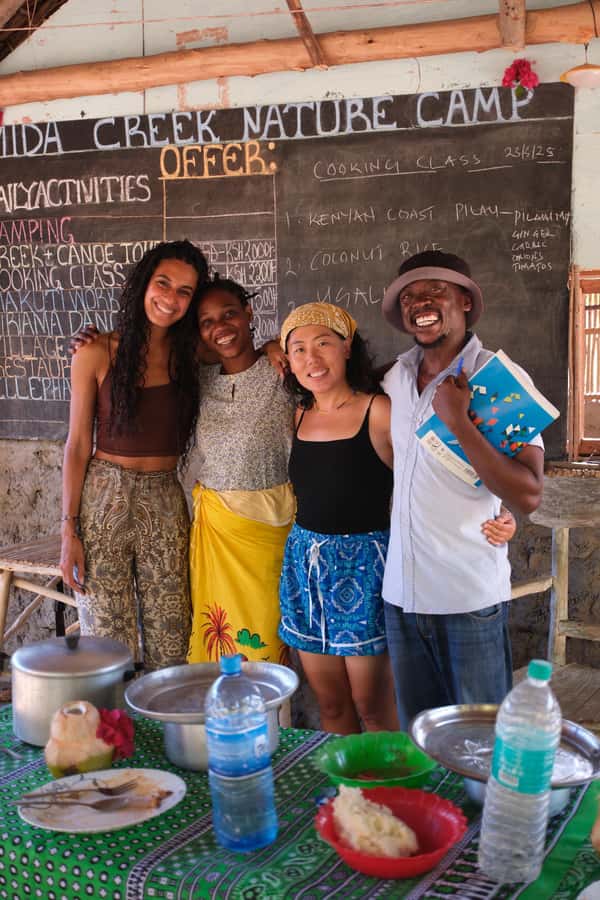
The best part of this Malindi experience is simple: you cook real Kenyan food over a campfire, rather than watching someone prepare it behind a kitchen counter. At Mida Creek Nature Camp, Harrison leads a small group of up to 10 people through local recipes, traditional tools, and ingredients gathered from the surrounding community.
I like the hands-on cooking and the chance to eat with the people you have just cooked beside. I also like the setting: a leafy, sandy camp near Mida Creek that gives the class a strong sense of place. The main consideration is that the menu changes, and people with food allergies are advised not to book this activity.
- Campfire cooking: Prepare Kenyan food with traditional methods and tools in an outdoor setting.
- Harrison’s personal teaching: Expect clear explanations, patience, and a strong connection to local food and culture.
- Several dishes in one class: You may help make pilau, wali wa nazi, ugali, sukuma wiki, stew, mandazi, or other Kenyan favorites.
- Lunch or dinner choice: Arrange the class around the group’s preferred mealtime.
- Small group size: With no more than 10 participants, you should have room to take part rather than simply watch.
- Good value at $25: Ingredients, instruction, and the meal are included.
Cooking Kenyan Food Beside the Mida Creek Mangroves
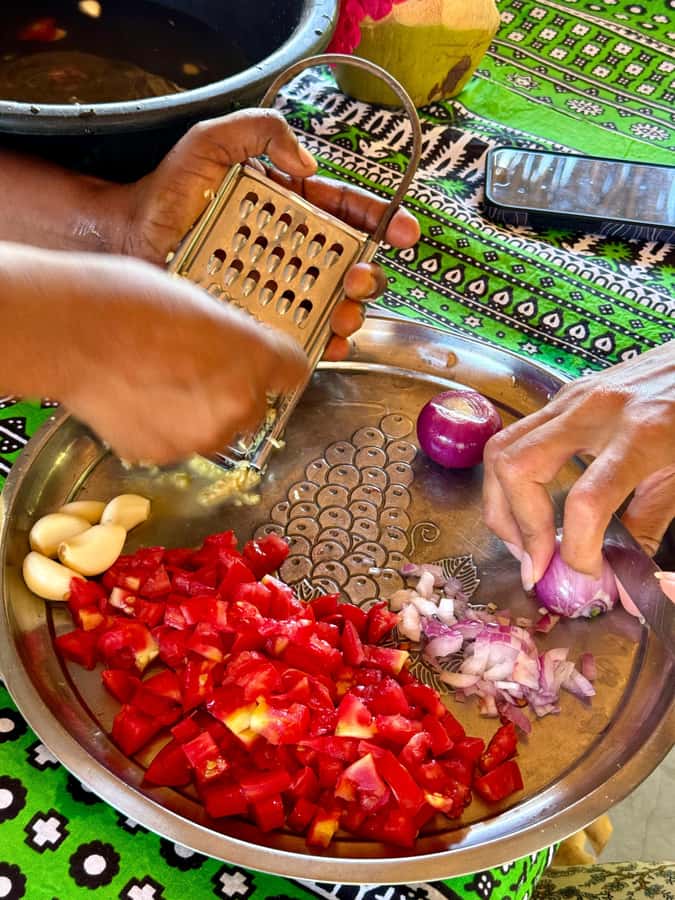
This is the kind of class I recommend when you want more than a standard sightseeing stop. You are not just handed a plate of Kenyan food. You help turn basic local ingredients into a meal, learn how the dishes are made, and sit down to eat what you prepared.
Mida Creek Nature Camp provides the setting. The camp is just off the main road in a leafy, sandy area, according to the practical description provided by the experience. That shift from road to camp matters. You are cooking outdoors, surrounded by nature, with a campfire in place of a modern stove.
The activity lasts about two hours. You meet a couple of hours before lunch or dinner, depending on the schedule chosen by the group. Since the exact starting time depends on availability, check the time carefully when booking and contact the provider if you need the class to fit around another plan.
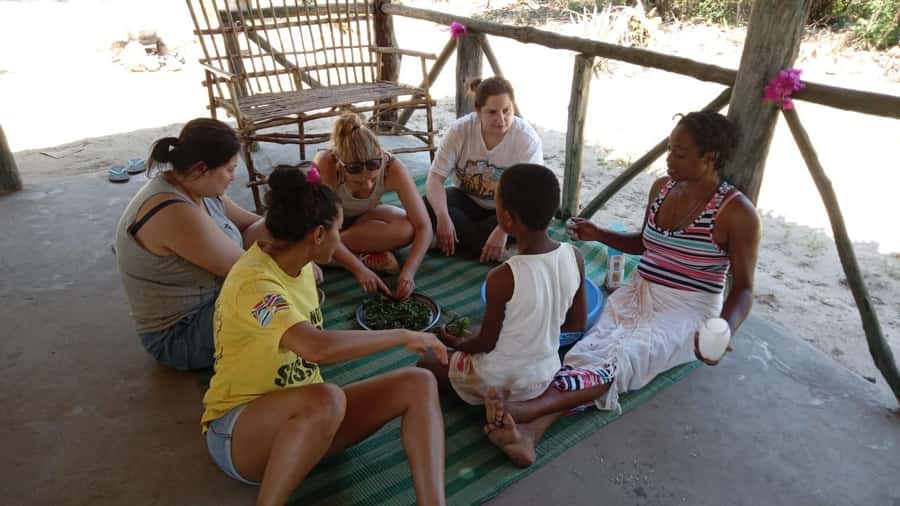
The group limit is 10 people. That is small enough for the class to feel personal, though the actual number may vary. If you enjoy asking questions, chopping ingredients, and taking an active role, this format should suit you better than a large demonstration.
Harrison’s Patient, Personal Way of Teaching
Harrison is the instructor named in the experience details, and his approach is a major part of its appeal. He teaches in English and is described as precise, patient, welcoming, and passionate about sharing his culture.
That matters in a cooking class. A recipe can be printed on a card, but it cannot explain every small judgment involved in cooking over a fire. Harrison can show you how the food is handled, how the traditional tools are used, and how several dishes come together in a short session.
You should expect a relaxed class rather than a formal culinary-school lesson. The emphasis is on participation and cultural connection. You may be preparing several dishes at once, so the pace can be lively. One participant described seven dishes being cooked in less than two hours, which gives you a useful sense of the activity’s ambition.
The number of recipes means you probably will not receive a long, technical lesson on each dish. Instead, you get a broad introduction to Kenyan home cooking, with a chance to help prepare several foods and taste the finished meal.
More cooking classes in Malindi:
- Traditional Kenyan Cooking Class & Local Market Tour
★ 5.0 · 129 reviews - Authentic Kenyan Cooking Class & Market Tour in Nairobi
★ 5.0 · 12 reviews - Private Traditional Kenyan Cooking Class with Lunch in Nairobi
★ 5.0 · 10 reviews
What You Might Cook in Two Hours
The menu changes from class to class. It draws from Kenyan tradition and remains open to requests, so you should contact the provider before the activity if there is a particular dish you hope to try.
Possible recipes include:
- Ugali, a firm maize-based staple often served with other foods
- Githeri, a traditional combination of maize and beans
- Kenyan pilau, a seasoned rice dish
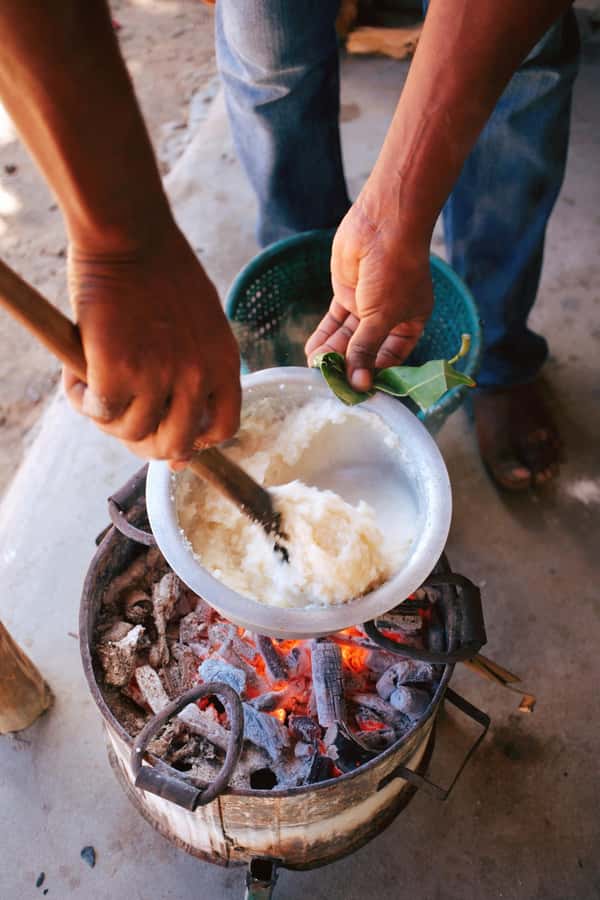
- Wali wa nazi, rice prepared with coconut
- Sukuma wiki and mchicha, leafy vegetable dishes
- Kenyan stew
- Nyama choma, grilled meat
- Matoke, a dish made with cooking bananas
- Mandazi, a sweet fried bread
- Grilled maize
This range gives the class real variety. You may work with a staple, a vegetable dish, a rice recipe, and something sweet in one sitting. That is useful if you are still learning what Kenyan food tastes like and want more than one sample.
The coastal setting also makes coconut rice especially interesting. Wali wa nazi connects the meal to the food traditions of the Kenyan coast, while pilau brings warm seasoning and aroma. Ugali and sukuma wiki offer a look at everyday staples rather than restaurant-only specialties.
Do not expect every dish listed above in one class. The menu is flexible, and the available ingredients help shape the meal. If you want a specific recipe, make the request in advance rather than assuming it will appear on the day.
From Local Ingredients to Fire-Cooked Food
The class aims to use homegrown ingredients whenever possible. Anything missing can be bought from a small shop at the camp. This is a modest detail, but it helps the experience feel connected to daily life rather than staged for visitors.
Cooking over a campfire changes the rhythm. You have to work with heat, timing, and shared cooking space. That can make the class less predictable than using a clean indoor hob, but it is also the point. Traditional techniques and tools give you a clearer sense of how food is prepared outside a modern restaurant kitchen.
You should wear comfortable clothes. The information provided does not list special equipment or protective clothing, so come ready for an outdoor activity. The camp is in a natural setting, and cooking over a fire may be less tidy than a standard kitchen class.
The experience does not allow pets. That rule is easy to follow, but it is worth noting if you are traveling with an animal and planning a full day around the camp.
Eating Together or Taking Your Food Home
When the cooking is finished, you can eat with the group or take your creations home. I prefer the shared meal because it completes the class. You get to taste the dishes at their best, compare the results, and continue talking with the people who cooked alongside you.
The meal is included in the $25 price. That makes the experience more than a lesson. You receive instruction, ingredients, and food, all within a two-hour activity.
There is one practical point to consider. With many dishes prepared in a short period, you may spend most of the time cooking and have less time to sit and eat. If the meal itself is your main reason for booking, ask about the timing before you go and make clear that you would like enough time to enjoy what you prepare.
You may also prefer to take the food home. That option works well if you have another commitment or want to share the meal with someone who did not attend. The information does not specify packaging arrangements, so confirm how this works before choosing that option.
A few more Malindi days to weigh up
- Market Tour and Traditional Kenyan Cooking Class in Nairobi
★ 4.8 · 6 reviews - Local Market Tour and Traditional Meal Cooking Class
★ 5.0 · 4 reviews - Private Kenyan Cooking Class in Nairobi with a Local
★ 5.0 · 3 reviews - Beginner Swahili Woodcarving Classes with Woman Woodcarver
★ 5.0 · 3 reviews
Why the Camp Setting Adds Value
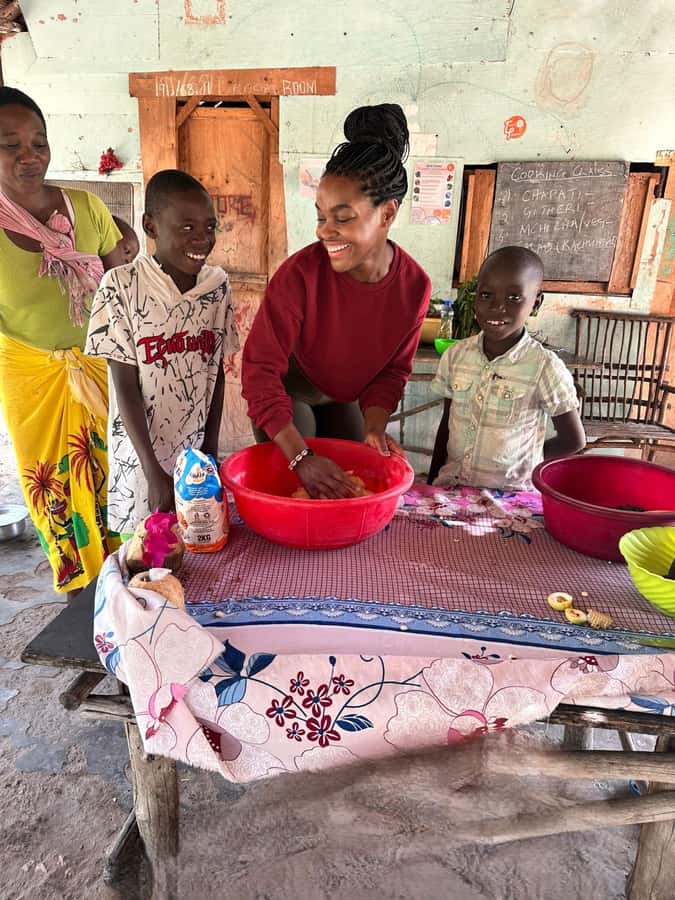
Mida Creek Nature Camp is more than a meeting point. It gives the class a natural frame and separates the activity from the busy parts of a coastal town.
The camp also offers other ways to spend time in the area. The family associated with the camp rents tents and treehouses and organizes small tours in the village and mangroves, along with workshops. A canoe ride to Green Island was also mentioned as a possible activity, with mango groves and a treehouse stay under the stars.
Those extras are not included in the cooking class, and you should not assume they are available at the same time or included in the $25 fee. Still, they make Mida Creek Nature Camp worth considering as more than a quick stop. If you are building a slower stay near Malindi, you can ask about adding another activity.
The cooking class itself remains the focus. The natural setting adds atmosphere, but it does not replace the food lesson. If you want a detailed tour of the mangroves, book or arrange that separately.
Price, Timing, and Overall Value
At $25 per person, this is a strong-value activity if you want personal contact and a meal as part of your cultural experience. The fee includes the cooking class, ingredients, and the food you prepare.
You are also getting a small group, an English-speaking instructor, and a setting that would be difficult to reproduce in a normal restaurant kitchen. The price is especially fair for anyone who plans to eat the meal on site, since you are combining a class and lunch or dinner.
The value is less clear if you only want to watch someone cook. This is a participation-based activity. You should expect to help, follow instructions, and share the work. It is also not ideal if you need a tightly fixed schedule, since the class is arranged for lunch or dinner according to group preference.
The activity offers free cancellation up to 24 hours before the start time, with a full refund. You can also reserve and pay later, which is useful if your plans around Malindi are still shifting.
Food Allergies Need Careful Planning
The activity information says it is not suitable for people with food allergies. It also asks you to contact the provider beforehand about allergies, intolerances, or special dishes.
Treat that warning seriously. An outdoor family-style cooking class may involve shared ingredients, shared preparation areas, and a menu that changes. Even if a special dish can be discussed, you should not assume that cross-contact can be avoided.
If you have a mild intolerance rather than a serious allergy, contact the provider before booking and explain exactly what you cannot eat. Ask what dishes are planned and whether a safe alternative is realistic. If you have a severe allergy, this may not be the right experience.
The open menu is helpful for personal preferences, but it does not remove the need for clear communication. Send your request early, not on arrival at the camp.
Who Will Enjoy This Cooking Class
I would choose this for you if you enjoy food, local conversation, and simple outdoor experiences. It suits couples, friends, solo visitors, and small family groups who are happy to work together.
It is also a good match if you have already seen Malindi’s main sights and want an activity that connects you with everyday Kenyan cooking. The recipes offer a practical introduction to foods you may encounter elsewhere in Kenya.
You should be comfortable with an informal setting. This is not a polished restaurant demonstration, and the fire-based cooking may take patience. If you want exact measurements, a fixed menu, and a spotless indoor kitchen, you may prefer a more formal class.
I also think it works well for people who want to support a small local operation. Harrison and his family use the camp to connect visitors with the local community and offer activities beyond large-scale tourism. That does not make the class perfect for every schedule, but it gives the experience a more personal purpose.
Should You Book the Mida Creek Cooking Class?
Book it if you want to learn by doing, taste several Kenyan dishes, and spend time in a natural camp setting. The strongest reasons are Harrison’s patient teaching, the chance to cook over a fire, and the generous combination of ingredients, instruction, and meal for $25.
Before booking, confirm the start time, ask which dishes are planned, and discuss any dietary needs. If you want more time to eat or hope to add a village, mangrove, or canoe activity, ask about extending your visit separately.
For most people without food allergies, this is an affordable and memorable way to meet Kenyan food on its own terms. It is simple, social, and practical, with enough flexibility to feel personal.
FAQ
Where does the Kenyan cooking class take place?
The activity takes place at Mida Creek Nature Camp in Coast Province, Kenya. Directions are provided through Google Maps.
How long does the cooking class last?
The listed duration is two hours. You meet a couple of hours before lunch or dinner, depending on the group’s preferred mealtime and the available start time.
How much does the experience cost?
The price is $25 per person. The fee includes the cooking class, ingredients, and the meal.
What language is the class taught in?
The instructor teaches in English.
What dishes might I prepare?
Possible dishes include ugali, githeri, Kenyan pilau, wali wa nazi, sukuma wiki, mchicha, Kenyan stew, nyama choma, matoke, mandazi, and grilled maize. The menu changes, and requests can be discussed before the activity.
Can I choose lunch or dinner?
Yes. The experience can be arranged for either lunch or dinner, depending on the group’s preference.
Is the activity suitable for someone with a food allergy?
The activity is listed as not suitable for people with food allergies. You should contact the provider before booking to discuss allergies, intolerances, and possible special dishes.
Recently added around Malindi
- Private 3 Day Tsavo East Safari from Mombasa★ 5.0 · 3 reviews
- Tsavo East Amboseli and Tsavo West Safari 4 Days starting Malindi★ 5.0 · 3 reviews
- Magical Storytelling Swahili Dinner in the Bushbaby Treehouse★ 5.0 · 3 reviews
- MIA – Airport Transfer from Mombasa to Watamu or Malindi★ 4.5 · 3 reviews
- 3 Days Tsavo East & Tsavo West Safari★ 5.0 · 4 reviews
- Gede Ruins & Malindi Tour★ 5.0 · 5 reviews
- 4 Days Tsavo West – Amboseli and Tsavo East Safari★ 5.0 · 5 reviews
- Airport transfer★ 5.0 · 6 reviews
Malindi Tours, compared.

Kisite Marine Park Private Boat Snorkeling with breakfast & Lunch
Read our review →

Tour Malindi & Robinson Island & Marafa Hell’s Kitchen
Read our review →

Browse the lists this tour appears in