
Reviewed · MALINDI TOURS
Gede Ruins & Malindi Tour
Gede Ruins is the star here: a once-active Swahili town now partly swallowed by coastal forest. You’ll walk past coral mosques, palaces, and homes while learning how Arab traders and Bantu residents shaped daily life along Kenya’s coast. I especially like the quiet jungle setting and the chance to pair archaeology with a real town visit in Malindi.
I also like that the tour is private for up to four people, with transport included and a guide who can add local context. The main drawback is that the advertised price does not include all fees and taxes, so you should confirm the final cost before booking. Six hours is enough for a useful introduction, but not for a slow, detailed study of every site.
Key points to know before booking

- Gede’s coral architecture: See mosques, palaces, and town houses dating from the 13th to 17th centuries.
- A forest setting: The ruins sit among thick coastal greenery, giving the archaeological visit a calm, photogenic feel.
- Malindi beyond the beach: Spend about three hours seeing historic places, local neighborhoods, and the market.
- Private transport: Your group alone takes part, with room for up to four people at the listed group price.
- A useful museum stop: The museum helps explain the objects and trade links found at Gede.
- Flexible cancellation: Cancel at least 24 hours before departure for a full refund, subject to the weather policy.
Why Gede Ruins deserves the first two hours
Gede does not feel like a grand monument set apart from its surroundings. It is an archaeological site spread through coastal forest, where coral walls and old pathways appear between trees and undergrowth. That setting is a large part of the appeal. You are not simply looking at a row of restored buildings. You are trying to picture a town that once had homes, places of worship, courtyards, and trading connections.
The ruins date from the 13th through the 17th centuries. Excavation has exposed around 13 major coral structures, including mosques, palaces, and town houses. The buildings reflect the Swahili coast’s contact with Arab traders, while the town was also home to Bantu residents. That combination gives the visit more depth than a basic stop at old walls.
I would pay close attention to the building materials. Coral construction is one of the defining features of the site, and the remains show how local resources were shaped into substantial religious and domestic buildings. The guide’s role matters here because the ruins can otherwise be easy to read as scattered fragments. Ask how the buildings may have been used, what the excavated objects reveal, and how trade affected life in the town.
The two-hour stop is a sensible length for a first visit. It gives you time to walk through the main ruins, pause for photographs, and visit the museum without turning the morning into an exhausting archaeological survey. If you are fascinated by ancient architecture, you may wish for longer. For most people, though, the time should provide a clear picture of Gede without making the day feel like a history lecture.
A few more Malindi days to weigh up
- Safari Kenya with Patrick
★ 4.0 · 45 reviews - Kisite Marine Park Private Boat Snorkeling with breakfast & Lunch
★ 5.0 · 32 reviews - Safari blue
★ 4.5 · 27 reviews
What the museum adds to the walls
The on-site museum gives the ruins a human scale. Coral walls can tell you where a structure stood, but objects help explain what people did inside it. The tour description points to artifacts connected with trade and daily life, so the museum is worth treating as part of the main visit rather than a quick extra stop.
This is where the links between Gede, Arab traders, and the wider Swahili coast become easier to understand. You can look at the site as a local town, but also as part of a coastal network shaped by movement, commerce, and cultural exchange. I find that pairing physical remains with museum objects makes the visit more useful for families and first-time visitors.
The museum also gives your guide something concrete to explain. Instead of hearing only dates, you can connect the objects to homes, worship, work, and trade. Since the tour is private, you can ask questions at your own pace rather than follow a fixed group explanation.
The Butterfly Pavilion and the forest setting
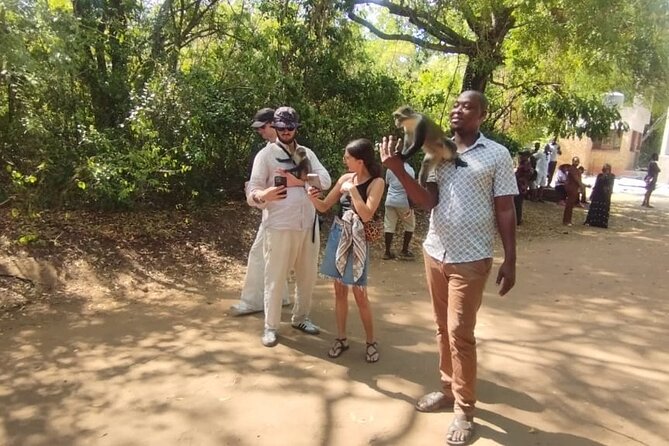
The Butterfly Pavilion adds a nature element to what could otherwise be a strictly historical outing. It works well for families, younger visitors, and anyone who likes to balance ruins with a lighter stop. The surrounding greenery also gives you attractive photo opportunities, though the emphasis remains on the cultural site rather than on a long wildlife excursion.
Do not book this tour expecting a full-day nature program. The information provided describes the pavilion as part of the Gede experience, not as a separate reserve visit with a long list of animal sightings. Think of it as a short change of pace alongside the ruins and museum.
The forest setting can also affect your comfort. The tour requires good weather, and outdoor walking is central to the day. Wear practical shoes and bring protection from the sun, even though the trees provide shade in places. Those are simple precautions, but they make the two-hour stop much more pleasant.
Seeing Malindi through places, streets, and the market
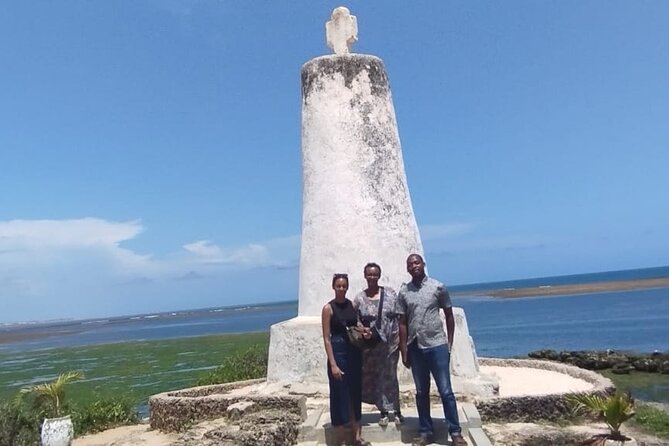
After Gede, the tour moves to Malindi for about three hours. This changes the tone of the day. At Gede, you are looking at an archaeological site. In Malindi, you see a living coastal town with a long record of contact between local communities and overseas visitors.
Malindi’s story includes the arrival of Vasco da Gama’s fleet in 1498. That date is useful, but it should not become the whole story. The town’s past also includes local cultures, Arab connections, trade, and the everyday life that continued long after famous ships came and went.
The Malindi portion includes historic places, walks through town neighborhoods, and time at the market. I like this mix because it puts the older history beside ordinary daily activity. A market can tell you more about the rhythm of a place than another formal monument, while the historic stops help explain why Malindi became important.
Expect this part to feel less structured than the Gede visit. A three-hour town segment gives your guide room to adjust the pace and point out details along the way. At the same time, a town walk can be less predictable than a museum or enclosed site. If you prefer a tightly timed schedule, ask the operator how the Malindi hours will be divided before you set off.
The market is also where you should use ordinary courtesy. Ask before taking close-up photographs of people, keep personal belongings secure, and let the guide help with local etiquette. The supplied information does not promise shopping time or specific purchases, so treat the market as a cultural stop first, not as a guaranteed bargain-hunting session.
A different kind of day from the same base:
- ROBINSON ISLAND/MARAFA HELL’s KITCHEN
★ 5.0 · 15 reviews - Tour Malindi & Robinson Island & Marafa Hell’s Kitchen
★ 5.0 · 11 reviews - WATAMU: MALINDI: SARDEGNA ISLAND & MALINDI MARINE PARK
★ 4.5 · 9 reviews - From Mombasa: Watamu Marine Park & Sudi Island Excursion
★ 4.8 · 8 reviews
How the private format affects the day
This is a private activity, and only your group takes part. The listed rate is $159 per group of up to four people, not $159 per person. For a full group, that works out to about $39.75 each before any extra fees or taxes. That is a strong value if you want a dedicated vehicle and the freedom to ask questions.
For one or two people, the cost per person is higher, but the private format still has clear advantages. You are not waiting for a large coach group, and you can keep the pace suited to your interests. Families may appreciate the ability to pause, while history fans can spend more time on the ruins or museum.
Private does not mean every part of the day can be changed at will. The experience is planned for roughly six hours, with about two hours at Gede and three hours in Malindi. The remaining time allows for transport and transitions, so you should not expect six full hours at the attractions.
Pickup is offered, and the stated meeting point is Turtle Bay Villas Watamu on Turtle Road, near Temple Point Road in Watamu. The start time is 8:00 am. Confirm your pickup arrangement and exact departure details when booking, especially if you are staying elsewhere in the Watamu or Malindi area.
Private transportation is included. Tips and all fees and taxes are not included, which is the most important pricing detail to clarify. Ask what entrance charges apply on your date and whether any other local costs are expected. The Gede stop is described as including admission, but the general exclusions mean you should not assume every possible charge is covered.
The guide matters at Gede and in Malindi

A good guide can make the difference between seeing old coral walls and understanding what they mean. At Gede, you need help connecting the buildings, excavation work, artifacts, and coastal trade. In Malindi, you need someone who can explain how a historic port remains a working town.
The operator is Unda Transfers and Excursions. One guide named in the tour material is Juma, who led a particularly well-received Gede and Malindi outing. If you are booking and want Juma specifically, request him directly, but do not assume he is guaranteed unless the company confirms it.
The strongest praise attached to this experience focuses on variety. The day moves from ruins to historic Malindi, then through neighborhoods and the market. That range is important. You get archaeology, museum context, local streets, and daily life in one outing, rather than spending the whole day on a single type of attraction.
I would also ask questions early in the day. At Gede, ask about the Arab and Bantu communities connected with the town, the purpose of the mosques and palaces, and the objects displayed in the museum. In Malindi, ask how the town’s local cultures and overseas contacts shaped the places you see.
Who will get the most from this tour
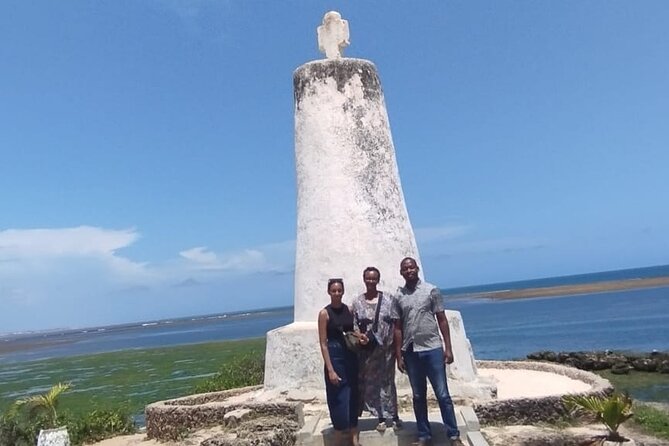
This outing suits you if you want history with some time in the present-day community. It is a good match for families, culture-focused visitors, photographers, and anyone staying in Watamu who wants a half-day excursion with private transport.
History fans will value Gede’s coral architecture and the museum. Families may prefer the combination of ruins, forest, butterflies, and a town walk. People who enjoy seeing markets and neighborhoods will find the Malindi portion more rewarding than a simple drive past the town.
The tour may be less suitable if you want a beach day, a wildlife safari, or a highly specialized archaeology tour. It also may not satisfy you if you dislike outdoor walking or want a long, unhurried visit at each monument. The published information says most participants can take part and service animals are allowed, but it does not provide detailed information about surfaces, restroom access, or specific mobility arrangements. If those details matter to you, ask before booking.
Timing, weather, and practical preparation
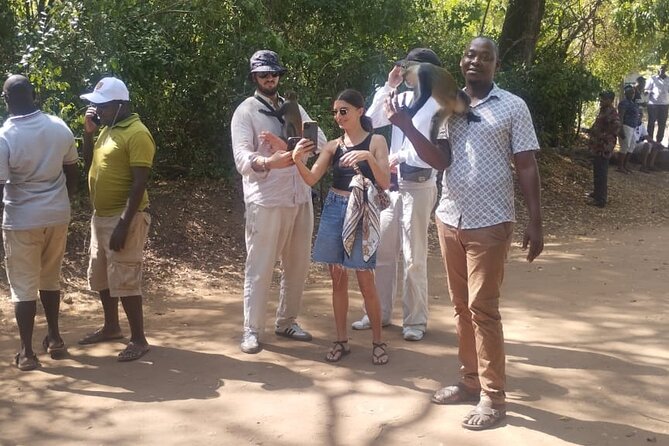
The day begins at 8:00 am and lasts about six hours. Starting in the morning gives you a practical window for seeing both Gede and Malindi without turning the outing into a full-day commitment. Build in some flexibility, since road time and town visits can vary.
Good weather is required. If poor weather causes cancellation, you can choose another date or receive a full refund. For your own comfort, bring water, sun protection, and shoes suitable for walking around uneven archaeological remains. These items are not listed as inclusions, so plan to bring them yourself.
The tour is near public transportation, but private transport is included and is the more useful option for this itinerary. You will be moving between Watamu, Gede, and Malindi, so arranging your own transport would add needless work.
Cancellation is free when you cancel at least 24 hours before the local start time. Inside that window, no refund is provided and changes are not accepted. The weather exception is separate: poor conditions can lead to a new date or a full refund.
Is the $159 group price good value?
For four people, yes, the price is appealing. A private six-hour outing with transport, a guide, Gede, the museum, the Butterfly Pavilion, and Malindi gives you several kinds of experience in one booking. You are paying for convenience as well as admission and interpretation.
For two people, the value depends on how much you care about privacy and transport. If you would otherwise need to arrange a car, driver, and separate visits, the package becomes easier to justify. If you are already near both sites and prefer independent exploring, the price may feel less compelling.
The unclear point is the line between included admission and excluded fees and taxes. Confirm the exact total before paying, then compare it with the cost of arranging transportation and entry yourself. I would not reject the tour over this detail, but I would not ignore it either.
Should you book the Gede Ruins and Malindi tour?
Book it if you want a well-rounded look at Kenya’s north coast, with ancient coral buildings in the morning and present-day Malindi in the afternoon. The strongest reason to choose it is the variety: Gede’s mosques and town houses, the museum, the forest and butterflies, then historic streets and a market.
I would especially recommend it to a group of up to four people, since the $159 rate becomes much better value when shared. Confirm the total fees, pickup details, and guide availability, particularly if you hope to go with Juma. Skip it if your priority is a beach, wildlife, or a slow archaeological study. For a private six-hour introduction to Gede and Malindi, though, this is a practical and appealing choice.
FAQ
How long does the Gede Ruins and Malindi tour last?
The tour lasts approximately six hours.
What time does the tour start?
The stated start time is 8:00 am.
Where is the meeting point?
The ticket redemption point is Turtle Bay Villas Watamu, on Turtle Road near Temple Point Road in Watamu, Kenya.
Is pickup available?
Yes, pickup is offered.
How many people can join the private tour?
The listed price covers one private group of up to four people.
What is included in the price?
Private transportation is included.
Are entrance fees and taxes included?
The tour information lists tips and all fees and taxes as excluded. Confirm the exact charges with the provider before departure.
Is the tour suitable for most participants?
Yes. The additional information says most travelers can participate, and service animals are allowed.
What happens if the weather is poor?
The experience requires good weather. If it is canceled because of poor weather, you will be offered another date or a full refund.
Recently added around Malindi
- Private 3 Day Tsavo East Safari from Mombasa★ 5.0 · 3 reviews
- Tsavo East Amboseli and Tsavo West Safari 4 Days starting Malindi★ 5.0 · 3 reviews
- Malindi : Kenyan Cooking Class with Campfire Meal★ 5.0 · 3 reviews
- Magical Storytelling Swahili Dinner in the Bushbaby Treehouse★ 5.0 · 3 reviews
- MIA – Airport Transfer from Mombasa to Watamu or Malindi★ 4.5 · 3 reviews
- 3 Days Tsavo East & Tsavo West Safari★ 5.0 · 4 reviews
- 4 Days Tsavo West – Amboseli and Tsavo East Safari★ 5.0 · 5 reviews
- Airport transfer★ 5.0 · 6 reviews
Malindi Tours, compared.


Kisite Marine Park Private Boat Snorkeling with breakfast & Lunch
Read our review →

Tour Malindi & Robinson Island & Marafa Hell’s Kitchen
Read our review →

Browse the lists this tour appears in