
Reviewed · NAIROBI TOURS
Private Traditional Kenyan Cooking Class with Lunch in Nairobi
Mukimo is more than a potato dish. It is a traditional Kikuyu meal made with potatoes and vegetables, and this private class lets you prepare it inside a Kenyan family home rather than simply ordering it at a restaurant. You cook from the start, sit down for lunch, and leave with a recipe you can try again.
I like the hands-on cooking and the chance to share a meal in a real home. I also like the private door-to-door transport, especially when you are still finding your way around Nairobi. The main consideration is that this is a focused four-hour food experience, not a broad city tour, and the $60 price makes the most sense if you value personal instruction and cultural exchange.
Key points to know before booking
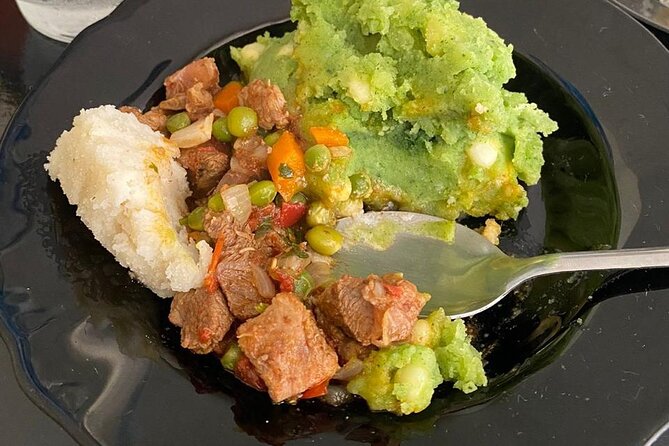
- Mukimo from scratch: Prepare a traditional Kikuyu potato-based dish, then serve it with beef sauce and vegetables.
- Private home setting: Your group cooks and eats with a local family in their welcoming home.
- Private Nairobi pickup: Vehicle transfers are offered from anywhere in Nairobi, so you do not need to arrange separate transport.
- About four hours: The 9:00 am start gives you a full morning of cooking followed by lunch.
- Kitchen garden visit: After the meal, you can tour the hosts’ kitchen garden.
- Coffee or tea included: Lunch comes with bottled water and a hot drink, while cooking lessons and ingredients are covered in the price.
Why mukimo makes this Nairobi class worthwhile

Nairobi offers plenty of ways to eat Kenyan food. A cooking class gives you something a restaurant cannot: a practical way to understand the meal before you taste it. You see the ingredients, take part in the preparation, and learn how the dish comes together.
Mukimo is especially suited to this format. It is a traditional Kikuyu food built around potatoes and vegetables, served here with beef sauce. The dish is familiar enough to enjoy at lunch, but distinctive enough to give the class a clear local focus.
I like that the class does not try to cover every Kenyan dish in one rushed morning. You work on a particular meal and then eat what you helped prepare. That keeps the experience simple and useful. If you remember the method, you can make your own version at home after the trip.
The private format also matters. Only your group participates, so you are not sharing the kitchen with a large crowd. You can ask questions, take your time with the preparation, and take part at a level that suits you. The activity is also a good fit for families, couples, and small groups who prefer a personal visit instead of a formal demonstration.
More cooking classes in Nairobi:
- Traditional Kenyan Cooking Class & Local Market Tour
★ 5.0 · 129 reviews - Authentic Kenyan Cooking Class & Market Tour in Nairobi
★ 5.0 · 12 reviews - Market Tour and Traditional Kenyan Cooking Class in Nairobi
★ 4.8 · 6 reviews
Your 9:00 am pickup and ride across Nairobi
The class begins at 9:00 am, with private transportation offered from anywhere in Nairobi. That door-to-door arrangement is one of the practical strengths of the outing. You do not need to find the home on your own or spend part of the morning negotiating separate transport.
Your driver takes you to the host family’s home, where the cooking lesson takes place. The exact pickup time and route depend on your location in Nairobi, so allow enough room in your morning plans for the transfer. The activity itself lasts about four hours, but your full schedule should include the drive to and from the home.
Private transportation is included, along with bottled water. That is useful in Nairobi, where traffic can make short distances take longer than expected. I would avoid scheduling a tight appointment immediately after the class. The cooking, lunch, and garden visit are meant to be enjoyed at an unhurried pace.
The transport also makes this easier for first-time visitors. You can focus on the food and conversation rather than worrying about directions. Pickup is offered, but you should confirm the exact arrangements when booking so the driver knows where to collect you.
Entering a Kenyan family kitchen
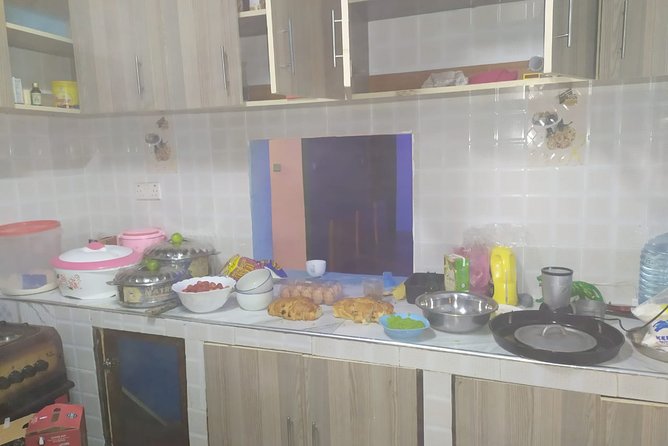
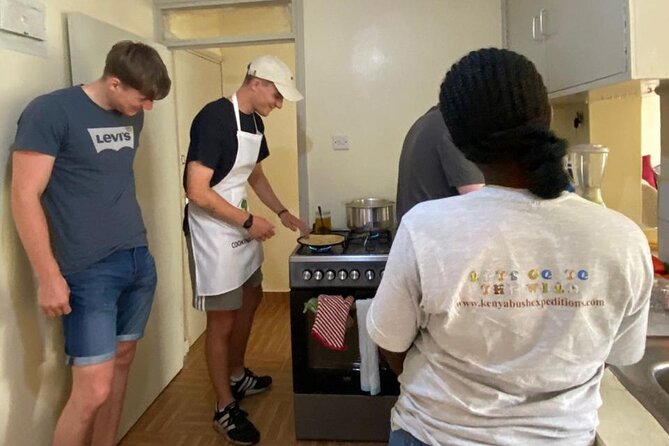
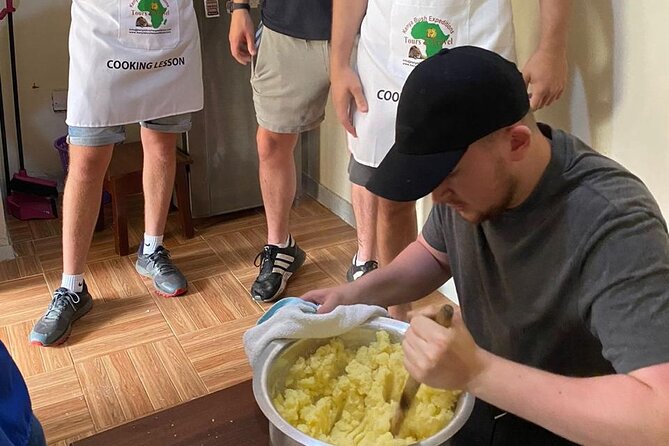
The cooking takes place in a home kitchen large enough for participants to help with both preparation and cooking. That detail is important. You are not simply watching someone else work while standing at the edge of a crowded room.
The host helps you prepare the food step by step. The available description focuses on mukimo, beef sauce, and vegetables, while the cooking format allows you to participate in the process. One useful detail from the booking information is that you may be offered a few dish choices, so it is worth asking what options are available when you arrive.
A home kitchen gives the class a more personal feel than a restaurant school. You see where the meal is prepared and how the family organizes its cooking space. The setting may also feel less polished than a commercial studio, but that is part of the point. You are visiting a household, not a staged culinary theater.
I would treat the class as a cultural exchange as much as a lesson. Ask about the food, the family’s cooking habits, and the place of mukimo in Kikuyu cuisine. The private setting should make those conversations easier, though the quality of the exchange will naturally depend on your host and your own curiosity.
Preparing mukimo, beef sauce, and vegetables
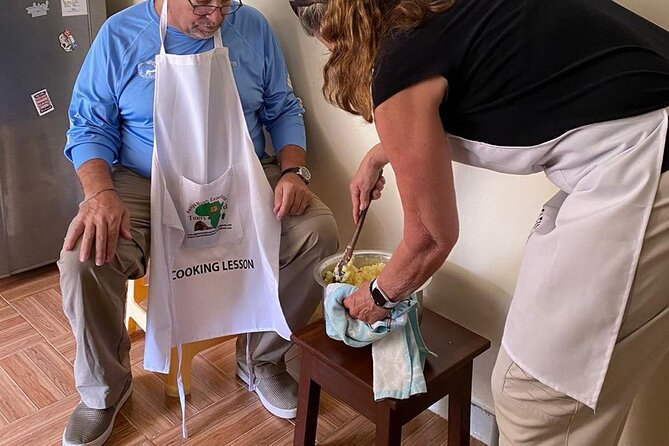
The main lesson centers on mukimo. You help prepare the potato-based dish, then pair it with beef sauce and vegetables for a complete lunch. The ingredients and cooking instruction are included, so you do not need to shop before arriving or bring supplies.
The best part of this arrangement is the connection between work and reward. You are not preparing a small sample for a quick tasting. The food becomes the meal served later in the dining room, which gives the cooking a clear purpose.
The class is also useful for people who enjoy learning by doing. You can watch how the ingredients are handled, take part in the preparation, and follow the cooking process in sequence. If you cook at home, pay attention to the texture of the mukimo and the balance between the main dish, beef sauce, and vegetables. Those details will matter more when you try to recreate it.
The available information does not give a full recipe, ingredient list, or exact cooking method. If you want to make the dish later, bring a small notebook or use your phone to record the steps, with permission. Ask about quantities, substitutions, and how the dish is usually served. A cooking lesson can pass quickly, and the details you think you will remember may be the first ones to disappear.
More lunch stops around Nairobi:
- Nairobi City Walking Tour with Traditional Kenyan Lunch
★ 5.0 · 106 reviews - The Carnivore Restaurant Experience in Nairobi: Lunch or Dinner
★ 4.5 · 21 reviews - Nairobi: Tea Farm Day Trip with Lunch at kiambethu
★ 4.0 · 21 reviews - Nairobi City Orientation Guided Tour with Lunch at Carnivore
★ 4.6 · 20 reviews
Sitting down for a home-cooked lunch
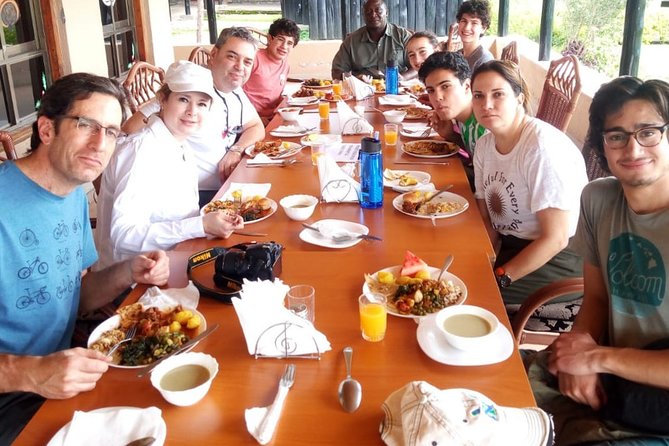
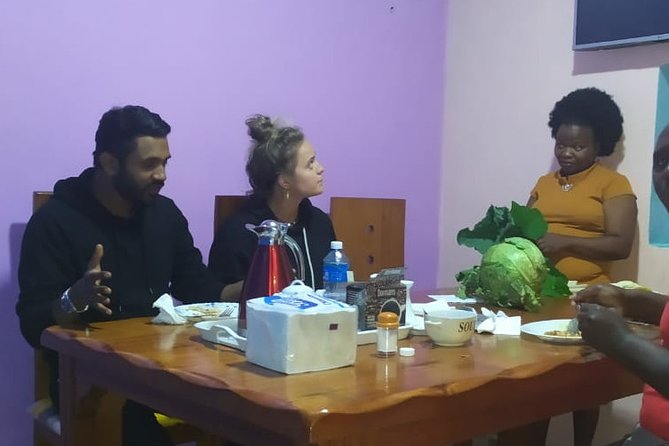
After the cooking, you move to the dining room and eat the meal together. This shared lunch is the heart of the activity. You get to taste the food at the end of the process and spend time with the people who helped you prepare it.
Lunch includes the mukimo, beef sauce, and vegetables, along with coffee or tea. Bottled water is also provided. The meal is not an extra purchase or a small add-on, it is part of the class price.
The food itself has received a strong response, with a 4.8 out of 5 rating from 10 recorded ratings and a 100 percent recommendation rate. One detailed account describes the meal as flavorful and delicious and notes that the group could choose between a few dishes. That makes the food component a strong reason to book, particularly if you want a proper sit-down meal rather than a short tasting.
Keep your expectations in the right place. This is a family lunch in a private home, not a fine-dining service. The setting, pace, and presentation may be informal. For me, that is a benefit when the goal is to learn how people cook and eat at home, but it may not suit someone looking for a polished restaurant-style class.
A short kitchen garden visit after lunch
Once lunch is finished, you are free to tour the hosts’ kitchen garden. This is a small but worthwhile addition because it connects the meal to the place where food is grown and used.
The garden visit is not described as a full farm tour, so you should think of it as a brief look around the host family’s growing space. It gives you another chance to ask questions about the vegetables used in Kenyan cooking and to see the household beyond the kitchen and dining room.
I like the way this closes the experience. You begin with ingredients and cooking, sit down to eat, then step outside to see the garden. It gives the morning a natural rhythm without adding another major stop or a long transfer.
The timing is flexible enough that you can enjoy the garden after eating rather than rushing away. If you have a particular interest in plants or food production, ask your host which items are grown there. The available details do not promise a specific list of crops, so let the visit develop around what is actually in season.
What the $60 price includes
At $60 per person, this is not the cheapest way to eat lunch in Nairobi. You are paying for more than the food, though. The price includes private transportation, cooking lessons, all ingredients, bottled water, lunch, and coffee or tea.
The private format improves the value for people who want individual attention. A larger group class might cost less per person, but you would likely have less time at the stove and fewer chances to ask questions. Here, the entire group shares the same host family and kitchen.
The price also makes more sense when you count the transport. Private pickup from anywhere in Nairobi removes the need to hire a vehicle separately. It also saves planning time, which can matter during a short visit.
Group discounts are available, so the cost may work better for several people booking together. I would compare the total price with what you would spend on a meal, transport, and a separate cultural activity. If you only want lunch, this will feel expensive. If you want a personal cooking lesson, a home visit, and transport in one morning, the value is more convincing.
Tips and gratuities are not included. Carry some extra cash if you want to thank the driver or host, but tipping is separate from the advertised price.
Who will enjoy this four-hour activity most
I would recommend this class to you if food is one of the main ways you connect with a place. It suits people who want to learn a dish, ask questions, and share a meal rather than rush through a list of Nairobi sights.
It is also a good choice for families and small private groups. Children who enjoy helping in the kitchen may like the hands-on format, though the provided details do not set a minimum age or describe special child-focused activities. Couples can use it as a relaxed morning outing, while friends may appreciate the private setting and group discount.
This class is less suitable if you have only a few free hours and need a central Nairobi activity with a fixed end time. Traffic can affect the transfer, and the class includes several parts: pickup, cooking, lunch, and the garden visit.
You should also consider your interest in traditional food. The central dish is mukimo, served with beef sauce and vegetables. If you are vegetarian, have food allergies, or follow a special diet, ask about alternatives before booking. The supplied details do not confirm dietary substitutions.
Practical booking advice for your Nairobi morning
The activity starts at 9:00 am and lasts about four hours. Since pickup is offered anywhere in Nairobi, provide a clear collection point and allow time for traffic. Confirmation is received at the time of booking, and the activity is private for your group alone.
Wear comfortable clothing that you do not mind using in a kitchen. The details do not specify an official dress code, but practical clothes are sensible for a hands-on lesson. If you want to remember the recipe, bring a notebook or ask whether you may take photographs during the cooking.
Free cancellation is available if you cancel at least 24 hours before the start time. Cancellations made less than 24 hours before the activity are not refunded, and changes within that period are not accepted. The cutoff follows local Nairobi time, so check the clock carefully if your plans change.
The experience is operated by Kenya Bush Expeditions Tour and Travel. Since the class takes place in a private home, confirm any important needs before the day of the activity, including food restrictions, pickup details, and the dishes available.
Should you book the Kenyan cooking class?
Book it if you want a personal Nairobi activity built around food, conversation, and practical learning. The strongest reasons are the private family-home setting, the chance to cook mukimo from scratch, the included lunch, and private pickup.
I would skip it if you only want a quick meal or if your schedule cannot spare a full morning. The $60 cost is fair for a private class with transport and ingredients, but it is not aimed at budget diners looking for lunch alone.
For most food-focused visitors, this is a thoughtful way to spend four hours. You leave with a better sense of how a traditional Kikuyu meal is prepared, a full lunch, and the possibility of making mukimo again at home.
FAQ
Where does the Kenyan cooking class take place?
The class takes place inside a local family’s home in Nairobi.
What time does the experience start?
The stated start time is 9:00 am.
How long does the cooking class last?
The experience lasts approximately four hours.
Is transportation included?
Yes. Private transportation and pickup are included, with transfers offered from anywhere in Nairobi.
Is this a private activity?
Yes. Only your group participates in the activity.
What food will I learn to prepare?
You will learn to prepare mukimo, a traditional Kikuyu potato-based dish, served with beef sauce and vegetables.
Is lunch included?
Yes. Lunch is included, along with coffee or tea and bottled water.
Are cooking ingredients included?
Yes. The cooking lessons and all ingredients are included in the price.
Can I cancel for a refund?
You can cancel at least 24 hours before the experience start time for a full refund. Cancellations made less than 24 hours before the start time are not refunded.
More Workshops in Nairobi
- Local Market Tour and Traditional Meal Cooking Class
★ 5.0 · 4 reviews - Private Kenyan Cooking Class in Nairobi with a Local
★ 5.0 · 3 reviews - Malindi : Kenyan Cooking Class with Campfire Meal
★ 5.0 · 3 reviews - Beginner Swahili Woodcarving Classes with Woman Woodcarver
★ 5.0 · 3 reviews
Recently added around Nairobi
- Nairobi; City Walk Tour★ 4.5 · 3 reviews
- Private 3-Day Masai Mara Safari Adventure★ 5.0 · 3 reviews
- Kenya safari★ 5.0 · 3 reviews
- 2 Days Amboseli National Park Safari★ 3.5 · 3 reviews
- 11-Days Best of Kenya & Tanzania Big 5 Safari on a 4×4 Jeep★ 5.0 · 3 reviews
- Full Day, Small Group Guided Tour to Amboseli National Park★ 4.5 · 3 reviews
- 10-Days Explore Kenya Wildlife Private Safari★ 5.0 · 3 reviews
- Nairobi: Giraffe Center, Beads Factory & Bomas of Kenya Tour★ 4.5 · 3 reviews
Nairobi Tours, compared.

Nairobi National Park Half-Day Tour; Free Wi-Fi connection
Read our review →
National Park & Optional Elephants & Giraffe Center
Read our review →
NAI NAMI: Nairobi Storytelling Tour with Street Children
Read our review →




Elephant Orphanage and Giraffe Center Tour with Options
Read our review →Browse the lists this tour appears in