
Reviewed · NAIROBI TOURS
Nairobi: Explore Maasai Market for Unique Souvenirs
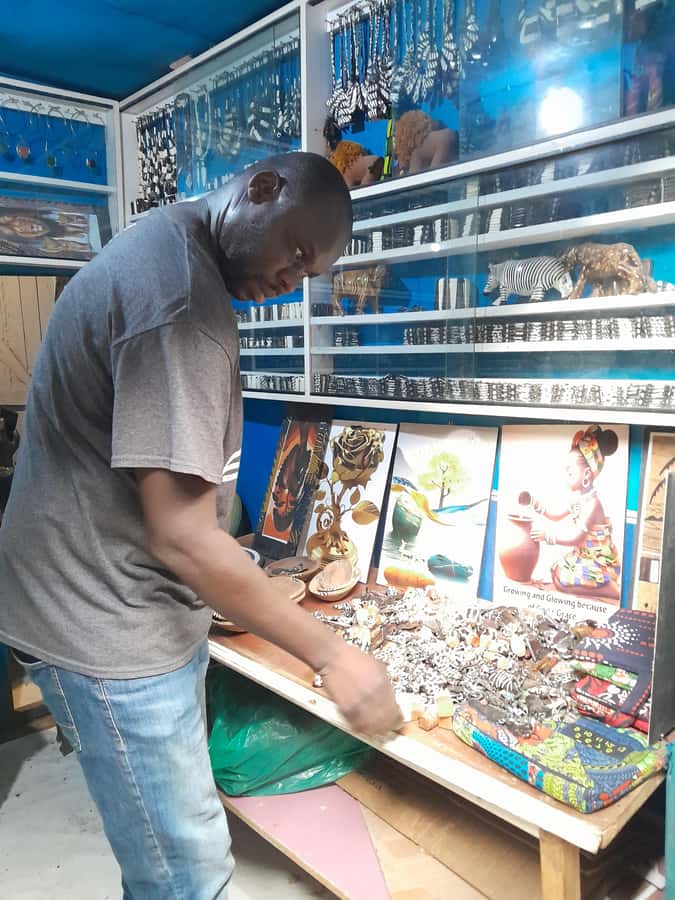
The best part of this Nairobi experience is not simply finding a carved animal or a strand of beads. It is learning how to shop well in a market where prices, quality, and vendor locations can change from day to day. Your guide takes you from central Nairobi gift shops to the Maasai Market, explains what you are seeing, and helps you bargain without turning the exchange sour.
I like the direct contact with local artisans and small business owners, and I like that the two-hour route can bend around your interests. If you want gifts, you can shop. If you want stories, you can talk with makers. The main thing to consider is that this is a walking and shopping outing, not a formal museum tour. The market can be crowded, persistent sellers may approach you, and cash is important.
Key points to know before you go
- Meet at Hilton Arcade: The tour begins along Mama Ngina Street in Nairobi’s city center.
- Shop with local help: Your guide can assist with bargaining, translation, price checks, and judging the quality of crafts.
- The market location can change: The Maasai Market moves on some days, so a local guide is especially useful.
- Meet the people behind the goods: You may speak with artisans, craft sellers, and social impact entrepreneurs.
- Plan for walking: Comfortable shoes, secure belongings, cash, sunscreen, and a light jacket are sensible.
- Two hours gives you flexibility: You can focus on shopping or add a short city-center walk and errands.
Starting at Hilton Arcade on Mama Ngina Street
Your meeting point is Hilton Arcade, along Mama Ngina Street in central Nairobi. This gives the outing a practical start, since you are already near city-center shops and streets rather than being taken straight to a single market stall.
I would arrive ready to walk and with a rough idea of what you want to buy. You do not need a fixed shopping list, but it helps to decide if you are after jewelry, textiles, carvings, paintings, beadwork, small gifts, or larger pieces for your home.
The route starts with local gift and craft shops. This first stop matters because it gives you a useful price and quality comparison before you reach the open-air market. You can see how goods are displayed in a more settled shop, then compare that experience with the stalls and direct selling at the Maasai Market.
Your guide can also help you get oriented. If Erick is your guide, expect him to ask about your wishes and adjust the outing around them. Feedback about his guiding points to a careful, reliable approach, including help for two women who wanted to feel secure while shopping and walking through Nairobi.
More market walks in Nairobi:
- Traditional Kenyan Cooking Class & Local Market Tour
★ 5.0 · 129 reviews - Memorable Daily KIBERA Slums/Toi Market Tour with Locals (2 hours)
★ 5.0 · 29 reviews - Half-Day Nairobi National Park and Maasai Market with Pick up
★ 5.0 · 16 reviews
Moving on foot through central Nairobi
This is a walking experience, and the short distance between stops is part of the point. You get a small taste of central Nairobi instead of viewing the city through a vehicle window.
The walking portion is not described as a major sightseeing tour, so keep your expectations in check. You might see city-center streets and landmarks along the way, but the focus remains shopping and meeting people involved in handmade goods. If you still have time and interest after buying souvenirs, you can ask for a brief walk and sightseeing in central Nairobi.
Comfortable shoes are a must. The exact pace may depend on how much time you spend talking, comparing products, and negotiating. If you are carrying purchases, ask for help. The guide can assist with heavy or bulky shopping, which is a small but useful feature when a bargain turns into an awkward parcel.
Keep your phone, wallet, passport, and other valuables secure. Crowded markets can attract pickpockets, and it is wise to stay alert without letting that concern spoil the experience. A small bag that closes well is more practical than an open tote.
Finding the Maasai Market on the right day
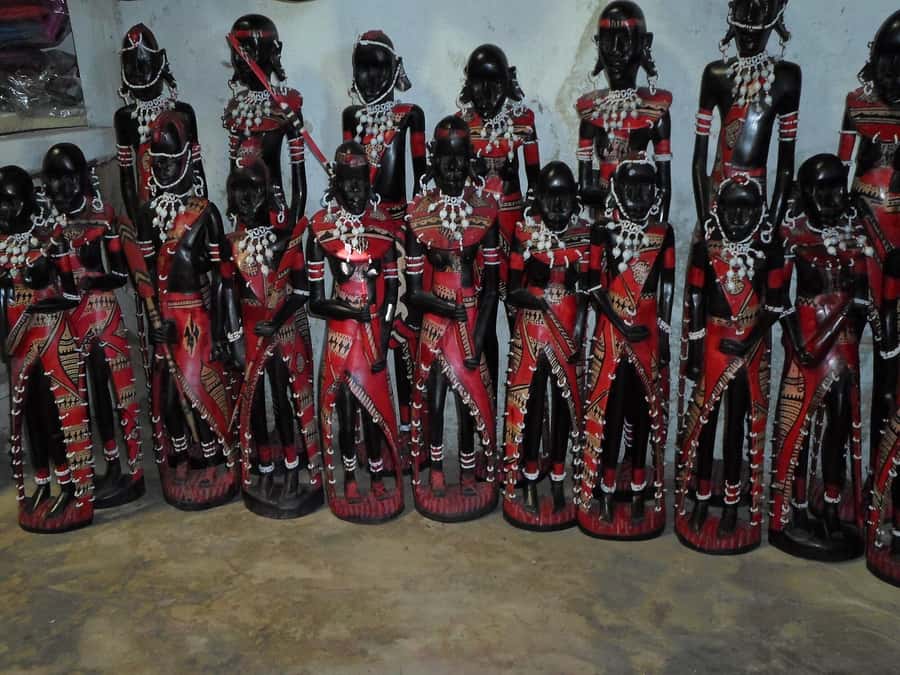
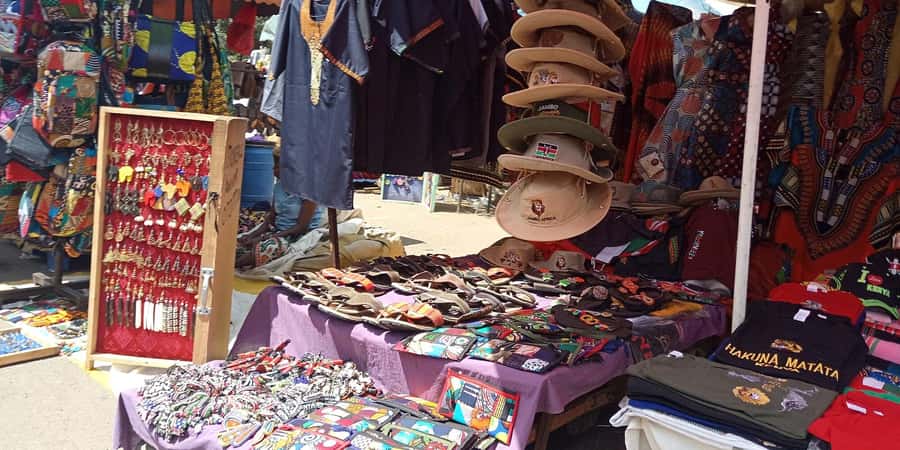
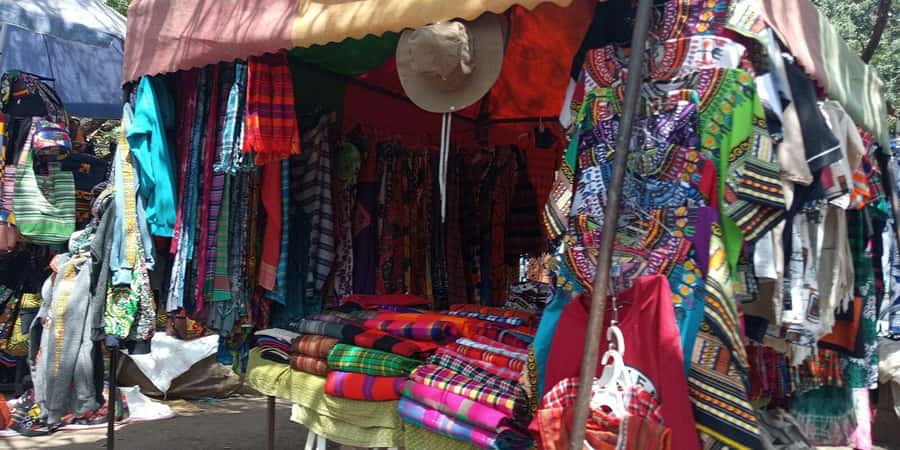
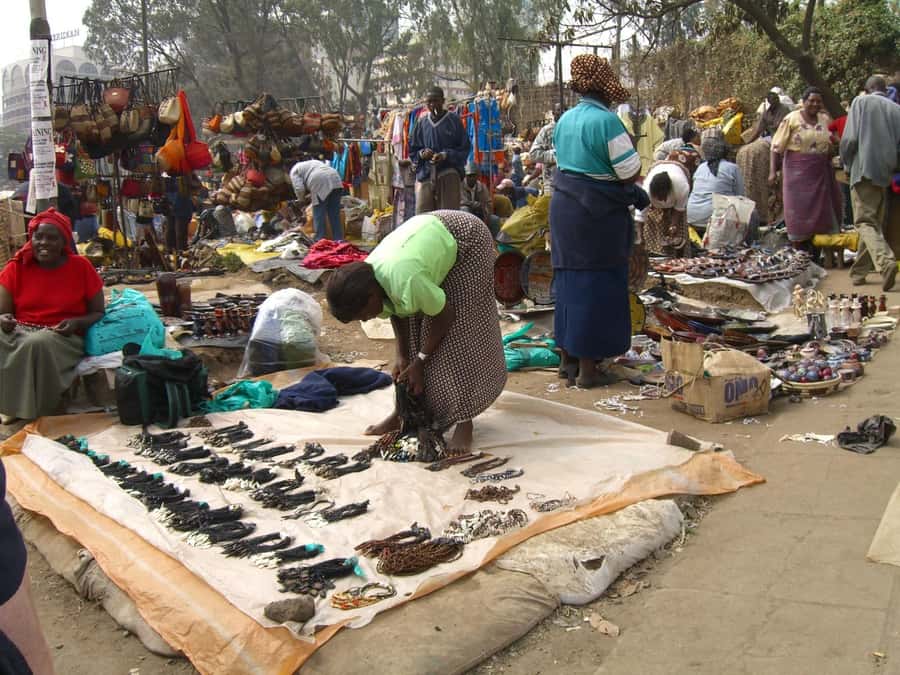
The Maasai Market is an open-air market where sellers offer handmade jewelry, textiles, carvings, paintings, and beadwork. Its character changes with the mix of vendors and its location. One useful detail is that the market may move on different days, except on weekends, so the guide’s local knowledge helps you find the right place.
This changing location also explains why a guided visit has value. A first-time shopper may know the name Maasai Market but still have trouble finding the correct market site, comparing sellers, or knowing which goods are locally made. Your guide can help you get to the active market and introduce you to people he knows.
Expect plenty of choice. The trade-off is that choice can make it hard to compare prices and quality on your own. The guide’s role is not to shop for you. It is to help you understand what you are considering, communicate with sellers, and decide with better information.
Some sellers may approach you directly. That is normal in a market setting. You can say no politely, keep moving, and return to a stall if you change your mind. A smile and calm manner help. Bargaining works best as a friendly conversation, not a contest.
Learning to bargain without overpaying
For many people, bargaining is the trickiest part of shopping in Nairobi. You may not know the usual price, how much room a seller has to negotiate, or how to ask for a lower figure in a respectful way.
Your guide can help with all three. He can translate, offer feedback on price, and show you how to bargain with confidence. That does not mean every item has one correct price. Handmade work varies, sellers have different costs, and the opening price is part of the negotiation.
I would treat bargaining as a chance to learn, not as a mission to pay the lowest possible amount. A fair price should leave room for the maker or seller to earn a living. The guide’s local input helps you avoid a price that is far above what is reasonable, while still allowing you to support the person selling the item.
Start by asking the price, considering the item, and making a polite counteroffer. If you cannot agree, you can thank the seller and walk away. Sometimes the seller calls you back with a better offer. Sometimes you simply move on.
A guide can also help when a seller’s language or sales style feels unfamiliar. Translation removes some of the friction, and a local person can explain what is being made and how it is used. That makes the purchase more personal than grabbing a souvenir from a hotel shop.
More shopping trips in Nairobi:
- Nairobi souvenir Shopping and Historical Half day Tour
★ 5.0 · 61 reviews - Nairobi Cultural Shopping Experience
★ 5.0 · 21 reviews - Nairobi Guided Cultural Shopping Experience Day Tour
★ 4.0 · 12 reviews - Authentic Kenyan Cooking Class & Market Tour in Nairobi
★ 5.0 · 12 reviews
Meeting artisans and understanding the crafts
The experience includes opportunities to meet artisans and social impact entrepreneurs involved in handmade goods. That is important if you want your spending to connect more directly with local work.
You might learn how a piece is made, what materials are used, and what cultural meaning it carries. The information provided does not promise a formal demonstration for every craft, so think of these encounters as conversations rather than a scheduled workshop. The guide helps create the connection and gives context as you browse.
Look closely at the finish of each item. Your guide can help with quality checking, but you should still inspect anything you may carry home. Check beadwork for loose threads, look over carvings for cracks, and examine painted pieces for damaged edges. If an item is large, fragile, or difficult to pack, ask about carrying it before you buy.
The selection includes jewelry, textiles, carvings, paintings, and beadwork. That range makes the visit useful for different kinds of shoppers. You can find a small item for a suitcase, a gift for someone at home, or a larger decorative piece if you have room to transport it.
Comparing city shops with market stalls
The first gift shops and craft centers offer a calmer way to begin. Products are easier to view, and you can take your time asking questions before reaching the open-air market.
The Maasai Market offers a different feel. It is more social, more flexible, and less predictable. Sellers are gathered together, prices invite negotiation, and you can compare many styles in one visit. The downside is that the attention from vendors can feel intense if you prefer quiet shopping.
The route may also include other craft production and selling centers after the main market. This is optional and depends on how much time and energy you have. If you are still searching for a particular type of item, ask the guide to continue. If you have found what you need, you can use the remaining time for a short city walk or an errand.
One especially useful stop may be a wholesale shop. A local businessperson buys goods there, and the prices can be very low. That can be helpful if you want several gifts, but low prices should not automatically decide the purchase. Ask where the goods come from and inspect quality before filling your bag.
What $10 buys you in practical value
The listed price is $10 per person for two hours. That is a low cost for a private-feeling, guide-led shopping experience, especially when the guide is helping with communication, prices, and finding the market.
Your purchases are extra. Bring cash, since not every vendor accepts credit cards. Keep small bills or manageable denominations if possible, though the available information does not promise that every seller can make change.
The value here comes less from the length of the tour and more from what can go wrong without local help. You may waste time searching for the market, pay too much for an item, struggle to explain what you want, or miss shops that are not easy to find on your own. A two-hour introduction can reduce those problems.
Still, do not book this expecting an all-day shopping expedition. Two hours passes quickly once you begin comparing products and talking with sellers. If you want a slow, careful search for a large number of gifts, you may need to discuss your priorities at the start and use the flexible route wisely.
Practical preparation for weather, cash, and crowds
Nairobi weather can change, so pack a hat and sunscreen for sunny conditions and a light jacket for cooler weather. The outing takes place on foot and outdoors, so clothing that works for walking is more useful than anything formal.
Smoking, alcohol in a vehicle, food in a vehicle, and littering are not allowed. The experience is primarily a walking tour, but these rules are worth noting if part of your wider day includes transport.
Respect matters at every stall. Ask before taking close-up photographs of people or their work, listen when an artisan explains a product, and avoid treating cultural symbols as empty decoration. Your guide can explain local customs, but your own courtesy remains important.
If you are shopping with another person, agree on how much time you want to spend browsing. One person may enjoy extended bargaining while the other wants to move on. Since the route is flexible, tell the guide early if you prefer more market time, more city sightseeing, more craft shops, or help with an errand.
Who will enjoy this Nairobi market walk
I would recommend this outing to first-time visitors who want souvenirs but do not feel confident shopping alone. It is also a good fit if you enjoy meeting local people and want more context than a standard retail stop provides.
It suits couples, friends, and solo visitors who like flexible plans. The guide can help women who want extra confidence in a busy shopping setting, and the short duration makes it easier to fit into a day of Nairobi sightseeing.
You may want something else if you dislike bargaining, want a quiet gallery setting, or are looking for a long cultural lecture. This is active, social shopping. Sellers may approach you, the market may shift location, and the experience depends partly on your willingness to ask questions and make choices.
English is the listed guide language. If you need another language, confirm that before booking. The available details do not give a group size, so ask if that matters to you.
Should you book this Maasai Market experience?
Book it if you want handmade Kenyan gifts and would rather shop with local support than guess your way through the market. The strongest reasons are the guide’s help with prices and translation, access to vendors you might not find alone, and the chance to meet people who make or sell the crafts.
I would especially choose it for the $10 price if this is your first time in Nairobi or if you want to buy several items without wasting your limited time. Go with cash, secure belongings, comfortable shoes, and a friendly attitude toward bargaining.
Skip it if your main goal is a formal sightseeing tour or a fixed, quiet itinerary. For practical souvenir shopping with personal contact and room to shape the route, this is a sensible two-hour introduction to Nairobi’s craft trade.
FAQ
Where does the tour meet?
Meet your guide at Hilton Arcade along Mama Ngina Street in Nairobi city center.
How long does the experience last?
The experience lasts two hours. Starting times depend on availability.
What language does the guide speak?
The listed guide language is English.
Is the Maasai Market in the same place every day?
No. The market may move on different days except on weekends, so the guide helps you locate it.
Should I bring cash?
Yes. Bring cash because not all vendors may accept credit cards.
Can the itinerary be changed?
Yes. The experience is flexible and can be adjusted around your shopping interests, additional craft centers, a short city-center walk, sightseeing, or an errand in town.
Recently added around Nairobi
- Nairobi; City Walk Tour★ 4.5 · 3 reviews
- 2 Days Amboseli National Park Safari★ 3.5 · 3 reviews
- Private 3-Day Masai Mara Safari Adventure★ 5.0 · 3 reviews
- Kenya safari★ 5.0 · 3 reviews
- Full Day, Small Group Guided Tour to Amboseli National Park★ 4.5 · 3 reviews
- 11-Days Best of Kenya & Tanzania Big 5 Safari on a 4×4 Jeep★ 5.0 · 3 reviews
- 10-Days Explore Kenya Wildlife Private Safari★ 5.0 · 3 reviews
- Nairobi: Giraffe Center, Beads Factory & Bomas of Kenya Tour★ 4.5 · 3 reviews
Nairobi Tours, compared.

Nairobi National Park Half-Day Tour; Free Wi-Fi connection
Read our review →
National Park & Optional Elephants & Giraffe Center
Read our review →
NAI NAMI: Nairobi Storytelling Tour with Street Children
Read our review →




Elephant Orphanage and Giraffe Center Tour with Options
Read our review →Browse the lists this tour appears in