
Reviewed · NAIROBI TOURS
Nairobi: Fairview Coffee Estate Tour with Pickup
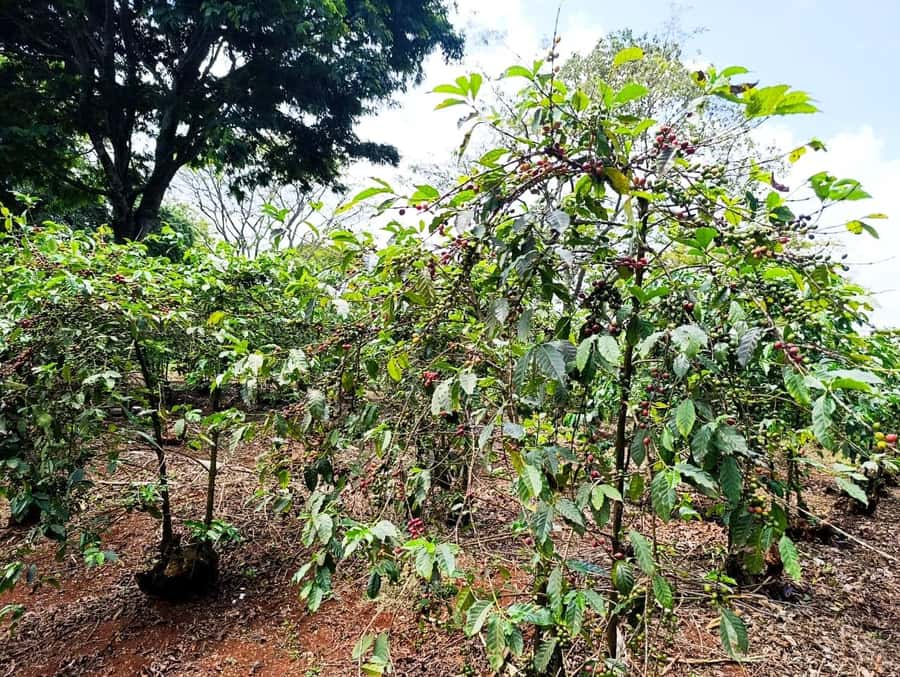
Fairview Coffee Estate turns a morning cup into a hands-on lesson. You will walk between SL28 and Ruiru 11 coffee plants, see cherries move through the wet and dry mills, then roast and grind your own beans over firewood. I like the farm-to-cup link here: each step makes more sense because you take part in the final one.
I also like the calm setting outside Nairobi and the tasting session led by a certified cupping host. Guide James has been singled out for clear explanations, humor, and games during the tour. The main concern is transport reliability: one pickup was reported as 90 minutes late, and the separate $30 entry fee can surprise you if you notice only the $38 tour price.
Key details before you book
- Roast your own beans: Use a traditional jiko over firewood, then grind and bag the coffee you have made.
- See both mills: The wet mill handles fresh cherries, while the dry mill shows the later stages that prepare beans for sale.
- Walk through named varieties: The farm grows SL28 and Ruiru 11, two Kenyan coffee varieties you will encounter during the guided walk.
- Taste beyond one cup: A certified cupping host introduces different roast levels and helps you notice changes in flavor.
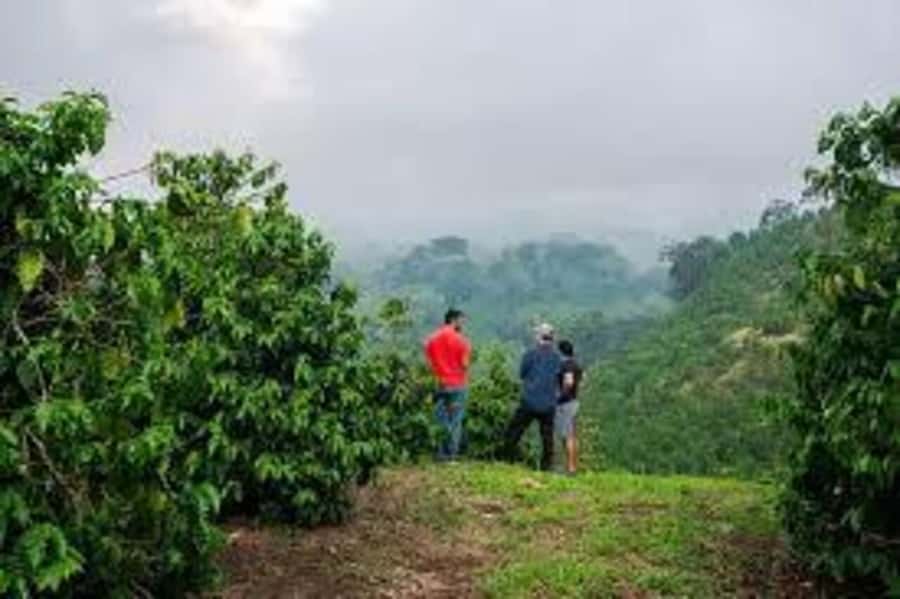
- Leave Nairobi for Kiambu: The estate sits in the green highlands at about 1,800 meters, with scenic views along the way.
- Check the real cost: The listed activity price is $38 per person, but a $30 entry fee is not included.
Why Fairview makes coffee easier to understand
Coffee tours can become a parade of equipment and unfamiliar terms. Fairview has a better rhythm because you see the plant, handle the bean, and taste the finished drink in one visit.
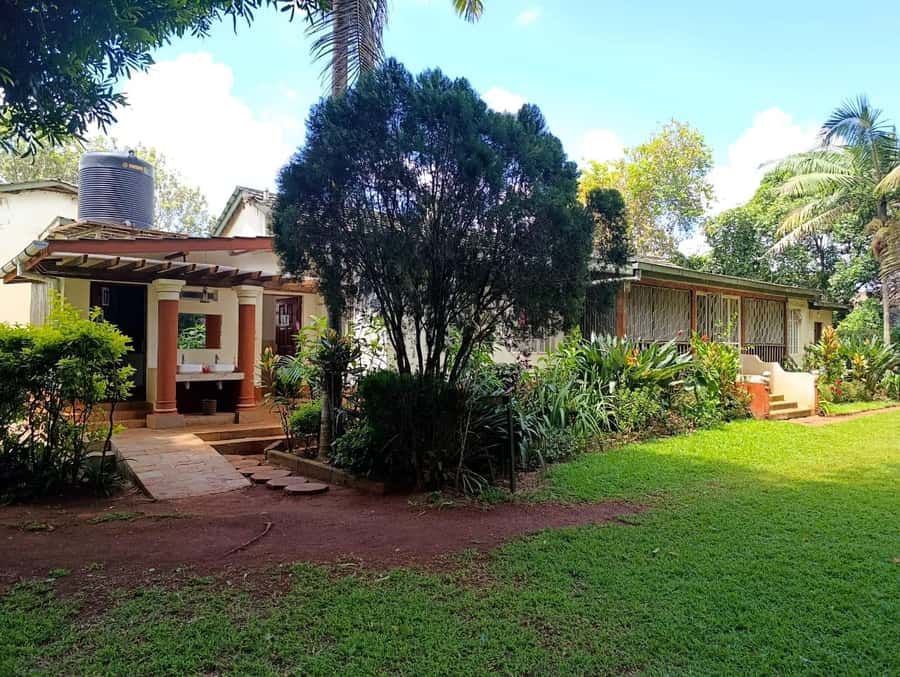
The estate lies in Kiambu, north of Nairobi, in the central highlands of Kenya. The setting gives you a break from city traffic without requiring a full-day trip. Pickup is offered from parts of Kilimani, Kileleshwa, Parklands, Nairobi, Syokimau, Westlands, and Loresho, with return service to those areas.
I would choose this outing if you want a short introduction to Kenyan agriculture rather than a long safari-style excursion. The four-hour schedule leaves room for other Nairobi plans, though a late pickup can eat into that time. The drive is part of the experience, with green country views on the way to the estate.
Coffee is important in Kenya not only as a drink but also as farm work, processing, grading, roasting, and trade. This visit gives you a plain, physical sense of that chain. You do not just hear that coffee cherries must be processed quickly. You watch the work begin.
A few more Nairobi days to weigh up
- Nairobi Coffee Farm and Factory Tour
★ 5.0 · 87 reviews - Nairobi: Coffee Factory and Farm Tour with Transfer
★ 4.5 · 60 reviews - Coffee Farm Village & Factory Half Day Tour with Pick-Up
★ 5.0 · 33 reviews
From welcome coffee to the first farm walk
The visit begins with a fresh cup of coffee and small local sweet bites. This is a useful start because it gives you a first taste before you learn how the drink is made.
Your guide then takes you into the planted rows. Fairview grows SL28 and Ruiru 11, and the walk introduces the difference between looking at a coffee bush and understanding how it is managed. You learn about seedling propagation, soil care, and cherry selection.
If cherries are in season, you may get a chance to take part in the picking or handling process. The best timing for this is April through June or October through December, the stated harvest periods. Outside those months, the farm walk still covers cultivation and plant care, but the hands-on cherry work may not be available.
At roughly 1,800 meters, the estate sits at a moderate altitude. You should bring water, sunscreen, and sturdy, comfortable shoes. The paths are walkable, but this is a farm, not a polished museum floor. Expect uneven ground and a little walking between stops.
Seeing the wet mill and dry mill in sequence

The factory portion explains what happens after coffee cherries leave the bush. The wet mill is where the fresh fruit begins its transformation. You learn about pulping, fermentation, and drying on raised beds.
The raised beds are particularly useful to see because drying is easy to overlook when coffee is sold in a sealed bag. Here, you can connect the beans in your cup with the careful work that follows picking. The guide explains how the outer fruit is removed and how the beans are prepared for the next stage.
The dry mill handles later processing. Seeing both wet and dry mills gives you a fuller picture than a plantation walk alone. It also helps explain why coffee flavor depends on more than roast level. Processing after harvest affects what reaches the roaster.
This section is more educational than theatrical, which suits anyone who likes to understand how things work. The machines may be quiet or less active depending on the day and season, so do not expect a nonstop production show. The value is in the explanation and the chance to see the equipment close up.
The firewood roasting workshop
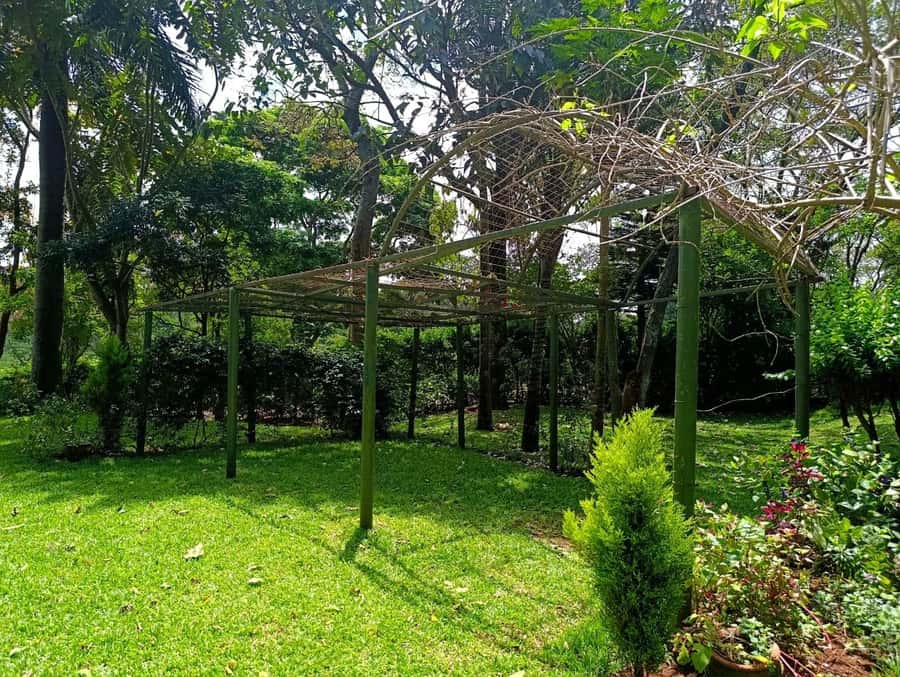
The most memorable part for many people will be the roasting hut. You use a traditional jiko, a charcoal or wood-burning stove style used in East Africa, to roast the beans over firewood with help from a local coffee expert.
This is not a quick demonstration where you watch someone else do the work. You roast, grind, and bag your coffee. That makes the workshop a good choice for anyone who enjoys practical activities and wants a small souvenir with a clear connection to the place.
Roasting over a fire also shows how much judgment goes into a cup. Color, smell, heat, and timing all matter. You will not need professional equipment, but you will need to pay attention to the instructions. The rustic setting is part of the charm, though it also means smoke, heat, and a less polished setup.
After roasting, you grind the beans and prepare them for tasting. This creates a satisfying before-and-after moment: the coffee plant you saw earlier has now become something you can drink.
A different kind of day from the same base:
- Nairobi National Park Half-Day Tour; Free Wi-Fi connection
★ 5.0 · 878 reviews - Nairobi: National Park & Optional Elephants & Giraffe Center
★ 4.8 · 874 reviews - NAI NAMI: Nairobi Storytelling Tour with Street Children
★ 5.0 · 792 reviews - Nairobi National Park Half-Day Game Drive
★ 4.5 · 738 reviews
Cupping Kenyan coffee with a trained host
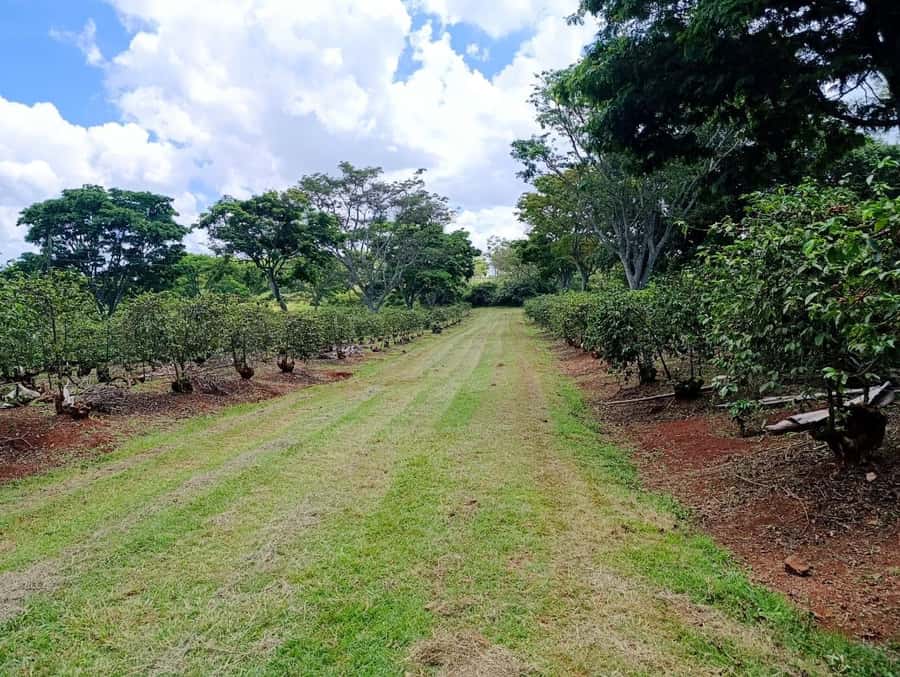
The tasting session moves from making coffee to judging it. A certified cupping host introduces different roast levels and helps you compare them.
Cupping is more focused than simply drinking several cups. You pay attention to aroma, body, acidity, and flavor. Even if you do not know coffee vocabulary, the guide can give you a way to notice what changes from one roast to another.
Kenyan coffee is often valued for its bright character and layered flavor, but this tour lets you form your own view. The supplied details describe coffee with richness of flavor, but your experience will depend on the beans, roast, preparation, and your own palate.
Guide James has received specific praise for explaining the coffee history, cultivation, and varieties in a lively way. His use of jokes and games can make the technical material easier to follow. You should still expect an instructional tour, not a relaxed cafe tasting with no walking or scheduled stops.
The tasting is one reason I would recommend this to coffee drinkers who want more than a pretty farm visit. You leave with a better sense of why one coffee tastes different from another, even when both are made from the same basic crop.
A quiet terrace and local refreshments
The final part gives you time to slow down. On a scenic terrace, you receive a snack platter with local fruit, pastries, and fresh juice.
This pause matters because the farm and mill sections contain a fair amount of information. The terrace lets you enjoy the setting without having to listen to another explanation or keep moving. It also gives you a chance to finish the coffee experience at an easy pace.
The refreshments are included, but personal purchases and shopping are not. Fairview includes time for shopping, so you may want to budget for coffee or other items beyond the supplied snack. The exact products and prices are not specified, so bring extra money only if you want to buy something.
What the $38 price really covers
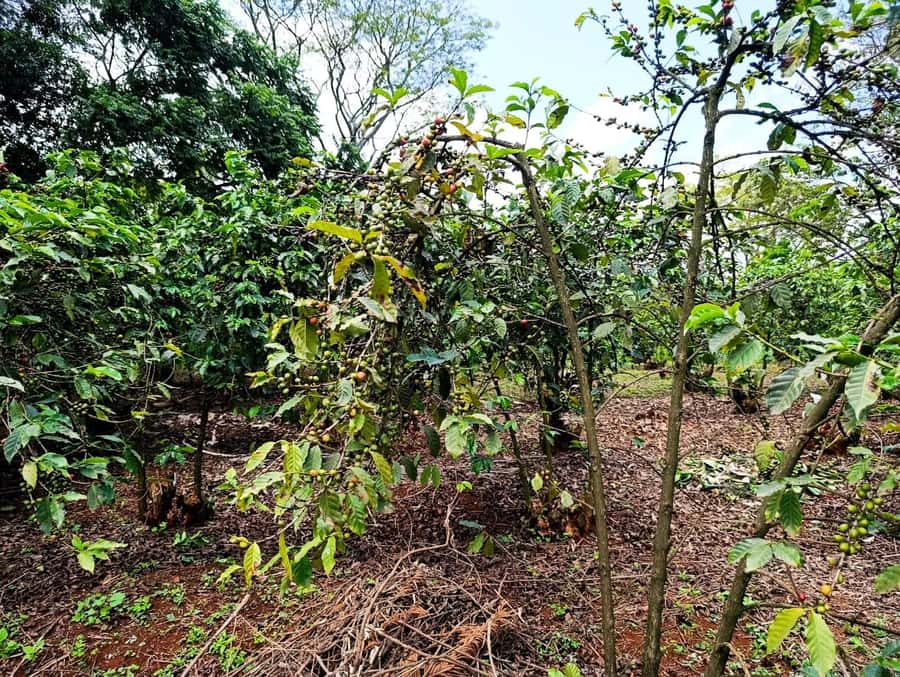
The listed cost is $38 per person. That includes Nairobi pickup and drop-off, the guided farm and factory tour, the roasting workshop, the cupping session, snacks, and refreshments.
That package offers fair value if you use every part of it. A private transfer to a coffee estate, a hands-on workshop, and a guided tasting can add up quickly when arranged separately. The four-hour length also makes the price easier to justify for a short Nairobi itinerary.
But the price needs one clear warning. A $30 entry fee is not included. That means the activity can cost substantially more than the headline figure once you arrive. Confirm the total payable amount before booking and keep funds available for the entrance charge.
Personal expenses and purchases are also separate. The included snack platter should cover the planned refreshments, but it is sensible to carry water and money for anything extra.
Pickup, timing, and the transport warning
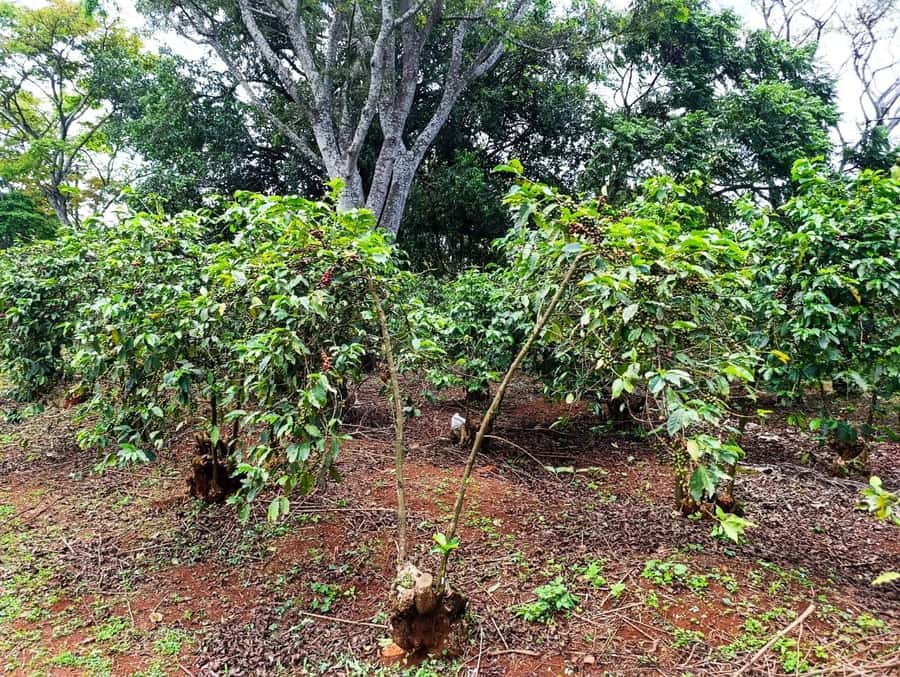
Pickup is available from seven Nairobi areas, including the central and western neighborhoods listed above, plus Syokimau. Return drop-off is offered to the same set of areas.
This broad pickup coverage is helpful if you are staying in one of those districts. It removes the need to arrange a separate taxi to Kiambu and keeps the outing simple. It also means the exact pickup time depends on the starting location and the day’s transport schedule.
One serious transport problem has been reported: a driver arrived 90 minutes late, causing the group visit to be missed. The result was a choice between paying $20 more per person for a private tour or waiting three hours for the next group. That is not a small inconvenience on a four-hour activity.
I would confirm your pickup time and contact details before the morning of the tour. Keep the provider’s phone information close, and avoid planning a tight airport transfer or timed Nairobi appointment afterward. The tour itself may be well run once you arrive, but transport can affect the whole day.
A separate return incident involved a driver recommending a Kenyan restaurant where the passengers felt they were overcharged. I would treat unsolicited restaurant stops with care, ask for prices first, and choose your own meal plans. This issue concerns the transport arrangement, not the coffee instruction, but it is worth knowing.
Who will enjoy this estate visit most
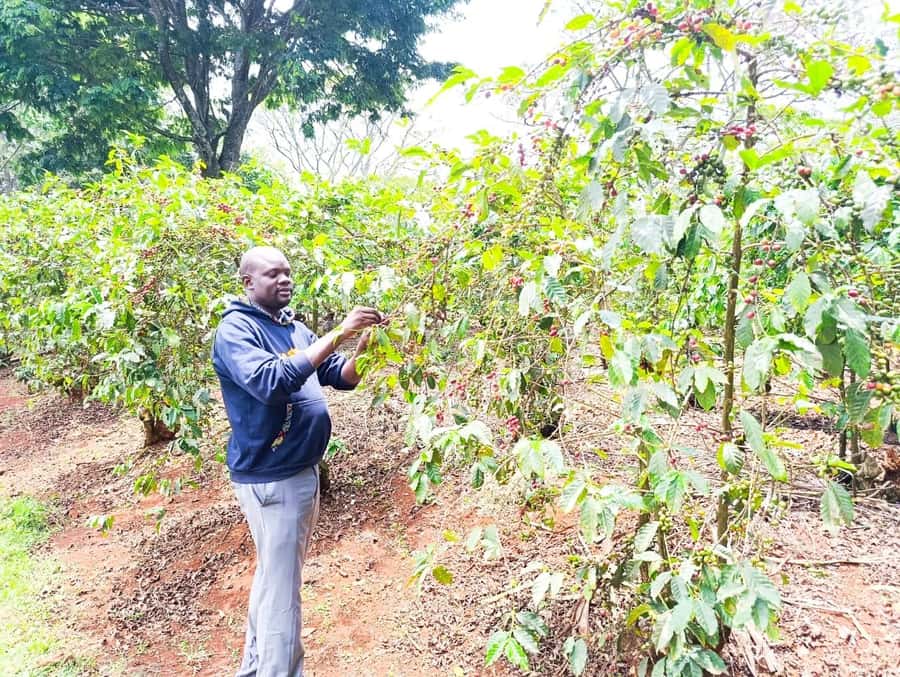
This is a strong fit for coffee drinkers, curious food lovers, and anyone who likes seeing production at its source. The roasting workshop gives you something to do with your hands, while the cupping session suits people who want to taste with more purpose.
It also works well for a short Nairobi stay. Four hours is enough to reach the countryside, learn the main stages, and return without giving up an entire day. Families and mixed-interest groups may appreciate the games and practical roasting, though the farm paths require comfortable footwear.
The tour is less suitable if you want a guaranteed harvest activity, a fully private schedule, or a very relaxed morning with no walking. Cherry work depends on the season, and group timing matters. It is also not the best choice if an unplanned delay would cause trouble later in the day.
The activity is listed as wheelchair accessible, but the information also says the paths are farm paths and recommends sturdy shoes. If accessibility is important for you, confirm how the route and mill areas will be handled before booking.
English is the stated tour language. Guide James has been noted for making the explanations lively, but no other guide language is listed.
Practical preparation for a better visit
Wear shoes that can handle dirt and uneven paths. Bring sunscreen and water, especially at altitude, and stay hydrated during the walk and roasting session.
Try to visit during April through June or October through December if seeing coffee cherries is a priority. The estate can still teach cultivation and processing outside harvest season, but hands-on cherry work is not guaranteed.
Allow extra time around pickup and return. Do not schedule a flight, important meeting, or prepaid Nairobi attraction immediately after the stated four-hour duration.
Keep the entry fee separate from the tour price in your budget. Also plan for personal shopping, since coffee purchases are not included.
The activity offers free cancellation up to 24 hours before the start time, and you can reserve while paying later. Those terms help if your Nairobi schedule is still moving, but they do not solve the transport risk on the day itself.
Should you book the Fairview Coffee Estate tour?
Book it if you want a practical look at Kenyan coffee, enjoy tasting sessions, and like the idea of roasting your own beans over a traditional stove. The farm walk, mills, workshop, and cupping form a useful four-hour story, and James appears to bring a friendly, playful touch to the explanations.
Think twice if your schedule cannot absorb a late pickup or if the extra $30 entry fee changes your budget. Confirm the full cost, allow plenty of time, and make your own plans for meals and purchases.
For coffee fans, the hands-on roasting is the deciding feature. For everyone else, the quiet Kiambu setting and clear farm-to-cup route make this a worthwhile Nairobi side trip, provided you treat the transport timing as flexible.
FAQ
How long does the Fairview Coffee Estate tour last?
The activity lasts four hours, including the Nairobi pickup and return arrangements.
What is included in the tour price?
The price includes pickup and drop-off from Nairobi, a guided farm and factory tour, a coffee roasting workshop, a cupping and tasting session, a snack platter, and refreshments.
Is the $30 entrance fee included?
No. The $30 entry fee is listed separately and is not included in the $38 per-person activity price.
Where can pickup and drop-off take place?
Pickup and drop-off options include Kilimani, Kileleshwa, Parklands, Nairobi, Syokimau, Westlands, and Loresho.
What should I bring?
Bring comfortable or sturdy shoes, sunscreen, and water. The farm is at about 1,800 meters, so staying hydrated is important.
When is the best time to see coffee cherries?
The stated harvest seasons are April through June and October through December. Hands-on cherry activities may depend on whether coffee is in season.
What language is the tour conducted in?
The tour is conducted in English with a live guide.
Recently added around Nairobi
- Nairobi; City Walk Tour★ 4.5 · 3 reviews
- Private 3-Day Masai Mara Safari Adventure★ 5.0 · 3 reviews
- Kenya safari★ 5.0 · 3 reviews
- 2 Days Amboseli National Park Safari★ 3.5 · 3 reviews
- 11-Days Best of Kenya & Tanzania Big 5 Safari on a 4×4 Jeep★ 5.0 · 3 reviews
- Full Day, Small Group Guided Tour to Amboseli National Park★ 4.5 · 3 reviews
- 10-Days Explore Kenya Wildlife Private Safari★ 5.0 · 3 reviews
- Nairobi: Giraffe Center, Beads Factory & Bomas of Kenya Tour★ 4.5 · 3 reviews
Nairobi Tours, compared.

Nairobi National Park Half-Day Tour; Free Wi-Fi connection
Read our review →
National Park & Optional Elephants & Giraffe Center
Read our review →
NAI NAMI: Nairobi Storytelling Tour with Street Children
Read our review →




Elephant Orphanage and Giraffe Center Tour with Options
Read our review →Browse the lists this tour appears in