
Reviewed · NAIROBI TOURS
Nairobi: Coffee Factory and Farm Tour with Transfer
The best part of this outing is that coffee stops being an anonymous brown drink and becomes a crop you can follow from flower to cherry, drying bed, roast, and cup. At Fairview Coffee Estate in Limuru, you walk through nearly 100 acres of coffee beside the Riara River, then sit down for a tasting.
I like the farm-to-cup story, which gives the tasting real meaning, and I like the easy hotel transfer from Nairobi. Guides including Elvis, James, and Ray have a gift for making agricultural details clear and entertaining. The main caution is timing: the ride can take about an hour each way, and the extra entry fee needs to be confirmed before booking.
Key points at a glance
- See coffee growing up close: Learn about flowers, cherries, picking, and plant care on a working estate.
- Follow the full production chain: The tour explains drying, processing, roasting, brewing, and coffee grades.
- Taste Fairview coffee: Try at least two of the estate’s brands and compare roast styles.
- Leave Nairobi without planning transport: Pickup and drop-off are offered from listed city areas and hotels.
- Meet passionate guides: Elvis, James, Ray, and other farm guides have received especially strong praise for clear, warm instruction.
- Budget for a possible extra charge: The listed price is $24 per person, while the details also mention a $30 entry fee not included.
From Nairobi streets to coffee country
This four-hour trip gives you a change of pace without requiring a full-day safari or a long journey out of town. You are collected in a van from a Nairobi hotel or one of the listed areas, including Westlands, Kilimani, Lavington, Karen, Gigiri, Parklands, Embakasi, Syokimau, and Nairobi city.
The drive to Kiambu County takes about an hour. That transfer is part of the value, especially if you are staying in Nairobi and do not want to arrange a taxi to Limuru. Drivers have been praised for being polite and careful, with Douglas and Steven among the names singled out for good service.
Pickup communication deserves a little care. One booking experience involved a last-minute change from an early morning pickup to a later departure, while another traveler only learned on the morning of the tour that hotel pickup could be arranged. I would confirm your exact pickup time and location in advance rather than rely on the initial booking details.
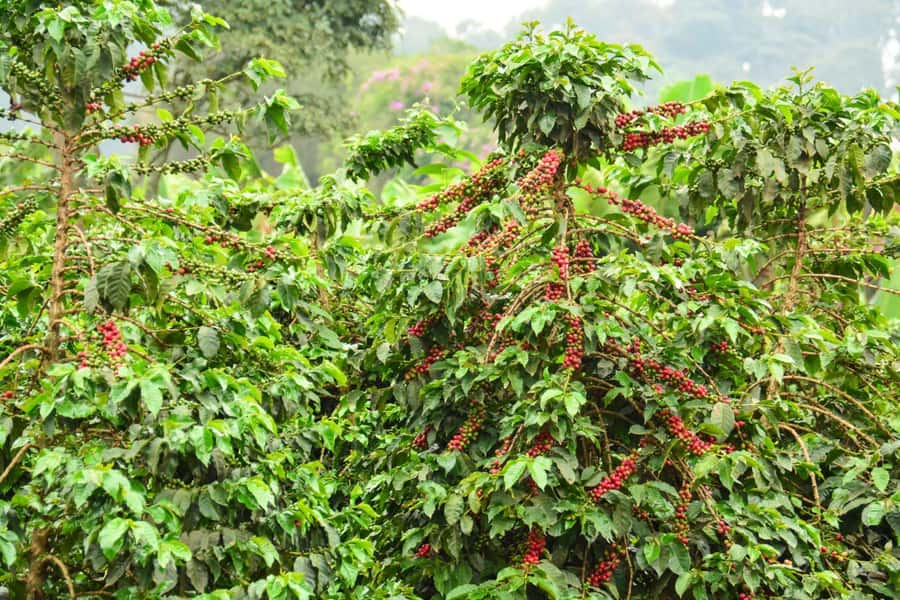
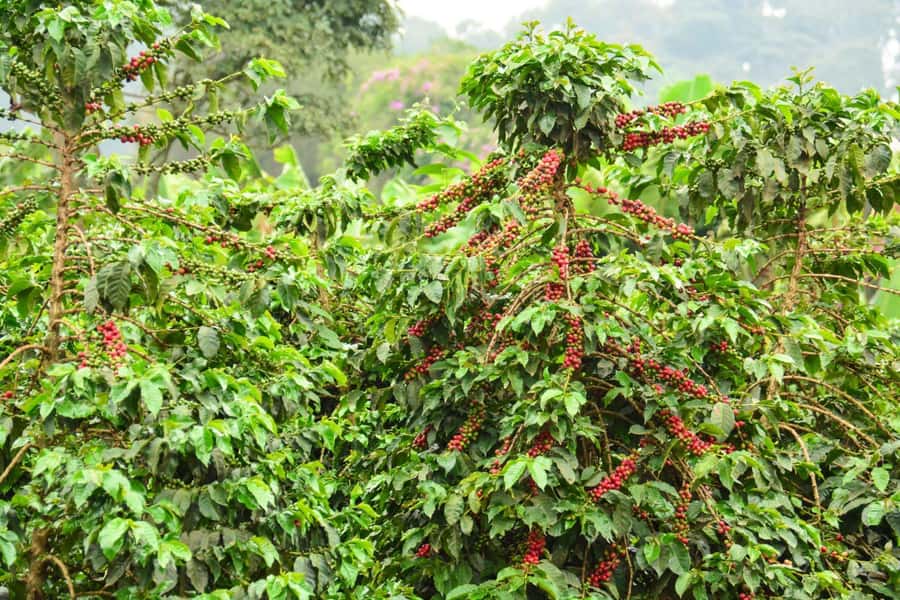
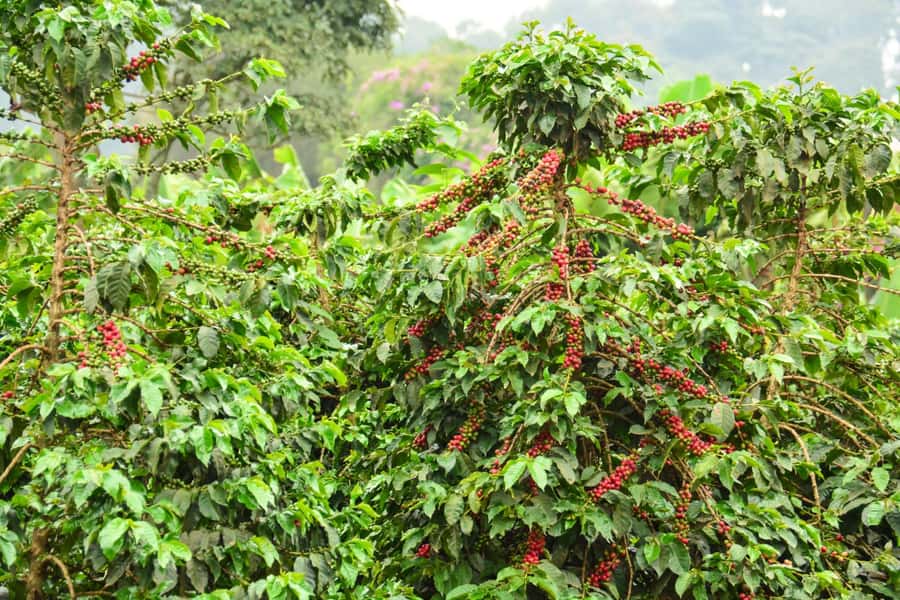
Fairview Coffee Estate sits in Limuru, in Kiambu County, an area associated with Kenya’s highland farming. The estate covers nearly 100 acres of coffee and receives water from the Riara River, which is fed by streams from the Kenyan highlands. Its fertile soil and cool setting help explain why coffee grows well here.
The scenery is a welcome contrast to Nairobi’s traffic and concrete. You get fresh air, open farm views, and a slower walking pace. This is not a wilderness outing, but it is a pleasant rural break with an agricultural focus.
More drivers for the day in Nairobi:
- Safe and Private Airport transfer in Nairobi
★ 5.0 · 76 reviews - Car and driver hire in Nairobi Private Driver with Comfortable car rental Kenya
★ 5.0 · 44 reviews - Safe and Executive Airport transfer in Nairobi
★ 5.0 · 18 reviews
Walking through the coffee plants
The farm walk is the part that gives the experience its backbone. Rather than starting with a polished cup, the guide begins with the plant itself and explains how coffee develops.
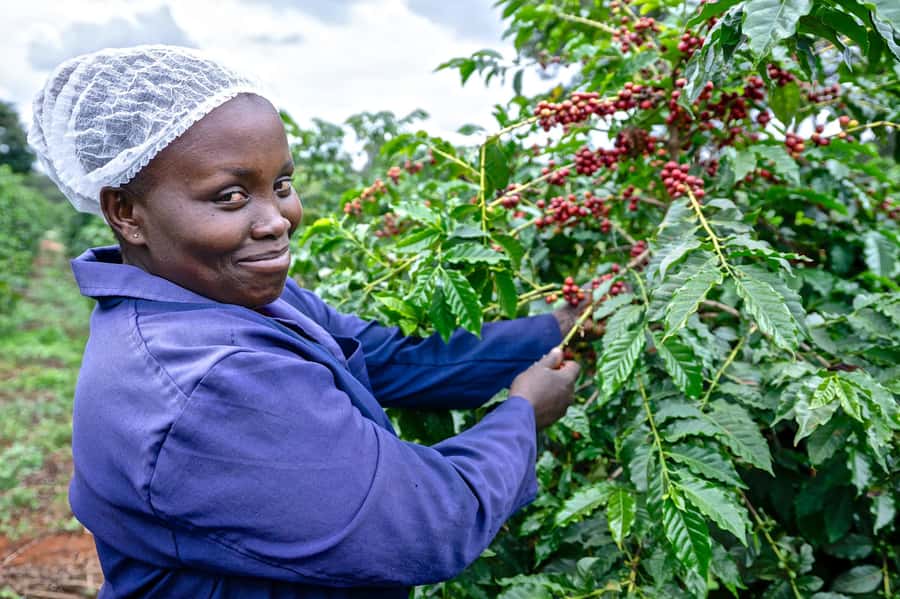
You learn about the flowers, the forming cherries, and the work involved in producing usable beans. The walk helps you see why coffee is an agricultural product first, not simply something made in a café.
One particularly hands-on detail is the chance to pick coffee cherries and test the quality of your selection. That small task makes the process less abstract. You begin to notice that harvesting is not just a matter of grabbing everything red or shiny from a branch.
The setting also makes this section enjoyable for people who are not serious coffee drinkers. You can stroll, take in the farm, and ask questions while learning how the crop is managed. Guides are encouraged to explain the work in plain terms, and the strongest guide experiences have included personal connections to coffee farming.
One guide was described as having grown up on a coffee farm, while Elvis has been praised for his love of the land and his ability to explain the subject with warmth. James has also been noted for his lively presentation. You may not receive a particular guide, but the repeated praise for the farm team suggests that the human side of the tour is one of its real strengths.
Wear shoes you can walk in comfortably. Hiking shoes are recommended, and clothes that can get dirty are sensible. The information does not describe a strenuous hike, but this is a farm walk, not a paved city attraction.
From cherry to dried bean
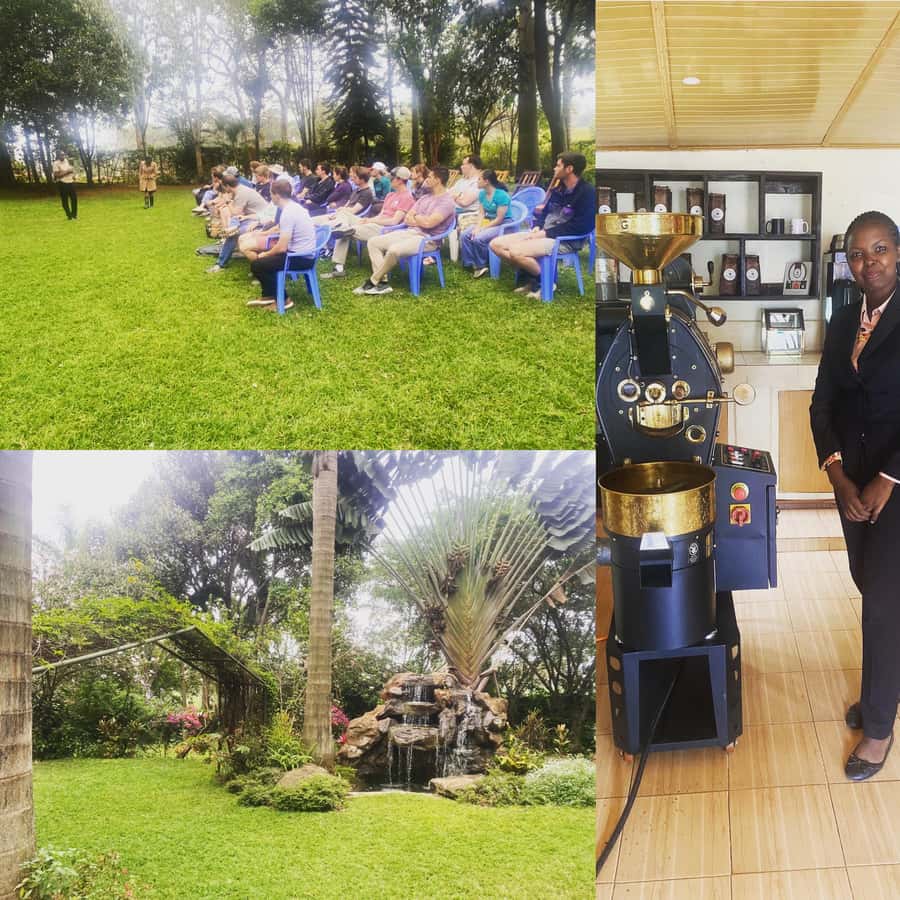
After seeing the plants, the tour moves into the production process. The guide explains what happens after picking, including processing and drying before the beans are roasted.
This is where the visit earns its place as more than a scenic farm stop. Kenyan coffee can be discussed in vague terms, but seeing the stages in order gives you a clearer sense of the labor behind each cup.
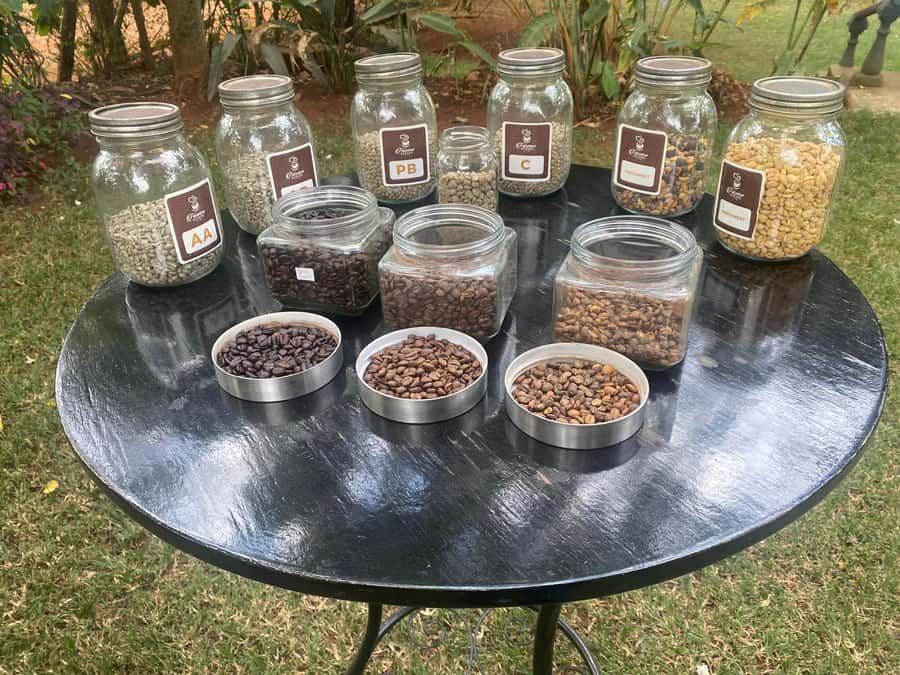
The precise route through the facilities can vary, so you should think of the experience as a guided introduction rather than a technical factory inspection. The stated focus covers coffee production from agriculture through roasting and brewing. The farm team also explains grades and the differences created by roast levels.
That information is useful when you reach the tasting. You are not simply handed a hot drink and told to decide if you like it. You have a framework for noticing how processing and roasting affect aroma, body, and flavor.
The tour is also tied to Fairview’s effort to encourage local coffee drinking and explain coffee production to a wider audience. That matters in a country known around the world for exporting coffee. You get a look at the crop as a local product, not only as an item prepared for overseas markets.
Fairview coffee tasting
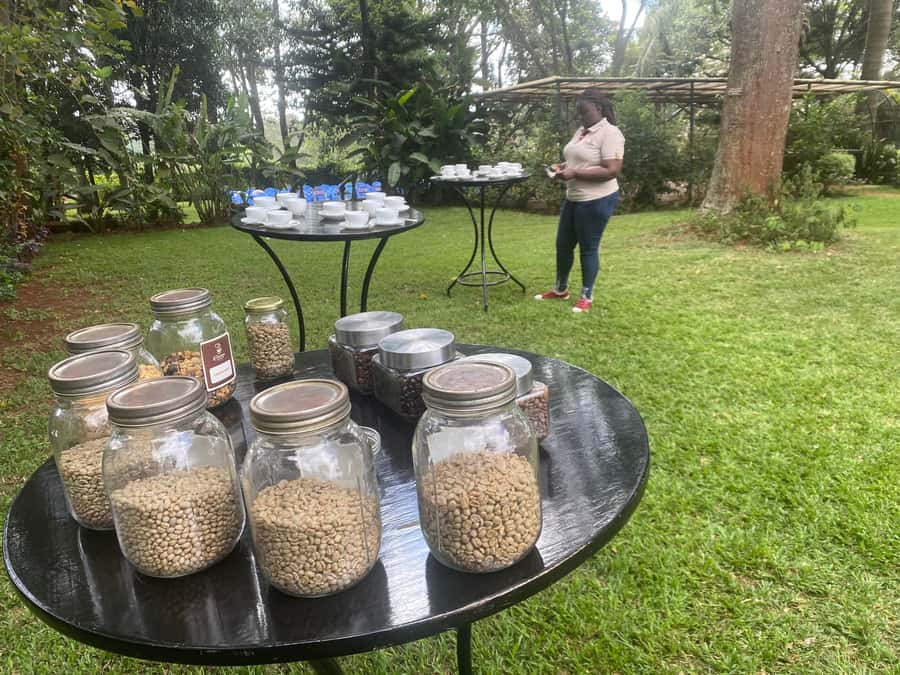
The tasting is the natural high point of the visit. You try at least a couple of Fairview’s established brands and sample different roasts. The session is interactive, and one account describes learning about coffee grades while comparing roast styles.
If you normally add milk or sugar, this is a good chance to try the coffee as served during the tasting before changing it. The point is not to turn you into a professional cupper. It is to help you recognize why two coffees from the same broad region can taste different.
The tasting has also been praised as well organized and enjoyable, which is important because these sessions can sometimes feel rushed or overly formal. Here, the educational part and the pleasure of drinking coffee appear to be kept in balance.
Freshly brewed coffee tastes better when you understand the work behind it. You have just seen the plants, heard about picking and drying, and followed the route toward roasting. That sequence gives the final cup a sense of place.
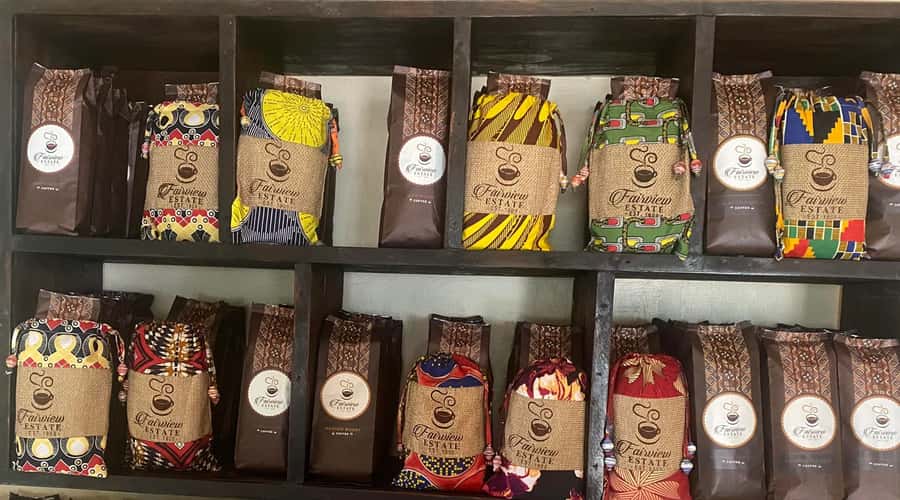
Coffee is available to buy at the end, either ground or as beans. This is practical if you find a Fairview roast you like, though you should treat the purchase as optional. The tour price does not state that coffee is included beyond the tasting.
A few more Nairobi days to weigh up
- Nairobi Coffee Farm and Factory Tour
★ 5.0 · 87 reviews - Coffee Farm Village & Factory Half Day Tour with Pick-Up
★ 5.0 · 33 reviews - Nairobi: Guided Coffee Farm Tour with Tastings
★ 5.0 · 24 reviews - Coffee farm tour, coffee roasting and tasting experience
★ 5.0 · 20 reviews
What the $24 price really covers

At $24 per person, the outing can be good value for a four-hour experience, particularly if you are staying in Nairobi and would otherwise pay separately for transport to Limuru. The price includes hotel pickup and drop-off, the two-hour coffee tour, mineral water in the vehicle, coffee processing, and tasting.
The value depends heavily on your pickup point and the final fee details. A van ride of roughly one hour in each direction takes up half the total duration, but it also removes the hassle of finding your own way to the estate.
Food, snacks, and drinks are not included, so eat before departure or bring something suitable. Mineral water is supplied in the vehicle, but that should not be confused with a meal stop.
There is a confusing point in the cost information. The tour is listed at $24, but the exclusions also say entry fees are $30. Because the wording does not explain whether this is a separate estate charge, a group fee, or a listing error, ask the operator to confirm the total cost before you commit. This is the one budget detail I would not leave unclear.
For a coffee enthusiast, the mix of transport, farm access, instruction, and tasting makes the price appealing if the $30 charge is not added unexpectedly. For someone who only wants a cup of Kenyan coffee, it may feel like more time and expense than necessary.
Timing, comfort, and practical preparation
The estate offers daily tours, with morning and afternoon departures listed at 10 a.m. and 2 p.m. The exact pickup time from your hotel can differ because of the drive and local arrangements, so check availability for your date and confirm the collection time.
Warm clothing is a good idea. Limuru is in Kenya’s highlands, and the farm can feel cooler than Nairobi. A light layer is easier to manage than assuming city weather will follow you into the countryside.
Choose closed, comfortable footwear. Hiking shoes are recommended, and clothing that can handle dust or soil will let you enjoy the walk without worrying about every mark.
The tour is offered in English with a live guide. It is also listed as wheelchair accessible, but the information does not explain which parts of the farm route are adapted. If you use a wheelchair, ask about the walking surface and access to each section before booking.
The activity lasts four hours, including the transfer. That makes it a manageable half-day plan, but do not place an important appointment immediately afterward. Nairobi traffic can affect the return journey, and the road time is not fully predictable.
Who will enjoy this farm tour
I would choose this experience if you want a low-effort way to get beyond Nairobi and learn something specific about Kenya. It suits coffee drinkers, people interested in farming, and visitors who enjoy guided walks with a tasting at the end.
It is also a good fit for first-time visitors who want a gentle introduction to the area around Kiambu County. You do not need specialist coffee knowledge. The guides explain the subject step by step, and the cherry-picking activity gives you something active to do.
Families and mixed-interest groups may find it works well because the outing combines transport, scenery, a short walk, practical instruction, and drinks. Still, anyone who dislikes farm settings, walking outdoors, or detailed explanations of production may prefer a shorter café-based experience.
The tour is less suitable if your main goal is a large industrial roastery, a long coffee workshop, or a full meal. The available details point to a traditional estate visit with a production explanation and tasting, not an advanced barista course.
The strongest part is the human guide
The farm itself provides the setting, but the guide determines how much you take away. The most warmly described guides include Elvis, James, and Ray, while several other guides have also been praised for clear explanations and enthusiasm.
Elvis appears to be especially memorable for many visitors. He has been described as a coffee expert with a genuine connection to the work, and his walk is said to make the subject both informative and entertaining. James has been praised for charisma and a strong grasp of the production process, while Ray has been singled out for a good presentation.
That does not guarantee who will lead your tour. It does tell you what to look for: a guide who connects farming, processing, and tasting rather than treating each as a separate fact list.
The driver matters too. Douglas has been praised for kindness and careful driving, and Steven has been described as pleasant and helpful. Since your van ride takes about two hours in total, courteous transport makes a real difference.
Should you book the Fairview coffee experience?
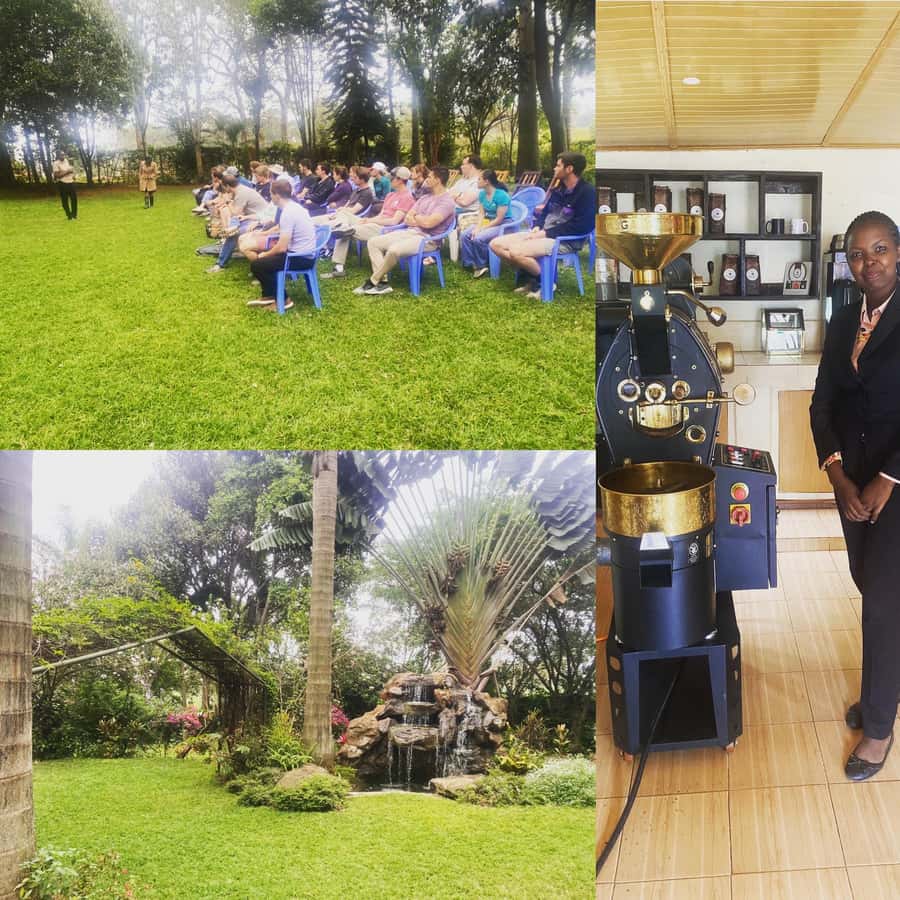
Book it if you want to understand Kenyan coffee from plant to cup, enjoy a quiet farm setting, and value having transport arranged from Nairobi. The walk, cherry-picking, production explanation, and tasting create a fuller experience than simply visiting a shop and buying a bag of beans.
I would be more cautious if your schedule is tight, your mobility needs require detailed route information, or the separate $30 entry fee is not clearly explained. Confirm the pickup time, hotel collection, and final price before paying.
For most coffee lovers, this is an easy half-day choice with a strong educational side and a pleasant rural setting. Bring a warm layer, sensible shoes, and enough time for Nairobi traffic. If you do, Fairview gives you a useful answer to the question every coffee drinker should ask at least once: how did this cup get here?
FAQ
How long does the Nairobi coffee farm tour last?
The full activity lasts four hours, including transportation from Nairobi and the visit to Fairview Coffee Estate.
Where is Fairview Coffee Estate?
The estate is in Limuru, in Kiambu County, Central Kenya. It is about an hour from Nairobi by van according to the stated itinerary.
Is hotel pickup and drop-off included?
Yes. Pickup and drop-off at a Nairobi city hotel are included, with listed service areas such as Westlands, Kilimani, Lavington, Karen, Gigiri, Parklands, Embakasi, Syokimau, and Nairobi.
What time do the tours run?
Daily tours are listed at 10 a.m. and 2 p.m. Check availability for the date you want, since hotel pickup times can differ from the estate tour time.
Is coffee tasting included?
Yes. The experience includes coffee processing and tasting, with at least a couple of Fairview brands available to sample.
Can I buy coffee after the tour?
Yes. Ground coffee and coffee beans are available to purchase at the estate.
Is food included?
No. Food, snacks, and drinks are not included. Mineral water is provided in the vehicle.
What should I wear?
Bring warm clothing, hiking shoes, and clothes that can get dirty. The activity includes walking around a coffee farm.
Is the tour wheelchair accessible?
The activity is listed as wheelchair accessible. The available details do not explain access conditions for each part of the farm, so contact the provider if you need specific route information.
More farm visits around Nairobi
- Nairobi to Kiambethu Tea Farm Tour
★ 5.0 · 51 reviews - Private Day Trip to Kiambethu Tea Farm in Limuru from Nairobi
★ 5.0 · 31 reviews - Day Tour To Kiambethu Tea Farm in Limuru
★ 5.0 · 22 reviews - Nairobi: Tea Farm Day Trip with Lunch at kiambethu
★ 4.0 · 21 reviews
Recently added around Nairobi
- Nairobi; City Walk Tour★ 4.5 · 3 reviews
- 2 Days Amboseli National Park Safari★ 3.5 · 3 reviews
- Private 3-Day Masai Mara Safari Adventure★ 5.0 · 3 reviews
- Kenya safari★ 5.0 · 3 reviews
- 11-Days Best of Kenya & Tanzania Big 5 Safari on a 4×4 Jeep★ 5.0 · 3 reviews
- Full Day, Small Group Guided Tour to Amboseli National Park★ 4.5 · 3 reviews
- 10-Days Explore Kenya Wildlife Private Safari★ 5.0 · 3 reviews
- Nairobi: Giraffe Center, Beads Factory & Bomas of Kenya Tour★ 4.5 · 3 reviews
Nairobi Tours, compared.
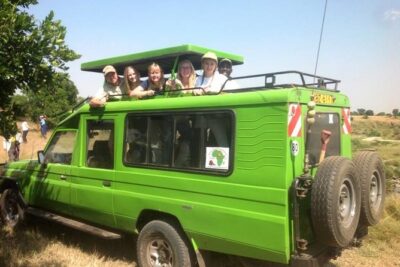
Nairobi National Park Half-Day Tour; Free Wi-Fi connection
Read our review →
National Park & Optional Elephants & Giraffe Center
Read our review →
NAI NAMI: Nairobi Storytelling Tour with Street Children
Read our review →

Elephant Orphanage and Giraffe Center Tour with Options
Read our review →Browse the lists this tour appears in