
Reviewed · MOMBASA TOURS
Mombasa:Street food Experience
Mombasa’s best food stories are found at street stalls, not behind hotel menus. This short Old Town walk takes you from Treasury Square through nearby food stops for mshikaki skewers, seafood, sugarcane juice, Swahili coffee, and cassava chips.
I like two things here. First, the food comes with context: you learn how each item is prepared and what it says about coastal life. Second, the tour brings you into contact with several cultures and everyday routines in Old Town, rather than keeping you inside a formal restaurant.
The main caution is simple: this is a street-food outing, so comfort levels can vary. You should also arrive hungry, mention allergies ahead of time, and allow up to three hours even though the advertised duration is 150 minutes.
Key points to know before booking
- Treasury Square is the meeting point: The walk begins at the roundabout and stays within Mombasa Old Town.
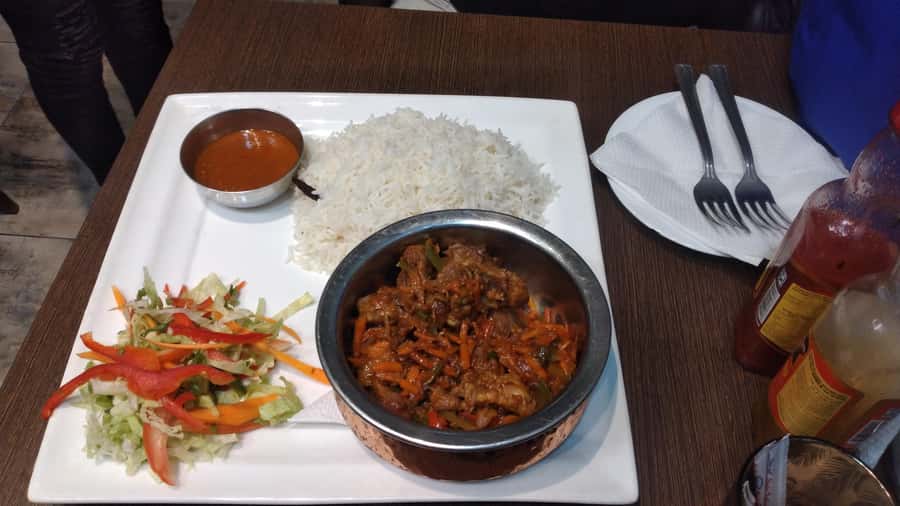
- Seven food and drink samples are on the menu: Expect mshikaki, sugarcane juice, Swahili coffee, tea, potatoes, seafood, and cassava chips.
- Seafood is part of the experience: Octopus, prawns, or fish may be included, with pescatarian, vegetarian, and vegan options available.
- Joan and Nicole have led this experience: Joan is praised for relaxed conversation and cultural commentary, while Nicole is described as friendly and easy to talk with.
- Come with an empty stomach: The food is substantial, and one recent visitor said the selection left them completely full.
- The tour is about food and daily life: You will walk between stops while learning about local people, culture, preparation methods, and coastal flavors.
Why Old Town is the right place for a food walk
Mombasa Old Town gives this experience its character. The stops are close together, so you are not spending the afternoon riding from one district to another. Instead, you move on foot from one food point to the next while your guide explains what you are seeing and eating.
That short route also makes the tour manageable. The activity includes a brief safety briefing at the start, followed by walking, sightseeing, a coffee stop, food sampling, and a visit to a food market. The route is described as short-distance walking, but you should still wear comfortable shoes and expect the normal bustle of an active town center.
I like this format because food becomes a way to read the city. A skewer is not just a snack. Sugarcane juice is not just something cold to drink. Each stop gives you a small piece of coastal life, and the guide helps connect the dish to local habits and cooking methods.
The tour is led in English or Swahili. Guides named in the available feedback include Joan and Nicole. Joan is described as relaxed, approachable, and good at keeping conversation easy while adding useful commentary during the walk. Nicole is praised for creating the feeling of sharing a meal with a friend and for discussing cultural subjects along the way.
That personal element matters. A street-food walk can feel like a list of samples if the guide only points at dishes. Here, the stated aim is broader: to help you understand locals, their culture, their food, and their way of life.
More places to eat around Mombasa:
- Carnivore Restaurant Nairobi Dinning experience-transport
★ 4.5 · 50 reviews - Nairobi: The Safari Cats Show Tickets & Buffet Dinner
★ 4.4 · 29 reviews - Carnivore Dinner Experience
★ 4.0 · 27 reviews
Meeting at Treasury Square
The starting point is Treasury Square Roundabout in Mombasa. From there, you receive a short safety briefing before setting off through Old Town.
The meeting point is useful if you are already in central Mombasa, since the experience does not include a drop-off. You need to arrange your own way back after the final stop. The tour finishes in Mombasa, rather than returning you to a separate hotel or transport hub.
The safety talk lasts about five minutes at the start. A second short briefing is also listed as part of the main walking section. These details may sound minor, but they are sensible on a street-based route where you need to pay attention while walking between food stalls and public areas.
Do not expect a coach, private vehicle, or long transfer. The point is to move through Old Town at walking pace. That keeps the tour focused on food and local life, but it also means this is not the right choice if you want a seated tasting in one air-conditioned room.
Mshikaki brings the first taste of the coast
Mshikaki is listed as beef or chicken skewers. It is the kind of food that suits a walking tour because it is easy to sample and gives you an immediate sense of the local street-food style.
Your guide can explain how the skewers are prepared, what seasoning is used, and how they fit into everyday eating in Mombasa. The exact preparation can vary, so the value is not only in the bite itself. You also get a chance to ask questions and take the cooking method home with you.
This is one reason I would book the tour early in your stay. If you learn how the food is made near the beginning of your visit, you can recognize similar dishes later and make better choices on your own.
The food is served as a series of samples, but do not assume every portion will be tiny. The guide selects enough food to make the outing filling. One of the strongest comments about Joan’s hosting was that the food selection left the group completely full.
Sugarcane juice, Swahili coffee, and tea
Fresh sugarcane juice, listed as juice ya miwa, adds a different texture to the meal. You get to see and taste a drink made from a local ingredient rather than reaching for a familiar bottled option.
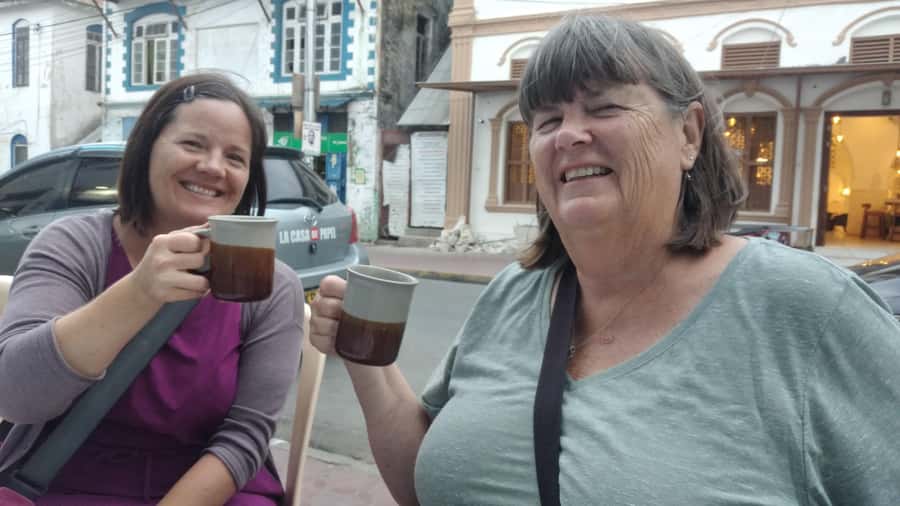
The tour also includes kahawa, Swahili sweet coffee, and Swahili tea. These stops are valuable because drinks often reveal habits and social customs that a main dish cannot. Your guide can explain how the drinks are prepared and how they fit into local daily life.
The coffee and tea portions also give the walking route a natural pause. You are not simply moving from one plate to another. The sequence lets you compare sweet drinks, savory food, fried snacks, and seafood as you go.
If you usually take coffee without sugar, be ready for a different style. The description specifically calls the coffee sweet. That is not a flaw, but it is worth knowing before you arrive. If you have dietary concerns or strong food preferences, tell the guide in advance so the samples can be adjusted.
More Food Tours in Mombasa:
- Watamu Marine Park & Sudi Island Mangrove Forest Canoe Ride.With sea food lunch
★ 4.5 · 31 reviews - Swahili Street Food Tour
★ 5.0 · 7 reviews - Coffee farm tour, coffee roasting and tasting experience
★ 5.0 · 20 reviews - Purple Tea Farm Tour from Nairobi City – Specialty Tea Tasting
★ 4.5 · 12 reviews
Potatoes and cassava show the everyday side of street food
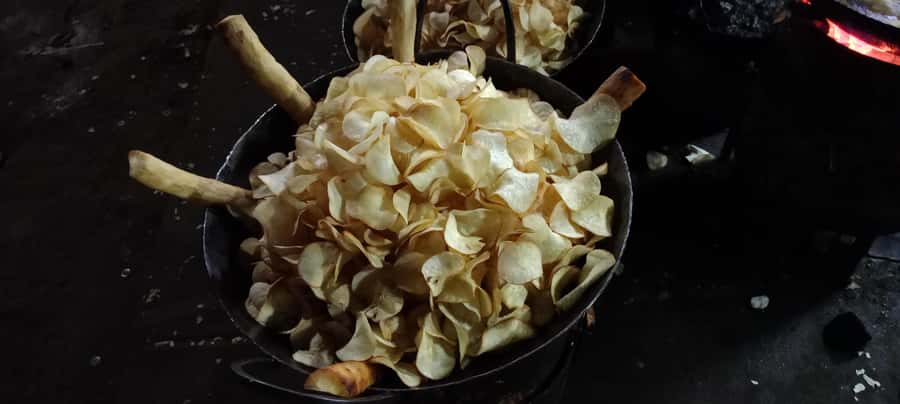
The menu includes viazi karai or bhajia, along with kachiri, described as cassava chips or crisps. These are useful additions because the tour is not built only around meat and seafood.
The potato dishes bring a fried, snack-like element to the tasting. Cassava chips add another local staple and show how a root vegetable can become a crisp street food. Your guide can also explain preparation methods, which may be helpful if you want to try making something similar once you return home.
These stops make the experience more practical. You are not only hearing names of dishes and moving on. You are learning which ingredients are common, how they are handled, and how simple food can carry a strong sense of place.
The generous menu does create one challenge: pacing. You should not eat a large meal beforehand. The operator specifically advises arriving with an empty stomach, and that is good advice. Even if you only take modest portions, seven listed food and drink categories add up quickly.
Seafood is a central part of the tasting
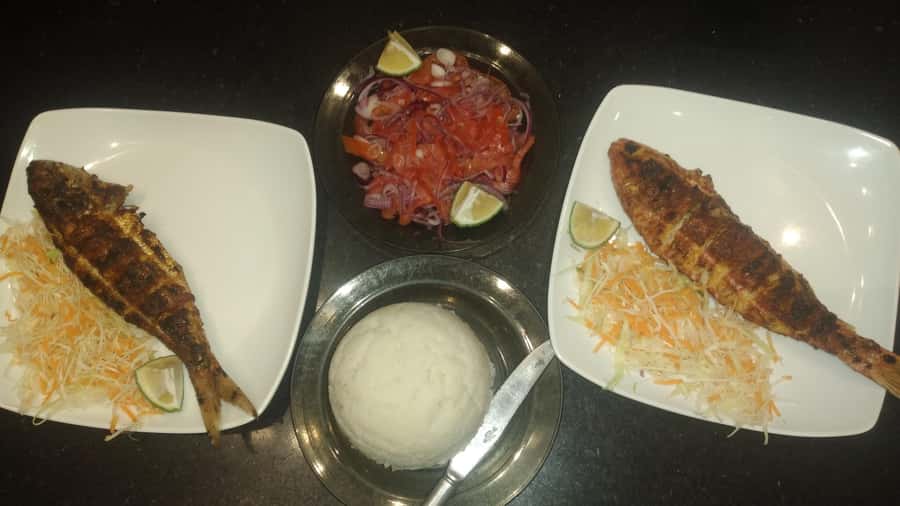
Seafood may include octopus, prawns, or fish. The exact item can depend on availability and your preferences, so you should think of this as a seafood category rather than a guaranteed plate of all three.
This portion will likely be the most important stop for anyone who wants to understand coastal cooking. It also gives you a chance to compare seafood with the meat skewers and fried snacks earlier in the walk.
If you have a seafood allergy, tell the guide before the tour. The experience specifically asks for allergy information in advance, and the operator says it can work out suitable samples. Vegetarian, vegan, and pescatarian choices are also available, so you do not need to skip the experience if you do not eat meat.
Still, be clear about your limits before you start. The guide can adjust the selection more easily when given notice. Do not wait until you are standing at a food stop to explain a serious allergy.
The market visit adds useful local context
The walking section includes a food market visit. This gives the tour a wider frame than a series of prepared bites. You can connect the food on your plate with the ingredients and buying habits that support everyday cooking.
The supplied details do not specify a particular market name or promise a set list of vendors. That is worth keeping in mind. The market visit is part of the route, but the exact sights and samples may change with local conditions and food availability.
I see that flexibility as normal for a street-food outing. A fixed restaurant menu is predictable. A walk through working food areas is more dependent on what is being prepared and sold that day. The tradeoff is a more direct look at local routines, with less control over every detail.
Your guide is the key to making this stop useful. Ask about ingredients, cooking methods, and how the foods you taste relate to meals at home. The experience is designed around conversation, and the best value comes when you take part rather than simply follow along.
The guide makes or breaks the experience
The most positive feedback focuses on the human side of the tour. Joan is described as relaxed, easy to talk with, and generous with cultural information. Nicole is described as friendly and able to make the outing feel like eating with a friend.
That is exactly what this kind of tour needs. Street food is easy to find if you already know the city, but a guide can help you understand what you are seeing and remove some of the uncertainty around unfamiliar dishes.
There is also an important caution. One person had a poor experience because the guide’s responses to questions felt dismissive and uncomfortable. That criticism should not be ignored. A food tour depends on a respectful exchange, especially when you are asking basic questions about ingredients or customs.
The overall rating is 4.7 from 14 reviews, with several recent five-star responses praising the food choices, cultural explanations, and friendly hosting. The feedback is not perfect, though, and the single low rating shows that the tone of the guide can affect the day. If you value patient, detailed answers, make your questions clear at the start and speak up if you need information about a dish.
What the $37 price includes
The price is $37 per person, and all food and drinks are included. You are paying for more than a meal, but the value depends on how much you eat and how much you use the guide’s knowledge.
For someone who would otherwise buy several snacks, drinks, and seafood dishes separately, the price can be reasonable. The tasting includes seven broad food and drink categories, and the portions appear intended to make you full rather than merely give you one-bite samples.
You are also paying for the short walking tour, the food-market visit, and the explanations about local people, culture, and preparation. That makes the experience more useful than simply ordering a plate at a restaurant, especially if this is your first time in Mombasa.
The price does not include drop-off. You should factor in your own transport after the tour, though the route itself stays within Old Town and involves short walks between stops.
Timing, pace, and practical comfort
The advertised duration is 150 minutes. The itinerary also describes the main walking and food section as three hours, so I would allow up to three hours rather than planning a tight connection immediately afterward.
That extra margin is sensible for a food walk. Stops can take different amounts of time, and conversation may continue when you have questions. The tour is not designed as a rushed checklist.
The walking is described as short distance and not tiring, but you still need comfortable footwear. You will be on streets and visiting food stops rather than remaining in a private dining room.
The best preparation is simple:
- Eat very lightly beforehand, or not at all.
- Tell the guide about allergies in advance.
- Mention vegetarian, vegan, or pescatarian needs when booking.
- Wear shoes suited to walking in Old Town.
- Keep your schedule flexible for up to three hours.
- Arrange your own return transport because drop-off is not included.
These steps cost nothing and will make the experience easier.
Who will enjoy this Mombasa food walk
I would recommend it to anyone who wants a first taste of Mombasa beyond hotel dining. It suits people who enjoy asking questions, trying several different foods, and learning through conversation.
It is also a good match for visitors who want a gentle introduction to Old Town. The route is short, the walking is local, and the food gives you a reason to pay attention to the streets and market areas around you.
Families and mixed groups may also find the menu workable because it includes meat, seafood, potatoes, drinks, and cassava. The operator says dietary alternatives are available, but you should give notice rather than assume every substitute will be ready without warning.
I would hesitate if you dislike eating outdoors, want exact control over every dish, or have a very limited schedule. The street setting is part of the appeal, but it also means the experience is less polished and predictable than a restaurant meal.
Should you book this experience?
Book it if you want a filling introduction to Swahili food and coastal life in a compact Old Town route. The combination of mshikaki, seafood, sugarcane juice, sweet coffee, tea, potatoes, and cassava gives you a broad taste of Mombasa in one outing.
The strongest reason to go is the guide-led context. Joan and Nicole have been praised for friendly conversation and cultural explanations, and the activity is built to show you how food connects with local life.
Just arrive hungry, disclose any allergies, and leave room in your schedule. If you accept the informal street setting and the possibility that the guide’s style may vary, the $37 price offers a practical way to taste widely without arranging each stop yourself.
FAQ
Where does the Mombasa street-food experience begin?
It begins at Treasury Square Roundabout in Mombasa.
How long does the experience last?
The advertised duration is 150 minutes. The itinerary also describes the main walking and food section as three hours, so you should allow up to three hours.
What foods and drinks are included?
The listed samples are beef or chicken mshikaki skewers, fresh sugarcane juice, Swahili sweet coffee, Swahili tea, viazi karai or bhajia potatoes, seafood such as octopus, prawns, or fish, and cassava chips or crisps.
Are food and drinks included in the price?
Yes. All food and drinks are included in the $37 per person price.
Are vegetarian, vegan, pescatarian, and allergy-friendly options available?
Yes. Vegetarian, vegan, and pescatarian options are available. You should tell the guide about allergies in advance so suitable samples can be arranged.
What languages does the guide speak?
The experience is offered in English and Swahili.
Is hotel drop-off included?
No. Drop-off is not included, and the experience finishes in Mombasa.
More Food in Mombasa
- Mombasa Private City Tour & Haller park Sanctuary with sea food luch
★ 3.5 · 12 reviews - Nairobi Food Tour – Street Food Experience Lunch
★ 4.5 · 9 reviews - Nairobi: 1 Hour Gastronomic and Street Food tour of Nairobi
★ 5.0 · 6 reviews - Diani: Market and Street Food Walking Tour
★ 4.2 · 6 reviews
Recently added around Mombasa
- 1-Day Tsavo East Safari From Mombasa★ 5.0 · 3 reviews
- Mombasa: Wasini Dolphin Tour★ 3.2 · 3 reviews
- 1 day Shimba hills★ 4.5 · 3 reviews
- Overnight Safari Tour to Saltlick Lodge from Mombasa★ 5.0 · 3 reviews
- Airport Transfers to Watamu and Malindi★ 3.5 · 3 reviews
- 3 Days Private Tour of Mombasa★ 4.5 · 3 reviews
- 3 Days (2 nights); Tsavo East & West Safari:★ 5.0 · 3 reviews
- Mombasa: Historical Guided city tour. Old town, Fort Jesus★ 4.2 · 3 reviews
Mombasa Tours, compared.
Walking Tour Through Old Town Mombasa and Fort Jesus
Read our review →
Kisite Park Private Cruise with Breakfast and Lunch
Read our review →
Tusks, Fort Jesus, Old Town, Beach and City Tour
Read our review →

2 Days Tsavo East National Park Tour From Mombasa/Diani (1 Night)
Read our review →

Browse the lists this tour appears in