
Reviewed · MOMBASA TOURS
Mombasa: Guided Nature Walk Amongst Giraffes
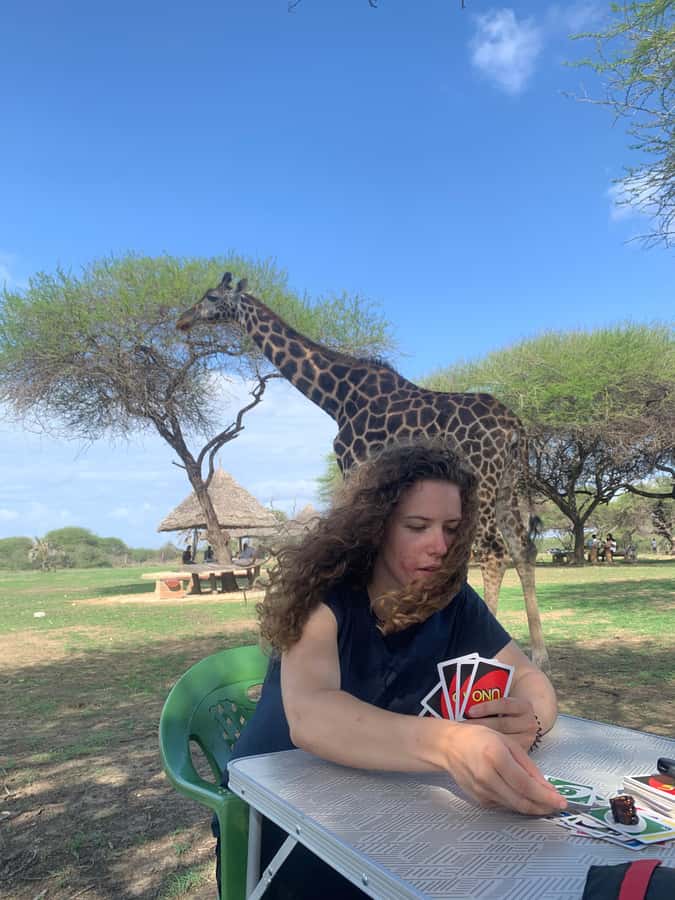
The striking part of this Mombasa experience is the close range: at Nguuni Nature Sanctuary, giraffes, ostriches, and antelopes move through the grounds rather than sitting behind obvious zoo barriers. You get a guided walk, animal facts, and time to watch the creatures at their own pace.
I like the small-scale setting and the chance to support a sanctuary with local staff, a library, health centre, and auditorium. I also like the simple price, $38, which includes entry and a guide. The main caution is that the outing may feel short. One booking ended after about an hour, and the description of giraffe feeding needs careful reading.
Key points to know before you book
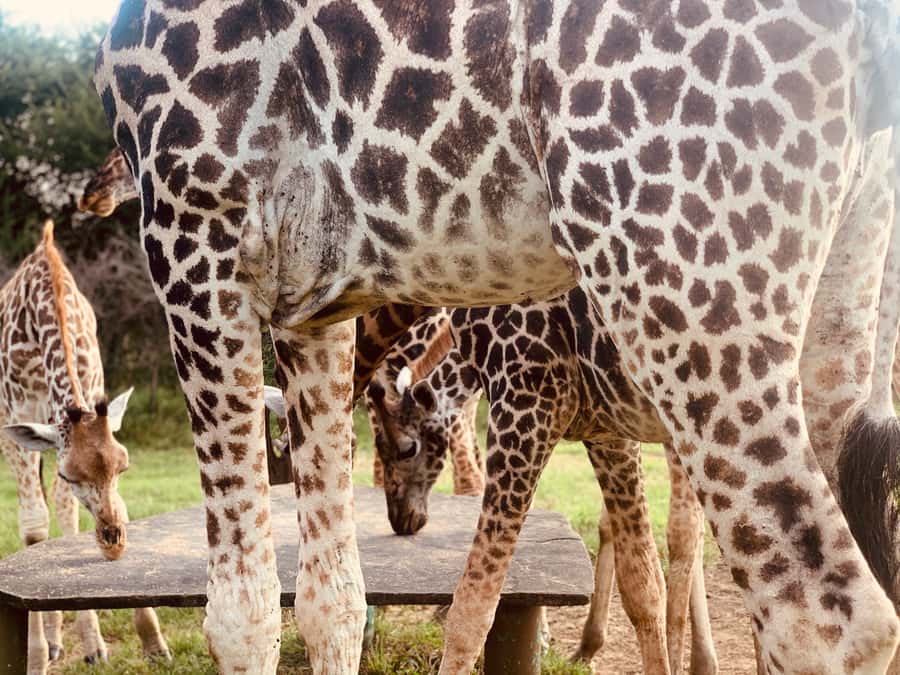
- Free-roaming giraffes: You can get remarkably close to giraffes, ostriches, antelopes, and other animals.
- A short guided walk: The stated walking section is about 30 minutes, with more time for animal viewing and sitting at benches.
- Feeding expectations: Food for the giraffes is included for staff use, but you may not be allowed to feed them yourself.
- No hotel transfers: You must arrange your own transport to Nguuni Nature Sanctuary and return.
- Community benefit: The sanctuary supports local jobs and community facilities, including a library and health centre.
- Flexible booking: You can cancel up to 24 hours before the activity for a full refund and reserve before paying.
Meeting giraffes at Nguuni Nature Sanctuary
Nguuni Nature Sanctuary offers a different sort of wildlife outing from a full-day safari. You are not heading far into Kenya’s famous national parks. Instead, you are visiting a local animal haven in Coast Province, close enough to Mombasa to work as a focused morning or afternoon activity.
The sanctuary’s appeal is its closeness. Giraffes are freely roaming, so your walk is built around watching their movements and learning how to behave around them. You should expect the guide to explain safety rules before you set off. That briefing matters, especially when an animal is only a short distance away and looks calm enough to touch.
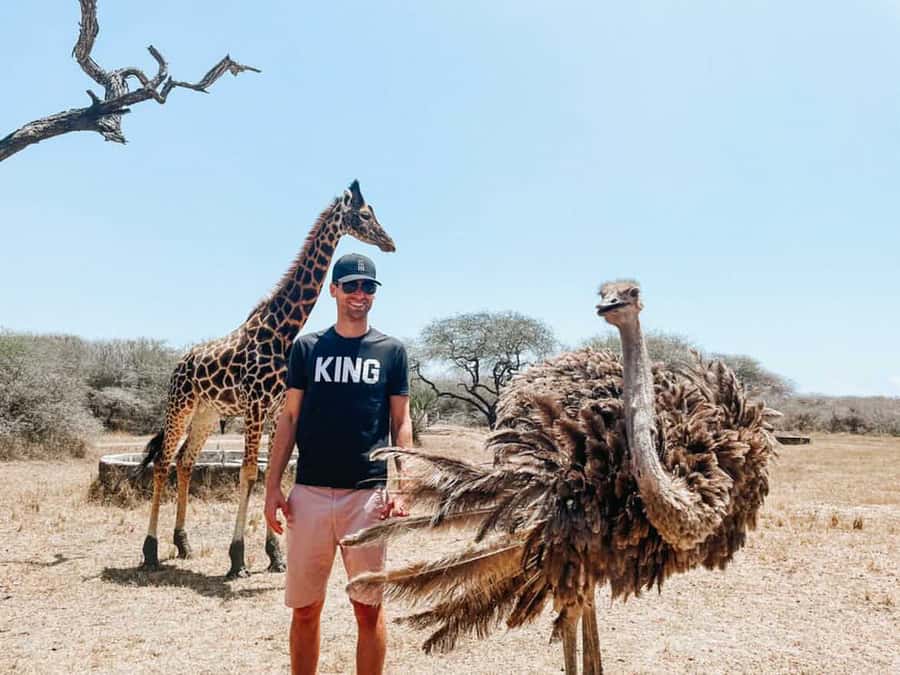
You may also see ostriches, antelopes, and other animals held in the sanctuary. The point is not to race from one enclosure to another. The guide takes you around the grounds, explains the animals, and gives you time to observe. That slower pace suits anyone who would rather understand what they are seeing than simply collect photographs.
The experience is in English, and the meeting point is the sanctuary reception. Ask for the Travel4Purpose guide when you arrive. There is no hotel pickup or drop-off included, so allow extra time for your own ride and confirm the exact entrance point before setting off.
More Walking Tours in Mombasa:
- Walking Tour Through Old Town Mombasa and Fort Jesus
★ 5.0 · 393 reviews - Mombasa walking tour
★ 4.9 · 28 reviews - Fort Jesus Museum Walking Tour in Mombasa
★ 5.0 · 25 reviews
What the 30-minute walk is really like
The listed itinerary begins and ends at Nguuni Nature Sanctuary, with a walking section of about 30 minutes. That is a useful detail because the activity is not presented as a long hike. You are visiting for animal encounters, not for a demanding trek.
Wear comfortable shoes, long pants, and practical clothing. Sunscreen is essential in the open sun. The ground and walking conditions are not described in detail, so sensible footwear is a better choice than sandals or dress shoes.
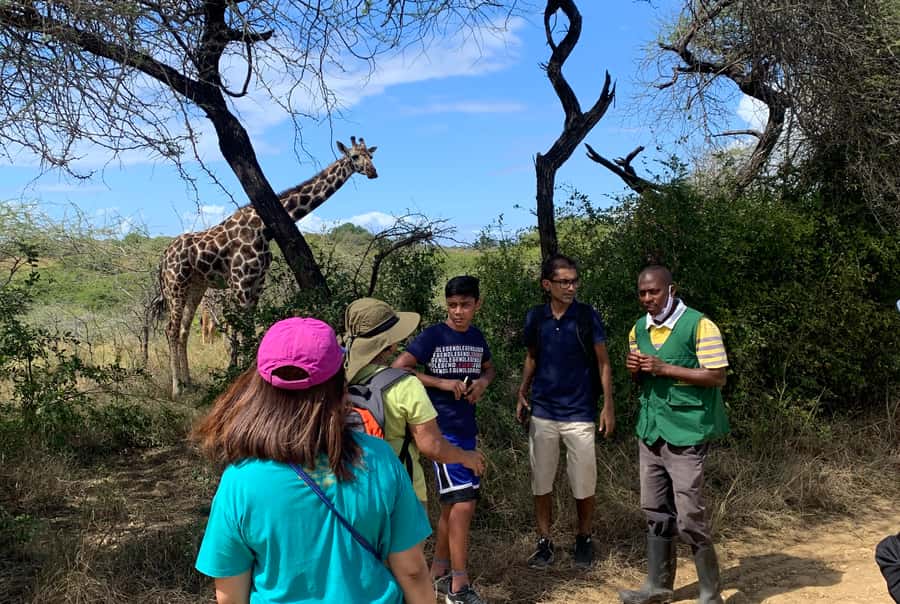
At the start, the guide briefs you on the sanctuary and on respectful animal behaviour. From there, you walk to the different animal areas or open spaces. The guide supplies fun facts and answers questions, which gives the outing more purpose than simply standing near giraffes with a camera.
A review from Germany described an initial walk before reaching the animals, followed by plenty of time for watching and questions. That sounds like the right way to picture the visit: the walk itself is modest, while the animal time is the main event.
The actual length can vary. The activity is sold with one-day validity and available starting times, but one review reported that the tour finished after roughly an hour. I would treat this as a compact experience unless the operator confirms a longer schedule for your date. If you want a full-day wildlife program, this is not the right product.
Close animal encounters, with sensible limits
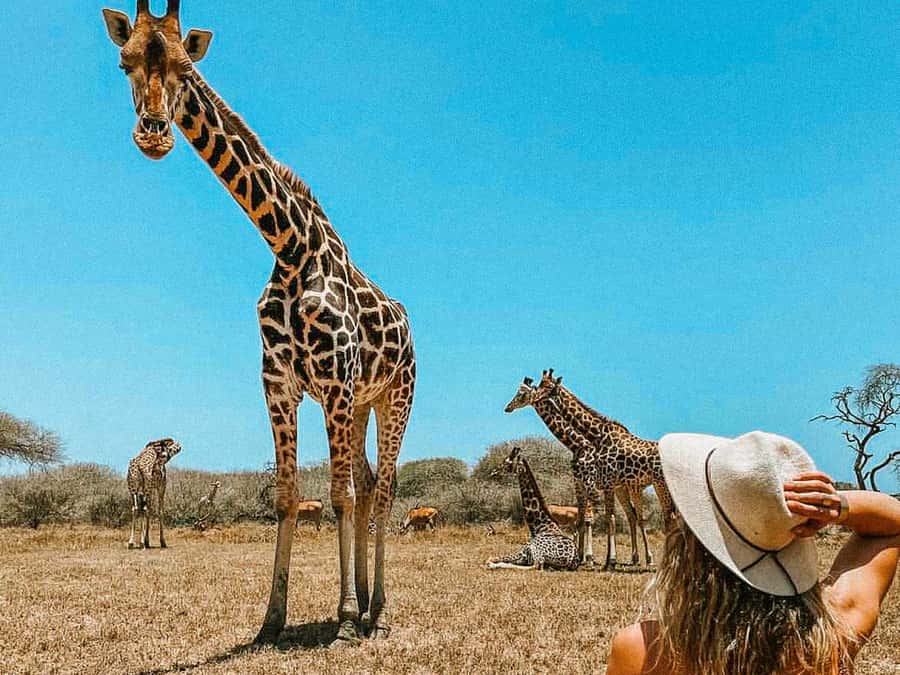
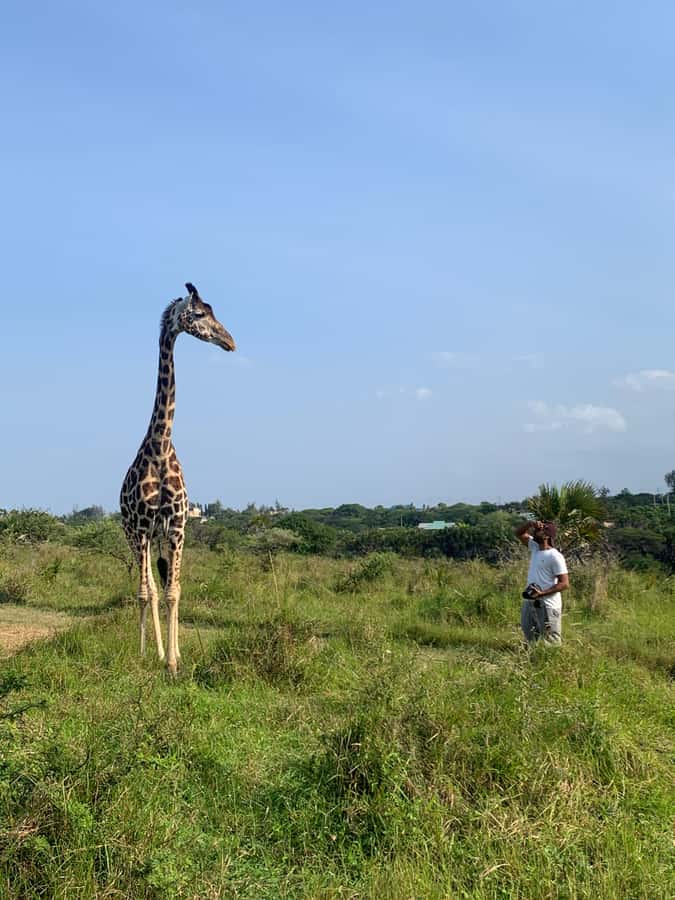
The best part is the chance to stand inches away from giraffes, at least under the sanctuary’s conditions and the guide’s instructions. That distance can make the visit feel personal without requiring a safari vehicle or a long drive.
Still, close does not mean contact. Giraffes are large, powerful animals, and ostriches can also be unpredictable. Listen to the briefing, keep a respectful distance when asked, and do not try to draw an animal closer for a photograph.
The feeding detail deserves special attention. The package includes food for the giraffes, described as food fed by staff. One participant expected to feed the giraffes personally and found that this was not permitted. To avoid disappointment, assume the staff handles the feeding unless Travel4Purpose confirms that you may take part.
That arrangement can be a good thing for animal welfare. Staff-controlled feeding helps prevent visitors from offering unsuitable food or crowding an animal. You still get to watch the interaction and learn about the sanctuary without treating the animals like a petting-zoo attraction.
Bring a camera if you want photographs, but keep your attention on the animals. A giraffe standing close by is far more memorable when you are watching its behaviour instead of spending the whole moment checking your screen.
Benches, views, and the possible tuk-tuk ride
After walking around the sanctuary, you have time to sit on benches and take in the surroundings. This pause is useful in the heat. It also gives you a chance to watch animals without following a strict schedule.
The sanctuary may use a wildlife tuk-tuk to move people between places, depending on the weather and group. It is not guaranteed, so do not book this specifically as a tuk-tuk tour. If available, it may help reduce walking and make the outing easier for people who tire quickly.
The activity is listed as wheelchair accessible, but the practical details of every path are not provided. If you use a wheelchair, contact the organiser before booking to ask about the exact route, surfaces, bench access, and whether the tuk-tuk can assist. Accessibility is most useful when confirmed against your own needs.
You may bring your own food and drinks. None are included for you, so this is worth planning around, especially if your visit takes place in strong sun or around a meal. A small personal supply can make the bench break more comfortable.
A few more Mombasa days to weigh up
- Mombasa: Kisite Park Private Cruise with Breakfast and Lunch
★ 4.7 · 181 reviews - Mombasa City Tour
★ 5.0 · 170 reviews - Mombasa: Tusks, Fort Jesus, Old Town, Beach and City Tour
★ 4.7 · 137 reviews - Half-Day Scenic Bike Tour
★ 5.0 · 75 reviews
Why the conservation message adds value
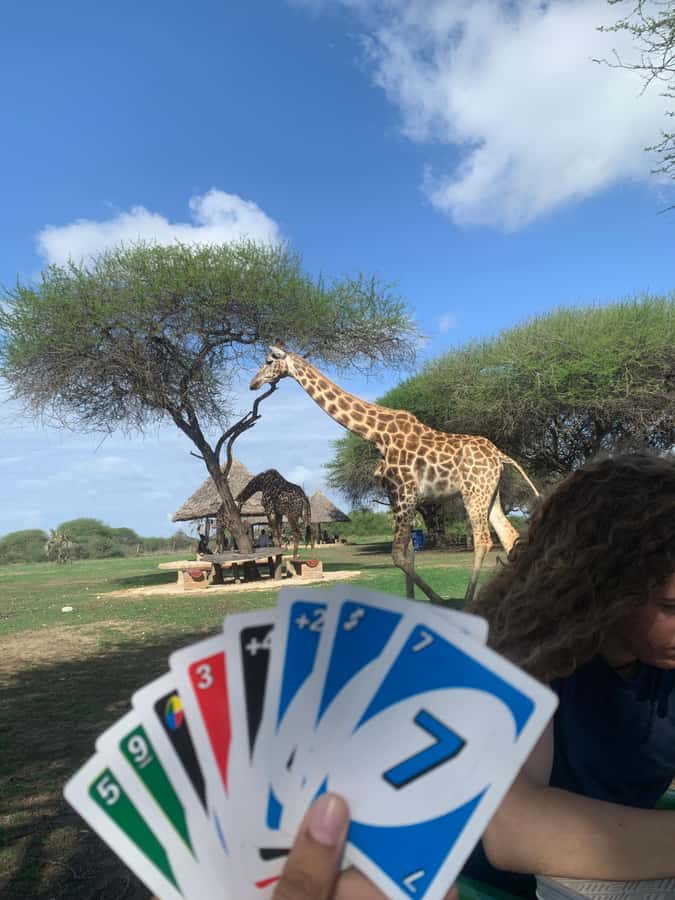
This is more than a quick animal photo stop. The guide explains wildlife conservation in Africa and the role of responsible behaviour around animals. That information gives context to the visit, particularly for children or first-time safari visitors.
The sanctuary also aims to create benefits beyond animal care. It supports local employment, with local staff receiving training and new skills. The site includes a community library, health centre, and auditorium, all intended to serve nearby residents.
You should not expect a large conservation lecture or a formal classroom session. The learning comes through the walk, the guide’s explanations, and your observation of the animals. For $38, that combination makes the experience more worthwhile than an entry ticket with no interpretation.
The community element also helps explain why a smaller local visit can matter. Your payment supports an organisation that links animal care with employment and community services. That does not replace the need to judge the activity on its own quality, but it adds a useful purpose to the outing.
Is $38 a fair price?
At $38 per person, the cost includes the sanctuary day ticket, a live English-speaking guide, and food for the giraffes, with staff responsible for feeding. You pay separately for getting there, returning, and any food or drinks you want.
For a short local wildlife activity, the price is reasonable if you value close animal viewing and a guided conservation talk. The cost becomes less attractive if you expect several hours of touring, a substantial meal, hotel transport, or guaranteed personal giraffe feeding.
Your value depends heavily on logistics. Since transfers are excluded, compare the total cost with the price of a hotel pickup tour. A cheaper ticket can become less convenient once you add taxis or ride-hailing. Confirm the address carefully because one booking went wrong after the meeting point appeared incorrectly and the Uber driver dropped the passenger at the wrong place.
The booking terms are useful for uncertain plans. You can reserve now and pay later, and cancellation is free up to 24 hours before the activity. Starting times depend on availability, so check the schedule before making transport arrangements.
Who will enjoy this sanctuary visit?
I would recommend this for you if you want a close animal experience without committing to a full safari day. It suits families, photographers, first-time visitors to Kenya, and anyone staying around Mombasa who wants a quieter break from the coast.
It is also a good choice if you care about local employment and community projects. The guide-led format gives you more information than a self-guided visit, while the modest walking distance keeps the physical demand low.
You may want to choose something else if you need a long, tightly timed program. The published walk is only 30 minutes, and one visit lasted around an hour. The duration can also depend on the group, weather, and how much time is spent watching the animals.
This is not the best fit if your main goal is to hand-feed giraffes. The included food is handled by staff, and personal feeding may not be allowed. Book it for close observation, conservation learning, and a calm sanctuary visit instead.
Practical advice for a smooth visit
Arrange your transport before the day begins and verify that the driver has the correct sanctuary entrance. Meet the guide at reception and ask for Travel4Purpose. If you are relying on a ride-hailing service, share the exact meeting details rather than relying only on an app pin.
Wear long pants and comfortable shoes. Sunscreen, water, and a hat are sensible choices, while personal food and drinks are allowed if you need them. The supplied information does not promise refreshments for you.
Keep your schedule flexible. The activity is valid for one day, but the start time depends on availability, and the animal portion may be shorter or longer according to conditions. Weather and group size can also affect use of the wildlife tuk-tuk.
The overall rating is 4.8 from 48 bookings, and the strongest praise focuses on the close animal contact, the helpful answers to questions, and the value for money. One German booking described the experience as exceeding expectations for the price, especially when the group was only two people. That small-group possibility is appealing, but it is not guaranteed.
Should you book the Nguuni giraffe walk?
Book this experience if you want close, responsible wildlife viewing near Mombasa, a guide who explains the animals, and a sanctuary that supports local workers and community facilities. At $38, it offers good value when you see it as a compact guided visit rather than a full safari.
Before paying, confirm the expected duration, the exact meeting point, and the feeding rules. Also price your own transport. If those points work for you, Nguuni Nature Sanctuary provides an unusual chance to watch giraffes at close range, with ostriches and antelopes adding variety.
FAQ
Where does the giraffe walk begin and end?
The activity starts and finishes at Nguuni Nature Sanctuary. Meet the Travel4Purpose guide at the sanctuary reception.
Is transport from my hotel included?
No. Pickup and drop-off are not included, so you must arrange your own transport to and from the sanctuary.
How long is the walking portion?
The listed walking section is about 30 minutes. The total visit can vary, and one booking reported an overall duration of about one hour.
Can I feed the giraffes?
Food for the giraffes is included, but it is fed by staff. Personal feeding may not be allowed, so confirm this with Travel4Purpose if it is important to you.
What should I wear and bring?
Bring comfortable shoes, sunscreen, comfortable clothes, and long pants. You may also bring your own food and drinks.
Is the activity wheelchair accessible?
The activity is listed as wheelchair accessible. Contact the organiser before booking to confirm the route and transport details for your specific needs.
Recently added around Mombasa
- 1-Day Tsavo East Safari From Mombasa★ 5.0 · 3 reviews
- 1 day Shimba hills★ 4.5 · 3 reviews
- Mombasa: Wasini Dolphin Tour★ 3.2 · 3 reviews
- Overnight Safari Tour to Saltlick Lodge from Mombasa★ 5.0 · 3 reviews
- Airport Transfers to Watamu and Malindi★ 3.5 · 3 reviews
- 3 Days Private Tour of Mombasa★ 4.5 · 3 reviews
- 3 Days (2 nights); Tsavo East & West Safari:★ 5.0 · 3 reviews
- Mombasa: Historical Guided city tour. Old town, Fort Jesus★ 4.2 · 3 reviews
Mombasa Tours, compared.
Walking Tour Through Old Town Mombasa and Fort Jesus
Read our review →
Kisite Park Private Cruise with Breakfast and Lunch
Read our review →

Tusks, Fort Jesus, Old Town, Beach and City Tour
Read our review →
2 Days Tsavo East National Park Tour From Mombasa/Diani (1 Night)
Read our review →
Browse the lists this tour appears in