

Reviewed · NAIROBI TOURS
Visit kibera Slum the chocolate city
Kibera is not a sightseeing backdrop. It is a living Nairobi community, and this 150-minute walking tour aims to show you its daily life, local enterprise, and community projects through direct contact with residents and leaders. You may hear how people build opportunity in a place shaped by rapid urban growth and limited resources.
I like the chance to visit empowerment projects rather than simply walk past homes. I also like the clear start and finish at Equity Ayani, which makes the outing easy to fit into a Nairobi day. The main consideration is that pickup is not included, the entrance fee is separate, and the subject matter calls for tact and attention.
Key points to know before visiting Kibera

- Local guide and community contact: You walk with a guide and meet residents or community leaders who can explain local projects and daily challenges.
- A 2.5-hour walking route: The tour starts and ends at Equity Ayani, with sightseeing and views along the way.
- A focus beyond poverty tourism: Education, skills training, social enterprise, and community development are part of the visit.
- Daniel is a named guide: One verified booking specifically identifies Daniel, while the provider offers guides in seven languages.
- $25 per person, with an extra cost to check: The listed price does not include the entrance fee or transportation to the meeting point.
- Strong early feedback: The experience has a 4.8 rating from three reviews, including praise for a friendly and professional guide.
What this Kibera walk is really about

Kibera is described here as Nairobi’s largest informal settlement. That fact matters, but it is only the starting point. The purpose of the walk is to help you understand how people live, work, organize, and create opportunities in a dense urban community.
You should expect a guided look at urban life in Kenya, not a museum-style tour with fixed displays. The route combines walking, sightseeing, conversations, and visits connected to local initiatives. The strongest part of the experience is likely to come from the explanations around you: how the settlement developed, what pressures residents face, and how people respond through education, training, business, and community work.
The title uses the phrase Chocolate City, but the supplied details do not explain its local meaning. I would not book expecting a specific attraction based on that name alone. Book it for the Kibera visit and the chance to hear local perspectives.
This kind of tour needs a different mindset from a standard city excursion. You are entering a community where people live and work. Respect is part of the experience, not a side note. Listen carefully, follow the guide’s instructions, and treat conversations as human exchanges rather than content for a quick photo.
More City Tours in Nairobi
- Nairobi Historical Walking City Tour
★ 5.0 · 258 reviews - Nairobi City Walking Tour with Traditional Kenyan Lunch
★ 5.0 · 106 reviews - Nairobi: Private 4-Hour City Tour
★ 4.5 · 68 reviews
Starting at Equity Ayani
The walk begins at Equity Ayani, and you return there after the visit. That simple arrangement is useful if you are making your own way around Nairobi and do not need a hotel transfer.
Pickup is not included, so you must plan your route to the meeting point. The available information does not specify a pickup area, vehicle service, or transfer time. If you are unfamiliar with Nairobi, allow enough time to reach Equity Ayani without arriving rushed. The tour lasts 150 minutes, so a late start could cut into the community visits and walking time.
The meeting point also gives the outing a clear boundary. You are not signing up for an open-ended excursion across Nairobi. You meet at one stated place, walk through Kibera for about two and a half hours, then finish where you began.
Walking through Kibera for two and a half hours

The central portion is a guided walk through Kibera, with sightseeing and scenic views along the way. The information does not give a street-by-street route, so you should not expect a precise list of named stops in advance.
That is not necessarily a weakness. A community walk can change according to local schedules, the guide’s contacts, and what is appropriate on the day. Still, you should book with the understanding that the experience is built around people and interpretation, not a guaranteed checklist of landmarks.
The walking time matters. Two and a half hours is long enough to move beyond a brief roadside look, but short enough to fit into a morning or afternoon. Wear practical shoes and plan for an outing where you will be on foot for most of the visit. The supplied details do not state the route’s accessibility, terrain, shade, or rest stops, so anyone with mobility concerns should ask the provider before booking.
As you walk, the guide provides context about Kibera’s development and its place in Kenya’s wider urban challenges. The value is in the explanation, since the same streets can look very different when you understand the pressures and community responses behind them.
Meeting residents and community leaders

A key part of the outing is interaction with local residents and community leaders. You may hear about personal experiences, local initiatives, and the challenges facing people who live in Kibera.
The wording does not guarantee a formal panel or a set number of speakers. Instead, think of this as guided community contact arranged within the walking route. The guide helps frame what you see and connects the visit to local voices.
This can be the most meaningful part of the tour, but it also requires good boundaries. Ask questions politely and avoid treating hardship as entertainment. If the guide says a subject or location is off limits, accept that without pushing. You will get more from the experience by listening than by trying to force a dramatic moment.
The two verified comments provide a small but useful clue about the guiding style. Sara of Spain specifically named Daniel in a positive review, while a visitor from Switzerland described the guide as very kind and professional. The sample is small, but it gives you one named contact to look for when confirming your booking.
More community walks in Kibera:
- Nairobi: Explore Kibera Slum with Local Guides
★ 4.9 · 365 reviews - Kevins Kibera Slum Tours
★ 5.0 · 213 reviews - Nairobi: Kibera Slum storytelling tour with a Local
★ 5.0 · 185 reviews - Kibera Slum Tour with Lucas
★ 5.0 · 119 reviews
Visiting projects that support local opportunity
The tour includes visits to local organizations and social enterprises connected with education, skills training, and community development. This gives the walk a constructive focus.
You are not only being shown a place defined by social challenges. You are also introduced to efforts that help residents build skills and create options. That balance is important. It lets you see Kibera as a community with problems, yes, but also with initiative, creativity, and people working on practical answers.
The activity details do not name the organizations or promise a particular workshop, classroom, shop, or enterprise. Ask for the current project list if one specific cause matters to you. Conditions and schedules can change, and the tour may visit different initiatives depending on availability.
I like this part because it makes the price easier to judge. A simple observation walk would offer limited context. A route that includes local projects and community voices gives you a better chance of understanding how residents are shaping their own future.
Cultural life, art, music, and enterprise
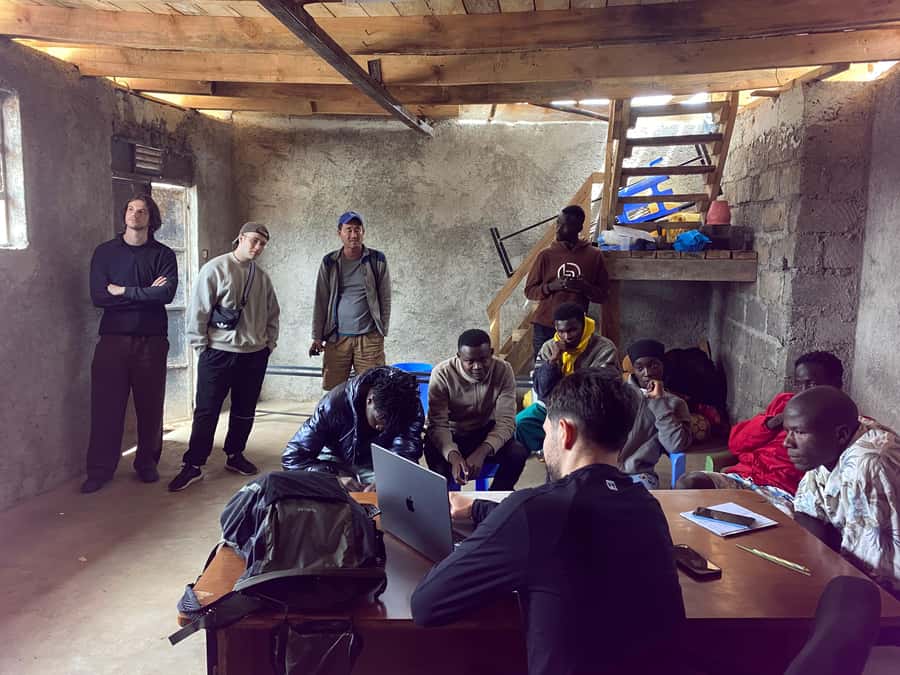
The walk also introduces Kibera’s cultural side, including art, music, and entrepreneurship. These themes help prevent the visit from becoming a single-story account of poverty.
The details do not promise a concert, a performance, or a shopping stop. You might see creative work, hear about music, or learn how local businesses operate, but the exact form is not specified. Keep your expectations flexible.
That flexibility can work in your favor. A guide who responds to the day’s circumstances may show you something more relevant than a fixed attraction. At the same time, you should not assume that every listed cultural element will receive equal time.
For you, the practical benefit is a fuller picture of Kibera. Community resilience becomes easier to understand when you see how culture and enterprise sit alongside social projects and everyday routines.
The history and urban context

The guide explains Kibera’s history and development, placing it within Kenya’s wider story of urbanization and social difficulty. The supplied information does not provide a detailed historical timeline, so this is an interpretive overview rather than a formal history lecture.
That context can change how you read the walk. Buildings, roads, businesses, and community projects are not isolated sights. They are part of a settlement shaped by movement into Nairobi, pressure on housing, and the need for residents to organize services and opportunities.
If you want dates, statistics, or a detailed academic account, ask the guide what level of historical background is covered. If you want a human-scale introduction to how a major informal settlement fits into Nairobi, the tour appears better suited to that purpose.
This is also where a responsible guide matters most. A thoughtful explanation should avoid reducing Kibera to numbers or stereotypes. The positive feedback about a kind and professional guide is encouraging, though the sample remains too small to guarantee the same person or style on every departure.
Is $25 good value?

At $25 per person, the tour is reasonably priced for a 150-minute guided experience, especially if the fee supports local guiding and visits to community initiatives. You are paying for time, interpretation, and access to a side of Nairobi that is difficult to understand from a standard city itinerary.
But read the cost details carefully. The entrance fee is not included, and pickup is not included either. The information does not state the amount of the entrance fee, so the advertised price is not the final total until you confirm that extra charge.
You should also consider what you value. If you want a polished sightseeing trip with transport and a long list of major attractions, this is not the right comparison. If you want a focused community visit with a guide, local contact, and social context, the price makes more sense.
The 4.8 rating from three reviews is a positive signal, but it is not a large sample. The most specific praise centers on the guide: Daniel is called out by name, and another comment highlights a kind, professional manner. That suggests the guide can make a major difference to the experience.
Who should book this experience?
I would recommend it to you if you want to understand Nairobi beyond its conventional attractions. It suits visitors who are comfortable walking, listening, and approaching a sensitive subject with humility.
It is also a good fit if you are interested in social enterprise, education, community development, or responsible tourism. The tour gives those topics a practical setting rather than treating them as abstract ideas.
You may want to choose another activity if you need hotel pickup, a confirmed private vehicle, a fully specified route, or a fast-paced list of photo stops. The outing is also not ideal for anyone who wants to observe hardship without engaging with the ethical questions of visiting a marginalized community.
Families and younger visitors may find value in it, but the supplied information does not state an age policy or family program. Ask the provider before booking if those details affect your plans.
Practical advice for a respectful visit
Plan to meet at Equity Ayani and make your own way there. Since transportation is not included, check your route before the day and leave a time cushion.
Wear comfortable footwear. The experience is a 150-minute walk, and the details do not specify the surface, rest points, or weather protection.
Keep photography secondary. The tour emphasizes respect and responsible tourism, so ask before photographing people, homes, businesses, or community activities. Follow the guide’s lead about where to walk and when to speak.
Choose the right language when booking. Live guiding is listed in English, Chinese, Esperanto, German, Italian, Spanish, and French. Confirm that your preferred language is available for your chosen departure, since language availability can vary by guide and time.
The booking terms are flexible: you can cancel up to 24 hours before the activity for a full refund, and you can reserve now and pay later. Those options help if your Nairobi schedule is still shifting.
Should you book the Kibera Chocolate City tour?
Book it if you want a guided, human-focused look at Kibera that includes community voices, social projects, cultural life, and urban context. The clear meeting point, two-and-a-half-hour duration, multilingual guiding, and $25 starting price make it fairly easy to fit into a Nairobi plan.
Go in with realistic expectations. The route and project stops are not fully specified, the entrance fee is extra, and you must arrange your own pickup. This is not a conventional attraction, and its success depends heavily on the guide and on your willingness to behave respectfully.
The strongest reason to book is the chance to see Kibera through local explanations rather than from a passing vehicle. If Daniel is leading your departure, the named praise for his friendly and professional manner gives you an encouraging detail to confirm. For an honest introduction to community life and local initiative in Nairobi, this is a worthwhile choice.
FAQ
Where does the Kibera tour start and finish?
The tour starts at Equity Ayani and returns to Equity Ayani after the Kibera visit.
How long does the experience last?
The tour lasts 150 minutes, or two and a half hours.
What is included in the price?
A tour guide is included. The listed price is $25 per person.
Are pickup and entrance fees included?
No. Pickup and the entrance fee are not included.
Which languages are available for the live guide?
Live guiding is listed in English, Chinese, Esperanto, German, Italian, Spanish, and French.
Can I cancel the booking for a refund?
Yes. You can cancel up to 24 hours in advance for a full refund.
Can I reserve now and pay later?
Yes. The activity allows you to reserve your spot and pay later.
More Dessert Tours in Nairobi
- Kibera Chocolate City Tour
★ 5.0 · 13 reviews - Nairobi: Chocolate City Kibera Slum Walking Tour
★ 4.9 · 13 reviews - A Visit To KIBERA The Chocolate City.
★ 4.9 · 12 reviews - Nairobi: Kibera Slum (The Chocolate city)Guided Walking Tour
★ 5.0 · 5 reviews
Recently added around Nairobi
- Nairobi; City Walk Tour★ 4.5 · 3 reviews
- 2 Days Amboseli National Park Safari★ 3.5 · 3 reviews
- Private 3-Day Masai Mara Safari Adventure★ 5.0 · 3 reviews
- Kenya safari★ 5.0 · 3 reviews
- 11-Days Best of Kenya & Tanzania Big 5 Safari on a 4×4 Jeep★ 5.0 · 3 reviews
- Full Day, Small Group Guided Tour to Amboseli National Park★ 4.5 · 3 reviews
- 10-Days Explore Kenya Wildlife Private Safari★ 5.0 · 3 reviews
- Nairobi: Giraffe Center, Beads Factory & Bomas of Kenya Tour★ 4.5 · 3 reviews
Nairobi Tours, compared.

Nairobi National Park Half-Day Tour; Free Wi-Fi connection
Read our review →
National Park & Optional Elephants & Giraffe Center
Read our review →
NAI NAMI: Nairobi Storytelling Tour with Street Children
Read our review →




Elephant Orphanage and Giraffe Center Tour with Options
Read our review →Browse the lists this tour appears in