
Reviewed · MOMBASA TOURS
Swahili Street Food Tour
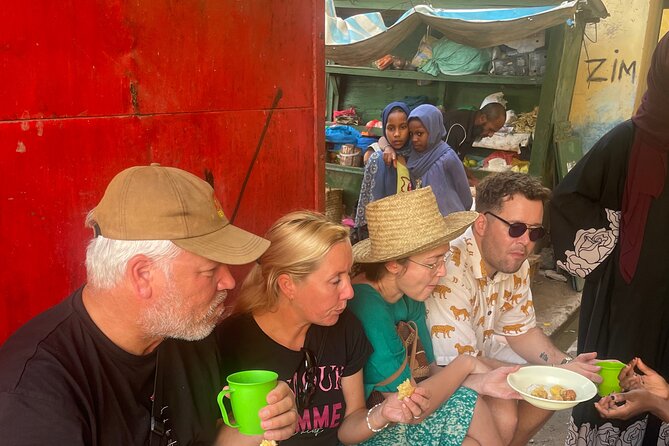
Mombasa’s best introduction may come one small plate at a time. This four-hour tour starts at Fort Jesus, then moves through Old Town for tastings at six local vendors, with Swahili food, market life, architecture, and coastal history woven into the walk.
I like that the price includes all food, drinks, and transportation during the tour. I also like the choice of breakfast, lunch, or evening departures, since the timing can shape the feel of the food stops. The main consideration is that the tour does not include entry to Fort Jesus, and the food choices are set by the guide rather than chosen from a menu.
Key points
- Six food stops in four hours: You get a broad sample of local dishes instead of one sit-down meal.
- Fort Jesus starting point: The guide explains the fort’s past before the food portion begins, though admission inside is not included.
- Old Town setting: Food tasting comes with a look at Swahili architecture, customs, and daily life.
- Three departure times: Choose breakfast, lunch, or evening to fit your Mombasa plans.
- Small group format: The tour allows a maximum of 10 people, which should make it easier to hear the guide and ask questions.
- Guides Hawa and Havah: These are the guide names associated with particularly strong feedback about food, culture, architecture, and Mombasa’s past.
Fort Jesus gives the tour a useful starting point
The meeting point is Fort Jesus Museum in Mombasa. You will not go inside the fort as part of this activity, but the guide gives you an overview of its importance before leading you toward the first food stop.
That short introduction adds context without turning the experience into a full museum visit. Fort Jesus anchors Mombasa’s story, while the Old Town walk shows how the city’s past still connects with food, buildings, vendors, and everyday routines.
This arrangement suits you if you want some history but do not want to spend half a day indoors. If entering the fort is important to you, plan a separate visit. The tour’s admission ticket refers to the activity itself, not an included visit inside the museum.
Starting here also makes the meeting point easy to identify. You receive a mobile ticket, and confirmation is provided at booking. The tour ends back at the same meeting point, so you do not need to arrange a separate pickup location at the end.
More Food Tours in Mombasa:
- Watamu Marine Park & Sudi Island Mangrove Forest Canoe Ride.With sea food lunch
★ 4.5 · 31 reviews - Mombasa:Street food Experience
★ 4.7 · 14 reviews - Coffee farm tour, coffee roasting and tasting experience
★ 5.0 · 20 reviews
Six vendors turn lunch into a wider food lesson
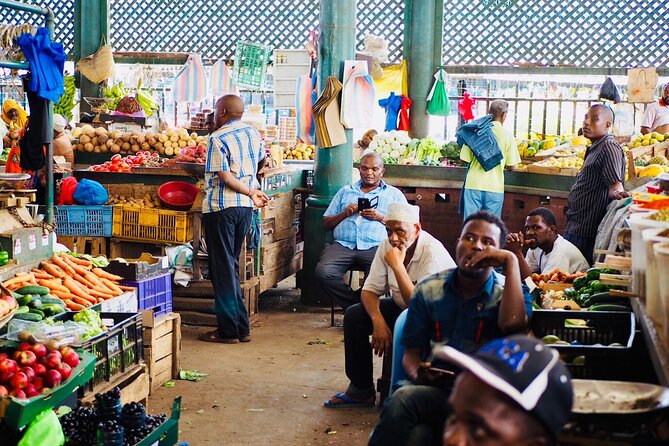
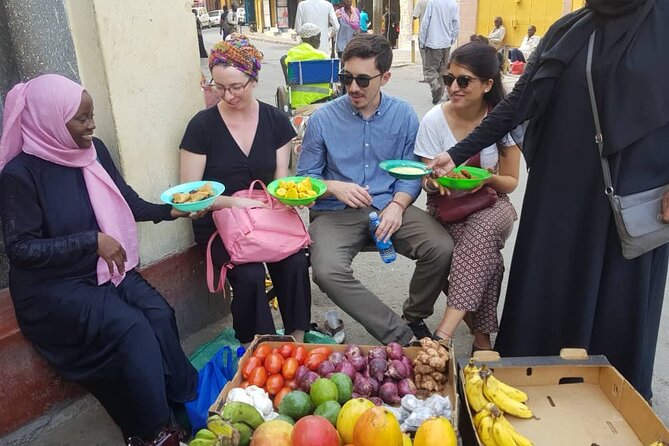
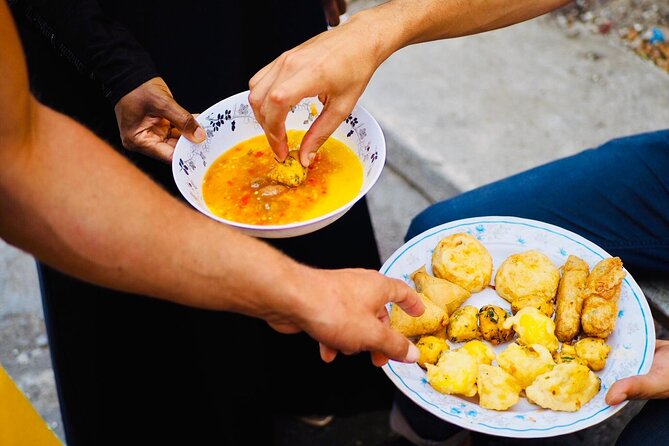
The heart of the experience is the run of six local vendors. Rather than centering on one restaurant, the tour takes you to several food sellers and gives you the chance to try different local delicacies along the way.
That format is useful in Mombasa because you can sample more than one style of preparation without ordering full portions at every stop. You get a more rounded sense of Swahili food and can ask the guide what you are eating, how it is made, and why it matters locally.
The exact dishes are not specified in advance, so you should expect variety rather than a fixed tasting menu. That can be a plus for curious eaters, but it also means you should not book this expecting a particular dish.
All food and drinks are included in the $55 price. You are not paying the tour fee and then adding a series of small tasting charges as you go. Transportation during the experience is included as well, which makes the total cost easier to judge before booking.
Old Town supplies the setting, not just the snacks
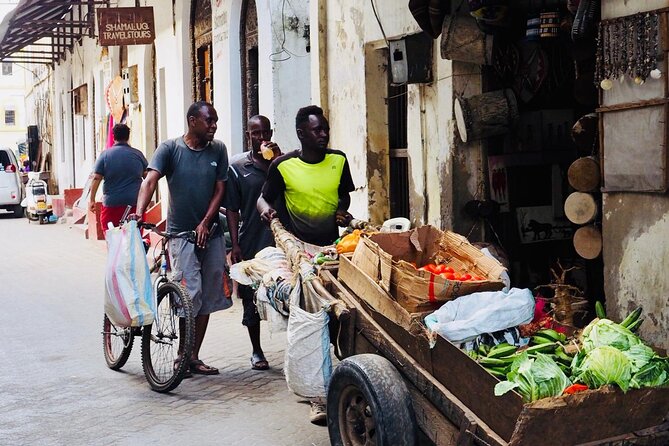
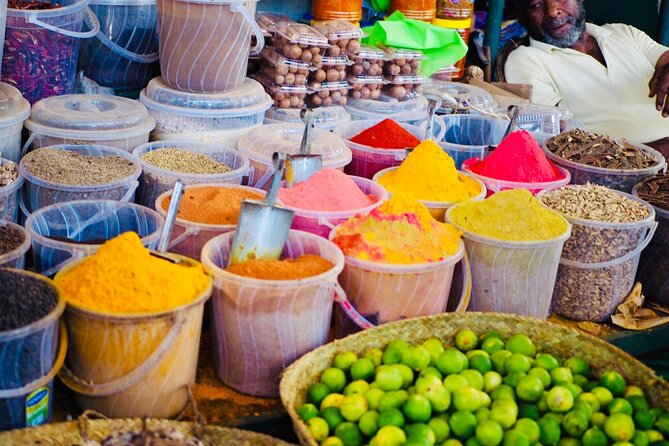
The food walk takes place in Mombasa Old Town, where the guide connects the vendors with Swahili culture, architecture, and the way people live. This matters because the tour is not simply a list of tastings. The streets and buildings are part of the lesson.
I like this combination of food and place. A dish usually makes more sense when you understand the community that prepares and sells it. Here, the guide helps you notice the relationship between local food producers, vendors, and the neighborhoods around them.
Expect the focus to move between eating and looking. One moment may be about a food tradition, and the next may be about a building, a street, or a piece of Mombasa’s past. The guide’s role is important, since the written description does not promise a printed food guide or a fixed list of dishes.
Hawa and Havah are the guide names connected with the strongest praise for this experience. Specific feedback highlights their ability to explain food, local culture, architecture, and Mombasa’s history. If one of them is leading your departure, you can expect the tour to place real weight on explanation as well as tasting.
Choose breakfast, lunch, or evening with care
You can book one of three time slots: breakfast, lunch, or evening. The choice is more than a scheduling detail. It affects how you arrange the rest of your day and how you approach the included food.
The breakfast option may work well if you want to turn the tour into your first meal in Mombasa. A lunch departure can serve as the main food event of the day, while an evening departure may fit neatly after sightseeing.
The experience lasts about four hours, so leave enough room before and after it. Do not schedule another fixed activity too close to the finish, even though the tour is listed as approximately four hours.
Because the food is spread across six vendors, you should arrive ready to taste several items rather than eat one large meal. The food is included, but the tour is designed as a progression of samples and local encounters.
A few more Mombasa days to weigh up
- Mombasa Private City Tour & Haller park Sanctuary with sea food luch
★ 3.5 · 12 reviews - Nairobi Food Tour – Street Food Experience Lunch
★ 4.5 · 9 reviews - Nairobi: 1 Hour Gastronomic and Street Food tour of Nairobi
★ 5.0 · 6 reviews - Diani: Market and Street Food Walking Tour
★ 4.2 · 6 reviews
The $55 cost is easier to judge when you count what is covered
At $55 per person, this is not the cheapest way to find a snack in Mombasa. It offers better value if you want a guided introduction that combines food, transport, local stories, and six vendor visits in one booking.
You are paying for more than the food itself. The guide provides the explanation that turns unfamiliar dishes into part of a larger Swahili story, and the included transportation removes some of the effort of moving between parts of the experience.
The price also gives you a clear spending limit. Food, drinks, and transportation during the tour are included, so you do not need to keep calculating extra tasting costs at each stop.
Still, the value depends on your travel style. If you prefer to choose every dish yourself or spend an afternoon at one market, you may find a self-guided visit more flexible. If you want an organized route and help understanding what you are eating, the fixed price is easier to justify.
A group of 10 keeps the format personal
The maximum group size is 10 people. That is small enough to keep the guide within earshot in the streets and at food stops, while still giving the experience a social feel.
A small group also helps when you want to ask about ingredients, food customs, or the buildings around you. The tour depends on conversation, so a group of 10 or fewer should be more comfortable than a large coach outing.
The description does not promise a private tour. You should expect to share the experience with other people, but the stated limit keeps it from becoming a large crowd.
Most people can participate, and service animals are allowed. The activity is near public transportation, which helps with reaching the meeting point. No specific walking distance or detailed accessibility information is provided, so if you have mobility concerns, ask the provider before booking.
What the four hours feel like in practice
The opening at Fort Jesus gives you a fixed place to meet and a short historical frame. From there, the experience moves into Old Town, where the guide introduces the food sellers and explains the cultural setting around the tastings.
At each of the six vendor stops, you try a local delicacy or drink. Since the tour is designed around several vendors, the pace should feel like a moving food lesson rather than a long restaurant meal.
Between stops, the guide brings in Mombasa’s Swahili background, architecture, and daily life. Those transitions are important. They prevent the food from feeling detached from the place where it is made and sold.
The final part brings you back to the Fort Jesus meeting point. That return is practical if you have left luggage, transport, or another appointment arranged around the original start location.
What makes this more than a food crawl
Many food tours are mainly about eating. This one adds a cultural frame by linking local dishes with markets, producers, vendors, architecture, and Mombasa’s past.
That broader approach is valuable on a first visit. Food can be an easier entry point than a formal history talk, especially when the guide explains customs while you are looking at something you can taste.
The tour also gives you contact with local food sellers. You are not only hearing about Swahili food from a guide in a lecture setting. You are seeing the people and places involved in preparing and selling it.
The tradeoff is that four hours cannot explain every part of Mombasa’s food culture. Think of this as a strong introduction, not a complete survey of coastal cuisine. You will leave with a better sense of what to look for, but you may still want to order more dishes on your own afterward.
Who will get the most from this Mombasa tour
I would recommend this experience to you if you want food and culture in the same outing. It is especially useful early in a Mombasa stay, when a guide can help you understand local dishes and give the Old Town streets more meaning.
It also suits people who prefer a planned route. The provider handles the food, drinks, and transport, while the guide keeps the visit moving between six vendors.
Families and mixed-age groups may appreciate the short tastings and changing scenery, though the information provided does not list a minimum age or child price. You should confirm those details if they matter to your booking.
Food-focused visitors should note that the experience is not a custom menu. You choose the time slot, but the route and vendor selection are arranged for you. That makes it simple, though not as flexible as exploring independently.
A few practical points before booking
Book ahead if your schedule is fixed. The experience is commonly reserved about 30 days in advance, which suggests that popular dates may not remain open until the last minute.
Wear something comfortable for a four-hour outing, but do not assume the activity is only a sit-down tasting. You will be moving through Old Town and stopping repeatedly, so the day works best when you are ready for a mix of walking, food, and conversation.
Tell the provider about any important dietary needs before you go. The supplied details confirm that food and drinks are included, but they do not state how allergies, vegetarian diets, or other restrictions are handled.
The cancellation terms are straightforward. You receive a full refund if you cancel at least 24 hours before the local start time. Cancellations or changes inside that 24-hour window are not refunded or accepted.
Should you book the Swahili Street Food Tour?
Book it if you want an organized, small-group introduction to Mombasa through six food vendors, Old Town streets, Swahili culture, and Fort Jesus context. The strongest reason to choose it is the combination of included tastings, drinks, transport, and guide-led explanation for one $55 fee.
Skip it if you want to enter Fort Jesus as part of the same outing, choose every dish yourself, or explore at your own pace. For most first-time visitors who want a practical taste of Mombasa without planning every stop, this is a well-focused half-day choice.
FAQ
Where does the Swahili Street Food Tour start?
The tour starts at Fort Jesus Museum, P. O. Box 82412, Mombasa, Kenya.
Where does the tour finish?
The activity ends back at the same meeting point at Fort Jesus.
How long does the experience last?
The tour lasts approximately four hours.
How much does the tour cost?
The listed price is $55 per person.
How many food vendors will I visit?
You will visit six local vendors during your chosen tour slot.
Are food and drinks included?
Yes. The cost of all food and drinks during the tour is included.
Is transportation included?
Yes. Transportation during the tour is included in the price.
Can I choose the departure time?
Yes. You can choose a breakfast, lunch, or evening slot.
Is entry to Fort Jesus included?
No. The guide provides an overview of Fort Jesus, but the tour does not go inside the fort.
How large is the tour group?
The activity has a maximum of 10 travelers.
Can I cancel for a full refund?
Yes. You can cancel at least 24 hours before the experience start time for a full refund. Cancellations and changes made less than 24 hours before the start time are not refunded or accepted.
Recently added around Mombasa
- 1-Day Tsavo East Safari From Mombasa★ 5.0 · 3 reviews
- Mombasa: Wasini Dolphin Tour★ 3.2 · 3 reviews
- 1 day Shimba hills★ 4.5 · 3 reviews
- Overnight Safari Tour to Saltlick Lodge from Mombasa★ 5.0 · 3 reviews
- Airport Transfers to Watamu and Malindi★ 3.5 · 3 reviews
- 3 Days Private Tour of Mombasa★ 4.5 · 3 reviews
- 3 Days (2 nights); Tsavo East & West Safari:★ 5.0 · 3 reviews
- Mombasa: Historical Guided city tour. Old town, Fort Jesus★ 4.2 · 3 reviews
Mombasa Tours, compared.
Walking Tour Through Old Town Mombasa and Fort Jesus
Read our review →
Kisite Park Private Cruise with Breakfast and Lunch
Read our review →
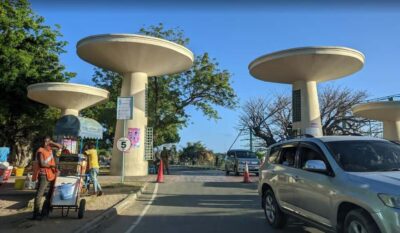
Tusks, Fort Jesus, Old Town, Beach and City Tour
Read our review →
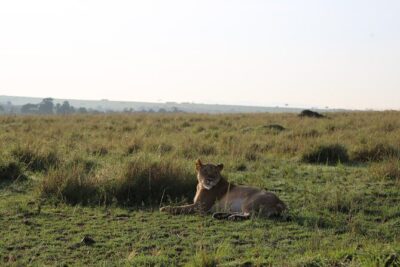
2 Days Tsavo East National Park Tour From Mombasa/Diani (1 Night)
Read our review →
Browse the lists this tour appears in