

Reviewed · NAIROBI TOURS
Nairobi: Volunteer at KCOOP Children’s Centre in Kibera Slum
KCOOP Children’s Centre gives you a direct way to support children in Kibera, not through a distant charity office, but through a local community project offering food, education, care, and a safe place to play. Your day may include serving snacks, reading with children, helping with basic math, or simply joining a song or drawing session.
I like the grassroots setting, where KCOOP is run by people connected to the community, and the flexible role, which lets you use your own interests rather than follow a rigid script. The main consideration is that this is volunteer work in Kibera, not a sightseeing tour. You should come ready for a modest setting, emotional conversations, and practical participation.
Key points to know before you go
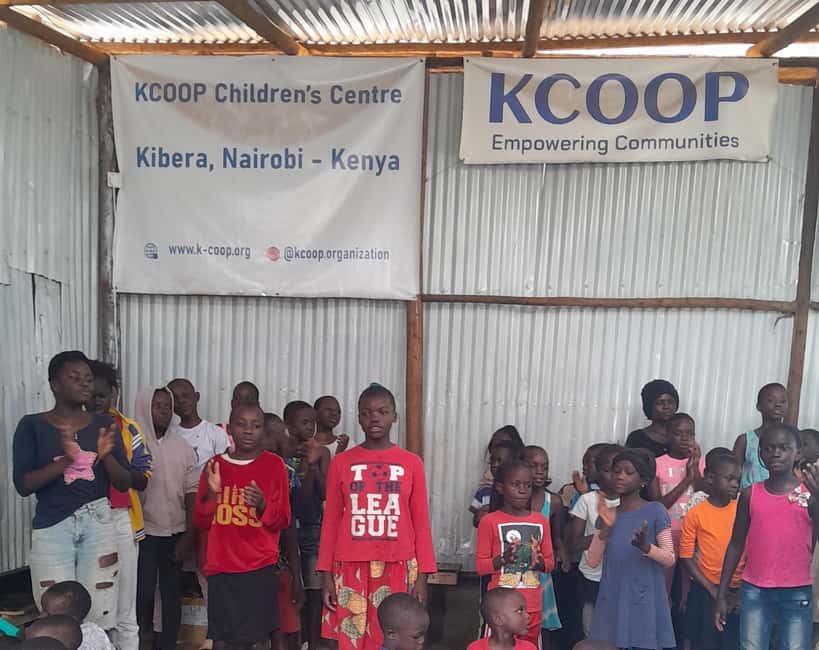
- KCOOP is a local nonprofit: The Kibera Community Outreach Project was founded and registered in 2022.
- Your role can be tailored: Choose from feeding support, reading, tutoring, storytelling, drawing, singing, or activity preparation.
- The commitment is flexible: Visits can last about three hours, while long-term volunteering can continue for several weeks.
- The children’s centre is the focus: It provides a safe place where orphans and vulnerable children can learn, play, eat, and receive care.
- The welcome is personal: You begin with an orientation at the KCOOP office and meet team members before joining centre activities.
- The price is $35 per person: Meals and accommodation are included for long-term volunteers, while personal expenses are extra.
Why KCOOP offers a different kind of Nairobi experience
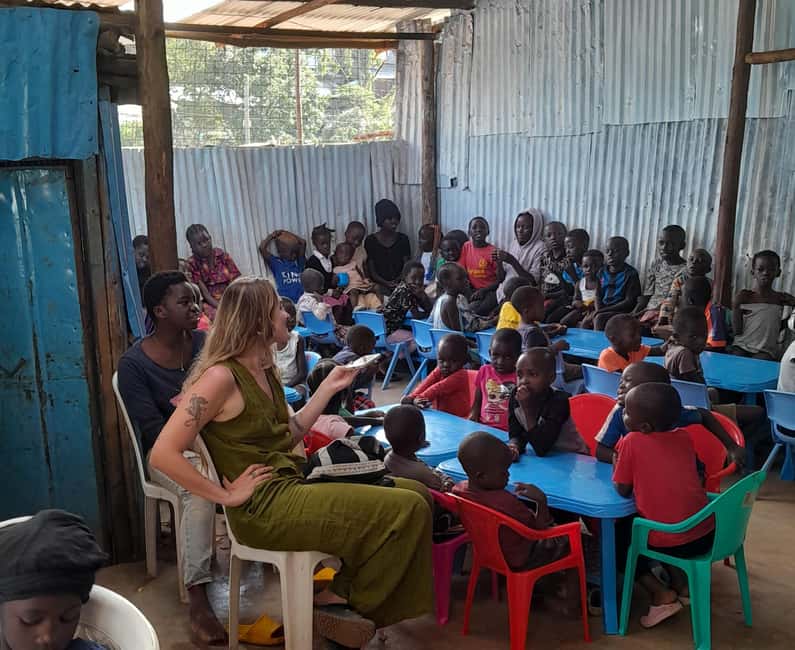
Many Nairobi activities keep you at the level of a sightseeing stop. This one asks you to spend time with a local organization and take part in useful work. KCOOP, short for Kibera Community Outreach Project, was founded and registered in 2022, with the children’s centre serving as a safe place for children who need food, care, learning support, and room to play.
That local connection matters. You are not arriving with a grand solution. You are joining a team already doing daily work and helping with tasks that fit your abilities. Sometimes the most useful contribution is practical, such as serving food or organizing a creative session. At other times, your attention and patience may matter most.
The centre works with orphans and vulnerable children, so you should think carefully about your approach. Come to listen, follow the staff’s direction, and treat the children with respect. This is not a place to collect dramatic photographs or turn poverty into a backdrop. It is a place to build a human connection through ordinary activities.
The strongest praise for this experience centers on the KCOOP staff, the lively children, and the warm welcome from the community. That combination gives the visit its appeal. You get a chance to help, but you also gain a more personal view of life in Kibera from people who live and work there.
More community walks in Kibera:
- Nairobi: Explore Kibera Slum with Local Guides
★ 4.9 · 365 reviews - Kevins Kibera Slum Tours
★ 5.0 · 213 reviews - Nairobi: Kibera Slum storytelling tour with a Local
★ 5.0 · 185 reviews
Starting at the KCOOP office
Your visit begins with a welcome and orientation at the KCOOP Organization office. The meeting arrangements are simple: call or text the team on WhatsApp to coordinate your start. The activity ends back at the meeting point.
The orientation is important because it gives you a chance to meet KCOOP team members and understand how to take part appropriately. Ask about the day’s needs, the age groups you will work with, and which activities suit your skills. The program is flexible, so the best plan may depend on what the centre needs when you arrive.
No previous training or volunteer experience is required. That makes this a practical choice for a first volunteer activity, provided you are comfortable taking direction and working with children. You do not need to arrive as a teacher, artist, or professional caregiver. A willingness to help is the main requirement.
English is the listed language for the experience. Bring comfortable clothes and shoes, sunscreen, and water. The setting calls for clothing that lets you move easily and take part in floor-level games, art, reading, or food service without worrying about getting dressed up.
Helping with the feeding program

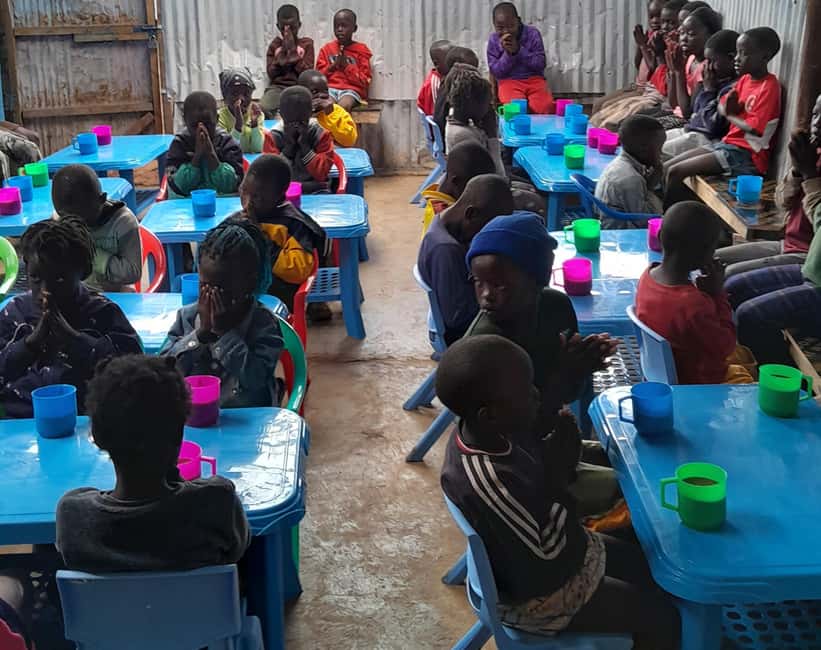
One of the clearest ways to help is through the feeding program. You may serve food or snacks and assist the team as children receive something to eat. This is hands-on work, and it connects directly to one of the centre’s basic needs.
The task may sound simple, but it calls for calm attention. Follow the staff’s instructions about serving, timing, and hygiene. Your role is to support the program rather than take control of it. The KCOOP team knows the children and the centre’s routines, so let them lead.
Food service can also be one of the more meaningful parts of the visit. Meals are not an extra feature added for visitors. They are part of the care the centre provides. By helping with this program, you contribute to a daily activity with an immediate purpose.
You should also understand the emotional side. Working with children who face serious challenges can stay with you long after the visit. Keep your attention on the children as individuals, not on presenting yourself as a rescuer. A respectful, steady presence is more useful than grand promises.
Reading, tutoring, and creative activities
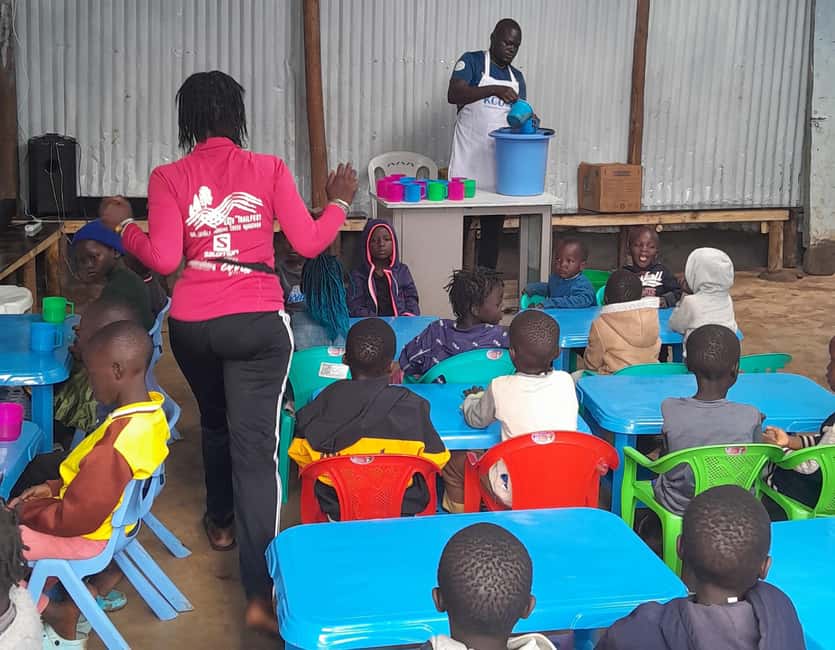
The centre gives you several ways to work with children. You can read with them, help with basic literacy or math, tell stories, draw, sing, or join other fun activities. You can also assist staff as they organize educational and creative sessions.
This range makes the experience suitable for people with different strengths. If you enjoy books, offer reading support. If you are comfortable with numbers, help with basic math. If you are more relaxed leading a song or drawing activity, choose that route. You are not expected to force yourself into a role that does not fit.
Reading and tutoring may offer the most focused contact. You can give a child individual attention and help make learning feel less like a task. Keep your expectations realistic. The aim is to support the centre’s work during your visit, not to transform a child’s education in a few hours.
Creative activities offer a lighter way to connect. Drawing, storytelling, and singing do not require advanced equipment or special training. They can help children relax and take part together. Ask the KCOOP staff what materials are available and what the children already enjoy before planning something elaborate.
The best sessions will likely be simple. A short story, a few drawings, or a shared song can work better than a packed lesson plan. Leave room for the children’s energy and interests to guide the activity.
A few more Nairobi days to weigh up
- Nairobi National Park Half-Day Tour; Free Wi-Fi connection
★ 5.0 · 878 reviews - Nairobi: National Park & Optional Elephants & Giraffe Center
★ 4.8 · 874 reviews - NAI NAMI: Nairobi Storytelling Tour with Street Children
★ 5.0 · 792 reviews - Nairobi National Park Half-Day Game Drive
★ 4.5 · 738 reviews
Learning about life in Kibera
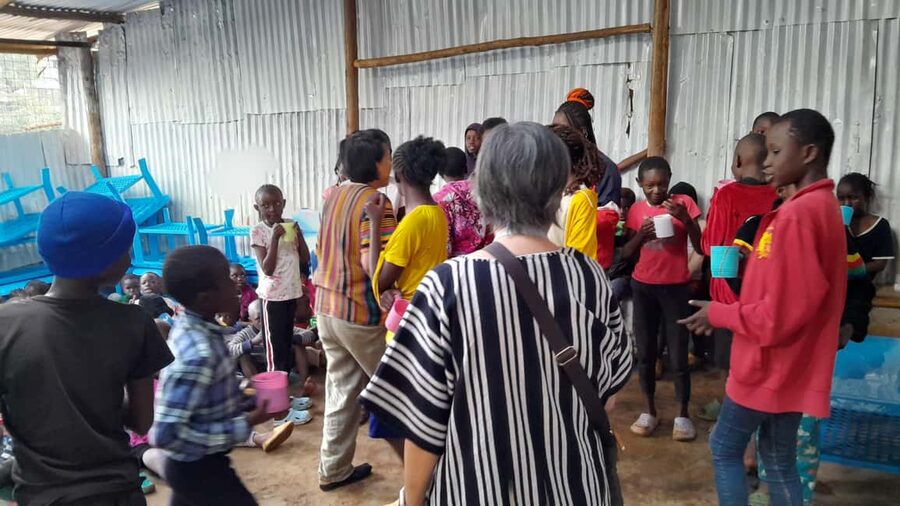
The experience also gives you time to learn about daily life in Kibera from local people. That context is valuable, but it should not be treated as a performance arranged for visitors. The purpose is to understand the challenges and resilience of children growing up in the area while supporting a real local project.
Kibera is often reduced to a single image in outside descriptions. Time with KCOOP can help you see a fuller picture, including the work done by community members to care for children and create opportunities. The centre’s existence says something important: local people are not waiting for outsiders to define their needs.
Approach conversations with humility. Listen more than you speak, and ask questions respectfully. The staff can help explain what KCOOP does and how you can assist without getting in the way. You may leave with a better understanding of both the difficulties children face and the effort being made to support them.
This cultural exchange is one of the experience’s main benefits, but it also requires care. You are entering a community setting, not visiting a theme park. Follow local guidance, protect children’s privacy, and ask before taking photographs. The supplied information does not promise a photo session, so do not assume photography is part of the activity.
How flexible is the volunteering?
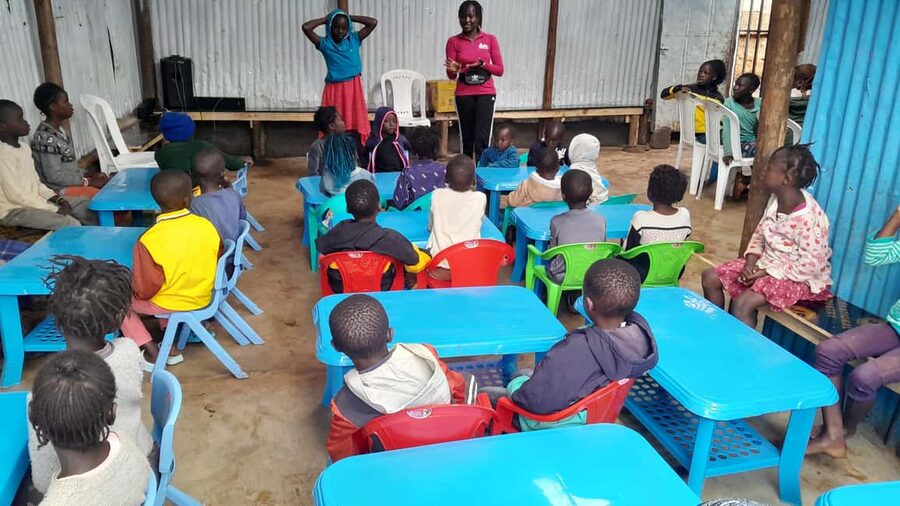
KCOOP lets you customize the experience around your interests and skills. The shortest stated option is about three hours, making it possible to fit the visit into a Nairobi itinerary. You can also volunteer for several weeks if you want a longer commitment.
That flexibility is useful for several types of people. A short-term visitor can offer a few hours of help without pretending to make a long-term commitment. A gap year student or someone on an extended stay can build a regular volunteering schedule and contribute over a longer period.
Families with teenagers may also find the experience worthwhile, as long as the young person is mature enough to work respectfully with vulnerable children. Children under three are not suitable for the activity. Mobility is another practical concern: the experience is not suitable for people with mobility impairments or wheelchair users.
Long-term volunteers receive meals and accommodation, according to the information provided. For a short visit, do not assume those benefits apply. Ask KCOOP directly what is included for your chosen length of stay before booking.
KCOOP also offers virtual volunteering options in fundraising or grant writing. That gives you a way to support the organization without entering the centre, particularly if your skills are better suited to administration or fundraising.
Is $35 a fair price?
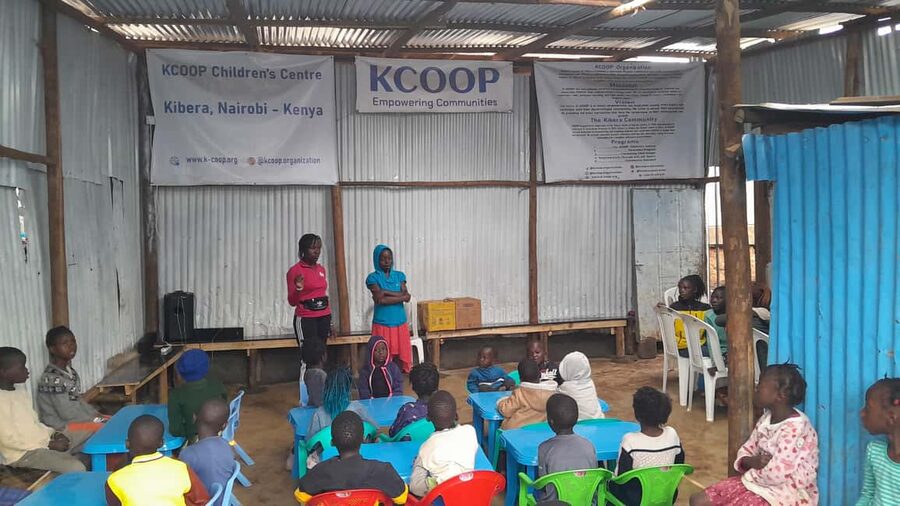
At $35 per person, this is not priced like a full-day Nairobi sightseeing tour, and it should not be judged by the number of attractions you tick off. You are paying for access to an organized volunteer experience, an orientation, contact with the KCOOP team, and participation in the centre’s activities.
The value depends on your goal. If you want a fast, polished tour with transport, multiple stops, and a guide explaining each sight, this is not the right purchase. If you want several hours of direct service with a local children’s organization, the price is more reasonable.
For long-term volunteers, meals and accommodation improve the practical value. For a short visit, personal expenses are not included, and you should budget separately for anything you need outside the activity. Transportation arrangements are not described, so confirm how you will reach the meeting point before the day begins.
The price alone cannot measure the benefit to KCOOP or the children. What matters is whether your visit supports the team instead of creating extra work. Use the flexible format well, arrive prepared, and choose a task you can handle with patience.
Who will get the most from this experience?
I would recommend KCOOP to compassionate visitors who want their Nairobi time to include service and conversation. It suits gap year students, families with older children or teens, and people who want to contribute through teaching, play, food service, or creative work.
It also suits first-time volunteers. You do not need professional qualifications, and the staff can help you choose an activity. People with literacy, math, storytelling, music, or art skills may find obvious ways to contribute, but those skills are not required.
I would be more cautious about recommending it to anyone seeking a comfortable, tightly scheduled excursion. The centre is a community project, and the experience may feel less polished than a conventional tour. The emotional content can also be demanding, especially for people who are not used to working with children facing hardship.
Think about your intentions before booking. If you want to help, listen, and participate without expecting a dramatic personal transformation, you are approaching it in the right spirit.
Practical preparation for your visit
Contact the team by WhatsApp before you go and confirm the meeting point, start time, expected duration, and the activity you would like to support. Since the experience can be tailored, early communication should help KCOOP prepare for your interests.
Wear comfortable clothes and shoes. Bring water and sunscreen. You may be moving between activities, sitting with children, helping with food, or taking part in creative work, so practical clothing is better than anything delicate or formal.
Bring patience as well. Children may have different energy levels, interests, and learning needs. Let the staff guide your interactions, and do not promise anything you cannot provide after leaving.
The experience is available in English. You can cancel up to 24 hours in advance for a full refund, and the reserve now, pay later option keeps your plans flexible.
Should you book KCOOP Children’s Centre?
Book this experience if you want a small, direct way to support a local children’s centre in Kibera. The flexible length, range of activities, and personal welcome make it easier to contribute in a way that suits you. The warm staff, lively children, and strong sense of community are the main reasons to choose it.
Skip it if you want a sightseeing tour, guaranteed transport, or a polished attraction with a fixed schedule. Also think twice if you are not comfortable with a modest setting or the serious realities faced by vulnerable children.
For the right person, $35 buys more than an organized activity. It gives you a chance to share time, skills, food, stories, and attention with a community-led project. Go with an open mind, follow the KCOOP team’s lead, and keep your expectations grounded.
FAQ
Where does the volunteering experience take place?
It takes place at KCOOP Children’s Centre in Kibera, Nairobi, Kenya. You first receive a welcome and orientation at the KCOOP Organization office.
How much does the experience cost?
The price is $35 per person.
How long can I volunteer?
You can volunteer for about three hours or continue for several weeks. The duration can be customized around your interests and availability.
What activities can I do at the children’s centre?
You can serve food or snacks, draw, tell stories, sing, read with children, tutor basic literacy or math, and help staff organize educational or creative sessions.
Do I need previous volunteer experience?
No. Prior training or experience is not required. You should arrive with an open attitude and be ready to follow the KCOOP team’s guidance.
Are meals and accommodation included?
Meals and accommodation are included for long-term volunteers. Personal expenses are not included.
How do I arrange the meeting point?
Call or text the KCOOP team on WhatsApp to arrange the start. The activity ends back at the meeting point.
Is the experience suitable for everyone?
It is not suitable for children under three, people with mobility impairments, or wheelchair users. The listed language for the experience is English.
Recently added around Nairobi
- Nairobi; City Walk Tour★ 4.5 · 3 reviews
- 2 Days Amboseli National Park Safari★ 3.5 · 3 reviews
- Private 3-Day Masai Mara Safari Adventure★ 5.0 · 3 reviews
- Kenya safari★ 5.0 · 3 reviews
- Full Day, Small Group Guided Tour to Amboseli National Park★ 4.5 · 3 reviews
- 11-Days Best of Kenya & Tanzania Big 5 Safari on a 4×4 Jeep★ 5.0 · 3 reviews
- 10-Days Explore Kenya Wildlife Private Safari★ 5.0 · 3 reviews
- Nairobi: Giraffe Center, Beads Factory & Bomas of Kenya Tour★ 4.5 · 3 reviews
Nairobi Tours, compared.

Nairobi National Park Half-Day Tour; Free Wi-Fi connection
Read our review →
National Park & Optional Elephants & Giraffe Center
Read our review →
NAI NAMI: Nairobi Storytelling Tour with Street Children
Read our review →




Elephant Orphanage and Giraffe Center Tour with Options
Read our review →Browse the lists this tour appears in