
Reviewed · MOMBASA TOURS
Mombasa Cultural & Wildlife Experience
The best part of this Mombasa outing is the change of pace. One minute you are listening to Mijikenda elders explain village customs, and soon after you are watching giraffes walk freely through the open grounds of Nguuni Wildlife Sanctuary. I like the direct contact with local life, especially the school visit and the chance to join the dance rather than sit through a staged show. I also like that the wildlife stop adds variety without requiring a full-day safari.
The main thing to watch is the price structure. The advertised cost is $100 per person, but you also need $20 in cash for the village and $10 for Nguuni Sanctuary. Transport outside Mombasa costs extra, too. Ask for the full amount before you set off, since one visitor was surprised by a separate transport charge.
Key points to know before you book
- A school visit starts the day on weekdays: You can meet pupils, see classrooms, and speak with teachers, but this portion is not available every day.
- Village elders lead the cultural visit: Expect stories about Mijikenda customs, family life, survival, and ancestral traditions.
- The dance is participatory: Drums, movement, and an invitation to join in make this more than a performance from the sidelines.
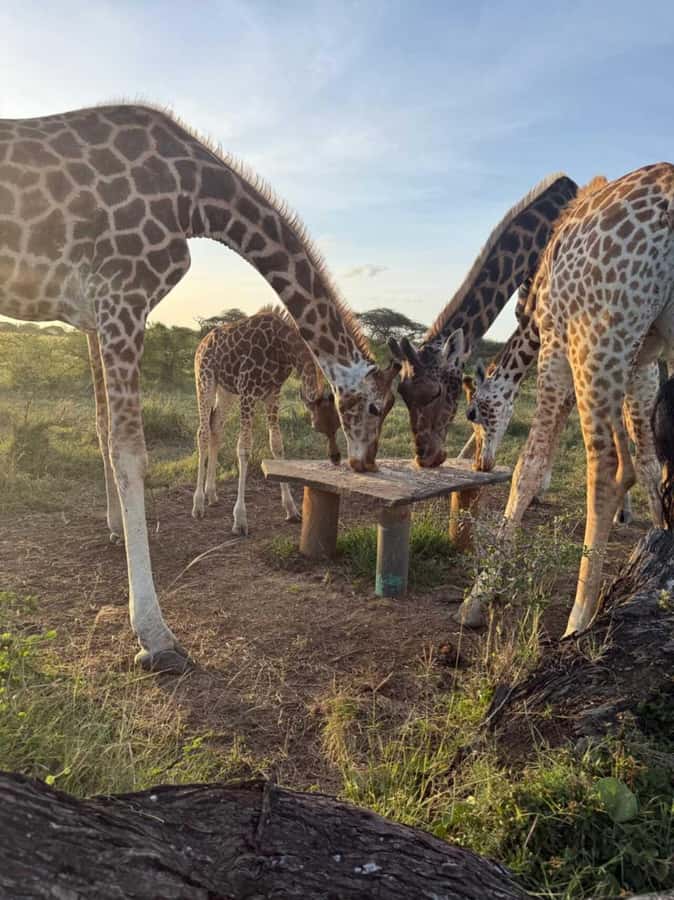
- Nguuni gives you close wildlife views: Giraffes, ostriches, and antelopes move through open grounds, with no mention of enclosing fences.
- Bring cash for two required fees: The village costs $20 per person and the sanctuary costs $10 per person, both paid locally.
- Rico has received warm praise as a flexible guide: He can adjust the outing when possible, including focusing more on animals if that is your priority.
From Mombasa streets to a Mijikenda homestead
Pickup is available in Mombasa, Nyali, or Bamburi, using a comfortable vehicle in the standard arrangement. You can also request a tuk-tuk, which adds a more local way to see the city and proved punctual and enjoyable for one visitor. If your hotel sits outside Mombasa, confirm the extra transport cost before booking.
The drive leads toward Mtwapa, where the cultural portion takes place. The schedule is compact, so do not expect a slow village stay lasting half a day. The listed stops include a 30-minute guided village walk, a 20-minute visit, a 25-minute dance, a 10-minute photo stop, and a 20-minute break, followed by about 25 minutes on foot.
That timing gives you a useful taste of several parts of coastal Kenyan life. It also means the day moves along briskly. If you want long conversations with elders or extensive time at the sanctuary, you may find the four-hour format a little short.
More wildlife days around Mombasa:
- African Wildlife & Nature – 5 Kenya national parks – 6 day Jeep Safari
★ 5.0 · 60 reviews - Nairobi Park Wildlife Safari
★ 5.0 · 31 reviews - 6 Days Kenya Adventure Wildlife Safari
★ 5.0 · 26 reviews
A weekday school visit with a human touch
When the tour runs on a weekday, the first stop can be a local school. You walk through classrooms, meet children, and hear about their hopes and daily life. The appeal here is not a grand attraction. It is the ordinary setting, where a brief exchange can feel more personal than a polished cultural presentation.
You should approach this stop with respect. The children are not a photo prop, and your guide should help set the right tone. Ask before taking pictures, keep the visit friendly and brief, and let the pupils and teachers guide the interaction.
The school visit is not available on weekends, so check the day before you reserve. If you are visiting during a weekend, the rest of the program still provides the main cultural experience, but the school connection will not be part of it.
Listening to Mijikenda elders in the village
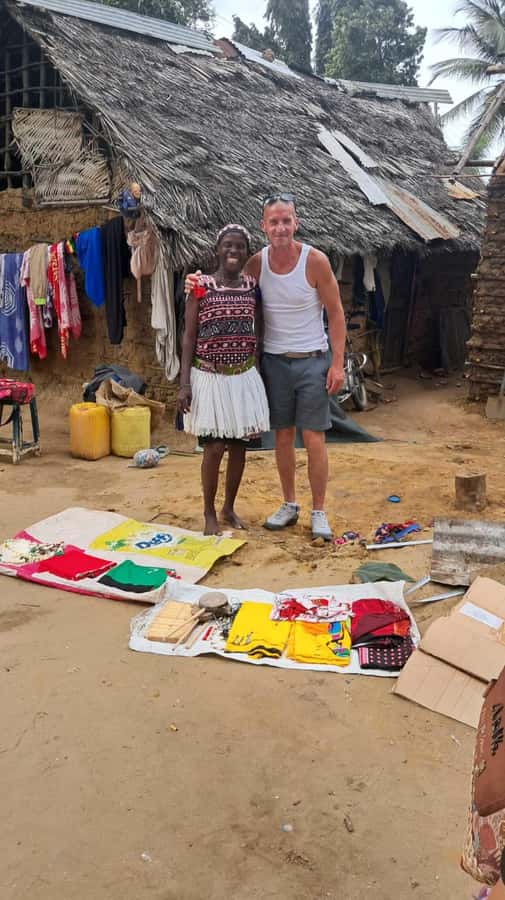
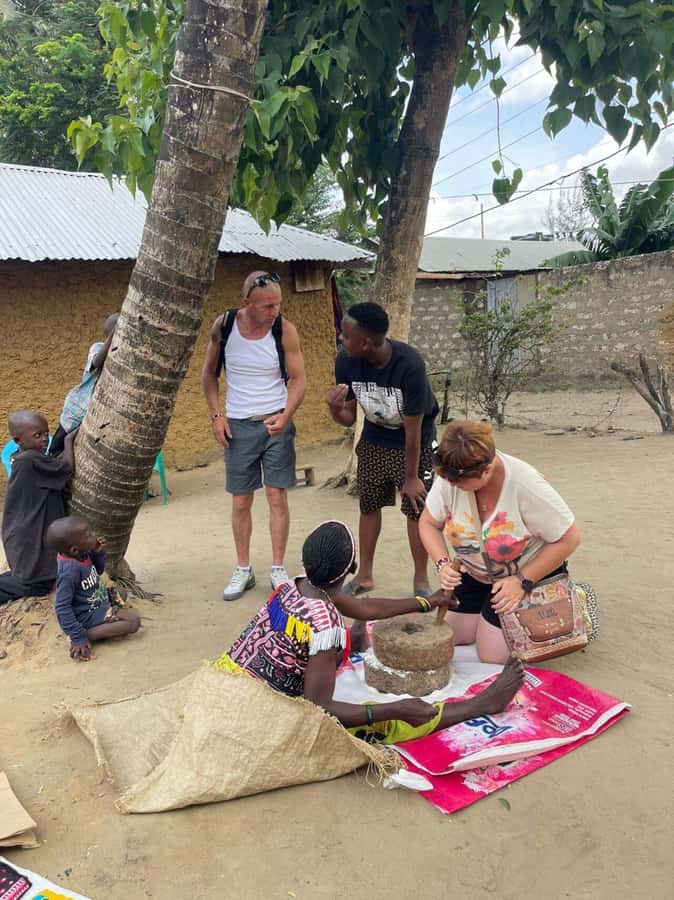
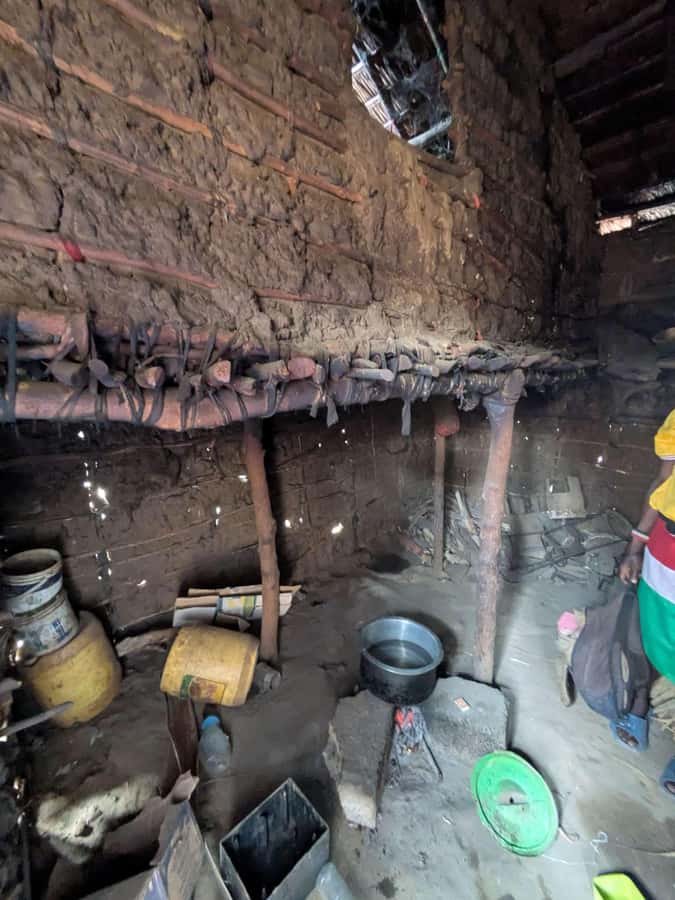
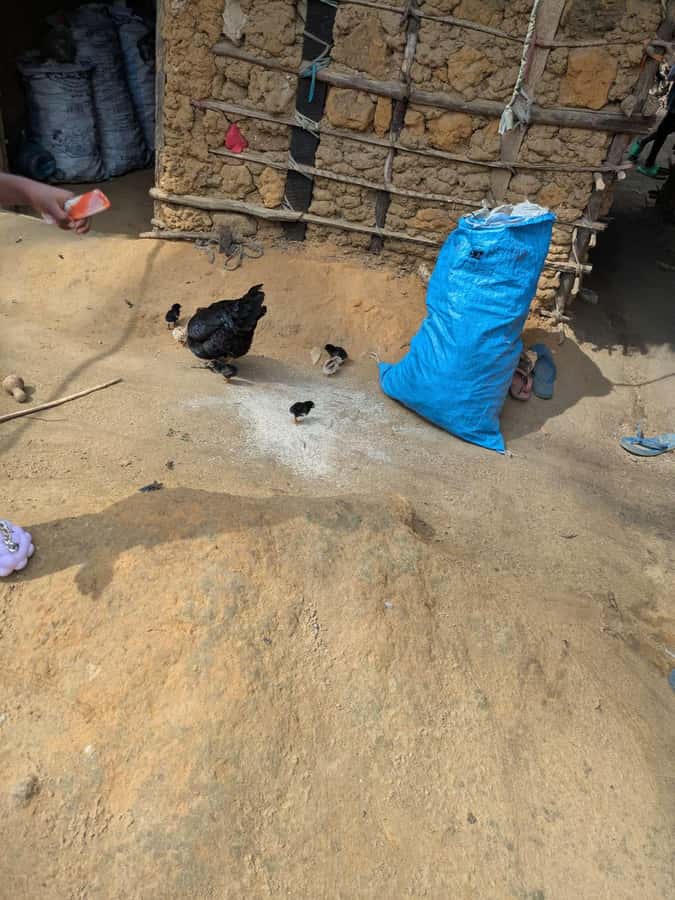
The village visit is the heart of the experience. A local guide and village elders show you homesteads, explain older customs, and share stories tied to Mijikenda identity. Instead of simply looking at buildings, you get context for how people lived, adapted, and passed traditions from one generation to the next.
The supplied description emphasizes survival stories, ancestral tales, and everyday village life. Those subjects matter because they turn a walk into a conversation about people, not just scenery. You can ask questions and compare what you are seeing with life in modern Mombasa.
The village entry fee is $20 per person, paid in cash on the day. This is a significant addition to the headline price, especially for a family or couple. Still, it supports the local part of the program directly, which gives the fee a clearer purpose than an anonymous admission charge.
Bring small notes if possible, though the available information does not promise change. More important, bring patience. A cultural visit works best when you listen as much as you photograph.
Joining the Mijikenda drums and dance
The dance session lasts about 25 minutes, with drumming and traditional movement. The key detail is that you are invited to join. You are not expected to perform perfectly, so relax, follow the rhythm, and accept that a little good-natured awkwardness is part of the fun.
This is one of the strongest parts of the program for people who want participation rather than observation. It lets you meet local performers on an equal footing, even if only for a short time. The dance also breaks up the storytelling and walking with sound, movement, and laughter.
Keep your clothing practical. Comfortable clothes and shoes are recommended, and you may want to avoid anything too formal or restrictive. A hat and sunscreen will help during outdoor portions, though you should be ready to remove a hat if it gets in the way of the dance.
A few more Mombasa days to weigh up
- Walking Tour Through Old Town Mombasa and Fort Jesus
★ 5.0 · 393 reviews - Mombasa: Kisite Park Private Cruise with Breakfast and Lunch
★ 4.7 · 181 reviews - Mombasa City Tour
★ 5.0 · 170 reviews - Mombasa: Tusks, Fort Jesus, Old Town, Beach and City Tour
★ 4.7 · 137 reviews
Fresh coconut, palm wine, and a short rest
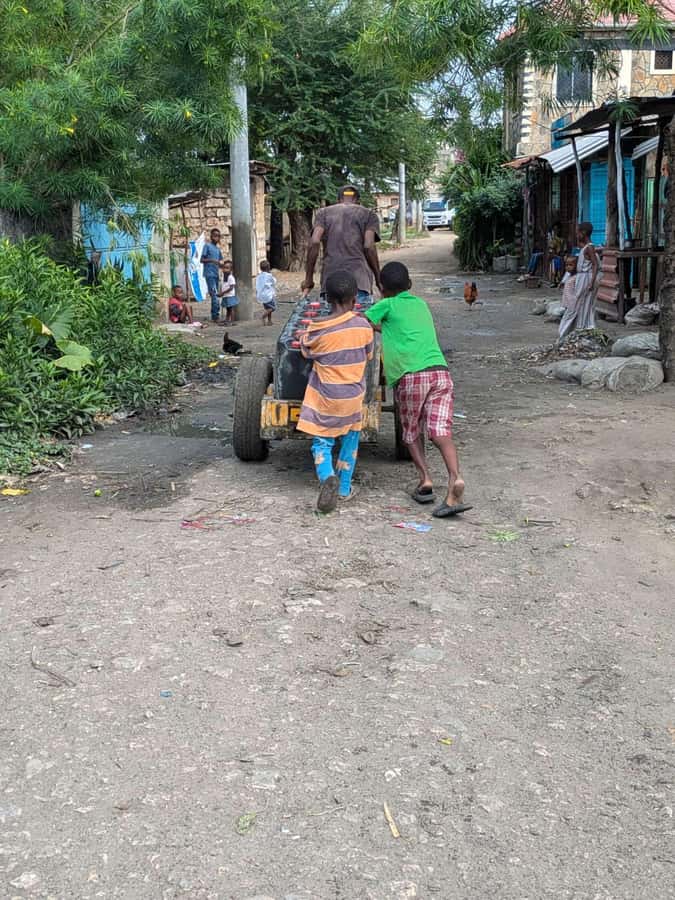
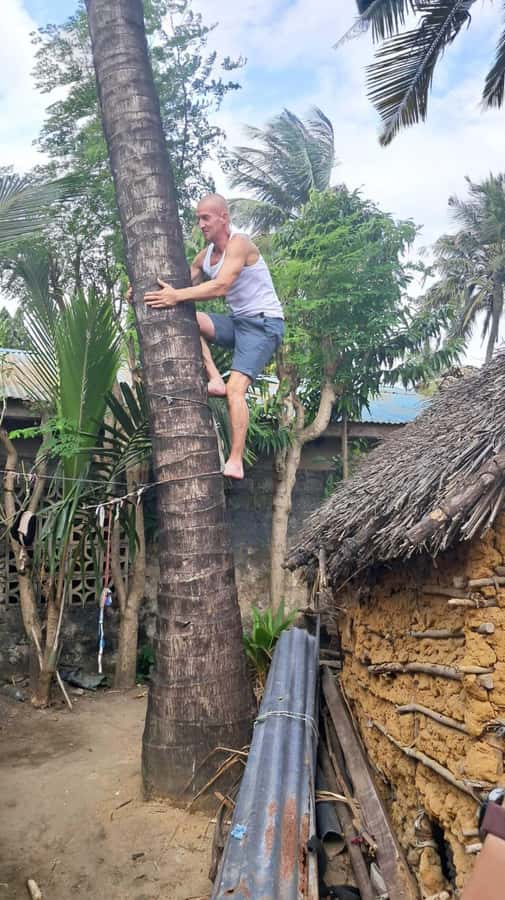
A break follows the cultural activities. You can cool down with fresh coconut water taken from the tree, and adventurous adults can try traditional palm wine, offered sweet or dry. The description does not state that a full meal is included, so do not arrive expecting lunch.
Personal snacks, souvenirs, and drinks beyond the included offerings cost extra. Bottled water is included, which is useful in the coastal heat, but you should still carry cash for anything additional.
This pause is practical as well as pleasant. The tour combines walking, dancing, outdoor viewing, and vehicle transfers in a small window of time. A short rest helps you reset before heading to the wildlife sanctuary.
Giraffes and open-air wildlife at Nguuni
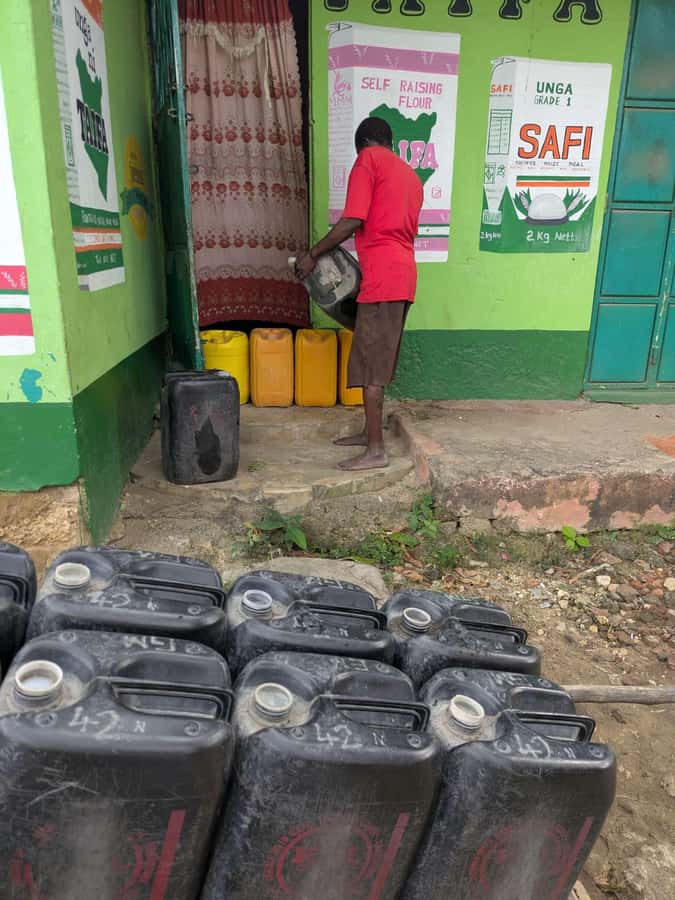
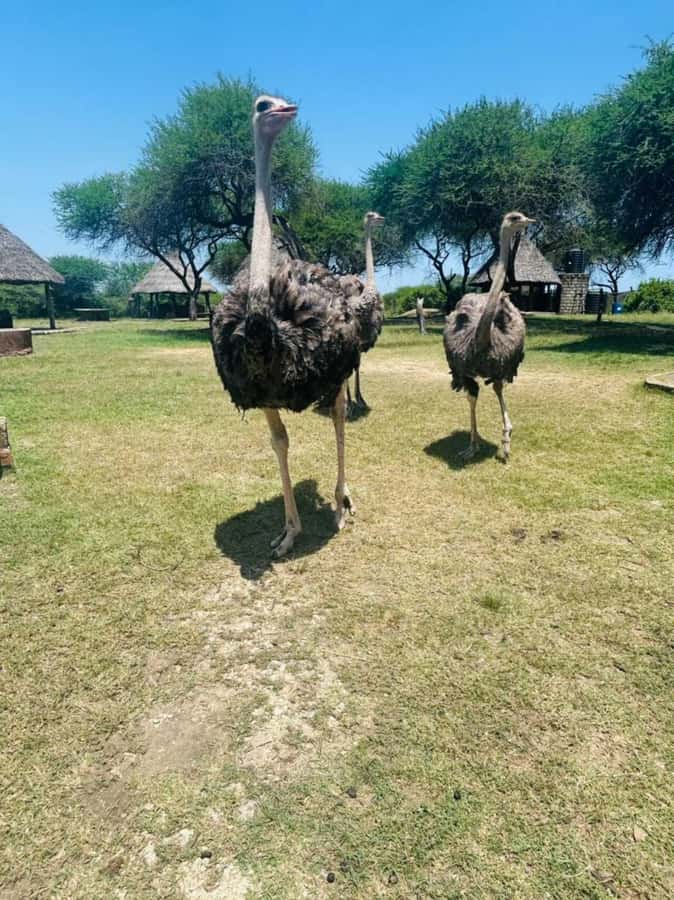
Nguuni Wildlife Sanctuary supplies the second half of the tour’s appeal. Giraffes stroll through the grounds, while ostriches and antelopes graze in the open setting. The attraction is the chance to watch animals at close range in a peaceful natural area rather than spend hours on a long safari drive.
One account described the animals as impressively close and not separated by fences. That makes the visit exciting, but it also calls for good judgment. Follow your guide’s instructions, keep a sensible distance, and do not try to feed or touch the animals.
The sanctuary entry fee is $10 per person in cash and is not part of the $100 tour price. Add the two local fees and the basic total becomes $130 per person before any outside-Mombasa transport or optional extras. That is the number I would use when comparing this outing with other Mombasa activities.
Nguuni is especially useful for visitors who have limited time or do not plan a full safari. You will not get the scale or range of a national park, and the tour should not be sold as a substitute for one. You do get a compact wildlife stop with strong photo potential and a very different mood from the village.
A practical concern is litter. One recent account pointed out plastic waste in the sanctuary. That is disappointing in a place built around nature, so bring your own waste back to a bin or vehicle and help with cleanup if the opportunity is appropriate. Do not let the issue spoil the visit, but do not ignore it either.
What the four-hour schedule really feels like
The listed plan includes several short visits, a photo stop, a break, and time on foot. In practice, you should expect a varied morning or afternoon rather than a relaxed, unhurried day. This suits you if you like changing scenes and want cultural and wildlife highlights in one booking.
The compact schedule also makes pickup timing important. Be ready at your hotel or residence in Nyali, Bamburi, or Mombasa. The tour includes drop-off in those areas, but time spent collecting different parties is not specified, so the exact flow may vary.
Guide flexibility is a real advantage. Rico was praised for being attentive and for adapting the outing when one person wanted to focus mainly on animals. If you have a firm priority, tell the guide early. A four-hour program cannot give equal depth to every stop, so speaking up helps shape the experience.
The listed guide languages are English, German, French, and Italian. Confirm your preferred language when booking. A language match matters here because the quality of the village stories and your conversations with local people depends on clear communication.
Is the $100 price fair?
At $100 per person, this is not a bargain city walk, especially once the $30 in required entry fees is added. Yet the value is easier to understand if you want one organized outing that combines transport, a local guide, a school visit on weekdays, elder-led cultural explanations, dance, refreshments, and wildlife viewing.
The price also includes pickup and drop-off within Mombasa, bottled water, and an English-speaking guide. Those inclusions reduce the need to arrange several small activities yourself. For a first visit to the coast, that convenience can be worth paying for.
The weak point is clarity. The separate village and sanctuary charges should be treated as part of your real budget, not as minor surprises. Outside-Mombasa pickup also costs extra according to distance. Ask for that amount before the day of travel.
Romantic picnic arrangements under acacia trees and professional photography with giraffes are available at additional cost. These upgrades make sense for a honeymoon, engagement, anniversary, or family portrait, but they are not needed to enjoy the core tour.
Who will enjoy this Mombasa outing?
I would recommend it to you if you want a first-hand cultural encounter and do not want to spend a full day in a vehicle. Families may appreciate the school visit and wildlife, while couples can add the picnic or photo session. Anyone with a strong interest in local traditions will get the most from the elder-led portion.
It also suits photographers, particularly at Nguuni, where giraffes and open views offer a different kind of subject from the village. Bring a camera, but keep your attention on the people and animals rather than treating every stop as a quick picture opportunity.
You may want another option if you dislike scheduled group activities, do not want to pay separate entry fees, or expect a large wildlife reserve. The dance and school visit also require a respectful, open attitude. This is not a passive sightseeing loop.
Wear comfortable shoes, light clothing, sunglasses, a sun hat, and sunscreen. Carry cash for the $20 village fee, the $10 sanctuary fee, personal purchases, and any extra drinks or food. Free cancellation is available up to 24 hours before departure, and you can reserve now and pay later, which helps if your Mombasa plans are still shifting.
Should you book it?
Book this experience if you want people, tradition, and wildlife in one short outing. The village elders, participatory dance, and close giraffe viewing give the day a strong sense of place, while hotel pickup keeps the logistics simple.
Before paying, confirm the weekday school visit, your pickup area, the language of your guide, and all extra transport costs. Budget $130 per person for the advertised price plus the two required entry fees. If that total works for you, this is a thoughtful way to see a more personal side of the Mombasa area without committing to a full safari.
FAQ
How long does the Mombasa Cultural and Wildlife Experience last?
The experience lasts four hours. The schedule includes village activities, a traditional dance, a break, walking time, and a visit to Nguuni Wildlife Sanctuary.
Where does hotel pickup take place?
Included pickup and drop-off are available within Mombasa city, including Nyali, Bamburi, and Mombasa. Pickup outside Mombasa can be arranged for an additional distance-based transport cost.
Is the local school visit available every day?
No. The school visit is available on weekdays only.
What extra entry fees must I pay?
You must pay a $20 village entry fee per person and a $10 Nguuni Sanctuary entry fee per person. Both are paid in cash on the day.
Which languages can the guide speak?
Guides are available in English, German, French, and Italian. Confirm your preferred language when booking.
What should I bring?
Bring comfortable shoes, sunglasses, a sun hat, sunscreen, comfortable clothes, a camera, and cash. Bottled water is included.
Recently added around Mombasa
- 1-Day Tsavo East Safari From Mombasa★ 5.0 · 3 reviews
- Mombasa: Wasini Dolphin Tour★ 3.2 · 3 reviews
- 1 day Shimba hills★ 4.5 · 3 reviews
- Overnight Safari Tour to Saltlick Lodge from Mombasa★ 5.0 · 3 reviews
- Airport Transfers to Watamu and Malindi★ 3.5 · 3 reviews
- 3 Days Private Tour of Mombasa★ 4.5 · 3 reviews
- 3 Days (2 nights); Tsavo East & West Safari:★ 5.0 · 3 reviews
- Mombasa: Historical Guided city tour. Old town, Fort Jesus★ 4.2 · 3 reviews
Mombasa Tours, compared.
Walking Tour Through Old Town Mombasa and Fort Jesus
Read our review →
Kisite Park Private Cruise with Breakfast and Lunch
Read our review →
Tusks, Fort Jesus, Old Town, Beach and City Tour
Read our review →
2 Days Tsavo East National Park Tour From Mombasa/Diani (1 Night)
Read our review →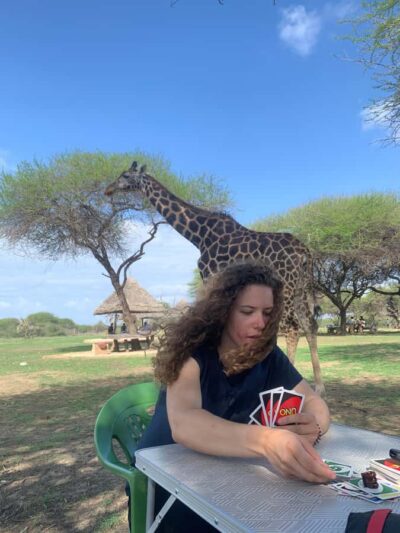
Browse the lists this tour appears in