
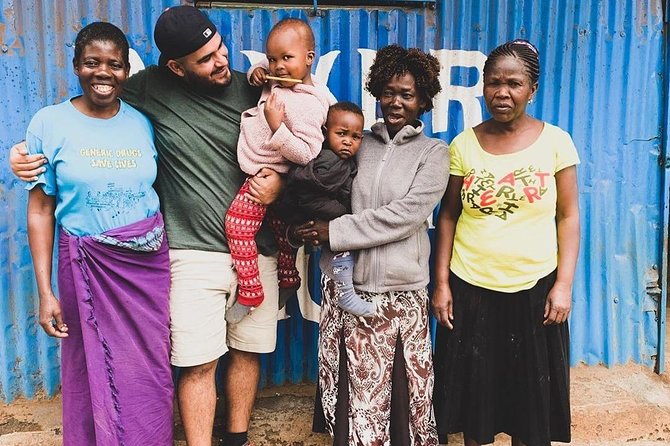
Reviewed · NAIROBI TOURS
Afternoon Kibera Slum Tour
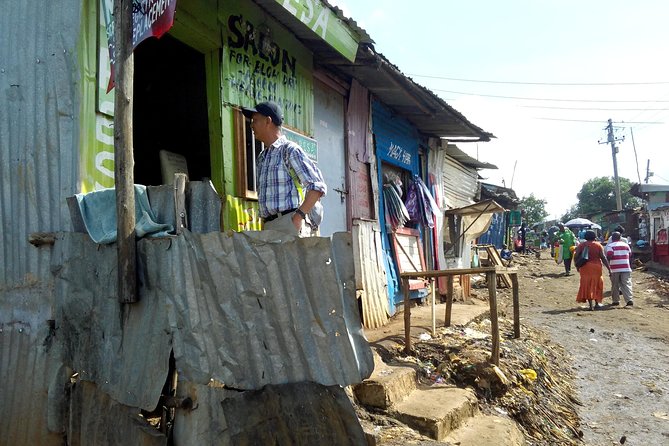
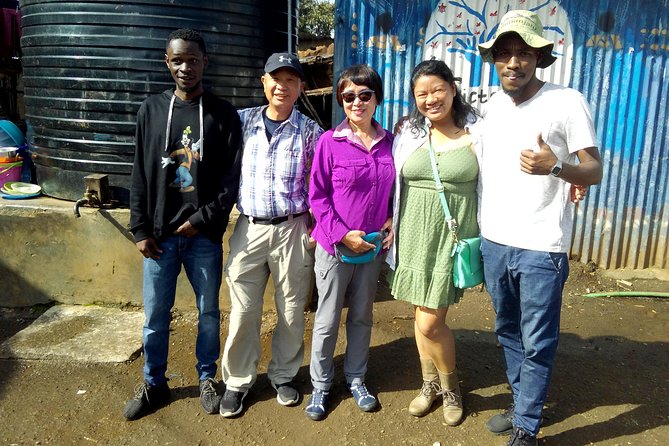
Kibera is not presented here as a backdrop for a quick photograph. This afternoon walk takes you into one of Nairobi’s busiest communities during its main working hours, with local guides Lucas or Elijah leading the way. You’ll see Toi Market, social projects, a children’s home, and a workshop that turns animal bones into jewelry.
I like the direct local guidance and the chance to meet people connected with community enterprises rather than simply viewing Kibera from outside. I also like the private format, since your group can ask questions and spend time on subjects that matter to you.
The main drawback is simple: this is a long walking tour, lasting about four to six hours. If you want a short, comfortable sightseeing stop, this will feel demanding. You should also be ready for a serious look at poverty, HIV/AIDS, and vulnerable children, not just an upbeat afternoon outing.
Key points to know before booking

- Meet Lucas or Elijah near Greenhouse Mall: The stated meeting point is Greenhouse Mall along Ngong Road, with pickup also offered.
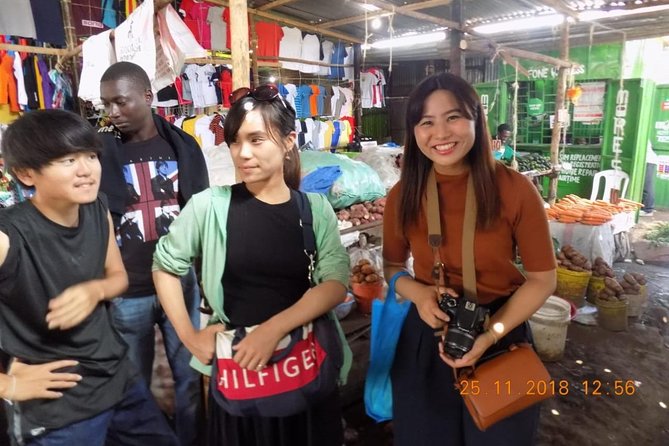
- Walk through Toi Market: This open-air market is described as the second largest in Nairobi and a major source of income for Kibera.
- See community projects: The route includes Kibera Pride Orphanage, Victorious Bone Craft, and Power Women Group.
- Afternoon timing matters: You visit while Kibera is active and working, rather than during a quieter sightseeing period.
- Private tour format: Only your own group takes part, which makes conversation and questions easier.
- Plan for four to six hours: Admission fees and taxes are included, but alcoholic drinks are not.
Why an afternoon walk through Kibera feels different

The most important part of this experience is the timing. The afternoon is described as Kibera’s peak operational period, so you are not simply passing through an empty residential area. You see the community as a place where people work, trade, organize, create, and support one another.
The tour calls Kibera a city of hope, peace, love, and unity. That is an optimistic description, but the route gives it practical meaning. You encounter a market that supports local commerce, a craft group that recycles domestic animal bones, a women’s group shaped by the effects of HIV/AIDS, and a home for vulnerable children.
I appreciate that mix. It keeps the visit from becoming a single-story account of hardship. At the same time, you should not expect the difficult parts of life in Kibera to disappear behind a cheerful tour theme. The experience asks you to hold both realities together: community strength and serious need.
A local guide matters here. Lucas and Elijah are identified as the guides for this experience, and the walk is built around explanation and conversation. You can ask about the places you see instead of trying to interpret every detail on your own.
Because this is a private activity, the pace and discussion can suit your group better than a large coach excursion. The description does not promise a fixed number of people, so you should confirm any group-size concern before booking. It does clearly state that only your group participates.
More community walks in Kibera:
- Nairobi: Explore Kibera Slum with Local Guides
★ 4.9 · 365 reviews - Kevins Kibera Slum Tours
★ 5.0 · 213 reviews - Nairobi: Kibera Slum storytelling tour with a Local
★ 5.0 · 185 reviews
Starting at Greenhouse Mall along Ngong Road
Your stated meeting point is Greenhouse Mall along Ngong Road. Pickup is offered, but the supplied details do not explain the exact pickup area, time, or vehicle arrangement. Confirm those details before the day of the tour so you know if you are meeting at the mall or using the pickup option.
The meeting point provides a clear place to begin, but the real experience starts once the walking route enters Kibera. This is not a vehicle-based tour with occasional stops. The published route describes a walk through the community, so comfortable shoes and enough water are sensible choices.
The tour lasts about four to six hours, while the itinerary gives a four-hour duration for the Kibera stop. Allow the longer window when planning your afternoon. Nairobi traffic, walking pace, time spent at community projects, and the exact pickup arrangement may affect the total time.
You should also think about the emotional pace. The route moves between commerce, craft, social support, and children’s welfare. It is not a light city stroll with a few photo opportunities. A little preparation will help you listen with respect and avoid treating people’s daily lives as scenery.
Toi Market and Kibera’s working economy

Toi Market is one of the central stops, and it gives the tour a useful economic starting point. It is described as Nairobi’s second largest open-air market and the backbone of Kibera’s economy.
That phrase matters. A market is not just a place to look around. It shows how people earn money, buy necessities, and keep local trade moving. The afternoon timing should make this part of the walk especially relevant because the tour aims to visit Kibera during its main operating hours.
The market can also help correct a common mistake in the way informal settlements are viewed. Kibera is not only a place defined by what it lacks. Toi Market points to enterprise, exchange, and people building livelihoods within the community.
Still, you should expect a walking visit rather than a shopping excursion with a formal list of stalls. The information provided does not specify what goods you will see, how long you will spend there, or whether purchases are expected. Bring questions, pay attention to your guide, and let the route show you how the market fits into everyday life.
The market is likely to be one of the more active sections of the walk. That can make it interesting, but it may also feel intense if you are not used to crowded open-air trading areas. The exact conditions can change from day to day, so keep your plans flexible.
Kibera Pride Orphanage and the question of responsible visits
The itinerary includes Kibera Pride Orphanage, which houses more than 25 vulnerable children from the community. This is one of the most sensitive parts of the route.
The value of visiting such a place depends heavily on how the visit is handled. Here, the orphanage is included as part of a wider community walk, alongside local business and social groups. That broader setting helps you understand that children’s welfare is one part of Kibera’s story, not the whole definition of the community.
You should approach this stop with care. The supplied information does not state whether you can donate, meet children directly, take photographs, or bring gifts. Do not assume any of those activities are part of the tour. Ask your guide what is appropriate, and follow the orphanage’s own rules.
For many people, this stop will be among the most moving. It may also be uncomfortable, especially if you prefer sightseeing that avoids difficult social issues. That discomfort is not a reason to dismiss the visit, but it is a reason to book with the right expectations.
The tour’s emphasis on education and vulnerable children also gives the experience more purpose than a simple walk through an unfamiliar area. You are given a chance to think about how local organizations respond to need. Just remember that a short visit cannot explain every challenge facing the children or the community.
A few more Nairobi days to weigh up
- Nairobi National Park Half-Day Tour; Free Wi-Fi connection
★ 5.0 · 878 reviews - Nairobi: National Park & Optional Elephants & Giraffe Center
★ 4.8 · 874 reviews - NAI NAMI: Nairobi Storytelling Tour with Street Children
★ 5.0 · 792 reviews - Nairobi National Park Half-Day Game Drive
★ 4.5 · 738 reviews
Victorious Bone Craft and local creativity
Victorious Bone Craft Group is one of the most unusual stops. The group recycles domestic animal bones to make jewelry, turning a discarded material into a finished product.
I like this part of the route because it links art, work, and recycling in a clear way. You are not only hearing that social enterprise exists in Kibera. You are seeing a specific group with a distinctive skill and product.
This stop also adds balance to the itinerary. After hearing about vulnerable children and HIV/AIDS support, a craft workshop shows another side of community life: people creating useful work from limited resources. It is a reminder that local creativity can be practical as well as artistic.
The details do not say whether jewelry is available for purchase, so do not book solely as a shopping opportunity. The point is the group’s work and the story behind it. If buying is possible, ask your guide how the process works and how to support the makers appropriately.
For you, this may be the easiest stop at which to start a conversation. The craft itself gives you a concrete subject to discuss, and the private format means you can ask about the process without competing with a large group.
Power Women Group and personal stories
The Power Women Group and Shop is another major stop. It is described as a group of women who are victims of HIV/AIDS, and the visit includes the opportunity to hear their stories and learn how they work.
This is where the tour moves most clearly into personal testimony. The information provided does not list the group’s exact activities or products, so your guide will be the best source for what is available on the day. The presence of a shop suggests that local goods may be part of the visit, but you should confirm that directly.
I see two kinds of value here. First, you learn about a community response to a health and social crisis. Second, you meet an organization that presents women as active participants in their own livelihoods, not only as people receiving help.
That distinction matters. A respectful tour should make room for hardship without reducing people to it. The itinerary’s combination of stories, work, and enterprise gives you a more complete picture.
You should also be aware that the subject may be personal and serious. Listen rather than forcing conversation, and allow the women to decide what they wish to share. The tour promises access to their stories, not entertainment.
What the walking format means for you
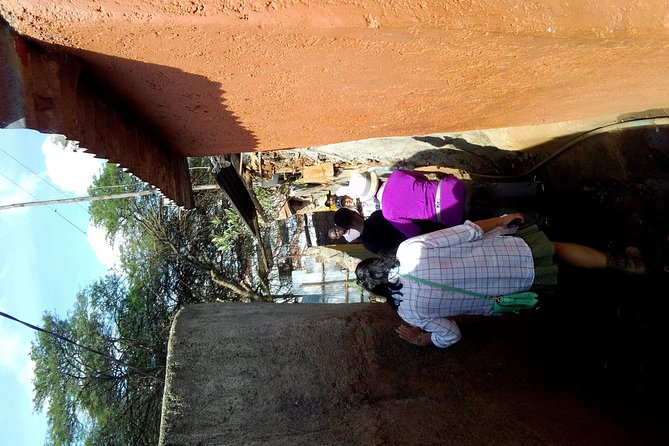
The tour is explicitly a walking experience, and one review makes clear that you should be prepared to walk a lot. For someone who enjoys seeing a place on foot, this is a strength. You get a closer sense of how the different parts of Kibera connect, and you are not separated from the surroundings by a vehicle.
For someone with limited stamina, the four to six-hour duration deserves careful thought. The supplied information says most people can participate, but it does not provide detailed accessibility information, walking distances, terrain, seating, or restroom arrangements.
I would contact the provider before booking if any of those details affect you. The provider is Visit Kibera Expeditions, and the tour is offered as a private activity. That private setup may make it easier to discuss a slower pace, but the information does not guarantee that adjustments are available.
Wear practical clothing and shoes suitable for extended walking. That is common-sense advice based on the tour format, not a promise about specific ground conditions. You should also allow time for the afternoon schedule to run longer than the minimum four-hour estimate.
The tour is near public transportation, which may help if you are arranging your own way to Greenhouse Mall. Since exact transport details are not supplied, check the meeting instructions after booking.
Is $60 good value?

The price is $60 per person. All fees and taxes are included, which keeps the advertised cost fairly clear. Alcoholic beverages are not included, though that is not a major concern for a daytime walking tour.
Value depends on what you want from Nairobi. If you are looking for a polished attraction with a short route and fixed sightseeing stops, this may not be the right use of your money. The experience is built around walking, conversation, social projects, and local interpretation.
I think the price is easier to justify for people who want a private guide and a more personal look at community life. You are paying for several hours, guide services, access to multiple points of interest, and the chance to ask questions along the way.
The strongest value comes from the range of stops. Toi Market explains commerce. Kibera Pride Orphanage introduces child welfare. Victorious Bone Craft shows recycling and enterprise. Power Women Group connects social support with women’s work. Together, these visits give the afternoon a clear shape.
The small number of published ratings means you should not treat the perfect score as a guarantee of a flawless day. The written praise does point to consistent strengths: professional guides, a personal approach, useful answers, and a memorable experience. Those are exactly the qualities that matter most on a tour like this.
Who should book this Kibera experience?
I would recommend it to you if you want to understand Nairobi through local voices and are comfortable spending several hours on foot. It suits people who enjoy asking questions, listening to personal stories, and seeing community projects rather than ticking off major monuments.
It is also a good fit if you prefer a private activity. Lucas and Elijah are named as guides, and the private format means your group is not mixed with other participants. That can make a sensitive subject easier to discuss thoughtfully.
You may want to skip it if you dislike walking, have not allowed enough time in your schedule, or want a purely cheerful afternoon. The orphanage and Power Women Group bring serious subjects into the experience, and you should be willing to engage with them respectfully.
The tour is booked, on average, 27 days ahead. That does not guarantee it will sell out, but it is a useful sign that you should not leave planning until the last minute if your Nairobi dates are fixed.
Free cancellation is available up to 24 hours before the start time for a full refund. Inside that window, the payment is not refunded and changes are not accepted. The experience requires good weather, and if poor weather causes cancellation, you are offered another date or a full refund.
Should you book the afternoon Kibera tour?
Book this tour if you want a serious, locally guided walking experience that links markets, social work, craft, and personal stories. The best reasons to choose it are the private format, the afternoon timing, and the range of specific community stops.
Go in prepared to walk for much of the day and to listen carefully. Meet at Greenhouse Mall or confirm pickup details, allow up to six hours, and ask in advance about any mobility needs or rules at the orphanage and community groups.
For the right person, $60 buys more than a guided route. It buys context, conversation, and a closer look at how people work together in Kibera. If that sounds like the kind of Nairobi experience you want, this is a worthwhile booking.
FAQ
Where does the tour begin?
The accredited guide meets you at Greenhouse Mall along Ngong Road. Pickup is also offered, but the exact pickup arrangements are not provided.
How long does the tour last?
The experience lasts approximately four to six hours. The Kibera itinerary lists four hours, so you should allow the longer time when planning your day.
How much does the tour cost?
The price is $60 per person. All fees and taxes are included.
Is this a private tour?
Yes. Only your own group participates in the activity.
Is the tour mainly walking?
Yes. The itinerary describes a walking tour through Kibera, and you should be prepared to walk a lot.
What places does the tour visit?
The route includes Toi Market, Kibera Pride Orphanage, Victorious Bone Craft Group, and Power Women Group and Shop.
Are alcoholic drinks included?
No. Alcoholic beverages are not included.
Can I cancel for a full refund?
Yes. You can cancel at least 24 hours before the start time for a full refund. Cancellations or changes made less than 24 hours before the start time are not refunded or accepted. If poor weather cancels the experience, you are offered another date or a full refund.
Recently added around Nairobi
- Nairobi; City Walk Tour★ 4.5 · 3 reviews
- 2 Days Amboseli National Park Safari★ 3.5 · 3 reviews
- Private 3-Day Masai Mara Safari Adventure★ 5.0 · 3 reviews
- Kenya safari★ 5.0 · 3 reviews
- 11-Days Best of Kenya & Tanzania Big 5 Safari on a 4×4 Jeep★ 5.0 · 3 reviews
- Full Day, Small Group Guided Tour to Amboseli National Park★ 4.5 · 3 reviews
- 10-Days Explore Kenya Wildlife Private Safari★ 5.0 · 3 reviews
- Nairobi: Giraffe Center, Beads Factory & Bomas of Kenya Tour★ 4.5 · 3 reviews
Nairobi Tours, compared.

Nairobi National Park Half-Day Tour; Free Wi-Fi connection
Read our review →
National Park & Optional Elephants & Giraffe Center
Read our review →
NAI NAMI: Nairobi Storytelling Tour with Street Children
Read our review →




Elephant Orphanage and Giraffe Center Tour with Options
Read our review →Browse the lists this tour appears in