
Reviewed · WALKING TOURS
Lamu Old Town Walking Tour
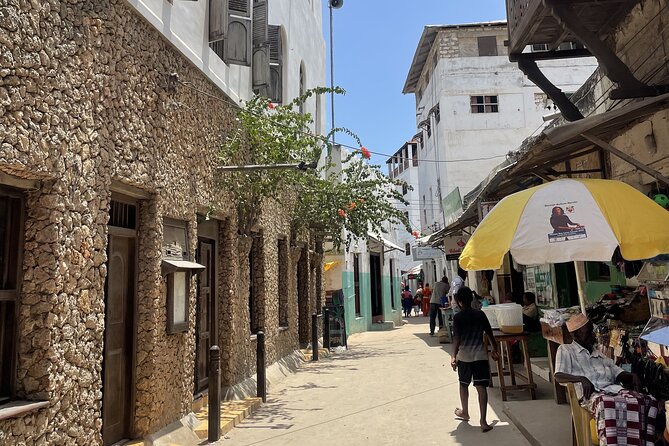
Lamu Old Town makes a strong first impression with its narrow coral-stone lanes, carved wooden doors, and streets where donkeys still matter more than cars. This walking tour connects the town’s major sights with its living crafts, Swahili music, seafront, and everyday corners that are easy to miss on your own.
I like the practical guidance from Kassim, who can point you toward local food, souvenir shops, places to stay, and side trips such as sailing, fishing, and Takwa Ruins. I also like the small group limit of 15, which should make it easier to stop at a carving or silversmith workshop and ask questions. The main drawback is that museum and fort admission fees are extra, so the $20 price does not cover every sight you may want to enter.
Key points to know before you book

- Kassim gives useful local advice: You can ask about Swahili food, places to stay, souvenirs, sailing, fishing, and reaching Takwa Ruins.
- Lamu’s working crafts are part of the walk: Expect stops connected with wood carving, silversmithing, weaving, and other local products.
- The route covers major town landmarks: Lamu Market, Lamu Town Square, Lamu Fort, Lamu Museum, the German post office, and the seafront are all part of the experience.
- Donkeys are central to town life: The Donkey Sanctuary adds an unusual and useful look at transport in Lamu.
- Plan for extra entrance fees: Admission to the fort and museum is not included in the $20 tour price.
- The pace is short and manageable: The walk lasts about two hours, with the full experience described as roughly two to three hours.
Why Lamu is best understood on foot
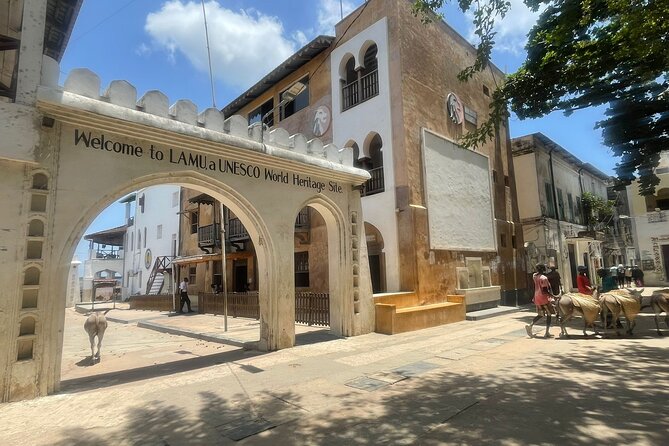
Lamu Old Town is not a place you simply tick off from a taxi window. Its lanes are narrow, its buildings sit close together, and much of its character appears in details: a carved door, a coral wall, a shaded passage, or a small workshop open to the street.
A walking guide helps you connect those details. You are not only looking at old buildings. You are learning how Swahili culture, Arab influence, British colonial rule, Islamic traditions, music, and local trades have shaped the town.
The walk begins at Lamu Town Square, listed at the meeting point code PWJ2+FWW. From there, the guide takes you through Old Town and returns you to the same meeting point at the end. That makes the tour simple to fit into a day of exploring, especially if you want an introduction before setting off on your own.
The tour is conducted in English, and most people can take part. Service animals are allowed, and the meeting point is near public transportation. The route is still a town walk, so you should expect uneven streets, warm weather, and plenty of stopping and starting rather than a smooth, fast stroll.
More Walking Tours in Kenya:
- Nairobi: Historic and Modern Highlights Walking Tour
★ 4.8 · 703 reviews - Walking Tour Through Old Town Mombasa and Fort Jesus
★ 5.0 · 393 reviews - Nairobi Historical Walking City Tour
★ 5.0 · 258 reviews
Lamu Town Square and the first look at Old Town
Starting at Lamu Town Square gives you a useful point of reference. The square helps you understand the town’s layout before the streets tighten into smaller lanes.
From here, the guide introduces the mixture of cultures that gives Lamu its character. The tour focuses on Swahili culture and music, along with the architecture and local work that you will see throughout the walk.
I like this kind of beginning because it gives the rest of the route some shape. Instead of seeing a sequence of old walls and busy corners, you can pay attention to how the buildings, crafts, and public spaces fit together.
The narrow streets are one of the tour’s strongest features. You will see houses made with coral, along with wood carvings on doors and other architectural details. These are not just decorative sights presented in isolation. They are part of the town’s identity, and the guide can explain what you are looking at as you move through the lanes.
Do not expect a long, formal lecture at every stop. The value here is the combination of short explanations, visual details, and a local person who can answer questions in real time.
Lamu Fort and the town’s changing rulers
Lamu Fort is one of the key landmarks on the route. The fort and its surroundings give the walk a more formal historical focus after the close-up look at homes, doors, and shops.
Admission to the fort is not included, so check the cost when you arrive if you want to go inside. The tour can still show you the site from the outside, but the extra fee matters when you compare the total cost of your day.
The tour also explains the changing use of the museum building. It first served as a palace for the King of Oman, then became a headquarters during the British period for the Imperial British East African Company, and later became a museum.
That layered use is useful context. You can look at the building not as one frozen monument, but as a place that passed through several periods of Lamu’s story.
Outside the museum are cannons linked to the bombing of the Sultanate at Witu. The guide can help place those objects within the wider political struggles connected with the coast.
The museum entrance fee is also extra. If you plan to enter both the museum and the fort, allow for those costs in addition to the $20 tour price.
Lamu Museum and the story behind the buildings
Lamu Museum adds an indoor stop to a walk that otherwise moves through streets and open spaces. The building itself is part of the attraction, with its former use as an Omani royal palace and later British headquarters.
You should see this as a chance to understand Lamu through its buildings. The architectural details make more sense when you know who used the structure and how its role changed.
The tour description places the museum, fort, market, and other sights close enough to combine in one route. Still, the exact time spent inside each place will depend on opening conditions, your interests, and whether you choose to pay the entrance fees.
The listed operating information covers Monday through Wednesday from 8:00 a.m. to 5:00 p.m. Because the tour information does not provide a detailed schedule for every day, confirm the available time when booking if entering the museum or fort is important to you.
A different kind of day from the same base:
- Nairobi National Park Half-Day Tour; Free Wi-Fi connection
★ 5.0 · 878 reviews - Nairobi: National Park & Optional Elephants & Giraffe Center
★ 4.8 · 874 reviews - NAI NAMI: Nairobi Storytelling Tour with Street Children
★ 5.0 · 792 reviews - Nairobi National Park Half-Day Game Drive
★ 4.5 · 738 reviews
Lamu Market and the everyday side of town
Lamu Market gives you a different view of the old town. Here, the focus shifts from famous buildings to local trade and daily life.
A guide is especially useful in a market because you can ask about products, food, and customs without guessing. The walk may also help you find local Swahili cuisine later in your stay. Kassim is specifically noted for recommending places to eat, so use the time to ask for suggestions that fit your plans.
Do not expect the $20 fee to include food or shopping. The value is in the orientation and local advice, not in included purchases.
The market also helps explain why a short walking tour can be worthwhile even if you plan to spend several days in Lamu. You get a sense of where to return, which streets connect, and where local products are sold.
Craft workshops: wood, silver, and weaving
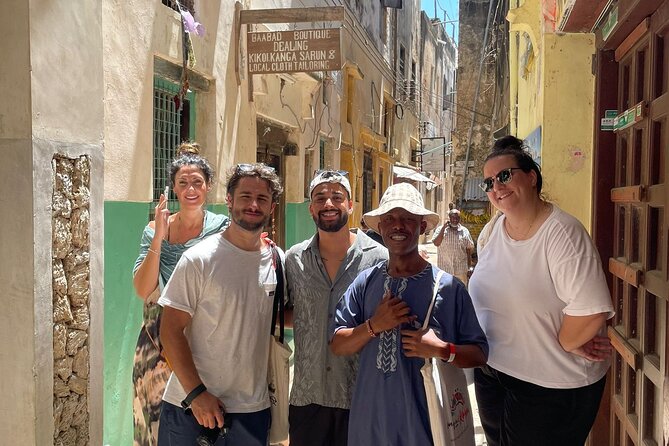
The craft stops are among the most appealing parts of this experience. You may see local wood carving, silversmithing, and weaving or wave knitting, along with other products made in Lamu.
The wood carvings are especially tied to the town’s appearance. Once you have seen carved doors on homes, visiting a working shop helps you understand that the decoration is part of an active craft tradition, not only a feature preserved for sightseeing.
The silversmithing stop offers another useful contrast. You can see a different kind of local skill and ask about the items being made or sold. If you are shopping for a souvenir, having the guide nearby may help you choose more carefully and find the kind of shop you want.
One personal detail worth using is Kassim’s help with souvenir buying. He is described as approachable and willing to show shortcuts and suggest good places to shop. That does not mean you have to buy anything. It simply gives you a better chance of finding local work rather than making a rushed purchase.
The craft visits may be brief, and this is not described as a hands-on workshop. You are going to see local working shops and learn about the trades, not take a full class.
The German post office and Swahili house design

The German post office is another stop that broadens the walk beyond the most obvious landmarks. It reflects the outside powers that have passed through Lamu and adds another piece to the town’s colonial-era story.
The Swahili house museum brings the focus back to local architecture. Its design is described as distinctive, with details that show how Lamu homes were built and arranged.
This is where the walk’s two subjects, history and daily culture, come together. You might see a door, wall, or room layout first as an attractive feature. The guide can then explain its connection to Swahili building traditions and the town’s mixed cultural background.
Because the streets are full of visual detail, stay alert between named stops. Some of the best moments may be the short passages between them, when you notice coral construction, carved wood, or music coming from somewhere nearby.
The Donkey Sanctuary and an unusual part of Lamu life

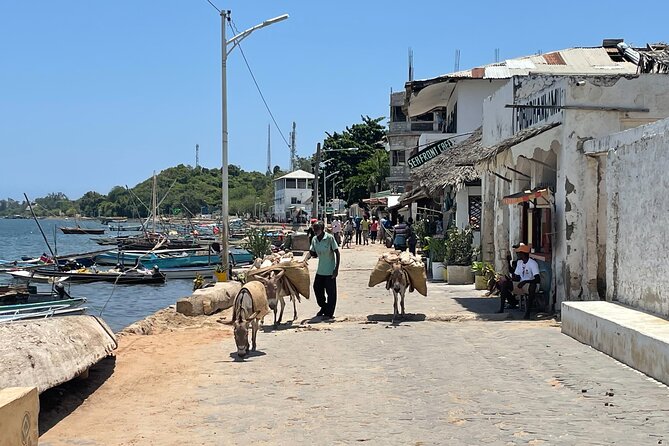
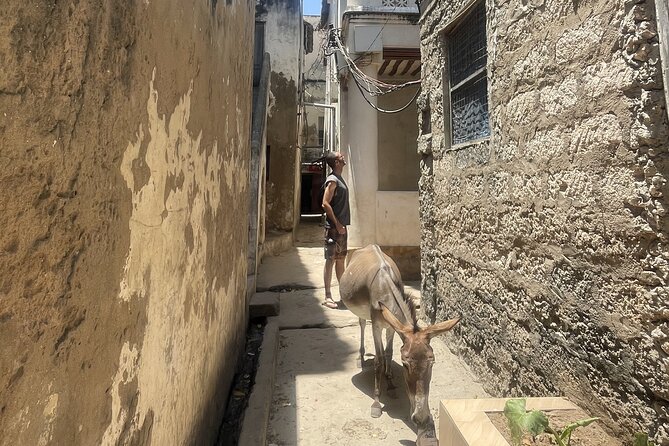
The Donkey Sanctuary is one of the more distinctive stops. Donkeys are a familiar part of life in Lamu, and the sanctuary gives you a chance to learn about their role rather than treating them as background scenery.
This stop adds a practical human and animal story to the architecture. It reminds you that Old Town is not only a place of historic buildings. It is also a working town where goods and people have long moved through tight streets.
The sanctuary is included as a place to see, but the tour details do not state that any donation, activity, or special program is included. Treat it as a sightseeing stop and ask the guide what is available on the day.
Lamu seafront, music, and the end of the walk
The seafront provides a welcome change from the enclosed lanes. You will have a chance to enjoy views along the water and hear traditional Swahili music as part of the broader cultural experience.
This is a good point to ask questions about activities for the rest of your stay. Kassim can advise you about sailing tours, fishing tours, and how to reach Takwa Ruins. Those suggestions can save time, especially if you have only a short visit to Lamu and want to plan beyond the old town.
The activity returns to the meeting point at Lamu Town Square. Since the listed route lasts about two hours, with the overall duration given as two to three hours, you still have room to visit a museum, eat lunch, shop, or arrange another activity afterward.
What the $20 price really gets you
At $20 per person, this is a modestly priced introduction to Lamu Old Town. The strongest value comes from the guide’s time, local explanations, and practical recommendations.
You are paying for access to a route that links many separate points: the market, fort, museum, seafront, post office, house museum, donkey sanctuary, and craft shops. You also get help understanding Swahili culture, music, architecture, and local products.
The price does not include admission to the fort or museum. It also does not include food, shopping, or later sailing and fishing activities. If your main goal is to enter every museum, calculate those fees before deciding.
For a first morning or afternoon in Lamu, I think the price is fair. It is especially useful if you want a local introduction rather than a self-guided walk based only on signs and maps.
The group limit is 15 people. That is not a private tour, but it is small enough to keep the guide within reach. If you want a completely personal pace, ask about the group size at booking.
What the strongest praise tells you
The clearest positive point is Kassim himself. The available feedback gives him credit for going beyond the basic route, helping with shortcuts, suggesting places to buy souvenirs, and making it easy to have a friendly conversation.
That matters because a town walk is only as useful as the person leading it. A guide who can answer questions and offer practical suggestions may improve the rest of your stay, not just the two hours on the street.
Kassim’s response also shows that he values the personal exchange with people he guides. You should still keep your expectations sensible: the tour includes a guide for the booked time, not a full-time personal concierge for your whole visit.
The 5.0 rating from 24 reviews and 100 percent recommendation are strong signals, though the sample is small. I would read them as evidence of a consistently positive experience, while still paying attention to the extra entrance fees and the walking conditions.
Who should book this Lamu walk?
I would choose this tour if you are visiting Lamu for the first time, want a clear introduction to Old Town, or prefer learning about local life from an English-speaking guide.
It suits people who enjoy architecture, markets, working crafts, cultural history, and short walks with several stops. It also works well for anyone who wants advice on food, accommodation, shopping, or activities after the tour.
You may want another option if you want a private, highly specialized history tour, a hands-on craft class, or a package with all entrance fees included. Those features are not part of the stated offer.
The walking format is also worth considering if you have mobility concerns. Most people can participate, and service animals are allowed, but no promise is made about smooth streets or step-free access throughout the old town.
Booking, timing, and cancellation details
Confirmation is provided when you book, and the activity uses a mobile ticket. It is commonly booked about 17 days ahead, so reserving early is sensible if your dates are fixed.
The tour requires good weather. If poor weather causes cancellation, you will be offered another date or a full refund.
You can cancel for a full refund up to 24 hours before the start time. Cancellations or changes made within 24 hours are not accepted for a refund, and the cut-off follows local time.
Should you book the Lamu Old Town Walking Tour?
Yes, if you want a reasonably priced first look at Lamu that combines major sights with local crafts and useful advice. The best reason to book is not any single monument. It is the way Kassim connects the coral houses, carved doors, market, music, workshops, fort, museum, and seafront into a readable picture of the town.
Before booking, remember two things: the walk lasts about two hours, and fort and museum admission cost extra. If those limits suit your plans, this is a practical way to get your bearings fast and leave with better ideas for food, shopping, and activities around Lamu.
FAQ
How long does the Lamu Old Town Walking Tour last?
The walk lasts about two hours, with the overall experience described as approximately two to three hours.
Where does the tour start?
The meeting point is Lamu Town Square, at PWJ2+FWW, Lamu, Kenya.
Where does the tour finish?
The activity ends back at the meeting point in Lamu Town Square.
Is an English-speaking guide included?
Yes. A tour guide is included for the duration of the tour, and the guide is fluent in English.
Are entrance fees included?
No. Entrance fees for Lamu Fort and Lamu Museum are not included in the tour price.
How many people can join the tour?
The activity has a maximum group size of 15 people.
Can I cancel for a full refund?
Yes. You can receive a full refund if you cancel at least 24 hours before the experience start time. Cancellations within 24 hours are not refunded.
Recently added around Kenya
- Nairobi; City Walk Tour★ 4.5 · 3 reviews
- 2 Days Amboseli National Park Safari★ 3.5 · 3 reviews
- Private 3-Day Masai Mara Safari Adventure★ 5.0 · 3 reviews
- Kenya safari★ 5.0 · 3 reviews
- 11-Days Best of Kenya & Tanzania Big 5 Safari on a 4×4 Jeep★ 5.0 · 3 reviews
- Full Day, Small Group Guided Tour to Amboseli National Park★ 4.5 · 3 reviews
- 1-Day Tsavo East Safari From Mombasa★ 5.0 · 3 reviews
- 10-Days Explore Kenya Wildlife Private Safari★ 5.0 · 3 reviews
Walking Tours, compared.


Walking Tour Through Old Town Mombasa and Fort Jesus
Read our review →

Nairobi City Walking Tour with Traditional Kenyan Lunch
Read our review →



Day tour to Hells Gate, Lake Naivasha and Crescent Island Walk
Read our review →Browse the lists this tour appears in