
Reviewed · NAIROBI TOURS
Nairobi: Kibera Slum storytelling tour with a Local
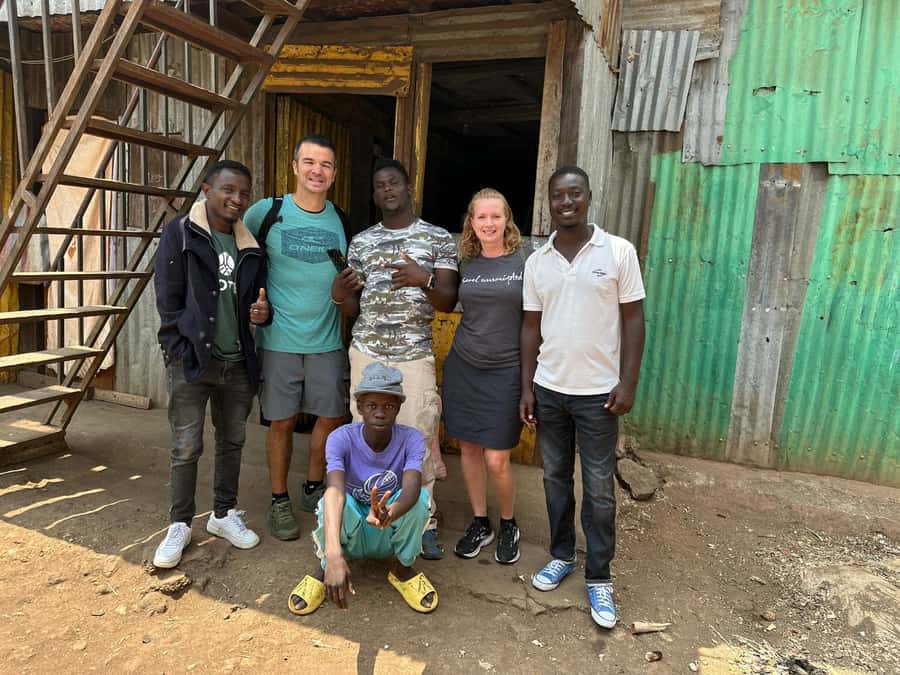
Kibera is not a sightseeing backdrop. It is a living community, and this three-hour walking tour with local guides helps you meet it with more care and context. Elijah, Peter, Effie, and Lucas are among the guides used by Visit Kibera Expeditions, with several guides having grown up in Kibera themselves.
I like the personal stories and the clear local benefit. You may visit a guide’s home, see the school supported by tour income, and meet people working in art, education, and women’s support groups. I also like the small private format, which makes it easier to ask honest questions. The main consideration is that Kibera is crowded, uneven, and emotionally heavy at times, so this is not a polished city attraction.
Key points to know before booking

- Local guides lead the way: Elijah, Peter, Effie, and Lucas bring personal knowledge of Kibera’s streets, schools, families, and community projects.
- The school is central to the visit: Part of the tour income supports a local school, with the organizers explaining that about 20 percent goes toward its work.
- Toi Market adds color and noise: You walk through Kibera’s largest market and have chances to buy locally made jewelry, art, and other goods.
- You enter a local home: This gives you a close look at daily living conditions, but you should approach the visit with humility and ask before taking photos.
- Safety is carefully handled: Most bookings describe feeling safe with the guides, including tours that finished after dark.
- Wear practical clothes: Narrow alleys, dirt, mud, and crowded paths can be part of the walk, so leave smart shoes and expensive clothing at your hotel.
What this Kibera tour is really about

Kibera is often described simply as a slum, but that label tells you very little about daily life there. This tour gives you a closer look at the people, local businesses, schools, artists, families, and informal services that make the area work.
You walk through unmarked streets and narrow alleys with someone who knows how the community fits together. Your guide explains the area’s history, culture, problems, and hopes. The tone is not meant to be poverty entertainment. The strongest part of the experience is the effort to show both hardship and local action.
You may see poor housing, difficult sanitation, waste, and limited public services. You also see people creating schools, selling goods, recycling materials into art, supporting women living with HIV, and building small projects with limited resources.
That mix matters. A short visit cannot explain all of Kibera, and it should not pretend to. But it can help you replace a distant image with real places and human connections.
More community walks in Kibera:
- Nairobi: Explore Kibera Slum with Local Guides
★ 4.9 · 365 reviews - Kevins Kibera Slum Tours
★ 5.0 · 213 reviews - Kibera Slum Tour with Lucas
★ 5.0 · 119 reviews
Meeting at Greenhouse Mall in Kilimani
The meeting point is the entrance of Greenhouse Mall in Kilimani. If you arrive early, there is a bench by the fountain on the ground floor where you can wait.
From there, you head toward Kibera with your guide. The experience is listed as a private activity, so only your group participates. That is useful here. You can ask questions about subjects that may feel awkward in a larger group, and your guide can explain what is appropriate when you meet residents.
The tour lasts about three hours, though some bookings have taken roughly three and a half hours. Starting times depend on availability. Afternoon departures can create a different mood from morning visits, since more people may be returning from work and children may be coming home from school. Some tours finish when it is already dark, so ask about the expected end time when you book.
There is a small practical detail to check. The meeting information says Greenhouse Mall, while the detailed route says the walk ends at Equity Bank Kibera, and the itinerary also lists a return to Greenhouse Mall. Confirm the end point with the organizer, especially if you have a dinner reservation or need a ride onward.
Walking through Kibera’s narrow streets

The walk itself is the backbone of the experience. Kibera’s streets are not laid out like a museum route, with neat signs and marked lanes. You follow your guide through a maze of narrow paths and side streets.
Wear shoes that can handle dust, mud, and uneven ground. Do not wear anything you would be upset to stain. A small bag is easier to manage than a large backpack, and you should keep valuables out of sight.
The setting can feel intense. There may be noise, close quarters, and many people moving around you. That is part of the reality, but it also means you need to stay close to your guide and pay attention to where you step.
Photography requires judgment. The tour description allows you to take pictures of the local area, but that does not mean every person or home is a subject. Ask before photographing people, children, private spaces, or community activities. A respectful question is more valuable than a quick picture.
Guides such as Elijah and Peter have been praised for explaining the area patiently and answering questions fully. Their local connection also helps with introductions. You are not simply walking through unfamiliar streets with a map. You are moving through a place your guide knows personally.
Toi Market and local shopping

Toi Market is described as the largest market in Kibera, and it gives the tour a lively, practical stop. You see the trading side of the community, with stalls and people buying and selling everyday goods.
This is also where shopping can support local makers. Depending on the route and what is open, you might find beads, jewelry, clothing, art, or goods made from recycled materials. Some local groups create jewelry and artwork from materials that would otherwise be discarded.
Bring some Kenyan shillings if you want to buy something. The tour price does not include shopping, and card payments should not be assumed. Buying directly from a community maker can be a more useful souvenir than picking up a generic item elsewhere in Nairobi.
You may visit more than one small craft or community group. One group highlighted by the guides supports women living with HIV through handmade jewelry and clothing. Another youth project uses recycled materials to make art and jewelry.
The shopping stops are worth treating as optional, not compulsory. You should feel free to look without buying. If you do purchase something, ask where the money goes and take time to appreciate the work rather than treating the stop as a sales interruption.
A few more Nairobi days to weigh up
- Nairobi National Park Half-Day Tour; Free Wi-Fi connection
★ 5.0 · 878 reviews - Nairobi: National Park & Optional Elephants & Giraffe Center
★ 4.8 · 874 reviews - NAI NAMI: Nairobi Storytelling Tour with Street Children
★ 5.0 · 792 reviews - Nairobi National Park Half-Day Game Drive
★ 4.5 · 738 reviews
Hope and Shine Kibera Centre and the school visit
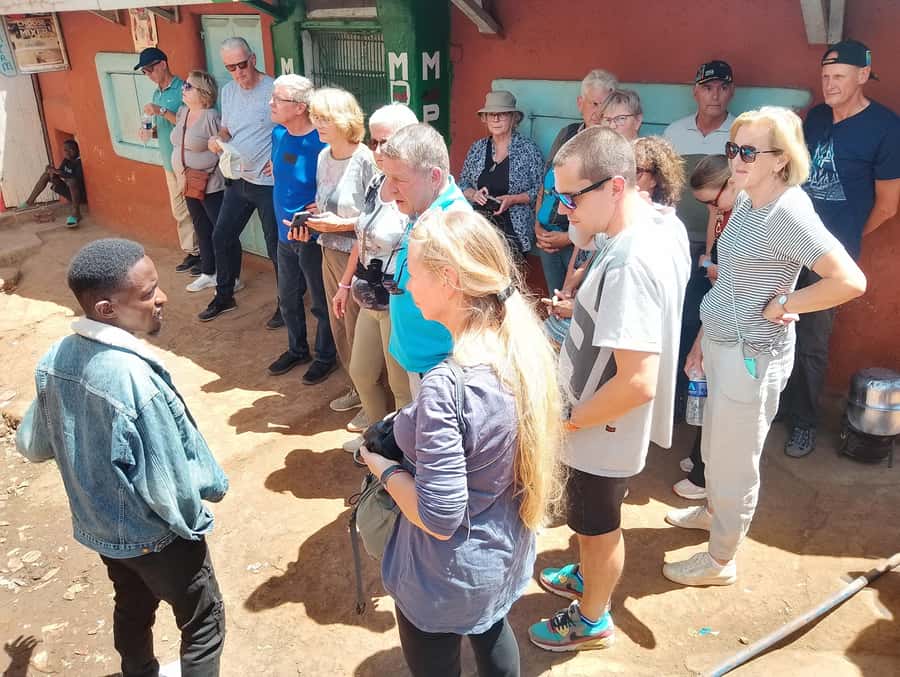
Hope and Shine Kibera Centre is one of the named stops. It represents the kind of local support work that gives the tour its wider purpose.
The included visit to a Kibera school is especially important. The school provides education for vulnerable children and is still growing. You may meet children, see classes or school facilities, and hear how the project serves local families.
The organizers explain that around 20 percent of tour income goes to the school. That gives your payment a direct local purpose, although you should still ask the organizer for the current details if this point matters to your booking decision.
The school visit can be warm and uplifting, but it deserves care. Children should not be treated as a photo opportunity or as a reason to hand out random gifts. Some past participants brought sweets or biscuits, and the children enjoyed them, but ask your guide first. The guide can tell you what is suitable and how to avoid creating awkward expectations.
I find this stop more valuable than a simple charity visit because it shows local initiative. You see a project that is trying to build something lasting, rather than only hearing a list of problems.
Visiting a local home
The home visit is one of the most personal parts of the walk. In some cases, you may enter the home of your guide or meet a guide’s family. Elijah’s mother has welcomed visitors during some tours, and other guides have shown their own homes.
This can help you understand the scale and limits of domestic space in Kibera. It is one thing to hear about housing conditions. It is another to stand inside a real home and listen to the person who lives there.
Still, this is the point where your behavior matters most. Ask before taking pictures, do not handle belongings, and do not assume that an invitation removes the need for privacy. If the visit feels too personal, you can politely decline to enter.
The home stop should not be judged by how dramatic it feels. Its value comes from the trust involved. A respectful conversation can teach you more than a string of shocking images.
Community work beyond the main sights

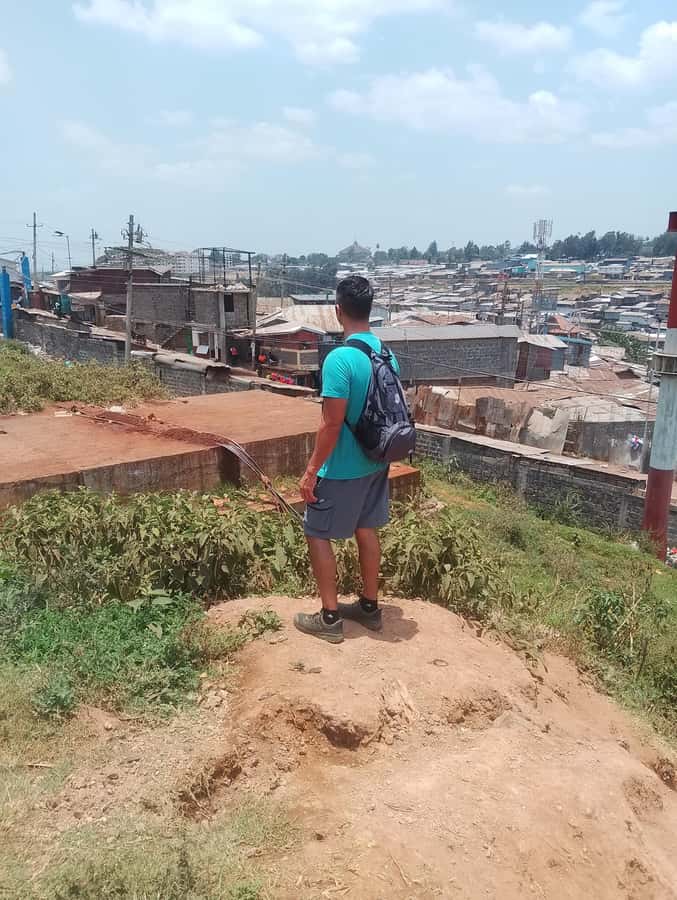
The route can include more than the named market, center, school, and home. Depending on the day, you might see a garbage collection point, public washing facilities, a river, the railway area, residential buildings, or a viewpoint over part of Kibera.
You may also meet local artists, craftspeople, women’s groups, and youth organizations. Some projects focus on recycling, some on education, and some on economic support.
These stops help explain the phrase City of Hope without making life sound easier than it is. Kibera residents face serious challenges, including poverty and weak public services. Yet people are also creating their own answers through small businesses, mutual aid, schools, and creative work.
The guide’s role is important here. A local person can explain what you are seeing and what you are not seeing. Without that context, a visitor might reduce everything to hardship. With it, you get a more balanced picture of how people live and organize.
Safety, comfort, and the emotional side

Safety is the biggest concern for many people considering this tour. The organizers include safety support, and the guides lead you through the area. Most of the detailed experiences describe people feeling safe throughout the walk, including afternoon tours that continued after dark.
That does not mean you should switch off common sense. Stay with your guide, keep your phone and wallet secure, follow instructions, and avoid wandering away to take pictures. Your guide knows when and where it is appropriate to stop.
This is a walking tour, not a gentle bus outing. People with back problems or heart problems are advised not to book. Good weather is also required. If rain or other poor conditions cancel the tour, you can choose another date or receive a full refund.
The emotional effect varies from person to person. You may feel shocked by living conditions, moved by the welcome you receive, or inspired by the school and community projects. Try not to turn the experience into a simple lesson about being grateful. Listen, ask thoughtful questions, and recognize that Kibera is home to millions of individual lives, not a single story.
Is $20 good value?
The listed price is $20 per group up to one person. Because the booking is private, check how the price changes for additional people before paying. For a three-hour private walk with a local guide, the price can be strong value, especially when the route includes a school, community projects, a home visit, and the market.
The bigger value is not the number of stops. It is the access and explanation. A self-guided walk would show you streets and buildings, but it would not give you the same personal context or introductions.
There may be opportunities to buy crafts, but shopping is extra. You also need to arrange your own transport to the meeting point unless the organizer tells you otherwise. The live tour is in English. Audio guides are listed in French, Spanish, German, and Chinese, so confirm how those options work if you do not speak English comfortably.
Free cancellation is available up to 24 hours before the start for a full refund, and you can reserve now and pay later. Those terms are useful if your Nairobi schedule may shift, but check the booking conditions at the time you reserve.
Who should book this Kibera experience?
I would choose this tour if you want to understand Nairobi through local voices rather than only visiting its major attractions. It suits adults, older children who can handle a serious subject, photographers who know how to ask permission, and anyone interested in community-led education or small business.
It is less suitable if you want a comfortable, predictable outing with clean paths and controlled settings. It is also not right for anyone with the listed back or heart concerns.
The best mindset is curiosity without superiority. You are visiting someone else’s neighborhood. Let the guide set the pace, accept that the route may change, and listen more than you speak.
Should you book the Kibera storytelling tour?
Yes, if you can approach it respectfully and physically manage three hours of walking. The strongest reasons to book are the local guides, the school connection, the home visit, and the chance to see community work that is easy to miss from Nairobi’s main tourist routes.
Book with realistic expectations. You will not receive a complete picture of Kibera in one afternoon, and the visit may be uncomfortable. But you will gain a more human understanding of Nairobi, while helping fund a local school and meeting people who are shaping their own future.
Confirm the finishing point, ask about the start time and guide, wear modest practical clothing, bring small cash for crafts, and keep photography respectful. If those details suit you, this is one of the more meaningful ways to spend three hours in Nairobi.
FAQ
Where does the Kibera tour meet?
The meeting point is at the entrance of Greenhouse Mall in Kilimani. If you arrive early, you can wait on a bench near the fountain on the ground floor.
How long does the tour last?
The stated duration is three hours. Some experiences have taken about three and a half hours, so allow a little extra time if your schedule is tight.
Is this a private tour?
Yes. This is a private activity, and only your group participates.
What language is the live tour in?
The live tour guide speaks English. Audio guide options are listed in French, Spanish, German, and Chinese.
What places do you visit?
The route includes Kibera, Toi Market, Hope and Shine Kibera Centre, a local school, and a local home. Depending on the route, you may also see community projects, residential areas, public facilities, a river, a railway area, or a viewpoint.
Is a visit to a school included?
Yes. A visit to a Kibera school is included in the activity.
Can you take photographs?
The experience allows you to take pictures of the local area. You should ask permission before photographing people, children, homes, or private activities.
What happens if the weather is bad?
The tour requires good weather. If poor weather causes cancellation, you can receive a full refund or choose a different date.
Can you cancel the booking?
You can cancel up to 24 hours in advance for a full refund. The activity also offers a reserve-now-and-pay-later option.
Recently added around Nairobi
- Nairobi; City Walk Tour★ 4.5 · 3 reviews
- 2 Days Amboseli National Park Safari★ 3.5 · 3 reviews
- Private 3-Day Masai Mara Safari Adventure★ 5.0 · 3 reviews
- Kenya safari★ 5.0 · 3 reviews
- Full Day, Small Group Guided Tour to Amboseli National Park★ 4.5 · 3 reviews
- 11-Days Best of Kenya & Tanzania Big 5 Safari on a 4×4 Jeep★ 5.0 · 3 reviews
- 10-Days Explore Kenya Wildlife Private Safari★ 5.0 · 3 reviews
- Nairobi: Giraffe Center, Beads Factory & Bomas of Kenya Tour★ 4.5 · 3 reviews
Nairobi Tours, compared.

Nairobi National Park Half-Day Tour; Free Wi-Fi connection
Read our review →
National Park & Optional Elephants & Giraffe Center
Read our review →
NAI NAMI: Nairobi Storytelling Tour with Street Children
Read our review →



Elephant Orphanage and Giraffe Center Tour with Options
Read our review →Browse the lists this tour appears in