

Reviewed · NAIROBI TOURS
Nairobi: Kibera Street Art Tour with Local Artists
Kibera’s murals are not just decoration. They speak about education, health, politics, community life, and hope. On this 150-minute walking tour, local artists such as Saviour and Anthony guide you through the neighborhood they know firsthand, explaining the work in front of you and the lives behind it.
I like the direct connection with Sun Valley Art Collective, a group of about 15 artists raised in Kibera. I also like that your money can support local creative work, especially if you buy a painting or recycled-metal piece from the artist. The main consideration is that this is a walk through a densely settled community, not a polished gallery visit, so you must be respectful and reasonably mobile.
Key points to know before you book
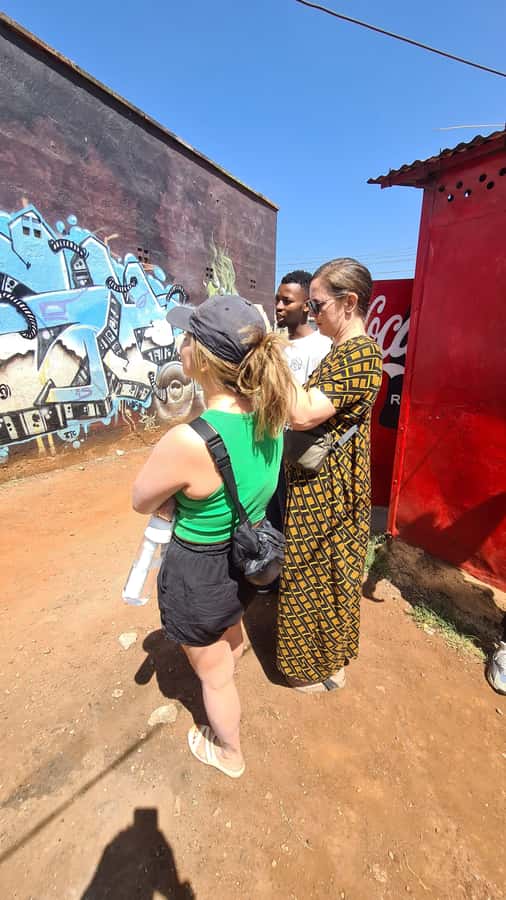
- Local artists lead the walk: Guides including Saviour and Anthony explain the art and their own experiences of growing up in Kibera.
- Murals carry a message: The paintings address education, health, sports, creativity, and social or political issues.
- You visit working art spaces: Expect artist homes, studios, collectives, galleries, and a final stop at HOF Gallery Kibera.
- Street food is part of the plan: Samples are available on request, giving you a small taste of daily life along the route.
- Art can be bought directly: You may purchase paintings, recycled-metal objects, and other work from local artists.
- Plan for a real walking tour: Wear closed-toe shoes and comfortable footwear. The experience is not suitable for wheelchair users or people with mobility impairments.
Seeing Kibera through its artists

Kibera is often reduced to a headline or a stereotype. This tour gives you another way to understand it, through the people who live there and make art there.
That distinction matters. You are not simply being shown poverty from the outside. You are walking with young artists who describe their own community, creative work, and efforts to build better opportunities for local people. The art becomes your guide to the place.
I find this approach far more useful than a quick pass through a neighborhood with little explanation. A mural can show you how residents think about schooling, health care, sport, public life, or the future. The guide can also explain who made it, what inspired it, and how several artists worked together.
The tour is run by Sun Valley Art Collective, a group of roughly 15 local artists who all grew up in Kibera. Their work is tied to community action as well as personal expression. You hear about the collective’s attempts to give young people a constructive outlet and a hopeful reason to keep developing their skills.
That does not make the walk a feel-good performance. Kibera remains a working community where people are going about their daily business. You should not treat it like an open-air stage. Ask before taking photographs, follow the guides’ advice, and keep your conduct quiet and respectful.
More community walks in Kibera:
- Nairobi: Explore Kibera Slum with Local Guides
★ 4.9 · 365 reviews - Kevins Kibera Slum Tours
★ 5.0 · 213 reviews - Nairobi: Kibera Slum storytelling tour with a Local
★ 5.0 · 185 reviews
Meeting at Gateway Supermarket
The meeting point is outside Gateway Supermarket on Kibera Station Road, near Jamhuri Estate. The location is described as safe, and the practical advice is simple: take an Uber or taxi because there is no parking at the meeting point.
The tour finishes near Olympic Stage, making it fairly easy to continue by Uber, taxi, or matatu. That is useful if you are fitting the walk between other Nairobi plans. Allow a little breathing room around the advertised two to three hours, since conversations, food stops, and visits to artists can affect the pace.
The group setup is a real advantage. There is one guide for every two guests, which should give you more room to ask questions and make the walk less anonymous. It also suits the subject. You are likely to get more from a small conversation with an artist than from a guide delivering a memorized speech to a large crowd.
Guiding is offered in English and Swahili. The artists’ personal connection to Kibera is central to the experience, so listen closely when they explain what a mural means and how it relates to local life.
Walking the murals and meeting artists

The main portion of the tour takes about two hours. You walk through Kibera, stopping at murals and other pieces of urban art placed around the settlement.
The strongest part is the explanation behind each work. A painting may be collaborative, educational, or connected to a social issue. The guides can discuss the artists’ motives, their sources of inspiration, and the social and political ideas in the work. You are not just collecting photographs. You are learning how art functions in a community where public space and local organizing matter.
Some stops involve artist collectives, houses, and studios. These visits make the art feel less distant. You can meet people who are still developing their work, ask about their materials and methods, and hear how a personal love of art became part of a wider effort to improve life in Kibera.
One artist introduced along the route works as a welder and makes animals from recycled metal. Another stop includes an exhibition by a different artist. These details give the tour variety. You are not seeing only painted walls. You may encounter paintings, metal objects, blown glass made from recycled glass, and other forms of handmade work.
The route also shows the collaborative nature of local art. Many murals are group projects rather than the work of one famous name. That is worth noting if you care about how art is made. The focus is less on a single star artist and more on shared effort, public messages, and creative networks.
The walking itself may be the least comfortable part for some people. The route passes through a dense urban settlement, and the tour is not designed for wheelchair users or people with mobility impairments. Bring comfortable closed-toe shoes, a hat, and water. A camera is useful, but it should never come before the privacy of residents.
What the murals can teach you

The art gives you a way to discuss subjects that can be difficult to understand from a short visit. The local artists explain how the community organizes education, health care, sports groups, and creativity programs. These are not abstract topics. They show how residents build support systems and create opportunities within their own neighborhood.
I especially value the chance to hear artists speak about their personal situations. You learn about the practical side of being a young artist, the pull of creative work, and the effort needed to use art for community benefit.
The guides also serve as ambassadors for Kibera, but you should expect a view that is personal rather than neutral. They are proud of their home and committed to its future. That perspective is one of the tour’s main strengths, though it means you are hearing a community-based interpretation, not a full academic survey of every issue affecting Nairobi’s informal settlements.
The best way to approach the walk is with curiosity and humility. Ask clear questions. Avoid treating the neighborhood as an unusual backdrop. The experience works when you pay attention to the people and ideas, not just the colorful walls.
A different kind of day from the same base:
- Nairobi National Park Half-Day Tour; Free Wi-Fi connection
★ 5.0 · 878 reviews - Nairobi: National Park & Optional Elephants & Giraffe Center
★ 4.8 · 874 reviews - NAI NAMI: Nairobi Storytelling Tour with Street Children
★ 5.0 · 792 reviews - Nairobi National Park Half-Day Game Drive
★ 4.5 · 738 reviews
Street food and daily life
Street-food samples are included on request. This is a modest part of the tour, but it can add a useful sensory link to the place. You stop at some of the guides’ preferred vendors and try local snacks while continuing through the neighborhood.
Because the food is available on request, tell the provider in advance if you want to include it. The supplied information does not specify the exact dishes, ingredients, or dietary options, so you should not expect a fixed tasting menu.
Bring water and, if needed, your own snacks. A hat is also sensible for a walking route with outdoor stops. The food break is not the main reason to book this experience, but it helps keep the pace human. You are not moving from one formal attraction to another. You are walking, talking, looking at art, and pausing as local life continues around you.
Remember the clear rule: do not litter. It is a small point, but an important one on a community-based walk.
Studios, galleries, and the final art stop
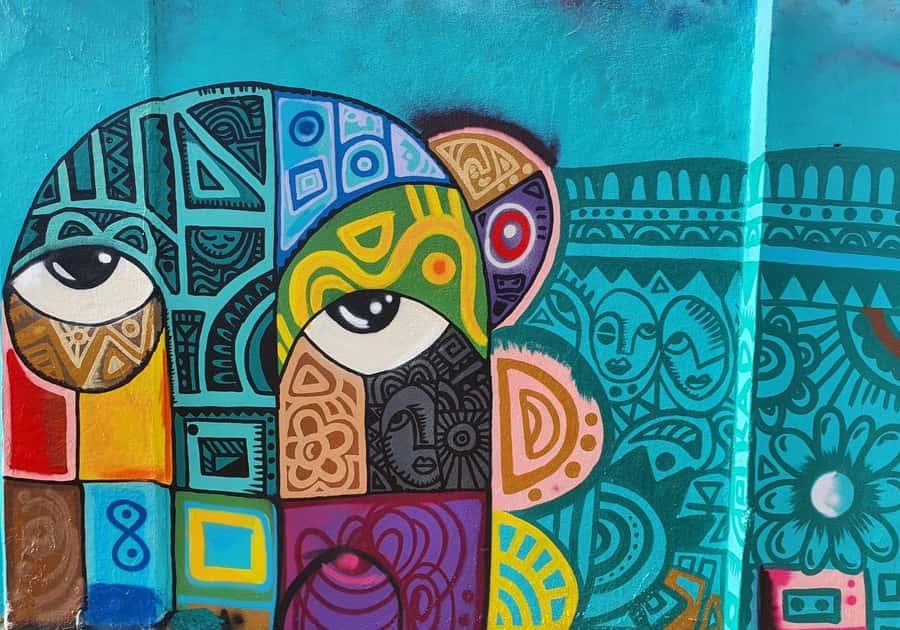
The studio visit is where the tour’s message comes together. At the collective’s premises, you can hear more about the artists’ long relationship with art and see paintings and objects made from recycled metal.
You may also visit a gallery displaying work from several artists. This can include paintings and blown-glass pieces made from recycled glass. The gallery gives you a quieter place to look carefully and ask about prices or materials.
The route finishes at HOF Gallery Kibera. Since artwork is not included in the tour price, this is your chance to decide if you want to take something home. Buying directly from the artist is more personal than picking up a generic souvenir, and it gives direct support to the people whose work you have just discussed.
Do not feel pressured to buy. The value of the tour should come from the walk and the conversation, not from making a purchase. If you do want art, ask who made the piece, what materials were used, and how the money is handled. The information provided confirms that artworks are available directly from local artists, but it does not give fixed prices or payment details.
A small painting or recycled-metal object may be easier to carry than a large canvas. If you have limited luggage space, decide beforehand what sort of piece would be practical.
Is $45 a fair price?

At $45 per person, the price is reasonable if you want a small-group, artist-led experience rather than a standard sightseeing drive.
You are paying for around 150 minutes, a guide ratio of one guide to two guests, access to several art spaces, local interpretation, and street-food samples on request. More important, the money helps support Sun Valley Art Collective’s creative and community efforts. The direct link between the tour and local artists gives the fee more purpose than a general city walk.
The value depends on what you want. If your priority is famous landmarks, transport, or a highly structured tourist attraction, this may not be the best use of your budget. If you want time with local artists and a closer look at how art connects with community life, the price makes sense.
Art purchases cost extra. Budget separately if you hope to take home a painting or handmade object.
The tour also offers free cancellation up to 24 hours before departure and a reserve-now, pay-later option. Those terms are useful if your Nairobi schedule is still taking shape, but check the available starting times before you commit.
Who will get the most from this walk?

I would choose this for you if you care about local voices, public art, and social context. It suits people who prefer conversations and neighborhood walks to a fast list of sights.
It is also a good match for anyone interested in supporting working artists. You can meet several makers, see different forms of art, and buy directly if something catches your eye.
The experience requires an open attitude. Kibera is not presented as a sanitized attraction, and the walk passes close to ordinary homes, businesses, and community activity. You need to accept some visual and physical roughness, stay aware of your surroundings, and follow local guidance about photos.
It is not suitable for wheelchair users or people with mobility impairments. Comfortable shoes are essential, and closed toes are specifically advised. Families should also consider whether every member is comfortable with a two-hour walk through a dense settlement, since the route is not designed as a children’s attraction.
The tour may also suit art students, photographers, and anyone who wants to understand collaborative mural work. Photographers must be especially careful. Ask before photographing people, and remember that the art is part of a lived community rather than a backdrop arranged for visitors.
Practical details for a smoother visit
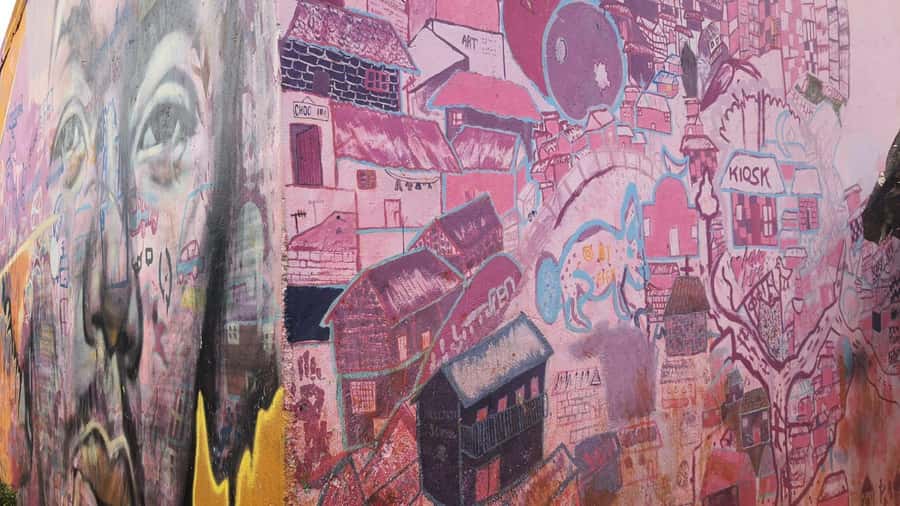
Meet outside Gateway Supermarket on Kibera Station Road. Since parking is not available, arrange an Uber or taxi and allow time to find the meeting point.
Wear closed-toe walking shoes. Add a hat, carry water, and bring a camera only if you are prepared to use it with care. Street-food samples are available on request, while your own snacks are sensible if you need food at a particular time.
English and Swahili are available. The guides can accommodate special requests, so contact Sun Valley Art Collective before the tour if you have a specific need. Still, mobility limits are clear: this is not suitable for wheelchair users or people with mobility impairments.
At the end, you can leave near Olympic Stage by Uber, taxi, or matatu. That makes the tour easier to combine with another Nairobi activity, though you should avoid booking something immediately afterward if you want time for conversation or art shopping.
Should you book the Kibera Street Art Tour?
Book it if you want to meet local artists, understand Kibera through their own stories, and see murals that carry clear social meaning. The small guide-to-guest ratio, studio visits, food option, and direct art sales make this more personal than a basic street-art walk.
Skip it if you need step-free access, dislike walking through dense residential areas, or want a conventional gallery tour with fixed exhibits and polished facilities.
For the right reader, the best part is not simply seeing art on walls. It is learning why the artists made it, how creative groups support their community, and what it means to make art in the place you are walking through. Bring respect, comfortable shoes, and enough time to listen.
FAQ
Where does the Kibera Street Art Tour meet?
The meeting point is outside Gateway Supermarket on Kibera Station Road, near Jamhuri Estate.
How long does the tour last?
The advertised duration is 150 minutes. The experience is also described as lasting about two to three hours.
Where does the tour finish?
The walk finishes at HOF Gallery Kibera, near Olympic Stage. From there, you can call an Uber or taxi or take a matatu.
Which languages are available?
The live tour guide is available in English and Swahili.
Are street-food samples included?
Street-food samples are available on request. The tour information does not specify the exact foods served.
Can I buy artwork during the tour?
Yes. Artwork is available to buy directly from local artists. Paintings, recycled-metal objects, and other works may be displayed at studios or galleries along the route.
Is parking available at the meeting point?
No. There is no parking at the meeting point, so an Uber or taxi is recommended.
Is the tour suitable for wheelchair users?
No. The tour is not suitable for wheelchair users or people with mobility impairments.
What should I bring?
Bring comfortable closed-toe shoes, a hat, water, snacks, and a camera. Ask before taking photographs, and do not litter.
Recently added around Nairobi
- Nairobi; City Walk Tour★ 4.5 · 3 reviews
- Private 3-Day Masai Mara Safari Adventure★ 5.0 · 3 reviews
- Kenya safari★ 5.0 · 3 reviews
- 2 Days Amboseli National Park Safari★ 3.5 · 3 reviews
- 11-Days Best of Kenya & Tanzania Big 5 Safari on a 4×4 Jeep★ 5.0 · 3 reviews
- Full Day, Small Group Guided Tour to Amboseli National Park★ 4.5 · 3 reviews
- 10-Days Explore Kenya Wildlife Private Safari★ 5.0 · 3 reviews
- Nairobi: Giraffe Center, Beads Factory & Bomas of Kenya Tour★ 4.5 · 3 reviews
Nairobi Tours, compared.

Nairobi National Park Half-Day Tour; Free Wi-Fi connection
Read our review →
National Park & Optional Elephants & Giraffe Center
Read our review →
NAI NAMI: Nairobi Storytelling Tour with Street Children
Read our review →




Elephant Orphanage and Giraffe Center Tour with Options
Read our review →Browse the lists this tour appears in