

Reviewed · NAIROBI TOURS
Nairobi city walking and historical tour
Nairobi’s story makes the most sense on foot, where old colonial-era buildings, political memorials, working markets, and modern towers share the same few city blocks. This private walk takes you through the CBD with a local English- or Swahili-speaking guide, then finishes with a high view from the Kenyatta International Convention Centre, or KICC.
I like the small private format, which gives you room to ask questions and pause at places that catch your eye. I also like the practical market stop, where your guide can help with conversations while you look for paintings, gifts, or souvenirs. Guides named Michael and Mickael have led this experience.
The main thing to note is that this is a walking tour, not a vehicle tour, and KICC entry costs an extra $5. There is no hotel pickup or drop-off, so you must reach the selected meeting point yourself.
Key points to know before you book

- A compact introduction to Nairobi: See major central landmarks in two to three hours without committing to a full-day outing.
- City Market adds everyday Nairobi: Browse gifts, paintings, and souvenirs while seeing a working part of the city.
- The history is told on the street: Stops include war memorials, Dedan Kimathi’s statue, Kipande House, Macmillan Library, and the Kenya National Archives.
- KICC supplies the big finish: Pay $5 for entry and look across Nairobi from the top of the famous convention centre.
- A private guide keeps the pace flexible: English and Swahili are available, and you can ask for help when dealing with market sellers.
- Plan for a self-arranged start: The guide does not collect you from your hotel or return you afterward.
Why this walk is a useful first look at Nairobi

A city walk can give you something a car tour often misses: a sense of how Nairobi’s public spaces fit together. Here, the route moves between gardens, commercial streets, historic buildings, memorials, and a market. That mix helps you see Nairobi as a working capital rather than a string of isolated sights.
The tour lasts about two to three hours, so it is easy to place on your first day in the city or between other plans. I would especially consider it if you have a short stay and want an introduction before visiting places farther outside the centre.
The guides focus on facts about Nairobi, Kenyan history, local culture, and some useful Swahili words. The experience is not presented as a formal museum lecture. It is a street-level walk, with explanations given as you reach each stop.
You should keep your expectations in proportion. This is not a large attraction-packed excursion, and the walking route is fairly light rather than physically demanding. Its value comes from having someone explain what you are seeing and help you read the city around you.
More City Tours in Nairobi
- Nairobi Historical Walking City Tour
★ 5.0 · 258 reviews - Nairobi City Walking Tour with Traditional Kenyan Lunch
★ 5.0 · 106 reviews - Nairobi: Private 4-Hour City Tour
★ 4.5 · 68 reviews
Meeting your guide and setting off in the CBD
Your exact meeting point depends on the option you select. Since there is no hotel pickup or drop-off, check the confirmation carefully and leave enough time to reach the start.
After a quick introduction, you begin on foot through central Nairobi. The private-group setup matters here. You are not tied to the questions or walking speed of a large crowd, and you can ask your guide to explain a monument, building, or local custom as you go.
Michael is the guide most clearly associated with the strongest comments about the experience. He is described as hospitable and pleasant, with a talent for adding historical facts at each turn. Another guide name appears as Mickael, so your assigned guide may differ depending on the date and selected option.
The route also gives you a chance to learn a few Swahili words. That is a small feature, but a useful one. Even a brief language lesson can make the city feel less like a backdrop and more like a place where you can take part.
City Market: Nairobi’s practical shopping stop

City Market is one of the most useful parts of the walk because it connects sightseeing with something you may actually want to do. You can browse gifts, paintings, and souvenirs to take home, rather than simply looking at buildings from the pavement.
The market can feel busy and intense, especially if you are not used to negotiating or being approached by sellers. That is where a local guide helps. Michael has assisted a solo visitor with conversations while she searched for a painting and souvenirs, a service that can make the stop more relaxed and productive.
I would treat this as a chance to look rather than a promise that you will find a specific item. The available stock, prices, and seller approach can vary. If you see something you want, ask your guide for help communicating, but make your own decision about the price and purchase.
The market also gives the tour an everyday quality. You are not only hearing about Nairobi’s past. You are seeing people buy and sell goods in the centre of the capital. Allow a little patience here, since shopping can stretch the schedule if you become interested in local crafts.
Macmillan Library and the city’s older buildings
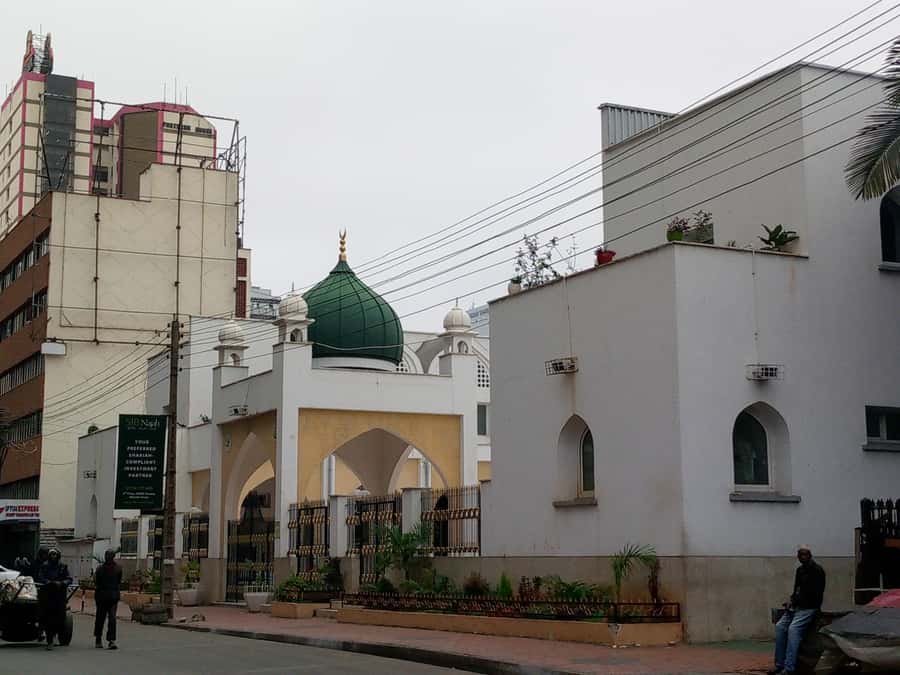
Macmillan Library is one of the historical stops on the route. The visit helps show how Nairobi’s central district developed around institutions as well as commerce.
The supplied details do not specify an extended interior visit, so you should think of this as a guided look at the building and its place in the city route. Your guide can provide the context that an unaccompanied walk would lack.
Kipande House adds another architectural and historical reference point. Together, these stops give the walk more depth than a simple list of famous photo locations. You see buildings connected with the city’s earlier public life while moving through a modern business district.
The appeal is strongest if you enjoy understanding a city through its streets. If you want long indoor visits with displays and exhibits, this tour may feel brief. The focus is on seeing several locations and hearing their stories within a limited time.
More Walking Tours in Nairobi
- Nairobi: Historic and Modern Highlights Walking Tour
★ 4.8 · 703 reviews - Nairobi Downtown Walking Tour
★ 4.7 · 208 reviews - Nairobi Walking Tour: Downtown & City Tour
★ 4.8 · 32 reviews - Day tour to Hells Gate, Lake Naivasha and Crescent Island Walk
★ 5.0 · 26 reviews
War memorials and Dedan Kimathi’s statue

The route includes soldiers of war and war monuments, along with the Dedan Kimathi statue. These places introduce the political and military history that shaped Kenya.
Dedan Kimathi is an important figure in Kenya’s independence struggle, and his statue gives the guide a clear point from which to explain that period. The exact amount of detail depends on your guide and the pace of the group, but this is one of the stops where questions can improve the experience.
The memorials also remind you that Nairobi’s central streets carry more than commercial importance. Government, independence, conflict, and public memory all appear within the same small area.
I would listen for the connections between the monuments rather than treating each one as an isolated photo stop. The walk is most rewarding when you ask how a figure, memorial, or building fits into Kenya’s larger story.
Kenya National Archives and a focused history lesson

The Kenya National Archives is included as a guided stop, with about 30 minutes assigned to it. That makes it one of the more substantial history-focused parts of the outing.
Archives can be valuable because they preserve the records and images that help explain a country’s past. The information provided for this tour does not promise a particular exhibition or guarantee a full indoor visit, so confirm with your guide what will be open and included on your date.
Even a short visit or explanation can add useful context to the street scenes you have already seen. After hearing about public figures, memorials, and older buildings, the archives help tie those pieces together.
Do not book this expecting hours of museum time. The whole tour is limited to two or three hours, and several other stops remain on the route. Consider the archives a concise historical part of a broader city walk.
KICC: the $5 view that completes the route

The Kenyatta International Convention Centre is the grand finale. KICC is one of Nairobi’s best-known modern landmarks, and the upper viewing area gives you a panoramic view of the city.
The entry fee is not included and costs $5. That extra charge is easy to overlook when comparing prices, so add it to your budget. In return, you get a strong visual ending after walking through the centre.
From above, the route makes more sense. You can look across the skyline and see how the older CBD sits beside newer towers and busy streets. The view is also a good reason to bring a camera, though the experience is about orientation as much as photography.
The scheduled stop lasts about 30 minutes. That is enough time to look around and take in the city without turning the tour into a long observation visit.
KICC is not just a viewpoint. It is also a symbol of modern Nairobi and Kenya’s place as a regional centre for business and public events. After the market and memorials, the building gives the tour a change of scale.
Walking pace, safety, and comfort

The route is described as a walking tour of the central business district and is not presented as strenuous. Still, you will be on your feet for much of the experience, so comfortable shoes are sensible.
The private format is useful if you are travelling alone or want a more controlled pace. A solo woman specifically reported feeling safe with the guide during the walk, and the guide’s presence was valuable in the market. That does not remove the need for normal city awareness, but it is a practical benefit.
You should also expect the sensory pressure of a city centre. Streets and market areas may feel crowded or distracting at times. Keep your belongings secure and stay with the guide, especially while moving between stops.
Alcohol and drugs are not allowed on the activity. English and Swahili are the stated tour languages, so ask in advance if language is important to your booking.
What the $17 price really gives you

At $17 per person, this is an inexpensive way to get a private introduction to central Nairobi. The price includes the local guide, the walking route, and the City Market visit.
The best value comes from the explanation and local assistance, not from admission tickets. You are paying for a person who can point out places you might miss, explain the city’s past, introduce some Swahili, and help with market conversations.
KICC entry adds another $5, making the practical total $22 per person if you want the viewpoint. That remains reasonable for a two to three hour private outing, particularly if you are travelling alone or in a small party.
The price will feel less attractive if you want hotel transport, a long museum visit, or a full-day schedule. Those are not included. You must arrange your own way to the meeting point, and you will finish at one of three listed drop-off points: Jeevanjee Gardens, PON DIS HUB TV, or Mungai Kihanya Training.
The walk can also end conveniently for further time in the city, depending on which drop-off point applies. Since no return transfer is offered, plan your next movement before you start.
Who should book this Nairobi walking tour
I would recommend it to first-time visitors who want a short orientation to Nairobi’s CBD. It is also a good fit for anyone interested in public monuments, city history, local shopping, and skyline views in one compact outing.
Solo visitors may find the private guide especially useful. You have someone to ask for directions, historical context, and help with sellers, without joining a large group.
It suits people who prefer an active introduction to a city rather than a lecture or a long vehicle ride. The route has enough variety to hold your attention: market stalls, libraries, memorials, statues, archives, and KICC.
I would think twice if you dislike shopping areas, want a slow museum experience, or need door-to-door transport. The tour does not include hotel pickup, and City Market may feel more demanding than the quieter historical stops.
You should also allow for some variation. A walking guide cannot control how long you spend browsing, how busy the streets are, or what is open at a particular stop. The two to three hour estimate is useful, but keep your schedule flexible afterward.
Booking details that matter
You can cancel up to 24 hours before the activity for a full refund. The reserve-now, pay-later option lets you hold a place without paying immediately, which is useful when your Nairobi plans are still shifting.
Check the starting time and meeting point when you book. The activity has several possible starting arrangements, and there is no hotel transfer included.
The tour is offered as a private group experience with a live guide in English or Swahili. Ask at the start if you want more attention on a particular subject, such as independence history, architecture, market shopping, or language.
Should you book it?
Book this tour if you want a friendly, affordable way to get your bearings in Nairobi while seeing both historic landmarks and present-day city life. The strongest reasons are the private guide, the useful City Market stop, and the KICC view at the end.
The main compromises are simple: you pay $5 extra for KICC, arrange your own transport to the start, and spend most of the experience walking outdoors. For a short stay, a solo visit, or a first morning in Nairobi, those trade-offs are sensible. For a deep museum visit or a transport-based city tour, choose something more specialized.
FAQ
How long does the Nairobi walking tour last?
The tour lasts approximately two to three hours. The schedule includes a city walk, a guided stop at the Kenya National Archives, time at KICC, and a visit to City Market.
Is KICC admission included in the price?
No. Entry to the Kenyatta International Convention Centre costs an additional $5.
Is hotel pickup or drop-off included?
No. The local guide does not provide hotel pickup or drop-off. The starting point depends on the option selected, and the listed end points include Jeevanjee Gardens, PON DIS HUB TV, and Mungai Kihanya Training.
What languages are available?
The live guide can conduct the tour in English or Swahili.
Is this a private group tour?
Yes. The experience is offered for a private group.
Can I cancel and receive a refund?
Yes. You can cancel up to 24 hours in advance for a full refund. You can also reserve now and pay later.
More history days around Nairobi
- Full Day Nairobi Cultural and Historical Tour
★ 5.0 · 153 reviews - Nairobi Cultural and Historical City Tour with a Local
★ 5.0 · 67 reviews - Nairobi souvenir Shopping and Historical Half day Tour
★ 5.0 · 61 reviews - Nairobi History and Modern Culture 3 Hours Tour
★ 4.5 · 31 reviews
Recently added around Nairobi
- Nairobi; City Walk Tour★ 4.5 · 3 reviews
- Private 3-Day Masai Mara Safari Adventure★ 5.0 · 3 reviews
- Kenya safari★ 5.0 · 3 reviews
- 2 Days Amboseli National Park Safari★ 3.5 · 3 reviews
- 11-Days Best of Kenya & Tanzania Big 5 Safari on a 4×4 Jeep★ 5.0 · 3 reviews
- Full Day, Small Group Guided Tour to Amboseli National Park★ 4.5 · 3 reviews
- 10-Days Explore Kenya Wildlife Private Safari★ 5.0 · 3 reviews
- Nairobi: Giraffe Center, Beads Factory & Bomas of Kenya Tour★ 4.5 · 3 reviews
Nairobi Tours, compared.

Nairobi National Park Half-Day Tour; Free Wi-Fi connection
Read our review →
National Park & Optional Elephants & Giraffe Center
Read our review →
NAI NAMI: Nairobi Storytelling Tour with Street Children
Read our review →




Elephant Orphanage and Giraffe Center Tour with Options
Read our review →Browse the lists this tour appears in