
Reviewed · MOMBASA TOURS
Mombasa Old Town Walking Tour
Mombasa Old Town is best understood on foot, one narrow lane at a time. This four-hour walk takes you from the famous Mombasa Tusks through old streets, Government Square, the Old Port, Fish Market, and Spice Market. Guide Raphael leads the route with stories about Mombasa and Kenya, not just a string of photo stops.
I like two things right away: the 8am start, which puts you out before the day gets too hot, and the practical route that finishes at Mombasa Market. I also like that the tour includes one liter of drinking water and leaves you free to buy only what interests you. The main consideration is the walking itself. Narrow lanes, market areas, and several hours on foot may be hard for anyone with limited mobility, despite the activity being described as wheelchair accessible.
Key points at a glance
- Start at the Mombasa Tusks: Meet Raphael at Pembe Za Ndovu, one of the city’s most recognizable landmarks.
- Walk through Old Town: The route favors streets, buildings, markets, and local activity over a bus ride past the sights.
- See the Old Port and Fish Market: These stops add working-city character to the historical walk.
- Finish at the Spice Market: Fragrant goods and colorful displays give you a chance to shop, with purchases paid separately.
- Plan for a warm morning: Wear light clothing, comfortable shoes, sun protection, and carry water.
- Good value at $30: The fee covers four hours of guiding and commentary, but not Fort Jesus, lunch, or shopping.
Starting beneath the Mombasa Tusks at 8am
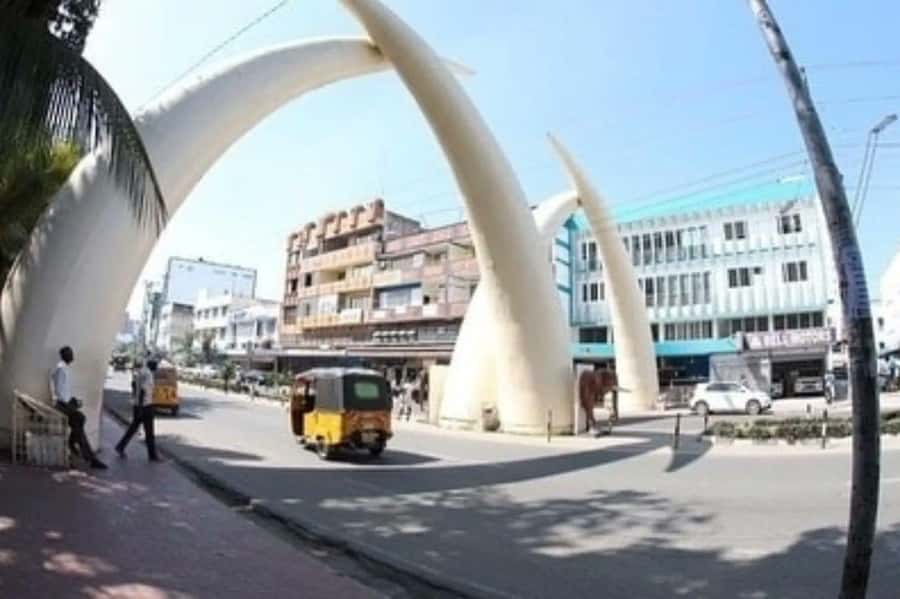
The tour begins at Pembe Za Ndovu, usually called the Mombasa Tusks. These large metal arches are one of the easiest meeting points in the city, and they give the morning a clear visual start. Raphael greets you here before leading you toward Old Town.
An early start makes sense in Mombasa. You will spend much of the morning outside, and lightweight clothing, a hat, sunscreen, sunglasses, and a bottle of water will make the walk far more pleasant. One liter of drinking water is included, but I would still bring extra if you know you drink often in warm weather.
The Tusks are more than a convenient signpost. They introduce Mombasa as a city where public spaces, trade, travel, and history overlap. Your guide can give the wider context, then place the rest of the morning into that setting as you move away from the main road and into Old Town.
More Walking Tours in Mombasa:
- Walking Tour Through Old Town Mombasa and Fort Jesus
★ 5.0 · 393 reviews - Mombasa: Guided Nature Walk Amongst Giraffes
★ 4.8 · 48 reviews - Mombasa walking tour
★ 4.9 · 28 reviews
Old Town is the real heart of the walk
Old Town is where this experience earns its price. A vehicle can take you past a building, but walking lets you slow down at doorways, turn into narrow lanes, and notice how the district is arranged. The streets are described as labyrinthine for good reason, so having Raphael lead the way is useful.
The architectural appeal comes from the age and variety of the buildings. The tour is designed to show you centuries-old structures while explaining how the city developed and how different cultures shaped its identity. You are not simply collecting photographs. You are getting the links between the streets, the port, the markets, and daily life.
I would keep your expectations sensible. This is not a museum visit with every room carefully presented. It is a street-level experience, and what you see can depend on the pace of the group and the activity around you. That is also part of its value. Old Town is not a frozen display. It is a working part of Mombasa.
Raphael is central to the experience. He leads in English and is described as professional, fun, and able to discuss subjects beyond Mombasa itself. If you enjoy asking questions, this is the kind of tour where curiosity should improve the morning. Ask about the buildings, trade, local customs, and the wider Kenyan context as you walk.
Government Square adds a civic layer
Government Square provides a change of mood from the tight lanes. Here, the focus shifts from private buildings and shopfronts to the public face of Mombasa. Raphael provides historical context as the group moves through this part of the route.
I like this stop because it helps prevent Old Town from becoming a collection of pretty walls. Public squares tell you how a city was organized and represented. The guide’s explanation is important here, since the significance may not be obvious from a quick look.
You should also expect the pace to remain moderate rather than rushed. The full activity lasts about four hours, though the exact time can vary with group size and walking speed. That allows room for questions and photographs, but it means this is not a quick orientation tour you can squeeze into a single hour.
The Old Port connects history to movement
The Old Port is one of the route’s most useful stops because it links the buildings of Old Town to Mombasa’s role as a coastal trading center. You get a sense of why the city grew where it did and why the streets behind the waterfront developed such a strong commercial character.
The port stop also broadens the tour beyond architecture. You are looking at a place shaped by arrivals, departures, goods, and contact between communities. Raphael’s commentary gives those physical surroundings meaning.
The supplied details do not promise a boat ride, port admission, or a long waterfront stay. Plan on seeing the Old Port as part of a walking route, not as a separate harbor excursion. That distinction matters if you are comparing this tour with a sightseeing cruise or a day trip along the coast.
A few more Mombasa days to weigh up
- Mombasa: Kisite Park Private Cruise with Breakfast and Lunch
★ 4.7 · 181 reviews - Mombasa City Tour
★ 5.0 · 170 reviews - Mombasa: Tusks, Fort Jesus, Old Town, Beach and City Tour
★ 4.7 · 137 reviews - Half-Day Scenic Bike Tour
★ 5.0 · 75 reviews
Fish Market brings the working city into view
The Fish Market is one of the more grounded parts of the morning. It shows Mombasa as a place where food is bought and sold, not just a historic district built for sightseeing. The sights, sounds, and smells can be stronger here than at the architectural stops, so an open mind helps.
This is also where respectful behavior matters most. Stay close enough to hear Raphael, avoid blocking sellers or shoppers, and ask before photographing people. The tour information specifically calls for respect toward local customs, landmarks, and traditions. That is good advice anywhere, but especially useful in active market spaces.
The Fish Market may not suit everyone. If you prefer polished attractions, this can feel more intense and less predictable. I see that as a fair trade for a more direct look at ordinary commerce, but you should know what kind of morning you are booking.
The Spice Market finishes with color and choice
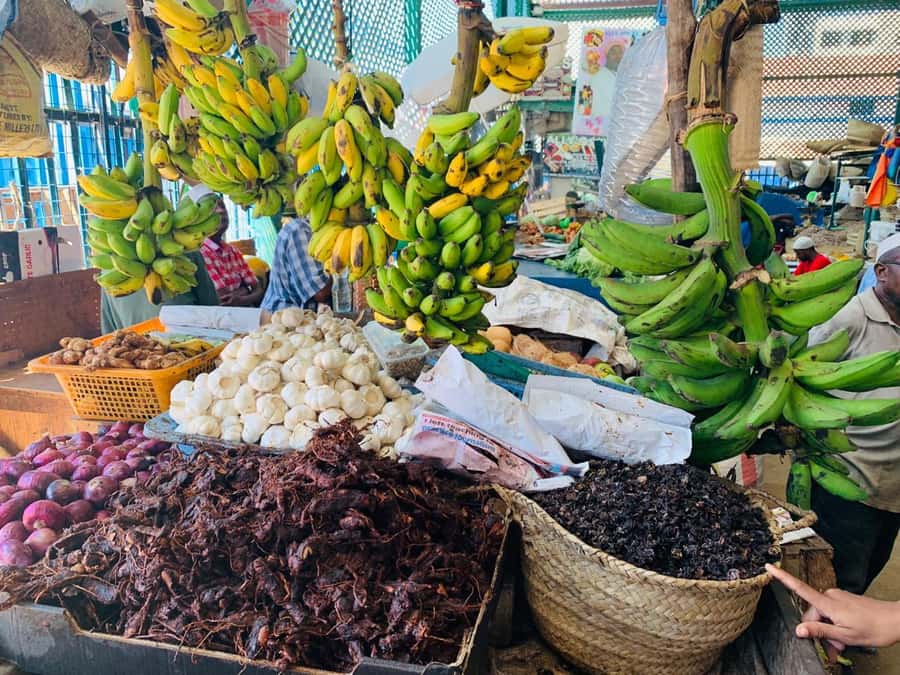
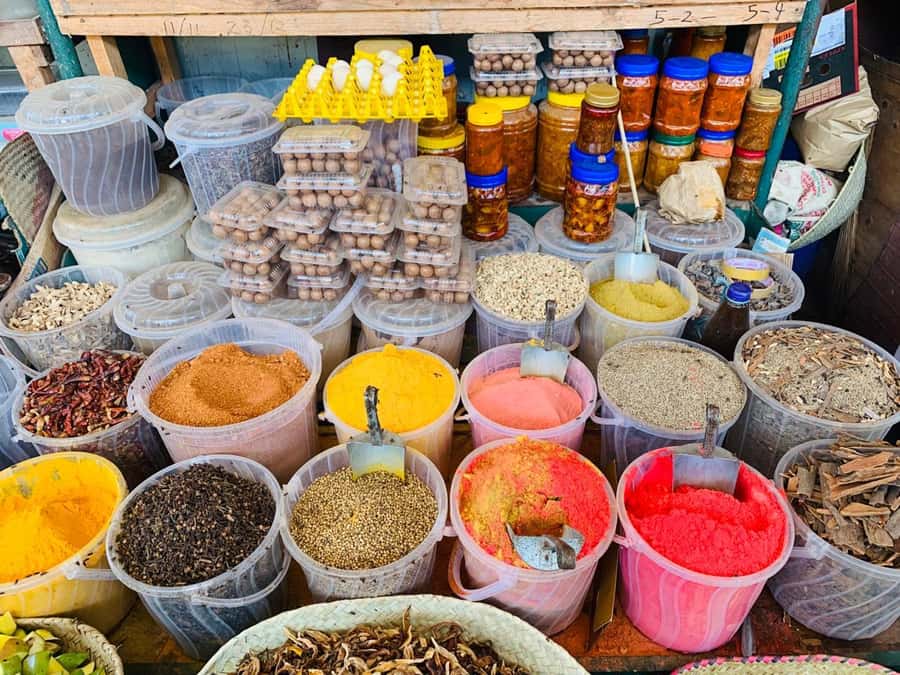
The Spice Market is the final major stop, and it gives the route a lively finish through scent, color, and shopping. You might find spices and other goods that make practical souvenirs, but the cost of anything you buy is not included in the $30 tour price.
Bring Kenyan Shillings if you want to shop. Cash is also useful for optional activities, though no such activity is included in the stated route. I would avoid feeling pressured to purchase. You can pay attention to the displays, ask questions, and choose only what you genuinely want.
Ending at Mombasa Market is convenient if you want to continue exploring or pick up something after the guided portion. It also means the tour does not return you to the starting point. Plan your next movement from the market rather than assuming you will finish at the Tusks.
What the $30 price really covers
At $30 per person, this is a reasonable price for a four-hour private-feeling introduction to Old Town, assuming you want a guide rather than a self-guided stroll. The value comes from the route and the interpretation. Mombasa’s streets may be easy to enter, but understanding what you are seeing is harder without local context.
The fee includes guided visits to the Mombasa Tusks, Government Square, Old Port, Fish Market, and Spice Market. It also includes historical and cultural commentary from Raphael and one liter of drinking water. Those inclusions cover the core of the morning.
You need to budget separately for three things:
- Fort Jesus entry fees
- Spices or other purchases at the market
- Lunch
Fort Jesus is not part of this walking tour’s included stops. If seeing the fort is a priority, check the admission cost and allow extra time. Do not assume the $30 price covers it.
The reserve-now-and-pay-later option can help if your schedule is still changing, and cancellation is free up to 24 hours before the activity for a full refund. Still, you should receive booking confirmation and exact meeting instructions before the date. The stated start is 8am at Pembe Za Ndovu, but it is sensible to check the final confirmation.
Comfort matters more than fancy gear
You do not need special equipment, but you do need shoes that can handle several hours of walking. Comfortable walking shoes are more important than fashionable sandals, especially on narrow streets and through market areas.
Wear lightweight clothing and pack:
- Sunscreen
- A hat
- Sunglasses
- A camera or phone
- Kenyan Shillings
- Extra drinking water if needed
The activity involves moderate physical effort. You should be able to walk comfortably for a few hours and manage the route at a reasonable pace. The tour is listed as wheelchair accessible, yet it is also marked as unsuitable for people with mobility impairments. Those details do not fully match, so anyone using a wheelchair or needing substantial assistance should confirm the exact route and street conditions before booking.
The tour is also listed as unsuitable for people with hearing impairments. Since the main value comes from spoken commentary in English, that limitation is worth taking seriously.
Children under five are not suitable for this activity. For older children, the practical question is less about the sights and more about whether they can manage a four-hour walking route through streets and markets.
A guide-led morning, not a bus tour
This experience suits you if you want to understand Mombasa by walking through it. You will spend the morning close to the city’s streets, shops, markets, and public spaces. That gives you more contact with the setting than a drive-by sightseeing trip.
It is also a strong first look at Mombasa for someone staying in the wider coastal area. One guest from Diani enjoyed the city visit and the ferry crossing along the way to Mombasa. The ferry is not presented as a formal part of the tour itinerary, so do not book this expecting a dedicated ferry experience, but the transfer from Diani may add another local detail to your day if you arrange it separately.
Raphael’s strength appears to be the range of his commentary. He can speak about Mombasa and Kenya more broadly, which is useful if this is your first time in the country or if you want more than a narrow architectural tour. The tour is conducted in English, so basic comfort with spoken English will help.
What may not suit every visitor
The route is active and exposed. You will need to cope with warmth, walking, market conditions, and the changing pace of a group. If you want air conditioning, guaranteed quiet, or a fixed museum-style schedule, choose a different activity.
The tour also does not include lunch. Since it finishes at Mombasa Market, you can decide what to do next, but you should not expect a meal to be waiting within the tour price.
Shopping is optional, not the point of the tour. The Spice Market can be enjoyable even if you buy nothing. Carrying cash gives you the choice to purchase, but you should not feel that shopping is required to get value from the experience.
Finally, four hours can pass quickly in Old Town, especially if Raphael spends time answering questions. The flexible duration is helpful for a relaxed pace, but it also means you should avoid scheduling another fixed activity too tightly afterward.
Who should book this Mombasa walk?
I would book this tour if you want a clear introduction to Mombasa’s old quarter, prefer walking to sitting in a vehicle, and value a guide who can connect individual sights to wider Kenyan history and culture. The route gives you variety: monuments, architecture, civic spaces, port activity, food commerce, and spices.
It is especially suitable for first-time visitors, couples, solo visitors, and small groups who want to get their bearings before exploring on their own. The early start is practical, and the finish at Mombasa Market leaves you in a useful place to continue your day.
I would hesitate if you have serious mobility limits, hearing difficulties, dislike active markets, or want Fort Jesus included. I would also check the accessibility details carefully because the stated wheelchair-accessible label conflicts with the warning about mobility impairments.
Should you book the Mombasa Old Town Walking Tour?
Book it if $30 feels fair for four hours of local guiding, spoken history, and a route through the city’s key old-quarter stops. Raphael’s clear strength is his ability to make the walk about more than buildings, and the mix of Old Port, Fish Market, and Spice Market keeps the experience connected to present-day Mombasa.
Wear sensible shoes, start with water and sun protection, bring Kenyan Shillings only if you plan to shop, and leave room in your schedule after the 8am start. If you want a grounded city introduction rather than a polished attraction circuit, this is a useful and well-priced morning.
FAQ
Where does the Mombasa Old Town Walking Tour start?
The tour starts at Pembe Za Ndovu, also called the Mombasa Tusks.
What time does the tour begin?
The stated start time is 8am.
How long does the walking tour last?
The tour lasts approximately four hours, though the exact duration can vary with group size and walking pace.
Which language is used during the tour?
The live guide conducts the tour in English.
What sights are included?
The route includes the Mombasa Tusks, Government Square, Old Port, Fish Market, Spice Market, and a guided walk through Old Town.
Is Fort Jesus included in the price?
No. Fort Jesus entry fees are not included. Spices, other market purchases, and lunch are also separate.
What should I bring?
Bring comfortable walking shoes, lightweight clothing, sunscreen, a hat, sunglasses, a camera or phone, and Kenyan Shillings for market purchases. One liter of drinking water is included, though you may want more for the warm climate.
Recently added around Mombasa
- 1-Day Tsavo East Safari From Mombasa★ 5.0 · 3 reviews
- 1 day Shimba hills★ 4.5 · 3 reviews
- Mombasa: Wasini Dolphin Tour★ 3.2 · 3 reviews
- Overnight Safari Tour to Saltlick Lodge from Mombasa★ 5.0 · 3 reviews
- Airport Transfers to Watamu and Malindi★ 3.5 · 3 reviews
- 3 Days Private Tour of Mombasa★ 4.5 · 3 reviews
- 3 Days (2 nights); Tsavo East & West Safari:★ 5.0 · 3 reviews
- Mombasa: Historical Guided city tour. Old town, Fort Jesus★ 4.2 · 3 reviews
Mombasa Tours, compared.
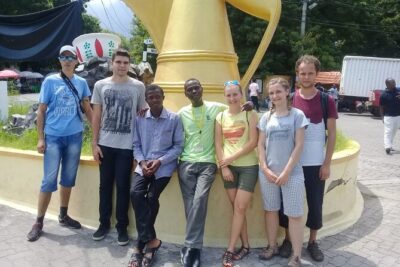
Walking Tour Through Old Town Mombasa and Fort Jesus
Read our review →
Kisite Park Private Cruise with Breakfast and Lunch
Read our review →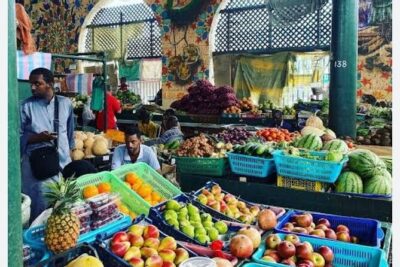
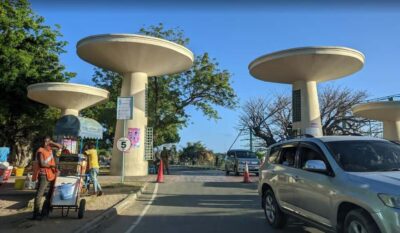
Tusks, Fort Jesus, Old Town, Beach and City Tour
Read our review →

2 Days Tsavo East National Park Tour From Mombasa/Diani (1 Night)
Read our review →

Browse the lists this tour appears in