
Reviewed · MAASAI VILLAGE VISITS
Kenya: Maasai Village Visit with Traditional Dance Show
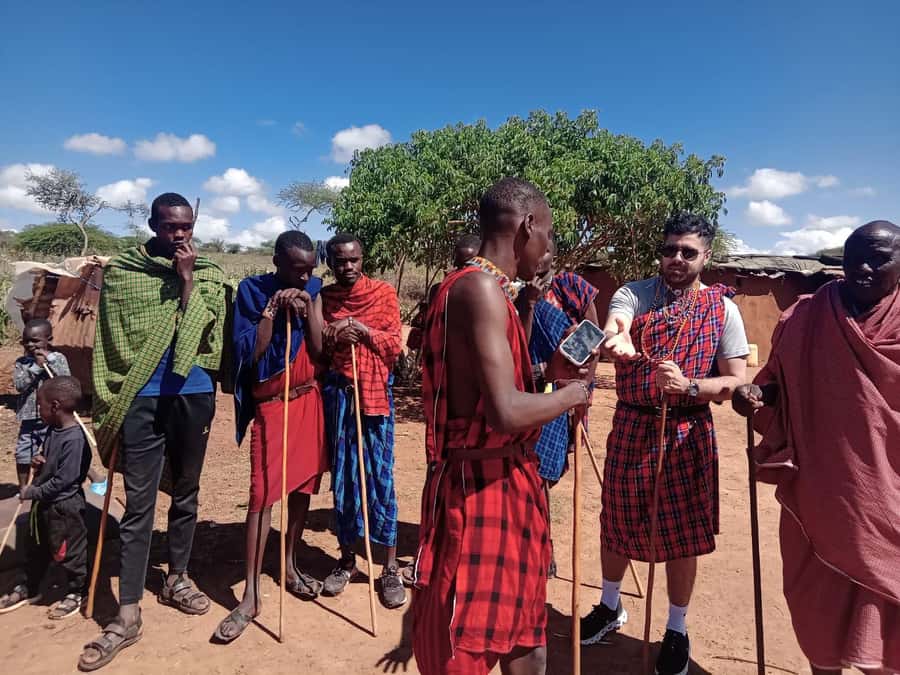
The most memorable part of this outing is the close look at everyday Maasai life. You may step inside a traditional house, watch a dance, learn how fire is made, and try spear throwing under local guidance. This is a small village visit, not a grand staged show with rows of seats and a large cast.
I like the direct contact with Maasai customs and the fact that part of the cost is meant to support village development. I also like the practical hotel pickup from Nairobi, which saves you from arranging a long drive on unfamiliar roads. The main drawback is the extra village entry fee, which appears to be separate from the advertised tour price, so confirm the final total before booking.
Key points
- A small village setting: One visit had about three huts, three men, and five women, giving the experience a modest, personal scale.
- More than a dance show: You may see house interiors, fire-making, spear throwing, jumping, singing, and daily customs.
- Named local and tour guides: Brian has handled questions about Maasai culture and Kenya, while Alfred has welcomed visitors and led village explanations.
- A long Nairobi day: The full outing lasts about seven hours, and the drive can take roughly two hours each way on local roads.
- Community support is part of the cost: A village fee of about $25 to $30 is listed separately in the booking details and helps community development.
- Simple transport and facilities: Return road transfers and drinking water are included, but meals, drinks, and personal purchases are not.
What the seven-hour day really involves
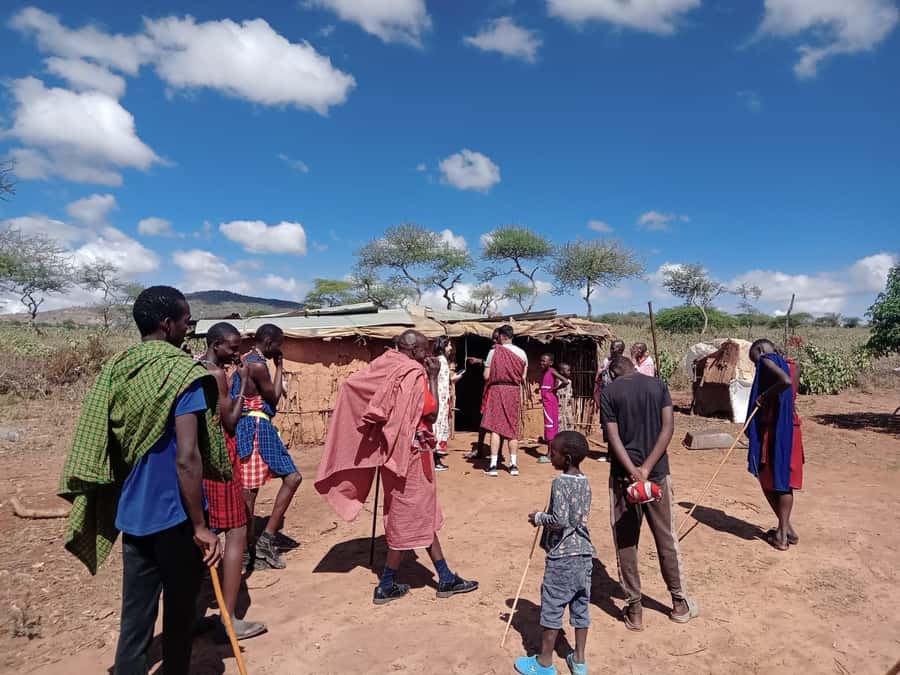
This is best understood as a full-day Nairobi excursion with a village visit at its center. Pickup is available from several Nairobi areas, including Karen, Westlands, Kilimani, Kileleshwa, Loresho, Kitisuru, and central Nairobi locations.
The drive matters. One visitor was collected at 6:00 a.m. and spent around two hours on local roads before reaching the village. That early start gives you a useful warning: this is not a quick two-hour add-on between other Nairobi sights. You are giving up most of a day, but you also get a rural outing away from the city.
The transport may be basic. One vehicle was described as old, dirty, and without effective air conditioning, while another outing was comfortable enough in cooler December weather. I would treat the vehicle standard as a possible variable rather than assume a modern safari van. If air conditioning matters to you, ask about the vehicle before setting off.
The driver speaks English, and hotel pickup and drop-off are included. Give the operator your exact address or a nearby landmark so the meeting point is clear. Pickup within Nairobi is convenient, but traffic and the long road journey mean you should keep the rest of your day fairly open.
More Maasai Village Visits in Kenya:
- Nairobi: Day Tour to Amboseli National Park & Maasai Village
★ 4.5 · 310 reviews - Masai village Day Tour Experience
★ 5.0 · 284 reviews - Maasai Village Experience Day Tour
★ 5.0 · 72 reviews
Arrival at a small Maasai village
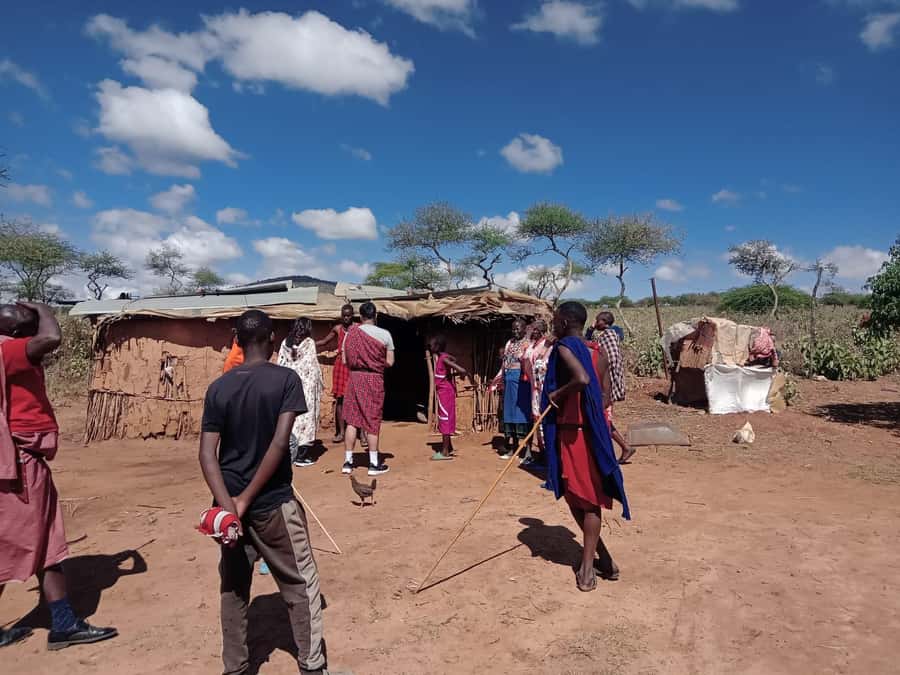
The village itself may be much smaller than you picture from glossy safari brochures. One account described roughly three huts and a small group of men and women. That can be a strength if you want a quiet visit with room to ask questions, but it may disappoint you if you expect a large cultural center, extensive displays, or a big performance troupe.
The visit is built around meeting Maasai community members and learning about their customs. The emphasis is on conversation and demonstration rather than museum-style interpretation. You can expect to hear about daily life, social practices, and Maasai origins through explanations from the people hosting the visit.
The Maasai trace their own oral history to the area north of Lake Turkana in northwestern Kenya and the lower Nile Valley. Their migration south began in the 15th century, with arrival in the broad region of northern Kenya and central Tanzania during the 17th and 18th centuries. That background gives useful context, but the real value comes from connecting those broad movements with the customs explained in the village.
You should approach the visit with respect. This is a living community, not a set built for photographs. Ask before taking close-up pictures, listen when someone is explaining a custom, and remember that buying an item or leaving a tip should be your choice, not something you feel pressured to do.
The dance show is only one part of the visit
The traditional dance is the most visible part of the program, but it is not the whole reason to go. The performance may include jumping, singing, and group participation. You may be invited to join in, so comfortable shoes are a smart choice.
The dance gives you a lively introduction to communal performance, but the short scale of the visit keeps it from feeling like a full evening cultural show. One account described staying for about an hour at the village and still having time to jump, sing, take photographs, learn fire-making, and try spear throwing.
That is useful when deciding what kind of experience you want. If you prefer a compact introduction with several hands-on moments, the small format can work well. If you want a longer program with formal narration, many performers, craft demonstrations, and a large market, you may find this visit too limited.
I would also keep your expectations flexible. The advertised village program is listed as about two hours, but the time spent on site can vary. Community activities do not always run like a theater schedule, and the visit may be shorter or longer depending on the day and the pace of the local hosts.
Inside the traditional houses
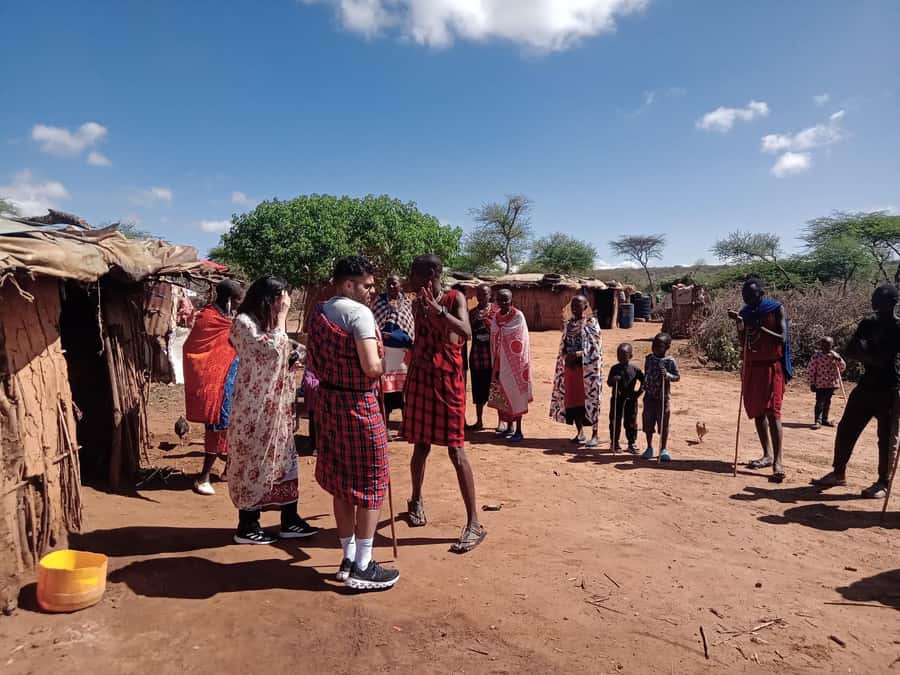
The house tour is one of the most useful parts of the outing because it moves the visit beyond a performance. You can see the inside of a traditional Maasai dwelling and gain a clearer sense of how the home is arranged and used.
The provided information does not specify the number of rooms, construction materials, or household layout, so I would not expect a detailed architectural lecture. Instead, listen to the explanation given on site and ask respectful questions about how the house supports family life.
This is also where a good guide makes a difference. Brian has been praised for answering questions about Maasai culture and Kenya, while Alfred has welcomed visitors as a village leader and explained daily practices. Suffik has handled tour coordination. If these guides are assigned to your outing, they can help connect the demonstrations with the larger story of Maasai life.
Guide quality may not be perfectly consistent. One account described a village guide repeatedly leaving to answer phone calls during the explanation. That does not erase the value of the visit, but it is a reminder to remain patient and ask your questions when the guide is present and focused.
A few more Kenya days to weigh up
- Diani: Giriama Cultural Dance Show and Local Village Tour
★ 4.6 · 32 reviews - Nairobi: The Safari Cats Show Tickets & Buffet Dinner
★ 4.4 · 29 reviews - Safari Cat Dancers Show And Dinner
★ 4.5 · 19 reviews - Fort Jesus Sound and Light show Mombasa
★ 4.0 · 17 reviews
Fire-making, spear throwing, and shared songs
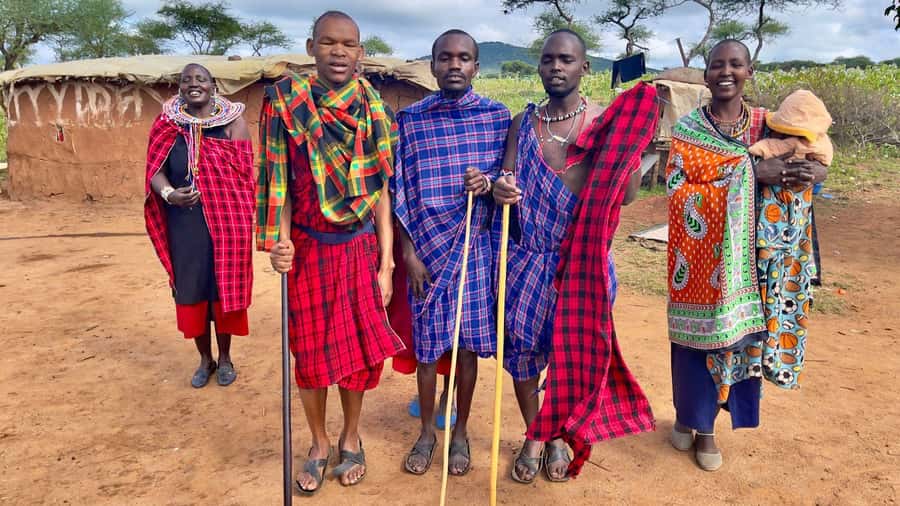
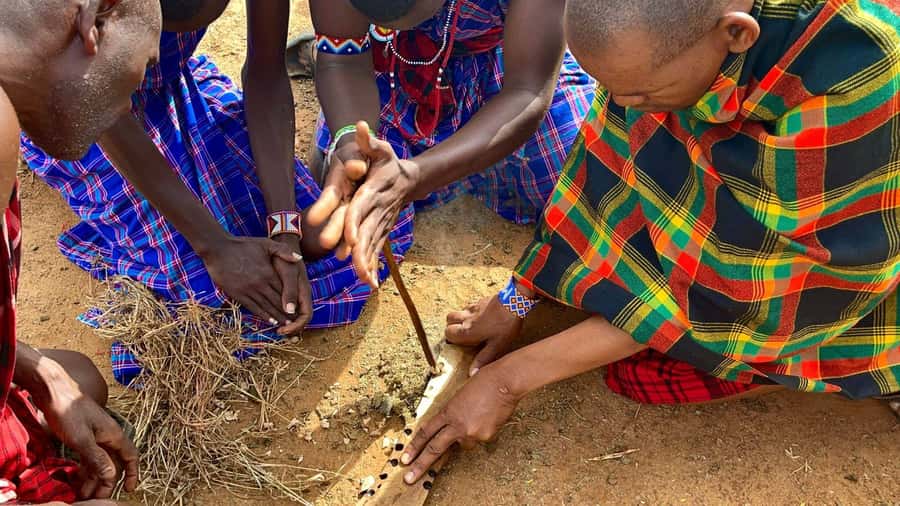
The hands-on activities give this outing its strongest sense of participation. You may watch or learn how fire is made, try throwing a spear, join a song, and take part in jumping. These activities are simple, but they help you remember the visit more clearly than a talk alone.
The demonstrations should be treated as cultural learning, not as a test of your athletic ability. Wear shoes that allow you to walk and stand comfortably, and bring water even though drinking water is supplied. A hat and sunscreen are sensible because much of the village visit may take place outdoors.
The experience also asks you to be a good participant. Follow instructions, avoid touching plants, and do not treat tools or household objects as props without permission. Smoking, alcohol, and drugs are not allowed.
Photography is permitted as part of the visit, but the presence of a camera does not remove the need for courtesy. I would ask before photographing people, especially during personal explanations or inside a home. A camera can record the dance, but it cannot replace paying attention to the people explaining it.
The $50 price and the separate village contribution
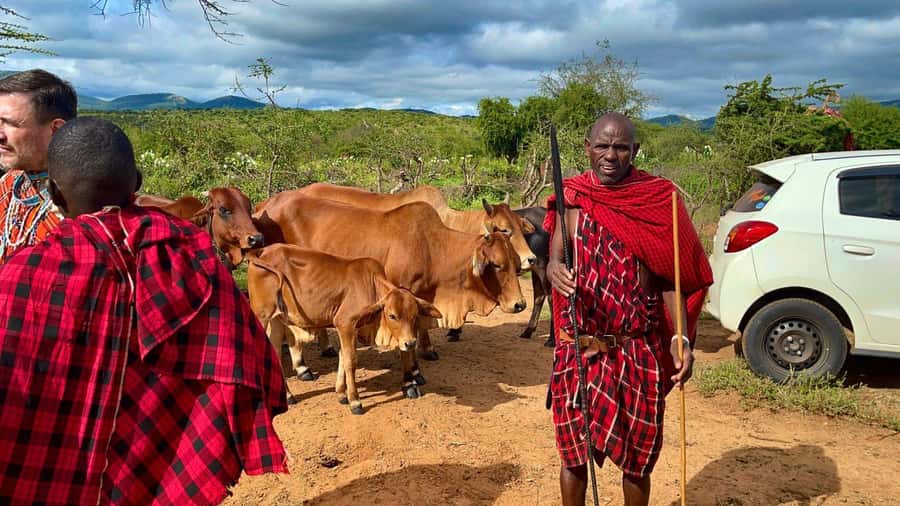
The stated tour price is $50 per person, while the wider price range is listed as about $25 to $60. The confusing point is the village fee. One part of the information says the price includes a contribution, while the included and excluded sections specify an entry fee of $30 that is not included and helps community development.
You should clarify this before you pay. If the $30 fee is added to the $50 tour, your practical total is about $80 per person, before meals, drinks, shopping, or tips. That changes the value calculation considerably.
At $50 for transport, guiding, the dance, house tour, and water, the base cost is reasonable for a seven-hour trip from Nairobi. Return transport alone saves you the effort of finding a driver and negotiating a rural excursion. The value is strongest if you want a cultural stop arranged around your hotel rather than a stand-alone village entrance.
The additional fee can be worthwhile when it is clearly explained and genuinely supports the host community. Still, I prefer to know exactly what I am paying, what the fee covers, and whether tipping is expected. One visitor was asked for a tip after paying the entry fee and was also encouraged to buy items. Set your own budget and remember that the village contribution does not require you to make further purchases.
Meals and drinks are not included. Bring water and plan for food around the schedule, but do not assume a meal stop is part of the program. A driver once stopped for chai on the return journey and paid for it, which was a kind personal gesture, not a listed feature you should count on.
What the road transfer is like
The return drive is both a convenience and the main time cost. Nairobi pickup means you do not need to find the village yourself, and drop-off is available back in areas such as Karen, Westlands, Kilimani, Kitisuru, Kileleshwa, Loresho, and Nairobi County.
Expect local roads and a potentially early departure. The reported two-hour journey each way may not apply to every pickup point or traffic condition, but it shows why the activity lasts seven hours. If you have a flight, train, or tightly timed safari afterward, I would not schedule this too close to departure.
Transport standards deserve a realistic note. The supplied information includes no guarantee of air conditioning, and one vehicle had poor ventilation and heavy roadside exhaust entering through open windows. Another driver was praised for safe drop-off and for making the return more pleasant with a chai stop.
The best approach is to confirm pickup time, vehicle details, and the likely drive before the day begins. If the vehicle or driver feels unsafe, raise the issue promptly rather than simply accepting an uncomfortable ride.
Who should book this experience
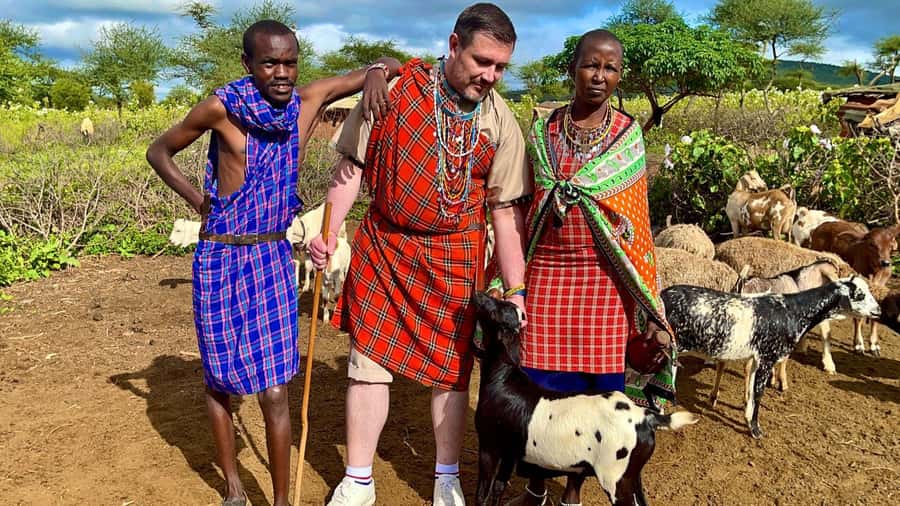
I would recommend this visit to you if you are already in Nairobi, want a cultural experience outside the city, and prefer a short introduction to Maasai life rather than a large commercial production. It suits curious adults, photographers who ask permission, and safari visitors who want a human story alongside wildlife viewing.
It is also a good fit if you value convenience. Hotel pickup, a guide who speaks English, return transport, and a set program remove much of the planning work. The option to reserve now and pay later, along with cancellation up to 24 hours before the activity for a full refund, adds flexibility.
This is not a strong choice for children under five, pregnant people, or anyone with mobility limitations. The information is inconsistent about wheelchair access: one section says wheelchair accessible, while another says wheelchair users and people with mobility impairments are not suitable for the activity. Ask Arara Travel and Tours Safaris to confirm the actual vehicle, paths, and house access before booking.
You should also think about the kind of cultural contact you want. The village may be very small, and the program may last only about an hour on site even though the listed village portion allows two hours. That is fine for a focused encounter, but not for anyone expecting a full-day cultural center.
What to bring for a better visit
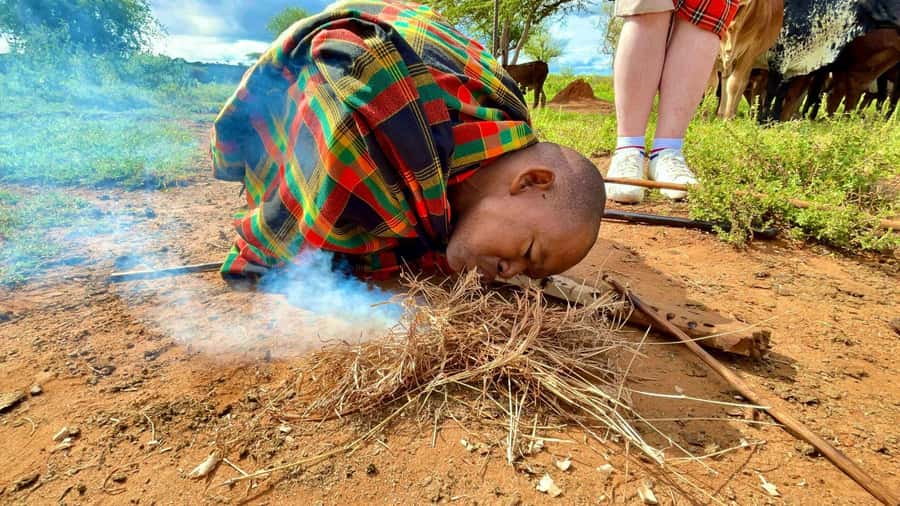
Pack light, but cover the basics. Comfortable shoes help with walking and joining the dance or jumping activities. A sun hat and sunscreen are important, and a camera is useful if you follow local requests about photographs.
Bring water even though drinking water is included. Hand sanitizer or tissues are also recommended, especially since village facilities are not described in detail. Keep some money for the community fee if it is charged separately, food, drinks, personal expenses, and any items you genuinely want to buy.
I would leave expensive jewelry and unnecessary valuables at the hotel. The instructions specifically ask you not to touch plants, and smoking, alcohol, and drugs are prohibited. These rules are simple, but following them helps keep the visit respectful and uncomplicated.
Should you book the Maasai village visit?
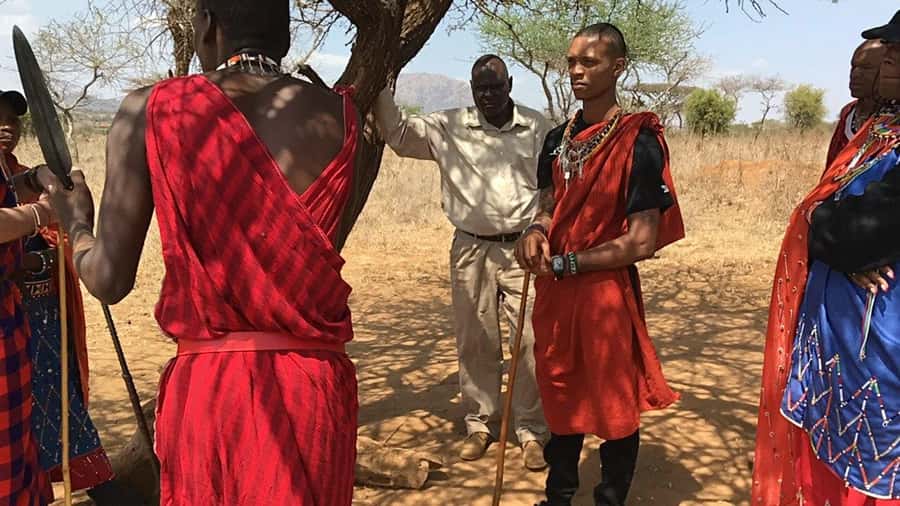
Book it if you want a small-scale cultural visit with a dance, house tour, local explanations, and a few hands-on activities, and you are willing to spend most of a day on the road. The strongest parts are the direct setting, the chance to meet Maasai hosts, and the convenience of Nairobi pickup.
Think twice if you need polished transport, dependable air conditioning, a large performance, or a tightly timed schedule. Confirm the separate village fee, ask about the vehicle, and clarify accessibility before paying.
At a rating of 4.6 from 24 ratings, the experience has earned strong marks overall, especially for guide coordination and the warmth of the Maasai welcome. Brian, Alfred, and Suffik have all been singled out for helpful service in different parts of the day. With realistic expectations and a clear understanding of the extra cost, this can be a worthwhile addition to a Nairobi stay.
FAQ
How long does the Maasai village visit take?
The full activity lasts about seven hours, including return road transfers from Nairobi. The village portion is listed as about two hours, though the time on site can vary.
What is included in the tour?
Return road transfers, traditional Maasai dances, a house tour, and drinking water are included.
Is the village entry fee included?
The information is inconsistent. The tour is priced at about $50, but the excluded items list a $30 entry fee for community development. Confirm the final amount with the provider before booking.
Where can pickup take place?
Pickup is available within Nairobi, including Karen, Westlands, Kilimani, Kileleshwa, Loresho, Kitisuru, and Nairobi County locations. Provide your address or a nearby landmark when booking.
What languages are available?
The driver and activity information are provided in English.
Are meals and drinks included?
No. Meals, drinks, and personal expenses are not included. Drinking water is included.
What should I bring?
Bring comfortable shoes, a sun hat, a camera, sunscreen, water, and hand sanitizer or tissues.
Can children join the activity?
Children under five are not suitable for this experience.
Can I cancel the booking?
You can cancel up to 24 hours in advance for a full refund. The reserve-now, pay-later option is also available.
Recently added around Kenya
- Nairobi; City Walk Tour★ 4.5 · 3 reviews
- 2 Days Amboseli National Park Safari★ 3.5 · 3 reviews
- Private 3-Day Masai Mara Safari Adventure★ 5.0 · 3 reviews
- Kenya safari★ 5.0 · 3 reviews
- 11-Days Best of Kenya & Tanzania Big 5 Safari on a 4×4 Jeep★ 5.0 · 3 reviews
- Full Day, Small Group Guided Tour to Amboseli National Park★ 4.5 · 3 reviews
- 1-Day Tsavo East Safari From Mombasa★ 5.0 · 3 reviews
- 10-Days Explore Kenya Wildlife Private Safari★ 5.0 · 3 reviews
Maasai Village Visits, compared.

Day Tour to Amboseli National Park & Maasai Village
Read our review →


Day Trip: Amboseli National Park & Maasai Village – Nairobi
Read our review →
Day Trip to Maasai Mara Reserve & Maasai village
Read our review →
3days/2nights group joining Masai Mara with Masai Village Visit
Read our review →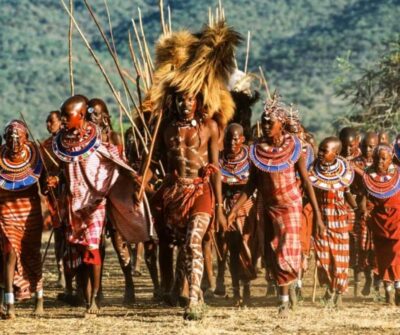
Browse the lists this tour appears in