
Reviewed · NAIROBI TOURS
From Nairobi: Maasai Village Experience Day Tour
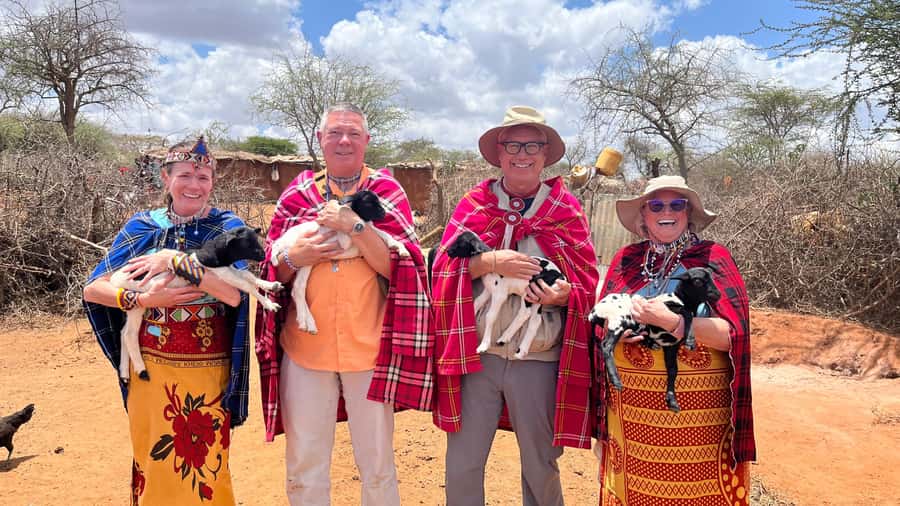
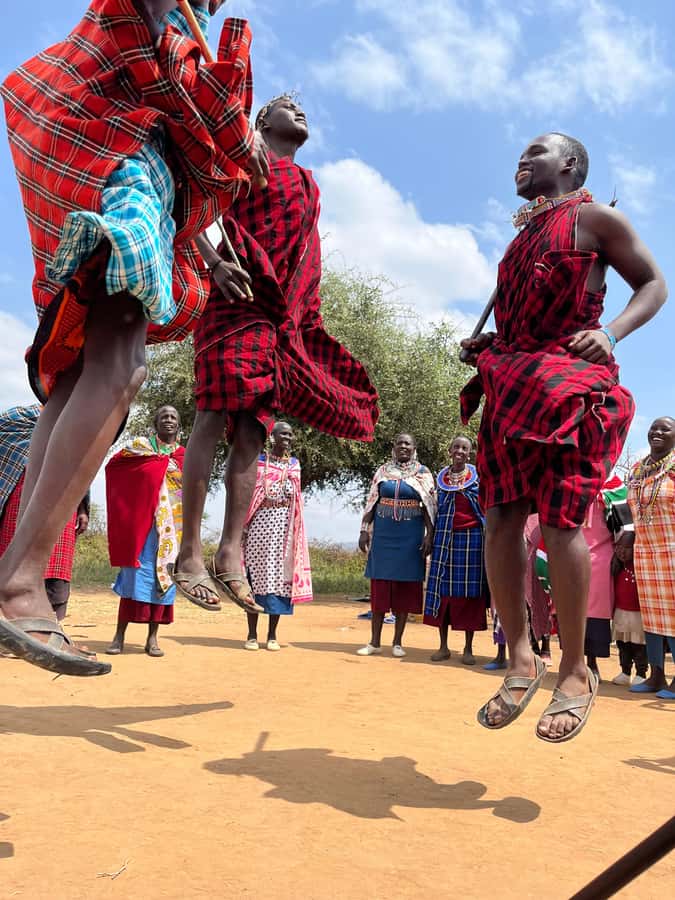
The unusual strength of this day trip is the hands-on village visit. You do not simply walk past huts while someone gives a short talk. You may cook ugali, make beadwork, start a fire by traditional methods, milk a goat or sheep, help with livestock, and join songs, dancing, and jumping. The village receives visitors only through this company and only when booked, which is meant to keep the encounter smaller and less staged.
I like two things in particular: the long drive takes you well away from Nairobi’s city edge, and the payment system is explained openly, with people who take part recorded and paid individually through M-Pesa. I also like that the village visit can be paired with a livestock market on Mondays or Fridays, giving you a wider view of rural life.
The tradeoff is time. The drive takes about 2.5 hours each way, and the stay in the village is about two hours. There are no toilets at the village, food is not included, and the activities are not suitable for wheelchair users, people with motion sickness, or babies under one.
Key Points Before You Book
- Cook and eat ugali in a manyatta: You take part in preparing a basic staple rather than simply watching a demonstration.
- Meet a community away from the main safari circuit: The village is reached after a long drive from Nairobi, with only this company visiting it.
- Travel on Monday or Friday for the livestock market: Bissil’s market draws animals from Kenya and Tanzania and is described as the country’s second biggest.
- Ask for the school visit: A local primary school can be visited on request, giving you a chance to meet learners.
- Expect a small, personal group: Some bookings have operated as private tours when no other participants were scheduled.
- Pack for dust, sun, and practical activity: Wear comfortable shoes, sunscreen, a hat, and clothes that can get dirty.
Why the Long Drive Matters
This is not a quick Nairobi cultural stop. You leave the city and spend roughly five hours on the road in total, with the village reached after about 2.5 hours each way.
That distance is the main reason to book this experience, and also the main reason to think twice. Along the route, you see changes in climate, work, and daily life as Nairobi gives way to more rural communities. The drive also gives your guide time to explain Maasai culture, language, history, and present-day Kenya.
Guides named in recent bookings include Simon, Dennis, Sharon, Jacqii, and others. The strongest part of their role is the conversation during the drive. You can use that time to ask direct questions before arriving, rather than trying to absorb every new custom once you are standing in the village.
There are optional stops for bathroom breaks on the way. This matters because the village itself has no toilets. You can also ask to stop for lunch or another bathroom break on the return journey, but you should not expect meals to be supplied.
Pick-up and drop-off are included within a three-mile radius of Nairobi City. You wait in your hotel lobby, keep your internet connection active, and receive the driver guide’s arrival notice. The exact start time depends on availability. Sunday departures begin earlier, around 7 a.m., so check the day carefully before booking.
More Maasai Village Visits in Nairobi:
- Nairobi: Day Tour to Amboseli National Park & Maasai Village
★ 4.5 · 310 reviews - Masai village Day Tour Experience
★ 5.0 · 284 reviews - Maasai Village Experience Day Tour
★ 5.0 · 72 reviews
Arriving Near Bissil and Meeting the Community
The village visit lasts about two hours. Before you begin, your guide explains the activities and stays with you throughout the visit.
The setting is a manyatta, the Maasai term used here for a homestead or settlement. The point is not to rush through a row of huts built for hourly photo stops. The company says only its clients visit this particular village, and visits are limited to confirmed bookings. That does not make the experience automatically perfect or untouched by modern life, but it does create a different pace from a busy attraction receiving coachloads all day.
You should arrive ready to participate and ask questions. The Maasai hosts may explain how they work with livestock, prepare food, make fire, create beadwork, and organize daily tasks. You are not simply being shown a performance. You are being invited to try parts of the work yourself, with the hosts and guide helping you along.
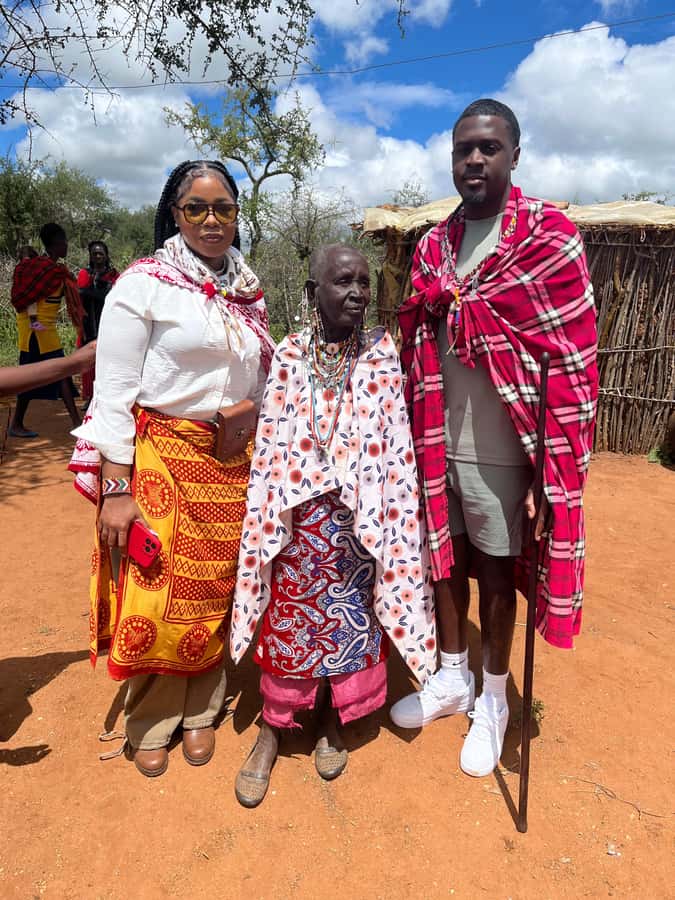
The welcome has been a consistent strength of the experience. The community is described as friendly and open, and past bookings include families, solo visitors, and small groups. One solo booking became a private tour, while a family of six received help with a car seat and booster seats. Group size can vary, so ask the provider if having a private or shared outing matters to you.
Cooking Ugali, Making Fire, and Caring for Livestock
The activities give the visit its value. You may cook ugali in a manyatta, a firm maize-based staple common in Kenya. You take part in the preparation and may eat what you help make. Food and drinks beyond the village activity are not included, so bring money for your own meal during the wider day.
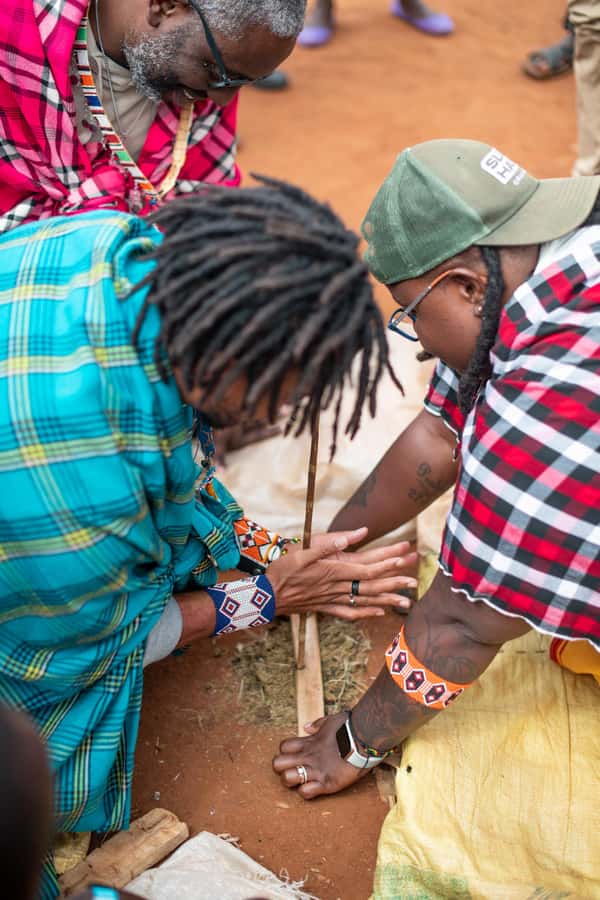
Fire-making is another practical lesson. The Maasai men show you how to start a fire using traditional methods, and you get a chance to try. This is a small task, but it helps you understand the daily importance of fuel, cooking, and self-reliance better than a short speech would.
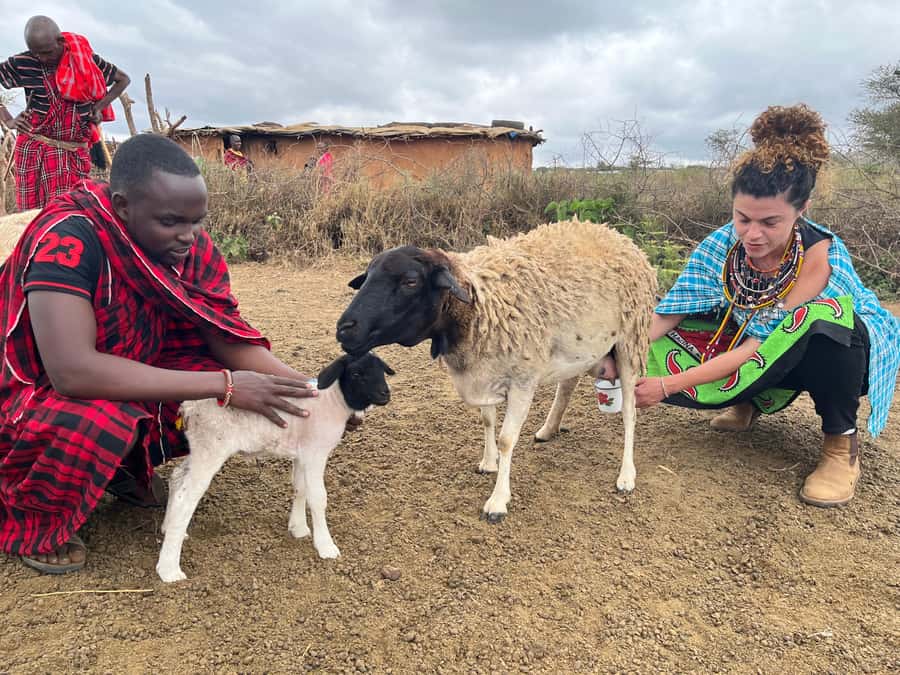
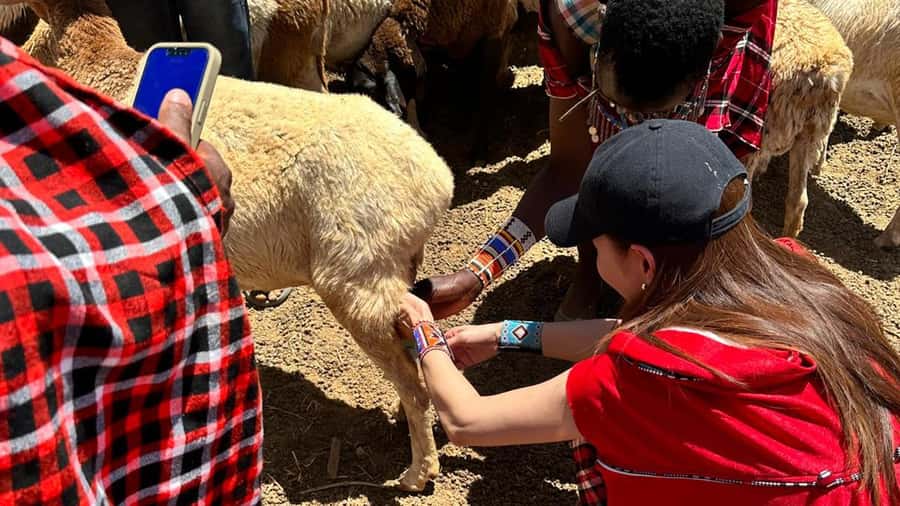
Livestock care can include herding goats or sheep and milking an animal. The supplied description refers to milking a goat in some places and a sheep in another, so expect hands-on livestock work rather than one guaranteed animal. You may also try throwing spears as part of the activities, though the precise schedule can vary.
Beadwork gives you a quieter counterpoint to the physical tasks. Maasai women demonstrate how traditional jewelry is made, and you can make a simple item such as a ring. Handmade goods are displayed at the end, and buying something is optional. You may also donate, but there is no stated requirement and no pressure should be assumed.
Traditional clothing may be offered for you to wear during the visit. Songs, dancing, and jumping usually bring the day to its most social point. Join in if you are comfortable, but remember that participation should be respectful rather than a demand for a staged show.
Monday or Friday at Kenya’s Livestock Market
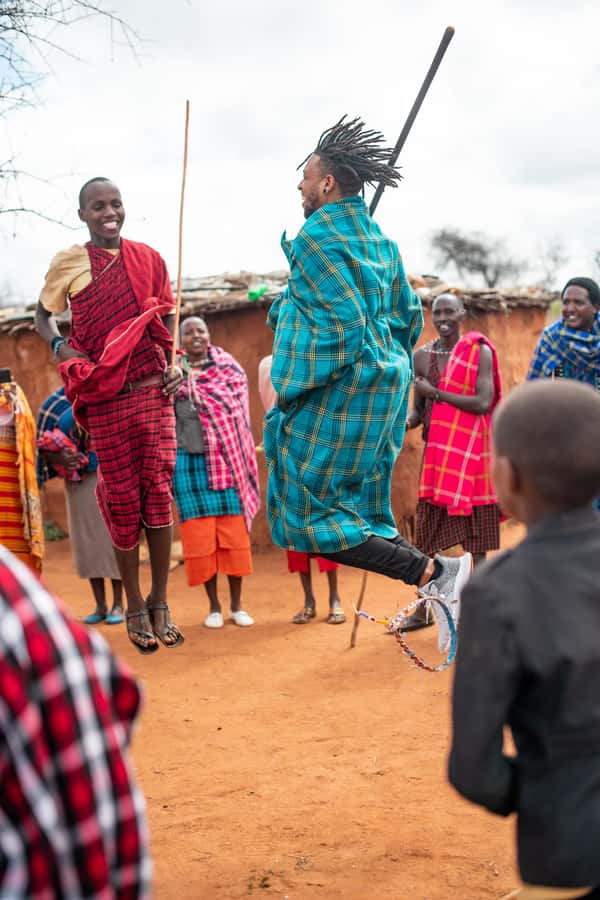
If you schedule the trip for Monday or Friday, the route includes a livestock market near Bissil. Animals come from areas as far as Tanzania, and the market is described as the second biggest in Kenya.
This stop adds something important. A village visit shows one community at home, while the market shows rural trade, movement, and business. You see another side of Maasai life, one connected to livestock and regional commerce rather than only household activities.
You may also enter a makeshift kiosk run by women who serve food to livestock traders. This is not a polished restaurant stop. It is a chance to see how small food businesses support a busy market day, but you should be prepared for basic conditions and pay for your own food and drinks.
The market is not part of every departure. Book Monday or Friday if it is a priority, and confirm the final route with the provider. On other days, the focus remains on the village and the drive through central Kenya.
More day trips out of Nairobi:
- 1 Day trip to Hells Gate and Lake Naivasha From Nairobi
★ 5.0 · 332 reviews - Half-Day Nairobi National Park Safari from Nairobi with Free Pickup
★ 4.5 · 264 reviews - From Nairobi: Elephant Orphanage and Giraffe Center Day Trip
★ 4.5 · 235 reviews - 3 Days Gamedrive Safari In Masai Mara From Nairobi
★ 5.0 · 207 reviews
Adding the Local Primary School
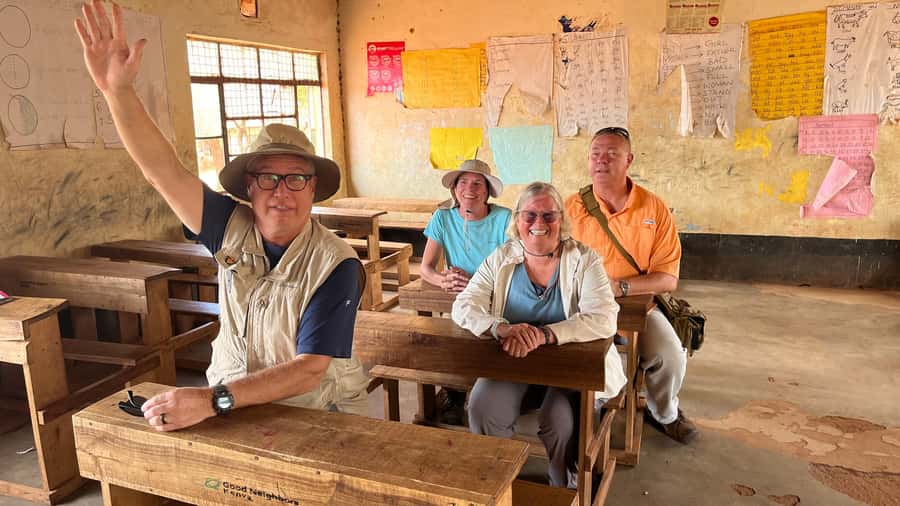
A school visit is available on request. This can be meaningful if you want to understand more about children’s daily surroundings and community life, but it should be arranged ahead of time rather than assumed.
The activity description says you can become an inspiration to the learners. Keep your approach modest and respectful. You are visiting a working school, not attending a tourist performance. Ask your guide what is appropriate before bringing gifts, taking photos, or addressing the students.
This is also an area where your impact matters. The company encourages visitors to think about how publicity and tourism affect vulnerable communities. If you plan to donate supplies or money, ask the guide what is useful and how the contribution will be handled.
The Ethics of an Authenticity Claim
The word authentic needs careful handling. No cultural visit can show every part of a community’s life, and a booked activity is still a tourism product. The useful question is not simply if the village is authentic. Ask how the visit is organized, how much control the hosts have, and how money reaches them.
This company says it limits access to one village and avoids frequent hourly visits. It also says the guide records which community members attend and pays each person after the visit through M-Pesa. That structure is presented as a way to avoid paying only a few visible hosts while others do the work behind the scenes.
You are encouraged to ask about this payment method during the tour. That is a good sign for an ethical experience, but you should still ask politely and listen to the answers. Buying beadwork is optional, and donations are optional too. The best approach is to avoid treating the village as a photo set and to participate with curiosity.
Professional cameras are discouraged because the company wants to limit commercial use of images. You may want to record memories, but ask before filming people and follow the guide’s instructions. Do not bring a drone. The rules also prohibit smoking in the vehicle, alcohol and drugs, nudity, and see-through clothing.
What the $117 Price Covers
At $117 per person, the price is reasonable if you value a small cultural visit with private transport and a full day away from Nairobi. Hotel pick-up and drop-off, the village entry fee, bottled water, and Wi-Fi are included.
The price does not include food or drinks. You should budget for lunch and any refreshments at a stop or market kiosk. Purchases of beadwork and donations are also separate and entirely optional.
The value comes from the structure rather than the number of stops. You get a guide for the road and village activities, a long route into central Kenya, and a chance to meet people in a setting that is not advertised as an hourly attraction. If your main goal is to tick off a nearby cultural stop quickly, this is not the best use of your money or time. If you want conversation and participation, the cost makes more sense.
Free cancellation up to 24 hours before departure and reserve-now, pay-later booking make it easier to fit the day around a changing Nairobi schedule. Still, the long journey means you should protect the whole day. An eight-hour estimate can feel tight if traffic, lunch, or extra stops slow the return.
Practical Preparation for the Village
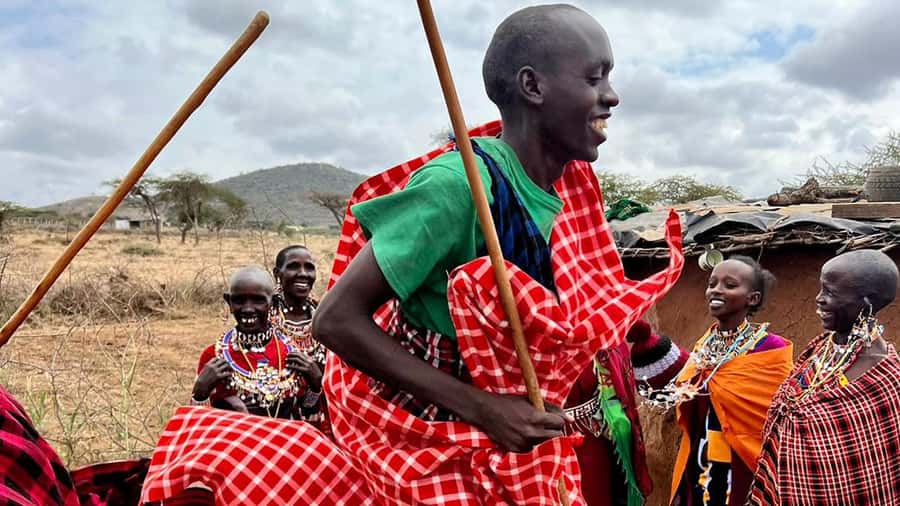
Wear comfortable shoes and clothes that can get dirty. Cooking, fire-making, livestock work, and movement around a rural settlement are not suited to your best city outfit.
Bring a sun hat and sunscreen. Bottled water is included, but extra water may be sensible if you are especially affected by heat. You should also carry some cash for food, optional beadwork, or a donation, though none of these payments is required.
A professional camera is discouraged. Use a simple phone only when permission is clear, and let the guide explain what is acceptable. Drones are not allowed.
The outing is not suitable for wheelchair users or people with visual impairments. Motion sickness is also listed as a concern, which makes sense given the lengthy road journey. Babies under one year should not join. If you are traveling with children older than that, ask ahead about vehicle seating and the physical demands of the day.
The tour operates in English and Swahili. Keep your phone connected on pick-up morning so the guide can tell you when the vehicle arrives.
Who Will Get the Most From This Day
I would choose this for you if you want to do more than take photographs. It suits people who enjoy asking questions, trying unfamiliar tasks, and accepting simple conditions for the sake of a closer look at daily life.
Solo visitors can benefit from the personal attention, especially if the departure has no other bookings. Couples and families can also enjoy the mix of craft, food, animals, music, and conversation. The family booking that included car seats and boosters suggests that practical arrangements can be discussed in advance.
I would not choose it for a short Nairobi stopover, a luxury day out, or a schedule packed with other sights. The five hours of driving are real, and the village itself offers about two hours of activities. The rewards come from the people, the questions, and the rural route, not from a long list of monuments.
Should You Book the Maasai Village Experience?
Book it if your priority is a personal, participatory meeting with a Maasai community and you can accept the long road from Nairobi. Cooking ugali, learning beadwork, milking livestock, making fire, and joining songs create a fuller experience than a quick roadside performance.
Choose a Monday or Friday if the livestock market interests you, and request the school visit before departure. Ask about the payment system, photography, lunch stops, and group size so your expectations are clear.
Skip it if motion sickness, limited mobility, lack of toilets, or a long drive will make the day uncomfortable. For the right person, though, the slow road is part of the point, and $117 buys access to a more thoughtful cultural encounter than a hurried stop beside a major safari route.
FAQ
How long is the Maasai village tour from Nairobi?
The experience lasts about eight hours. The drive to the village takes roughly 2.5 hours each way, and the stay in the village lasts about two hours.
Where does the tour go?
The tour travels from Nairobi to Bissil town in central Kenya, where you visit a Maasai village. You return to Nairobi after the village activities and any requested stops.
What activities can I do in the village?
You can take part in cooking ugali, making beadwork, starting a fire traditionally, milking a goat or sheep, caring for livestock, wearing Maasai clothing, and joining singing, dancing, and jumping. Spear throwing is also included among the possible activities.
Can I visit a livestock market?
Yes, if you book for Monday or Friday. The route passes a livestock market described as the second biggest in Kenya, with animals arriving from as far as Tanzania.
Is food included?
No. Food and drinks are not included, though you can request a lunch stop or eat at a makeshift kiosk near the livestock market when that stop is part of your route.
Can I visit a local school?
Yes, a visit to the local primary school is available on request. Arrange this before the tour rather than assuming it will happen automatically.
What should I bring?
Bring comfortable shoes, a sun hat, sunscreen, and clothes that can get dirty. A professional camera and drone are not allowed, and you should keep your internet connection active for the pick-up message.
Recently added around Nairobi
- Nairobi; City Walk Tour★ 4.5 · 3 reviews
- 2 Days Amboseli National Park Safari★ 3.5 · 3 reviews
- Private 3-Day Masai Mara Safari Adventure★ 5.0 · 3 reviews
- Kenya safari★ 5.0 · 3 reviews
- Full Day, Small Group Guided Tour to Amboseli National Park★ 4.5 · 3 reviews
- 11-Days Best of Kenya & Tanzania Big 5 Safari on a 4×4 Jeep★ 5.0 · 3 reviews
- 10-Days Explore Kenya Wildlife Private Safari★ 5.0 · 3 reviews
- Nairobi: Giraffe Center, Beads Factory & Bomas of Kenya Tour★ 4.5 · 3 reviews
Nairobi Tours, compared.
Nairobi National Park Half-Day Tour; Free Wi-Fi connection
Read our review →
National Park & Optional Elephants & Giraffe Center
Read our review →
NAI NAMI: Nairobi Storytelling Tour with Street Children
Read our review →

Elephant Orphanage and Giraffe Center Tour with Options
Read our review →Browse the lists this tour appears in