
Reviewed · MAASAI MARA SAFARIS
From Nairobi: Masai Mara 3-day Camping Safari by Jeep
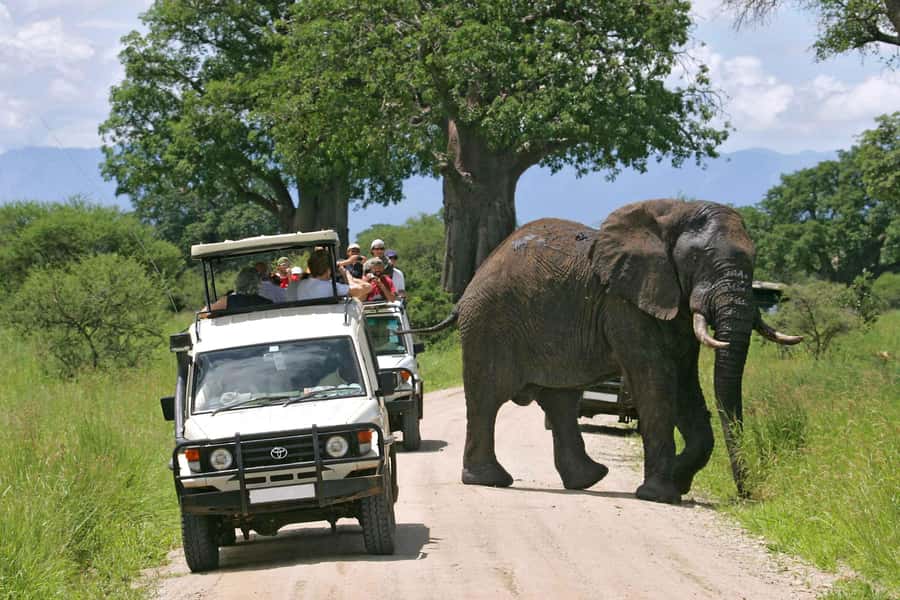
The real draw here is simple: you spend three days among the Big Five plains of Masai Mara, not in a sealed tour bus. An open-top Land Cruiser gives you a better view of elephants, lions, hippos, and the wide grasslands, while two nights at Lenchada Tourist Camp keep the trip practical and affordable.
I like the Great Valley Viewpoint stop on the way from Nairobi, and I like that the second day gives you a full game drive rather than a rushed morning outing. The price also includes transport, a guide, accommodation, meals, and drinking water.
The catch is the extra park fee. The safari costs $285 per person, but two park entrances add $200 per person from January through June or $400 from July through December. A verified Japanese booking account also reported repeated confirmation problems, a missed part of the tour, and an unpaid $90 refund, so confirm every detail before departure.
Key points at a glance
- Open-top 4×4 Land Cruiser: You get a raised view for spotting animals and taking photographs.
- Two nights at Lenchada Tourist Camp: This is a camping-style stay, not a luxury lodge experience.
- Full-day Mara outing: Day two is the main wildlife day, with the Mara River and broad grass plains on the plan.
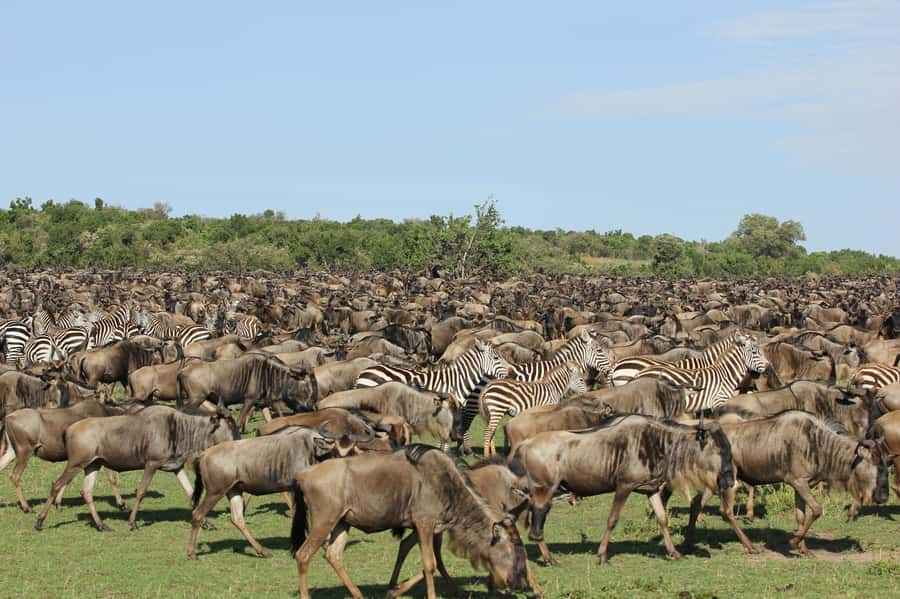
- Big Five possibility: Lions, elephants, and other major wildlife are part of the search, but sightings cannot be promised.
- Large added park charge: The total cost changes sharply by season because two park entries are not included.
- Optional Maasai village visit: You can add a cultural visit for $20 per person, if you want more than wildlife viewing.
Nairobi to the Mara, with a stop above the Great Rift Valley
Your first day begins with pickup in Nairobi and a long road journey toward Masai Mara. The route includes the Great Valley Viewpoint, with a sightseeing stop if weather allows. This breaks up the drive and gives you a chance to look across one of Kenya’s most famous natural features.
Do not think of the viewpoint as the main event. It is a useful pause on a substantial transfer day, and weather can affect the stop. The important thing is to set your expectations correctly: day one combines transport, arrival, lunch, and an afternoon game drive. It is not a full day in the reserve.
You arrive at Lenchada Tourist Camp in time for lunch, then head out into the Mara. That first drive is valuable because it changes the trip from road transfer to safari at once. You may begin looking for lions, elephants, and other large animals, while also seeing the plain animals that fill the area.
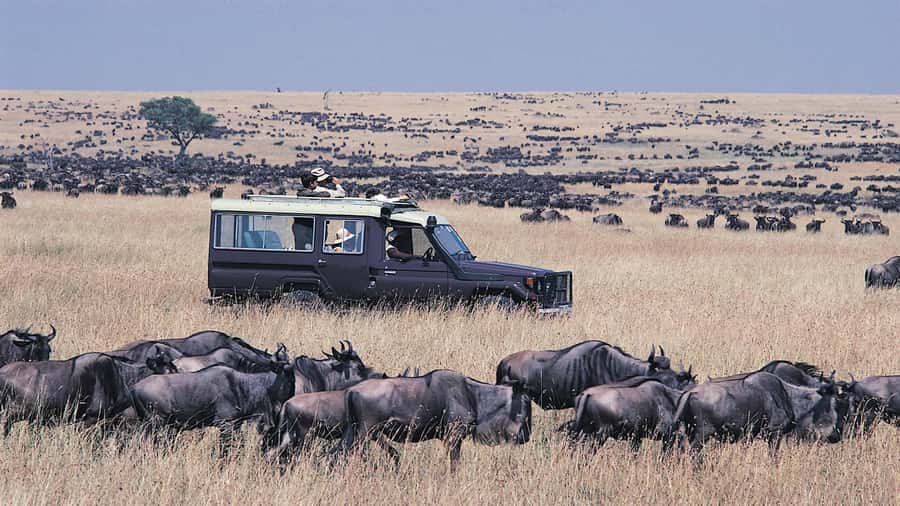
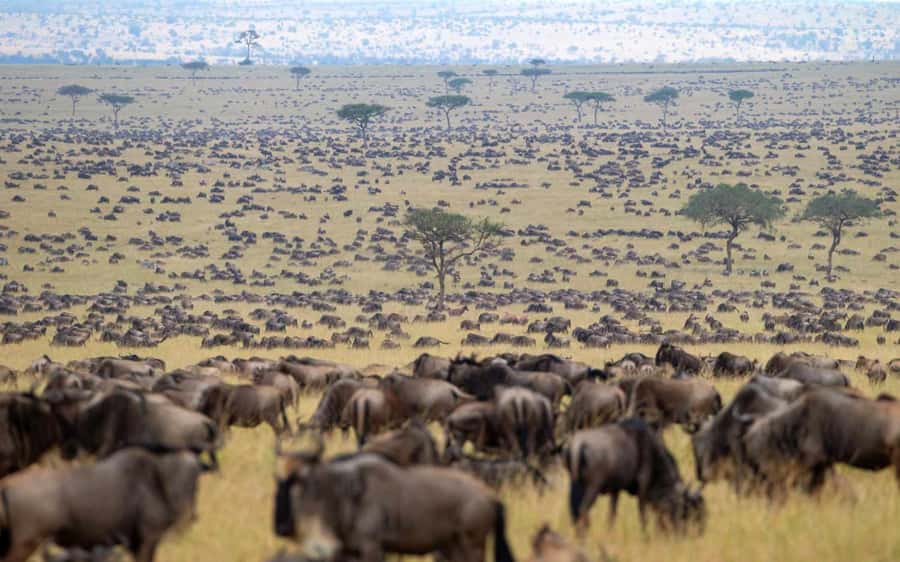
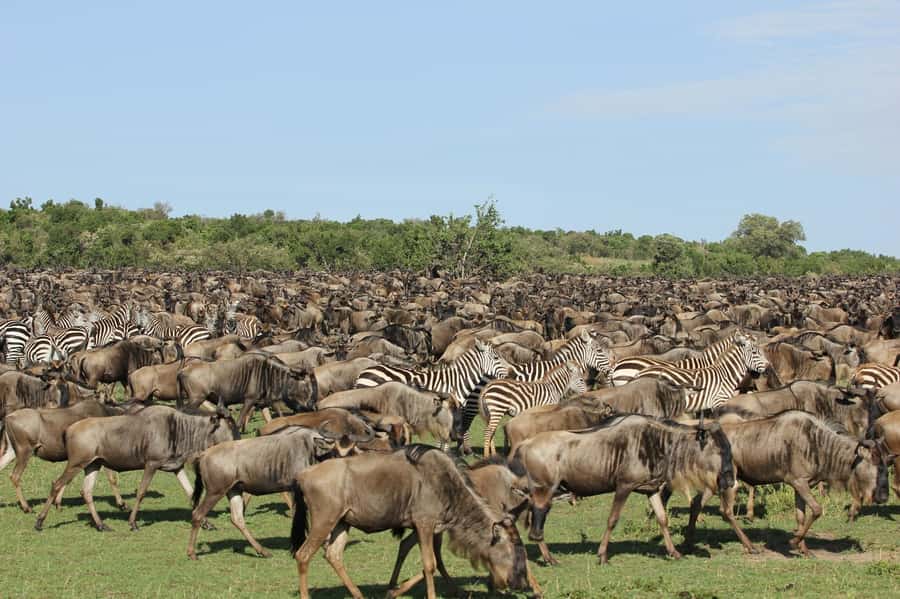
The information provided specifically mentions abundant wildebeest. Their presence gives the drive a strong sense of place, particularly during the migration period, when huge herds move between Tanzania’s Serengeti and Kenya’s Mara. The migration itself is not guaranteed during your dates, so treat it as seasonal context rather than a promised sight.
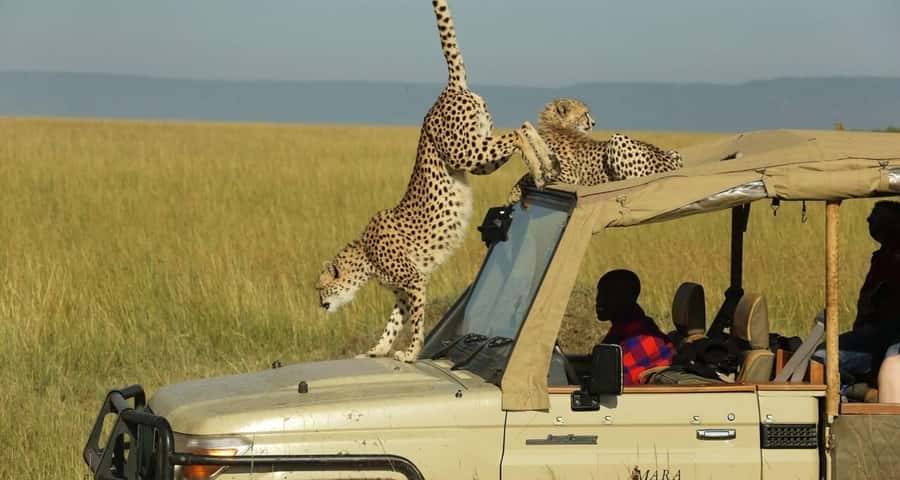
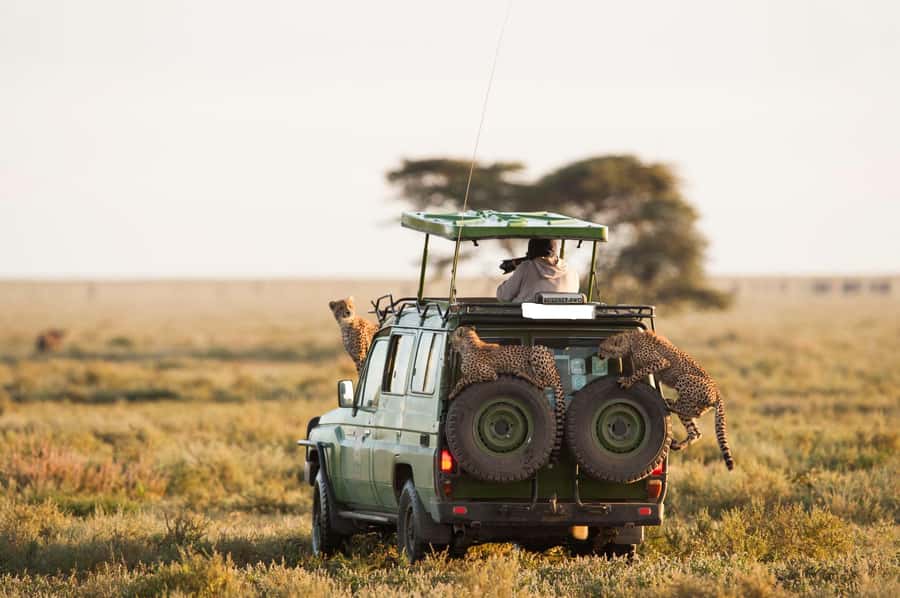
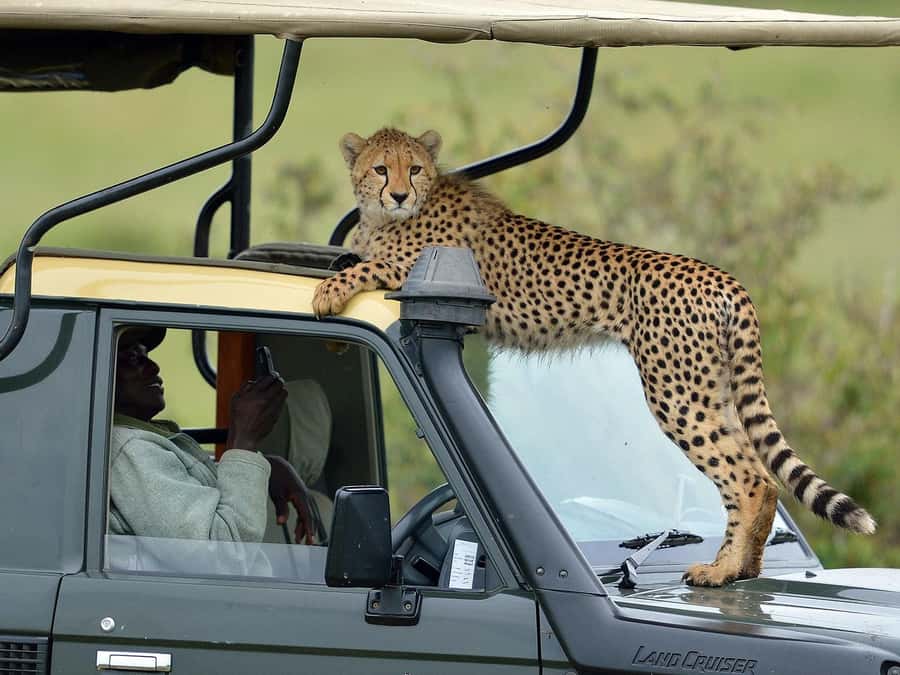
The open-top Land Cruiser matters here. Compared with a standard enclosed vehicle, the pop-up roof lets you look upward and outward with fewer obstructions. You can scan the grasslands, follow your guide’s directions, and take photographs from a higher position. The tradeoff is that this is shared group transport, so your view depends partly on where you sit and how many people are aboard.
After the afternoon drive, you return for dinner and sleep at Lenchada Tourist Camp or a similar camp. The phrase similar camp matters. Your accommodation may not always be the exact named property, and you should confirm the final arrangement before leaving Nairobi.
More Maasai Mara Safaris in Kenya:
- 3 Days Masai Mara Group Joining
★ 5.0 · 486 reviews - From Nairobi: 3 Days, 2 Nights Maasai Mara Group Safari
★ 4.5 · 394 reviews - 5 Days Masai Mara, Lake Nakuru & Naivasha Budget Joining Safari
★ 5.0 · 229 reviews
Lenchada Tourist Camp and the practical camping setup
This safari is built around a camp stay, not a high-end lodge. Lenchada Tourist Camp provides the base for two nights, with breakfast, lunch, and dinner included during the safari. The setup suits you if you want to spend your money on time in the reserve rather than on polished rooms and resort extras.
Meals are included, which makes budgeting easier. You still pay separately for drinks, alcohol, and personal items. A bottle of drinking water is included, but you should not treat that as a complete personal supply for three days. Ask how much water is provided and plan your own extras if needed.
The camp is also useful because you avoid changing accommodation every night. After a long drive from Nairobi and a game drive, returning to the same camp gives the trip a steady rhythm. You sleep there after day one, spend the second night there, and check out after breakfast on day three.
The accommodation is described as Lenchada Tourist Camp or similar, so do not book this expecting a particular room category or luxury standard. If you need a specific room arrangement, ask before confirming. The supplied details do not state whether rooms have private bathrooms, electricity schedules, Wi-Fi, or other facilities, so those points should be checked directly.
Day two, the full Masai Mara game drive
The second day is the strongest part of the schedule. After breakfast, you spend a full day viewing wildlife across the Mara’s rolling grass plains. This is where the three-day format earns its keep. You have more time to search for animals instead of treating the reserve as a quick stop between Nairobi and camp.
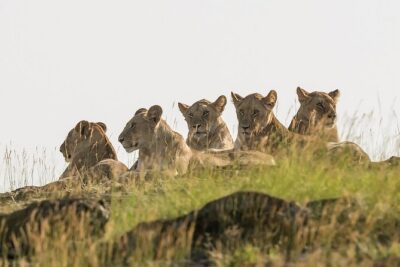
The stated goal is to look for the Big Five. That usually means lion, leopard, elephant, rhinoceros, and buffalo, but the experience does not promise every animal. Wildlife is free to move, and a good safari depends on timing, patience, and the guide’s ability to search.
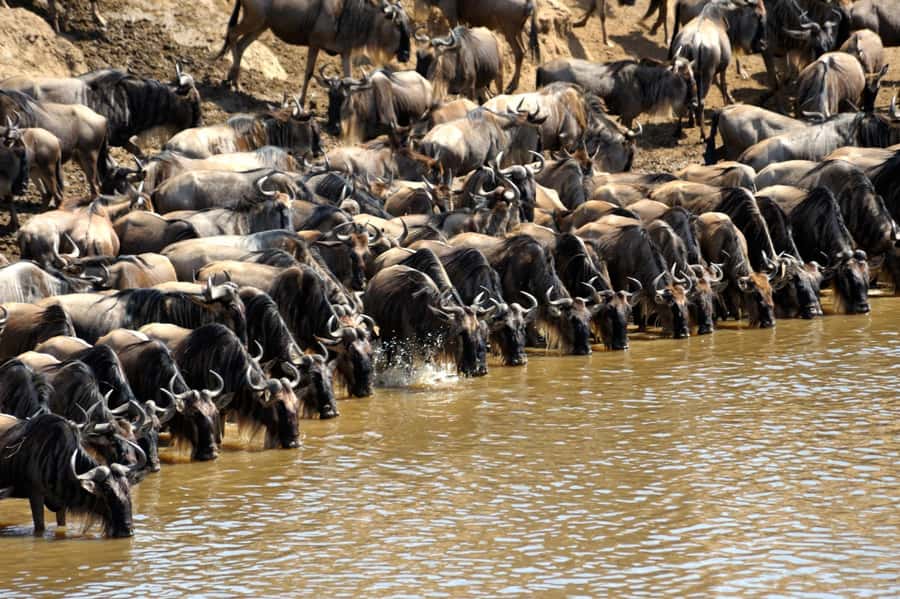
Elephants and lions are specifically part of the expected wildlife focus. Hippos enter the picture at the Mara River, where you try to spot them from the riverbanks. The river stop adds variety to a day otherwise spent among open grasslands, and it gives you a chance to look for animals associated with water.
The Mara River also connects this Kenyan reserve with the wider migration story. More than two million wildebeest move from the Serengeti with their calves, according to the tour information. That figure explains why the Mara is so famous, but it should not lead you to expect a river crossing on demand. The migration is seasonal, and no particular animal event can be guaranteed.
Your guide speaks English and leads the group from the Land Cruiser. Since the guide’s name is not supplied, ask for it and for the driver-guide’s contact details before departure. This is more than a polite introduction. It helps you know who is responsible for pickup, timing, park entry, and communication if plans change.
There is an optional Maasai village visit for $20 per person. This gives the day a cultural element and offers a chance to learn about traditional Maasai life. It is not included in the $285 price, so decide in advance if you want the added stop. The supplied information describes it as an opportunity to learn about traditional culture, but does not specify the village, length of visit, or exact activities.
What the open-top Jeep changes
The vehicle is a 4×4 Land Cruiser with a pop-up roof. That is the right kind of transport for a safari because the higher viewing position helps you see across the grass and follow animals at a distance. The open roof also makes the vehicle feel more connected to the outdoors than a normal minibus.
You should remember that this is a group safari. The highlight is sharing the cost of the vehicle and guide, which helps keep the advertised price low. The compromise is less control over stops, seating, and the day’s pace. If one person wants to wait longer at a lion sighting while another wants to move on, the guide has to balance the group.
The vehicle also carries you between Nairobi and the Mara, not just around the reserve. That makes the trip efficient, but the first and third days involve a great deal of road time. You are buying access to a three-day safari, not three full days of game viewing.
More day trips out of Nairobi:
- 1 Day trip to Hells Gate and Lake Naivasha From Nairobi
★ 5.0 · 332 reviews - Half-Day Nairobi National Park Safari from Nairobi with Free Pickup
★ 4.5 · 264 reviews - From Nairobi: Elephant Orphanage and Giraffe Center Day Trip
★ 4.5 · 235 reviews - 3 Days Gamedrive Safari In Masai Mara From Nairobi
★ 5.0 · 207 reviews
Day three, breakfast and the road back to Nairobi
Day three begins with an African breakfast. You check out after eating and travel back to Nairobi, with arrival planned for the afternoon. The provider offers drop-off at a Nairobi hotel or the airport, which is useful if you are continuing your trip or catching a flight home.
The timing is helpful, but you should not schedule a tight international connection without allowing room for road delays. The supplied plan says afternoon arrival, not a fixed arrival hour. Since this is a road transfer from the Mara, confirm the estimated drop-off time before attaching it to a flight.
There is no morning game drive listed for day three. That means the second day is your main wildlife opportunity, while day three is primarily a return journey. If a dawn drive matters to you, ask whether it can be arranged and at what cost. Do not assume it is included.
The Swahili farewell, kwaheri, is a small finishing touch, but the practical point is more important: the trip ends with a hotel or airport drop-off in Nairobi. Make sure the provider has the correct address and your flight details if you are heading straight to the airport.
The real cost, including the park fees
The advertised price is $285 per person. That covers Nairobi pickup and drop-off, transport in the 4×4 Land Cruiser, two nights at Lenchada Tourist Camp or a similar camp, three meals per day during the safari, an English-speaking professional guide, and a bottle of drinking water.
That is a reasonable package for a group safari, but the park entry charge changes the calculation. Two Masai Mara entrances cost an additional $200 per person from January through June. From July through December, the added charge is $400 per person.
Your basic cost therefore becomes:
- January through June: $485 per person before drinks, personal items, or optional activities
- July through December: $685 per person before drinks, personal items, or optional activities
The higher July through December total is a serious consideration. This is the period many people associate with the great wildebeest migration, but the price difference is large. Compare the full amount, not just the $285 headline figure.
The Maasai village visit costs another $20 per person. A hot-air-balloon safari is listed at $540 per person, making it a major extra rather than a casual add-on. Drinks, alcohol, and personal purchases are also outside the package.
The value is strongest if you want a straightforward group safari with meals and transport arranged in one booking. The value is weaker if you want private vehicle control, luxury accommodation, guaranteed animal sightings, or a tightly fixed schedule.
Reliability and the need to confirm details
The experience has a 4 out of 5 rating based on three ratings, which is a small sample. One verified Japanese booking account describes a serious problem: the agency was said to subcontract the trip, repeated confirmation was needed, one expected tour element was skipped, and $90 was not returned.
That account does not prove every departure will have the same problem, but it gives you a clear practical lesson. Confirm the exact itinerary, park fee, camp name, pickup time, airport drop-off, and every paid add-on in writing. If anything is changed, ask for the new total and what happens to money already paid.
The provider is listed as GRACEPATT SAFARIS. The guide language is English, but no guide names are given. Ask for the guide’s name before departure, and confirm whether the person meeting you in Nairobi is the same operator handling the safari.
The free cancellation policy allows cancellation up to 24 hours in advance for a full refund. You can also reserve and pay later, which helps if your Nairobi plans are still changing. Those terms are useful, but they do not replace the need to confirm operational details.
Who should choose this three-day safari?
I would look closely at this trip if you want your first Kenyan safari to be simple, social, and focused on the main wildlife sights. It suits you if you are comfortable with a long road journey, camping-style accommodation, shared transport, and a flexible wildlife schedule.
It also works for visitors who want a clear package. Transport, food, guide, camp, and water are bundled, so you do not have to arrange each part separately. The open-top Land Cruiser is a strong feature for anyone who values views and photography.
I would be more cautious if you have only one free day, need a luxury room, want a private vehicle, or have a flight that cannot tolerate an uncertain afternoon arrival. The park fee also makes the total price much higher in July through December.
Families and first-time safari visitors may like the simple format, but the supplied details do not state the minimum age, child prices, or group size. Ask before booking if those points affect your plans.
Should you book it?
Book this safari if you want a budget-minded route from Nairobi to Masai Mara, with two nights in camp and one full day devoted to wildlife. The full second day and open-top Land Cruiser give it a strong core, and the included meals reduce the work of planning.
Before paying, calculate the park fee for your travel months. Then confirm the exact camp, guide, pickup, airport timing, and every promised activity. If the final price still fits your budget and you are happy with shared transport and basic camping, this can be a practical way to reach the Mara.
FAQ
How long does the safari last?
The safari lasts three days, starting in Nairobi and returning to Nairobi in the afternoon of day three.
What vehicle is used?
Transport is provided in a 4×4 Land Cruiser with a pop-up roof.
Is the safari led by an English-speaking guide?
Yes. The tour includes a professional live guide, and the stated guide language is English.
Where do you stay?
Accommodation is provided at Lenchada Tourist Camp or a similar camp for two nights.
Are meals included?
Yes. Three meals per day are included during the safari.
Are Masai Mara park fees included?
No. Two park entrances cost $200 per person from January through June and $400 per person from July through December.
How much does the optional Maasai village visit cost?
The optional visit costs $20 per person.
Can you cancel for a full refund?
Yes. You can cancel up to 24 hours in advance for a full refund.
More 3-Day Experiences in Kenya
- 3 days group joining safari to Maasai Mara with a Land Cruiser Jeep
★ 5.0 · 173 reviews - 3 days masai mara safari from Nairobi
★ 5.0 · 131 reviews - 3 days Masai Mara on Private 4×4 Land Cruiser
★ 5.0 · 130 reviews - 3 Day Masai Mara Budget Joining Safari on 4×4 – Daily Departures
★ 5.0 · 105 reviews
More safaris from Kenya
- Safari Tour; Nairobi National Park
★ 4.5 · 594 reviews - From Nairobi: 3 – Days Maasai Mara Group Safari by 4WD
★ 4.6 · 205 reviews - 3 Days Maasai Mara Guided Safari from Nairobi
★ 4.5 · 195 reviews - 3 Day Masai Mara Safari
★ 5.0 · 177 reviews
Recently added around Kenya
- Nairobi; City Walk Tour★ 4.5 · 3 reviews
- Private 3-Day Masai Mara Safari Adventure★ 5.0 · 3 reviews
- Kenya safari★ 5.0 · 3 reviews
- 2 Days Amboseli National Park Safari★ 3.5 · 3 reviews
- 11-Days Best of Kenya & Tanzania Big 5 Safari on a 4×4 Jeep★ 5.0 · 3 reviews
- Full Day, Small Group Guided Tour to Amboseli National Park★ 4.5 · 3 reviews
- 1-Day Tsavo East Safari From Mombasa★ 5.0 · 3 reviews
- 10-Days Explore Kenya Wildlife Private Safari★ 5.0 · 3 reviews
Maasai Mara Safaris, compared.

5 Days Masai Mara, Lake Nakuru & Naivasha Budget Joining Safari
Read our review →
3 days group joining safari to Maasai Mara with a Land Cruiser Jeep
Read our review →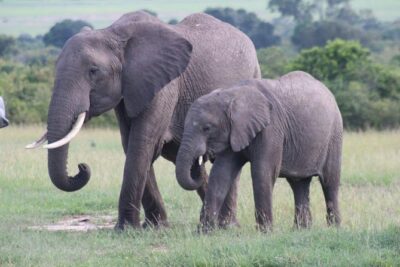
3 days Masai Mara on Private 4×4 Land Cruiser
Read our review →Browse the lists this tour appears in