
Reviewed · NAIROBI TOURS
From Nairobi: 3 – Days Maasai Mara Group Safari by 4WD
Maasai Mara is the sort of place where a lion may be resting beside the track one minute, and a herd of elephants may cross your view the next. This three-day 4WD safari gives you a strong shot at that classic Kenya experience without paying lodge prices. Guides such as James, Paul, Richard, and Benjamin have earned especially high praise for safe driving and sharp animal spotting.
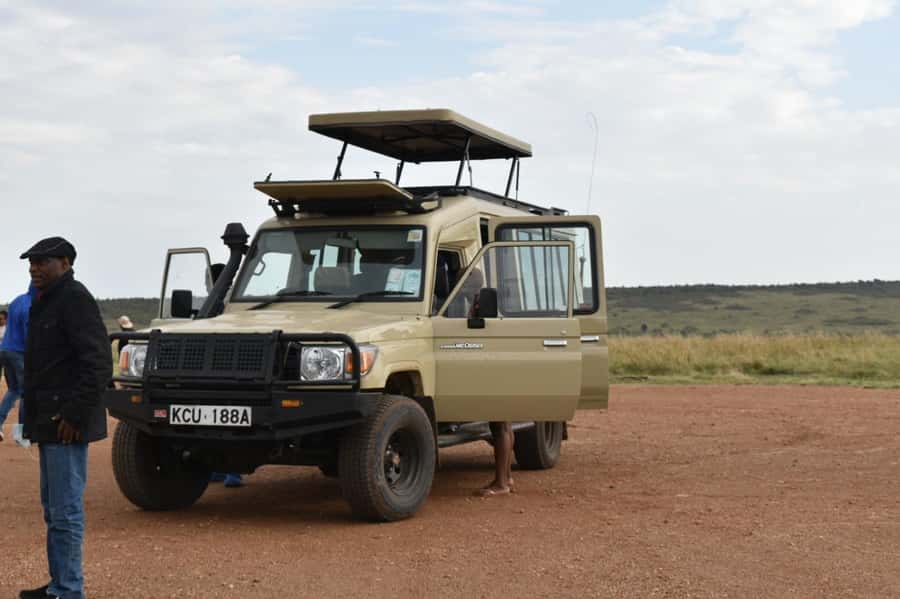
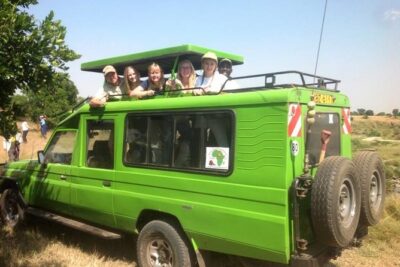
I like the pop-up-roof Landcruiser, which gives you a clear view for photos, and I like the simple camp, where meals, water, and two nights of accommodation are already handled. The main catch is the park fee: it is not included, and it can cost more than the safari itself. You need to budget for that before booking.
Key points at a glance
- Great Rift Valley stop: Break up the long road from Nairobi with a wide view over the Rift Valley floor.
- Two proper game drives: You get an evening drive on day one and a full day inside the reserve on day two.
- Strong guiding record: Guides including Paul, James, Richard, Benjamin, and Chege are praised for safe driving and finding lions, cheetahs, leopards, and other wildlife.
- Budget camp with useful basics: Rhino Tourist Camp or a similar camp provides simple accommodation, meals, and basic facilities.
- Large extra park fee: Add $200 per person from January through June or $400 per person from July through October for two days, based on the stated rates.
- Optional cultural stop: A Maasai village visit costs about $20 and can be added on the return journey.
What this $240 Maasai Mara safari really gives you
At first glance, $240 for three days from Nairobi looks like an easy safari bargain. It includes hotel pickup in central Nairobi or Westlands, transport in a 4WD Landcruiser, two nights of camping, six meals, bottled water, and two game drives.
But the advertised price is not the final price. The Maasai Mara park fee is paid separately. The stated rates are $100 per person per day from January through June and $200 per person per day from July through October. For the two days, that means an extra $200 or $400 per person.
So your basic cost becomes about $440 per person in the lower-fee period, or $640 in the higher-fee period, before optional extras. That is still a useful price for a safari with transport and meals, but it is important to compare the full amount, not only the headline fare.
The fee difference also changes the value of the first evening drive. One person felt the sunset drive was not worth paying the full park fee for, while still recommending the overall trip. I can understand that view. The evening drive gives you an immediate taste of the reserve and a chance to see active predators, but the full-day drive is the main event.
More Maasai Mara Safaris in Nairobi:
- 3 Days Masai Mara Group Joining
★ 5.0 · 486 reviews - 5 Days Masai Mara, Lake Nakuru & Naivasha Budget Joining Safari
★ 5.0 · 229 reviews - 3 Days Gamedrive Safari In Masai Mara From Nairobi
★ 5.0 · 207 reviews
The road from Nairobi and the Great Rift Valley view
Pickup is provided from hotels in Nairobi city center or the Westlands area. You are asked to wait in the hotel lobby about 10 minutes before the scheduled time, though pickup can be busy when several people are joining the same vehicle. One report described an early pickup followed by a long wait for other passengers, so keep your morning flexible.
The road to Maasai Mara takes much of the day, with some feedback putting the journey at roughly seven hours. Roads and traffic affect the timing, and arrival in Nairobi on the return is expected around 3 to 4 pm.
The stop at the Great Rift Valley viewpoint gives the drive a worthwhile pause. From here, you can look across the Rift Valley floor and get a sense of the scale of Kenya before reaching the reserve. The view is a highlight, but the road remains long. If you dislike extended drives, this three-day plan will feel tight.
You arrive at the camp around lunchtime. That timing matters because you can eat, settle in briefly, and then head out for the first game drive rather than losing the entire afternoon.
The first sunset game drive
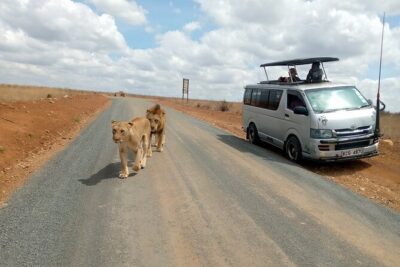
After lunch, you set out for an evening game drive in Maasai Mara National Reserve. The timing is well chosen for animal activity, especially among big cats, and the changing light can make the open grassland especially good for photography.
The Landcruiser has a pop-up roof, so you can stand with your upper body above the vehicle and look in every direction. That is a big advantage over a standard van. Several people also praised the vehicle’s comfort and the drivers’ care on rough roads, although you should still expect bumps.
The guides use radio communication to share information about animal sightings. Kush was praised for using the radio well, while other guides were singled out for spotting ability and knowledge of the area. Your exact guide is not guaranteed, but the repeated praise for drivers such as Paul, James, Benjamin, and Richard is encouraging.
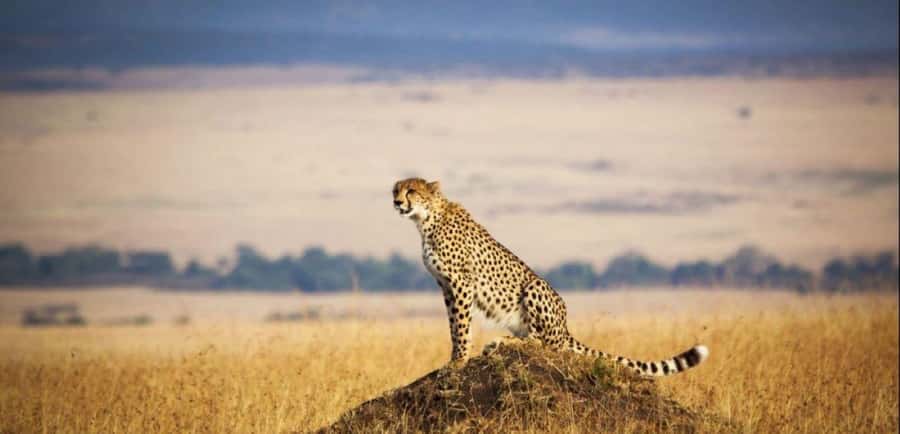
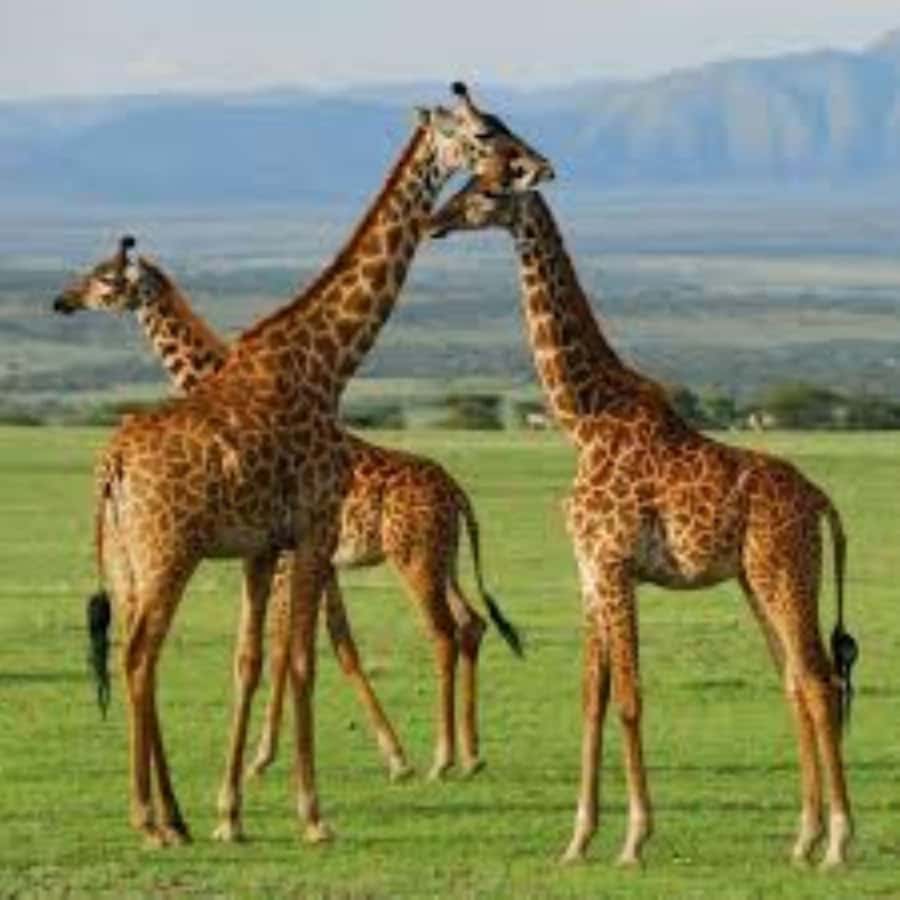
The reserve is famous for lions, cheetahs, leopards, elephants, buffalo, zebra, giraffes, hippos, crocodiles, ostriches, and rhinos. Sightings are never promised. Some people saw four of the Big Five, while others missed the leopard or rhino. That is normal wildlife viewing, not a failure of the safari.
You return to camp in the evening for dinner. The first drive is useful because it gives you an early look at the reserve, but it can also make day one feel full after the long trip from Nairobi.
Two nights at Rhino Tourist Camp or a similar camp
The accommodation is budget camping, not a luxury lodge. The exact setup can vary, but Rhino Tourist Camp has been described as clean and better equipped than some people expected. One person stayed in a tent with a large double bed, running water, an indoor dining area, and an outdoor fire pit. Other descriptions call the facilities basic but secure and adequate.
That range of comments tells you what to expect: the camp is practical, not polished. You should bring your own toiletries, since only basic soap may be supplied. If you want private accommodation, a single tent costs an additional $30 for both nights.
Meals are included, and the food receives strong praise. Dinner is served after the game drive, with breakfast before the next morning’s departure and lunch provided during the full-day outing. George, one of the cooks mentioned by name, was praised for his food. Bottled water is supplied in the vehicle, which is a useful touch on long drives.
You can request an upgrade to mid-range or mid-comfort accommodation, but it depends on availability. Ask before the trip if a softer bed, more privacy, or better facilities matter to you.
More day trips out of Nairobi:
- 1 Day trip to Hells Gate and Lake Naivasha From Nairobi
★ 5.0 · 332 reviews - Half-Day Nairobi National Park Safari from Nairobi with Free Pickup
★ 4.5 · 264 reviews - From Nairobi: Elephant Orphanage and Giraffe Center Day Trip
★ 4.5 · 235 reviews - 3 Days Maasai Mara Guided Safari from Nairobi
★ 4.5 · 195 reviews
The full-day Maasai Mara game drive
After breakfast, you spend the second day inside the reserve. This is the most valuable part of the package because you have many hours to search for wildlife instead of making a quick loop.
The guide’s skill matters greatly here. Benjamin was praised for careful driving, animal spotting, and knowing where to position the vehicle. Richard was especially praised for explaining animals and plants, tracking wildlife, and balancing good photo opportunities with respect for the animals. Chege was credited with finding nearly all of the Big Five except the rhino.
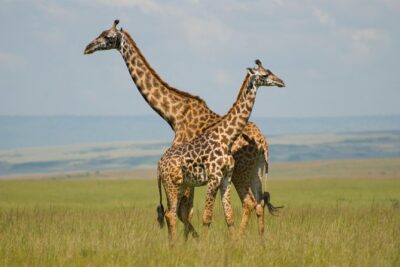
You may see large groups of elephants, buffalo, zebra, giraffes, and antelope. Big cats are a major focus, and the safari has produced sightings of lions, cheetahs, and leopards. One person described seeing lions only a few meters away. That sounds thrilling, but it also makes your guide’s judgment important. You want close views without careless driving or pressure on the animals.
Hippos and Nile crocodiles are also part of the search. The exact route depends on where wildlife has been seen and what your guide learns through radio contact. A good driver is not simply taking you from one fixed stop to another. He is constantly making choices about tracks, timing, and animal behavior.
Picnic lunch under a Croton tree
Lunch is taken in the reserve, often under the shade of a Croton tree with broad views across the open country. It is a simple part of the day, but it helps break up hours in the vehicle.
You should not expect a restaurant or a long, leisurely meal. This is a practical picnic stop, with the priority being time in the reserve. Eat, drink water, stretch briefly, and keep your camera ready.
The long game drive can be tiring. You will spend much of the day seated, and rough roads make the ride more demanding. Still, the chance to see animals in different settings is worth the discomfort for most people. Wear comfortable clothing, carry sun protection, and keep a layer handy for the early or late hours.
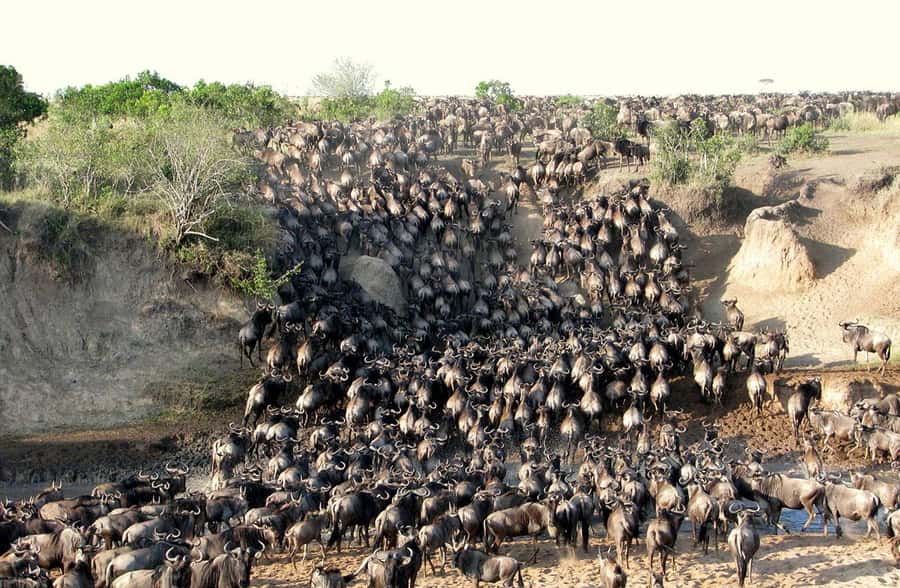
The Great Migration season from June to November
The tour description links Maasai Mara with the great migration, when millions of wildebeest and zebra move from the Serengeti. The stated period is around June through November.
This is an important seasonal note, but it should not be treated as a guarantee that you will see a river crossing or a massive moving herd. The migration covers a wide region, and animal locations change. The reserve can still be rewarding outside those months, with resident wildlife and predator sightings.
During the migration period, lions, cheetahs, hyenas, jackals, and vultures follow the herds. That predator activity is one reason the Maasai Mara is so famous. If migration is your main reason for booking, ask for the latest conditions and understand that nature sets the schedule.
Returning to Nairobi and the optional Maasai village
On the third morning, you have breakfast at camp and begin the drive back to Nairobi. The trip can arrive around 3 to 4 pm, depending on traffic, so do not schedule a tight onward connection that afternoon.
A Maasai village visit can be arranged along the way for about $20. This adds a cultural element to the wildlife trip and can help you learn about Maasai life and traditions. The stop is optional and paid separately.
I would approach this visit with clear expectations. One person found it special and welcoming, while another felt it was too focused on charging for extras and advised avoiding it. The experience may depend on how it is presented and what you want from it. Ask exactly what the fee covers before agreeing to enter, and do not treat it as an unplanned obligation.
What the guides add to the experience
The strongest praise is aimed at the guides. That makes sense because the guide controls the vehicle, reads the terrain, uses radio updates, and decides how long to stay with an animal.
Paul has been praised for friendliness, safe driving, and care with solo passengers. James is described as precise, kind, attentive, and deeply familiar with the area. Richard brings added value for people who want explanations about wildlife, plants, and Maasai culture, not only a driver who finds animals.
You may also be assigned Kush, Benjamin, Chege, Charles, Joseph, Peter, John, Jeff, or another guide. Several people found their guide helpful and highly skilled, but one person wanted more commentary about the animals and local culture. This is worth noting if you want a naturalist-style guide. Ask questions as you go, and make your expectations clear early.
For solo visitors, the group format can work well. One solo passenger received the front seat and found it a particularly good position because of the roof hatch. Seating is not guaranteed, but it shows why it helps to tell the guide if you are traveling alone or have a strong preference.
Group travel, comfort, and communication
This is a shared safari, so the price depends partly on sharing the vehicle and camp arrangements. The group setting can be social, and one person especially enjoyed meeting a mix of younger solo visitors. It can also mean waiting for other pickups or making decisions with people whose preferred pace differs from yours.
Communication before departure has been the weakest part of the experience. Some details about park payment, toiletries, pickup timing, and the camp were not always explained clearly. I would confirm the following before leaving Nairobi:
- The exact park fee for your dates
- Whether payment is by cash or card
- Your pickup time and location
- The name of the camp
- Whether you are sharing a tent
- The cost and availability of a single tent or accommodation upgrade
- The cost of airport drop-off
Airport transfer is not included in the standard return. Hotel drop-off is free in the city center and Westlands, while locations outside those areas cost extra.
Optional extras and their real cost
The Maasai village entry fee is about $20. The optional balloon safari costs about $600 and can be arranged during the trip. Neither is included in the $240 price.
The balloon safari is a major extra, so it changes the character and cost of the trip. If you are booking this package for its budget appeal, you may prefer to spend your available time on the included game drives instead.
The single tent supplement is more modest at $30 for two nights. That is reasonable if you value privacy, but ask whether the tent is fully separate and what facilities it includes.
The biggest financial issue remains the park fee. At the higher stated rate, the park charge is $400 for two days, which can make a mid-range safari or another reserve worth comparing. At the lower rate, the package offers better value for a first safari from Nairobi.
Who should book this safari?
I would recommend it to you if you want a genuine wildlife trip, have limited time, and care more about game drives than polished accommodation. It suits solo visitors, couples, families with older children, and anyone who wants a shared safari with meals and transport arranged.
You should choose it if you can handle a long road journey, basic camping, early starts, bumpy tracks, and the uncertainty of wildlife viewing. The rewards can be huge: lions, elephants, cheetahs, leopards, hippos, crocodiles, zebra, giraffes, and possibly rhino in a single three-day outing.
I would look elsewhere if you want a luxury lodge, private vehicle, guaranteed species, or a detailed lecture from a professional wildlife guide at every stop. You may also want to compare other parks when the $400 two-day park fee applies.
Should you book the Maasai Mara 3-day 4WD safari?
Yes, if you judge it on the full cost and choose it for the wildlife, not the tent. The guiding and game viewing are the main strengths, and the Landcruiser, included meals, bottled water, and central Nairobi transfers make the plan easy to manage.
Before booking, add the park fee to the advertised price, confirm the current rate for your travel dates, and decide if you need a single tent. If you accept basic accommodation and a long drive, this is a practical way to reach one of Kenya’s great wildlife reserves without paying for a high-end lodge.
FAQ
Where does the safari pick up and drop off?
Pickup is included from hotels in Nairobi city center or the Westlands area. Drop-off is included at hotels in those areas. Airport transfers and drop-off outside the listed areas cost extra.
How much are the Maasai Mara park fees?
The stated rates are $100 per person per day from January through June and $200 per person per day from July through October. For two days, that equals $200 or $400 per person. Confirm the current rate for November and December before departure.
What accommodation is included?
The package includes two nights in a budget-tented camp at Rhino Tourist Camp or a similar camp. The facilities are basic but include the essentials. A mid-range or mid-comfort upgrade can be requested if available.
Is a single tent available?
Yes. A single tent costs an additional $30 for both nights.
How many game drives are included?
Two game drives are included: an evening drive on the first day and a full-day drive on the second day.
Is the Maasai village visit included?
No. The village visit is optional and costs about $20 for entry.
How late will I return to Nairobi?
Arrival in Nairobi is expected around 3 to 4 pm on the third day, depending on traffic.
More safaris from Nairobi
- Safari Tour; Nairobi National Park
★ 4.5 · 594 reviews - 3 Day Masai Mara Safari
★ 5.0 · 177 reviews - 3 days group joining safari to Maasai Mara with a Land Cruiser Jeep
★ 5.0 · 173 reviews - 4 Days Safari Lake Nakuru NP Naivasha and Masai Mara
★ 5.0 · 132 reviews
Recently added around Nairobi
- Nairobi; City Walk Tour★ 4.5 · 3 reviews
- Private 3-Day Masai Mara Safari Adventure★ 5.0 · 3 reviews
- Kenya safari★ 5.0 · 3 reviews
- 2 Days Amboseli National Park Safari★ 3.5 · 3 reviews
- 11-Days Best of Kenya & Tanzania Big 5 Safari on a 4×4 Jeep★ 5.0 · 3 reviews
- Full Day, Small Group Guided Tour to Amboseli National Park★ 4.5 · 3 reviews
- 10-Days Explore Kenya Wildlife Private Safari★ 5.0 · 3 reviews
- Nairobi: Giraffe Center, Beads Factory & Bomas of Kenya Tour★ 4.5 · 3 reviews
Nairobi Tours, compared.
Nairobi National Park Half-Day Tour; Free Wi-Fi connection
Read our review →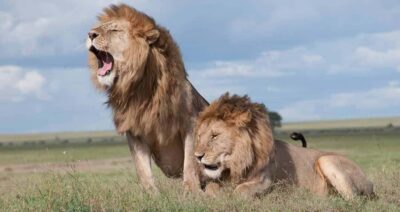
National Park & Optional Elephants & Giraffe Center
Read our review →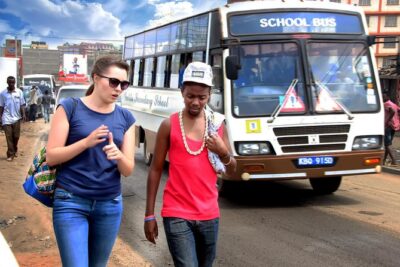
NAI NAMI: Nairobi Storytelling Tour with Street Children
Read our review →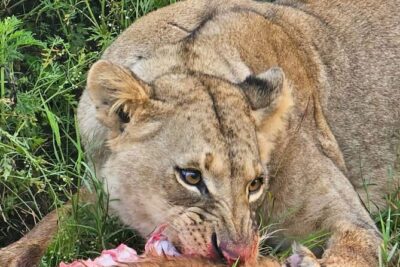
Elephant Orphanage and Giraffe Center Tour with Options
Read our review →Browse the lists this tour appears in