

Reviewed · NAIROBI TOURS
Kibera Slum Tour with Lucas
Kibera is not a sightseeing set. It is a working neighborhood where people live, trade, teach, worship, and solve everyday problems with limited resources. This private walking tour takes you through its narrow paths with a local guide, usually Lucas, and introduces you to places many visitors would not find alone.
I like the small private format, which makes it easier to ask questions and set a comfortable pace. I also like the visit to Hope and Shine Kibera Centre and the chance to enter a local home, since these encounters give the tour more purpose than simply walking past rows of homes.
The main consideration is ethical and practical. You are entering a densely populated community, not an outdoor museum. You need to follow your guide’s advice about photographs, avoid treating residents as scenery, and expect muddy or uneven ground in places. Some departures have been led by Elijah, so confirm your guide when booking if meeting Lucas is important to you.
Key points to know before you go

- A private walk through Kibera: Only your group takes part, so the pace and conversation can be more personal.
- Toi Market adds a working side of Kibera: You see local buying, selling, and small-scale business rather than only residential lanes.
- Hope and Shine Kibera Centre provides a community focus: The visit connects the tour with education and local projects.
- A home visit brings daily life closer: You may be welcomed into a local family space and hear personal stories.
- Good shoes matter: Reviews describe muddy, slippery, and uneven paths, even though the walk is generally slow paced.
- Budget for optional giving and purchases: Donations and local shopping are separate from the $35 tour price.
What this Kibera walk is really about

The phrase slum tour can make people uneasy, and rightly so. Poverty should not be packaged as entertainment. The value of this experience depends on how you approach it. If you come hoping to take dramatic photographs, you will miss the point. If you come ready to listen, buy something from a local maker, and understand how a community functions, the visit can be useful and moving.
Lucas presents Kibera through both its hardships and its practical strengths. The focus is not only on poor housing or difficult services. You also see the initiative of residents, the ways people earn money, and the community projects trying to give children better options. That balance is important. It keeps Kibera from being reduced to a label.
The tour is often described as a three to four-hour experience, though some accounts describe an easy walking visit of closer to two or three hours. Allow half a day, especially if you need transport to the meeting point or plan to continue sightseeing afterward.
More community walks in Kibera:
- Nairobi: Explore Kibera Slum with Local Guides
★ 4.9 · 365 reviews - Kevins Kibera Slum Tours
★ 5.0 · 213 reviews - Nairobi: Kibera Slum storytelling tour with a Local
★ 5.0 · 185 reviews
Meeting at Greenhouse Mall in Kilimani
The listed starting point is Greenhouse Mall in Kilimani, near Ngong Road. The tour finishes at Equity Bank in Kibera, so this is a point-to-point walk rather than a return to the place where you started.
That detail matters. You need to plan your next move from Kibera rather than assuming you will finish back at your hotel. The area is near public transport, and transport can be arranged separately, but it is worth confirming the exact meeting instructions before setting out.
One practical warning comes from the transport arrangements. A pickup and drop-off option has been quoted at $25, while a visitor found an Uber cheaper. If you are watching your budget, compare the transport price before agreeing to an add-on. The $35 tour price is separate from that cost.
The meeting point at a mall is useful because it gives you a clear, recognizable place to get organized. Once you meet your guide, the character of the outing changes quickly from ordinary Nairobi shopping district to a walking tour of one of the city’s most densely settled areas.
Entering Kibera through its narrow paths
Kibera has no simple grid of broad, numbered streets for a first-time visitor to follow. The route uses unmarked roads, narrow alleys, and tracks that can become slippery after rain. That is one reason a local guide matters here.
Your guide explains the area as you walk, pointing out how people live and work rather than giving you a distant lecture. The pace is generally gentle. One 75-year-old participant was helped across uneven ground and the walk was adjusted to suit her ability, which suggests that the experience can work for many fitness levels when the guide knows your needs in advance.
Still, this is not a paved city stroll. Wear closed shoes with a strong grip. Hiking shoes are the safest choice if the weather has been wet. Leave delicate sandals and white trainers at your accommodation.
The physical setting is part of the lesson. You may notice how residents adapt homes and workspaces to limited room, how shops fit into small structures, and how people move through paths that are busy with ordinary errands. Try to look beyond the first impression. The most revealing moments may be small ones: a repair business, a market stall, a school entrance, or a conversation with someone who has made a livelihood locally.
Toi Market and the business of daily life

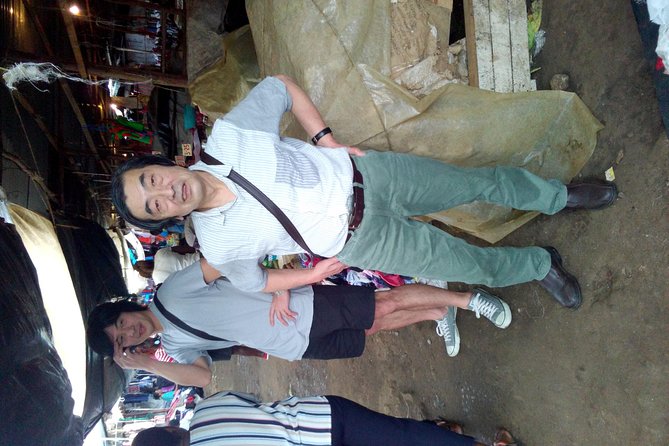
Toi Market is one of the main stops. It gives the tour a useful shift from housing to commerce. Here you can see how people buy and sell goods, and how a market supports the wider neighborhood.
The market is also one of the better places to spend a little money locally. There may be an opportunity to purchase items from a workshop or local seller, and the shopping is described as optional rather than forced. If you see something you genuinely want, buying it is a more respectful response than taking photographs without contributing.
Keep your belongings secure and listen to the guide about where to stand and when to stop. I would not wander away to browse alone. The lanes are unfamiliar, and the point of a private tour is to stay connected to someone who knows the area.
Market visits can sometimes feel rushed on organized tours. Here, a private group gives you a better chance to ask what you are seeing. Use that opportunity. Ask how the market fits into household income, what kinds of work are common, and which products are made locally. The guide can provide context that you would not get by simply walking through.
A few more Nairobi days to weigh up
- Nairobi National Park Half-Day Tour; Free Wi-Fi connection
★ 5.0 · 878 reviews - Nairobi: National Park & Optional Elephants & Giraffe Center
★ 4.8 · 874 reviews - NAI NAMI: Nairobi Storytelling Tour with Street Children
★ 5.0 · 792 reviews - Nairobi National Park Half-Day Game Drive
★ 4.5 · 738 reviews
A local home visit, handled with care
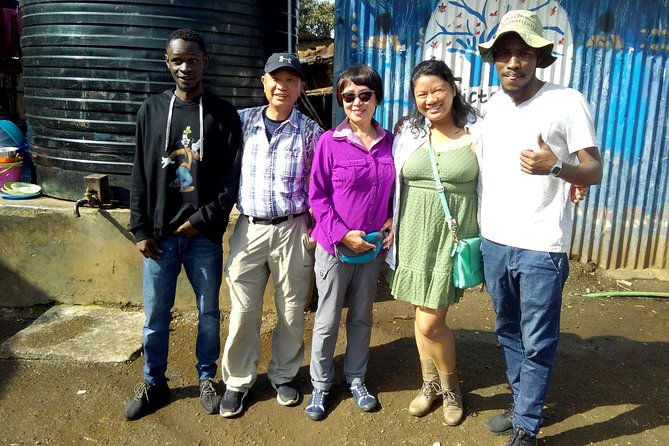
One of the more personal parts of the experience is the chance to visit a home. Lucas has welcomed visitors to his mother’s home, and another account describes being invited into a local residence. This is very different from observing homes from an alley.
A home visit can help you understand the difference between a general description of Kibera and the life of one particular family. You may hear personal stories, see how a modest space is used, and have a direct conversation about life in the neighborhood. It is often the part of the tour that turns an abstract subject into a human one.
There is also a responsibility on your side. Ask before taking any picture. Do not inspect private belongings or make jokes about the home. A polite question and a short visit are better than acting as if the invitation gives you unlimited access.
The home visit is not guaranteed to feel comfortable for every person. Some people may find it emotionally difficult to enter a private space while paying for a tour. I think that discomfort is worth acknowledging rather than brushing aside. The experience works best when the host has chosen to participate and your behavior remains respectful.
Hope and Shine Kibera Centre

Hope and Shine Kibera Centre gives the walk an educational and community-service focus. The tour may include a school or center visit, where you can meet children and learn about efforts to provide education.
This stop is valuable because it shows local people working toward change rather than presenting Kibera only as a place in need. A visit to a school can also be lively and personal. One family especially enjoyed meeting the children, while another visitor praised the educational projects connected with the center.
You may be invited to sign a guest book and make a donation. The donation is not included in the $35 price, so carry some extra money only if you want to give. Do not feel that a donation is the admission fee unless your guide clearly explains otherwise. A good tour should make the choice clear.
If you bring supplies or treats for children, ask the guide first. One visitor suggested buying bags of candy, but handing sweets to children can create a crowd and may not be the most useful form of help. The safer approach is to ask whether the school prefers a donation, school materials, or another kind of support. Follow the center’s own rules.
Photography and respectful contact
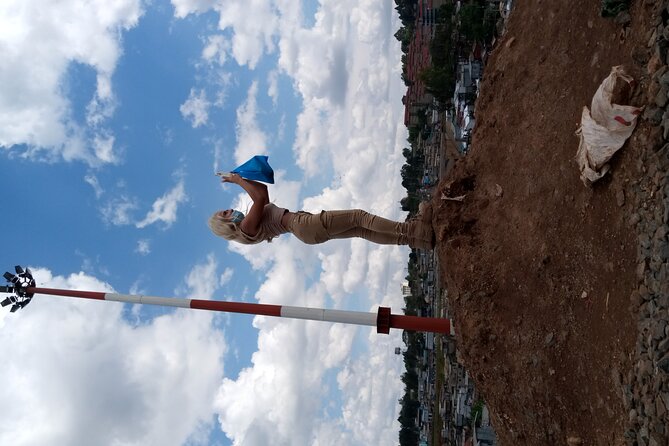
The tour includes time for pictures, but photography needs care. Kibera is home to real people going about private business. A smiling child is not automatically giving permission for a close-up photograph, and a market stallholder may not want a camera pointed at work or customers.
Ask before photographing people. If the answer is no, accept it without argument. Your guide can tell you where photographs are appropriate and may help introduce you before you take a picture.
You will likely see children along the route. Be friendly, but avoid turning the visit into a performance for your camera. You can greet people, listen, and keep moving when your guide suggests it.
This is also where the private format helps. With only your own group, you can pause for a question rather than forming a noisy line through a residential lane. You can also tell Lucas if you want fewer photographs, more conversation, or a shorter stop at a particular place.
Safety, pace, and what the reviews reveal
Safety is the most consistently praised part of the experience. Lucas is described as welcoming, compassionate, and attentive, and Elijah is also described as respected in the community and careful with visitors. That local connection matters in a place where a stranger walking alone could easily take a wrong turn or cause discomfort.
No guide can remove every urban risk. Keep valuables out of sight, stay with the group, and follow instructions about where to walk. Use common sense in crowded market areas.
The pace is usually slow enough for most people who can manage a few hours on foot. Uneven paths are the bigger issue, not speed. Tell the guide ahead of time if you have mobility concerns. The experience is not presented as wheelchair accessible, and the muddy or slippery tracks could be difficult for some visitors.
Weather also matters. The activity requires good weather and may be moved to another date or refunded if conditions make it impractical. For that reason, leave some flexibility in your Nairobi plans during the rainy season.
Is $35 good value?
At $35 per person, this is not the cheapest way to spend a morning in Nairobi, but the private format improves the value. You are paying for a local guide, a planned route, community introductions, and access to places you would not sensibly seek out alone.
The tour becomes better value if you use the time to ask questions and engage with the people you meet. It becomes weaker value if you want a fast photo stop and a list of dramatic sights. This is a conversation-led walking experience, not a standard attraction with a long list of monuments.
The visit to Hope and Shine Kibera Centre adds a practical purpose. You can choose to donate separately, but the tour price should be judged on guiding and access rather than on assumed charitable giving. Any donation should be voluntary and transparent.
Transport is the main extra expense to watch. The listed meeting point and endpoint do not include an automatic hotel transfer, and a $25 pickup option may cost more than arranging an Uber. Ask exactly what is included before you pay for transport.
Who will enjoy this experience most?
I would recommend this tour to you if you want to understand Nairobi through a local neighborhood rather than staying only around major sights. It suits solo visitors, couples, families with older children, and anyone with a strong interest in community life, education, and local enterprise.
It can also work well during a short airport stopover. One person with only a half-day in Nairobi felt the outing offered more insight than remaining at the airport. That only makes sense if you have enough time for the tour, transport, and a safe return to your departure point. Do not book it on a tight connection.
You should think twice if you dislike walking on rough ground, feel uneasy about visiting private homes, or want a polished sightseeing route. You should also avoid it if your main aim is dramatic photography. Kibera residents are not a backdrop.
Booking details worth checking
The price is $35 per person, the activity is private, and confirmation is provided at booking. It is generally booked about 15 days ahead, so reserve early if your Nairobi dates are fixed.
The experience has a mobile ticket, which is convenient for a phone-based itinerary. The advertised duration is approximately three to four hours, with the main walk listed at about three hours.
There is free cancellation up to 24 hours before the start time for a full refund. Cancellations or changes made inside that 24-hour window are not refunded or accepted. The cut-off uses local time, so check the clock in Nairobi when making changes.
The supplied information names Lucas as the tour host, while several departures have been described as led by Elijah. If you specifically want Lucas, confirm that point before booking. The quality of the experience may depend as much on the individual guide as on the route itself.
Should you book the Kibera tour with Lucas?
Book it if you want a thoughtful, local-led look at how people live and work in Kibera, and if you are ready to walk with humility. The strongest elements are the private group, Lucas’s personal connection to the neighborhood, the home visit, Toi Market, and the stop at Hope and Shine Kibera Centre.
Do not book it simply because the words slum tour sound adventurous. Choose it because you want to listen, support local activity where appropriate, and accept the limits of visiting a real community. With sturdy shoes, realistic expectations, and respectful behavior, this can be one of Nairobi’s more instructive half-day experiences.
FAQ
How much does the Kibera Slum Tour with Lucas cost?
The tour costs $35 per person. Optional donations, local purchases, and separate transport arrangements are not included in that price.
How long does the tour last?
Allow approximately three to four hours. The main walking portion is listed at about three hours, though some visits may take closer to two or three hours.
Where does the tour start?
The meeting point is Greenhouse Mall in Kilimani, near Ngong Road, Kenya.
Where does the tour finish?
The tour ends at Equity Bank in Kibera, Nairobi. It does not finish back at Greenhouse Mall.
Is this a private tour?
Yes. Only your group takes part in the activity.
What places are included?
The route includes Kibera, Toi Market, Hope and Shine Kibera Centre, a local home visit, and opportunities to take photographs.
Who leads the tour?
The experience is promoted with Lucas as the guide. Some departures have been led by Elijah, so confirm the guide’s name if that detail matters to you.
What should I wear?
Wear sturdy, closed shoes with good grip. Some paths can be muddy, slippery, or uneven, especially after rain.
What is the cancellation policy?
You receive a full refund if you cancel at least 24 hours before the start time. Cancellations or changes made less than 24 hours before the start are not refunded. If poor weather causes the tour to be canceled, you can choose another date or receive a full refund.
Recently added around Nairobi
- Nairobi; City Walk Tour★ 4.5 · 3 reviews
- 2 Days Amboseli National Park Safari★ 3.5 · 3 reviews
- Private 3-Day Masai Mara Safari Adventure★ 5.0 · 3 reviews
- Kenya safari★ 5.0 · 3 reviews
- Full Day, Small Group Guided Tour to Amboseli National Park★ 4.5 · 3 reviews
- 11-Days Best of Kenya & Tanzania Big 5 Safari on a 4×4 Jeep★ 5.0 · 3 reviews
- 10-Days Explore Kenya Wildlife Private Safari★ 5.0 · 3 reviews
- Nairobi: Giraffe Center, Beads Factory & Bomas of Kenya Tour★ 4.5 · 3 reviews
Nairobi Tours, compared.
Nairobi National Park Half-Day Tour; Free Wi-Fi connection
Read our review →
National Park & Optional Elephants & Giraffe Center
Read our review →
NAI NAMI: Nairobi Storytelling Tour with Street Children
Read our review →



Elephant Orphanage and Giraffe Center Tour with Options
Read our review →Browse the lists this tour appears in