
Reviewed · MOMBASA TOURS
Half day city tour of mombasa
Mombasa’s story is written in its streets, markets, religious buildings, food, and seafront traffic. This four-hour city tour connects those pieces, starting at Fort Jesus and moving through Old Town, the fish and spice markets, the Swaminarayan Hindu temple, Uhuru Gardens, the elephant tusks, and a ferry crossing. Guide Eric Lumbasho brings the focus back to early visitors along the East African coast and the cultural mixing that shaped Mombasa.
I like two things right away: the small group limit of 10 should make it easier to ask questions, and the route includes more than the usual Fort Jesus and Old Town pairing. The markets and ferry give you a look at daily life, while the temple and historic monuments show how many communities have helped shape the city.
The main consideration is pace. This is a lot for four hours, and the tour is primarily a walking experience. You should expect warm weather, busy streets, and brief stops rather than a slow, detailed visit at every site. The listed meeting point is beside Fort Jesus, not a hotel, so plan your own way to Banda Paradise on Sir Mbarak Hinawy Road.
Key points to know before booking
- Fort Jesus begins the story: The tour uses Mombasa’s best-known historic site as a starting point for understanding the coast’s early visitors and changing powers.
- Old Town is explored on foot: Narrow streets, coastal architecture, shops, and local life give the history a human scale.
- The markets add everyday Mombasa: The fish market and spice market connect the city’s past with food, trade, and work today.
- Several cultures appear in one short route: The Swaminarayan Hindu temple, Islamic Old Town, coastal food traditions, and public monuments show Mombasa’s mixed identity.
- The ferry is part of the experience: You get a taste of how movement across the water fits into ordinary life on the coast.
- Eric Lumbasho is the central guide: His strongest subjects are Mombasa’s coastal past, current issues, food, and flexible sightseeing arrangements.
Starting beside Fort Jesus at 9:30 am
The meeting point is Banda Paradise, next to Fort Jesus in Mombasa Old Town. The scheduled start is 9:30 am, and the experience ends back at the same meeting point.
That start time is useful for a half-day plan. You can spend the afternoon at your hotel, visit another attraction, or arrange lunch and further sightseeing on your own. It also gives Eric a clear base for introducing Mombasa before the walking route begins.
I would allow extra time to reach the meeting point. The official details identify the Old Town location, while one past account describes hotel pickup and transport into the city. Since the formal meeting instructions say to meet beside Fort Jesus, you should treat self-arrival as the safe plan unless pickup has been confirmed directly.
The tour uses mobile tickets, and booking confirmation is issued at the time of booking. Public transportation is nearby, and the activity is open to most people who can take part in a walking tour. The group can include no more than 10 people, which is a useful limit in a city where a large group can easily get split up in narrow streets.
More City Tours in Mombasa
- Mombasa City Tour
★ 5.0 · 170 reviews - Mombasa: Tusks, Fort Jesus, Old Town, Beach and City Tour
★ 4.7 · 137 reviews - Mombasa: Private City Tour with Fort Jesus & Haller Park
★ 4.6 · 24 reviews
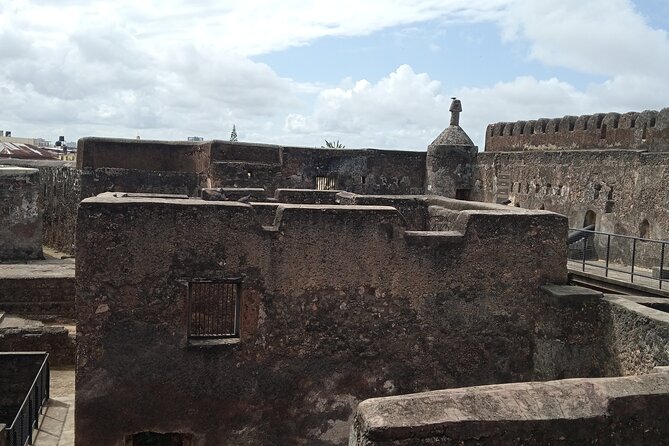
Fort Jesus and the first chapter of coastal history
Fort Jesus is the natural first stop. It gives the tour a physical anchor and helps explain why Mombasa mattered to people arriving by sea.
The main theme is the movement of early visitors along the East African coast and the growth of coastal towns through contact between local communities and foreign arrivals. Eric’s role here is not just to point out old walls. His explanations are meant to connect trade, settlement, power, and cultural exchange with what you will see later in the markets and streets.
Past customers have singled out the Fort Jesus portion as especially memorable, with Eric praised for making the site enjoyable as well as informative. That combination matters. A fort can become a blur of dates and rulers if the story is delivered as a lecture. The better approach is to link the building to Mombasa’s wider coastal setting and to the people who lived, worked, traded, and worshiped around it.
You should keep your expectations sensible. Four hours cover several locations, so Fort Jesus may not receive the same amount of time as a dedicated museum visit. If you want every exhibit and architectural detail, a separate return visit could be worthwhile. For a first look at Mombasa, though, it is an effective place to begin.
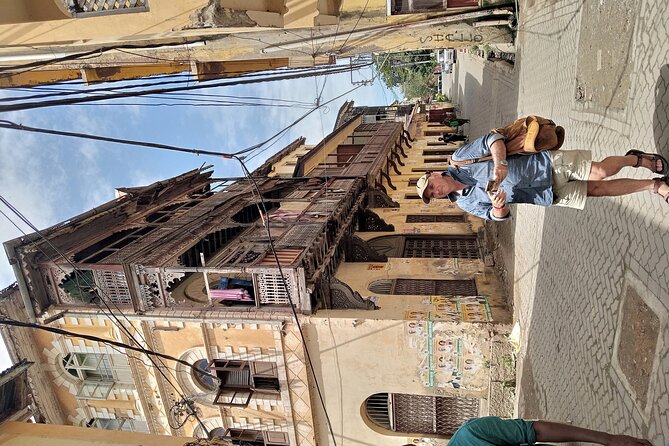
Old Town, where history becomes street life
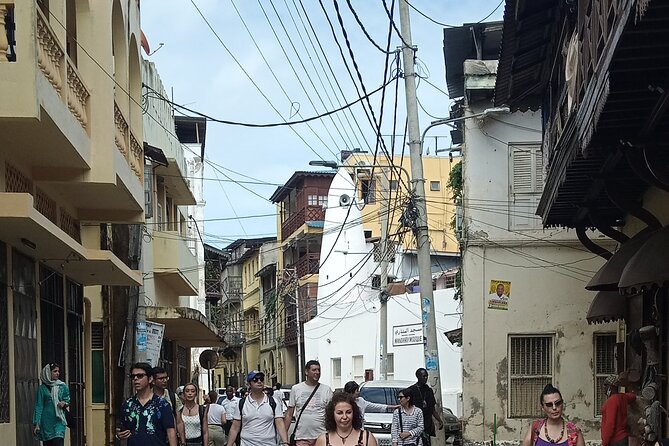
From Fort Jesus, the tour moves into Old Town. This is where the experience shifts from a single historic attraction to a living urban district.
Walking is important here. You can see the relationship between buildings, lanes, shops, and people in a way that is difficult from a vehicle. The tour’s larger message about cultural exchange becomes easier to understand when you move through a district shaped by long contact between coastal residents and visitors from different parts of the world.
Eric’s explanations focus on how coastal towns developed and how outside contact influenced food, clothing, customs, and daily habits. That is a more useful way to approach Old Town than simply hunting for old façades. Look for the connections between what people sell, what they eat, how they dress, and how the neighborhood functions today.
Several past comments describe Eric as flexible and patient. One account specifically notes an additional tuk-tuk ride to the spice market. That does not mean a tuk-tuk ride is guaranteed as part of every booking, but it does suggest you can ask about a vehicle transfer if the walking route or timing needs adjustment. Any extra transport should be confirmed with the provider rather than assumed.
Old Town can be crowded and uneven underfoot. Wear comfortable shoes, keep your belongings secure, and leave room in your schedule for pauses. The route is designed for seeing and listening, not for rushing from one photo stop to the next.
Fish market and spice market: Mombasa through food
The fish market and spice market give the tour a strong local focus. These stops are useful because they show the coast through work and food, not only through monuments.
At the fish market, you can expect a more direct look at a working part of the city. The point is less about a polished attraction and more about seeing how seafood fits into coastal life. The setting may feel practical and raw rather than tidy or staged. If you prefer museums and quiet streets, this could be the least comfortable part of the route. If you want a closer look at ordinary commerce, it adds something that a standard historic walk often misses.
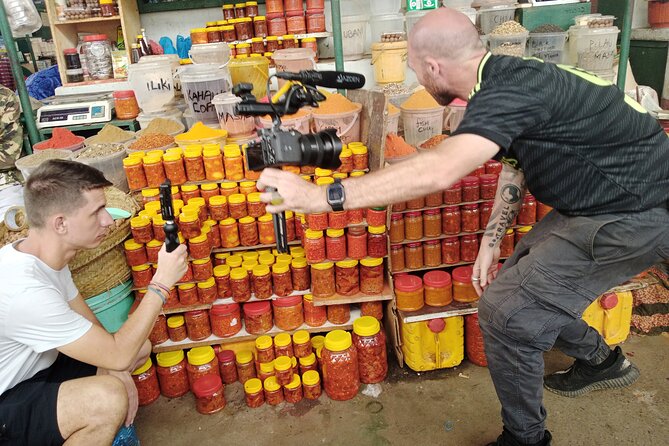
The spice market connects directly to Mombasa’s food culture. It also helps explain how contact along the coast shaped cuisine. The tour description links the cultural blend to food, clothing, and ways of life, and the spice stop gives that idea a clear, sensory form.
One past group used Eric’s help while filming a documentary about Mombasa’s culinary traditions. That detail is worth noting if food is a major reason for your visit. Eric can be useful for explaining the role of ingredients and suggesting places to eat, though restaurant recommendations are not formally listed as part of this tour.
Do not assume food tastings or market purchases are included. The available details mention visits to the markets, not samples, meals, or shopping allowances. Bring a little flexibility if you want to buy spices or souvenirs, but remember that the tour must continue to the remaining stops.
A few more Mombasa days to weigh up
- Walking Tour Through Old Town Mombasa and Fort Jesus
★ 5.0 · 393 reviews - Mombasa: Kisite Park Private Cruise with Breakfast and Lunch
★ 4.7 · 181 reviews - Half-Day Scenic Bike Tour
★ 5.0 · 75 reviews - 2 Days Tsavo East National Park Tour From Mombasa/Diani (1 Night)
★ 5.0 · 50 reviews
The Swaminarayan Hindu temple and Mombasa’s mixed identity
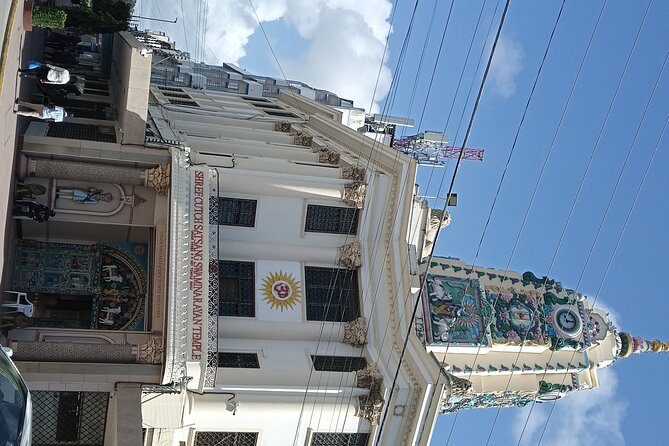
The Swaminarayan Hindu temple adds a different religious and cultural layer to the route. Its presence beside the other Old Town and city sights helps make the tour’s main idea concrete: Mombasa is not defined by one community or one period of history.
This stop works best when you view it as part of a wider conversation about movement and settlement along the coast. The tour is not only about early visitors in a distant past. It also asks you to notice how communities with different traditions became part of the city’s present-day identity.
The information provided does not promise an interior visit, a formal religious talk, or a set amount of time at the temple. I would treat it as a sightseeing stop and follow any instructions given on site. Dress respectfully at religious locations, and ask before taking photographs.
This is also a good point to ask Eric about the cultural links you have already seen in the markets and Old Town. His background in coastal history and his interest in current African issues make the conversation broader than a list of dates. The experience is at its best when you use the walking time to ask questions.
Elephant tusks and Uhuru Gardens
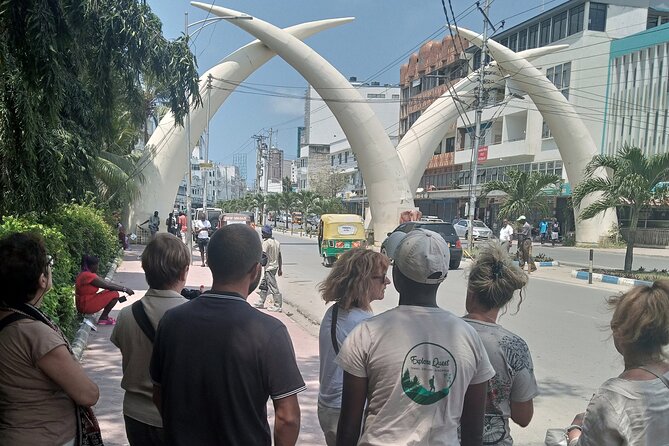
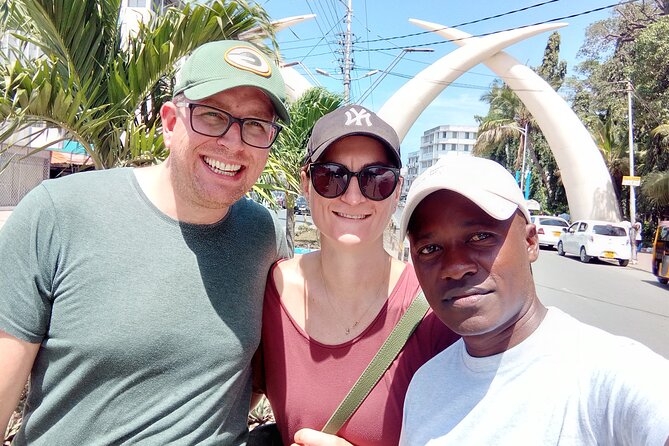
The elephant tusks are among Mombasa’s most recognizable public landmarks. They offer an easy photo stop and a chance to look at how the modern city presents itself through symbols and civic spaces.
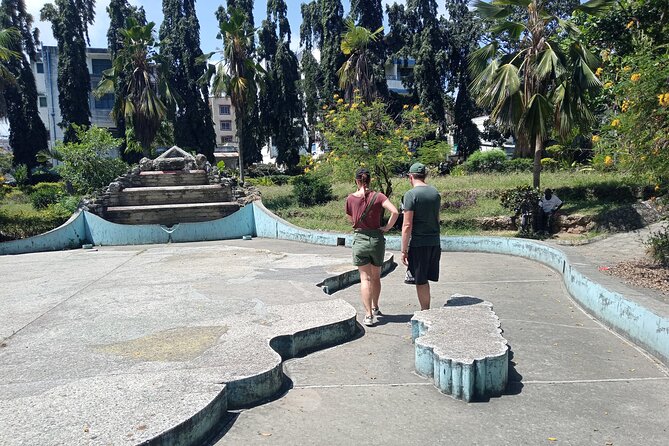
Uhuru Gardens adds another public setting to the route. Together, the gardens and tusks give you a break from the tighter streets of Old Town and show a different side of central Mombasa. These stops are likely to be shorter than Fort Jesus because the tour has several locations to cover, but they help round out the city picture.
The tusks are a monument rather than a natural wildlife encounter, so do not confuse this visit with a safari experience. The tour is about the city and its history, not seeing live elephants. That distinction matters if you are choosing between a cultural morning in Mombasa and a separate wildlife excursion.
The order of stops may vary. The available information names the places included but does not set out a minute-by-minute schedule. A flexible route is helpful if traffic, walking conditions, or the needs of a small group affect the timing.
The ferry crossing and the value of ordinary movement
The ferry experience is a particularly useful addition. It puts you into a form of transport that is part of coastal movement rather than a sightseeing display.
A ferry crossing can be brief, but it changes your view of Mombasa. You are no longer only looking at historic buildings or market stalls. You are seeing how the city connects across the water and how daily transport shapes life on the coast.
The exact ferry route and crossing time are not specified, so you should not book this expecting a long boat cruise. Think of it as a practical part of the city experience. Its value comes from seeing Mombasa in motion.
If you are uncomfortable with boats or want a fully controlled museum-style tour, this may not be your favorite element. For me, it makes the outing feel more grounded. The ferry is not an artificial add-on. It is tied to how the city works.
Eric Lumbasho’s guiding style
The strongest thread running through the available feedback is Eric’s ability to explain Mombasa in an engaging, personal way. His main strengths are coastal history, flexibility, patience, and a willingness to adjust the experience when sensible.
He has also guided food-focused outings, birdwatching trips, nightlife visits, dinners in Diani, and longer excursions beyond Mombasa. Those other activities are not included here, but they show that he works across different kinds of interests. For this city tour, his value lies in making links between the sites rather than treating each one as an isolated stop.
Several people also describe him as friendly and fun. That can make a real difference on a walking tour. You spend four hours asking questions, crossing busy areas, and moving between very different settings. A guide who can adjust to your pace and interests is more useful than someone who simply recites a fixed script.
The public score is 4.8 from 13 reviews, with 100 percent recommending the experience. That is a positive record, though the sample is still small. I would book it for Eric’s local interpretation and flexible manner, not because a rating can guarantee the exact same experience for every group.
Is $40 a fair price?
At $40 per person, the tour sits in a reasonable range for a four-hour guided city experience, provided you value interpretation and the number of stops. You are paying for a compact introduction to Mombasa that combines a major historic site, Old Town, working markets, religious architecture, public monuments, and a ferry experience.
The value is strongest if you are new to Mombasa and want a framework for the rest of your stay. After four hours, you should have a clearer sense of the city’s past, its cultural mixture, and the places you may want to revisit on your own.
The value is weaker if you want a slow museum visit, a private vehicle, a meal, or a full-day outing. The advertised activity is approximately four hours and mainly on foot. The listed price does not specify that entrance fees, food, shopping, hotel pickup, or extra tuk-tuk rides are included, so confirm those points before paying for anything on the day.
Free cancellation is available when you cancel at least 24 hours before the 9:30 am start. Cancellations within 24 hours are not refunded, and changes in that period are not accepted. Since the tour requires good weather, a cancellation caused by poor weather should result in a different date or a full refund.
Who should book this Mombasa city tour?
I would choose this experience if you have a half-day available and want more than a quick photo at Fort Jesus. It suits first-time visitors, history fans, food-minded people, and anyone who likes to understand a city through its streets and markets.
It also suits small families and groups who enjoy asking questions. The maximum of 10 people is small enough to make conversation practical, though the tour remains a shared experience rather than a guaranteed private tour.
You may want something else if you have limited mobility, dislike walking in warm conditions, or need a very slow pace. The details say most people can participate, but they do not provide specific accessibility information. Ask the provider before booking if you have concerns about walking, market conditions, or the ferry.
Should you book it?
Book this tour if you want a compact, people-focused introduction to Mombasa and you are happy to walk. The best reasons are the broad route, the attention to food and cultural exchange, the small group size, and Eric Lumbasho’s clear strength in coastal history and flexible guiding.
Skip it if you want a private car tour, a dedicated Fort Jesus visit, or a long ferry ride. For most first visits, though, $40 buys a useful morning that links Mombasa’s past with the city you can see and hear around you now.
FAQ
Where does the Mombasa city tour start?
The tour starts at Banda Paradise, next to Fort Jesus in Mombasa Old Town, on Sir Mbarak Hinawy Road, Mombasa, Kenya.
What time does the tour start?
The scheduled start time is 9:30 am.
How long does the activity last?
The tour lasts approximately four hours.
Where does the tour end?
The activity ends back at the meeting point beside Fort Jesus.
How much does the tour cost?
The listed price is $40 per person.
What places are included?
The route includes Fort Jesus, Old Town, the fish market, the spice market, the Swaminarayan Hindu temple, the elephant tusks, Uhuru Gardens, and a ferry experience.
Is this a walking tour?
Yes. The experience is described as a walking tour of Mombasa city. One past experience also included an additional tuk-tuk ride to the spice market, but that should not be assumed for every booking.
How many people can join?
The maximum group size is 10 people.
Is hotel pickup included?
The formal meeting information gives a meeting point beside Fort Jesus and does not confirm hotel pickup. Confirm directly with Explore Quest before booking if you need transportation from your hotel.
What is the cancellation policy?
You can cancel at least 24 hours before the start time for a full refund. Cancellations or changes made less than 24 hours before the start are not accepted for a refund. If poor weather causes the activity to be canceled, you will be offered another date or a full refund.
Recently added around Mombasa
- 1-Day Tsavo East Safari From Mombasa★ 5.0 · 3 reviews
- 1 day Shimba hills★ 4.5 · 3 reviews
- Mombasa: Wasini Dolphin Tour★ 3.2 · 3 reviews
- Overnight Safari Tour to Saltlick Lodge from Mombasa★ 5.0 · 3 reviews
- Airport Transfers to Watamu and Malindi★ 3.5 · 3 reviews
- 3 Days Private Tour of Mombasa★ 4.5 · 3 reviews
- 3 Days (2 nights); Tsavo East & West Safari:★ 5.0 · 3 reviews
- Mombasa: Historical Guided city tour. Old town, Fort Jesus★ 4.2 · 3 reviews
Mombasa Tours, compared.
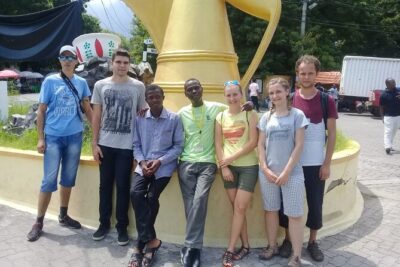
Walking Tour Through Old Town Mombasa and Fort Jesus
Read our review →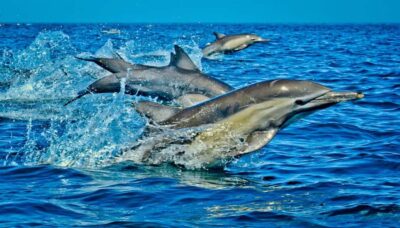
Kisite Park Private Cruise with Breakfast and Lunch
Read our review →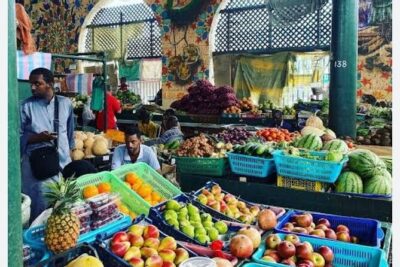
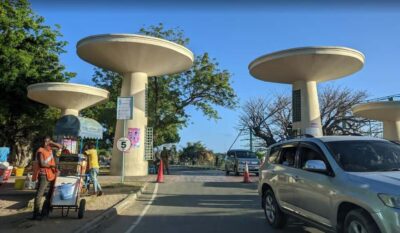
Tusks, Fort Jesus, Old Town, Beach and City Tour
Read our review →
2 Days Tsavo East National Park Tour From Mombasa/Diani (1 Night)
Read our review →
Browse the lists this tour appears in