
Reviewed · NAIROBI TOURS
4 Days Masai Mara and Lake Nakuru Shared Camping Safari
The real draw here is the contrast between two of Kenya’s best-known wildlife parks in just four days. You get the broad grasslands of Maasai Mara, famous for lions, leopards, cheetahs, elephants, wildebeest, and the Mara River, then the smaller, more concentrated wildlife setting of Lake Nakuru.
I like the small shared group, capped at six people, and the way the price bundles transport from Nairobi, park fees and taxes, meals, game drives, and overnight stays. I also like the family-friendly touch: a child seat was installed for one family even though it had not been requested, and Monicah from Trail Tracers helped with arrangements from the first meeting through the final day.
The main trade-off is the amount of road time. Day 1 and Day 3 each run about 12 hours, and the drive between Nairobi, Maasai Mara, and Nakuru leaves little room for rest. You save money and cover two major parks, but this is an active safari rather than a slow, luxurious retreat.
Key points before you book
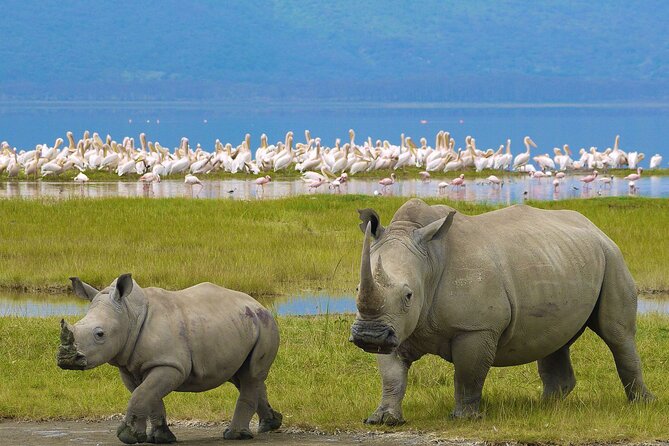
- Two major parks in four days: Combine Maasai Mara’s big cats and Mara River with Lake Nakuru’s rhinos and birdlife.
- Small shared vehicle: The group size is limited to six, which should make wildlife viewing and transfers easier than on a large coach.
- Nairobi pickup at 7 a.m.: Pickup is offered from hotels or residences within Nairobi CBD.
- Camping at Rhino Tourist Camp: The first two nights are based at the Maasai Mara camp, followed by Buraha Zenon Resort in Nakuru.
- Optional Maasai village visit: You can add a village visit at an extra cost, on Day 2 or before leaving the Mara on Day 3.
- Useful for families: A child seat was provided for one family without a prior request, though you should still confirm your own needs before departure.
Why this safari works for a short Kenya trip
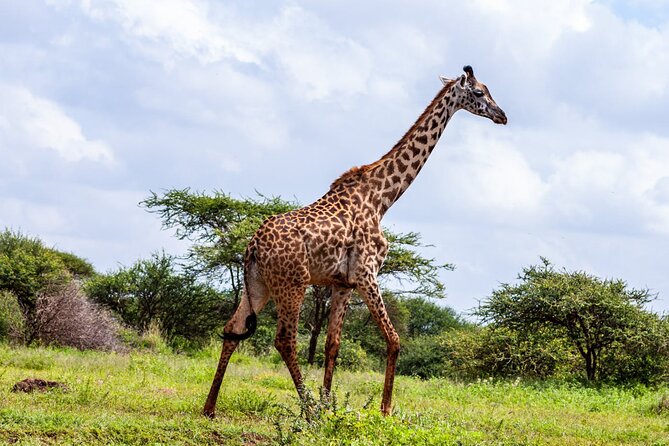
If you have only four days, this route gives you a clear taste of Kenya’s classic safari country without asking you to choose between Maasai Mara and Lake Nakuru. The Mara is the headline act, with its open wildlife country and famous big-cat sightings. Nakuru adds a different setting, plus a strong chance to look for black and white rhinos.
At $765 per person, the value depends on how much you want packed into the time. The cost includes all fees and taxes, two breakfasts, three dinners, and three lunches. It also includes the scheduled accommodation and transport arrangements described for the safari, with pickup in Nairobi and return to your hotel or the airport.
I see this as a sensible middle ground between a private safari and a large budget coach trip. You share the experience, but the group limit of six keeps it relatively personal. The price is not the lowest possible way to see Kenya, yet it covers two parks, several game drives, meals, and three nights away from Nairobi.
You should also keep some cash aside for drinks, personal items, tips, and the optional Maasai village visit. Alcoholic drinks and other beverages are not included. International flights are also outside the price.
More Maasai Mara Safaris in Nairobi:
- 3 Days Masai Mara Group Joining
★ 5.0 · 486 reviews - 5 Days Masai Mara, Lake Nakuru & Naivasha Budget Joining Safari
★ 5.0 · 229 reviews - 3 Days Gamedrive Safari In Masai Mara From Nairobi
★ 5.0 · 207 reviews
Day 1: The Rift Valley viewpoint and first Mara game drive
Pickup is scheduled for 7 a.m. from your hotel or residence within Nairobi CBD. The route heads toward Maasai Mara, with a stop at the Great Rift Valley viewpoint. This is a worthwhile break from the road, giving you a wide view across the Rift Valley floor and a chance to take photographs.
Lunch is planned as a picnic on the way. That keeps the schedule moving, but it also tells you what sort of trip this is: practical, road-based, and focused on getting you into the reserve rather than spending hours at restaurants.
After checking in at Rhino Tourist Camp, you set out for an afternoon game drive. The listed drive begins around 3:30 p.m. and continues until 6 p.m. This is your first serious chance to spot the Mara’s large animals, including lions, leopards, cheetahs, rhinos, elephants, and wildebeest.
I like this opening game drive because it gives you an immediate introduction to the reserve without waiting until the next morning. The limitation is time. A few hours can produce wonderful sightings, but wildlife does not follow a timetable, so you should treat the list of possible animals as exactly that, a list of possibilities rather than a promise.
Dinner and overnight accommodation are at Rhino Tourist Camp. The camping element keeps the safari within a budget range, but you should choose this trip because you are comfortable with a simpler base than a high-end lodge. The supplied information does not describe the tents or bathroom arrangements, so ask Trail Tracers about the exact setup if those details matter to you.
Day 2: A full day beside the Mara River
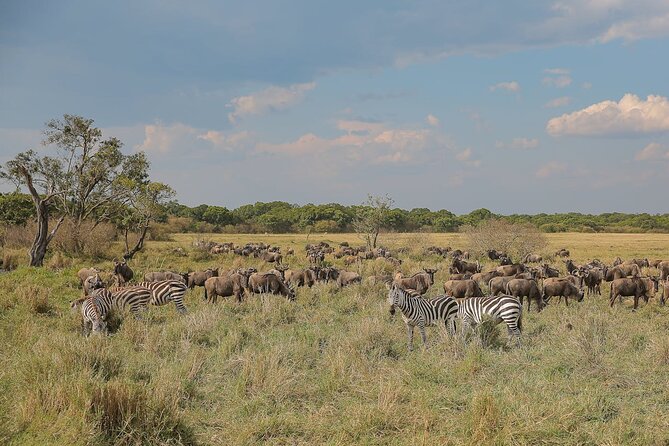
After breakfast, you spend a full day on game drives in Maasai Mara. A picnic lunch is included, allowing you to stay out in the reserve rather than return to camp in the middle of the day.
The route takes you toward the Mara River, where crocodiles, hippos, and other animals are commonly found in and around the water. This is one of the most appealing parts of the schedule because it changes the type of wildlife you are looking for. The Mara is not only about chasing big cats across the plains. At the river, you can watch animals gather, rest, or wait near the water.
The river is also connected with the famous annual wildebeest migration, although the safari does not guarantee that you will visit during the migration or witness a crossing. If that event is your main goal, confirm the dates and seasonal conditions before booking. The park can still be rewarding outside migration season, with big cats, elephants, rhinos, and wildebeest among the possible sightings.
You also have the option to visit a Maasai village. This costs extra, so decide in advance if you want to add it. I would treat the visit as a separate cultural activity rather than something automatically included in the safari. Ask what it covers, how long it lasts, and what payment is expected before agreeing.
The full-day schedule is excellent for maximizing time in the reserve, but it can be tiring. You will spend many hours in a safari vehicle, with a picnic lunch rather than a long sit-down meal. Families should think about how their children handle long drives and changing wildlife-viewing conditions.
You return to Rhino Tourist Camp for dinner and another night. Keeping the same base for two nights is useful. You avoid packing up every morning, and your second Mara day can focus on wildlife rather than another accommodation change.
Day 3: Leaving the Mara for Lake Nakuru
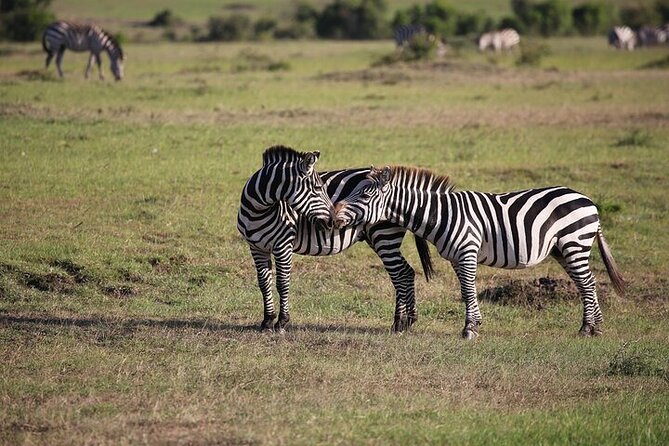
After breakfast, you can take the optional Maasai village visit if you did not do it on Day 2. You then leave the Mara and continue toward Nakuru, with lunch on the route.
This is the most transfer-heavy day of the safari. The journey includes views of Mount Longonot and Lake Naivasha from the main highway, then continues toward Lake Nakuru, with arrival expected in the late evening. The scenery gives the drive some variety, but you should not think of this as a sightseeing day with long stops at every viewpoint.
Overnight accommodation is at Buraha Zenon Resort in Nakuru. The move from a camping base in the Mara to a resort in Nakuru gives the trip a change of pace, though the supplied details do not specify the room type or facilities. If you need a particular sleeping arrangement, ask before departure.
Day 3 is also where the value of the two-park route becomes clear. You are not flying between parks or paying for a private vehicle. Instead, you accept a long overland transfer and use the road to connect two major wildlife areas at a lower overall cost.
Still, this day may be the hardest for anyone who dislikes long journeys. The schedule lists about 12 hours, and the late arrival means you will have limited free time in Nakuru. Bring water, keep personal items easy to reach, and expect the day to be more about moving efficiently than relaxing.
More Lake Nakuru Safaris in Nairobi:
- 4 Days Safari Lake Nakuru NP Naivasha and Masai Mara
★ 5.0 · 132 reviews - 5 Days Lake Naivasha, Lake Nakuru, & Masai Mara
★ 5.0 · 101 reviews - Full Day Lake Nakuru Park and optional boat ride on Lake Naivasha
★ 4.5 · 95 reviews - 4-Day Group 4×4 Safari to Masai Mara & Lake Nakuru with Pick-Up
★ 5.0 · 87 reviews
Day 4: Rhinos and the shores of Lake Nakuru
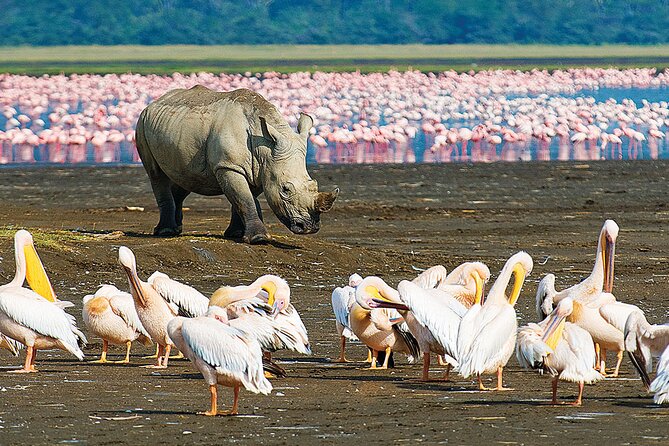
After breakfast, you head into Lake Nakuru National Park for a game drive. The park is particularly known for black and white rhinos, making it a strong complement to the Mara.
You may also see waterbuck, impala, lions, and buffalo in the gardens and open areas around the lake. Lake Nakuru is often called the Pink Lake because large numbers of flamingos can line its shores. Flamingo numbers can vary, so consider the birdlife a possible highlight rather than a fixed attraction, but the setting gives this game drive a different feel from the Mara’s open plains.
One useful distinction is that Nakuru can feel more compact and concentrated than Maasai Mara. That may make it easier to look for specific animals during a shorter morning drive. It also gives you a better chance to focus on rhinos without spending another full day covering a huge reserve.
After lunch, you leave for Nairobi. Lunch is listed as en route, and arrival is expected between 3:30 and 4 p.m. The final transfer includes a drop-off at your hotel or at the airport, which is helpful if you are connecting to an international flight.
I would be cautious about scheduling a tight same-day flight. The stated return time is an estimate, not a guarantee, and road conditions can affect the journey. If you use the airport drop-off, allow a generous margin after the planned arrival time.
Maasai Mara versus Lake Nakuru
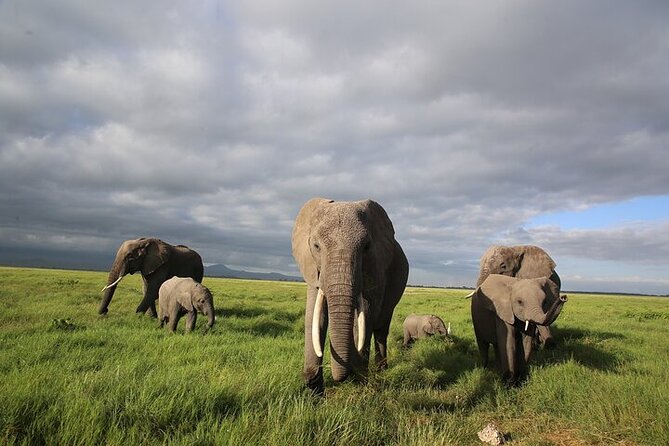
The two parks serve different purposes, and your preference may depend on the animals you most want to see.
Maasai Mara is the bigger wildlife story. It is the place to look for lions, leopards, cheetahs, elephants, rhinos, and wildebeest across a broad reserve. The Mara River adds hippos and crocodiles, while the optional village visit adds a cultural stop at an extra cost.
Lake Nakuru is the focused finale. Its main wildlife appeal is black and white rhino, with waterbuck, impala, lions, buffalo, and flamingos adding variety. The park is also described as less crowded than the Mara, which can make the final game drive feel calmer and more concentrated.
I would not book this route only for flamingos or only for a guaranteed Big Five checklist. Wildlife sightings depend on timing and conditions. The strength of the tour is the range of habitats and the chance to see different kinds of animals over several drives.
Meals, camping, and daily comfort
Three dinners, three lunches, and two breakfasts are included. The schedule also describes picnic lunches on some game-drive days and meals on the road, so you should expect simple, functional dining designed around the route.
The first two nights are at Rhino Tourist Camp, while the Nakuru night is at Buraha Zenon Resort. That combination suits people who want to keep costs under control and do not need a luxury lodge every night. It may be less appealing if you want private downtime, polished service, or a detailed choice of meals.
The camping label is important. You are not booking a luxury tented camp based on the information supplied. Ask Trail Tracers exactly what the camp accommodation includes, especially if you have concerns about beds, bathrooms, electricity, or luggage storage.
The same advice applies to drinks. Alcohol and beverages are not included, and personal items are your responsibility. Pack for long road days and keep anything you need during transfers close at hand.
The small-group setup and family considerations
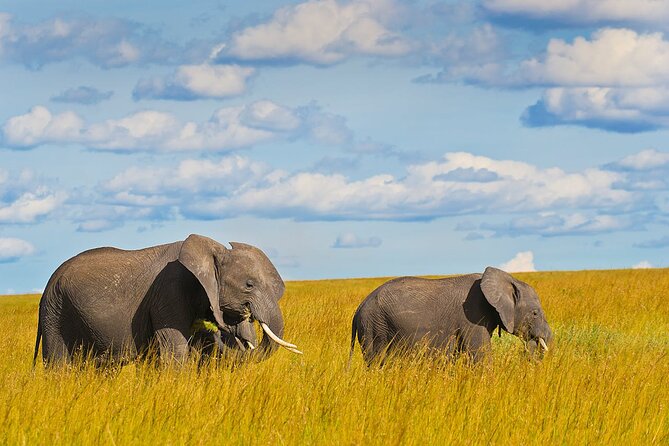
The maximum group size is six people. That is a practical limit for a shared safari because fewer people generally means less waiting when the vehicle stops or changes direction. It also gives you a better chance to discuss animal sightings and viewing preferences with the driver or guide.
The available information does not name the safari guide or driver, so you should not assume a particular person will lead your trip. Monicah from Trail Tracers is identified as a helpful contact for arranging family trips, but the assigned field staff may vary.
This safari can work for families, especially because one child seat was fitted quickly for a family with a child. I would still confirm the child’s age, seat type, and availability before booking. The long road transfers and full-day game drive on Day 2 are the bigger family questions, not just the presence of a seat.
Most people can take part, and the tour is near public transportation, though the main pickup is offered from Nairobi CBD hotels or residences. The mobile ticket and booking confirmation at the time of purchase make the start straightforward.
What the $765 price really buys
At $765 per person, you are paying for breadth and convenience rather than luxury. The tour combines two national parks, several game drives, accommodation, meals, listed taxes and fees, Nairobi pickup, and a return transfer.
For a first safari, that is a useful package. You do not need to plan separate park entries, arrange a vehicle for each reserve, or work out how to get from Maasai Mara to Nakuru. The shared format helps keep the cost below a private safari.
The cost is less attractive if you want to spend more time in each park. Two days in the Mara give you the strongest wildlife time, while Nakuru receives a shorter final game drive after a late arrival the previous evening. A longer trip would provide a gentler pace, but this four-day option is built for a tight schedule.
I would also compare the price with the level of accommodation you want. The itinerary promises a budget camping style, not a high-end lodge experience. If your priority is wildlife access, the package makes sense. If your priority is comfort between drives, ask detailed questions before paying.
Who should book this safari
I would recommend this experience to you if you want a first taste of Kenya’s best-known wildlife parks, prefer a small shared group, and are willing to spend long hours on the road to keep the price manageable.
It is especially suitable for:
- First-time safari visitors based in Nairobi
- Families who want a child-friendly shared option
- People hoping to see big cats in Maasai Mara
- Anyone interested in rhinos at Lake Nakuru
- Budget-conscious visitors who still want several game drives
- People finishing in Nairobi and needing an airport or hotel transfer
I would hesitate if you need a slow pace, luxury accommodation, or guaranteed migration sightings. I would also think twice if you have a very tight international flight on Day 4, since the Nairobi arrival is scheduled rather than fixed.
Should you book the four-day route?
Book it if your priority is seeing a lot in a short time. The route gives you the Mara’s big cats and river wildlife, Lake Nakuru’s rhinos and possible flamingos, a small group capped at six, and meals and fees included in a single price.
Before booking, confirm the camping facilities, child-seat arrangements, exact pickup point, and the timing of any airport transfer. Ask about the optional Maasai village visit as well, since it costs extra.
For $765, this is a practical safari for people who value access and variety over polish. You will work for the experience with early starts, long drives, picnic meals, and a busy schedule, but you also get a strong snapshot of Kenya’s wildlife in four days.
FAQ
Where does the safari begin?
Pickup is offered at 7 a.m. from hotels or residences within Nairobi CBD.
How long is the safari?
The experience lasts approximately four days.
Which parks does the safari visit?
The route visits Maasai Mara National Reserve and Lake Nakuru National Park.
How many people can join the shared safari?
The activity has a maximum group size of six people.
What animals might I see in Maasai Mara?
Possible sightings include lions, leopards, cheetahs, rhinos, elephants, and wildebeest. The Mara River area may also have crocodiles and hippos.
What is Lake Nakuru known for?
Lake Nakuru is known for black and white rhinos and can also have flamingos, waterbuck, impala, lions, and buffalo.
Is the Maasai village visit included?
No. The Maasai village visit is optional and costs extra.
What is included in the price?
The listed inclusions are all fees and taxes, two breakfasts, three dinners, and three lunches. International flights, alcoholic drinks, other beverages, personal items, and tips are not included.
More 4-Day Experiences in Nairobi
- 4 Days Safari Adventure Masai Mara and Nakuru Park Group
★ 5.0 · 87 reviews - Nairobi: 4-Day Maasai Mara & Lake Nakuru Camping Safari
★ 4.5 · 77 reviews - 4-Day Masai Mara and Lake Nakuru Jeep Safari
★ 4.5 · 70 reviews - From Nairobi: 4-Day Maasai Mara and Lake Nakuru Group Safari
★ 4.6 · 50 reviews
More safaris from Nairobi
- Safari Tour; Nairobi National Park
★ 4.5 · 594 reviews - Half-Day Nairobi National Park Safari from Nairobi with Free Pickup
★ 4.5 · 264 reviews - From Nairobi: 3 – Days Maasai Mara Group Safari by 4WD
★ 4.6 · 205 reviews - 3 Days Maasai Mara Guided Safari from Nairobi
★ 4.5 · 195 reviews
Recently added around Nairobi
- Nairobi; City Walk Tour★ 4.5 · 3 reviews
- Private 3-Day Masai Mara Safari Adventure★ 5.0 · 3 reviews
- Kenya safari★ 5.0 · 3 reviews
- 2 Days Amboseli National Park Safari★ 3.5 · 3 reviews
- 11-Days Best of Kenya & Tanzania Big 5 Safari on a 4×4 Jeep★ 5.0 · 3 reviews
- Full Day, Small Group Guided Tour to Amboseli National Park★ 4.5 · 3 reviews
- 10-Days Explore Kenya Wildlife Private Safari★ 5.0 · 3 reviews
- Nairobi: Giraffe Center, Beads Factory & Bomas of Kenya Tour★ 4.5 · 3 reviews
Nairobi Tours, compared.

Nairobi National Park Half-Day Tour; Free Wi-Fi connection
Read our review →
National Park & Optional Elephants & Giraffe Center
Read our review →
NAI NAMI: Nairobi Storytelling Tour with Street Children
Read our review →




Elephant Orphanage and Giraffe Center Tour with Options
Read our review →Browse the lists this tour appears in