
Reviewed · KENYA
Watamu: Learn Kenyan Cusine with Jonathan
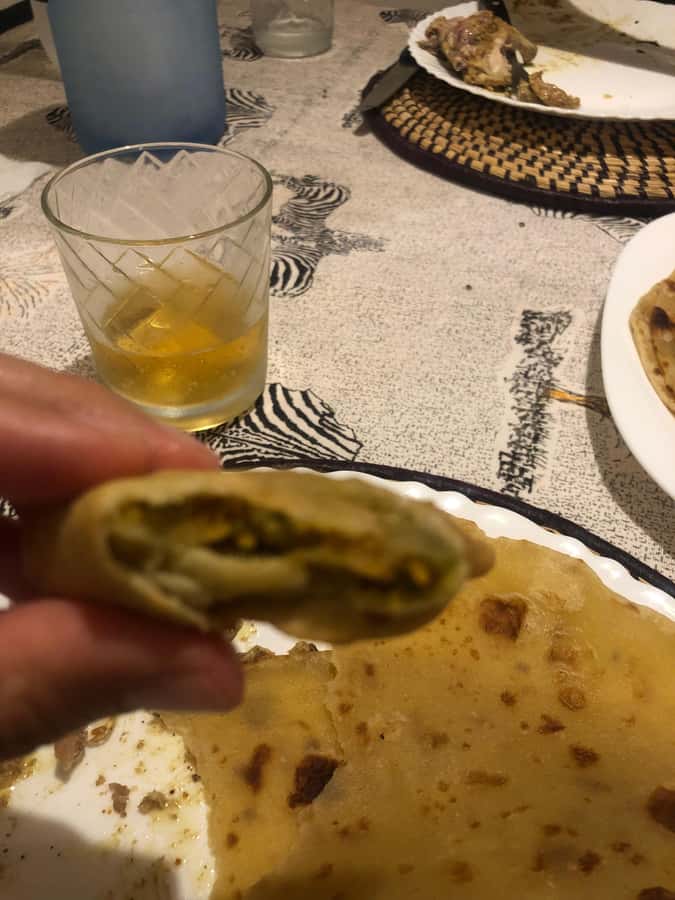
The best part of this Watamu experience is that you do not just sit down to eat Kenyan food. You make ugali, chapati, and samosas yourself, with Jonathan guiding you through the work. You can visit his village or arrange the class at your own house or resort, which gives the experience a useful level of flexibility.
I like the private format and the chance to meet Jonathan’s family in the village setting. I also like that the class is priced at $23 per person, with transfer and cooking materials included. The main consideration is that two hours passes quickly, especially if your group wants careful instruction, plenty of photos, and time to eat at an easy pace.
Key points to know before booking
- Cook three Kenyan staples: Learn to prepare ugali, chapati, and samosas, with the meal shared at the end.
- Meet Jonathan in his village: The village option offers a more personal setting and a look at daily local life.
- Choose your own location: Jonathan can come to your house or resort instead.
- Keep the group private: The class is designed for one private group of up to 10 people.
- Use the included pickup: Private transfer is included, making the village option easier to arrange.
- Book around your schedule: The activity lasts two hours, and you can cancel up to 24 hours ahead for a full refund.
Why cooking in Watamu can be more memorable than a restaurant meal
A restaurant lets you taste Kenyan food. This class lets you handle the ingredients, watch the cooking process, and sit down with the person who taught you. That simple change makes the meal easier to remember and gives you a practical skill to take home.
Jonathan focuses on dishes that are central to everyday Kenyan cooking. Ugali is a firm maize-based staple, chapati is a soft flatbread, and samosas bring a crisp, filled pastry to the meal. Together, they give you a useful introduction to different cooking methods rather than a single recipe.
You should expect a hands-on session rather than a formal demonstration where you sit back and watch. Jonathan teaches you how to make the food from scratch, then you eat together. The tone is personal and informal, which suits anyone who wants conversation and local contact along with lunch.
This is also a good choice if you want an activity that does not take up an entire day. The class lasts two hours, so you can fit it between other plans in Watamu. Still, you should not expect a long culinary course. The value is in the personal setting and the chance to take part, not in mastering every detail of Kenyan cuisine.
Other Kenya days people put in the same week:
- Nairobi National Park Half-Day Tour; Free Wi-Fi connection
★ 5.0 · 878 reviews - Nairobi: National Park & Optional Elephants & Giraffe Center
★ 4.8 · 874 reviews - NAI NAMI: Nairobi Storytelling Tour with Street Children
★ 5.0 · 792 reviews
Arriving at Jonathan’s village
If you choose the village option, Jonathan picks you up and takes you to his home area. The transfer is private, so you are not joining a large bus group or waiting for other participants at several hotels.
The village setting is the more distinctive choice. It places the cooking beside the family and community environment where these foods belong, rather than moving the lesson into a generic cooking studio. Several people who have taken the class describe being welcomed by Jonathan and his family, with plenty of conversation and laughter during the visit.
You should choose this option if your main goal is cultural contact. It gives the cooking a stronger sense of place, and it can help you understand that ugali and chapati are not simply dishes prepared for visitors. They are part of ordinary home cooking and shared meals.
There is one practical point to keep in mind. A village visit may feel less polished than a class held at a resort kitchen. That is part of its appeal, but it also means you should arrive ready for a simple, local setting rather than a professional culinary school.
The activity is described as wheelchair accessible, though the exact conditions at the village location are not detailed. If you use a wheelchair, confirm the pickup and village arrangements with Jonathan before booking. The resort or private-home option may be the easier choice if you need a very specific setup.
Choosing the resort or private-home option
You can ask Jonathan to come directly to your house or resort. This is the sensible option if you want convenience, have young children, are organizing a small family event, or prefer to avoid leaving your accommodation.
The location choice also lets you shape the mood of the class. At your resort, you may have easier access to seating, shade, water, and a familiar bathroom. At home, you can continue with your own plans immediately after the meal.
You will need to arrange the preferred location through WhatsApp. That conversation matters because the published details do not specify exact starting times or the cooking setup at every accommodation. Confirm where the class will take place, what time Jonathan will arrive, and how the private transfer applies to your chosen option.
The village remains the better pick if you want the strongest connection to Jonathan’s daily setting. Your resort is better if comfort and simple logistics matter more. Neither option is automatically superior. It depends on how much local context you want compared with how much control you want over the setting.
Making ugali from scratch
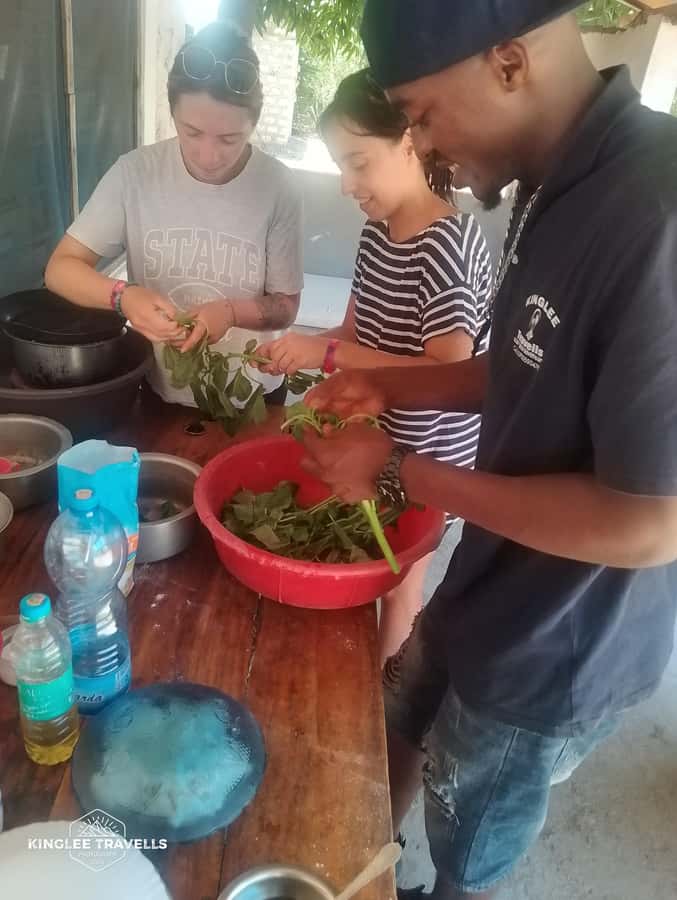
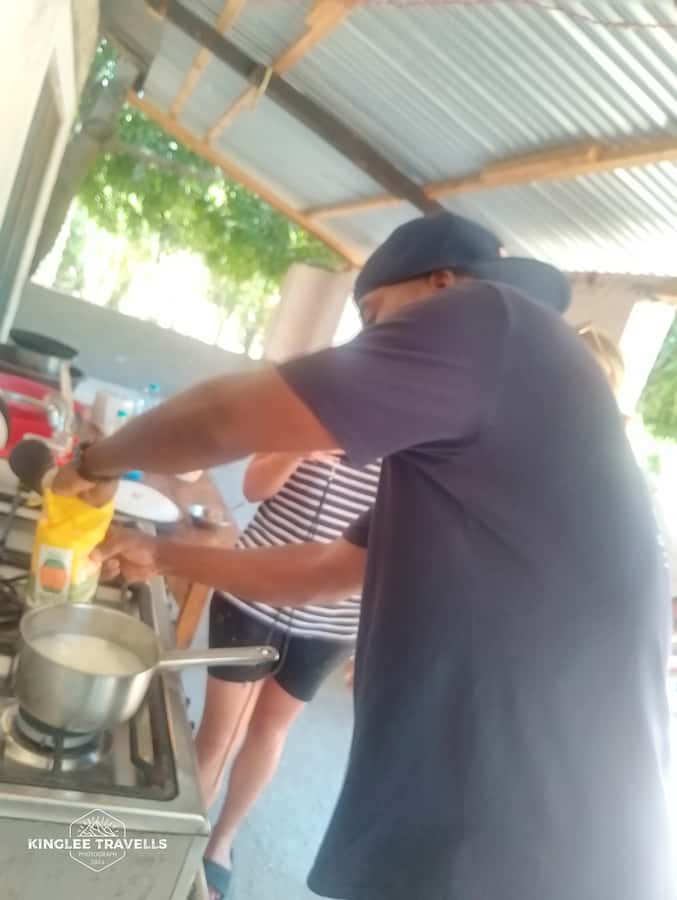
Ugali is often the anchor of the class. It is made from maize flour and water, but the simple ingredient list does not mean the technique is automatic. The texture depends on adding the flour correctly and working the mixture until it becomes firm and smooth.
Jonathan teaches you the process rather than handing you a finished plate. That makes this part especially useful for anyone who wants to recreate the dish later. You can ask questions as you work, and the private format gives you more room to repeat a step if you need to.
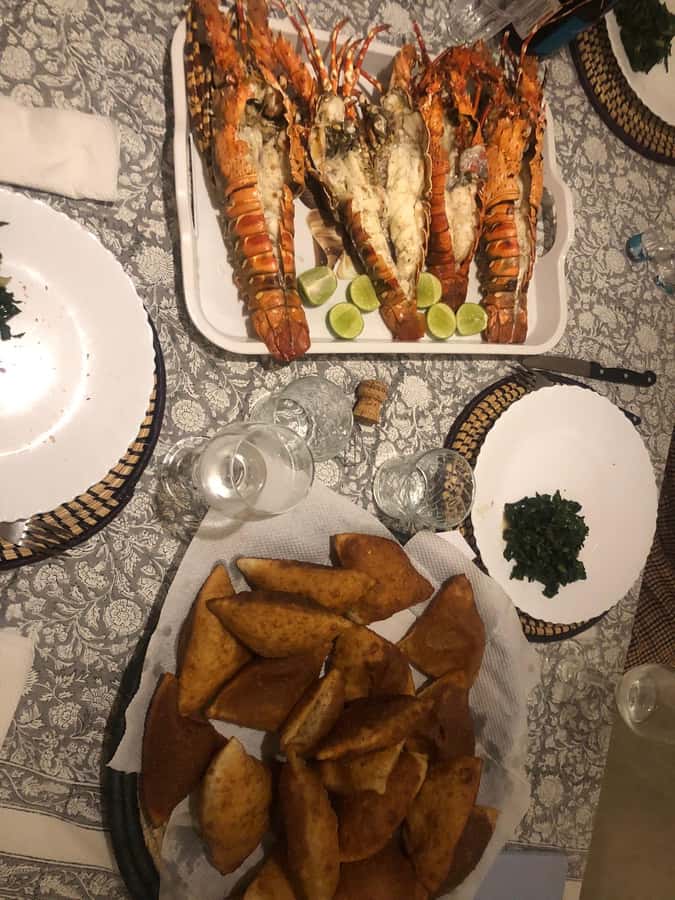
Ugali is not usually meant to be eaten on its own. It works as a filling base for other foods, and the shared meal may include spinach as well. The combination gives you a better feel for how a Kenyan home meal comes together: a substantial staple with vegetables or other accompaniments.
Do not expect a complicated list of spices or a long recipe. The appeal is the technique, the setting, and the connection to everyday food. If you enjoy learning how a few basic ingredients become something central to local meals, this is one of the most worthwhile parts of the class.
A different kind of day from the same base:
- Nairobi National Park Half-Day Game Drive
★ 4.5 · 738 reviews - Nairobi: Historic and Modern Highlights Walking Tour
★ 4.8 · 703 reviews - Safari Tour; Nairobi National Park
★ 4.5 · 594 reviews - 3 Days Masai Mara Group Joining
★ 5.0 · 486 reviews
Rolling chapati and preparing samosas
Chapati brings a different kind of work to the session. You will learn how to prepare the dough and shape the flatbread, then cook it until it is ready to eat. The process rewards patience, and the private class means Jonathan can help you with the steps that feel awkward at first.
Fresh chapati is one reason this experience works well as a cooking lesson. You can compare the dough before cooking with the finished bread at the table. It also gives you a recipe that is practical to attempt at home, provided you have time to practice the shaping and cooking.
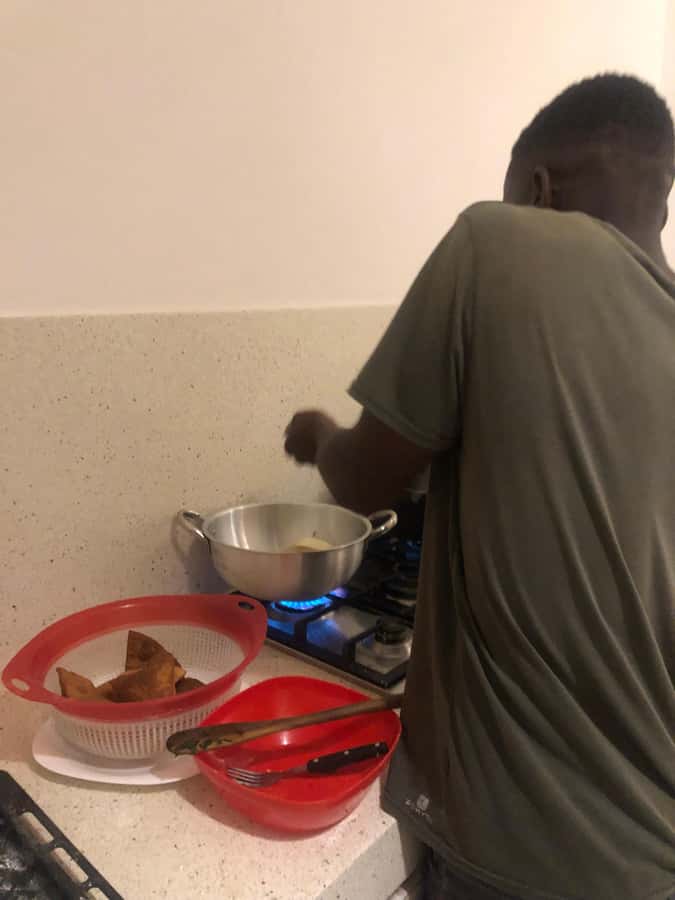
Samosas add another task and another texture. They require preparation and folding before cooking, so they may take up a fair share of a two-hour class. If you are especially interested in samosas, tell Jonathan when you arrange the booking so he can make sure the session gives them enough attention.
The advertised class includes all three dishes, but the exact order and amount of time spent on each one can be tailored. This is where messaging Jonathan in advance is useful. A group of four adults with a strong interest in chapati may want a different pace from a family mainly interested in trying several foods.
Eating together after the cooking
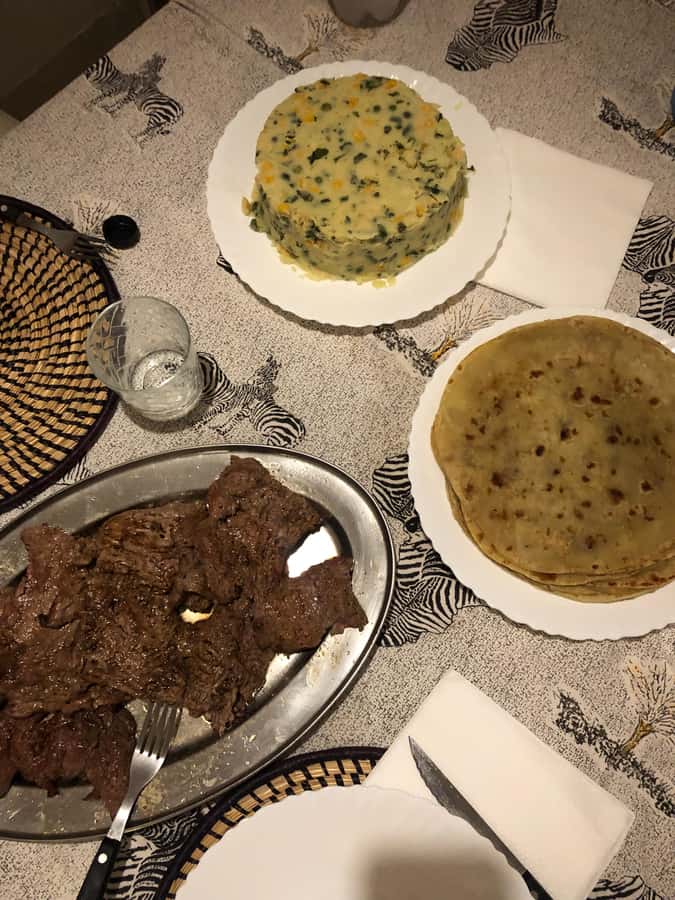
The class ends with the best kind of lesson review: you eat what you prepared. This is not just a meal break. It lets you judge the texture of the ugali, chapati, and samosas while the cooking is still fresh in your mind.
The shared table is also where the social side of the activity comes through. Jonathan’s warm, friendly approach has been a major part of the experience for people from Italy and France. One French-speaking group found that limited shared language did not prevent a good time, since Jonathan speaks English, Italian, and Swahili and the cooking itself gives everyone something to focus on.
Some meals may include spinach alongside the main dishes. Since menus can vary, you should regard the listed foods as the core of the class rather than expect a fixed restaurant-style menu. If you have allergies or dietary restrictions, raise them before the session. The available details do not set out a separate allergy policy or a guaranteed menu beyond the main dishes.
Eating together is also why I would not schedule this immediately before another rushed appointment. Two hours is the stated duration, but you will get more from the experience if you allow a little breathing room around it. The food is part of the activity, not an afterthought.
What $23 per person really buys you
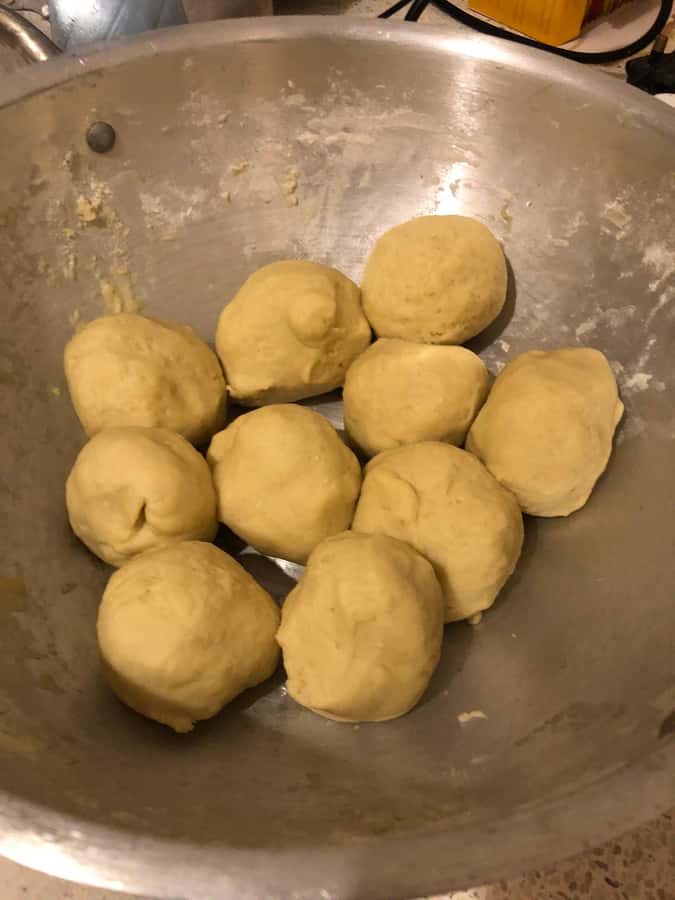
At $23 per person, the price is reasonable for a private two-hour activity that includes the cooking class, ingredients and other cooking materials, and private transfer. You are paying for personal instruction and a local meeting, not just a plate of food.
The value improves for a group. Because the class can accept up to 10 people while remaining private, families and groups of friends can share the cost without being placed with strangers. A solo visitor or couple will pay more per person for the private format, but may receive more direct attention during the cooking.
You should compare this with what a standard meal costs in Watamu, but that is not the right measure on its own. The real extra is the lesson and the time with Jonathan. If you only want to taste ugali and chapati, a restaurant may be simpler. If you want to learn, talk, cook, and visit a local setting, the $23 has a stronger case.
Cooking materials are included, so you do not need to bring equipment or shop for ingredients. The details do not say exactly what you should bring, though comfortable clothing is sensible for any hands-on cooking session. Confirm any personal needs with Jonathan when you arrange the class.
Who will enjoy this private class most
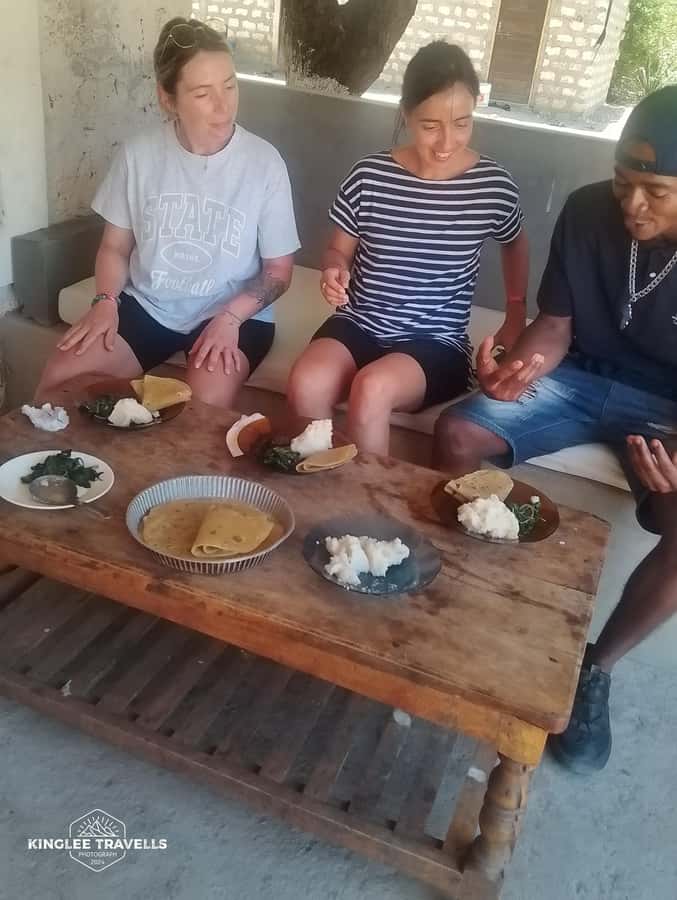
I would recommend this for food-curious people who want more than sightseeing. It suits couples, families, and small groups looking for a relaxed activity with a strong local connection.
It is especially good for:
- Visitors staying in Watamu who want a short activity between beach plans.
- Families who want children to take part in preparing a meal.
- People who enjoy learning recipes they can try at home.
- Groups that prefer a private experience over a large scheduled tour.
- Anyone interested in meeting a local cook and seeing a village setting.
The class may be less suitable if you want advanced culinary training, a long menu, or a carefully timed professional kitchen lesson. It is also not the best fit if you dislike shared meals or prefer to observe rather than handle the food yourself.
Because the host speaks English, Italian, and Swahili, you have useful language options when arranging the session and asking questions. The multilingual support is particularly helpful for mixed-language groups.
Timing, pickup, and the details worth confirming
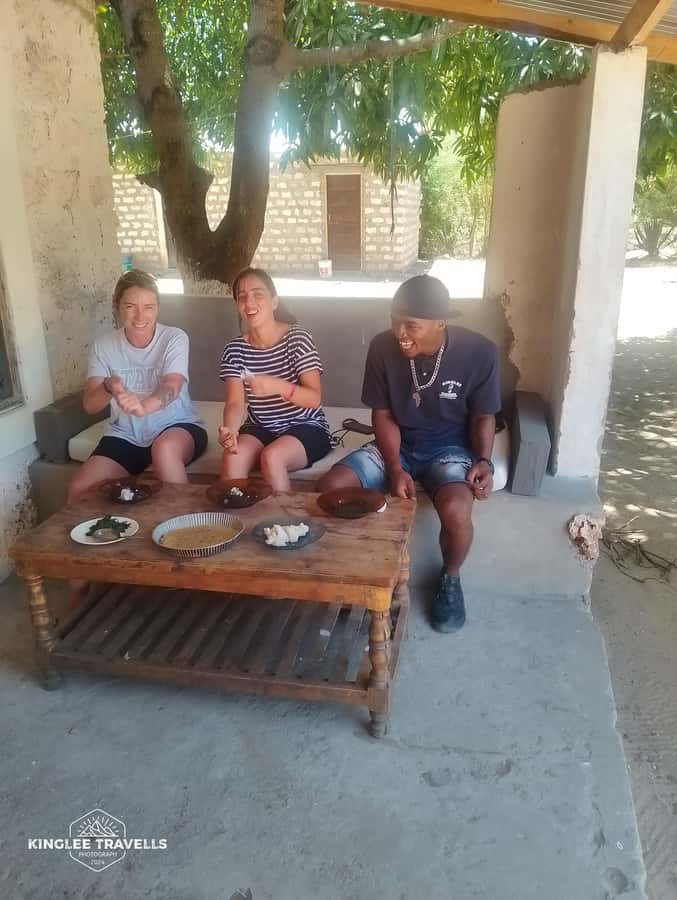
The class lasts two hours, but starting times depend on availability. Check the schedule before committing to the rest of your day.
Pickup is included, and you can choose the village or your own house or resort. Send Jonathan your preferred location through WhatsApp after booking. It is worth confirming the meeting point, pickup time, chosen menu, and whether your accommodation has the cooking space needed for the class.
The group is private and can include up to 10 people. That limit matters if you are planning a larger family gathering or a group holiday. The information supplied does not state that larger groups can be split across multiple sessions, so ask before assuming that arrangement is possible.
You can reserve now and pay later, which helps if you are still arranging your Watamu plans. Free cancellation is available up to 24 hours before the activity for a full refund. These terms make the class easier to fit into a flexible holiday schedule.
Should you book Jonathan’s Watamu cooking class?
Book it if you want a personal, hands-on introduction to Kenyan food and you like the idea of eating with the person who teaches you. The village option is the stronger choice for local contact, while the resort option is better for comfort and easy timing.
At $23, the experience offers good value for a private class with pickup and materials included. Go in expecting a friendly two-hour introduction, not a full culinary course. If that sounds right, Jonathan’s ugali, chapati, and samosa lesson is a practical way to spend part of your Watamu stay.
FAQ
Where does the cooking class take place?
You can choose to visit Jonathan in his village, or ask him to hold the class at your own house or resort in Watamu.
Who teaches the cooking class?
Jonathan, a professional cook, leads the private class.
What dishes will I learn to cook?
The class teaches you how to prepare ugali, chapati, and samosas. Spinach may also be included with the meal.
How long does the experience last?
The cooking class lasts two hours.
How much does the experience cost?
The listed price is $23 per person.
Is pickup included?
Yes. Private transfer and pickup are included. You should tell Jonathan your preferred location when arranging the class.
How many people can join?
The class is private and can accept groups of up to 10 people.
Which languages does Jonathan speak?
The host or greeter languages are English, Italian, and Swahili.
Can I cancel or pay later?
You can cancel up to 24 hours in advance for a full refund. You can also reserve now and pay later, so no payment is required today.
Recently added around Kenya
- Nairobi; City Walk Tour★ 4.5 · 3 reviews
- 2 Days Amboseli National Park Safari★ 3.5 · 3 reviews
- Private 3-Day Masai Mara Safari Adventure★ 5.0 · 3 reviews
- Kenya safari★ 5.0 · 3 reviews
- 11-Days Best of Kenya & Tanzania Big 5 Safari on a 4×4 Jeep★ 5.0 · 3 reviews
- Full Day, Small Group Guided Tour to Amboseli National Park★ 4.5 · 3 reviews
- 1-Day Tsavo East Safari From Mombasa★ 5.0 · 3 reviews
- 10-Days Explore Kenya Wildlife Private Safari★ 5.0 · 3 reviews