Reviewed · TOURS
Swahili Carved Doors Tour by Woman Woodcarver: Lamu Island
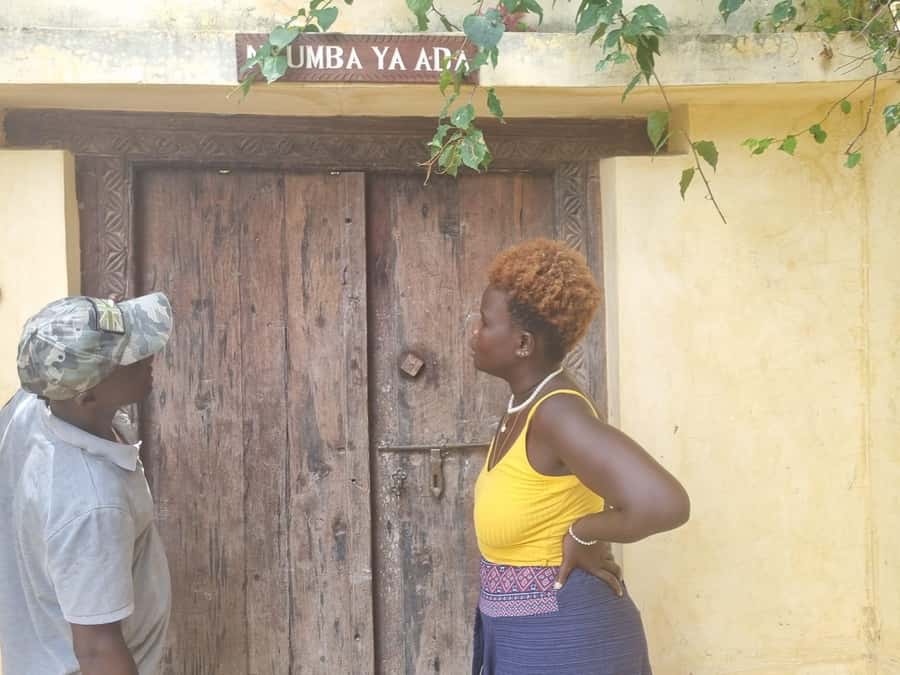
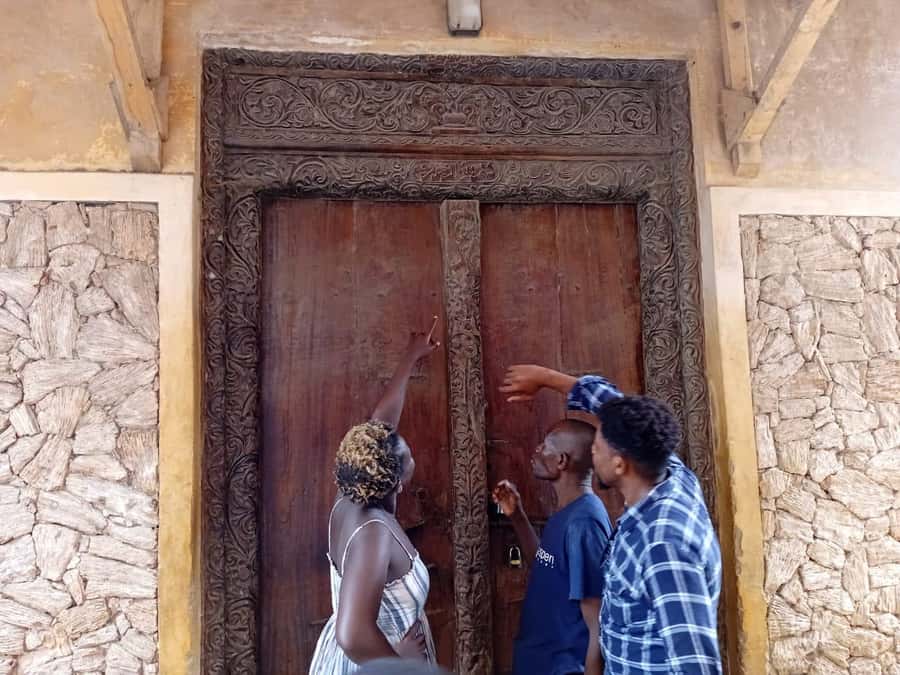
Lamu’s carved doors are more than handsome entrances. They are wooden records of Swahili culture, shaped by trade, faith, family, and generations of skilled hands. This three-hour walk through Lamu Old Town lets you read those details with Almasi, the island’s only woman woodcarver.
I like two things right away: you learn from a practicing craftswoman rather than a general guide, and the walk goes beyond the main streets into quieter lanes. The afternoon start at 3 p.m. is sensible in Lamu’s heat, though you should bring water, a hat, and comfortable shoes.
The main consideration is that this is a walking tour focused on looking, listening, and noticing detail. If you want a hands-on carving lesson, shopping, or a packed sightseeing schedule, this will feel too gentle. The tour’s information also describes the Old Town walk as both two and three hours, so confirm the exact timing if your day is tightly planned.
Key points to know before you book
- Almasi leads the walk: She is described as the only woman woodcarver on Lamu Island and explains the craft from a personal working perspective.
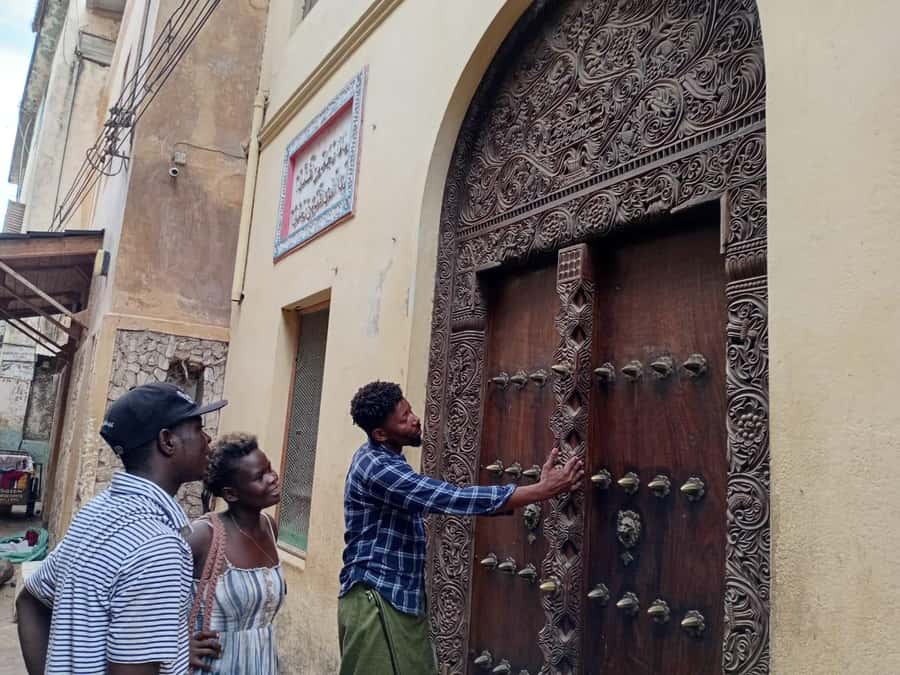
- The doors are the main attraction: You’ll compare carving styles, motifs, origins, and workmanship across Lamu Old Town.
- The route uses narrow Old Town streets and back lanes: The point is to notice architectural details that are easy to miss on your own.
- The standard start is 3 p.m.: A different time can be arranged in advance.
- Shela can be added: This separate area, about 3 kilometers from Lamu Town, has more Swahili carved doors to see.
- It costs $40 per person: For a private, specialist-led cultural walk, the price is reasonable if you care about craft and local stories.
Why Lamu’s doors deserve a tour of their own
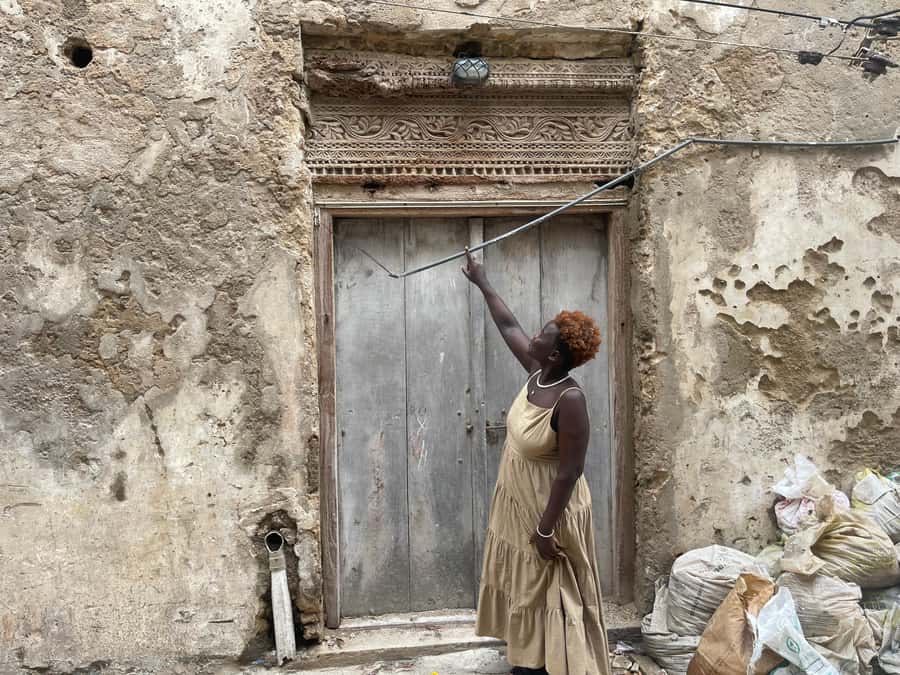
Lamu Old Town can seem modest at first glance. Its pleasures are not large monuments or sweeping viewpoints. They are found in doorways, shaded passages, worn walls, and small changes in decoration that reveal something about the people who built and used these homes.
The carved doors give the town much of its visual character. They are architectural features, but they also carry family traditions, artistic choices, and clues about the wider Swahili world. On your own, you may photograph an impressive door and move on. With Almasi, you learn to pause and ask what its pattern, form, and workmanship are telling you.
That is the real value of this experience. It gives you a way to look at Lamu. After the walk, you should be better able to notice differences between door designs instead of treating every carved entrance as part of one general style.
The setting matters, too. Lamu Old Town is a UNESCO-listed World Heritage Site, and the tour places you inside its everyday streets rather than keeping you at a single formal attraction. You explore the main routes and less-traveled back streets on foot, at a pace suited to close observation.
Other Kenya days people put in the same week:
- Nairobi National Park Half-Day Tour; Free Wi-Fi connection
★ 5.0 · 878 reviews - Nairobi: National Park & Optional Elephants & Giraffe Center
★ 4.8 · 874 reviews - NAI NAMI: Nairobi Storytelling Tour with Street Children
★ 5.0 · 792 reviews
Meeting Almasi, Lamu’s only woman woodcarver
Almasi is the heart of the experience. She is not presented simply as someone who has memorized facts about old doors. She is a working woodcarver, and that gives the walk a direct connection to the craft itself.
You can expect her to explain the different door styles, the designs carved into them, and the stories carried through the tradition. Her language is English and Swahili, and the tour is arranged as a private group, so the conversation can stay focused on your questions and interests.
Her personal story adds an important layer. As the only woman woodcarver on Lamu Island, Almasi represents a distinctive place within a craft often associated with male artisans. Booking the walk supports her work while giving you access to an aspect of Lamu’s culture that is not easy to understand from a guidebook alone.
The strongest praise for the experience centers on Almasi’s warmth, passion, and ability to explain the subject clearly. She also makes a point of connecting with the people she guides. One particularly thoughtful touch was buying a refreshing glass of sugarcane juice for a participant after a hot afternoon of walking. That is not a promised part of the tour, but it gives you a sense of her attentive manner.
What the three-hour Old Town walk is like
You can arrange to meet at Lamu’s town square or request another pickup point when booking. Hotel pickup and drop-off are not included, so you should agree on the meeting place in advance rather than assume transport is part of the price.
The walk generally begins at 3 p.m. That timing helps avoid the harshest midday sun and gives the outing a calmer feel. Lamu’s weather is favorable for much of the year, but the tour depends on conditions. During the rainy season, listed as May, June, and July, the walk takes place when there is no rain.
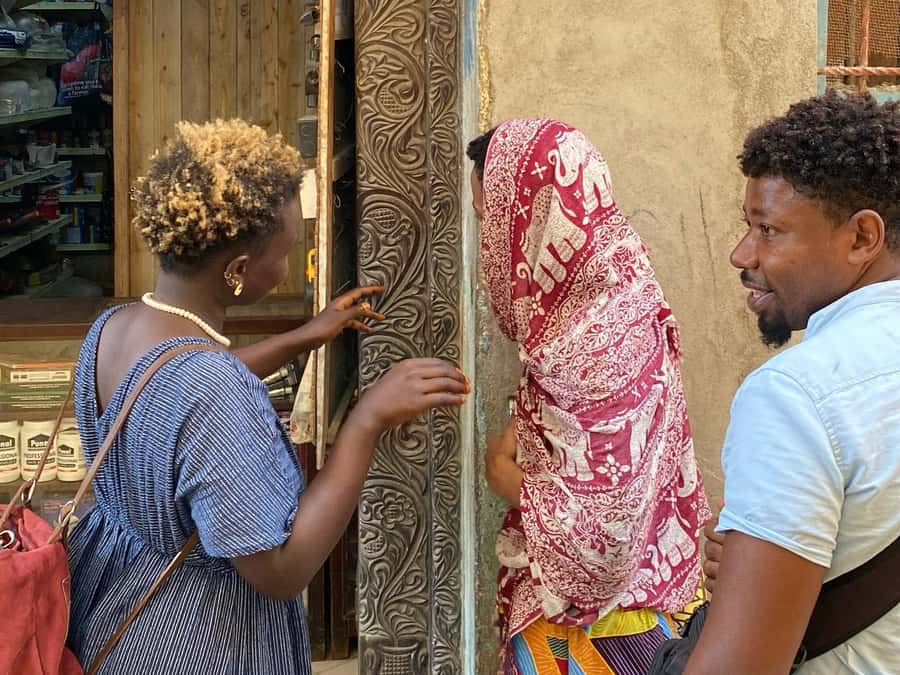
From the meeting point, you stroll through Lamu Old Town. The route includes the main streets, but it also heads into back streets where the details can be easier to miss. You are not rushing from one major sight to another. The focus is on stopping at doors, examining the carving, and hearing how styles differ.
The pace should suit anyone who enjoys a slow walk with frequent pauses. You’ll want time to look at the relief work, the arrangement of patterns, and the quality of the woodwork. Bring a camera, but try not to spend the whole tour behind it. The explanations are what make the doors meaningful.
The information describes the included Old Town walk as a two-hour pleasurable walk, while the overall activity duration is listed as three hours. That may mean the door-focused walking portion is about two hours within a three-hour booking, but the exact split is not stated. If you need to catch a boat, meal, or other appointment, ask Almasi to confirm the schedule.
Learning to tell Swahili door styles apart
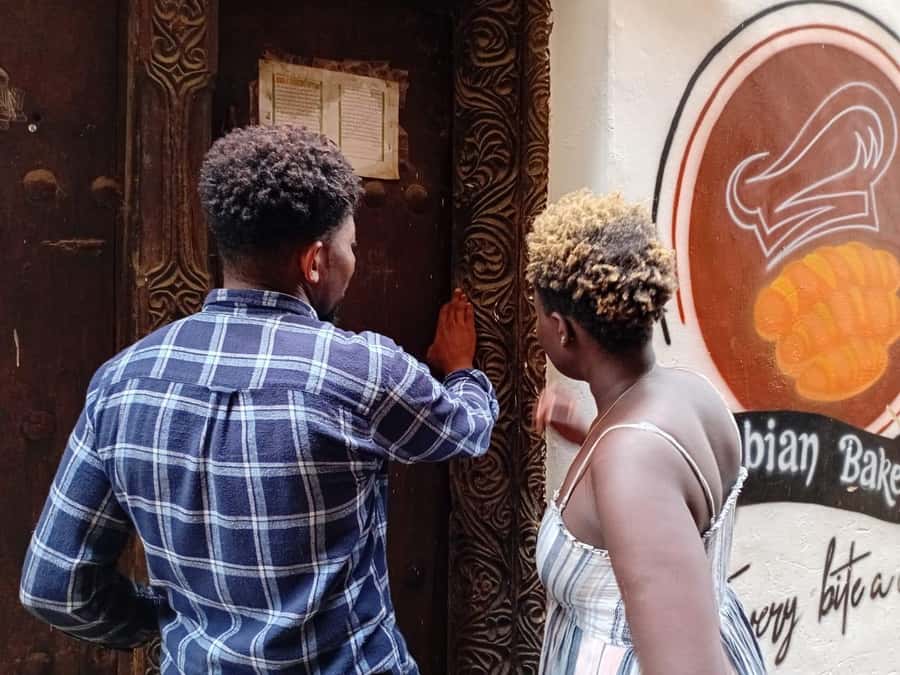
The tour’s strongest teaching point is comparison. You learn that Swahili doors are not one uniform design. Almasi explains the different styles found in Lamu and helps you separate one carving approach from another.
You can expect discussion of traditional motifs, the origins of designs, and the histories attached to different doors. The tour also looks at the craftsmanship itself, including the intricate carving and careful workmanship that make these entrances so striking.
This is where a specialist guide earns her fee. A general walk might point out an ornate door and call it beautiful. Almasi can explain what makes it distinctive and place it within the wider tradition of Swahili woodcarving.
The experience is especially useful if you are curious about old building methods, handmade objects, and the way culture survives through practical design. You do not need prior knowledge. You simply need to be willing to slow down and compare what you see.
The subject also rewards repeat looking. Once Almasi has shown you how to identify certain design differences, you may notice smaller details on the next street. A doorway becomes less like decoration and more like a piece of local history still in daily view.
A different kind of day from the same base:
- Nairobi National Park Half-Day Game Drive
★ 4.5 · 738 reviews - Nairobi: Historic and Modern Highlights Walking Tour
★ 4.8 · 703 reviews - Safari Tour; Nairobi National Park
★ 4.5 · 594 reviews - 3 Days Masai Mara Group Joining
★ 5.0 · 486 reviews
Why the back streets matter
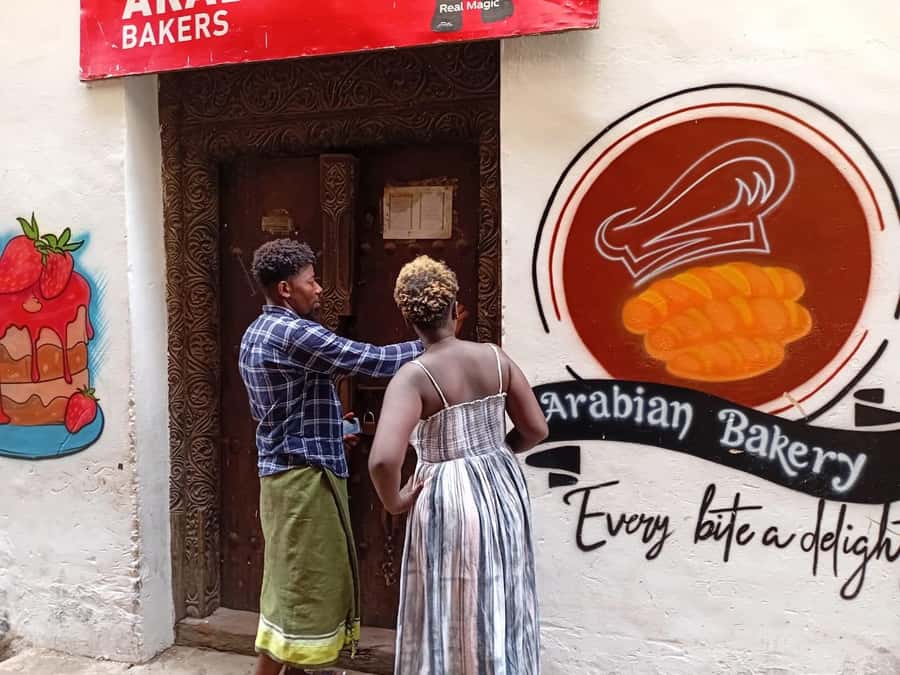
Lamu Old Town is best understood at walking pace. The narrow lanes bring you close to the buildings, and the quieter routes give the tour its off the beaten path quality without turning it into a strenuous expedition.
You may find that the doors are not arranged like exhibits in a museum. They are part of the town’s buildings, which means the experience depends on attention. Some doors may be easier to photograph than others. Light, shade, passing activity, and the angle of a lane can all affect what you see.
That lack of a formal display is part of the charm, but it also means you should not expect a fixed collection or a polished visitor center. This is a street-level cultural walk. Its rewards come from Almasi’s explanations and from noticing details in their real setting.
All routes are described as wheelchair accessible. Even so, it is sensible to discuss your needs when arranging the meeting point and route, especially since the walk takes place through narrow historic streets. The provider specifically states that the routes are accessible, so this tour may work for visitors who need an accessible outing, provided the planned route suits their requirements.
Adding Shela to the door hunt
Beyond Lamu Old Town, you can choose an additional visit to Shela, about 3 kilometers from Lamu Town. Shela also has Swahili carved doors, giving you a second area for comparison.
This option is useful if you want to make the subject a larger part of your time on Lamu. Seeing doors in both areas may help you notice local variations and broaden your understanding of the island’s woodcarving tradition.
The details about Shela are not fully specific about how the extra outing is scheduled or priced. The tour information presents it as an additional walking tour, while another section includes it among the activity features. I would ask Almasi before booking if you want Shela included, particularly if you need to know the total duration, meeting arrangements, or any added cost.
Do not add Shela simply because you feel you must fill the afternoon. The Old Town route already centers on the main subject. Choose it if you are especially interested in carved doors and want more time with the craft.
Is $40 per person fair value?
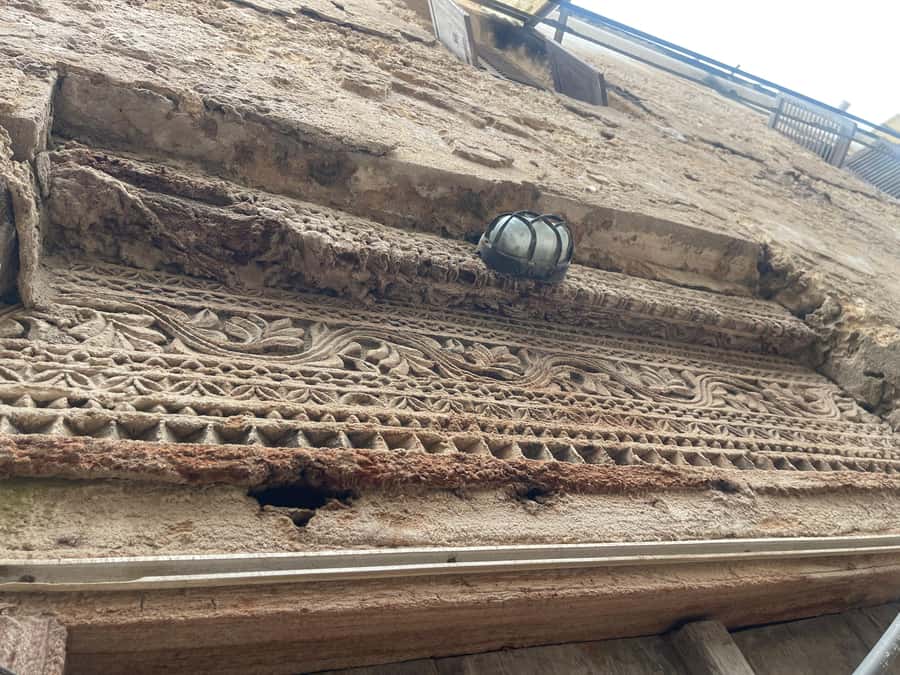
At $40 per person, this is not the cheapest way to spend three hours in Lamu. You can walk through Old Town without paying for a guide. The question is what you want from the walk.
I think the price makes sense for a private specialist tour led by the island’s only woman woodcarver. You are paying for interpretation, access to a local craft perspective, and a focused route rather than basic transportation or a long list of unrelated sights.
The price does not include food, drinks, or hotel transfers. Shops around town can provide small refreshments, but you should carry your own water and snacks. A cold drink or sugarcane juice may be available along the way, but you should not count on that as an included feature.
For the right person, the value is strong. If you enjoy architecture, handmade objects, cultural history, photography, or meeting local artisans, this gives you a more useful understanding of Lamu than a quick self-guided stroll. If your main goal is seeing as many sights as possible, the slow pace may feel less efficient.
The private format also matters. You are not being moved through the streets in a large group, and you can ask about the designs that catch your eye. That personal attention helps justify the cost.
Practical advice for a comfortable afternoon
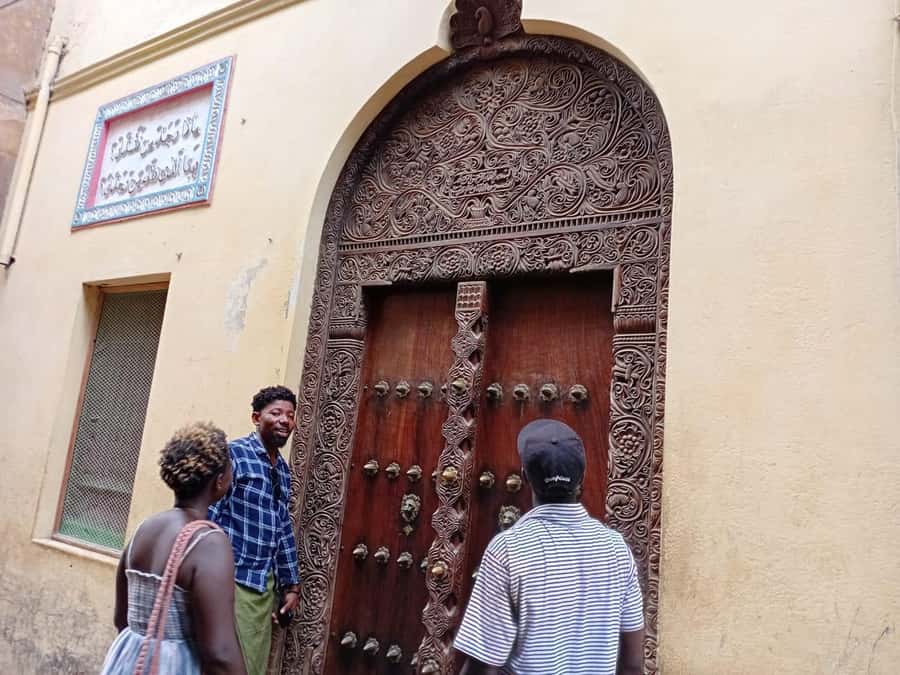
Wear comfortable walking shoes. The tour lasts up to three hours, and stopping often does not remove the need to walk between doorways.
Bring water, a hat or cap, and a camera. Sun protection is sensible, particularly if the day is hot or the route includes exposed sections. Snacks are optional, since minor shops are available around town, but carrying something small is easy insurance.
The 3 p.m. start is the standard option. If that does not fit your schedule, contact the provider ahead of time to arrange another slot. Do not wait until the day of the tour if you need a different hour.
You can request your preferred pickup point when booking. Since hotel pickup and drop-off are not included, make sure you know where the walk begins and how you will return afterward.
The tour is offered in English and Swahili. It is also private, which gives you a better chance to shape the conversation around architecture, woodcarving, Lamu’s culture, or Almasi’s own work.
Free cancellation is available up to 24 hours in advance for a full refund, and you can reserve now and pay later. Those terms are helpful if your Lamu plans may change, especially during the rainy months.
Who will enjoy this walk most?
I would choose this tour if you like old buildings, traditional crafts, and local stories that reward careful attention. It is also a good fit if you want to support a woman artisan and prefer a personal conversation over a standard sightseeing circuit.
Photographers should find plenty to study, though the experience is about more than taking attractive pictures. The guide’s explanations help you understand why a door matters, not just how it looks.
The tour also suits curious visitors who want a gentle introduction to Lamu Old Town. You do not need specialist knowledge, and the walk is not built around difficult physical activity. Still, you should be comfortable spending several hours on foot and standing during explanations.
I would skip it if you want a hands-on carving workshop, included refreshments, transport, or a broad tour of every major Lamu attraction. The carved doors are the subject, and the narrow streets and slow pace are central to the experience.
Should you book the Swahili Carved Doors Tour?
Book it if you want to see Lamu through its craft traditions rather than simply pass through its streets. Almasi’s role makes the tour unusual, and her warmth and clear explanations give the experience a strong human side.
The best reason to go is the chance to learn how to look. After three hours, you should understand more about Swahili door designs, their origins, and the work behind them. Confirm the exact Old Town timing and the arrangements for Shela before booking, then bring water and give yourself room to walk slowly.
For $40 per person, I consider it a worthwhile cultural outing for anyone who values local expertise and traditional workmanship.
FAQ
How long does the Swahili Carved Doors Tour last?
The activity duration is listed as three hours. The included Old Town walk is also described as two hours, so ask the provider to confirm the exact walking schedule when booking.
Who leads the tour?
Almasi leads the tour. She is described as the only woman woodcarver on Lamu Island.
What languages are available?
The tour is offered in English and Swahili.
What time does the tour usually begin?
The standard afternoon departure is 3 p.m. You can contact the provider in advance to request another time.
Where can I meet the guide?
You may meet at Lamu Town’s town square or choose another pickup point when booking. Hotel pickup and drop-off are not included.
Is the tour wheelchair accessible?
Yes. The tour information states that all routes are wheelchair accessible.
Can I visit carved doors in Shela?
Yes. You may opt for an additional walking tour in Shela, which is about 3 kilometers from Lamu Town. Confirm the timing and arrangements in advance.
What should I bring?
Bring comfortable walking shoes, water, a hat or cap, and a camera. Snacks are also sensible if you would like refreshments during the walk.
Recently added around Kenya
- Nairobi; City Walk Tour★ 4.5 · 3 reviews
- 2 Days Amboseli National Park Safari★ 3.5 · 3 reviews
- Private 3-Day Masai Mara Safari Adventure★ 5.0 · 3 reviews
- Kenya safari★ 5.0 · 3 reviews
- 11-Days Best of Kenya & Tanzania Big 5 Safari on a 4×4 Jeep★ 5.0 · 3 reviews
- Full Day, Small Group Guided Tour to Amboseli National Park★ 4.5 · 3 reviews
- 1-Day Tsavo East Safari From Mombasa★ 5.0 · 3 reviews
- 10-Days Explore Kenya Wildlife Private Safari★ 5.0 · 3 reviews
Tours, compared.

Nairobi National Park Half-Day Tour; Free Wi-Fi connection
Read our review →
NAI NAMI: Nairobi Storytelling Tour with Street Children
Read our review →


Elephant Orphanage and Giraffe Center Tour with Options
Read our review →
Walking Tour Through Old Town Mombasa and Fort Jesus
Read our review →
Day Tour to Amboseli National Park & Maasai Village
Read our review →