
Reviewed · NAIROBI TOURS
NAIROBI: MOTHERLAND GASTRONOMIC NAIROBI CITY TOUR
Nairobi’s best introduction may begin with a samosa in one hand and a city map in the other. This 210-minute food walk takes you from breakfast snacks to a full nyama choma lunch, then through City Market, the City Bus Station, and the old Sarova Stanley hotel.
I like the small group limit of five, which should make it easier to ask questions and talk with vendors. I also like the mix of food and city life: you are not just eating, you are learning how Nairobi commutes, shops, and gathers around simple local meals.
The main consideration is the food-cost wording. Breakfast snacks and lunch are listed among the inclusions, but the details also say food and snacks consumed during the tour are not included. Ask for a clear breakdown before booking, and carry cash for market purchases.
Key points at a glance
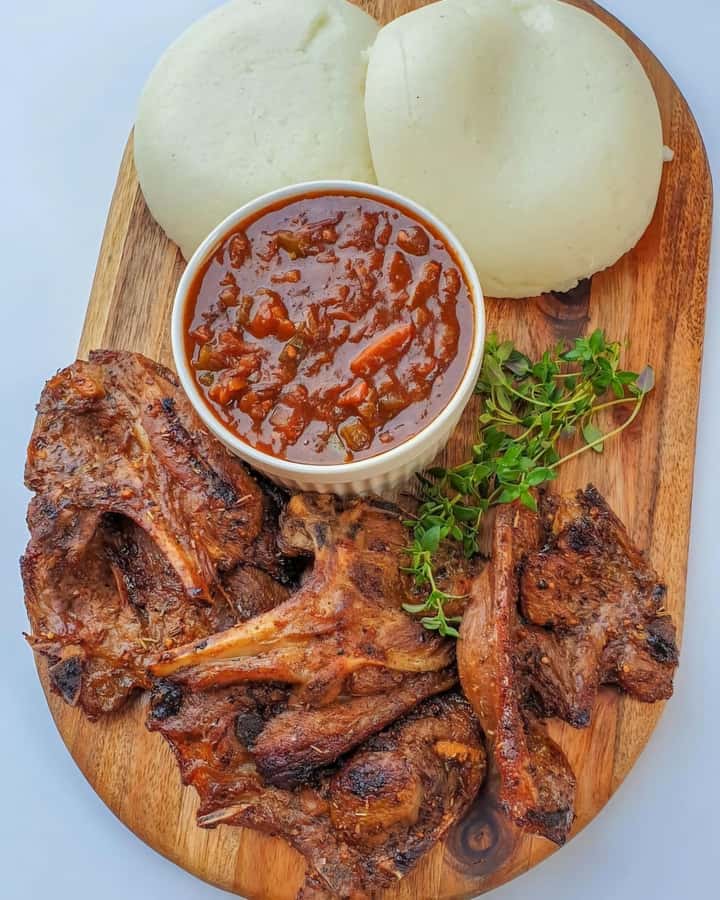
- A full Kenyan tasting route: Try samosas, mandazi, mitai, kaimati, boiled maize, Smocha, Mayai pasua, uji power, fruit, spices, and a meal with fish, meat, chicken, kachumbari, and ugali.
- A real city orientation: The City Bus Station offers a look at Nairobi’s daily commute and ordinary working life.
- Three historic and commercial settings: Move between a heritage restaurant, City Market, and the more than century-old Sarova Stanley.
- A genuinely small group: The tour is limited to five people, useful for conversation and easier movement through central Nairobi.
- Guide Sharon is central to the experience: Her warm, attentive manner received especially strong praise, including a French-speaking comment praising the pleasant discoveries and a detailed note calling her kind and friendly.
- Bring practical gear: Wear walking shoes, carry cash and water, and dress for changing weather.
Why this food tour gives you a useful first taste of Nairobi
Many city food tours stop at a restaurant and call it a day. This one uses food as a way into Nairobi itself. You begin with familiar street snacks, continue to a substantial Kenyan lunch, and then visit places where people buy food, catch transport, and meet in the center of town.
That pattern matters. You get a sense of how a meal fits into the day rather than treating local dishes as isolated samples. Samosas and mandazi introduce you to popular breakfast fare, while ugali, kachumbari, fish, meat, and chicken make lunch feel more like a proper Kenyan table.
I also like the scale. With no more than five participants, your guide can explain what you are eating without shouting over a large group. You have a better chance of asking about ingredients, ordering habits, and the names of dishes as they appear.
The tour is conducted in English. Sharon is the named guide associated with the experience, and her personal approach is a major part of its appeal. The strongest praise focuses not only on her food knowledge, but also on her warmth, attention, and ability to make time in Nairobi feel personal.
More City Tours in Nairobi
- Nairobi Historical Walking City Tour
★ 5.0 · 258 reviews - Nairobi City Walking Tour with Traditional Kenyan Lunch
★ 5.0 · 106 reviews - Nairobi: Private 4-Hour City Tour
★ 4.5 · 68 reviews
Starting at Nation Centre
The meeting point is Nation Centre, described as a tall, curved building with pillars at the entrance. Your guide will be wearing white trousers, a useful detail in a busy central meeting area.
Arrive ready to walk and eat. The activity lasts three and a half hours, and the schedule allows roughly 30 minutes for each of three guided portions, followed by 30 minutes of free time before returning to Nation Centre. The exact order may vary, but the route links several central stops rather than keeping you in one dining room.
This is not a sit-back sightseeing trip. Comfortable shoes matter, and you should expect the city itself to be part of the experience. Bring a camera if you want photographs, though it is wise to ask before photographing vendors or other people.
Breakfast snacks: samosas, mandazi, and more
The opening food section introduces several everyday Kenyan snacks. Samosas are familiar to many visitors, but the wider tasting list gives you more to compare: mandazi, mitai, kaimati, and boiled maize.
Mandazi is a lightly sweet fried bread often associated with breakfast or tea. Mitai and kaimati add other fried, snack-sized textures to the table, while boiled maize brings something simpler and more substantial. You may find this first part especially useful if you want to learn the names of foods you might see again during your stay.
The practical benefit is variety without committing to a full serving of every dish on your own. A guide can help you identify what is sweet, savory, filling, or better suited to a quick snack.
Still, portions and exact stops are not described in detail. If you have allergies or strong food restrictions, ask questions before tasting. The supplied details do not specify vegetarian substitutions, ingredient lists, or allergy procedures, so you should not assume those are available.
The heritage restaurant and a Kenyan lunch
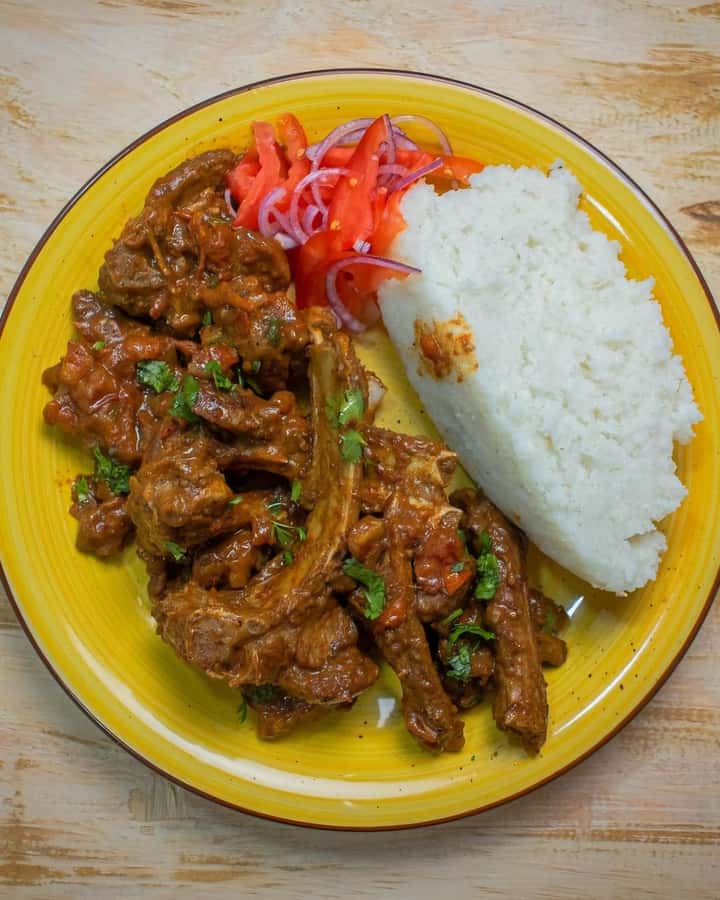
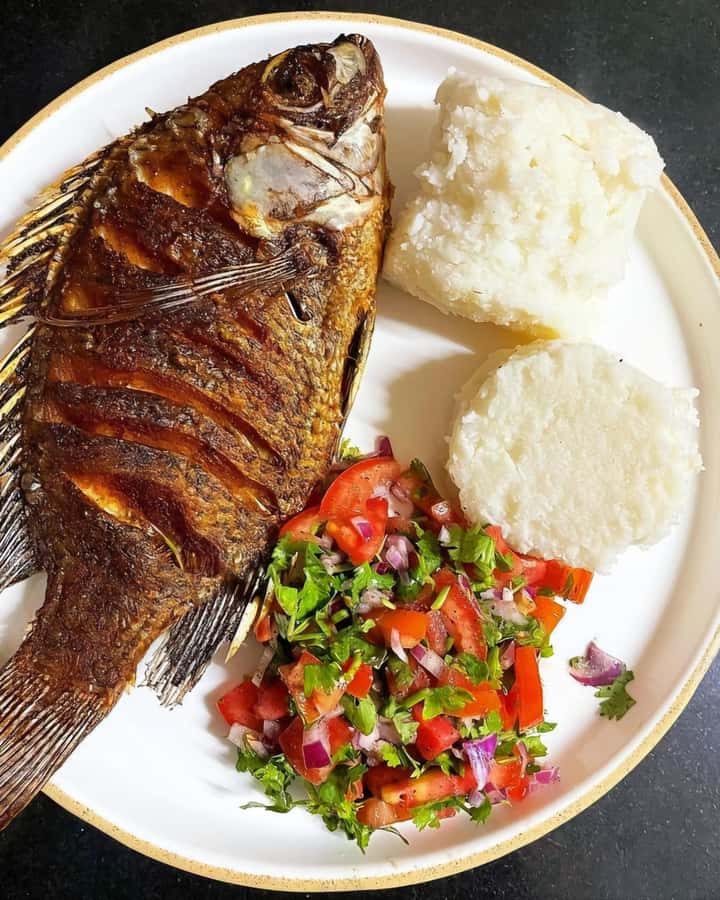
The next major food stop is a local heritage restaurant. Here, lunch includes traditionally prepared fish, meat, and chicken, served with kachumbari and ugali.
This is where the tour moves from sampling to eating a proper meal. Ugali, a firm maize-based staple, is often used to scoop up meat, fish, or sauce. Kachumbari, a fresh salad preparation, adds contrast to the heavier main foods.
Nyama choma is also included in the tour description. The phrase refers to roasted meat, a well-known Kenyan favorite, though the exact meat and preparation can vary. Since fish, meat, and chicken are all named, ask your guide what is being served that day and what is included in the price.
I like the restaurant stop because it gives context to the smaller street snacks. You can see the difference between food bought for a quick bite and food arranged as a full midday meal. It also provides a place to pause after walking through the city.
There is one point to settle before you arrive. The inclusions name breakfast street snacks and nyama choma lunch, while the additional notes say food and snacks consumed during the tour are not included. That wording is unclear. Confirm exactly which tastings and dishes are covered, and how much cash you may need for anything extra.
A few more Nairobi days to weigh up
- Nairobi National Park Half-Day Tour; Free Wi-Fi connection
★ 5.0 · 878 reviews - Nairobi: National Park & Optional Elephants & Giraffe Center
★ 4.8 · 874 reviews - NAI NAMI: Nairobi Storytelling Tour with Street Children
★ 5.0 · 792 reviews - Nairobi National Park Half-Day Game Drive
★ 4.5 · 738 reviews
City Market: fruit, spices, and everyday shopping
City Market shifts the focus from prepared meals to ingredients and buying habits. The tour includes fresh fruits and spices, along with time to engage with vendors.
For you, this is a chance to connect the dishes on the tour with the products sold in Nairobi. Fruit can be a welcome break from fried snacks and roasted meat. Spices may help you recognize some of the aromas used in local cooking, though the available information does not specify which varieties you will see.
Market visits work best when you allow room for simple questions. Ask how an item is used, how it is priced, or which foods are commonly bought for breakfast or lunch. Carry cash, since the tour specifically advises it for small purchases.
Do not expect a quiet, polished food hall. A market is part of working city life, and conditions can change from one day to the next. Keep your belongings secure, follow your guide’s lead, and respect local customs. The tour asks you not to litter, and that matters in a shared public space.
City Bus Station and Nairobi’s daily commute
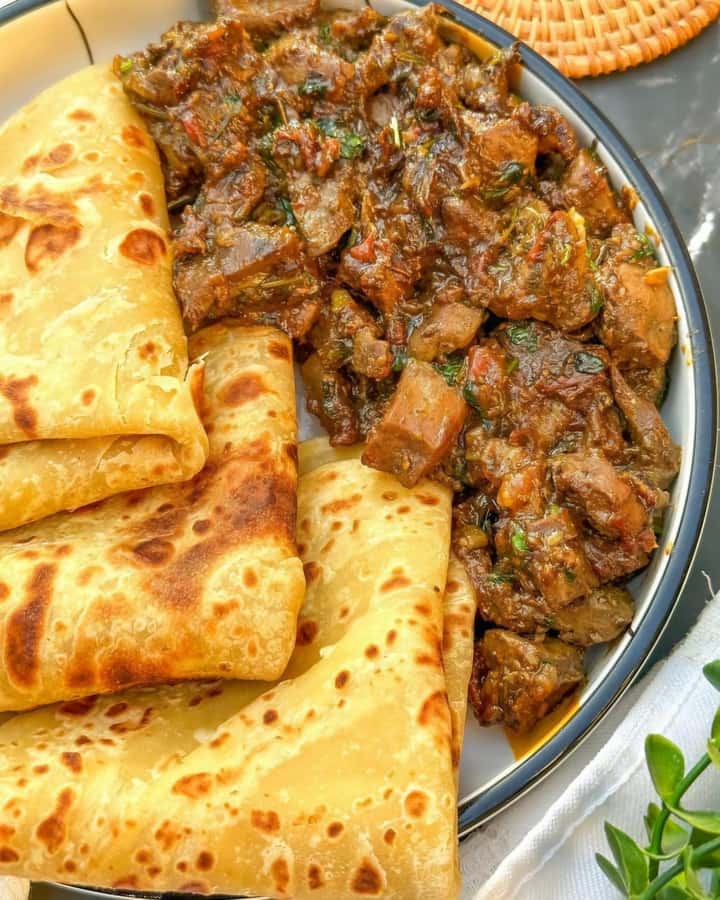
The City Bus Station is an unusual but valuable stop on a food tour. Here, you sample items such as Smocha, Mayai pasua, and uji power while learning about Nairobi’s commute system and daily routine.
Smocha combines a samosa with other filling ingredients, while Mayai pasua is an egg-based street snack. Uji power is a porridge-style drink or food item associated with energy and filling sustenance. The names alone make this a useful part of the tour, because they are the kind of local terms you might otherwise hear without understanding.
This stop also helps explain why street food matters. Commuters need food that is quick, affordable, and easy to eat near transport links. You are seeing food in its setting, not only on a restaurant plate.
The bus station may be the most intense part of the walk for some people. It is a transport hub, so you should be ready for movement, noise, and a less relaxed pace. That is not a flaw, but it is worth knowing if you prefer calm cafés and formal dining.
Sarova Stanley and Nairobi’s hotel story
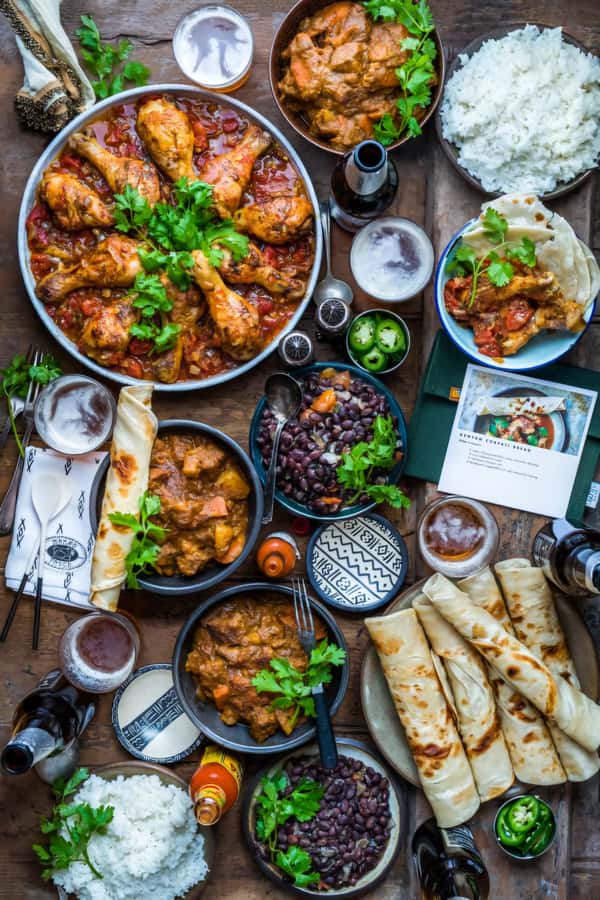
The final stop is Sarova Stanley, a legacy hotel more than a century old. The visit covers the hotel’s history and the development of Nairobi’s hotel industry, as well as wider background on Kenya.
This gives the tour a different finish. After street snacks, market goods, and commuter food, you end at a place linked to Nairobi’s formal hospitality tradition. The contrast is useful: the city’s food culture includes both quick roadside meals and grand old hotels.
The information provided does not promise a full hotel tour, access to private areas, or a meal at Sarova Stanley. Treat it as a historical visit and ask your guide what parts of the property are included on the day.
I like this ending because it broadens the tour beyond food. You leave with more than a list of dishes. You also see how Nairobi presents itself through transport, commerce, local dining, and long-running hotels.
What $55 means in practical value
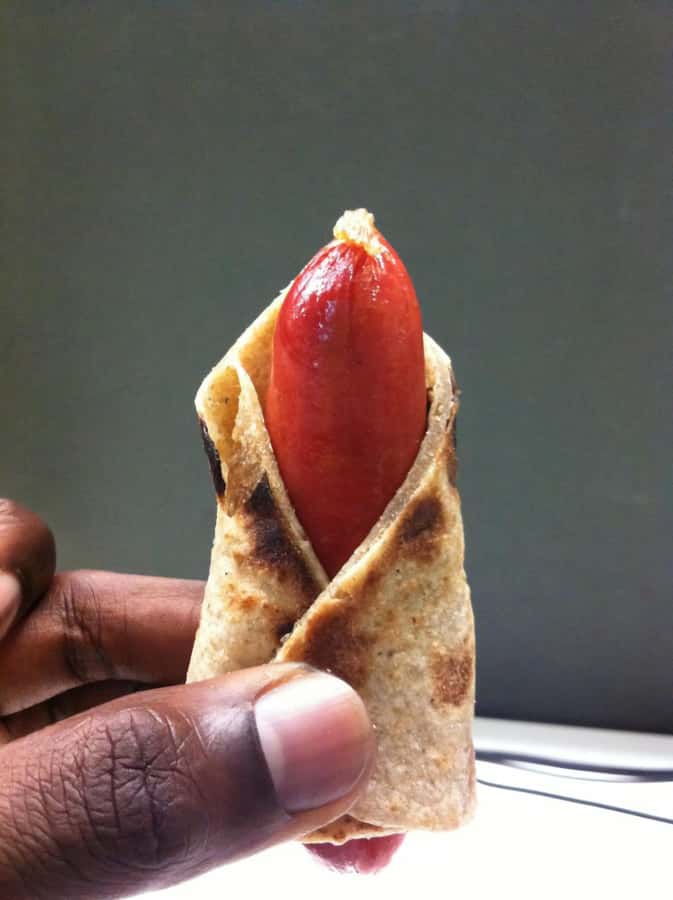
At $55 per person, this tour sits in the reasonable range for a small-group city experience if the listed tastings and lunch are covered. You are paying not just for food, but also for a guide, a central walking route, market interpretation, and access to several distinct parts of Nairobi.
The group limit is important to the value. Five people is small enough for direct conversation and quick decisions at food stops. It also makes the experience feel less like a scheduled procession.
The unclear food wording weakens the price calculation. If lunch and the main tastings are included, $55 can be a solid deal for three and a half hours. If you must pay separately for most samples, the value changes. Get that answer before booking rather than relying on the short inclusion list.
The reserve-now, pay-later option is useful if your plans are still changing. You can also cancel up to 24 hours ahead for a full refund. Starting times depend on availability, so check the schedule that suits your day.
Who should book this Nairobi food walk?
I would recommend it to first-time visitors who want a guided introduction to central Nairobi and who enjoy trying several foods in small portions. It is also a good fit if you want a guide who can connect food with commuting, markets, and the city’s hotel history.
The tour suits curious eaters more than selective diners. You will encounter meat, chicken, fish, fried snacks, maize, eggs, fruit, spices, and porridge. The details do not promise dietary alternatives, so people with strict restrictions should ask before reserving.
Children under 10 are not suitable for this activity. Older children and adults should be comfortable walking, eating in ordinary city settings, and following local etiquette.
Bring:
- Comfortable walking shoes
- A camera
- Cash for small market purchases
- Water
- Comfortable clothing
- Clothing suited to the weather
Smoking, littering, bare feet, and alcoholic drinks in the vehicle are not allowed. Baby strollers are also not allowed, though the available information does not describe a vehicle transfer in detail.
What Sharon adds to the experience
Sharon deserves special attention because the strongest praise centers on her. One person described her as warm, friendly, and attentive, with the time together feeling like an outing with an old friend. That participant enjoyed the food tour so much that they later spent more time with her in Nairobi, including playing pool.
Another person praised Sharon’s pleasant manner and the discoveries made during the tour. Those comments suggest that her value is personal as much as practical. A good food guide should help you feel comfortable asking basic questions, trying unfamiliar dishes, and making sense of a busy city center.
Of course, a guide’s style is personal. If you want a quiet, highly structured tasting with detailed culinary lectures, this may not be the right match. If you want a friendly local host and a flexible feel, Sharon’s approach appears well suited.
Should you book Motherland Gastronomic Nairobi City Tour?
Book it if you want a compact, food-centered introduction to Nairobi that includes real city settings rather than only restaurants. The combination of breakfast snacks, Kenyan lunch, City Market, the bus station, and Sarova Stanley gives you a wide look at local life in 210 minutes.
Before paying, confirm what food is included, since the wording about snacks and meals is not fully clear. If the main tastings and lunch are covered, the $55 price is attractive for a group limited to five. Bring cash anyway, wear good shoes, and expect the City Bus Station to be energetic rather than polished.
FAQ
How long does the Nairobi food tour last?
The tour lasts 210 minutes, or three and a half hours.
How much does the tour cost?
The listed price is $55 per person.
Where does the tour meet?
The meeting point is Nation Centre, described as a tall curved building with pillars at the entrance.
How will I identify the guide?
The guide will be wearing white trousers at the Nation Centre meeting point.
What language is the tour conducted in?
The live guided tour is conducted in English.
How many people can join the group?
The group is limited to five participants.
What foods are included on the tour?
The food list includes breakfast street snacks such as samosas, mandazi, mitai, kaimati, and boiled maize. Lunch includes fish, meat, chicken, kachumbari, and ugali, with nyama choma also listed. City Market and City Bus Station tastings include fruit, spices, Smocha, Mayai pasua, and uji power.
Is food included in the price?
Breakfast street snacks and nyama choma lunch are listed as included, but the additional information also says food and snacks consumed during the tour are not included. Confirm the exact food allowance with the provider before booking.
Can I cancel the booking?
Yes. You can cancel up to 24 hours in advance for a full refund. The reserve-now, pay-later option lets you book without paying immediately.
Recently added around Nairobi
- Nairobi; City Walk Tour★ 4.5 · 3 reviews
- 2 Days Amboseli National Park Safari★ 3.5 · 3 reviews
- Private 3-Day Masai Mara Safari Adventure★ 5.0 · 3 reviews
- Kenya safari★ 5.0 · 3 reviews
- 11-Days Best of Kenya & Tanzania Big 5 Safari on a 4×4 Jeep★ 5.0 · 3 reviews
- Full Day, Small Group Guided Tour to Amboseli National Park★ 4.5 · 3 reviews
- 10-Days Explore Kenya Wildlife Private Safari★ 5.0 · 3 reviews
- Nairobi: Giraffe Center, Beads Factory & Bomas of Kenya Tour★ 4.5 · 3 reviews
Nairobi Tours, compared.

Nairobi National Park Half-Day Tour; Free Wi-Fi connection
Read our review →
National Park & Optional Elephants & Giraffe Center
Read our review →
NAI NAMI: Nairobi Storytelling Tour with Street Children
Read our review →




Elephant Orphanage and Giraffe Center Tour with Options
Read our review →Browse the lists this tour appears in