
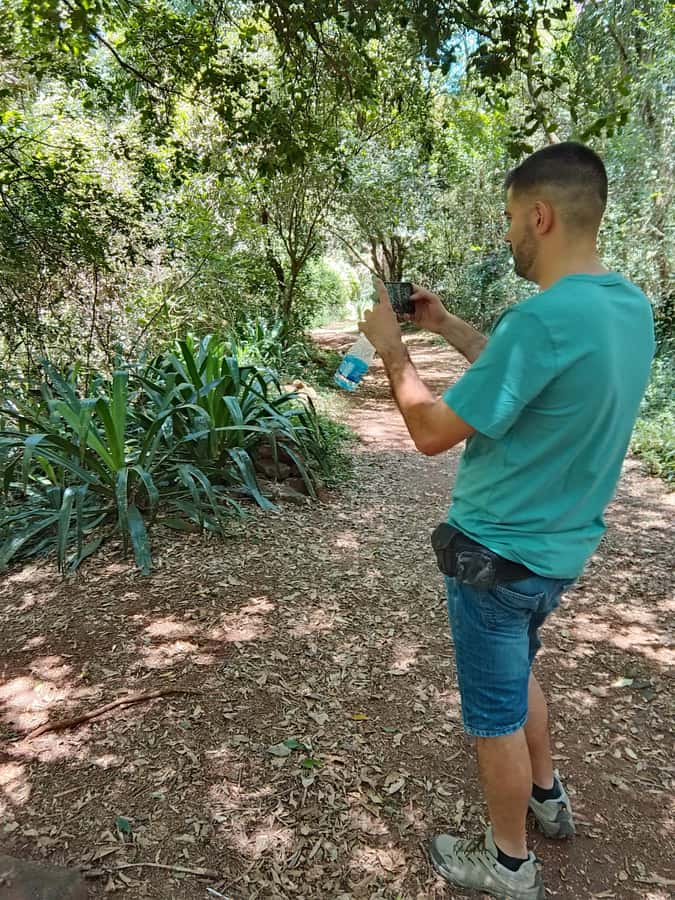
Reviewed · NAIROBI TOURS
Nairobi: Karura Forest Guided Walking Tour
Karura Forest keeps a remarkable secret: Nairobi’s green center is also a place of resistance, memory, and quiet water. This private three-hour walk takes you beyond a simple city nature outing, with Mau Mau caves, Freedom Corner, a waterfall, bamboo trails, and stories about trees that carry meaning in Kikuyu culture.
I like the story-led approach, which gives the forest more weight than a standard stroll. I also like the small private format, since your guide can adjust the pace, begin earlier when possible, and pause for silence or journaling. The main consideration is weather: rain can make paths wet, though it may also bring out the forest’s freshest side.
Key points
- Mau Mau caves and Freedom Corner: See places linked to Kenya’s struggle for independence.
- Private English-speaking guide: Joel or Joe may lead the walk, with a personal pace and room for questions.
- Waterfall and forest streams: Expect scenic pauses, rustic bridges, and the sound of moving water.
- Sacred tree stories: Learn how indigenous trees connect with Kikuyu cultural meaning.
- Transport and entry included: The price covers travel to and from the meeting point and the forest fee.
- Walking only: Bike rental is not included, so bring comfortable shoes for a full forest walk.
Why Karura Forest Feels Different From a Standard Nairobi Excursion
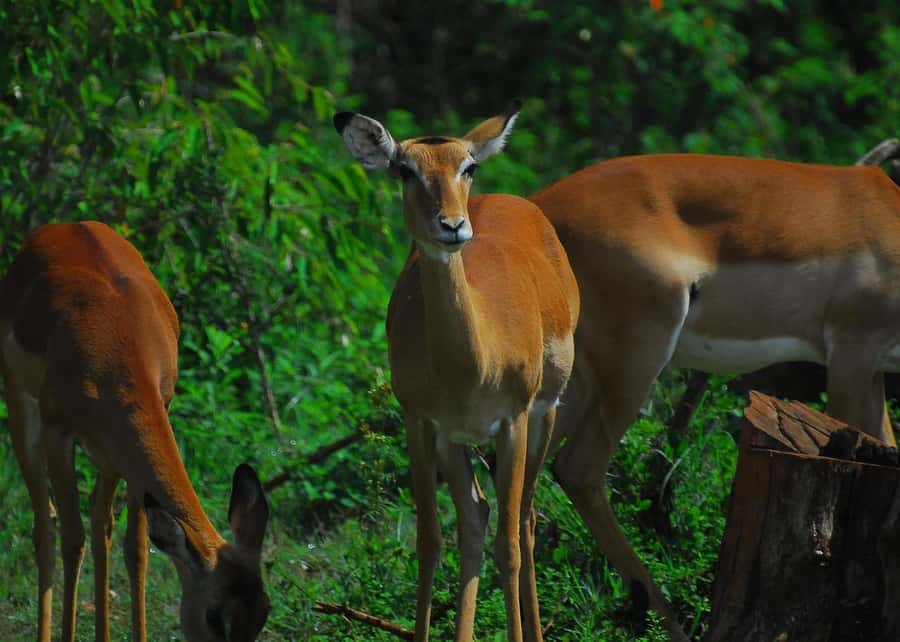
Karura is not simply a patch of trees beside a major city. The experience joins three subjects that are often separated on a Nairobi visit: nature, Kenyan history, and personal reflection.
Your guide presents the forest through stories of resistance and peace. You will hear about the Mau Mau fighters who used caves in the area, then visit Freedom Corner, a place tied to political resistance. The route also slows down for silence, breathing, and reflection. That change of pace matters. You are not being hurried from one photo stop to the next.
I find this style best for someone who wants context along with scenery. The waterfall is attractive on its own, but it means more after you have heard how the forest has carried memory and helped shape public life in Kenya.
The private format adds value here. You do not have to match the speed of a large group, and you can spend longer at a place that interests you. If you want more history, ask for it. If you prefer a quiet stretch beneath the trees, the experience allows that too.
More Walking Tours in Nairobi
- Nairobi: Historic and Modern Highlights Walking Tour
★ 4.8 · 703 reviews - Nairobi Historical Walking City Tour
★ 5.0 · 258 reviews - Nairobi Downtown Walking Tour
★ 4.7 · 208 reviews
Meeting in Central Nairobi and Reaching the Forest
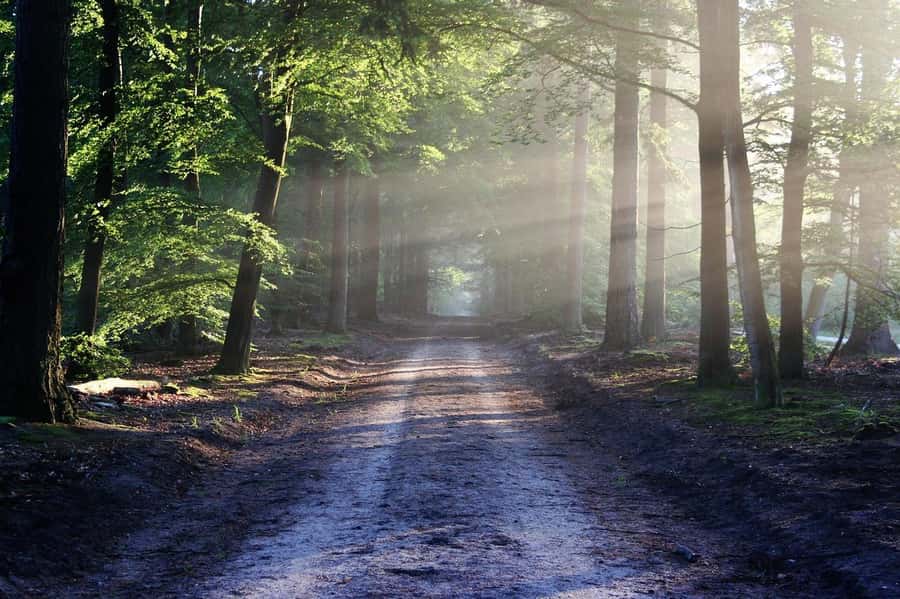
The main meeting point is International House on Mama Ngina Street. From central Nairobi, the drive to Karura Forest is about 20 minutes, according to the experience details shared by one solo participant. You can also arrange to meet at Karura Forest Gate A on Limuru Road.
Transport to and from the forest is included, which makes the $51 price easier to assess. You are not paying only for a walk. The fee also covers entry, a private guide, and the vehicle connection between the city and the forest.
One person who booked alone was collected directly from a hotel by Joel. Treat that as an example of personal flexibility, not a guaranteed pickup arrangement. When you book, confirm the exact pickup point and ask whether hotel collection is available for your location.
The tour lasts about three hours in total. Starting times vary, so check the available schedule before paying. An earlier start may be possible. Joe was able to begin earlier for one booking and made useful suggestions along the way, so it is worth asking if your morning plans are tight.
Walking Beneath Karura’s Canopy
Once inside Karura, the route becomes about movement and attention. You will walk through forest trails rather than ride a bike, stopping at scenic points along the way. The experience includes pine trails, bamboo paths, winding streams, rustic bridges, and a waterfall.
The bamboo section should appeal to anyone who likes a strong sense of place. The tall growth changes the feel of the walk, and the guide uses these quieter stretches to bring out the forest’s mood. You may also see monkeys moving through the canopy, one of the small but memorable details that makes the walk feel far removed from Nairobi’s traffic.
The route is described as slower and less focused on the common tracks. That does not mean you should expect an extreme trek. It means the guide aims to show you quieter corners and give each stop some meaning.
Comfortable shoes are essential. The paths may be damp after rain, and one December booking took place after a day of heavy rainfall. That participant found the forest especially alive in wet conditions, with the usual photo spots nearly empty. Rain can spoil a dry, easy walk, but it can also sharpen the greenery, fill the streams, and add mist near the waterfall.
Bring comfortable clothing suited to walking. Alcohol and drugs are not allowed, and the activity is not designed for babies under one year or people over 95.
The Waterfall, Streams, and Rustic Bridges
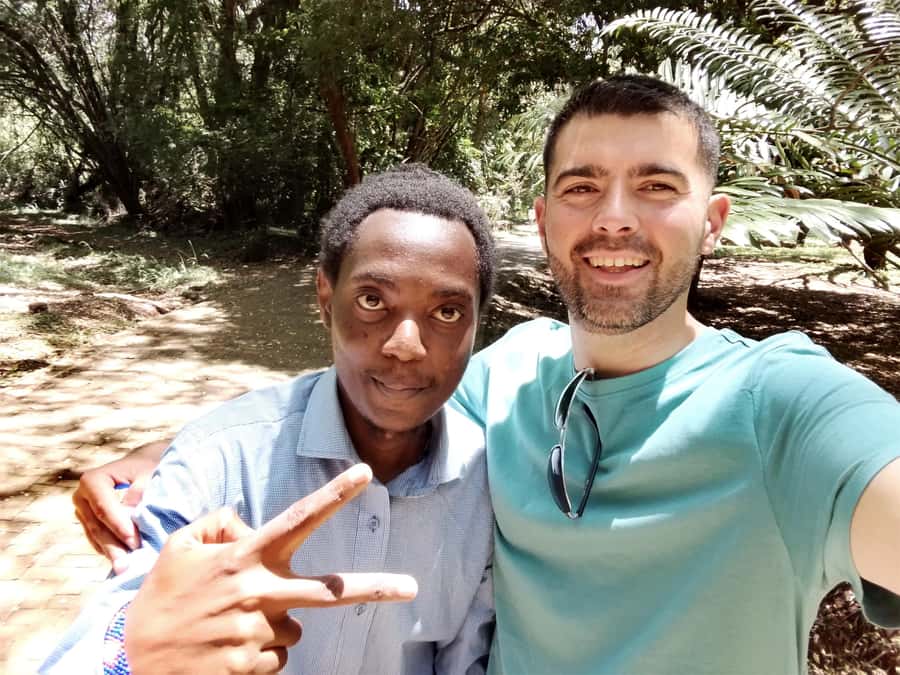
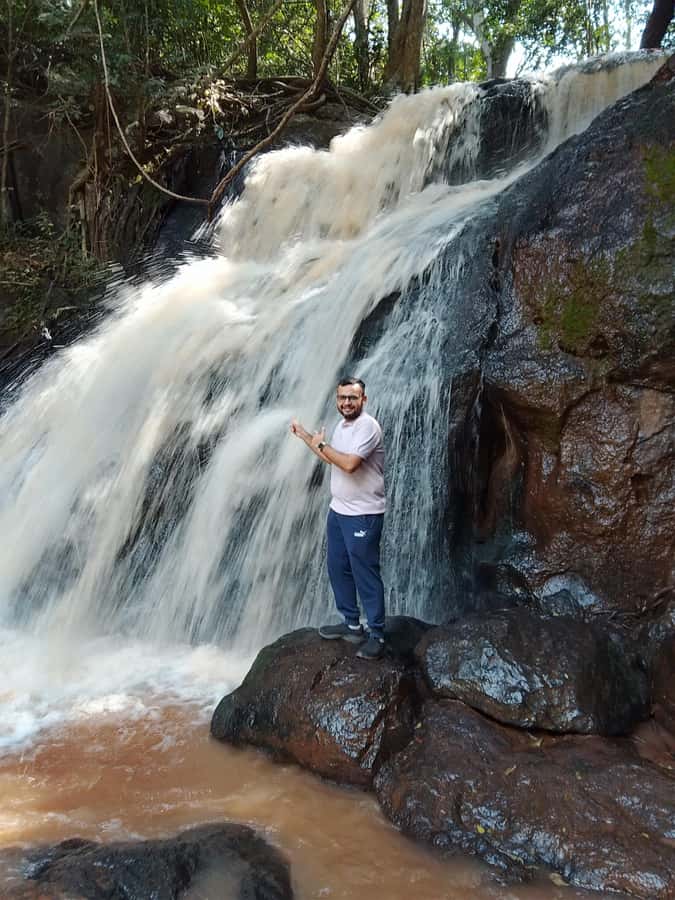
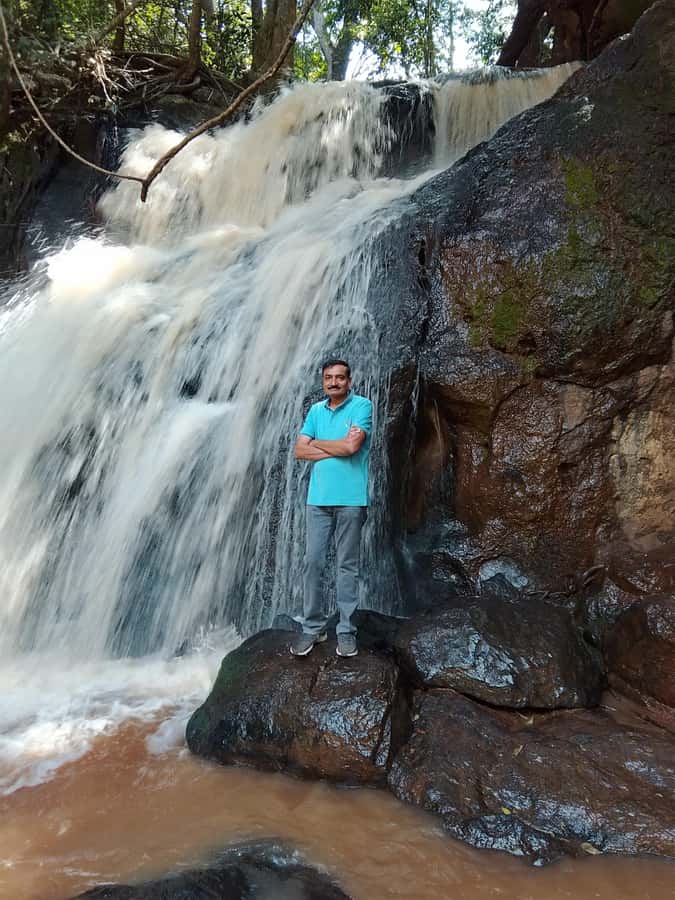
The waterfall is one of the tour’s clearest scenic rewards. Your guide makes a dedicated stop there, giving you time to feel the mist, take photos, and listen to the water instead of rushing past it.
I like that the waterfall is part of a wider water route. You will also cross rustic bridges and follow streams that wind through the trees. Those details give the walk variety. You are not looking at the same type of path for three hours.
The weather can change how this part feels. After rain, the waterfall and streams may be more lively, while bridges and paths may require careful footing. The activity information does not promise a specific level of trail difficulty, so ask your guide about conditions at the start if you are unsure about your pace.
A photo stop is built into the forest visit, but this is not presented as a fast series of snapshots. The guide’s slower approach leaves room for a quiet pause. You can choose journaling or silence during the reflection moment, which may suit you if you want a break from a packed sightseeing schedule.
A different kind of day from the same base:
- Nairobi National Park Half-Day Tour; Free Wi-Fi connection
★ 5.0 · 878 reviews - Nairobi: National Park & Optional Elephants & Giraffe Center
★ 4.8 · 874 reviews - NAI NAMI: Nairobi Storytelling Tour with Street Children
★ 5.0 · 792 reviews - Nairobi National Park Half-Day Game Drive
★ 4.5 · 738 reviews
Entering the Mau Mau Caves
The Mau Mau caves give the tour its strongest historical edge. These are not just natural features to photograph. They are connected with freedom fighters who hid in the forest during Kenya’s resistance to British colonial rule.
Your guide explains the connection as you reach the caves, helping you see why Karura matters beyond its trees and streams. The setting also shows how natural spaces can become places of protection and political action.
The experience does not promise a long lecture or museum-style presentation. Instead, history is attached to the ground beneath your feet. You walk to the caves, hear the story, and consider the choices people made in a difficult period.
If this is the part you care about most, tell your guide early. The private format makes it easier to ask for more detail and connect the forest setting with Kenya’s wider independence story.
Freedom Corner and the Forest’s Political Memory
Freedom Corner is another important stop. Its name points to the role Karura has played in political resistance, and the guide uses it to explain how the forest moved from a contested place to a symbol of peace.
This is where the experience’s reflective tone makes sense. You are not only collecting facts. You are encouraged to pause and think about how public spaces hold memory. A short period of silence may sound modest, but it can change the rhythm of the whole visit.
You can choose journaling or simply remain quiet. No special equipment is listed, so if journaling appeals to you, bring a small notebook and pen. If not, the pause still gives you a chance to put the camera away and notice the sounds around you.
I would not choose this tour if you want nonstop entertainment or a tightly timed checklist. I would choose it if you appreciate a guide who gives history room to breathe.
Trees, Kikuyu Meaning, and Lessons Along the Trail
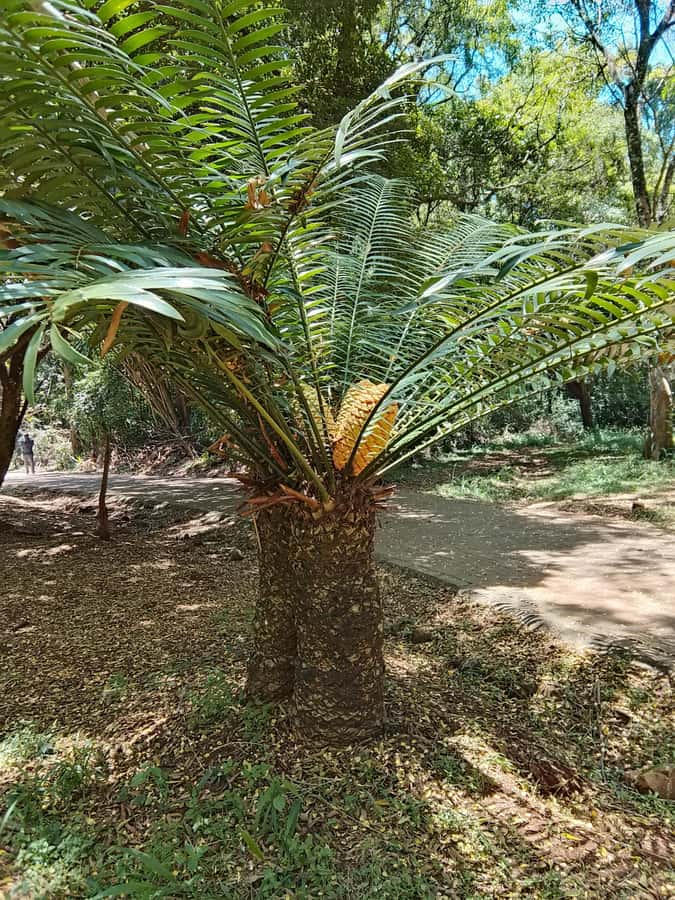
The tree storytelling is one of the most distinctive parts of the walk. Your guide explains the meaning of sacred African trees, including their place in Kikuyu culture.
That kind of explanation adds something a guidebook cannot easily provide. You begin to see trees not just as scenery, but as part of a cultural system. The forest becomes a place of belief, memory, shelter, and shared identity.
The details provided do not name each tree or give a full list of cultural meanings, so you should ask questions as you walk. Which trees are sacred? How were they used? What role do they play today? A private guide can shape the conversation around your interests.
This is also a good reason to avoid treating the forest as a backdrop for photos only. The tour asks you to pay attention to older trees, silence, and movement. You leave with a better sense of why protecting an urban forest can matter to a city’s culture as well as its air and open space.
What the $51 Price Includes
At $51 per person, the cost is easiest to justify for solo visitors or couples who value a private guide. Entry fees, transport to and from the forest, an English-speaking guide, and the forest stops are included. You also receive the longer two to three hour format, rather than a brief walk.
For a solo booking, private transport and a guide can make the price feel fair, especially if a flexible pickup or earlier start is available. For a larger private group, compare the total cost with other Nairobi activities before booking, since the charge is listed per person.
Meals and snacks are not included. Bring your own food only if appropriate for the forest rules, or plan to eat before or after. Bike rental is also excluded, and this is specifically a walking tour. If you want to cover Karura by bicycle, choose a different activity.
The value is less about the number of sights and more about the way they are connected. You get nature, history, cultural interpretation, and a calm pause in one outing. If you only want a quick waterfall photo, the price may feel high. If you want a private, guided interpretation of Karura, it is more convincing.
Guide Style and Personal Flexibility
The guides named in the booking feedback are Joel and Joe. The names may refer to different guides or to the same person using different forms, so confirm who will lead your visit when you book.
The useful detail is the working style. Joel collected a solo participant from a hotel when she was the only person booked, while Joe allowed an earlier start and offered suggestions beyond the basic request. These examples point to a guide who may adapt the outing rather than simply follow a fixed script.
That flexibility is especially useful in Nairobi, where traffic and changing plans can affect a morning. Still, do not assume every request is guaranteed. Confirm pickup, start time, and meeting location in advance.
The activity is conducted in English and uses a private group format. If you want quiet time, more cultural background, or extra attention at the caves and Freedom Corner, say so at the beginning.
Who Will Enjoy This Three-Hour Walk
I would recommend this experience to:
- People with a free half-day in Nairobi who want nature without leaving the city
- Solo visitors who value a private guide and flexible timing
- History-minded visitors interested in the Mau Mau resistance
- Anyone who prefers a slow walk to a busy sightseeing circuit
- Photographers who want waterfalls, streams, bridges, bamboo, and canopy views
- Visitors who enjoy cultural stories connected to trees and place
It may be less suitable if you dislike walking, need a fully dry route, or want a cycling visit. It is also not intended for babies under one year or people over 95.
The walk is not described as a strenuous hike, but three hours on foot still calls for sensible shoes. After rain, take extra care on wet ground and bridges.
Booking Details That Matter
You can cancel up to 24 hours before the activity for a full refund. A reserve-now, pay-later option is available, which helps if your Nairobi schedule is still changing.
Check the starting times before booking. The listed meeting choices are International House on Mama Ngina Street or Karura Forest Gate A on Limuru Road. Transport is included, but clarify the exact arrangement if you want to meet somewhere else.
The overall rating is five out of five from four submitted ratings, with praise focused on friendly service, flexibility, and a strong experience even in wet weather. That is a small sample, so I would treat it as encouraging rather than decisive. The most useful pattern is practical: the guide appears willing to adjust timing and offer personal attention.
Should You Book Roots and Rivers in Karura?
Book this tour if you want Karura Forest explained as a living place, not just a green space. The Mau Mau caves, Freedom Corner, tree traditions, waterfall, and quiet reflection give the walk a clear purpose.
I would especially choose it for a solo visit, a first stay in Nairobi, or a day when you want to slow down after flights and city traffic. The price includes enough services to make sense for a private outing, though you should bring snacks and expect to walk for the full three hours.
Skip it if you want bicycles, a short photo stop, or a highly active hike. For everyone else, this offers a thoughtful way to meet Nairobi’s forest, its political memory, and its quieter side.
FAQ
How long does the Karura Forest walking tour last?
The experience lasts three hours, with the included duration described as approximately two to three hours.
Where does the tour begin?
You can meet at International House on Mama Ngina Street in Nairobi, or choose Karura Forest Gate A on Limuru Road.
Is transport included?
Yes. Transport to and from the forest is included in the price.
Is the forest entry fee included?
Yes. The entry fee is included.
Is this a private tour?
Yes. The activity is for a private group.
What language does the guide speak?
The live guide speaks English.
Is bike rental included?
No. This is a walking tour only, and bike rental is not included.
What should you bring?
Bring comfortable shoes and comfortable clothing. If you want to use the optional journaling pause, you may also bring a notebook and pen.
Recently added around Nairobi
- Nairobi; City Walk Tour★ 4.5 · 3 reviews
- 2 Days Amboseli National Park Safari★ 3.5 · 3 reviews
- Private 3-Day Masai Mara Safari Adventure★ 5.0 · 3 reviews
- Kenya safari★ 5.0 · 3 reviews
- Full Day, Small Group Guided Tour to Amboseli National Park★ 4.5 · 3 reviews
- 11-Days Best of Kenya & Tanzania Big 5 Safari on a 4×4 Jeep★ 5.0 · 3 reviews
- 10-Days Explore Kenya Wildlife Private Safari★ 5.0 · 3 reviews
- Nairobi: Giraffe Center, Beads Factory & Bomas of Kenya Tour★ 4.5 · 3 reviews
Nairobi Tours, compared.

Nairobi National Park Half-Day Tour; Free Wi-Fi connection
Read our review →
National Park & Optional Elephants & Giraffe Center
Read our review →
NAI NAMI: Nairobi Storytelling Tour with Street Children
Read our review →




Elephant Orphanage and Giraffe Center Tour with Options
Read our review →Browse the lists this tour appears in