
Reviewed · NAIROBI TOURS
Nairobi: Guided Afternoon Tour to Bomas of Kenya.
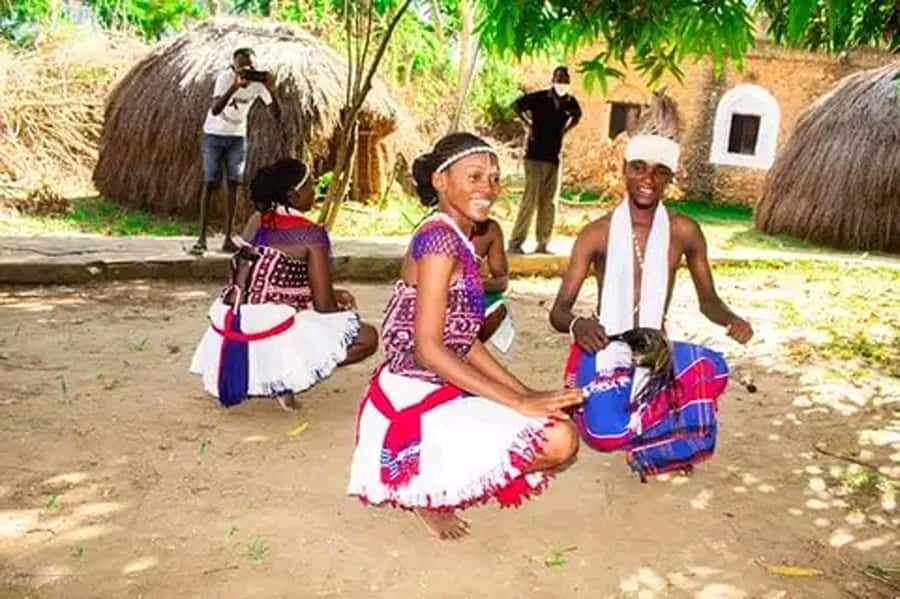
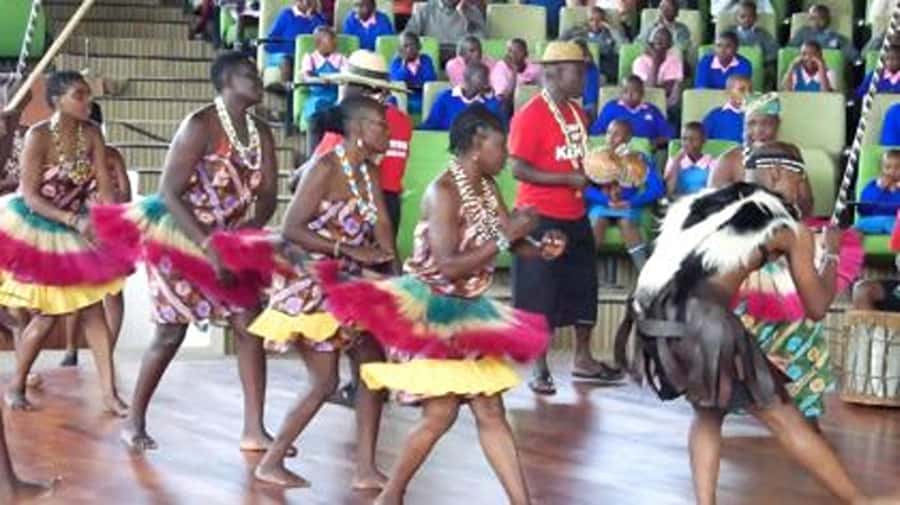
The main event here is the traditional dance program, where resident performers present songs, drumming, warrior dances, Swahili taarab music, and acrobatics linked to several Kenyan communities. It gives you a quick, lively introduction to the country’s cultural variety without requiring a long trip from Nairobi.
I like the easy hotel pickup and the chance to see more than a stage show. The clusters of mud houses, each linked to a different Kenyan ethnic group, add useful context. I also like that the performers invite audience participation, giving the afternoon a friendly, hands-on touch.
The catch is the extra admission cost. The $44 tour price does not include entry to Bomas of Kenya, and a February 2025 visit recorded an admission price of 2,000 KES. Another recent booking found the fees for the dance show unclear, so ask exactly what you will pay before setting off.
Key points at a glance
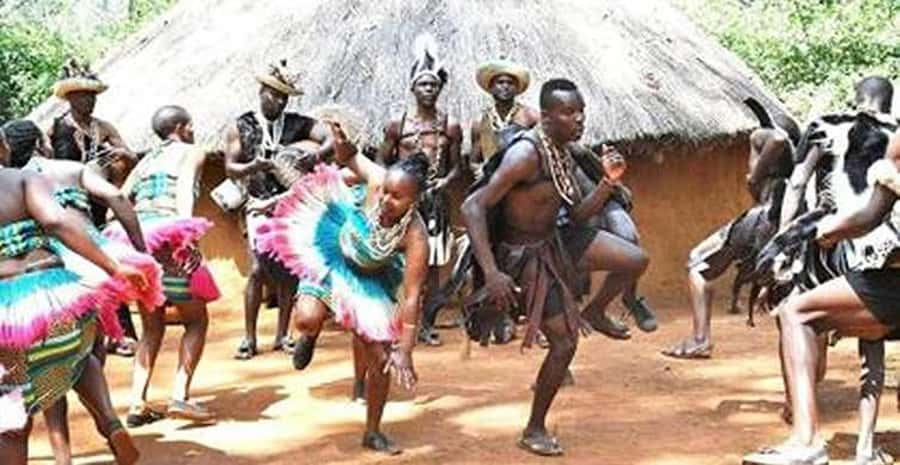
- Traditional dances and songs: See performances connected with communities including the Kalenjin and Embu, along with Swahili taarab music.
- Mud-house homesteads: Walk among enclosed compounds designed to represent living styles from different parts of Kenya.
- Acrobatics: The afternoon program includes energetic acrobatic performances alongside music and dance.
- Simple Nairobi access: Pickup and drop-off are offered from hotels and central meeting points including Westlands, Kencom House, and Yaya Centre.
- Extra admission required: The $44 price covers transport, guiding, taxes, and allowances, but not the Bomas entrance fee or food.
- A short cultural outing: Plan on about three hours, with show times changing on weekdays, weekends, and public holidays.
Why Bomas of Kenya works well as an afternoon outing
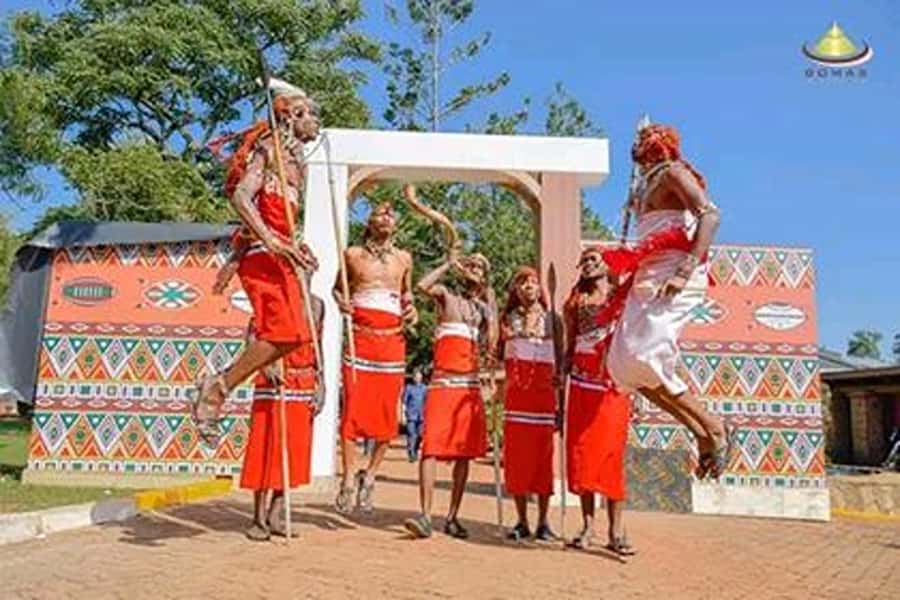
Bomas of Kenya sits in Langata, about 10 kilometers from Nairobi’s city center. That location makes it practical for a spare afternoon, especially if you want cultural content without committing to a full-day excursion outside the capital.
The center presents several parts of Kenyan life in one place: housing styles, crafts, music, dance, and performance. The name bomas comes from a Swahili word for an enclosed homestead. At the site, separate bomas represent major ethnic groups from across Kenya.
This format is easy to follow. Instead of trying to find several museums, villages, or performance venues, you can see a range of traditions during one visit. The tradeoff is that the experience is arranged for visitors, so it is best understood as a cultural showcase rather than a visit to ordinary working homes.
I find the combination useful for a first stay in Nairobi. The dances provide the energy, while the homesteads and crafts slow things down and help explain how regional traditions differ. You will not get a long academic lecture, but you will leave with a broader sense of the communities that make up Kenya.
More Bomas of Kenya evenings:
- Giraffe Centre, Elephant Orphanage, and Bomas of Kenya Day Tour from Nairobi
★ 4.5 · 96 reviews - Half-Day Cultural Tour to Bomas of Kenya in Nairobi
★ 4.5 · 23 reviews - Nairobi city sights, Giraffe Encounters and Bomas Kenya Tour
★ 5.0 · 19 reviews
Hotel pickup through Westlands, Kencom House, and Yaya Centre
Pickup is included from hotels in Nairobi, with listed collection points in Westlands, at Kencom House, and at Yaya Centre. The exact arrangement may depend on your booking, so check the meeting details rather than assuming the vehicle will reach every hotel entrance.
You should wait in the hotel lobby 10 minutes before the scheduled time. The guide is expected to hold a sign with your last name. Drivers wait no longer than 25 minutes after pickup time, making punctuality important in a city where road delays can quickly affect a short afternoon schedule.
The included transport is a real part of the tour’s value. You do not need to arrange a taxi to Langata or work out the return trip after the show. Drop-off is offered at the same general locations: Westlands, Yaya Centre, and Kencom House.
Recent bookings identify Musa as a friendly guide. Another booking had a driver named Baron who was helpful, but the driver was not acting as a tour guide. That distinction matters. You should expect an English-speaking guide and driver service, but the level of explanation during the transfer can vary.
The mud-house compounds explain Kenya’s regional variety
Before or around the performance, you can explore the homestead displays. These enclosed compounds represent different ethnic groups and regional living styles, using traditional building forms and household arrangements.
This is one of the better reasons to arrive with some curiosity beyond the dance show. The buildings give you a visual way to think about Kenya’s cultural variety. You can compare the layout and appearance of the compounds, then see how music, clothing, movement, and instruments differ in the performance hall.
The information supplied for the tour does not give a full list of every community represented, so do not expect a fixed checklist of houses. It does specifically point to Kalenjin warrior dance, Embu drumming, and Arab-influenced Swahili taarab music as examples of the traditions presented.
I would give this section enough time to look closely rather than treating it as a quick photo stop. Photography is allowed as an expected part of the outing, and the homesteads offer a change of pace before the louder stage program.
The dance program is the afternoon’s main attraction

The traditional performances are scheduled for the heart of the visit. On weekdays, the listed dance and acrobatic program runs from 2:30 to 4:00 p.m. On weekends and public holidays, it runs from 3:30 to 5:15 p.m.
These times are important because the advertised tour duration is three hours, while the weekend performance lasts one hour and 45 minutes. Check the available start time for your date and build your plans around the actual show schedule. A late booking or poorly timed pickup could leave you waiting or rushing.
Expect a series of songs, drumming, dances, and cultural presentations rather than one continuous story. The program draws from several Kenyan communities. Kalenjin warrior dance and Embu drumming are specifically highlighted, and the Swahili section includes taarab music influenced by Arab culture.
The show also includes acrobatics. This gives the program a physical, high-energy finish and helps keep the afternoon varied. If you prefer quiet museum visits, the volume and movement may feel like a lot. If you want a clear, lively introduction to Kenyan performance traditions, this is likely to be the strongest part of the outing.
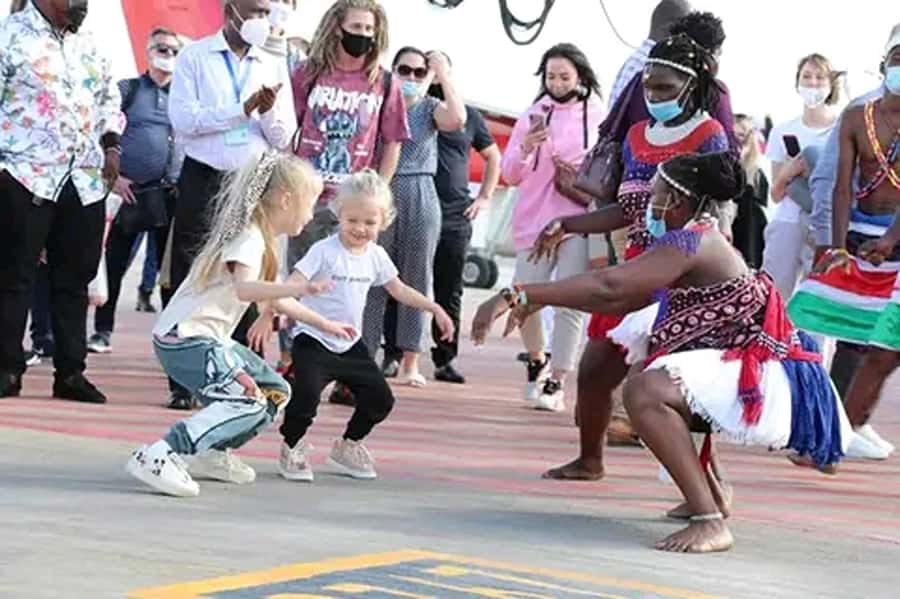
Audience participation can be part of the experience. You may be invited to join the dancers, so wear clothes that allow easy movement and comfortable shoes. You can watch from the seats if you prefer, but the invitation gives the program a more welcoming feel than a strictly formal concert.
A few more Nairobi days to weigh up
- Nairobi National Park Half-Day Tour; Free Wi-Fi connection
★ 5.0 · 878 reviews - Nairobi: National Park & Optional Elephants & Giraffe Center
★ 4.8 · 874 reviews - NAI NAMI: Nairobi Storytelling Tour with Street Children
★ 5.0 · 792 reviews - Nairobi National Park Half-Day Game Drive
★ 4.5 · 738 reviews
What the cultural presentation does well, and where it is limited
Bomas of Kenya is valuable because it brings many traditions together in one accessible setting. A short visit can introduce you to instruments, dance forms, songs, domestic architecture, and crafts that would otherwise require much more time and planning.
The limitation is also clear: this is a cultural center with scheduled performances. The dances are prepared for an audience, and the homesteads are displays. You should enjoy the color, skill, and variety while remembering that a stage presentation cannot represent every detail of daily life within a community.
That does not make the experience unimportant. For a first afternoon in Nairobi, the program provides a useful starting point. You can use it to decide which musical traditions, regional communities, or craft styles you would like to learn more about later.
The center also gives you a chance to support resident artists through a formal cultural venue. The supplied information does not state how performers are paid or how revenue is distributed, so I would not make claims beyond the fact that resident artists present the program.
What the $44 price really covers
At $44 per person, the tour can be a fair convenience purchase if you value hotel transport and a planned cultural stop. The price includes the visit arrangement, an English-speaking professional guide, pickup and drop-off, government fees and taxes, and guide and driver allowances.
It is not an all-inclusive entrance price. Bomas admission is separate, and food and drinks are not included. A February 19, 2025 booking recorded the Bomas entrance fee as 2,000 KES. Since prices can change, treat that figure as a useful reference rather than a guaranteed current amount.
There was also confusion during one recent booking about an additional fee for the dance show. That is the most important value warning. Before departure, ask if the dance performance is included in the admission ticket for your date, and ask for the current total in Kenyan shillings.
Once you add admission, the cost is higher than the headline price. You are paying partly for the transport and the convenience of having the afternoon organized. If you are comfortable arranging your own taxi and entrance, an independent visit could offer more control, though the supplied information does not provide a separate self-guided price for comparison.
Food is not part of the package. The activity details mention food and craft areas among the possible stops, but you should not count on a meal or included refreshments. Bring cash or a card, and plan lunch separately.
Timing, security, and what to bring
This tour takes place rain or shine. Comfortable clothing and shoes are sensible, especially if you plan to walk around the homestead displays or take part in the dancing.
All visitors pass through airport-style security. Do not bring oversized luggage, large bags, explosive substances, or arrive intoxicated. A camera and charged smartphone are useful for photos and for keeping in touch with your driver.
Bring a passport or ID card. Children also need passport or ID documentation. Cash and a credit card are both listed as useful, which is practical given the separate admission charge and any additional fees.
The activity information describes the tour as wheelchair accessible, but it also lists the experience as not suitable for people with mobility impairments. That is a clear inconsistency. If you use a wheelchair or have difficulty walking, contact the provider before booking and ask about the route through the compounds, seating, and access to the performance area.
Altitude sickness is also listed as a reason the experience may not be suitable. No altitude guidance is provided, so anyone concerned about this should ask the provider for clarification.
Who will get the most from this Nairobi tour
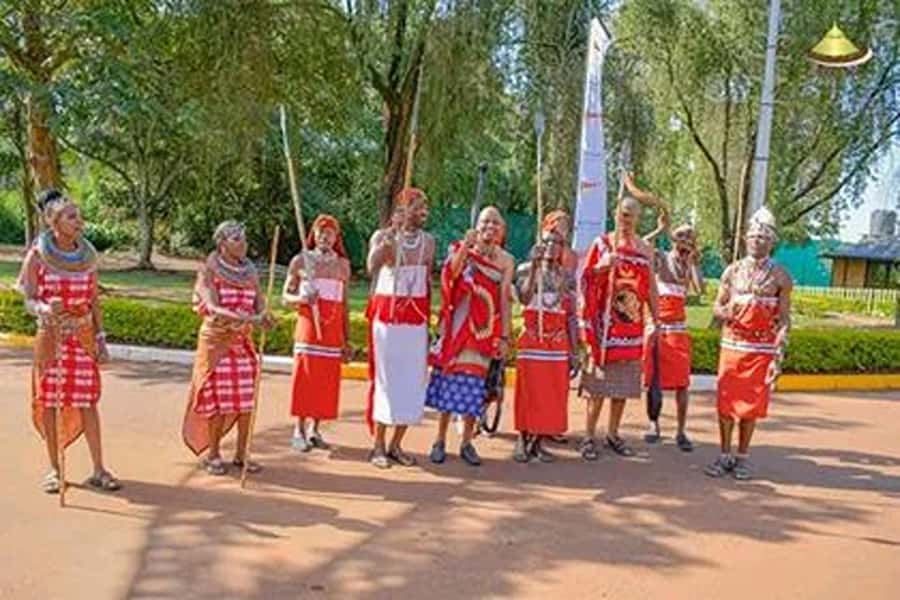
I would choose this outing if you have limited time in Nairobi and want a broad introduction to Kenyan cultural performance. Families, first-time visitors, and anyone who enjoys music, dance, costumes, drumming, or acrobatics should find plenty to watch.
It also suits you if transport planning is a nuisance. Hotel pickup and return remove a small but real layer of city logistics, and the three-hour format leaves room for other Nairobi plans.
You may want a different experience if you are seeking a quiet, detailed museum visit or an extended conversation with cultural historians. The guide may focus mainly on transport and practical help, and the core program is a scheduled performance rather than a long interpretive tour.
The outing is also less appealing if you dislike surprise costs. The separate entrance fee is clearly stated, but the possible extra dance-show charge makes it worth confirming the final price in advance.
Booking details that can save you trouble
Free cancellation is available up to 24 hours before the activity for a full refund. You can also reserve now and pay later, which helps if your Nairobi schedule is still changing.
The listed language is English, and a live English-speaking guide is provided. The driver may not be the person giving cultural explanations, so ask who will meet you at the hotel if that matters to you.
The provider is THE WONDER RUSH CITY TOURS. Pickup instructions call for you to wait in the lobby, watch for a sign with your last name, and remain available at the agreed point. Because the driver will wait only 25 minutes, do not rely on a loose arrival window.
Should you book the Bomas of Kenya afternoon tour?
Book it if you want a convenient, energetic introduction to several Kenyan traditions in one afternoon. The strongest reasons are the varied dance program, the acrobatics, the regional homesteads, and the included Nairobi transport. Musa has provided friendly guiding on a recent departure, and audience participation can make the show feel personal rather than distant.
Skip it if the final price is a concern, if you want a more in-depth cultural conversation, or if mobility access is important and the provider cannot resolve the conflicting accessibility information. Most importantly, confirm the current admission and dance-show fees before you pay.
For a short Nairobi stay, I see this as a useful cultural sampler, not a complete picture of Kenya. Go for the music, movement, and range of traditions. Just budget for the entrance fee and keep your expectations clear.
FAQ
How long does the Bomas of Kenya tour last?
The tour duration is listed as three hours. The dance and acrobatic program runs from 2:30 to 4:00 p.m. on weekdays and from 3:30 to 5:15 p.m. on weekends and public holidays.
Is hotel pickup included?
Yes. Pickup and drop-off from hotels in Nairobi are included. Listed pickup and return points also include Westlands, Kencom House, and Yaya Centre.
Where is Bomas of Kenya located?
Bomas of Kenya is in Langata, about 10 kilometers from Nairobi’s city center.
Is admission to Bomas of Kenya included in the $44 price?
No. Entry to Bomas of Kenya is not included. Food and drinks are also excluded.
How much is the entrance fee?
A February 2025 booking recorded the entrance fee as 2,000 KES. Current prices may differ, so confirm the amount before the tour.
Is the dance show included in admission?
The supplied information does not make the dance-show fee clear. One recent booking involved an additional charge, so ask the provider whether the dance performance is included in your ticket and what the total cost will be.
What language is the tour conducted in?
The live tour guide language is English.
What should I bring?
Bring a passport or ID card, comfortable shoes, comfortable clothes, a camera, a charged smartphone, cash, and a credit card. Large bags and oversized luggage are not allowed.
Recently added around Nairobi
- Nairobi; City Walk Tour★ 4.5 · 3 reviews
- 2 Days Amboseli National Park Safari★ 3.5 · 3 reviews
- Private 3-Day Masai Mara Safari Adventure★ 5.0 · 3 reviews
- Kenya safari★ 5.0 · 3 reviews
- Full Day, Small Group Guided Tour to Amboseli National Park★ 4.5 · 3 reviews
- 11-Days Best of Kenya & Tanzania Big 5 Safari on a 4×4 Jeep★ 5.0 · 3 reviews
- 10-Days Explore Kenya Wildlife Private Safari★ 5.0 · 3 reviews
- Nairobi: Giraffe Center, Beads Factory & Bomas of Kenya Tour★ 4.5 · 3 reviews
Nairobi Tours, compared.

Nairobi National Park Half-Day Tour; Free Wi-Fi connection
Read our review →
National Park & Optional Elephants & Giraffe Center
Read our review →
NAI NAMI: Nairobi Storytelling Tour with Street Children
Read our review →




Elephant Orphanage and Giraffe Center Tour with Options
Read our review →Browse the lists this tour appears in