
Reviewed · NAIROBI TOURS
Nairobi city walking tour
Nairobi’s story is easiest to follow on foot, where old colonial buildings, memorials, markets, and modern offices sit close together. This three-hour private walk with Michael begins at Jeevanjee Gardens and ends high at the Kenyatta International Conference Centre, giving you a useful first look at Kenya’s capital.
I like the focus on history told at street level and the chance to learn a few Swahili words while seeing daily city life. I also like the simple $17 price, which covers a local guide and several central sights. The main drawback is that the tour is not suitable for wheelchair users or people with visual impairments, and the KICC entrance fee costs an extra 500 KSh.
Key points to know
- Starts at Jeevanjee Gardens: This central meeting point leads naturally into Nairobi’s early story and city-centre streets.
- Michael guides in English or Swahili: You can ask about Kenya’s past, Nairobi’s growth, and the current use of older buildings.
- Historic stops include Kipande House and McMillan Memorial Library: These give the walk more substance than a simple photo tour.
- Markets are part of the experience: City Market and Maasai Market offer handmade goods and souvenirs, but shopping is optional.
- KICC provides the finish: The tour ends with city views and free time, though entry costs 500 KSh separately.
- Private group format: You get a more personal walk rather than joining a large crowd.
Starting at Jeevanjee Gardens
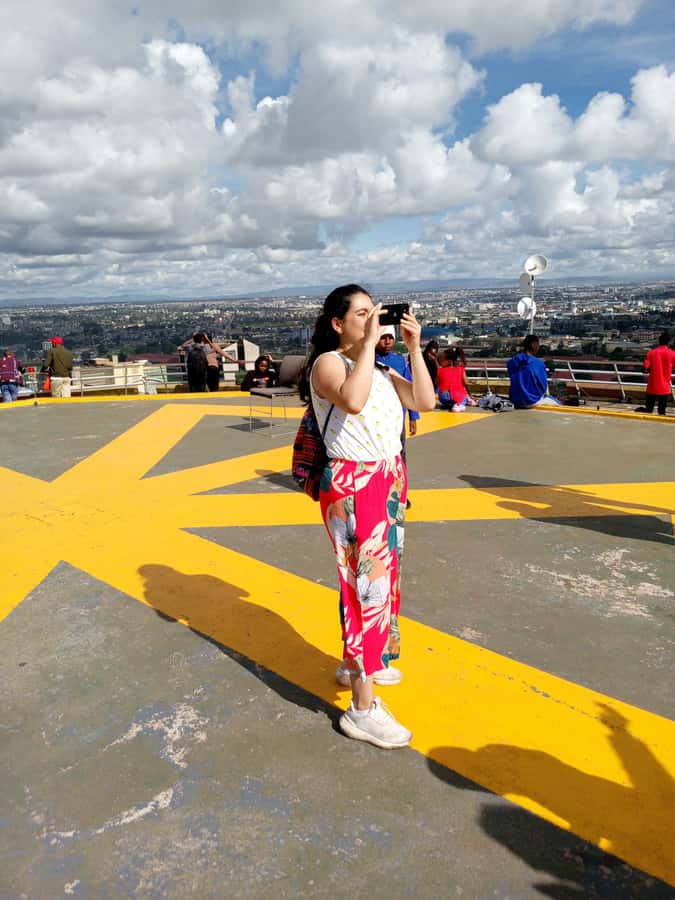
Jeevanjee Gardens is a practical place to begin because it puts you in the middle of Nairobi’s central business district from the first minute. The walk opens with the city’s origin story, including how Nairobi grew and became Kenya’s capital.
I find this start useful because it gives the rest of the tour a frame. Instead of seeing a church, office, memorial, or market as an isolated stop, you can connect each place to Nairobi’s wider development. Ask Michael to explain how the city changed from its early days to the capital you see today.
The opening section is also a gentle way to settle into Nairobi. You meet your guide, hear the plan, and begin walking through the centre rather than sitting in a vehicle and watching the streets pass by. The guide shares information as you move, so you can ask questions when something catches your eye.
Wear comfortable shoes. The experience is built around walking through the city, and the advertised timing is about three hours. Baby strollers and crutches are not allowed, so this is best for people who can manage a regular urban walk without mobility equipment.
More City Tours in Nairobi
- Nairobi Historical Walking City Tour
★ 5.0 · 258 reviews - Nairobi City Walking Tour with Traditional Kenyan Lunch
★ 5.0 · 106 reviews - Nairobi: Private 4-Hour City Tour
★ 4.5 · 68 reviews
Seeing Nairobi through its older buildings

One of the tour’s strongest features is its attention to buildings left from the colonial period and the way Kenyans use them today. That approach gives you more than dates and names. You see how the older city remains part of everyday Nairobi.
Kipande House is one of the named stops. The building connects the walk to a difficult period in Kenyan history and to the systems used under colonial rule. Michael can explain the story behind the building and how it fits into Nairobi’s past.
The tour also includes McMillan Memorial Library, another important central-city landmark. A stop here adds a cultural side to the walk. You are not simply looking at government offices or commercial streets. You are also seeing a place linked with books, learning, and public life.
The pace matters. A walking guide can point out details that are easy to miss from a car, including older façades, memorials, and the changing use of city buildings. Since this is a private group, you can spend a little more time on a subject that interests you rather than following a fixed lecture.
The information supplied for the tour does not promise interior access to every building. Treat several stops as exterior visits, guided explanations, or pass-by sights. That is normal for a city walk, but it is worth knowing if you expect to enter each landmark.
Memorials, war stories, and the Soldiers of War
The Soldiers of War stop adds a human side to the city’s history. Memorials can be easy to walk past when you are exploring alone, especially in a busy business district. With Michael, you have a chance to pause and hear why the site matters.
This part of the tour is valuable because it moves beyond Nairobi’s architecture. You learn about people, conflict, and the marks that history has left on public spaces. The tour description places strong emphasis on Kenya’s past, including the colonial period and the growth of the capital, so this is a good moment to ask for context.
The exact amount of time at each historical stop can vary within the three-hour walk. You should expect a guided explanation and sightseeing rather than a long museum visit. If you prefer history with a local voice and a clear connection to the streets around you, this section will likely be one of the more worthwhile parts.
Michael’s ability to make you feel safe is a real practical advantage. Loes from the Netherlands specifically praised his care and his ability to explain Kenya and Nairobi in an interesting way. That matters on a city walk, where a calm guide helps you concentrate on what you are seeing.
City Market and the pleasure of browsing
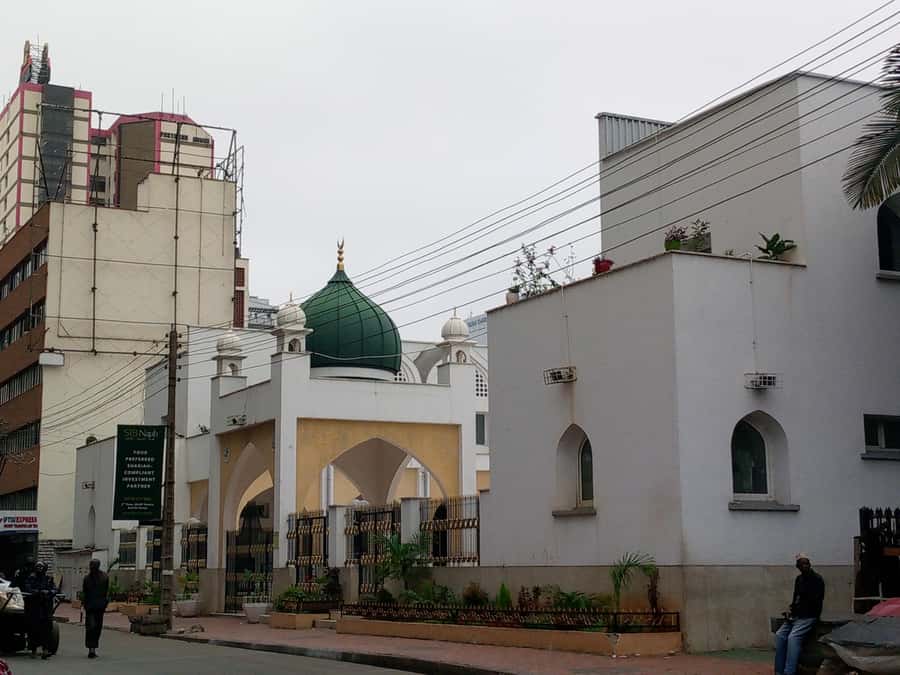
City Market is where the walk becomes more hands-on. You can browse souvenir goods and handmade artifacts, and the market gives you a chance to see a different side of Nairobi’s central district.
I like having shopping built into a history walk, as long as you remember that you are not required to buy anything. You can look at the goods, ask questions, and see how the market fits into city life. The tour also gives you a chance to learn some Swahili words, which may make simple interactions feel more natural.
Keep your expectations sensible. This is not presented as a specialist shopping tour, and the price does not include purchases. Bring room in your day and luggage if you want to buy something, but do not feel pressured to shop.
The guide can help you understand what you are seeing, though the supplied details do not specify particular products, prices, or bargaining rules. Handmade items and souvenirs are part of the experience, but the value of any purchase depends on the individual object and seller.
More Walking Tours in Nairobi
- Nairobi: Historic and Modern Highlights Walking Tour
★ 4.8 · 703 reviews - Nairobi Downtown Walking Tour
★ 4.7 · 208 reviews - Nairobi Walking Tour: Downtown & City Tour
★ 4.8 · 32 reviews - Day tour to Hells Gate, Lake Naivasha and Crescent Island Walk
★ 5.0 · 26 reviews
The climb to KICC and Nairobi from above
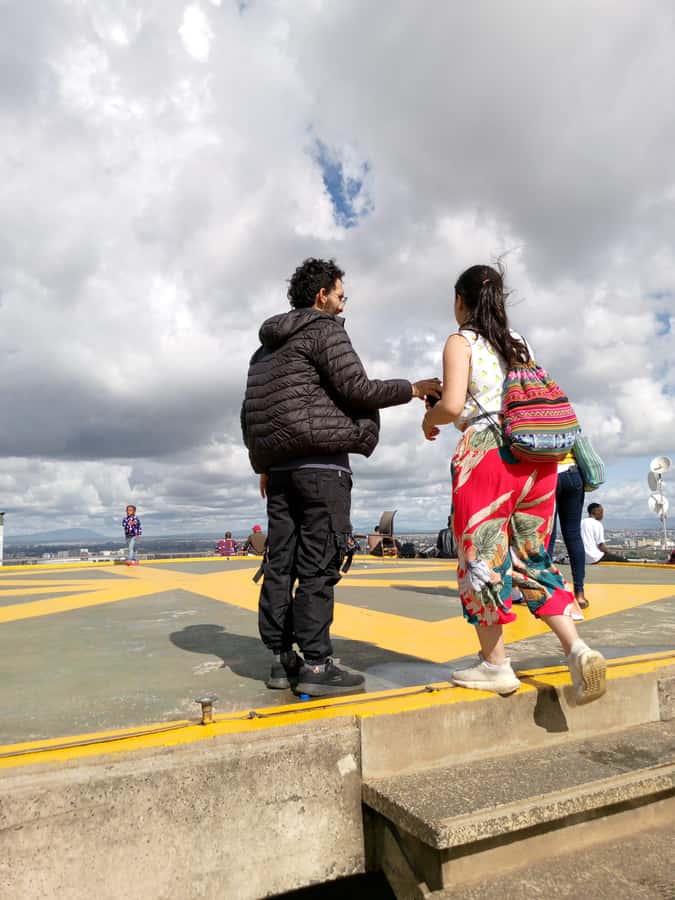
The Kenyatta International Conference Centre is the tour’s main finishing point. The walk ends at the top of the building, where you have time for sightseeing, photographs, and views across Nairobi.
This is a strong ending because the city looks different from above. After several hours of seeing streets, buildings, markets, and memorials at ground level, you can look back over the centre and understand its shape more clearly. The schedule allows about 30 minutes here, including a break, guided time, and free time.
KICC entry is not included. You should budget an additional 500 KSh for the entrance fee. That extra charge is small compared with many paid attractions, but it means the advertised $17 is not the total cost if you want to go up.
The schedule also refers to sunset at KICC. Check the available start time when booking if sunset views matter to you, since the three-hour timing and daylight will affect what you see. The tour description does not guarantee a sunset on every departure.
The centre is more than a viewpoint in this experience. It gives Michael a chance to connect Nairobi’s modern identity with the older places you saw earlier. You finish not in a quiet historic quarter, but in a major symbol of the capital’s public and political life.
Maasai Market and the optional shopping stop
Maasai Market is included as a visit, photo stop, sightseeing point, and shopping opportunity. It adds handmade goods and craft browsing to the historical sections of the walk.
This stop suits you if you enjoy looking for small, locally made souvenirs rather than shopping in a standard mall. You might find objects that help you remember the city in a more personal way, though the available information does not identify exact products or guarantee that every stall will be open at every time.
The market section may feel less focused than the memorials and buildings. Shopping can take attention away from the historical story, especially if you are comparing items or negotiating a purchase. I would treat it as a flexible part of the day: browse if you are interested, take photographs if permitted, and stay with the group so you do not lose the tour’s timing.
The listed schedule places the Maasai Market visit around the KICC section, while the overall route also includes a return to Jeevanjee Gardens. Since the stop descriptions include passing by and self-guided time, ask Michael at the start how the day’s order will run.
What the $17 price really covers
At $17 per person, this is an inexpensive way to get an introduction to central Nairobi. The price covers a local guide and access to the walking experience, including named stops such as City Market, McMillan Memorial Library, Kipande House, Soldiers of War, and Maasai Market.
The value comes from having someone explain what you are looking at. Nairobi’s central streets can seem like a collection of unrelated buildings if you walk without context. Michael gives you a thread to follow, and the private-group format lets you ask questions in English or Swahili.
The price does not cover bottled water or the 500 KSh KICC entrance fee. Carry your own water, especially since you will be on foot for several hours. You will also pay separately for anything you buy at City Market or Maasai Market.
The tour has a current rating of 5 out of 5 from four verified bookings. The praise focuses on Michael’s safety-conscious manner, his grasp of Nairobi and Kenyan history, and the quality of the walking experience. One short rating simply calls it very good, while another highlights the useful historical information. These comments point to the guide as the main reason to book, not luxury transport or elaborate attractions.
Who will enjoy this Nairobi walk

I would choose this tour for a first visit to Nairobi, especially if you want to understand the centre before exploring more widely. It also suits you if you prefer a small private group, a local guide, and a mixture of history, views, and shopping.
It is a good match for:
- Visitors with about three hours between other plans
- People who enjoy walking and asking questions
- First-time visitors wanting an introduction to central Nairobi
- Anyone interested in colonial-era buildings and Kenya’s past
- Shoppers looking for handmade souvenirs
- Couples, friends, or families who prefer a private group
It is less suitable if you want a museum-heavy tour, private transport, or a fully accessible route. The experience is not suitable for wheelchair users or people with visual impairments, and baby strollers and crutches are not allowed.
The description does not mention transport, meals, or bottled water. Plan this as a walking activity, not as a vehicle tour with frequent rest stops. If your schedule is tight, allow room for the three-hour duration and the return to Jeevanjee Gardens.
Practical booking advice
You can cancel up to 24 hours before the start for a full refund, and you can reserve now and pay later. That flexibility is useful if your Nairobi plans are still changing.
English and Swahili are available. If you want the tour mainly in one language, state your preference when arranging the experience. The guide’s name is Michael in the description, although the general information also refers to a guide in broader terms.
Start with comfortable shoes and bring water. Carry some Kenyan shillings if you want to enter KICC or shop at either market. Keep your camera ready for the memorials, older buildings, streets, and the view from KICC, while following Michael’s instructions about photography at individual places.
Do not bring alcohol or drugs. Also remember that the tour ends at KICC before the route returns to Jeevanjee Gardens, so confirm the meeting and finishing arrangements with the guide at the beginning.
Should you book the Nairobi city walking tour?
Book it if you want a low-cost, personal introduction to central Nairobi, with history explained by a local guide rather than presented as a list of sights. Michael’s strong points are his safety-conscious approach and his ability to explain how Nairobi developed, and the four five-star ratings support that impression.
The tour offers good value because it combines landmarks, memorials, markets, Swahili language tips, and a high city view for $17. Add 500 KSh for KICC, bring water, and be ready to walk.
Skip it if you need wheelchair access, dislike shopping stops, or want extensive interior visits. For everyone else, especially first-time visitors with a free morning or afternoon, this is a sensible way to get your bearings and put Nairobi’s centre into context.
FAQ
Where does the Nairobi walking tour start?
The tour starts at Jeevanjee Gardens in central Nairobi.
Where does the tour finish?
The main sightseeing route ends at the Kenyatta International Conference Centre, and the schedule also indicates arrival back at Jeevanjee Gardens.
How long does the tour last?
The walking tour lasts about three hours. Around 30 minutes is allocated for the KICC visit, break, sightseeing, and free time.
What languages does the guide speak?
The live guide is available in English and Swahili.
Is the KICC entrance fee included?
No. Entry to KICC costs 500 KSh and is paid separately.
Is shopping included in the tour?
The route includes City Market and Maasai Market, where you can browse or buy souvenirs and handmade goods. Purchases are not included in the tour price.
Is the tour suitable for wheelchair users?
No. The activity is not suitable for wheelchair users or people with visual impairments. Baby strollers and crutches are also not allowed.
Recently added around Nairobi
- Nairobi; City Walk Tour★ 4.5 · 3 reviews
- Private 3-Day Masai Mara Safari Adventure★ 5.0 · 3 reviews
- Kenya safari★ 5.0 · 3 reviews
- 2 Days Amboseli National Park Safari★ 3.5 · 3 reviews
- 11-Days Best of Kenya & Tanzania Big 5 Safari on a 4×4 Jeep★ 5.0 · 3 reviews
- Full Day, Small Group Guided Tour to Amboseli National Park★ 4.5 · 3 reviews
- 10-Days Explore Kenya Wildlife Private Safari★ 5.0 · 3 reviews
- Nairobi: Giraffe Center, Beads Factory & Bomas of Kenya Tour★ 4.5 · 3 reviews
Nairobi Tours, compared.

Nairobi National Park Half-Day Tour; Free Wi-Fi connection
Read our review →
National Park & Optional Elephants & Giraffe Center
Read our review →
NAI NAMI: Nairobi Storytelling Tour with Street Children
Read our review →




Elephant Orphanage and Giraffe Center Tour with Options
Read our review →Browse the lists this tour appears in