
Reviewed · NAIROBI TOURS
Mt. Kenya hike: 5 Days Hike to Lenana Peak Via Sirimon route
Point Lenana is the prize here: you leave Shipton’s Camp around midnight, climb by headlamp, and reach Mount Kenya’s 4,985-meter summit as the sun comes up. I like the Sirimon ascent and Chogoria descent, which give you two very different sides of the mountain, and I like the quiet feel of a route that can be less crowded than other options.
I also appreciate the acclimatization day at Shipton’s Camp, a sensible feature on a high-altitude trek. The catch is simple: this is a hard mountain walk, not a scenic stroll. Expect cold nights, steep and tiring ground, and a summit morning that demands stamina. The listed rating is 3.8 from four reviews, with strong praise for the guides and food but clear warnings about the effort.
Key points to know before you book
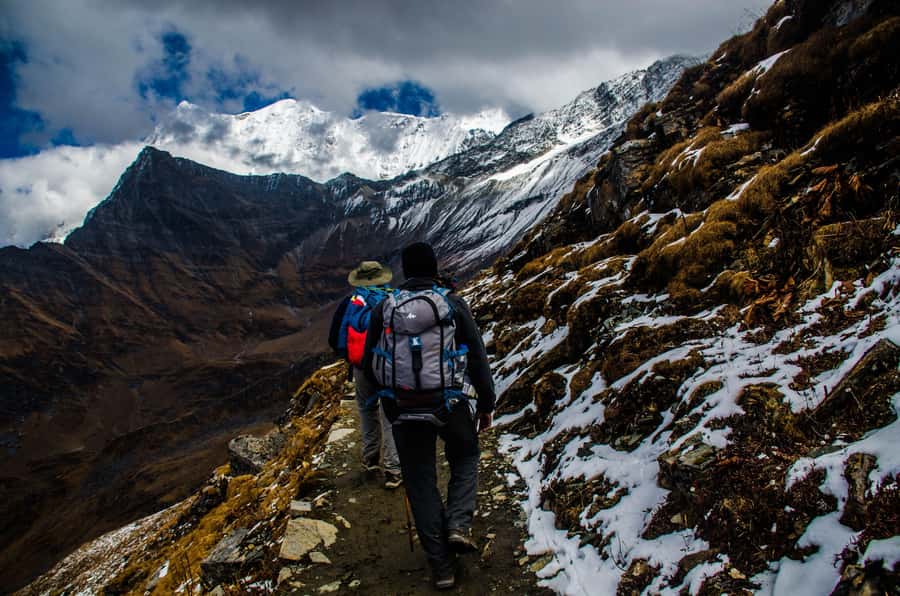
- Point Lenana at sunrise: The summit is 4,985 meters high, and the pre-dawn climb is the trip’s defining challenge.
- Two-route experience: You go up through Sirimon and return through Chogoria, giving you varied scenery and a less repetitive trek.
- A full acclimatization day: The extra day at Shipton’s Camp can help your body adjust before the summit attempt.
- Mau Mau caves connection: The experience includes a visit to Mau Mau caves as a highlight, but the daily schedule does not state exactly when it takes place.
- Porters and three meals daily: Your main luggage support and food are covered, with large portions reported by past participants.
- Cold, basic camping: Tents and a sleeping mat are included, but you must bring your own sleeping bag and climbing gear.
What the five-day Mt. Kenya route is really like
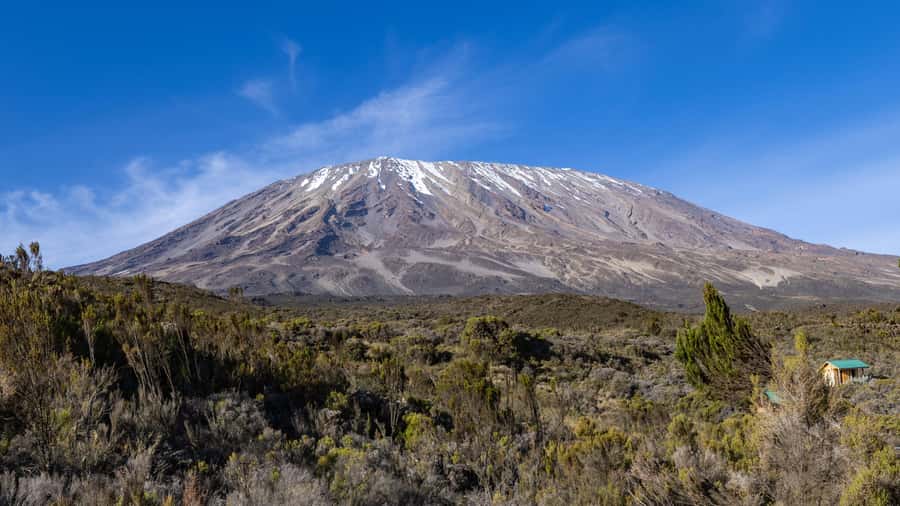
This is a guided expedition to Point Lenana, the third-highest peak on Mount Kenya. You do not climb the technical summits of Batian or Nelion. Instead, you aim for a high trekking summit with grand views and a demanding approach.
The route begins on the Sirimon side and finishes through Chogoria. That matters because you see forest, heathland, high moorland, alpine valleys, rockier upper slopes, and the dramatic Gorges Valley rather than walking back over the same ground.
At $1,000 per person, the package covers park fees, tents, meals, water, a professional English-speaking guide, porters, rescue insurance, a sleeping mat, and airport transfers. You still need to budget for a sleeping bag, personal items, drinks, and climbing equipment.
The value is strongest if you want a structured trip with support already arranged. The porters carry the main load, the guide manages the route, and the park entry and rescue cover are included. The price is less attractive if you already own camping equipment, have strong mountain experience, and prefer to arrange every service yourself.
More Hiking Tours in Nairobi
- Private Hiking Day Trip to Mt. Longonot from Nairobi
★ 5.0 · 58 reviews - Private Half Day Hike to Ngong Hills from Nairobi
★ 5.0 · 20 reviews - Mt Longonot National park Day Hike
★ 4.9 · 18 reviews
Day 1: Nairobi to Old Moses Camp at 3,330 meters
Your morning starts with a private pickup from your hotel. You are taken to Nairobi CBD, then continue by public shuttle to Nanyuki Town before transferring to Sirimon Park Gate.
This mixed transport plan keeps the package from being fully private from start to finish. You should be ready for a travel day with several stages, not a direct hotel-to-trailhead ride. Airport transfers are included, but the detailed first-day plan refers to hotel pickup, so confirm the exact arrangement if you are arriving at the airport on the same day.
At Sirimon Gate, the group completes park entry formalities. Then you begin walking through forest and heathland, gaining height at a steady pace over four to five hours.
Lunch is served along the route. That is useful because you are already working hard on the first day, and eating on the trail avoids waiting until camp. Old Moses Camp sits at 3,330 meters, high enough for altitude to become part of the experience, but still a manageable opening night for most people who are prepared for a long walk.
The evening is spent in tents with dinner and an overnight stay. Camping at this height gives you your first real taste of mountain conditions. Keep warm clothing close at hand rather than buried in your luggage. One participant specifically warned that evenings and nights can be extremely cold.
Day 2: Mackinder’s Valley and the long walk to Shipton’s Camp
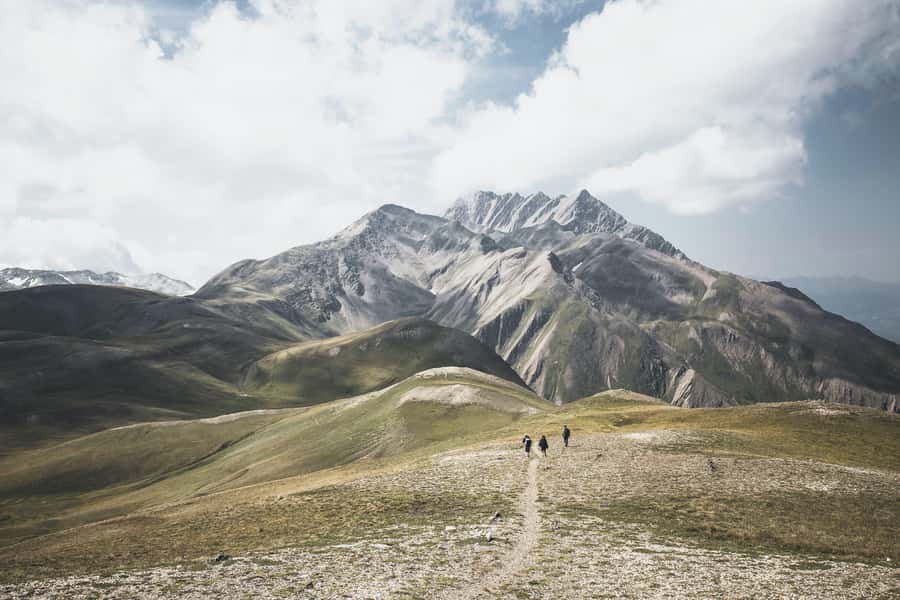
After breakfast, you continue up the Sirimon Route toward Shipton’s Camp at 4,200 meters. The day takes roughly six to seven hours, so you should view it as a serious mountain day rather than a short transfer between camps.
The route passes through Mackinder’s Valley, known for unusual high-altitude plant life and open views. The surroundings become more exposed as you leave the lower forest behind. You may also see wildlife along the route, although the package does not promise particular animal sightings.
Lunch is taken on the way. That simple detail makes a difference on a long ascent. You can keep moving without carrying a full day’s food plan yourself, and the three-meal schedule gives the trek a useful routine.
Shipton’s Camp is high. At 4,200 meters, some people feel the effects of altitude through headache, poor sleep, tiredness, or reduced appetite. The supplied itinerary allows a full acclimatization day after this arrival, which is one of the better features of the plan. A faster itinerary might save time, but it would give your body less opportunity to adjust before the summit push.
This is also where the trek becomes less forgiving. The distances may look modest on paper, but altitude makes ordinary walking harder. Go slowly, drink the supplied water, and tell your guide early if you feel unwell. The package provides three liters of water per person per day, but you still need to manage your intake throughout the walk.
Day 3: A needed acclimatization day at 4,200 meters
You spend the third day at Shipton’s Camp rather than climbing higher and sleeping elsewhere. The main goal is to help your body adapt before the summit attempt.
Optional short walks can take you toward Hausberg Col or Kami Tarn. These outings are not described as full excursions, so think of them as gentle movement and altitude practice rather than another major hiking day.
The day also gives you a chance to rest your legs. By now, you have spent two days gaining height, and the following summit morning will begin around midnight. A quiet day at camp can help you conserve energy, check your clothing, organize your headlamp and water, and prepare mentally for the hardest section.
You will have all meals and another night in a tent. The camping is practical, not luxurious. A sleeping mat is supplied, but a sleeping bag is not. Since the nights are reported to be very cold, a proper cold-weather sleeping bag is essential rather than an optional extra.
The guide team is another important part of this day. The package includes a professional English-speaking driver guide and porters. Guide Ken was singled out for being funny and helpful, while the general guide team received praise for being kind and supportive. That sort of attitude matters when everyone is tired and the altitude is testing your patience.
A different kind of day from the same base:
- Nairobi National Park Half-Day Tour; Free Wi-Fi connection
★ 5.0 · 878 reviews - Nairobi: National Park & Optional Elephants & Giraffe Center
★ 4.8 · 874 reviews - NAI NAMI: Nairobi Storytelling Tour with Street Children
★ 5.0 · 792 reviews - Nairobi National Park Half-Day Game Drive
★ 4.5 · 738 reviews
Day 4: The midnight climb to Point Lenana
Summit day begins at around midnight. You leave Shipton’s Camp in darkness and climb toward Point Lenana, aiming to arrive at sunrise.
This timing is designed around the view, but it also creates the trip’s toughest physical test. You will be walking after a short night, on steep and tiring ground, in very cold conditions. The final section can feel slow. Keep your pace controlled and follow your guide rather than trying to race ahead.
Point Lenana reaches 4,985 meters. From the top, you can watch the African sunrise spread across Mount Kenya. On a clear morning, Mount Kilimanjaro may also be visible. Weather controls the view, so no operator can guarantee a perfect panorama, but the timing gives you the best chance of seeing the mountain in changing early light.
The summit is not the end of the day. After enjoying Point Lenana, you descend by the Chogoria Route to Mintos Camp at 4,250 meters. Breakfast is served after the descent from the summit, with lunch later in the day.
This arrangement makes practical sense. You tackle the summit before the day warms up, then eat once you are back lower down. Even so, Day 4 is long and tiring. Reaching the top does not mean you can relax completely, since you still have a substantial descent and another tent night ahead.
The Chogoria side gives you a new setting instead of repeating the Sirimon trail. It is one of the best reasons to choose this route combination. You trade the convenience of a simple out-and-back trek for more varied scenery and a stronger sense of traveling across the mountain.
Day 5: Gorges Valley and the return to Nairobi
After breakfast at Mintos Camp, you descend through Gorges Valley toward Chogoria Gate. The route passes waterfalls and moorland, creating a dramatic final walking day.
This descent can be easier on your breathing than the summit climb, but it still puts pressure on tired legs. Walking downhill for hours after a midnight start is not a small matter. Good footwear and trekking poles, if you use them, can make the final stretch more comfortable, though climbing gear is not included in the package.
At Chogoria Gate, you continue to Chogoria Town and connect with a public shuttle back to Nairobi. Arrival is expected in the late afternoon. The return is therefore another travel day, not a relaxed morning followed by a quick drive.
An optional jeep transfer from Mintos Camp to the park gate can be arranged for an extra cost shared among participants. This may appeal after the summit and long descent, but ask about the price and availability before you rely on it. The standard plan expects you to walk down through the valley.
The Mau Mau caves and the mountain’s human story
A visit to Mau Mau caves is listed as one of the experience highlights. These caves connect Mount Kenya with the Mau Mau period, when fighters used forest areas and caves during Kenya’s struggle against British colonial rule.
The daily schedule does not specify which day includes the visit or how much time is set aside for it. I would confirm this before booking if the caves are a major reason you want the trip. As described, the main route focuses on Point Lenana, the Sirimon ascent, the Chogoria descent, and the high camps.
Even with that scheduling question, the caves add a useful human dimension to a trek that could otherwise be all about altitude and scenery. You are not simply crossing a mountain park. You are also moving through places tied to Kenya’s modern past.
Food, water, tents, and what you must bring
The package includes three meals per day, beginning with lunch on Day 1 and ending with lunch on Day 5. One past participant praised the food and noted that portions were extremely large. That is good news on a high-energy trek, though you should not assume every meal will suit your personal diet unless you ask in advance.
Three liters of water per person per day are included. You should still bring a refillable bottle or hydration system that lets you drink while walking. Water is not much use if it is packed away and difficult to reach.
Tents and a sleeping mat are supplied. Your sleeping bag is not. Drinks such as beer and wine are also excluded, along with personal effects and climbing equipment.
Warm clothing deserves special emphasis. A fleece, insulated jacket, warm hat, gloves, and dry layers are sensible choices for the camps and the summit start. The cold is not a minor inconvenience here. It can affect sleep, energy, and your willingness to get out of the tent at midnight.
The term climbing equipment can cover different needs, so ask Keana Safaris exactly what is expected for this route. The trip is a trekking ascent to Point Lenana, but you still need suitable mountain clothing and footwear.
How good is the guiding and support?
The human support is one of this trip’s strongest points. An English-speaking guide leads the trek, and porters carry equipment. That means you can focus more on your pace and footing instead of carrying the full camping load.
Guide Ken received particular praise for being funny and helpful. Other comments also describe the guides as very kind. On a strenuous trek, humor is not a substitute for safety, but a friendly team can make hard hours feel more manageable.
The package also includes rescue insurance. That does not remove the need for sensible preparation or honest communication about your health, but it adds useful protection on a remote, high-altitude route.
The information does not state a fixed group size. The trip is designed for solo hikers and people who want to join a group, so ask how many people are expected on your departure. A small group may feel quieter and easier to manage, while a larger one can offer more company but may move at a less personal pace.
The real difficulty: cold, altitude, and a punishing summit day
The most important thing to understand is that this trek is exhausting. A participant described the walking as very hard, with some sections especially difficult underfoot. Another called it exhausting but completely worthwhile.
Those comments fit the schedule. You climb from Sirimon Gate to 4,200 meters in two days, spend one day adjusting, then leave at midnight for a 4,985-meter summit. After reaching Point Lenana, you still descend to Mintos Camp. That is a demanding sequence.
You should be comfortable with long hikes and uneven mountain paths before choosing this package. The data does not specify a required fitness level, age limit, or technical climbing grade, so ask the provider for current requirements if you are unsure.
Altitude affects people differently. The acclimatization day improves the plan, but it cannot guarantee that you will reach the summit. A responsible approach is to move slowly, drink regularly, eat even when your appetite fades, and tell the guide about serious symptoms.
Is $1,000 good value?
At $1,000 per person, the price is not just paying for a park walk. It includes park entry, a guide, porters, tents, a sleeping mat, meals, water, rescue insurance, and airport transfers.
The route also gives you five days rather than a rushed ascent. Sirimon up and Chogoria down offers more variety, and the acclimatization day is a meaningful safety and comfort feature. Those elements strengthen the value.
You will need to add the cost of a sleeping bag and any climbing gear you do not own. Drinks and personal items are also your responsibility. The optional jeep from Mintos Camp costs extra, with the fee shared among participants.
I would call the price reasonable for someone who wants a supported, organized expedition. I would not call it an all-inclusive mountain holiday. Your final cost depends on the equipment you need and whether you choose the jeep transfer.
Who should book this Mt. Kenya trek?
I would recommend it to a fit hiker who wants a major African mountain challenge without technical climbing, and who likes the idea of reaching a summit at sunrise. It also suits solo hikers who want to join a group rather than arrange a private expedition.
The route is a good match if you value porters, prepared meals, and an English-speaking guide. The quieter Sirimon and Chogoria combination may appeal if you want a less crowded mountain experience.
I would hesitate to recommend it to anyone seeking comfort, short walking days, or warm nights. It is also a poor choice if you are unwilling to carry or rent proper cold-weather gear. The hardest part is not only the height. It is the combination of cold, darkness, long hours, and the descent after the summit.
Booking is flexible, with cancellation up to 24 hours before departure for a full refund and a reserve-now, pay-later option. Check the starting time and availability for your dates, and confirm the Mau Mau caves stop, expected group size, equipment requirements, and airport pickup details before paying.
Should you book it?
Book this trek if you want a serious five-day challenge, a sunrise at Point Lenana, and the variety of ascending through Sirimon before descending through Chogoria. The guides, porters, large meals, and acclimatization day make the package more appealing than a bare-bones mountain arrangement.
Skip it if you want an easy scenic hike or dislike cold tent nights. The honest choice comes down to preparation: bring warm clothing, arrange a sleeping bag, respect the altitude, and expect Day 4 to hurt. If you accept that bargain, the sunrise and changing mountain scenery can make the $1,000 feel well spent.
FAQ
How long is the Mt. Kenya hike?
The experience lasts five days, beginning with travel from Nairobi to Sirimon Gate and ending with the return from Chogoria Town to Nairobi.
Which route does the trek use?
You ascend via the Sirimon Route and descend via the Chogoria Route. This lets you see different parts of Mount Kenya instead of retracing the same trail.
What summit will I reach?
The trek aims for Point Lenana, which is 4,985 meters high and described as the third-highest peak on Mount Kenya.
When does the summit climb begin?
The summit ascent begins at around midnight on Day 4 so you can reach Point Lenana at sunrise.
Is there an acclimatization day?
Yes. Day 3 is spent at Shipton’s Camp, with optional short hikes toward Hausberg Col or Kami Tarn.
Are tents, meals, and porters included?
Yes. Tents, a sleeping mat, porters, and three meals per day are included. The food schedule starts with lunch on Day 1 and ends with lunch on Day 5.
Do I need to bring a sleeping bag?
Yes. A sleeping bag is not included. Climbing gear, personal effects, and drinks such as beer and wine are also excluded.
More 5-Day Experiences in Nairobi
- 5 Days Masai Mara, Lake Nakuru & Naivasha Budget Joining Safari
★ 5.0 · 229 reviews - 5 Days Lake Naivasha, Lake Nakuru, & Masai Mara
★ 5.0 · 101 reviews - 5-Day Masai Mara Lake Nakuru and Naivasha Small-group Safari Tour
★ 5.0 · 55 reviews - 5 Days Magical Kenya Safari Private Tour
★ 5.0 · 44 reviews
Recently added around Nairobi
- Nairobi; City Walk Tour★ 4.5 · 3 reviews
- Private 3-Day Masai Mara Safari Adventure★ 5.0 · 3 reviews
- Kenya safari★ 5.0 · 3 reviews
- 2 Days Amboseli National Park Safari★ 3.5 · 3 reviews
- 11-Days Best of Kenya & Tanzania Big 5 Safari on a 4×4 Jeep★ 5.0 · 3 reviews
- Full Day, Small Group Guided Tour to Amboseli National Park★ 4.5 · 3 reviews
- 10-Days Explore Kenya Wildlife Private Safari★ 5.0 · 3 reviews
- Nairobi: Giraffe Center, Beads Factory & Bomas of Kenya Tour★ 4.5 · 3 reviews
Nairobi Tours, compared.

Nairobi National Park Half-Day Tour; Free Wi-Fi connection
Read our review →
National Park & Optional Elephants & Giraffe Center
Read our review →
NAI NAMI: Nairobi Storytelling Tour with Street Children
Read our review →




Elephant Orphanage and Giraffe Center Tour with Options
Read our review →Browse the lists this tour appears in