
Reviewed · NAIROBI TOURS
Hike in The Karura Forest
Karura Forest gives you a rare change of pace in Nairobi: within a short trip from the city, you are walking beneath tall trees, following quiet paths, and listening for birds instead of horns. The main rewards are the waterfall and ancient caves, two stops that give this four-hour outing more character than a simple woodland stroll.
I especially like the small group of up to six people and the personal guidance from Musa, who is described as friendly, patient, and easy to talk with. The forest also works well for a half-day escape, with wildlife watching and picnic areas built into the experience. The main catch is transport: getting to and from the forest is not included, and hotel or residence pickup costs extra.
Key points to know
- The waterfall and caves are the main sights: They add variety to the forest walk and provide the best photo stops.
- Musa leads the hike: He speaks English and provides explanations about the forest, Kenya, wildlife, and local life.
- The group is limited to six: That makes it easier to ask questions and adjust your pace.
- Some sections are hilly: The route suits many walkers, but you may need extra time on the inclines.
- Wildlife sightings are never guaranteed: Monkeys and birds may appear, but the forest should not be treated like a wildlife drive.
- Transport needs planning: The meeting point is at 13 Nkrumah Ave, while hotel, guest house, and residence pickup is available for an extra charge.
A forest escape from Nairobi’s city noise
Karura Forest is a large green sanctuary inside Nairobi, and its location is part of the appeal. You do not need to give up a full day for a distant nature trip. Instead, this outing gives you four hours of walking, sightseeing, and quiet time in a forest setting.
The experience begins at 13 Nkrumah Ave. From there, you make your way to Karura Forest for about three hours of guided walking, wildlife viewing, photography, and rest stops before returning to the starting point.
That structure is useful if you are staying in Nairobi for a short time. You get a proper taste of the forest without committing to a demanding trek or a long drive into the countryside. I would see it as a strong companion to city sightseeing, especially if you need a morning or afternoon away from traffic and concrete.
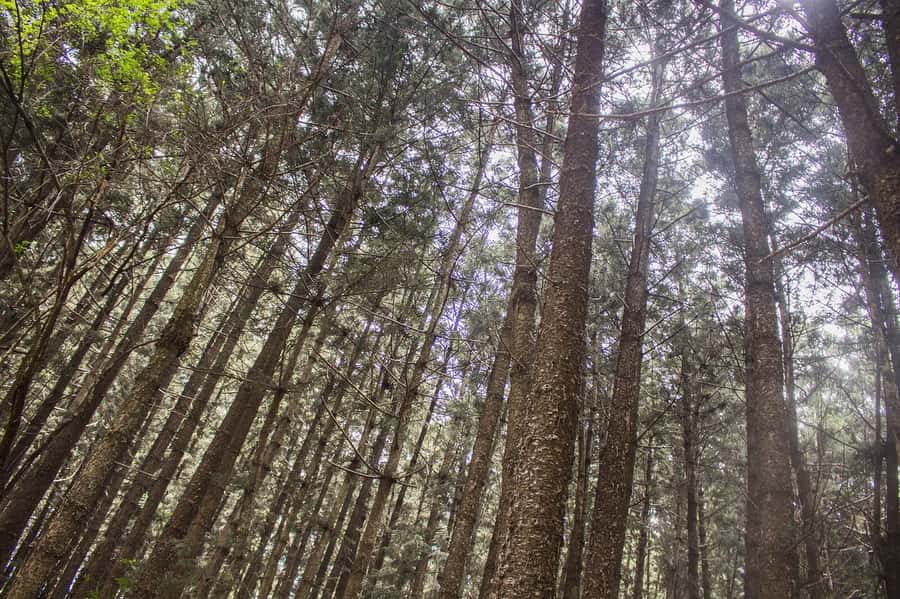
The forest itself offers a mix of narrow, winding trails, tall trees, open areas, and shaded sections. The setting is calm, but this is not a completely flat park walk. Expect a few hills and uneven parts. One person completed the route in about two hours at an average pace, while the scheduled experience allows four hours, so your actual walking time may depend on stops, group speed, and how much time you spend at the waterfall and caves.
More Hiking Tours in Nairobi
- Private Hiking Day Trip to Mt. Longonot from Nairobi
★ 5.0 · 58 reviews - Private Half Day Hike to Ngong Hills from Nairobi
★ 5.0 · 20 reviews - Mt Longonot National park Day Hike
★ 4.9 · 18 reviews
Meeting Musa and setting the pace
Musa is the named provider and guide for this experience. His role goes beyond leading the way. He gives commentary on plants, animals, and the forest’s past, and he can answer questions about Kenya and local life.
That personal contact matters in a place like Karura. Without a guide, you can still follow forest paths, but you may miss the meaning behind what you see. A guide can point out birds, explain the role of the trees, and help you notice smaller details that are easy to pass by.
Musa is also a practical choice for a mixed-ability small group. He has been described as patient when people walk slowly or stop to take pictures. That is worth knowing if you prefer a relaxed outing rather than a fast march.
The group limit is six people. I like that size for a nature walk because it keeps the experience more conversational. You can ask questions without holding up a large crowd, and the guide has a better chance to keep an eye on everyone.
English is the listed tour language. If you want a highly structured naturalist program with several specialist guides, this is not that. But if you want a friendly English-speaking guide who explains the forest and responds to questions, the format should suit you well.
Following the shaded trails
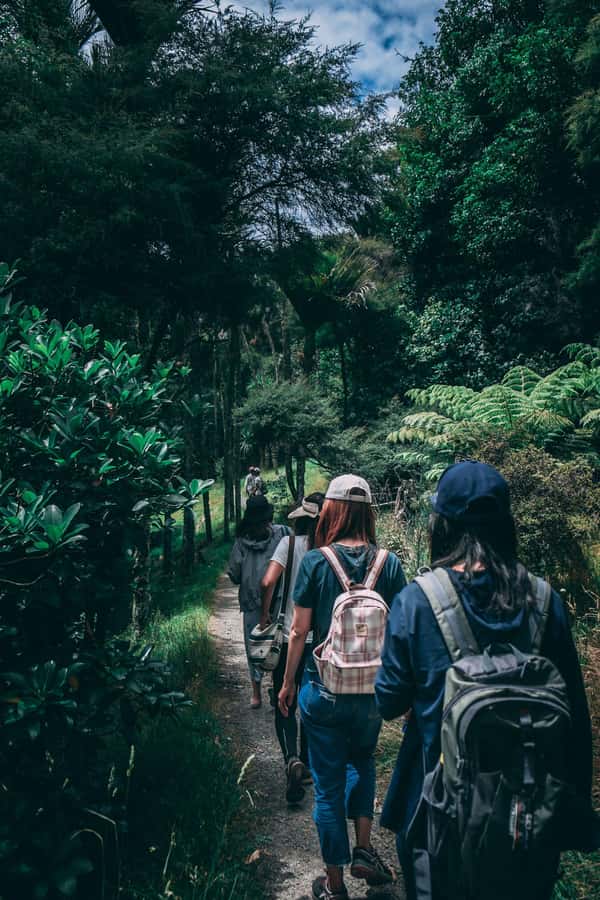
The walking portion is the heart of the outing. You follow winding paths through heavy greenery, with tall trees overhead and birdsong around you. The appeal is not a single grand view. It is the steady change in light, vegetation, trail shape, and sound as you move farther from the city.
I like this kind of walking because it gives you time to settle into Nairobi rather than simply ticking off sights. The forest offers quiet pockets where you can pause and listen. The contrast with the city is clear, and one of the strongest features of the outing is how quickly the mood changes once you are among the trees.
The route includes sightseeing, hiking, photo stops, and wildlife viewing. You should wear proper walking shoes. Sandals and flip flops are not allowed, and they would be a poor choice for the hilly sections anyway.
The pace is not presented as an extreme physical challenge. One account describes it as suitable for most people, with a few uphill stretches and a guide willing to wait. Still, you should be comfortable walking for several hours and handling uneven ground. If you need frequent rests, tell the guide early rather than trying to keep up silently.
Bring water in an approved container, but do not bring plastic bottles or plastic bags. Smoking, alcohol, drugs, littering, and feeding animals are prohibited. These rules are simple, but they help protect a forest that sits close to a major city and receives regular use.
The waterfall and caves add real variety
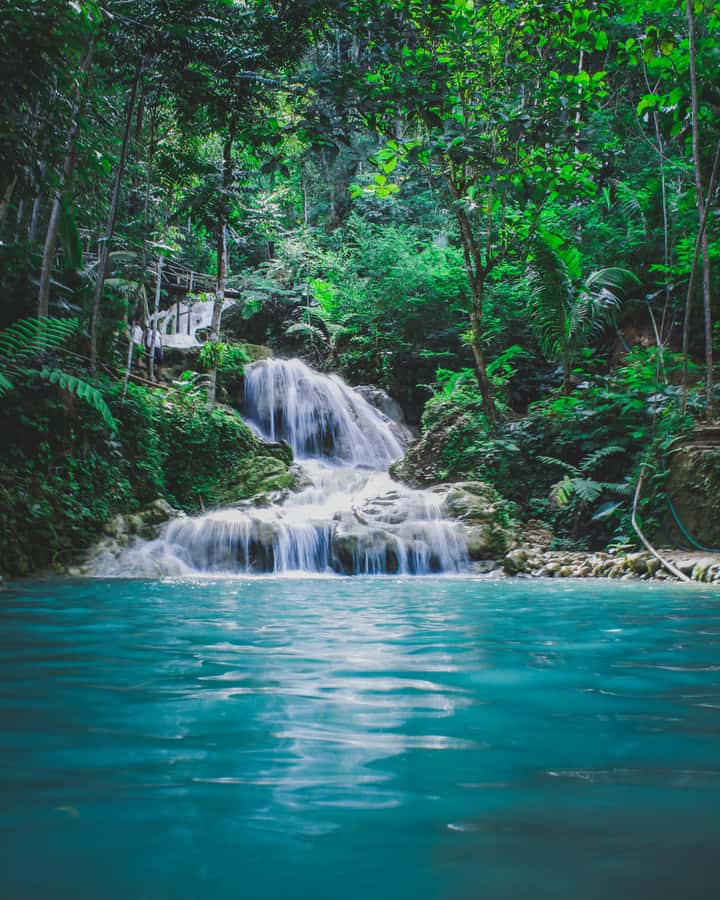
The waterfall is likely to be the most memorable stop. Its clear water and surrounding trees create a natural break in the walk, and the sound of falling water gives you a moment to slow down. It is also one of the better places for photographs, particularly when light filters through the trees.
Do not expect a huge national park cascade. The attraction is the setting and the sense of finding water and rock within a city forest. The waterfall gives the hike a clear destination, which helps the outing feel like more than a general walk among trees.
The ancient caves provide a second change of scene. Their moss-covered walls and darker interiors offer a glimpse into the forest’s older, less open side. The cave stop is short enough to fit into a half-day tour, but it makes the route more varied.
These sights also help if your group includes people with different interests. One person can enjoy photography, another can focus on trees and birds, and someone else can simply appreciate the quiet. The guide’s explanations are especially useful here because the value of the caves is not only visual.
A different kind of day from the same base:
- Nairobi National Park Half-Day Tour; Free Wi-Fi connection
★ 5.0 · 878 reviews - Nairobi: National Park & Optional Elephants & Giraffe Center
★ 4.8 · 874 reviews - NAI NAMI: Nairobi Storytelling Tour with Street Children
★ 5.0 · 792 reviews - Nairobi National Park Half-Day Game Drive
★ 4.5 · 738 reviews
Wildlife watching without safari expectations
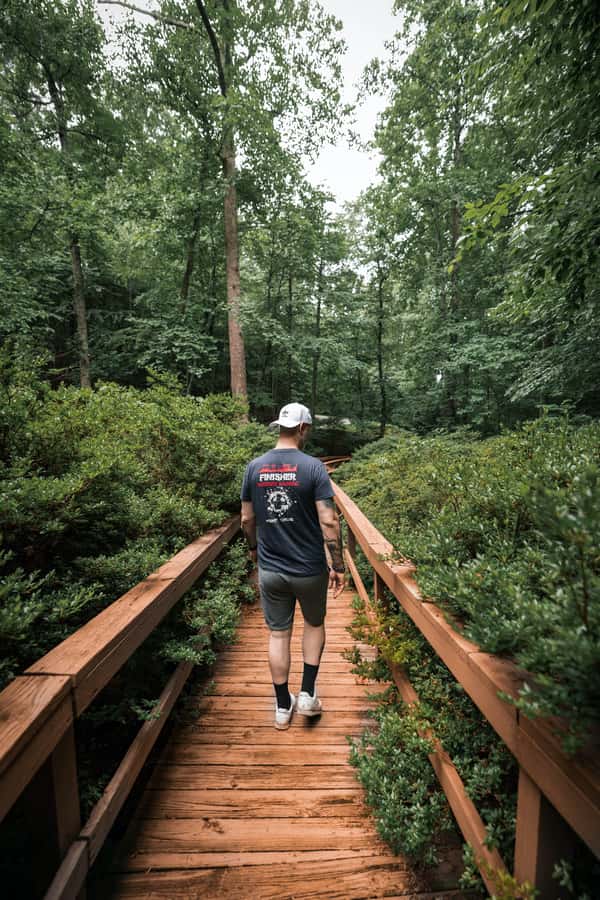
Karura is home to birds, butterflies, monkeys, and other forest life. You may see colorful butterflies near flowering plants or spot monkeys moving through the trees. Birdwatching is part of the experience, so keep your ears open as well as your eyes.
The important point is that wildlife sightings are uncertain. Monkeys were seen on some outings, but not every walk produces a sighting. One person was disappointed after expecting monkeys, while another happened to see one. That is normal for a city forest and should shape your expectations.
I would book this for the trees, trails, waterfall, caves, and peaceful setting first. Treat animals as a bonus. A guide can help you look in the right places, but no guide can promise that a monkey will appear on schedule.
You should also keep your distance and never feed the animals. The no-feeding rule protects both wildlife and visitors. A quiet approach is better for spotting birds and small creatures, and it is more respectful to the forest.
Picnic areas and optional activities
Designated picnic areas are included, giving you a place to rest during the outing. You can use the break to drink water, enjoy food you have brought if permitted within the tour arrangements, or simply sit beneath the trees.
Food and drinks beyond what is provided are not included, so check what you need before setting out. The experience includes access to restrooms and water stations, which makes the half-day format easier to manage, but personal snacks and extra drinks remain your responsibility.
Karura also offers optional activities such as mountain biking and horseback riding. These are not part of the $41 package. Equipment rental and riding gear cost extra, so you should treat those activities as possible add-ons rather than included features.
For most people booking this particular experience, I would keep the focus on walking. The guided hike already fills the scheduled time. Add biking or horseback riding only if you have extra time, budget, and a clear interest in making Karura a larger part of your Nairobi stay.
What the $41 price really covers
At $41 per person, the value depends mainly on how much you want from the guide. You are paying for a four-hour experience, guided access through scenic trails, interpretation about the forest, wildlife spotting, birdwatching opportunities, picnic access, restrooms, water stations, and safety assistance.
The small-group limit improves that value. A private guide would usually cost more, while a large group could make a forest walk feel less personal. With no more than six participants, you have a reasonable chance to ask questions and move at a comfortable pace.
The price does not include transportation to Karura Forest. This is the detail most likely to affect your budget. Pickup from a hotel, guest house, or residence can be arranged for an extra charge, and a complaint about an unexpected taxi cost shows why you should confirm the return arrangement before the hike begins.
Ask clearly:
- Where exactly will pickup or drop-off happen?
- Is the return taxi included?
- Is a water bottle supplied, or should you bring your own permitted container?
- Are you expected to pay separately for any equipment or extra activity?
That short conversation can prevent a good forest outing from ending with an unpleasant surprise. Souvenirs, food, drinks, equipment rentals, and other personal expenses are also outside the listed price.
Who will enjoy this four-hour walk
This is a good choice if you want nature without leaving Nairobi for a full-day excursion. It suits solo visitors, couples, and small groups who prefer a guide-led walk with time for questions and photographs.
It should also work for people who enjoy gentle outdoor activity but do not want a highly strenuous hike. The route includes hills, so I would not call it effortless. Still, the pace can be adjusted, and the guide has shown patience with slower walkers.
Birdwatchers and plant lovers will find more to notice than people who only want large animals. The forest’s value comes from its atmosphere and variety, not from guaranteed sightings. If your main goal is to see monkeys, you may finish disappointed.
Families and older walkers should consider the hills and trail conditions before booking. The available information describes the route as suitable for most people, but it does not provide a detailed accessibility assessment. If you have specific mobility needs, ask the provider before paying.
Practical preparation for Karura Forest
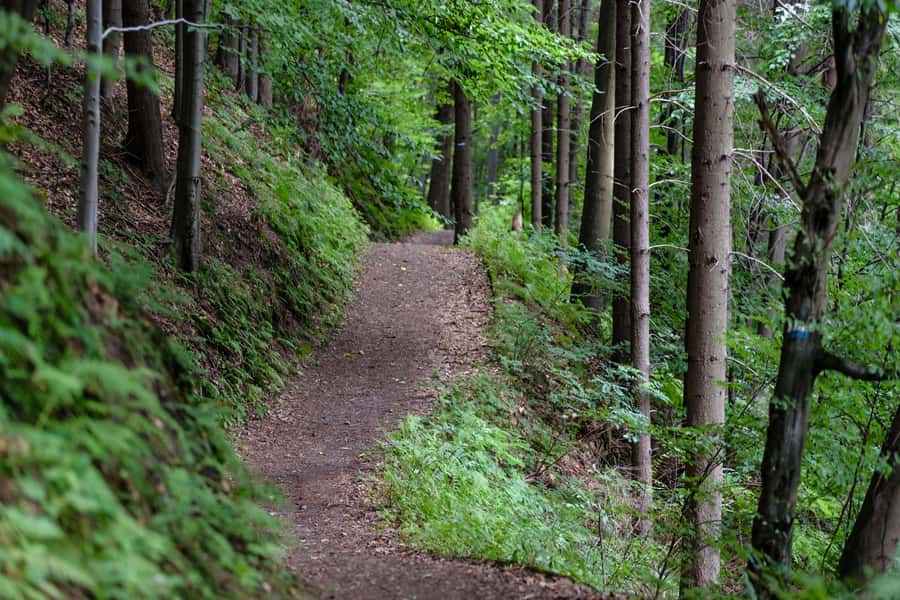
Wear closed walking shoes with a secure grip. Sandals and flip flops are not permitted, and proper footwear will make the uneven and hilly sections easier.
Carry water in a reusable container rather than a plastic bottle. Plastic bags and plastic bottles are not allowed. Pack lightly, since you will be walking and stopping for wildlife rather than setting up a large camp.
A camera or phone is useful for the waterfall, caves, trees, and any wildlife that appears. Keep your device ready, but do not let photography distract you from the guide’s explanations or from watching the trail.
Plan your transport before arrival. The meeting point is 13 Nkrumah Ave, and transport is not included in the standard experience. Extra-cost pickup is available from hotels, guest houses, and residences, but you should confirm the fee and the return plan in advance.
The activity offers free cancellation up to 24 hours before the start time and allows you to reserve now and pay later. That flexibility is helpful when your Nairobi schedule is still changing.
My verdict on Musa’s Karura Forest hike
I would book this tour if you want a short, guided nature break in Nairobi and care more about a peaceful walk than guaranteed animal sightings. The waterfall, caves, shaded trails, and small group give the experience enough variety, while Musa’s friendly and patient approach should make the outing comfortable for many walkers.
I would hesitate only if transport costs are unclear, if you want a serious wildlife safari, or if hills and uneven trails are a problem. Confirm the taxi arrangements before you go, wear proper shoes, and treat monkeys as a lucky extra rather than the main event.
At $41, the outing offers solid value for a four-hour guided walk, particularly if you make use of the commentary and small-group format. It is a practical way to see a quieter, greener side of Nairobi without surrendering an entire day.
FAQ
How long does the Karura Forest hike last?
The activity lasts four hours. About three hours are allocated to the guided visit and walking in Karura Forest, with the remaining time covering the wider outing and return to the starting point.
Where does the experience begin and end?
The listed starting and return point is 13 Nkrumah Ave. Hotel, guest house, and residence pickup can be arranged for an additional cost.
Is transportation included in the $41 price?
No. Transportation to and from Karura Forest is not included in the standard package. If you want pickup from your accommodation, an extra fee applies.
Who guides the hike?
The experience provider is Musa. The tour is conducted in English, and the guide provides commentary about the forest’s flora, fauna, and history, along with information about Kenya.
Is the hike suitable for most walkers?
The route is described as suitable for most people, but it includes some hilly sections. You should wear proper walking shoes, and you may need extra time if you walk slowly or stop often.
Are monkeys guaranteed?
No. The forest offers opportunities for wildlife viewing, including possible monkey sightings, but animals may not appear during your visit. Feeding animals is not allowed.
What activities are included?
The package includes the guided forest hike, picnic-area access, wildlife and birdwatching opportunities, designated facilities, a safety briefing, and guide assistance. Mountain biking and horseback riding may be available for additional fees, with equipment rentals not included.
Recently added around Nairobi
- Nairobi; City Walk Tour★ 4.5 · 3 reviews
- Private 3-Day Masai Mara Safari Adventure★ 5.0 · 3 reviews
- Kenya safari★ 5.0 · 3 reviews
- 2 Days Amboseli National Park Safari★ 3.5 · 3 reviews
- 11-Days Best of Kenya & Tanzania Big 5 Safari on a 4×4 Jeep★ 5.0 · 3 reviews
- Full Day, Small Group Guided Tour to Amboseli National Park★ 4.5 · 3 reviews
- 10-Days Explore Kenya Wildlife Private Safari★ 5.0 · 3 reviews
- Nairobi: Giraffe Center, Beads Factory & Bomas of Kenya Tour★ 4.5 · 3 reviews
Nairobi Tours, compared.

Nairobi National Park Half-Day Tour; Free Wi-Fi connection
Read our review →
National Park & Optional Elephants & Giraffe Center
Read our review →
NAI NAMI: Nairobi Storytelling Tour with Street Children
Read our review →




Elephant Orphanage and Giraffe Center Tour with Options
Read our review →Browse the lists this tour appears in