
Reviewed · DIANI BEACH TOURS
giraffe feeding
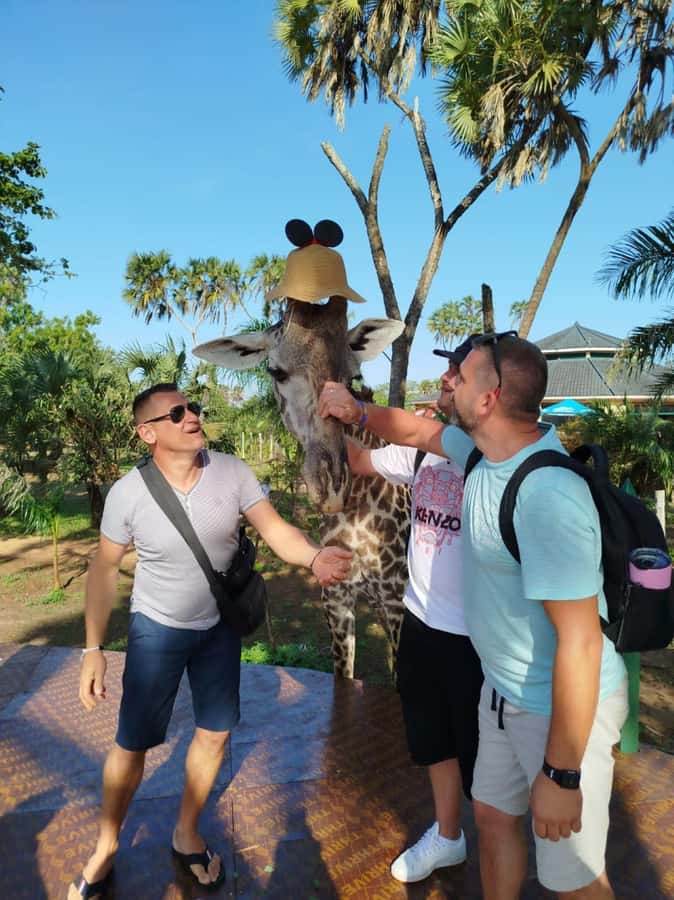
A giraffe gently taking food from your hand is the clear star here. At Bora Bora Wildlife Sanctuary, you can walk among giraffes, zebras, warthogs, ostriches, tortoises, and birds on a guided visit to a 31-acre conservation site near Diani Beach. The giraffe feeding and close animal encounters give you the sort of photos that are hard to get on a regular game drive.
I like the hotel pickup and return, which keeps this short outing simple, and I like the chance to see more than giraffes in one compact visit. Guides such as Adam and Kelvin have been praised for being friendly, while multilingual guiding can help if you do not speak English. The main concern is value: at $115 per person, the experience can feel expensive for roughly two hours at the sanctuary, especially when the transport takes only about 15 to 20 minutes each way.
Key points to know before booking
- Giraffe feeding is the main event: You can feed, touch, and photograph the giraffes at close range.
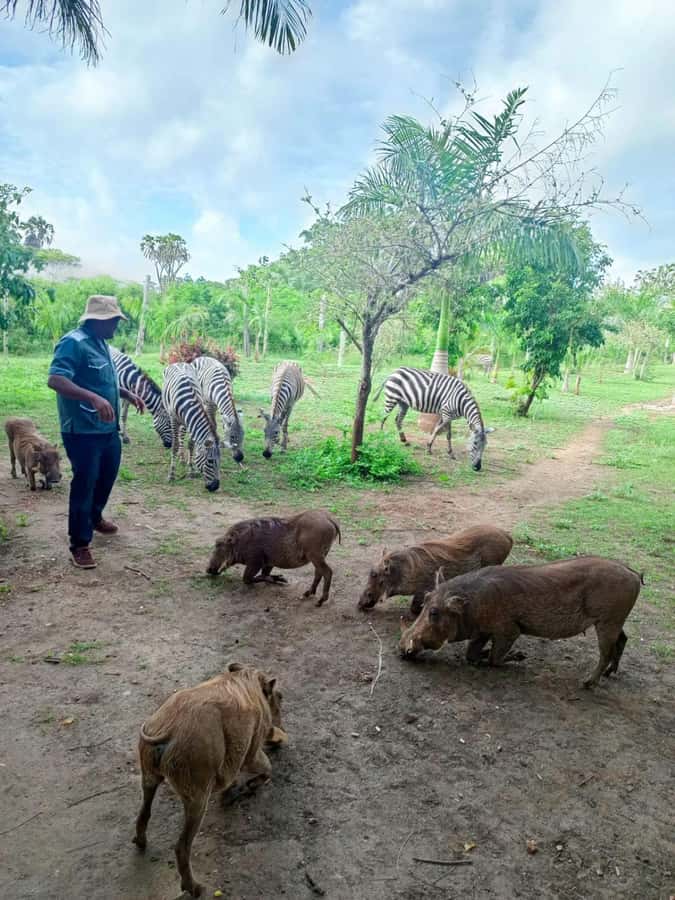
- A 31-acre sanctuary offers more than one animal: Expect zebras, warthogs, ostriches, tortoises, monitor lizards, wild boars, peacocks, and birdlife.
- The visit begins with a guided nature walk: Allow about two hours inside the sanctuary, including a short introduction to its background and conservation work.
- Pickup is included from Diani Beach: The drive to Bora Bora Wildlife Sanctuary takes about 20 minutes, though some nearby resorts may be closer.
- Multilingual guides are available: English, French, German, Polish, Spanish, and Italian are listed.
- The price needs careful thought: Park fees, guiding, taxes, and transfers are covered, but food and drinks are not.
From Diani Beach to Bora Bora Wildlife Sanctuary
The day starts with pickup at about 10 a.m. from your hotel or booked accommodation in the Diani Beach area. The drive to Bora Bora Wildlife Sanctuary is usually described as a short run, around 20 minutes, with some nearby resorts taking closer to 15 minutes.
That short transfer is useful if you want an animal encounter without giving up most of your day. You should be back at your hotel by about 1 p.m., leaving the afternoon free for the beach or other plans.
Transport quality may vary. One recent vehicle was described as low, with limited window views and fans that did not work. With no air-conditioning in that vehicle, the return ride felt hot around midday. If you are tall, it is sensible to ask about the vehicle before pickup rather than assume you will ride in a full-size, air-conditioned van.
The transfer is still a practical part of the package. You do not need to arrange a tuk-tuk, negotiate a fare, or find the sanctuary on your own. The question is simply how much that convenience is worth to you.
A few more Diani Beach days to weigh up
- PILLI PIPA DHOW, the genuine product, snorkeling tour to Kisite Marine Park
★ 4.5 · 217 reviews - Full-Day Special Wasini Island Tour with Snorkeling and Lunch
★ 4.5 · 184 reviews - Full Day Dolphin Watching with Snorkeling in Wasini
★ 5.0 · 88 reviews
A short introduction to the 31-acre sanctuary
On arrival, you check in and receive a brief account of the sanctuary and its purpose. The site covers 31 acres, so this is not a vast national park or a long safari drive. It is a smaller animal-focused setting where the emphasis is on getting close to selected species.
That scale shapes the experience. You can see several animals in one walk, and the guide can spend time explaining what you are looking at. You are not sitting in a vehicle hoping that something appears in the distance. Instead, the visit is built around a planned route and close encounters.
The conservation message is part of the walk. Your guide explains why protecting animals matters and points out the species living at the sanctuary. This makes the visit useful for families and first-time visitors who want an easy introduction to African animals, though anyone expecting a wild safari should set a different expectation.
Walking among giraffes, zebras, and warthogs
The main walk takes about two hours. Your guide leads you around the grounds, stopping at animal areas and explaining what you see.
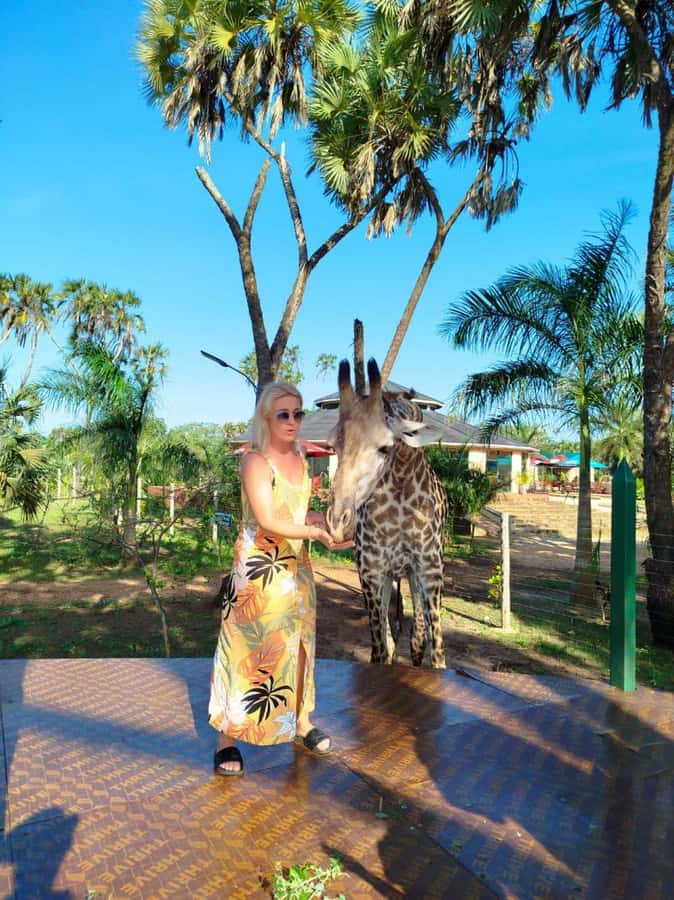
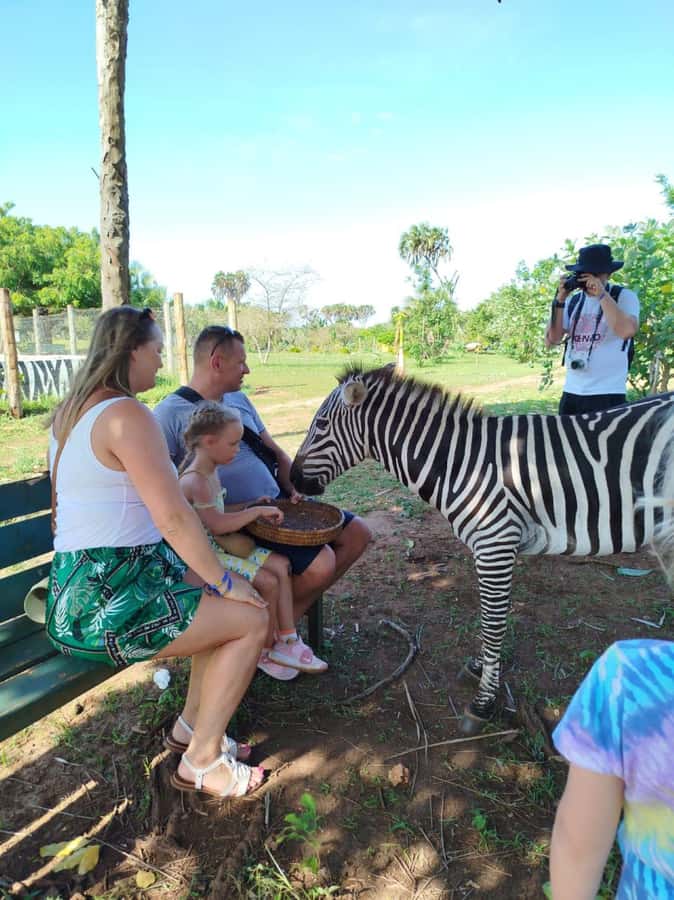
The giraffes receive the most attention. You have the chance to feed them, touch them, and take photographs at close range. This is the moment most likely to justify the outing for you. Giraffes are calm, distinctive animals, and being near their long necks and patterned coats creates a much more personal encounter than watching one from a vehicle.
The zebra encounter adds variety. The advertised experience includes feeding zebras, although the actual feeding opportunities may not always cover every animal named in the description. Some visitors have fed or touched zebras, while others fed only the ostriches and giraffes. I would treat giraffe feeding as the dependable centerpiece and view the other feeding stops as dependent on the day and the guide.
Warthogs are another appealing part of the visit. Their unusual faces and quick movements make them fun to watch, especially for children. The sanctuary also includes monitor lizards, wild boars, and a hinged-back tortoise. These animals may not have the glamour of a giraffe, but they help turn the outing into a broader look at local wildlife rather than a single photo stop.
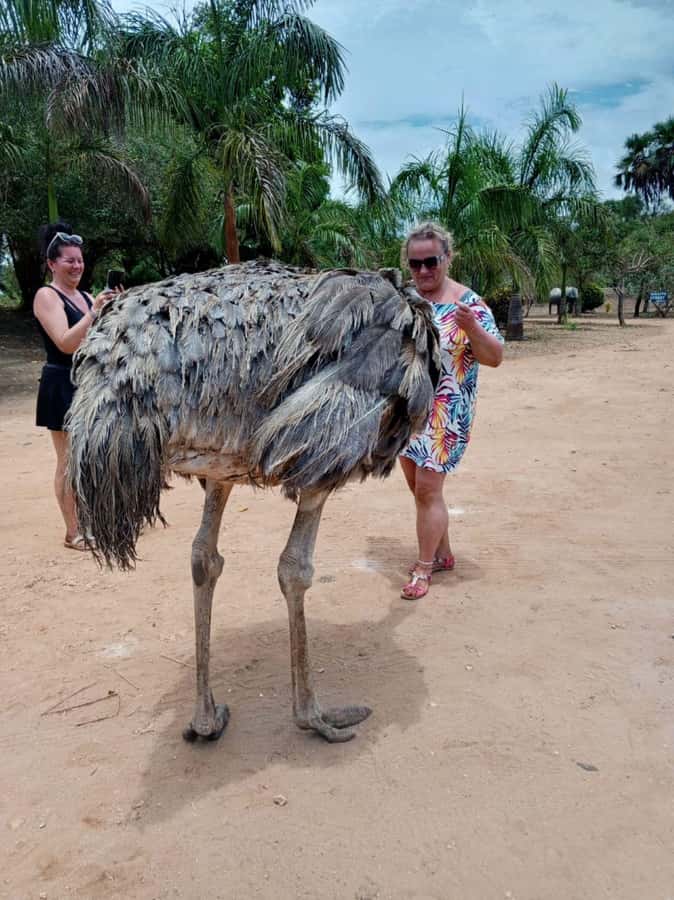
You may also see peacocks and other birds during the walk. The Maasai ostriches are specifically highlighted, and ostrich feeding is one of the activities that has been available during the visit. Their height and speed make them an interesting contrast to the slower giraffes.
The animals you may see but not necessarily feed
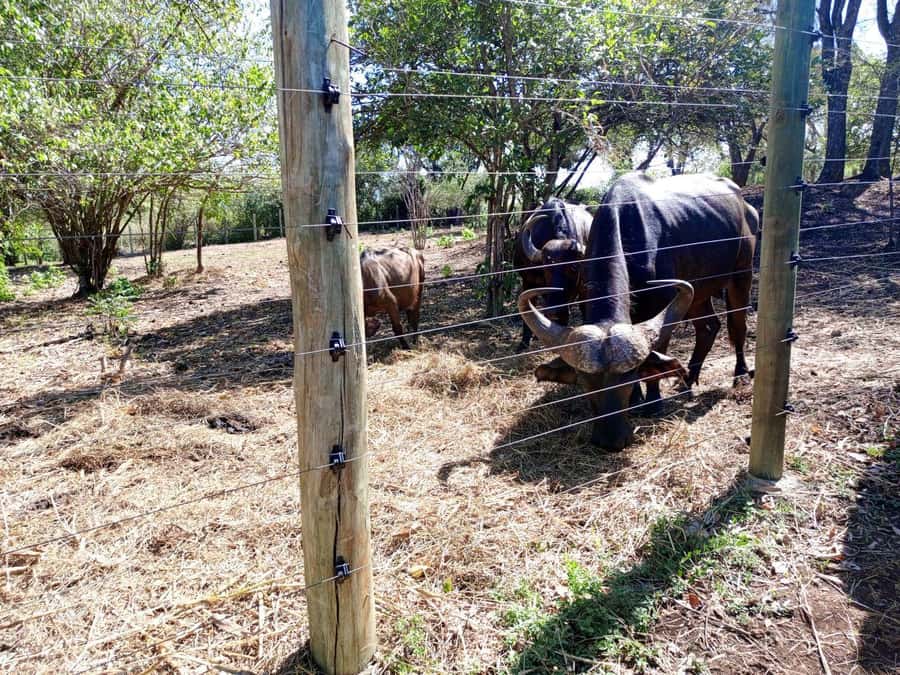
The description includes opportunities to see Maasai ostriches, Cape buffaloes, and Nile crocodiles. It also lists several smaller animals and birds. It is important to separate seeing an animal from feeding it.
The program says you can feed giraffes, zebras, warthogs, monitor lizards, wild boars, and the hinged-back tortoise. Yet the practical experience may be more limited, with giraffes and ostriches receiving the most reliable feeding attention. Do not book this expecting a guaranteed feeding session with every species.
The Cape buffaloes and Nile crocodiles are viewing opportunities rather than the stated focus of the feeding encounter. Their presence adds interest, but the available information does not promise a particular length of time or a special presentation for either animal.
This is a good reason to listen closely at the beginning of the walk. Ask your guide which animals you will feed and which you will only see. A clear answer helps you understand the day and avoids expecting a full hands-on session with every creature listed.
A different kind of day from the same base:
- Diani Beach: Glass Boat Cruise to Robinson Island
★ 4.6 · 69 reviews - Diani: Sunset Canoe Tour along the River with Mangroves
★ 4.8 · 65 reviews - Day Trip – Tsavo East National Park ( Man Eater Lions of Tsavo & Other Big Five)
★ 4.5 · 55 reviews - Diani Beach: Private African Pool Map Guided Tour
★ 4.7 · 52 reviews
Guides, languages, and the quality of the walk
The tour includes a guide inside the sanctuary, and the listed languages are English, French, German, Polish, Spanish, and Italian. That is useful in Diani, where visitors often travel from several parts of Europe.
The guide arrangement can involve a local sanctuary guide plus the person accompanying you from the hotel. One German-speaking visit had a guide who led the walk and translated into German when needed. Another French-speaking visit praised the guide and driver as friendly and helpful. Adam and Kelvin have also been noted as kind and welcoming during pickup.
In some cases, the accompanying guide may step back while the sanctuary guide conducts the walk, then help translate questions or explanations. That is not necessarily a problem, but it means your experience may depend on how well the two guides work together.
I would ask questions as you go. This is not only about learning animal facts. You can ask which species live at the sanctuary, what conservation work is being done, and why certain animals are kept there. A good guide can turn a short animal encounter into a more thoughtful visit.
One caution comes from the commercial side of the experience. A few visitors felt there was pressure to buy something after the animal visit. If that happens, a polite but firm no should be enough. The animal encounters are the reason you are there, and you should not feel obliged to purchase anything extra.
What the $115 price includes
The listed cost is $115 per person. It includes:
- Pickup and return within the Diani Beach area
- Transfer to and from Bora Bora Wildlife Sanctuary
- Park entrance fees
- Government taxes
- Guiding inside the sanctuary
Food and drinks are not included, though the activity ends around lunchtime. Bring water with you, particularly if the vehicle has limited cooling and the walk takes place during the warmer part of the day.
The package is easy to understand. You pay one price and the main practical parts are handled for you. That has real value if you dislike arranging local transport or if you want a guide who can help with language and navigation.
The harder question is whether that convenience justifies the price. Some visitors calculated that independent arrangements could cost much less. One comparison used an adult entrance fee of 2,000 Kenyan shillings and about 3,000 Kenyan shillings for a tuk-tuk that waits for you, with a guide potentially adding more. The exact independent total can vary, but the difference may still be large.
If you are traveling alone, prefer a particular language, or want hotel pickup, the organized option may feel worthwhile. If you are a couple or family staying close to the sanctuary and comfortable arranging a tuk-tuk, independent entry could offer better value. Confirm the current sanctuary entrance price and transport fare before choosing that route.
How long the experience really takes
The stated duration is three hours, from roughly 10 a.m. to 1 p.m. The sanctuary portion is about two hours, with the rest used for pickup and return.
In practice, the total outing may be shorter. One visit scheduled from 10 a.m. to 1 p.m. returned to the hotel around 11:50 a.m. Other accounts also describe around two hours including the full trip. Pickup times, hotel location, check-in, and the pace of the walk will affect the final timing.
I would plan on a compact morning rather than a guaranteed full three-hour program. That is not a major issue if you want a quick animal encounter, but it matters when judging the $115 cost. You are paying for the convenience and the close access, not a full-day safari.
The short schedule works well for families, beach visitors, and anyone with limited time. It also means you should not expect long periods of quiet wildlife watching. The program moves through a series of animal stops, with the giraffe feeding as the high point.
Who should book this experience
I would consider this tour if you are staying at Diani Beach and want an easy, guided animal outing without committing to a full safari. It suits families, first-time visitors to Kenya, and people who especially want close photographs with giraffes.
It also makes sense if you need French, German, Polish, Spanish, or Italian support. Having a guide who can explain the visit in a language you understand can make a short tour much more rewarding.
The experience is less suitable if your main goal is to see animals living freely over a large area. This is a sanctuary visit, with close encounters in a managed setting. You should also think twice if price matters more to you than convenience, since local transport and direct entry may cost less.
For photographers, the giraffe feeding provides a clear opportunity for memorable pictures. Just remember that this is an interactive animal visit, not a quiet wildlife photography session. People, guides, and feeding activity will all be part of the scene.
Practical tips for a better morning
Wear light clothing and comfortable shoes for the walk. The visit lasts about two hours on foot, and the midday return can be warm.
Carry drinking water because food and drinks are excluded. You may also want to keep your phone or camera ready for the giraffe encounter, which is the most distinct part of the experience.
Ask at pickup how long the drive should take and what vehicle is being used. This is especially useful if you are tall or sensitive to heat. Some rides have had low seating, poor outward visibility, and no working fans.
At the sanctuary, ask the guide to explain which animals are available for feeding that day. The description names many species, but the actual hands-on part may focus on giraffes and ostriches, with zebra contact also possible.
Finally, keep your expectations tied to the setting. You are visiting a small, managed sanctuary near the coast. Its strength is access, simplicity, and close contact, not the scale or unpredictability of a major wildlife reserve.
Should you book the giraffe feeding tour?
Book it if you want a short, convenient morning from Diani Beach and the chance to feed and touch giraffes matters most to you. The included transfer, entrance fees, and multilingual guidance remove much of the fuss, and the giraffe encounter has genuine appeal.
I would not book it automatically at $115 per person. The visit can end earlier than the advertised three hours, some listed feeding opportunities may not happen, and the transport may be basic. If you are comfortable arranging a tuk-tuk and paying at the sanctuary, compare the current direct cost first.
My advice is simple: choose the organized tour for language support and convenience, but choose independent transport for savings. Either way, see it as a compact sanctuary visit centered on giraffes, not as a substitute for a Kenyan safari.
FAQ
Where does the giraffe feeding experience take place?
It takes place at Bora Bora Wildlife Sanctuary in Kenya’s Coast Province, with pickup and return from accommodation in the Diani Beach area.
How long does the activity last?
The listed duration is three hours. Pickup is planned for about 10 a.m., and return to your hotel is expected around 1 p.m. The sanctuary walk takes about two hours.
What animals can I see?
The sanctuary may include Maasai giraffes, zebras, African warthogs, Maasai ostriches, Cape buffaloes, Nile crocodiles, monitor lizards, wild boars, hinged-back tortoises, peacocks, and other birds.
Which animals can I feed?
The activity includes opportunities to feed giraffes, zebras, warthogs, monitor lizards, wild boars, hinged-back tortoises, and ostriches. The actual feeding stops can vary, and giraffes are the main focus.
Is hotel transportation included?
Yes. Pickup and drop-off within the Diani Beach area are included, along with the transfer to and from Bora Bora Wildlife Sanctuary.
Are park entrance fees included?
Yes. The price includes park fees, government taxes, and the guiding fee inside the sanctuary.
Which languages are available?
Guiding is listed in English, French, German, Polish, Spanish, and Italian.
Are food and drinks included?
No. Food and drinks are not included, so you should arrange those separately.
Recently added around Diani Beach
- Kaya Kinondo Sacred Forest Guided Tour★ 4.4 · 3 reviews
- (2 Days, 1 Night) Day & Night Game Drive Tsavo East National Park★ 5.0 · 3 reviews
- 4-Day Safari to Tsavo and Amboseli from Diani Beach★ 5.0 · 3 reviews
- Diani: Wasini Island Dolphin Watching and Snorkeling Tour★ 4.2 · 3 reviews
- Overnight Safari to Tsavo East with Pick Up From Mombasa★ 5.0 · 3 reviews
- Mombasa City Tour – Fort Jesus, Old Town, Spice Town & Craft★ 5.0 · 3 reviews
- 1 Day Red Elephant Safari starting from Diani beach.★ 5.0 · 3 reviews
- Mombasa: Snorkeling, Dolphin watching, seafood lunch.★ 4.5 · 3 reviews
Diani Beach Tours, compared.
PILLI PIPA DHOW, the genuine product, snorkeling tour to Kisite Marine Park
Read our review →
Full-Day Special Wasini Island Tour with Snorkeling and Lunch
Read our review →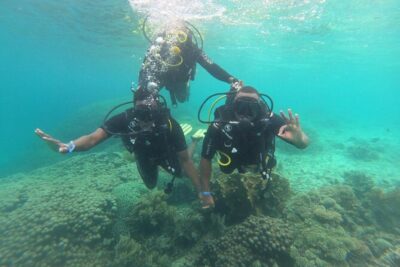
Full Day Dolphin Watching with Snorkeling in Wasini
Read our review →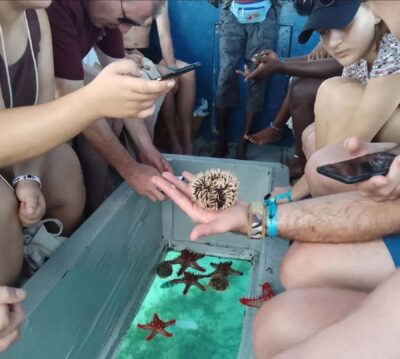
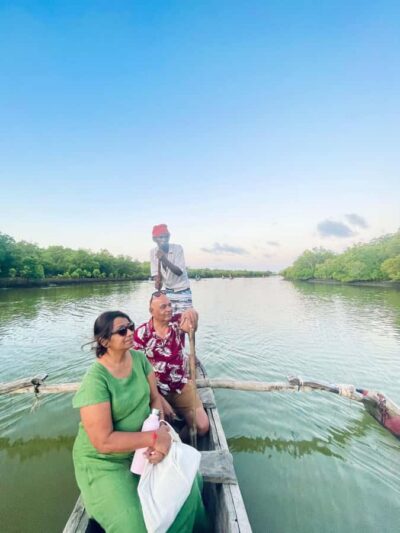
Sunset Canoe Tour along the River with Mangroves
Read our review →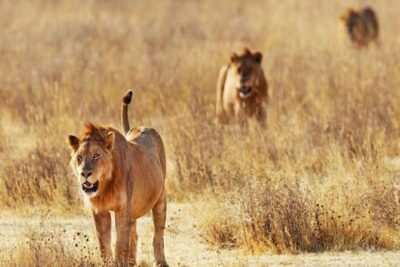
Day Trip – Tsavo East National Park ( Man Eater Lions of Tsavo & Other Big Five)
Read our review →

Browse the lists this tour appears in