
Reviewed · NAIROBI TOURS
From Nairobi: Masai Tribe Village Visit
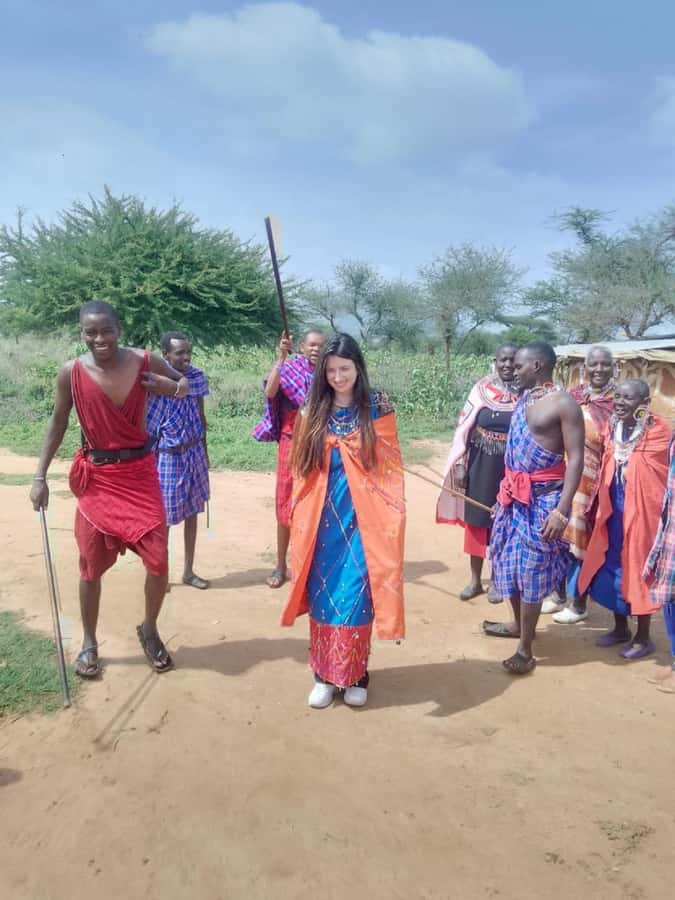
The heart of this experience is the chance to meet Maasai families at home, rather than only seeing the culture from a safari vehicle. You’ll watch food being prepared, try simple pastoral tasks, hear stories about community life, and learn how beadwork supports local women. I especially like the hands-on activities and the opportunity to buy necklaces and wristbands directly from the makers.
I also like that hotel pickup, an English, Swahili, or French-speaking driver-guide, and air-conditioned transport are included. The main caution is that the village visit itself may feel short, sometimes only one or two hours, and the extra $30 entry fee should be confirmed before you go.
Key points to know before you book
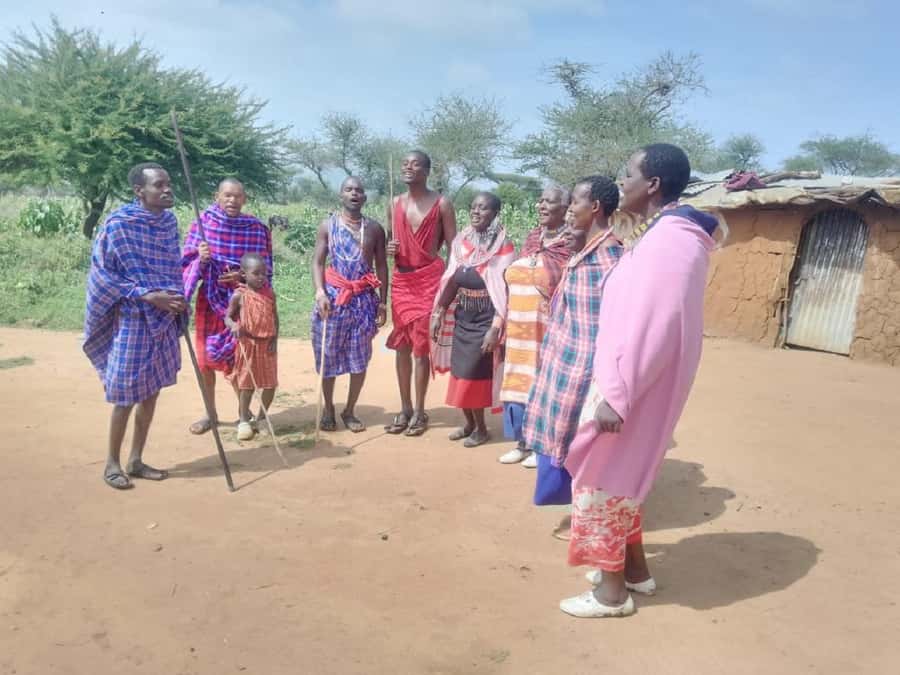
- Meet Maasai families at their homes: This is a community visit with stories, demonstrations, and simple daily tasks.
- Try traditional activities: You may learn to milk goats, watch food preparation, and see necklaces and wristbands being woven.
- Expect a long day from Nairobi: The full outing is advertised at about eight hours, including driving, coffee, lunch, and the village stop.
- Budget beyond the $52 price: Entry costs $30 per person, while food, drinks, and souvenirs are extra.
- Ask questions early: Some visitors found the driver quiet and had to push for basic information about the route and timing.
- Bring Kenyan shillings if you want beadwork: One useful tip is to carry KES for locally made necklaces and other crafts.
Meeting the Maasai beyond the safari circuit
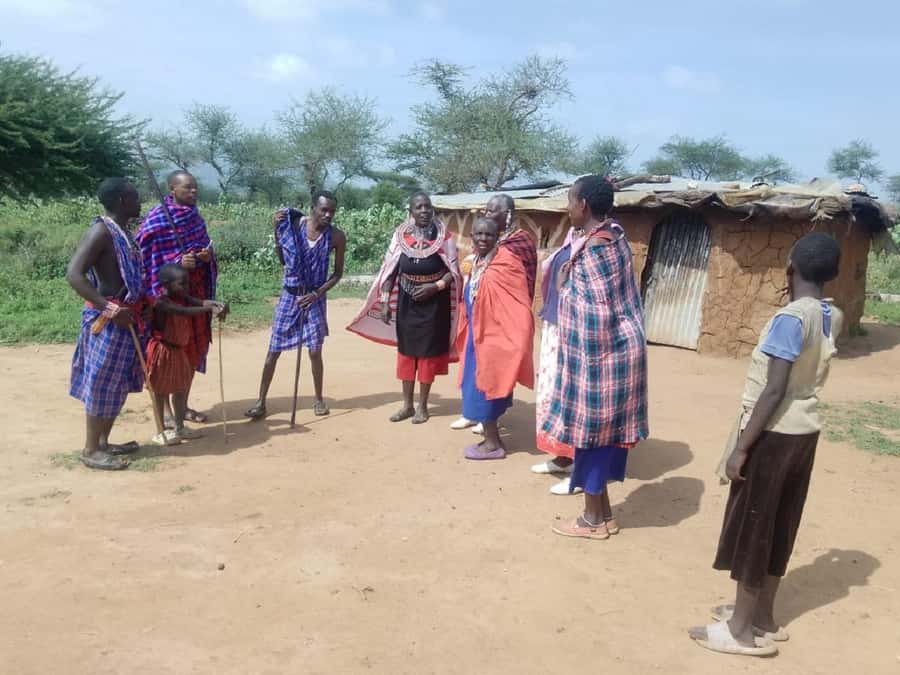
A Maasai village visit gives you a different view of Kenya than a wildlife drive. Here, the subject is not lions or elephants, but the people whose cattle-herding traditions helped shape the identity of southern Kenya and northern Tanzania.
The Maasai are pastoralists, with cattle, goats, and other livestock central to daily life. Their communities developed around caring for animals, finding grazing land, and passing customs from one generation to the next. The Maasai language is also spoken across this border region, and the Maasai Mara takes its name from the people who have long lived in the area.
You are not signing up for a museum tour. You are visiting a living community. That can be rewarding, but it also means the experience may vary depending on the local welcome, the guide, the group, and how much conversation takes place.
Go with respectful curiosity. Ask how food is prepared, how livestock fit into family life, what the bead colors mean, and how traditions are changing. The visit works best when you treat it as a meeting between people, not as a staged show created only for photographs.
More day trips out of Nairobi:
- 1 Day trip to Hells Gate and Lake Naivasha From Nairobi
★ 5.0 · 332 reviews - Half-Day Nairobi National Park Safari from Nairobi with Free Pickup
★ 4.5 · 264 reviews - From Nairobi: Elephant Orphanage and Giraffe Center Day Trip
★ 4.5 · 235 reviews
The journey from Nairobi in an air-conditioned vehicle
Your day begins with hotel pickup in Nairobi. Transportation is provided in an air-conditioned vehicle, which matters on a long outing outside the capital. The drive, stops, and village visit together are expected to take about eight hours.
The exact balance of time is important. An eight-hour tour does not mean eight hours inside the community. A past participant found the village portion lasted only one or two hours, with much of the day spent on transport and stops. That is not necessarily a flaw for everyone, but you should book this with the right expectation.
The ride can also shape your opinion of the trip. One person found the driver too quiet and said there was no clear introduction at pickup, no explanation of the drive time, and little information about the places along the way. If your driver does not begin with a clear briefing, ask directly:
- What is the name of the village or community?
- How long will the drive take?
- How long will we spend at the village?
- When is the coffee stop?
- Where and when will lunch take place?
- Is the entry fee paid to the community or collected elsewhere?
Those questions are practical, not rude. They help you understand the day and avoid confusion about extra costs.
The tour includes a stop for coffee and time for lunch. Both are at your own expense. Since no meal is included, set aside money for food and drinks, and do not assume the $52 price covers the entire day.
Entering the community and hearing its stories
At the village, the focus shifts from driving to conversation and demonstration. You will have time to meet members of the Maasai community at their local homes and hear stories about customs preserved over many decades.
The strongest part of the visit is likely to be the ordinary detail. You may learn how food is prepared, how livestock are handled, and how useful items are made by hand. These small lessons often say more about daily life than a long speech about history.
The Maasai have also been known as warriors. In earlier centuries, conflict over grazing territory was common because pastoral communities needed large areas for their animals. Between roughly 1500 and 1800, many separate societies in East Africa were still taking shape, and the Maasai gained a strong reputation for stamina, height, and success in warfare.
That background adds context, but the visit is not mainly a history lecture. Your time is spent looking at present-day life, meeting people, and seeing how older customs remain part of the community. If historical background matters to you, ask your guide to connect the past with what you see in the village today.
Watching women cook and prepare food
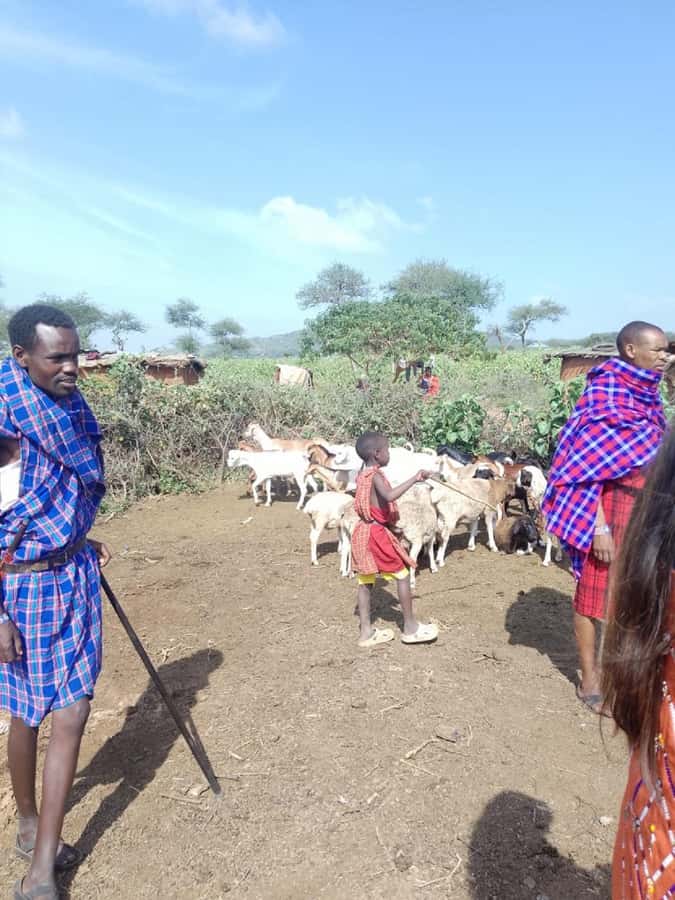
A key part of the visit is learning how Maasai women prepare meals. This is useful because food preparation reveals the work, skills, and family routines behind a community’s way of life.
You may see a demonstration rather than prepare an entire meal yourself. The available information does not promise a full cooking class, so ask what you can safely handle and whether participation is included. Still, even watching the process can help you understand how local ingredients and household tools are used.
This section may feel simple, especially if you expect a large performance or a long series of activities. That simplicity is also the point. You are seeing a task tied to everyday life, not a polished cooking show.
The food stop later in the day is separate from the village demonstration. Lunch is not included, and food and drinks are listed as extra. Keep those two parts distinct when planning your budget.
A few more Nairobi days to weigh up
- Nairobi National Park Half-Day Tour; Free Wi-Fi connection
★ 5.0 · 878 reviews - Nairobi: National Park & Optional Elephants & Giraffe Center
★ 4.8 · 874 reviews - NAI NAMI: Nairobi Storytelling Tour with Street Children
★ 5.0 · 792 reviews - Nairobi National Park Half-Day Game Drive
★ 4.5 · 738 reviews
Learning to milk goats
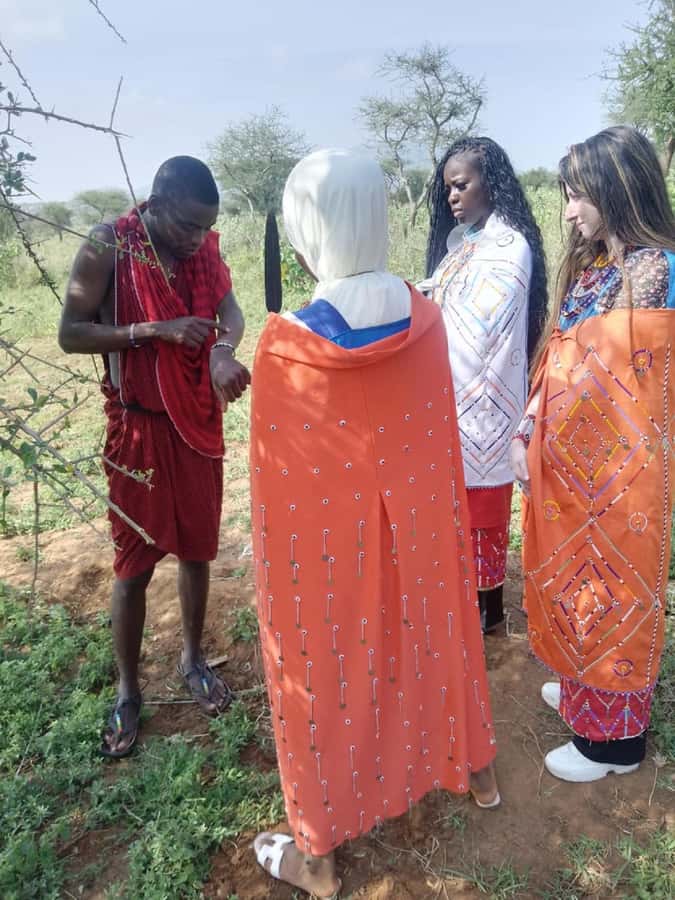
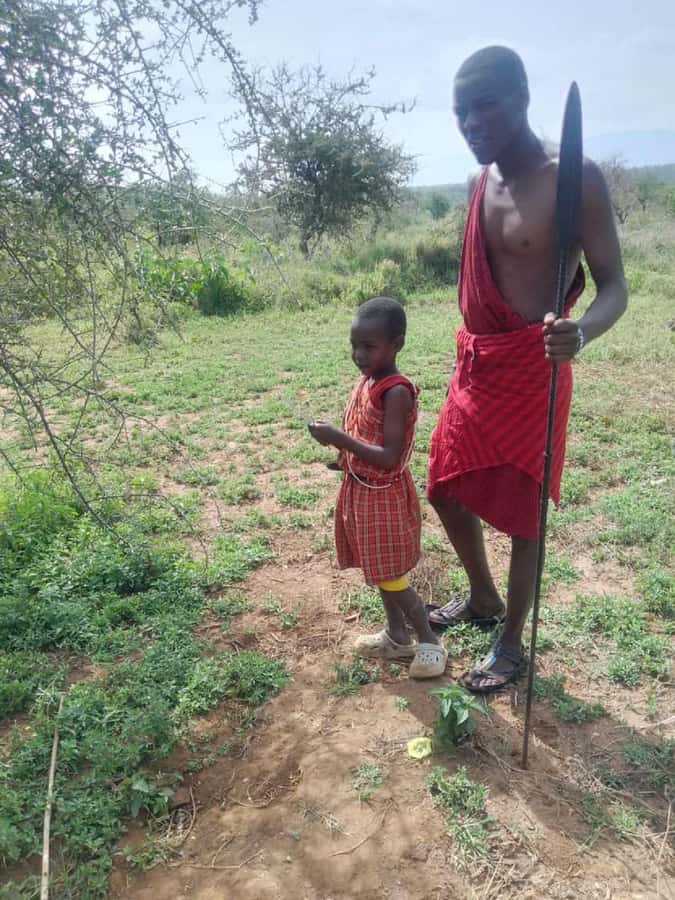
The experience also includes a chance to learn how to milk goats. This is one of the more physical activities and gives you a direct connection to pastoral life.
For many people, milking a goat is more memorable than simply being told that livestock matter to the Maasai. It shows how animals provide practical support and why herding remains such an important part of community life.
The wording describes an opportunity to learn, not a guarantee that every participant will complete the task independently. Follow the local instructions, take your turn, and expect the activity to be brief. You may also hear about cattle and other livestock, though goat milking is the specific hands-on activity mentioned.
If you have children or teenagers with you, this may be the part they remember best. It is concrete, easy to understand, and tied directly to the community’s daily routine.
Seeing beadwork made by hand
Women in the community also weave necklaces and wristbands. Beadwork is both attractive and practical, making it one of the easiest parts of the visit to appreciate.
You can watch how the pieces are assembled and ask about the designs. The experience is also a chance to buy a locally made souvenir. Bring Kenyan shillings if you want to purchase something, since one particularly useful tip is to carry KES for the beadwork.
The extra purchases are optional, but buying directly from the makers can give your spending a clearer connection to the people you meet. Ask the price before choosing an item, and take your time. A necklace or wristband is more meaningful when you know who made it and what you learned during the visit.
Be aware of one point of confusion: the phrase souvenir photos does not mean a photographer will necessarily take portraits for you to buy later. One person expected a photography service but found that this referred to accessories made by the women. If photographs matter to you, bring your own camera or phone and ask permission before taking pictures.
The jumping song and the question of performance
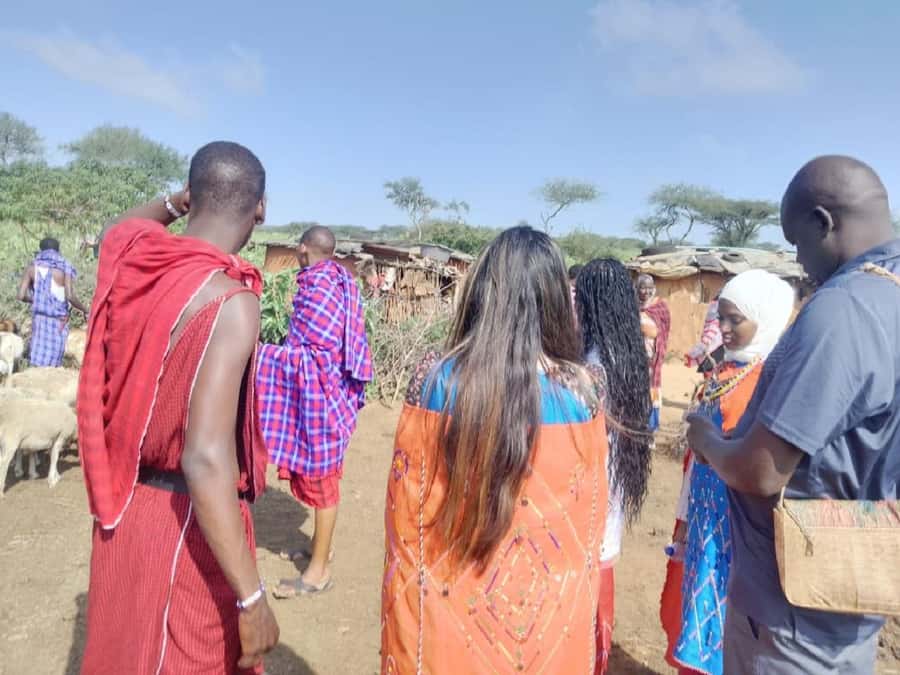
The highlights describe young Maasai men and women jumping while singing for the group. This can be a lively part of the visit, but you should not assume it will occupy a large portion of the day.
One participant expected to see the jumping performance and felt disappointed after not getting the fuller show imagined from the promotional pictures. That is a useful warning. The performance may be brief, limited by timing, or not presented in exactly the form you expect.
You can enjoy it while remembering that it is one part of a wider meeting. The cooking, beadwork, livestock activity, and conversation are just as important. If the jumping and singing are the main reason you want to book, ask the operator to confirm whether the performance is planned for your date.
The best approach is to watch respectfully and avoid treating people as scenery. Ask before taking close-up photographs, especially during personal or household activities.
What the $52 price really covers
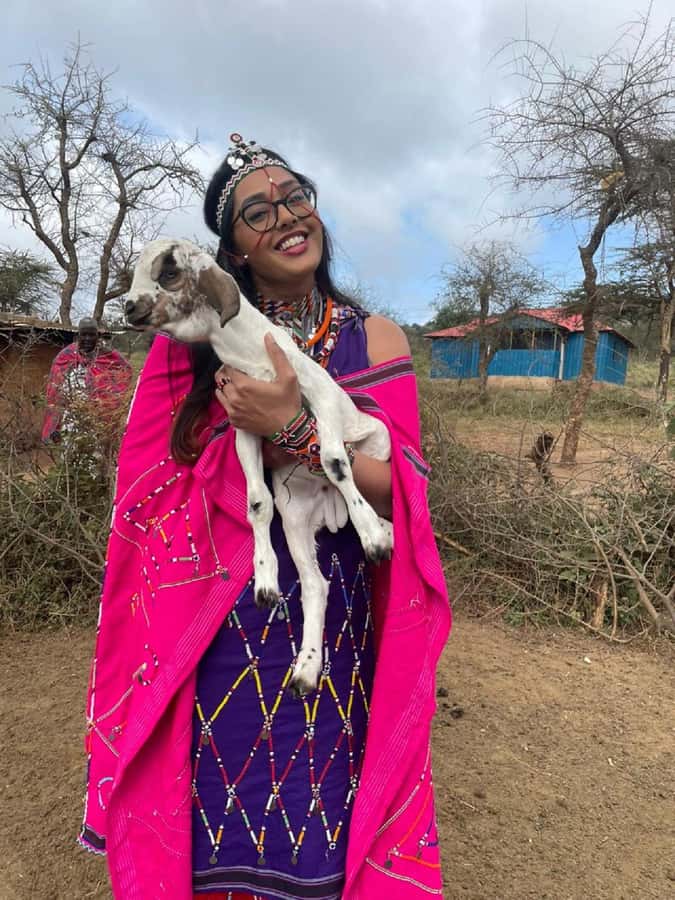
At $52 per person, the tour includes hotel pickup and drop-off, the driver-guide, air-conditioned transportation, and the Maasai village experience. For someone staying in Nairobi without a car, that bundled transport is useful. You do not need to arrange a separate vehicle for the journey outside the city.
The advertised village entry fee is $30 per person, paid separately. Food and drinks are also extra, and souvenirs cost more if you choose to buy beadwork. That means the real cost is noticeably higher than the headline price.
There has been confusion about the entry charge. One account referred to an earlier $20 figure, while the current information states $30. Another concern was that the money was collected by the driver rather than visibly paid at the community. I cannot tell you how the operator distributes that fee, so confirm the exact amount and payment process before departure. A clear receipt or explanation is reasonable to request.
The tour can be good value if you want door-to-door transport and a short introduction to Maasai life. It is weaker value if you expect a full-day cultural program at the village itself. Your decision should depend on what you value most: convenience and a first meeting, or a longer, more detailed community program.
The driver-guide can shape the whole day

The experience is offered in English, Swahili, and French. The driver-guide is more than a person behind the wheel because the trip includes a long drive and cultural context.
Several people found the guide friendly, attentive, and helpful. Others had the opposite experience and felt they had to force communication. Since no individual guide names are provided, you should not expect a particular named guide when booking.
At pickup, introduce yourself and ask for the day’s plan. A good opening conversation can set the tone. Tell the guide whether you want more historical background, more time with the community, or help understanding the beadwork and household activities.
If the guide is quiet, keep asking clear questions. If you receive little information about the village or schedule, raise it early rather than waiting until the return drive. Communication is especially important because the tour has a long road portion and several costs outside the base price.
Who will enjoy this visit most
I would recommend this outing to you if you want a first introduction to Maasai culture while staying in Nairobi. It suits people who appreciate simple demonstrations, direct conversation, locally made crafts, and the chance to try a small hands-on activity.
It also works well for anyone who wants a cultural experience rather than another wildlife outing. The visit can help you see Maasai life as more than the red clothing, jumping dances, and safari photographs often used to represent the community.
You may want a different option if you expect a long village stay, a formal cultural lecture, a guaranteed performance, or a professional photographer. The advertised eight-hour day can be misleading if you assume most of that time is spent with the Maasai.
Families and first-time visitors to Kenya may find the activities approachable. More experienced cultural tourists should ask detailed questions before booking, especially about the length of the village visit, the entry payment, and the jumping performance.
Small details that make the day easier
Bring your passport or ID card, as this is specifically required. Also carry money for the $30 entry fee, lunch, drinks, coffee, and any beadwork you want to purchase.
Wear clothing suitable for a community visit and outdoor activity, though the available information does not specify a dress code. Ask before photographing people or homes, and listen when local residents explain what is appropriate.
The reserve-your-place, pay-later option can help if your Nairobi plans are still shifting. You can also cancel up to 24 hours in advance for a full refund, according to the stated policy. Keep in mind that these booking terms do not change the separate cost of entry, meals, or souvenirs.
Should you book the Maasai village visit?
Book it if you want a convenient, reasonably priced introduction to Maasai daily life and you are comfortable with a shorter village visit inside a longer day. The cooking demonstration, goat milking, beadwork, stories, and possible singing performance offer several ways to connect with the community.
I would book with two conditions: confirm that the entry fee is $30 and ask how long you will spend in the village. If the jumping performance is essential, confirm that too. Go with modest expectations, ask questions from the start, and bring Kenyan shillings for crafts.
If you want a detailed cultural program lasting several hours, this may leave you wanting more. If you want a practical first meeting with the Maasai, hotel transport, and a few memorable hands-on moments, it is a sensible choice.
FAQ
Where does the Maasai village visit take place?
The experience takes place in central Kenya, with pickup and drop-off from your Nairobi hotel.
How long does the tour last?
The full outing is advertised at about eight hours. This includes transportation, a coffee stop, lunch time, and the village visit. The village portion may be much shorter, sometimes around one or two hours.
What is included in the price?
The $52 price includes hotel pickup and drop-off, an English, Swahili, or French-speaking driver-guide, air-conditioned transportation, and the Maasai village experience.
Is the village entry fee included?
No. An entry fee of $30 per person is listed as extra. Because there has been confusion over the amount and how it is collected, confirm the payment details before leaving Nairobi.
Is lunch included?
No. There is time for lunch, but food and drinks are at your own expense. The day also includes a stop for coffee.
What activities can I do in the village?
You can learn about food preparation, watch or try goat milking, see women weave necklaces and wristbands, hear cultural stories, and possibly watch young Maasai men and women jump and sing.
What should I bring?
Bring your passport or ID card. You should also carry money for the entry fee, lunch, drinks, and optional beadwork purchases.
Recently added around Nairobi
- Nairobi; City Walk Tour★ 4.5 · 3 reviews
- Private 3-Day Masai Mara Safari Adventure★ 5.0 · 3 reviews
- Kenya safari★ 5.0 · 3 reviews
- 2 Days Amboseli National Park Safari★ 3.5 · 3 reviews
- 11-Days Best of Kenya & Tanzania Big 5 Safari on a 4×4 Jeep★ 5.0 · 3 reviews
- Full Day, Small Group Guided Tour to Amboseli National Park★ 4.5 · 3 reviews
- 10-Days Explore Kenya Wildlife Private Safari★ 5.0 · 3 reviews
- Nairobi: Giraffe Center, Beads Factory & Bomas of Kenya Tour★ 4.5 · 3 reviews
Nairobi Tours, compared.

Nairobi National Park Half-Day Tour; Free Wi-Fi connection
Read our review →
National Park & Optional Elephants & Giraffe Center
Read our review →
NAI NAMI: Nairobi Storytelling Tour with Street Children
Read our review →




Elephant Orphanage and Giraffe Center Tour with Options
Read our review →Browse the lists this tour appears in