
Reviewed · NAIROBI TOURS
Elephant Orphanage Trust, Giraffes & Bomas of Kenya Day Tour
The day’s strongest moment comes at the elephant orphanage, where you watch baby elephants take their bottles, roll in sand, and cool off in mud. You also get unusually close to Rothschild’s giraffes at the Giraffe Centre, feeding them from a raised wooden platform. I like that the tour ties those animal encounters to real conservation work, and that it adds Kenya’s many cultures at Bomas of Kenya rather than stopping after the wildlife.
I also like the practical format: private transport, hotel pickup and drop-off, entry tickets, bottled water, and a guide who keeps the day moving. Guides Jacinta and Kevin have both been praised for their kindness, timing, professionalism, and humor. The main catch is cost: the advertised $123 does not include the $43 adult elephant orphanage conservation fee, and lunch is extra.
Key points at a glance
- Feed Rothschild’s giraffes from a raised wooden platform at the Giraffe Centre.
- See baby elephants at the 11 a.m. to noon session, including bottle-feeding, play, sand baths, and mud baths.
- Learn how conservation works, including the effort to rebuild Rothschild’s giraffe numbers from a low point of about 120 in the wild.
- Visit Kobe Beads, a women-run pottery and bead workshop supporting single mothers from a poor neighborhood.
- Watch traditional dances and visit homesteads representing Kenya’s 53 ethnic communities at Bomas of Kenya.
- Plan for an extra $43 adult fee, payable by Visa or Mastercard through the E-citizen system, plus lunch.
Why this Nairobi day works so well
Nairobi makes it possible to see major Kenyan wildlife without leaving the city. That is the central appeal here. You do not spend the day driving toward a distant reserve. Instead, private transport links several focused stops, each showing a different side of Kenya: endangered animals, rescue work, local enterprise, and cultural performance.
I find the mix more useful than a wildlife-only outing. The Giraffe Centre gives you a playful, hands-on start. The orphanage adds a serious conservation story. Bomas of Kenya then broadens the picture beyond animals and safari clichés, with traditional homes, folklore dances, and performances by different ethnic communities.
This is a full day, not a quick photo stop. You should expect a steady schedule and several transitions. That suits you if you want to pack a lot into one Nairobi visit, but it may feel busy if you prefer long, quiet visits at one place.
More Elephant Orphanage Tours in Nairobi:
- Elephant Orphanage and Giraffe Center Tour with Options
★ 4.5 · 457 reviews - Nairobi National Park, Elephant Orphanage and Giraffe Centre
★ 4.6 · 365 reviews - From Nairobi: Elephant Orphanage and Giraffe Center Day Trip
★ 4.5 · 235 reviews
Feeding Rothschild’s giraffes at the Giraffe Centre
The Giraffe Centre is usually the easiest place on this tour to feel involved. From a raised wooden structure, you can observe and hand-feed Rothschild’s giraffes. Their height puts you close to their heads, making this very different from watching giraffes at a distance in a national park.
The encounter is fun, but it has a purpose beyond the photograph. The African Fund for Endangered Wildlife, known as AFEW, has worked since 1979 to protect this endangered giraffe. The conservation story is especially striking because the wild population once fell to no more than about 120 animals.
I like that the visit lets you connect a single giraffe encounter with the larger problem of habitat and population loss. You are not simply looking at a famous animal. You are learning why this particular giraffe matters and how conservation groups have tried to protect it.
The centre also offers more than the feeding platform. You may see warthogs snuffling in the mud, and there is a self-guided forest walk beside the Gogo River Bird Sanctuary. That walk gives you a quieter change of pace, though the schedule may not leave much time for lingering.
Bring a hat and comfortable shoes. The raised platform is the main attraction, but you may want to walk around the grounds and take photos. Feeding is part of the experience, so keep your attention on the animals and listen to the staff’s instructions.
The 11 a.m. elephant orphanage session
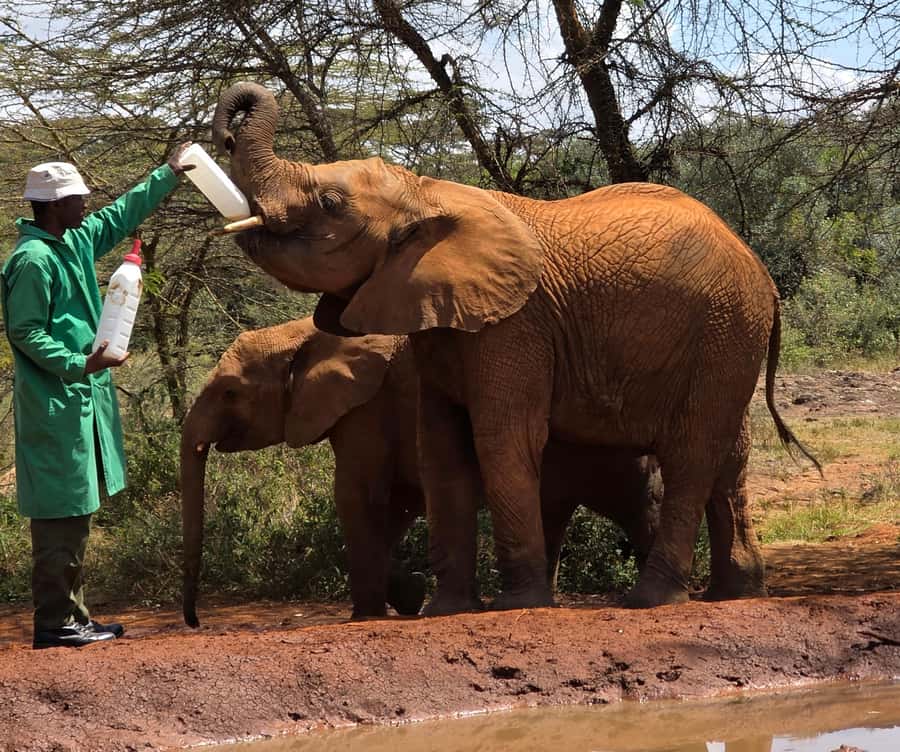
Timing matters most at the elephant orphanage. The guided session takes place daily from 11 a.m. to noon, so your guide must get you there on time. This is one reason the private transport and active guide support are useful. A late arrival could mean missing the central presentation.
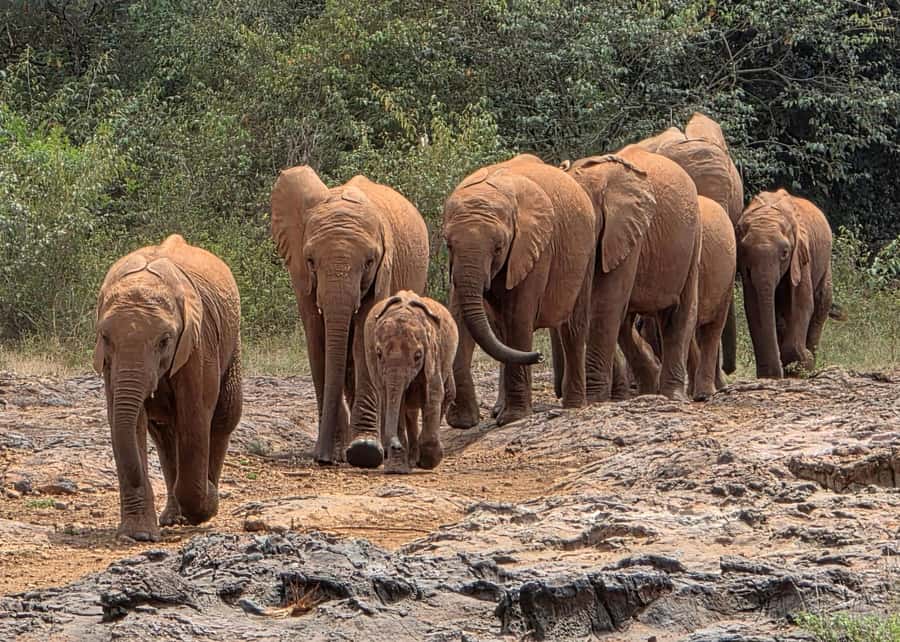
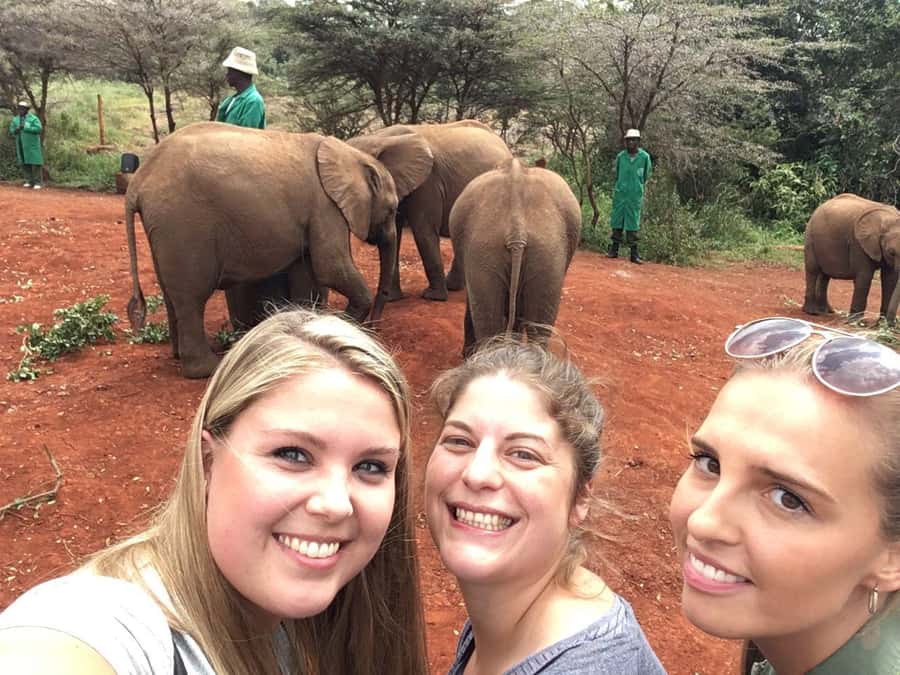
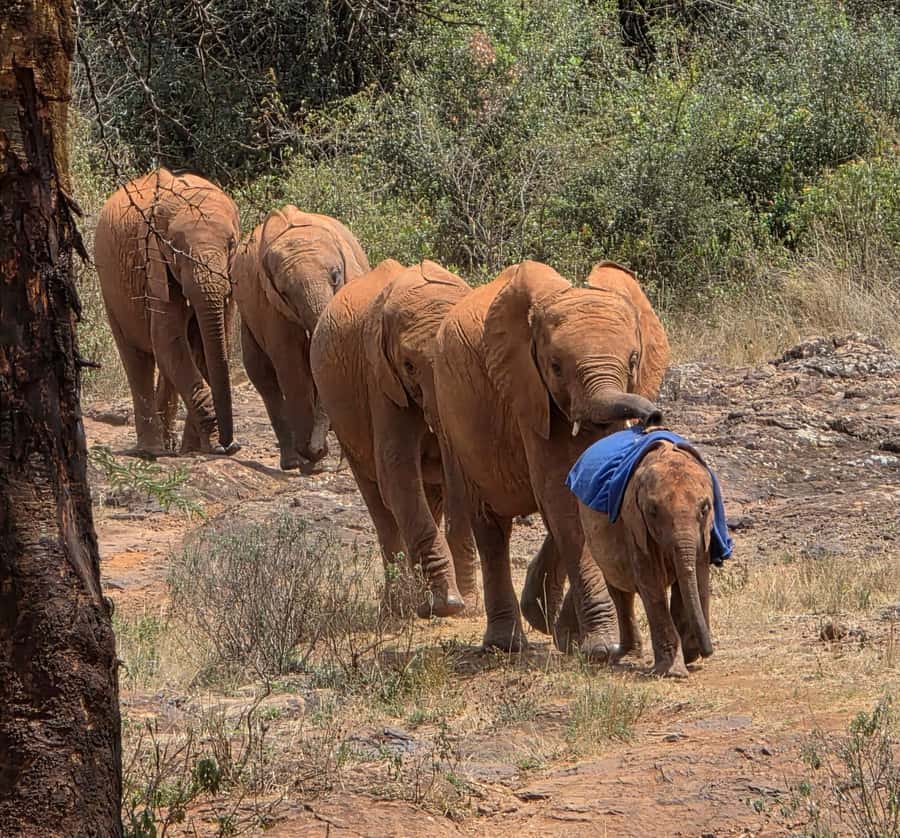
The session focuses on elephant conservation in Kenya and the work involved in caring for orphaned calves. You can watch the young elephants receive bottles of milk, play together, roll in sand, and cool themselves with mud. These details make the visit feel lively and memorable, but the setting also carries a serious message about why the animals need protection.
You may have an opportunity to adopt or sponsor one of the orphaned elephants. That option is worth considering only if you want an ongoing connection to the sanctuary. You do not need to adopt in order to enjoy the visit, and the tour’s main value comes from seeing the keepers explain the care and conservation work.
Photography is encouraged as part of the visit, but the best photos will come from watching first. Baby elephants move quickly, and the milk, sand, and mud routines create short moments rather than a staged show. You may see an elephant looking directly toward the crowd one moment, then charging into play with another calf the next.
This is also the stop where the additional charge matters. The tour price is $123 per person, but the required statutory conservation fee for the elephant orphanage is separate. Adults pay $43 and children pay $22. Payment is made through the E-citizen platform at the entrance, and the gate accepts Visa or Mastercard, not cash.
That extra fee changes the value calculation. For an adult, the known minimum becomes $166 before lunch. The price still covers private transport, hotel pickup and drop-off, a professional guide, bottled water, and admission to the Giraffe Centre and Bomas of Kenya, but you should budget for the conservation fee from the start rather than treating it as an unexpected add-on.
Kobe Beads and the human side of the itinerary
After the animal visits, the optional stop at Kobe Beads adds an important community angle. This pottery company makes beads and other items through a process you can follow from the beginning to the finished product.
The workshop is also a women empowerment centre. It employs single mothers from a poor neighborhood, giving them income to support their families. That makes the visit more than a shopping break. You can see how a small production business connects craft, work, and community support.
The stop is listed as complimentary and optional. That means you should ask your guide how it fits into the day, especially if you are more interested in Bomas or need a slower pace. If you enjoy handmade goods and want to understand how they are produced, it gives the itinerary a useful local dimension. If shopping is not your priority, you may prefer to keep the visit brief.
I would treat any purchase as optional. The key value here is seeing the stages of bead-making and learning how the centre supports women. You do not need to buy something to make the stop worthwhile.
More Bomas of Kenya evenings:
- Giraffe Centre, Elephant Orphanage, and Bomas of Kenya Day Tour from Nairobi
★ 4.5 · 96 reviews - Half-Day Cultural Tour to Bomas of Kenya in Nairobi
★ 4.5 · 23 reviews - Nairobi city sights, Giraffe Encounters and Bomas Kenya Tour
★ 5.0 · 19 reviews - Half-day tour Bomas of Kenya with Pick-up
★ 5.0 · 19 reviews
Lunch and Kenyan food
Lunch is not included, so you pay separately. The guide can take you to a local restaurant where you can try Kenyan food after the Kobe Beads visit.
This arrangement gives you some flexibility, but it also means the final cost will vary. The tour supplies bottled water, not a meal. Bring enough money or a suitable payment method for lunch, and remember that the elephant orphanage entrance rules are stricter: no cash is accepted there.
A local meal fits the day’s wider aim. You have already seen wildlife conservation and community craft work, so food offers another direct way to connect with Kenya. Still, the supplied details do not specify the restaurant or dishes, so you should ask the guide what is available that day.
Bomas of Kenya: homesteads, dances, and 53 communities
Bomas of Kenya gives the afternoon a cultural focus. The centre preserves, maintains, and promotes the customs of Kenya’s 53 ethnic communities. You visit traditional homesteads and attend an informative session about culture and traditions.
The homesteads help make the subject concrete. Instead of hearing only a general presentation, you can see how different communities are represented through their domestic spaces and material culture. The visit is especially useful if your Nairobi plans contain plenty of wildlife but little direct contact with Kenya’s people and traditions.
Daily performances include a selection of 15 traditional dances from different ethnic communities. The Samburu and Maasai warrior performances are among the most striking parts of the program. Expect a staged cultural presentation rather than an informal village visit. That distinction matters. Bomas offers an accessible introduction, but it cannot represent every detail of 53 communities in a single afternoon.
I still think it earns its place on this tour. The performances provide energy after the morning’s animal stops, while the homesteads and information session give the visit more substance. You get a broad overview rather than a detailed study, which is appropriate for a one-day city tour.
Check how much time remains when you arrive. The itinerary includes several major stops, and Bomas can feel rushed if the earlier visits run late. A reliable guide is important here. Jacinta has been praised for watching the schedule and getting the group to presentations on time, while Kevin has been praised for professionalism, kindness, and a good sense of humor.
What the private transport adds
Private transport is one of the tour’s practical strengths. Hotel pickup and drop-off mean you do not need to arrange separate rides between the Giraffe Centre, elephant orphanage, Kobe Beads, and Bomas of Kenya.
The value is not only comfort. The elephant session has a fixed time, and the day contains several stops. A guide who understands the schedule can help you avoid wasting time between sites. This is particularly helpful if Nairobi traffic affects the route, though no specific travel time or group size is provided.
The tour is offered with English, Spanish, French, and German language support. If language matters to you, confirm your preferred language when booking. The guide is also the person who ties the separate stops together, explaining conservation at the animal centres and context at Bomas.
The format is not designed for people with mobility impairments. You should also wear comfortable shoes and bring sun protection, including a hat. Pets are not allowed.
Is $123 good value?
The listed $123 per person is reasonable only after you understand what it covers and what it does not. You receive private transport, hotel pickup and drop-off, bottled water, a professional guide, and admission to the elephant orphanage, Giraffe Centre, and Bomas of Kenya. The Kobe Beads visit is complimentary but optional, and lunch is extra.
The required adult conservation fee is the major addition. At $43, it brings the known adult total to $166 before food. That is still a fair price if you want all four main experiences in one day and value the convenience of private transport. It is less attractive if your main goal is only to feed giraffes, since you would be paying for several other sites and a full-day schedule.
Families should note the child conservation fee of $22. The close view of baby elephants and giraffe feeding can be a strong choice for children, but the tour is not suitable for people with mobility impairments, and the packed schedule may tire very young children.
I see the best value for a first visit to Nairobi. You get a broad introduction without arranging separate admission, transport, and timing for each stop. Returning visitors with a narrow interest may prefer a shorter, more focused outing.
Who should book this day tour?
I would choose this tour if you want:
- A full Nairobi day combining wildlife and culture
- Close viewing and feeding opportunities with giraffes
- A scheduled visit to baby elephants at the key 11 a.m. session
- Private hotel transport rather than several separate rides
- A guide who can handle timing across multiple attractions
- A first introduction to Kenyan traditions through homesteads and dance
I would think twice if you want a slow, unhurried day, dislike staged cultural performances, or want a safari outside the city. This tour shows animals in conservation centres, not in a wild national park. It gives you access and education, but the settings are managed and organized.
The strongest parts are the giraffe platform, the elephant feeding session, and the chance to connect conservation with community work at Kobe Beads. Bomas adds breadth, though you should expect a general cultural overview rather than a detailed look at every ethnic group.
FAQ
What is included in the tour price?
The price includes entry to the elephant orphanage, Giraffe Centre, and Bomas of Kenya, plus hotel pickup and drop-off, private transport, a professional guide, bottled water, and a visit to traditional homesteads. The Kobe Beads factory visit is complimentary and optional.
Is the elephant orphanage conservation fee included?
No. The statutory conservation fee is paid separately at the entrance. It is $43 for adults and $22 for children.
How can I pay the elephant orphanage fee?
The fee is paid through the E-citizen platform. The gate accepts Visa and Mastercard, and no cash is accepted.
What time is the elephant orphanage session?
The guided elephant orphanage session takes place daily from 11 a.m. to noon. Arriving on time is important.
Is lunch included?
No. Lunch is available for purchase at a local restaurant, and you pay for it separately.
Which languages are available?
The tour is available in English, Spanish, French, and German.
Is the tour suitable for people with mobility impairments?
No. The tour is listed as not suitable for people with mobility impairments. Comfortable shoes and a sun hat are recommended, and pets are not allowed.
Should you book it?
Book this tour if you want Nairobi’s major animal encounters and a solid cultural stop in one organized day. The close giraffe feeding, baby elephant session, Kobe Beads workshop, and Bomas performances give you more range than a single attraction visit.
Before paying, budget for the separate $43 adult conservation fee and lunch. If that total works for you, the private transport and guide support make the day practical, especially for a first visit. I would choose it for a busy Nairobi itinerary, while someone seeking a quiet wildlife experience should pick a more focused tour.
Recently added around Nairobi
- Nairobi; City Walk Tour★ 4.5 · 3 reviews
- 2 Days Amboseli National Park Safari★ 3.5 · 3 reviews
- Private 3-Day Masai Mara Safari Adventure★ 5.0 · 3 reviews
- Kenya safari★ 5.0 · 3 reviews
- Full Day, Small Group Guided Tour to Amboseli National Park★ 4.5 · 3 reviews
- 11-Days Best of Kenya & Tanzania Big 5 Safari on a 4×4 Jeep★ 5.0 · 3 reviews
- 10-Days Explore Kenya Wildlife Private Safari★ 5.0 · 3 reviews
- Nairobi: Giraffe Center, Beads Factory & Bomas of Kenya Tour★ 4.5 · 3 reviews
Nairobi Tours, compared.

Nairobi National Park Half-Day Tour; Free Wi-Fi connection
Read our review →
National Park & Optional Elephants & Giraffe Center
Read our review →
NAI NAMI: Nairobi Storytelling Tour with Street Children
Read our review →




Elephant Orphanage and Giraffe Center Tour with Options
Read our review →Browse the lists this tour appears in