
Reviewed · NAIROBI TOURS
Cook and enjoy African meals with Moreen
The best part of this Nairobi experience happens before the cooking begins. You meet Moreen near a local market, choose the ingredients with her, and learn how everyday Kenyan meals take shape from the produce on the stall. Then you head to her home and cook together around a family table.
I like the market-first format, since it connects the meal to real daily life instead of treating Kenyan food as a set of recipes in a classroom. I also like the family welcome. Moreen’s husband and family may be part of the day, making this feel more personal than a standard demonstration.
The main consideration is transport. It is not included, so you need to arrange or pay for your own way to the meeting point and between locations. The activity is also not suited to wheelchair users or people with mobility impairments, and the age guidance excludes people over 70 and over 95.
Key points at a glance

- Shop with Moreen at a Nairobi market: Choose fresh ingredients while seeing a working local market.
- Cook in a family home: The class takes place at Moreen’s house, creating a relaxed, homely setting.
- Expect classic Kenyan dishes: Ugali, pilau, sukuma wiki, and chapati may feature on the menu.
- Ask about the meal you want: Moreen can accommodate special requests, according to the information provided.
- Learn while you prepare: Moreen explains the background of ingredients and dishes as you cook.
- Budget $59 per person: Soda, fruit, water, the host’s services, and cooking lessons are included, but transportation is not.
Starting near Nairobi’s local market
The day begins at a central meeting point in Nairobi. From there, you travel by car to a local market, with Kayole identified as the market area in the detailed account of the experience.
This opening stop gives the activity a useful sense of place. Instead of arriving at a house with a basket of ingredients already prepared, you see where the food comes from and help decide what will go into the meal. You can expect to look over fresh produce, choose what is needed, and interact with local sellers as Moreen guides the shopping.
I find this especially useful for anyone who wants more than a cooking lesson. Kenyan food is tied to familiar staples and daily shopping habits, and the market helps explain that connection. You are not simply learning how to make a dish. You are seeing the ingredients before they reach the kitchen.
The market visit may also be the most unpredictable part of the day. The information does not give a precise shopping duration, market schedule, or guaranteed list of ingredients. If you prefer a tightly timed tour, this could feel less structured. If you enjoy seeing how plans develop around the available food, it is a strength.
Since transportation is not included, confirm how you will reach the meeting point and how transport between the market and Moreen’s home will work. The activity description says you board a car for the market visit, but it does not specify who pays for that transport or whether it is arranged by the host. That is worth clarifying before booking.
A few more Nairobi days to weigh up
- Nairobi National Park Half-Day Tour; Free Wi-Fi connection
★ 5.0 · 878 reviews - Nairobi: National Park & Optional Elephants & Giraffe Center
★ 4.8 · 874 reviews - NAI NAMI: Nairobi Storytelling Tour with Street Children
★ 5.0 · 792 reviews
From market basket to Moreen’s kitchen
After shopping, you head to Moreen’s home for the cooking session. This is not a polished restaurant kitchen or a formal culinary school. The appeal is the ordinary setting, where the meal is prepared in a family environment and later shared at the dining table.
Moreen leads the preparation and cooking while explaining the background of the food. The language options are English and Swahili, so English-speaking visitors should be able to follow the lesson. The available information does not promise a fixed menu for every booking, which gives the class some flexibility but also means you should ask what you will be preparing.
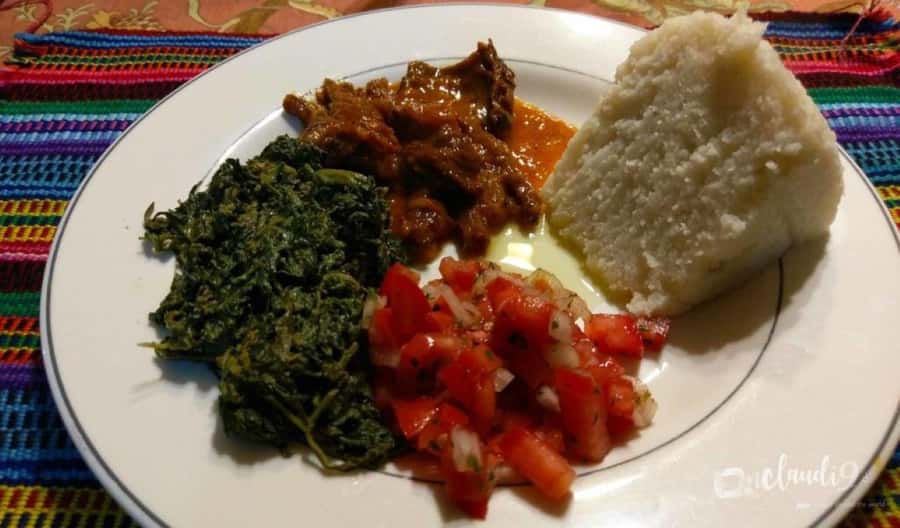
One menu described for this experience included ugali, pilau, sukuma wiki, and chapati. Together, these dishes give you a broad introduction to Kenyan cooking:
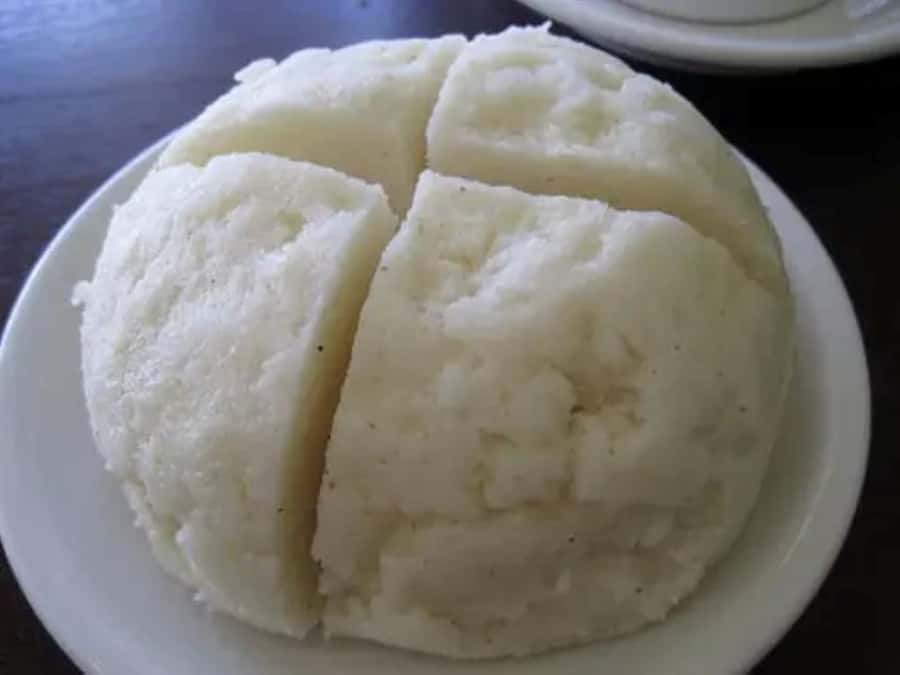
- Ugali is a firm staple made from maize flour, often served alongside vegetables or other savory dishes.
- Pilau is a spiced rice dish with a fragrant, celebratory character.
- Sukuma wiki is a cooked leafy-green vegetable dish commonly served as part of a main meal.
- Chapati is a flatbread that takes practical handling and cooking skill.
The value here comes from variety. You are not learning just one recipe, then leaving. You may work with a staple, a rice dish, greens, and bread, giving you several different cooking methods in one session.
The class is hands-on. You can help with preparation and cooking as much as you wish, rather than simply watching Moreen work. That makes this a good choice if you want to ask questions, handle ingredients, and understand the steps through practice.
What makes the family setting special

The strongest feature of the experience is the human side. Moreen’s family may join the day, including her husband, who was involved in the car ride and the time at home during one described visit. The meal is then enjoyed together at the family dining table.
That arrangement matters. A restaurant can serve excellent Kenyan food, but it cannot show you the social setting in which a home meal is shared. Here, the cooking lesson leads naturally into conversation and eating together.
The setting is also likely to suit people who value warmth over formality. Moreen is described as lively, and the atmosphere is presented as welcoming and homely. You should expect a personal exchange, not a silent demonstration followed by a quick plate of food.
At the same time, a family-home activity will not offer the same privacy or predictable rhythm as a private kitchen studio. The exact number of people attending, the size of the cooking space, and the amount of family participation are not stated. If you want a quiet one-on-one lesson, ask about the group arrangement before you reserve.
Eating the food you helped prepare
The meal is the payoff, but it also completes the lesson. You eat what you helped make, with soda, fruit, and water included.
I like this approach because tasting the dishes immediately helps you understand their texture and balance. Ugali, chapati, pilau, and sukuma wiki each bring something different to the table, and eating them together shows how Kenyan meals are built around several complementary dishes rather than one centerpiece.
The food also becomes a natural time for conversation. Moreen can continue explaining the dishes, their ingredients, and where they fit in Kenyan cooking. The experience is not only about technique. It is also about learning what the food means in an everyday home setting.
Special requests may be accommodated, which is useful if there is a dish you particularly want to try. Still, the available information does not list vegetarian, vegan, allergy, or religious-diet arrangements. If your diet affects the menu, raise it before booking rather than assuming the request can be met.
A different kind of day from the same base:
- Nairobi National Park Half-Day Game Drive
★ 4.5 · 738 reviews - Nairobi: Historic and Modern Highlights Walking Tour
★ 4.8 · 703 reviews - Safari Tour; Nairobi National Park
★ 4.5 · 594 reviews - 3 Days Masai Mara Group Joining
★ 5.0 · 486 reviews
What the $59 price covers
At $59 per person, the price includes Moreen’s hosting, cooking lessons, soda, fruit, and water. It also covers the food ingredients purchased for the cooking experience, based on the description that you shop for the meal ingredients as part of the activity.
That is a fair value if you want a full-day outing with both a market visit and a home meal. You are paying for instruction, food, local company, and access to a family setting. It is not simply the cost of lunch.
Transportation is the key extra to account for. It is specifically excluded, even though a car is part of the movement from the meeting point to the market and then toward the home. Find out what transport costs you will need to cover so the $59 price does not give you an incomplete picture of the day’s expense.
The value is strongest for people who want personal contact and a meal-centered activity. If you only want to sample Kenyan food quickly, a restaurant meal will likely take less time and may cost less. If you want to understand the shopping, preparation, and family setting behind the food, this offers more.
Who will enjoy this cooking day
This activity suits you if you like meeting local people, asking questions, and taking part in a meal rather than sitting back. It is also a good fit for couples, since one account describes a husband and wife enjoying the day together with Moreen and her family.
Food lovers will get the most from the hands-on format. You can learn several dishes, compare different cooking methods, and leave with a clearer idea of how Kenyan staples work together.
It is less suitable if you have limited mobility. The activity is not recommended for wheelchair users or people with mobility impairments. The age information also lists restrictions for people over 70 and over 95, so check the exact eligibility rules if age is relevant to your booking.
You should also be comfortable spending time in a private home. That is central to the experience, not a minor detail. The reward is a more personal setting, but it requires flexibility and respect for the host’s household.
Practical details to settle before booking
The activity is described as a full-day adventure, but no exact start time or end time is provided. Ask how long the market visit, drive, cooking session, and meal are expected to take.
Meet-up details are described as a central location in Nairobi, with the market visit taking place in Kayole. Confirm the precise meeting point in advance, along with transport arrangements and any cost connected with the car.
Moreen speaks English and Swahili. That makes the activity accessible to English-speaking visitors, while Swahili may help with casual interaction at the market if you speak it.
Weapons, sharp objects, smoking indoors, and explosive substances are not allowed. The cancellation policy allows a full refund when you cancel at least 24 hours in advance. You can also reserve and pay later, which helps if your Nairobi plans are still moving around.
Should you book Cook and Enjoy African Meals with Moreen?
Book this if you want a personal Nairobi food experience built around a market visit, hands-on cooking, and a shared family meal. The strongest reasons to go are Moreen’s lively hosting, the chance to choose ingredients yourself, and the opportunity to eat dishes such as ugali, pilau, sukuma wiki, and chapati in a home setting.
Think twice if you need step-free access, a fixed schedule, or a fully itemized transportation plan. For everyone else, the $59 price offers good value when you want to understand Kenyan food through the people, ingredients, and ordinary rituals behind it. Confirm the transport details and menu before booking, then come ready to participate.
FAQ
Where does the experience begin?
You meet Moreen at a central location in Nairobi before traveling by car to a local market. Kayole is identified as the market area in the detailed description.
Is transportation included in the price?
No. Transportation is not included. The activity includes travel by car to the market, but you should confirm the arrangements and any costs before booking.
What food might I cook?
The menu may include ugali, pilau, sukuma wiki, and chapati. Moreen is also described as willing to accommodate special meal requests.
Does the activity include the ingredients?
The experience includes shopping for the ingredients needed for the meal, followed by cooking at Moreen’s home. Confirm any special ingredient needs in advance.
What is included besides the cooking lesson?
The price includes Moreen’s local host services, soda, fruit, water, and cooking lessons.
What languages does Moreen speak?
Moreen speaks English and Swahili.
Is the activity suitable for wheelchair users?
No. It is not suitable for wheelchair users or people with mobility impairments.
Can I cancel for a full refund?
Yes. You can cancel up to 24 hours in advance for a full refund.
Recently added around Nairobi
- Nairobi; City Walk Tour★ 4.5 · 3 reviews
- 2 Days Amboseli National Park Safari★ 3.5 · 3 reviews
- Private 3-Day Masai Mara Safari Adventure★ 5.0 · 3 reviews
- Kenya safari★ 5.0 · 3 reviews
- 11-Days Best of Kenya & Tanzania Big 5 Safari on a 4×4 Jeep★ 5.0 · 3 reviews
- Full Day, Small Group Guided Tour to Amboseli National Park★ 4.5 · 3 reviews
- 10-Days Explore Kenya Wildlife Private Safari★ 5.0 · 3 reviews
- Nairobi: Giraffe Center, Beads Factory & Bomas of Kenya Tour★ 4.5 · 3 reviews
Nairobi Tours, compared.

Nairobi National Park Half-Day Tour; Free Wi-Fi connection
Read our review →
National Park & Optional Elephants & Giraffe Center
Read our review →
NAI NAMI: Nairobi Storytelling Tour with Street Children
Read our review →



