

Reviewed · NAIROBI TOURS
Bomas Of Kenya Cultural Experience
The best part of Bomas of Kenya is the contrast between a live performance and the quiet details of traditional homesteads. You can watch dancers, singers, storytellers, and acrobats, then walk among huts arranged by regional community and family role.
I like the clear look at Kenya’s 42 ethnic groups, and I like that hotel pickup and an English-speaking guide are included. The main caution is important: one recent booking was affected by renovation, with the customer taken to a small tent at another site instead. Confirm the venue before you pay.
Key points to know before booking
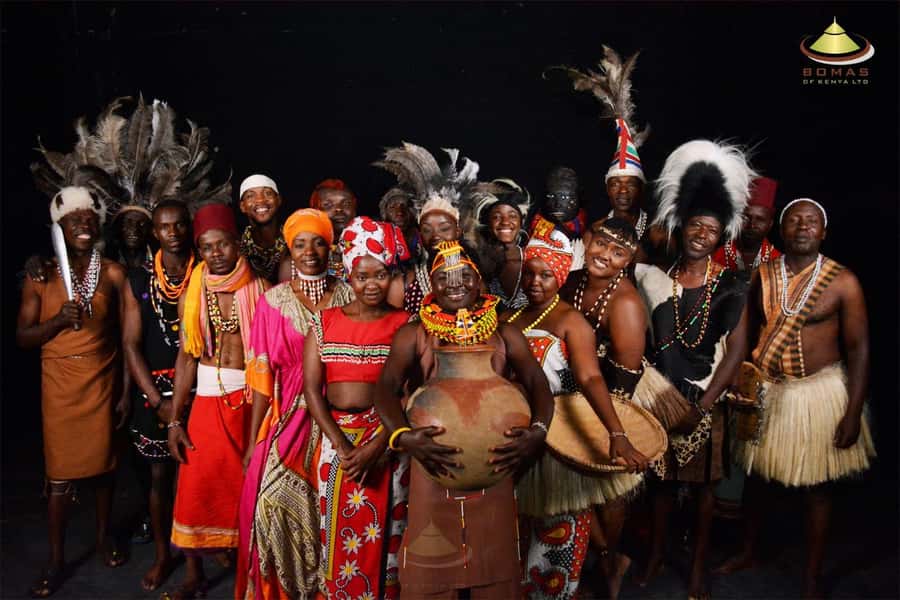
- Traditional performances are the main event: Expect dance, music, song, folklore, and acrobatics in a purpose-built arena.
- The homesteads add useful context: See huts, granaries, livestock areas, and separate homes linked to family structure.
- Hotel pickup is included: The tour begins with collection from your Nairobi accommodation at 1pm and ends with a return there.
- The $62 price needs a value check: One customer reported an entrance fee of about $20, so transport, guiding, and convenience make up much of the difference.
- Check renovation status first: A recent booking did not visit the advertised site because Bomas of Kenya was reportedly closed for renovation.
- Families have an extra stop: A large wooden play area gives younger children something to do between cultural displays.
What Bomas of Kenya is trying to show you
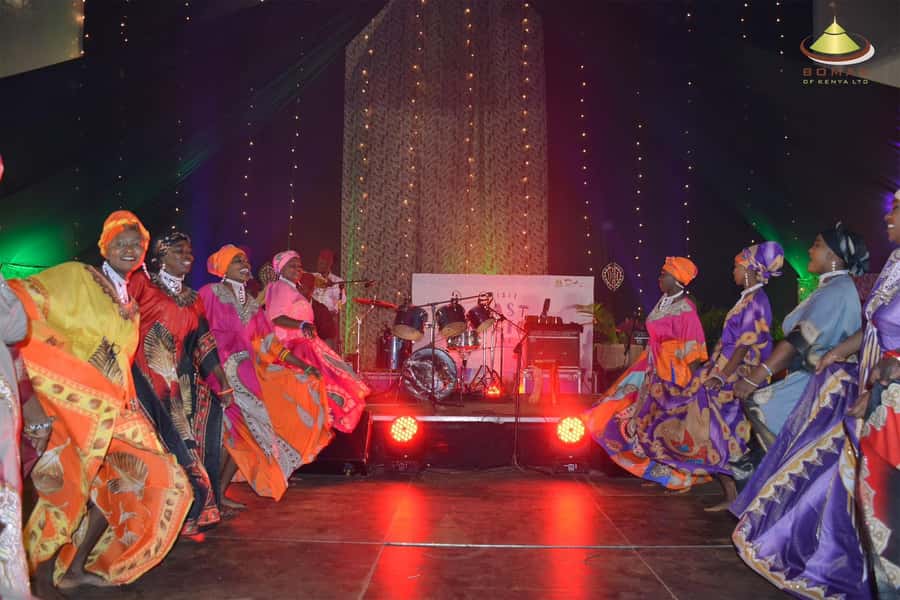
Bomas of Kenya was created in 1971, after Kenya gained independence in 1964. It is run by the Kenyan government and was set up to promote the country’s cultural heritage.
The word boma refers to an enclosed homestead. Here, the idea is expanded into a large cultural center where traditional homes, performance, music, and crafts are presented in one place.
That matters because Kenya is not one single cultural story. The center aims to introduce you to the customs of 42 ethnic groups, showing how communities have differed in housing, family arrangements, music, dance, and daily life.
You should see this as an introduction rather than a complete study of every community. A single visit cannot explain all of Kenya’s cultural traditions in detail. What it can do is give you a useful framework before you visit other parts of the country.
The presentation is also organized for easy viewing. Instead of searching across different regions, you can see several styles of homestead and performance in one Nairobi outing. That makes Bomas especially useful if your Kenya trip is short.
More Bomas of Kenya evenings:
- Giraffe Centre, Elephant Orphanage, and Bomas of Kenya Day Tour from Nairobi
★ 4.5 · 96 reviews - Half-Day Cultural Tour to Bomas of Kenya in Nairobi
★ 4.5 · 23 reviews - Nairobi city sights, Giraffe Encounters and Bomas Kenya Tour
★ 5.0 · 19 reviews
Starting at 1pm from your Nairobi hotel
Your tour begins with pickup from your Nairobi hotel or accommodation at 1pm. The package includes transport to Bomas of Kenya, an English-speaking professional guide, admission, and return transport to your hotel.
The exact travel time is not provided, so you should keep the afternoon reasonably open. Pickup is helpful in Nairobi, where arranging a ride, finding the entrance, and returning to your accommodation can add work to an otherwise simple visit.
The guide can give the displays some meaning instead of leaving you to guess what each hut or performance represents. No guide name is provided for this experience, so you should not expect a particular named guide when booking.
Transport is also where the $62 price deserves a close look. One customer reported that the regular entrance cost was around $20 and felt that private provider prices were much higher. That does not automatically make the package poor value, since the remaining cost may cover pickup, return transport, admission handling, and guiding.
Still, the difference is large enough to ask yourself what convenience is worth. If you are comfortable arranging your own ride and paying the entrance fee directly, an independent visit may cost less. If you prefer a planned pickup and a guide, the higher price buys simplicity rather than a more exclusive version of the show.
Traditional homesteads arranged by region
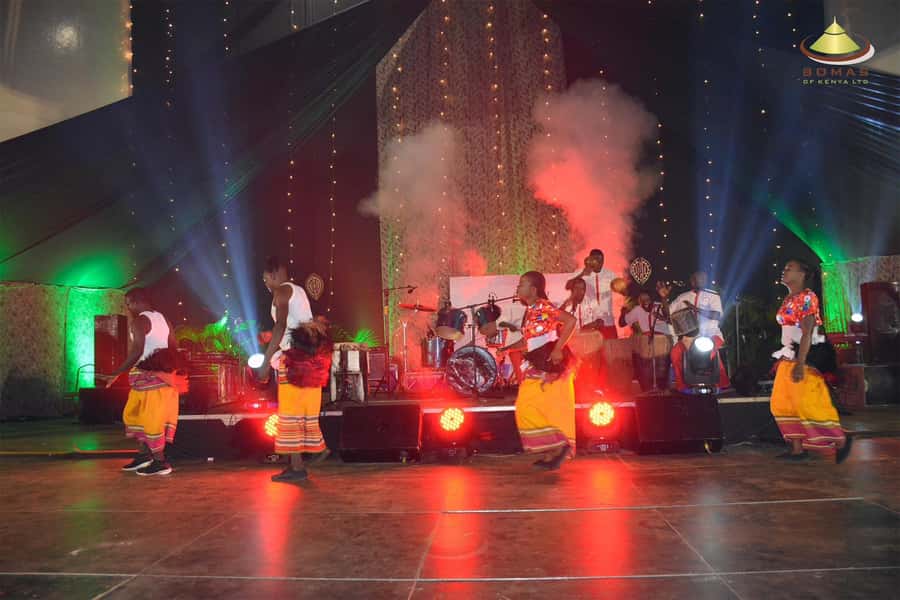
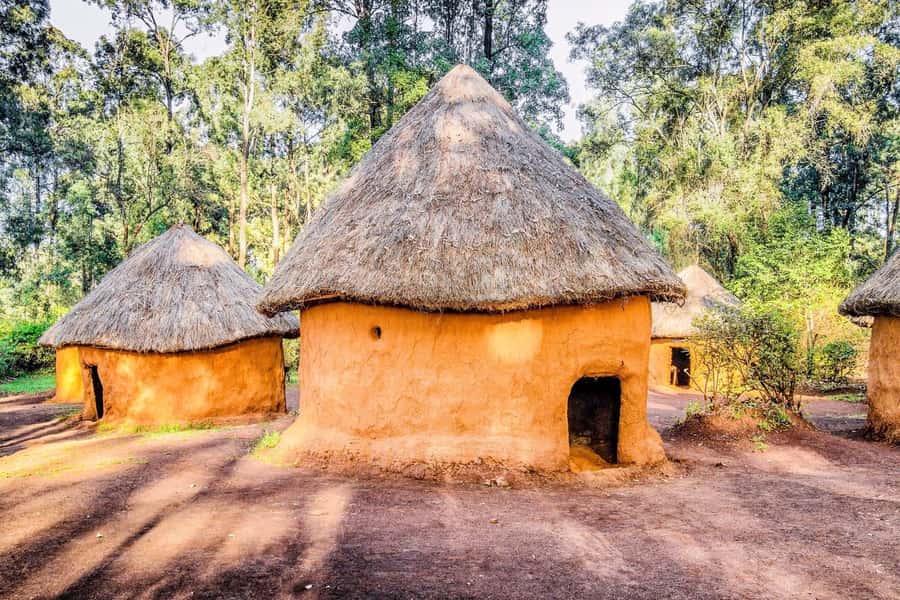
The outdoor homestead area is one of the most useful parts of the visit. Traditional houses are grouped according to region, allowing you to compare building styles rather than seeing one generic version of a Kenyan village.
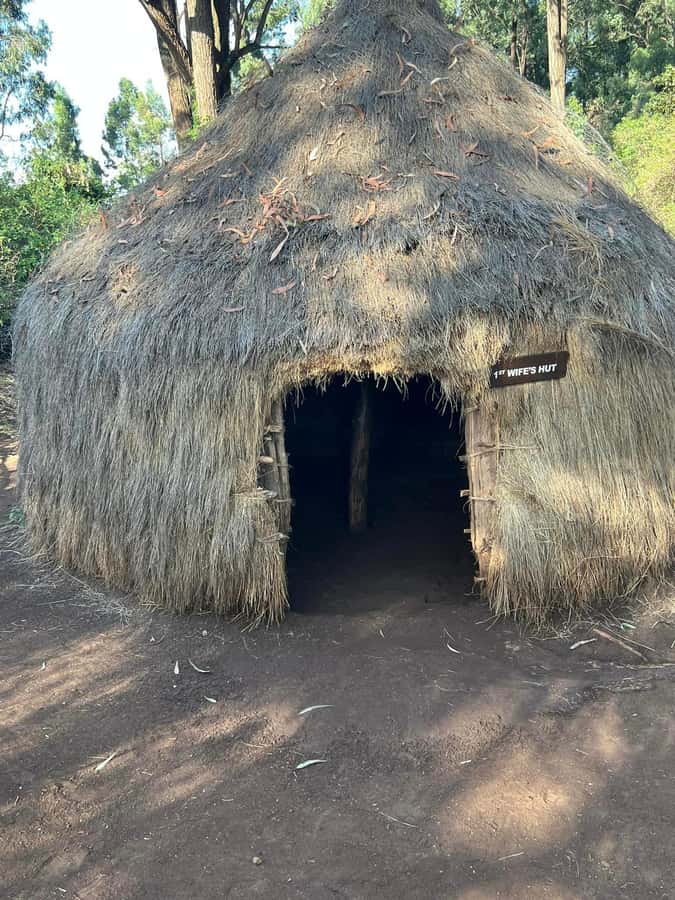
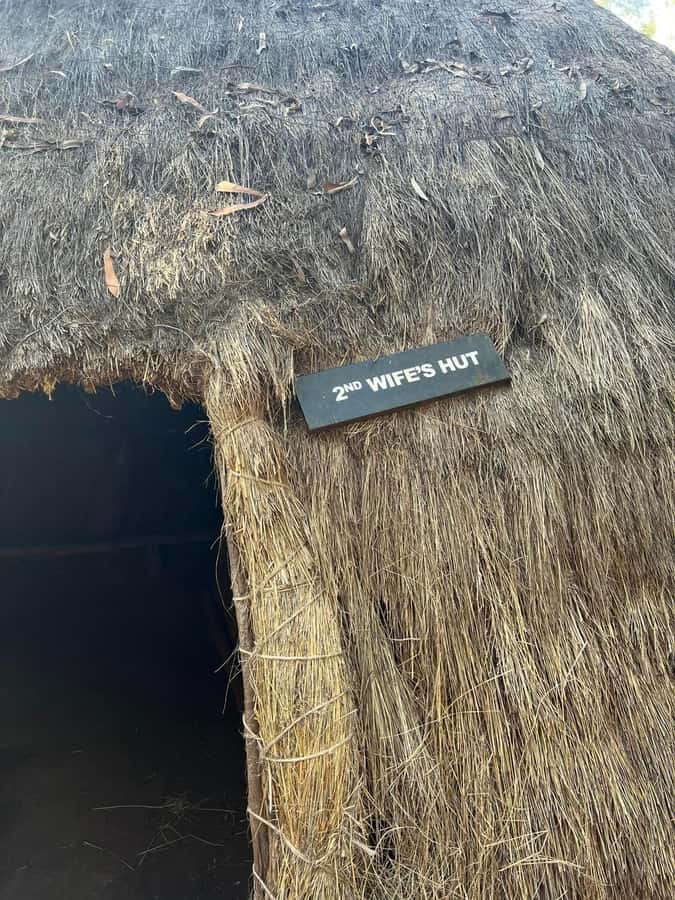
Look for the way each cluster is organized. The displays can include a first wife’s hut, a second wife’s hut, a granary, and areas where livestock are kept. These details show that a homestead was not simply a collection of sleeping rooms. It was a working household with its own family structure, storage needs, animals, and daily routines.
The variety between the huts is the point. Differences in shape, materials, layout, and use help explain how communities adapted their homes to local customs and practical demands.
I find this section valuable because it slows the experience down. A dance performance gives you energy and sound. The homesteads give you time to look closely at how people lived.
You will not get the same feeling as visiting an occupied rural home. These are displays, and their purpose is educational. Even so, they provide a solid visual introduction, especially if you have not yet visited areas outside Nairobi.
Take your time here rather than treating the huts as a quick photo stop. Notice the separation of household spaces, storage buildings, and livestock areas. Those small features often tell you more than a broad description of tradition.
The arena performance: dance, song, and folklore
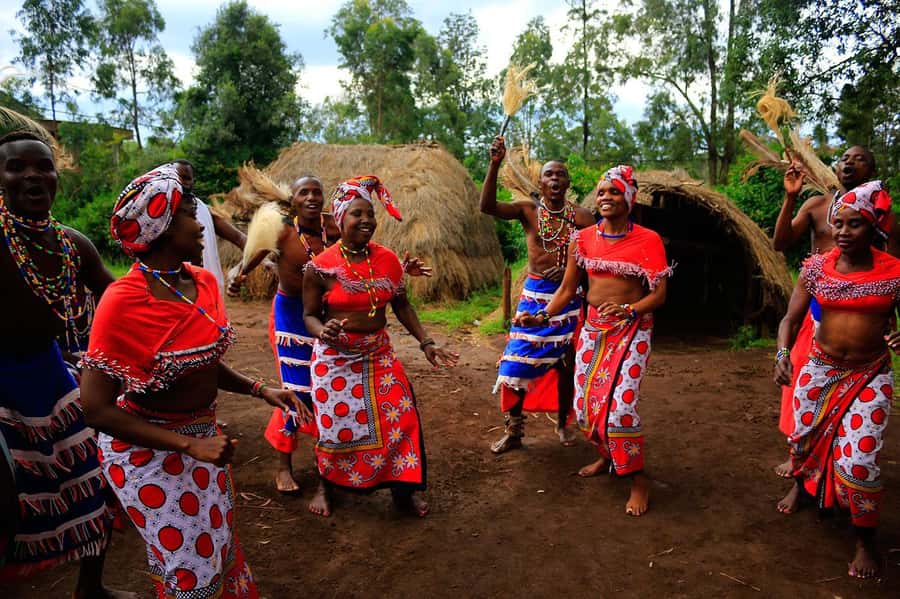
The performance is the central attraction. In the arena, you can expect traditional dances, music, songs, and folklore presented for an audience.
The format makes the cultural material easy to follow. You do not need specialist background to enjoy the rhythm, costumes, movement, or storytelling. The performance gives you a direct sense of how music and dance can carry community identity from one generation to the next.
The strongest appeal is variety. You are not watching one dance repeated for the entire afternoon. The program is intended to represent different Kenyan communities, so the sound and movement change as the show progresses.
The scale may not suit everyone. A staged performance is polished and arranged for visitors, not a spontaneous village celebration. That does not make it worthless, but you should know what you are buying: a cultural presentation in a formal arena.
For many people, that structure is an advantage. It gives you a clear introduction in a short period and avoids the difficulty of trying to locate traditional performances on your own. For others, the staged setting may feel less personal than seeing music at a local ceremony.
I would plan to watch the full performance if you can. The show is the part most closely tied to Bomas’s purpose, and it brings the homestead displays to life by showing the music and movement associated with cultural traditions.
A few more Nairobi days to weigh up
- Nairobi National Park Half-Day Tour; Free Wi-Fi connection
★ 5.0 · 878 reviews - Nairobi: National Park & Optional Elephants & Giraffe Center
★ 4.8 · 874 reviews - NAI NAMI: Nairobi Storytelling Tour with Street Children
★ 5.0 · 792 reviews - Nairobi National Park Half-Day Game Drive
★ 4.5 · 738 reviews
Acrobats add a different kind of energy
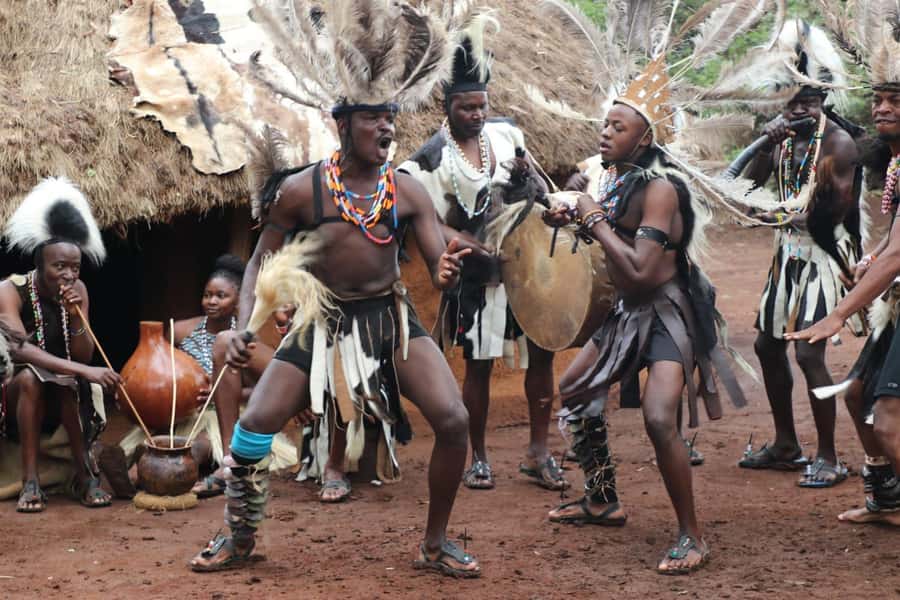
A splendid arena is also used for acrobatic performances. This gives the visit a change of pace after the cultural dance and storytelling sections.
The acrobatics are described as thrilling, but the available information does not give a detailed program or exact length. You can therefore expect a separate entertainment element without assuming a particular act or schedule.
This part may be especially useful for families. Younger children may not follow every explanation about ethnic groups or household organization, but they can respond to music, movement, and acrobatics.
The acrobatic show also helps the overall visit feel varied. Bomas is not only a museum-style walk through buildings. It combines outdoor displays with a live arena program, which makes the afternoon easier to enjoy as a shared family outing.
Craft shops and the children’s play area
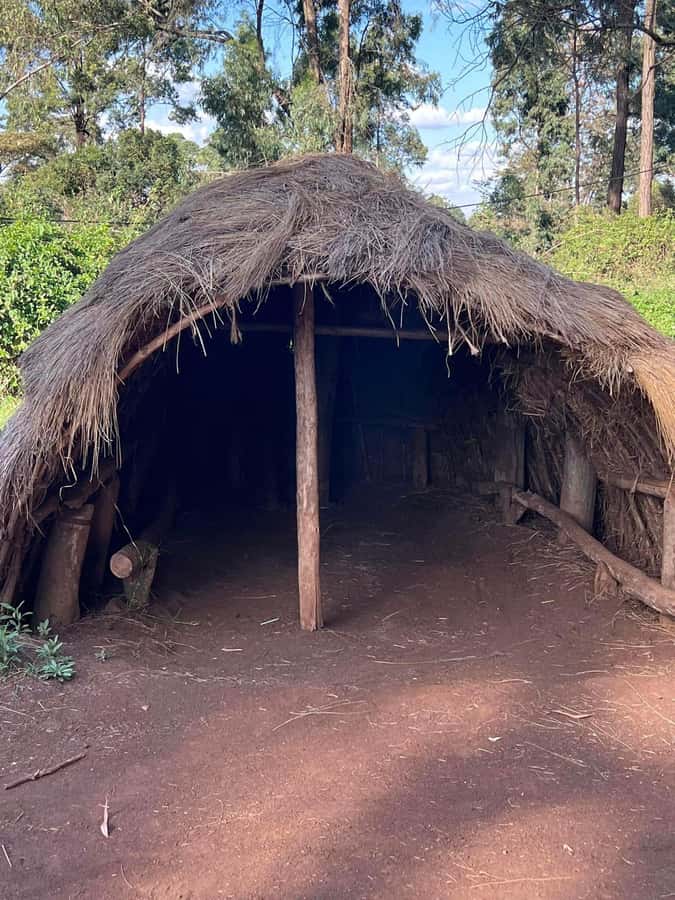
Beyond the main displays, Bomas includes a small, low-key village of craft shops and other attractions. These shops give you time to browse after the formal show.
Do not expect a major shopping district. The information describes a small craft area, so it is better viewed as an extra stop than the main reason to visit. Souvenir photos are also available for purchase, but they are not included in the tour price.
Families should note the large wooden play area for young children. This is a practical feature if you are visiting with children who need a break from the performance or walking route.
Food and drinks are not included. Lunch is also excluded, and the tour begins at 1pm, so plan around your appetite. Alcoholic drinks may be purchased, but they are not part of the package.
Because no meal is included, check your schedule before leaving your hotel. A hungry child can have a strong opinion about cultural heritage, usually at full volume.
Is $62 a fair price?
The listed cost is $62 per person. That is not a small admission fee, particularly when one customer reported that the direct entrance price was around $20.
The package does include several practical services: hotel pickup, return transport, an English-speaking professional guide, admission, and access to the cultural displays and performances. If you are staying in Nairobi and want someone else to manage the route, the difference may be acceptable.
I would compare the price against your group size and comfort with independent transport. For one person or a couple, paying for convenience can be reasonable. For a larger family, the total rises quickly, and a direct visit may be worth investigating.
The most important value question is not only cost. It is reliability. A recent customer reported that Bomas of Kenya was closed for renovation and that the promised visit was replaced by a one-hour show in a small tent at another location. That person also reported being transported in a non-air-conditioned vehicle.
Since the tour description specifically promises Bomas of Kenya, this is a serious concern. Before booking, confirm that the center is open, the advertised arena program is running, and the transport will take you to the stated venue.
That check is especially important because the overall rating supplied for the experience is 3 out of 5 from five ratings. The experience has produced both very positive feedback about the guide and flexibility and a serious complaint about venue substitution and transport.
Who will get the most from this afternoon?
I would recommend Bomas to you if you want a broad introduction to Kenyan culture without leaving Nairobi. It fits a first visit, a short stay, or a day when you want a structured cultural activity rather than a wildlife outing.
It also suits families. The dance program, acrobatics, outdoor homes, craft area, and children’s play space offer more variety than a quiet museum visit.
You may also like it if you enjoy comparing architecture and social customs. The regional clusters let you see how homes were organized and how practical features such as granaries and livestock areas fitted into daily life.
I would be more cautious if you want a small, intimate experience led by a specialist focused on one community. Bomas presents many groups in a single visit, so the treatment is broad. You may also prefer independent travel if saving money matters more than hotel pickup and a guide.
The experience is less suitable if you are expecting a meal, luxury transport, or a long private tour. Food and drinks are excluded, and the information does not promise an air-conditioned vehicle or a private group.
Practical details that affect your afternoon
The tour language is English. Pickup and drop-off at your Nairobi hotel or accommodation are included, along with admission to Bomas of Kenya.
The stated start time is 1pm. No exact end time is supplied, so avoid scheduling an important evening activity too closely afterward.
Alcoholic drinks, food, lunch, drinks, and souvenir photos cost extra. The craft area is available for browsing, but purchases are not included.
You can reserve now and pay later, which keeps your plans flexible. Cancellation is allowed up to 24 hours before the experience for a full refund.
Most importantly, verify the operating status before committing. The renovation report may have reflected a temporary closure, but the tour must be able to provide the advertised Bomas visit on your date.
Should you book Bomas of Kenya?
Book it if you want a convenient Nairobi introduction to Kenya’s cultural groups, with traditional dance, music, folklore, homesteads, and acrobatics in one afternoon. The combination of live performance and regional household displays is the real strength.
I would book only after confirming that Bomas of Kenya is open and that the program will take place at the advertised site. At $62, the tour needs to deliver more than a substitute show in a small tent.
If the center is operating normally and you value hotel transport and an English-speaking guide, the package can be worthwhile. If the venue remains uncertain or you are focused on price, compare the direct entrance cost and arrange your own ride.
FAQ
Where is Bomas of Kenya located?
Bomas of Kenya is in central Kenya, in the Nairobi area.
What time does the tour start?
Pickup from your Nairobi hotel or accommodation starts at 1pm.
Is hotel pickup included?
Yes. Pickup from your Nairobi accommodation and drop-off back there are included.
Is admission to Bomas of Kenya included?
Yes. Entry and admission to Bomas of Kenya are included in the experience.
What language is the tour offered in?
The tour is offered in English, with professional English-speaking guides.
What will I see during the visit?
You can see traditional dances, music, songs, folklore, acrobatic performances, traditional homesteads, huts, granaries, livestock areas, craft shops, and a children’s wooden play area.
How many ethnic groups does the experience cover?
The presentation introduces the cultural heritage of Kenya’s 42 ethnic groups.
Is lunch included?
No. Lunch, food, and drinks are not included.
Are alcoholic drinks available?
Alcoholic drinks are available to purchase, but they are not included in the price.
Can I cancel the booking?
Yes. You can cancel up to 24 hours in advance for a full refund.
Recently added around Nairobi
- Nairobi; City Walk Tour★ 4.5 · 3 reviews
- 2 Days Amboseli National Park Safari★ 3.5 · 3 reviews
- Private 3-Day Masai Mara Safari Adventure★ 5.0 · 3 reviews
- Kenya safari★ 5.0 · 3 reviews
- Full Day, Small Group Guided Tour to Amboseli National Park★ 4.5 · 3 reviews
- 11-Days Best of Kenya & Tanzania Big 5 Safari on a 4×4 Jeep★ 5.0 · 3 reviews
- 10-Days Explore Kenya Wildlife Private Safari★ 5.0 · 3 reviews
- Nairobi: Giraffe Center, Beads Factory & Bomas of Kenya Tour★ 4.5 · 3 reviews
Nairobi Tours, compared.

Nairobi National Park Half-Day Tour; Free Wi-Fi connection
Read our review →
National Park & Optional Elephants & Giraffe Center
Read our review →
NAI NAMI: Nairobi Storytelling Tour with Street Children
Read our review →




Elephant Orphanage and Giraffe Center Tour with Options
Read our review →Browse the lists this tour appears in