
Reviewed · NAIROBI TOURS
Nairobi: Hidden Gems and Local Secret Guided Walking Tour
Nairobi’s story comes into focus on foot, from grand hotels and government buildings to City Market, matatu stages, old libraries, and working streets. This 150-minute tour gives you a fast look at how the capital grew from its early days through independence and into the modern city.
I like the mix of major sights and everyday places, especially McMillan Memorial Library and the market stops. Guides including Williams, Daniel, Ibrahim, and Ezequiel have been praised for clear storytelling, with Ezequiel offering fluent Spanish. The main caution is pace: 150 minutes covers a lot, so some stops are brief and the walk may feel crowded or hectic.
Key points to know before you book

- McMillan Memorial Library brings Nairobi’s older civic story to life, with time for a visit and views along the route.
- The route mixes landmarks with daily city life, including City Market, Maasai Market, Jamia Mosque, and the matatu stage at Nyamakima.
- Guides explain history, culture, traditions, and current affairs, rather than simply pointing out buildings.
- Gikomba and Muthurwa add a more local side of Nairobi, though you should confirm the exact market stops when booking because the detailed stop list centers on the CBD.
- The $27 price is strong value if you want a guided introduction to central Nairobi without paying for a full-day excursion.
- Comfortable shoes, water, and sun protection matter, since transport to the meeting point and food are not included.
Why this Nairobi walk works well

Many city tours stay with postcard sights. This one tries to show how Nairobi actually functions. You move between hotels, offices, churches, markets, transport points, and public spaces. That contrast is useful because the city is not just a collection of official landmarks.
The guide provides the thread tying it all together. You hear about Nairobi before colonial rule, the colonial period, independence, the city’s population, and the different cultures and traditions found in Kenya. You also have room to ask questions, which makes the walk more useful than a fixed audio guide.
At $27 per person, I see this as a practical first-day activity. It costs less than many private sightseeing outings, yet gives you a local introduction and a list of places to revisit. The 150-minute length also works well if you have an afternoon before a flight or want a short orientation at the start of a stay.
The tradeoff is that this is a city walk, not a relaxed heritage stroll. Nairobi’s central streets can be busy, and several stops last only five or ten minutes. You will see many places, but you will not have time for long museum visits or extended shopping.
More Walking Tours in Nairobi
- Nairobi: Historic and Modern Highlights Walking Tour
★ 4.8 · 703 reviews - Nairobi Historical Walking City Tour
★ 5.0 · 258 reviews - Nairobi Downtown Walking Tour
★ 4.7 · 208 reviews
Starting in the CBD at Hilton
The meeting point is at City Walk Kenya LTD near Hilton, unless you arrange one of the stated pickup options in Nairobi, Embakasi, Parklands, Westlands, or Kilimani. For a hotel pickup, you are expected to wait at the entrance or agreed meeting area.
The pickup details matter. You are given the vehicle plate and color, and the driver introduces himself along with the lead guide. Transportation to the starting point is not included, so check the meeting instructions carefully instead of assuming the tour begins at your hotel.
The walk starts with a short five-minute safety briefing. That is useful in a busy central district, particularly if you are unfamiliar with Nairobi’s traffic and crowds. Wear shoes you can walk in for more than two hours, and carry water. Sun protection is also sensible.
Nation Centre and the grand hotels

Nation Centre is the first sightseeing stop, with about ten minutes to look around. It provides an early sense of Nairobi as a national business and media center.
The route then passes Sarova Stanley, a five-star hotel, for a short visit and sightseeing stop. The hotel offers a look at the formal side of Nairobi, where historic hospitality and modern business meet. You should expect a quick exterior or public-area visit rather than a long hotel tour.
These first stops help set up the contrast that continues through the day. Nairobi can shift quickly from polished commercial buildings to crowded markets and public transport hubs.
McMillan Memorial Library and Nairobi’s older civic story
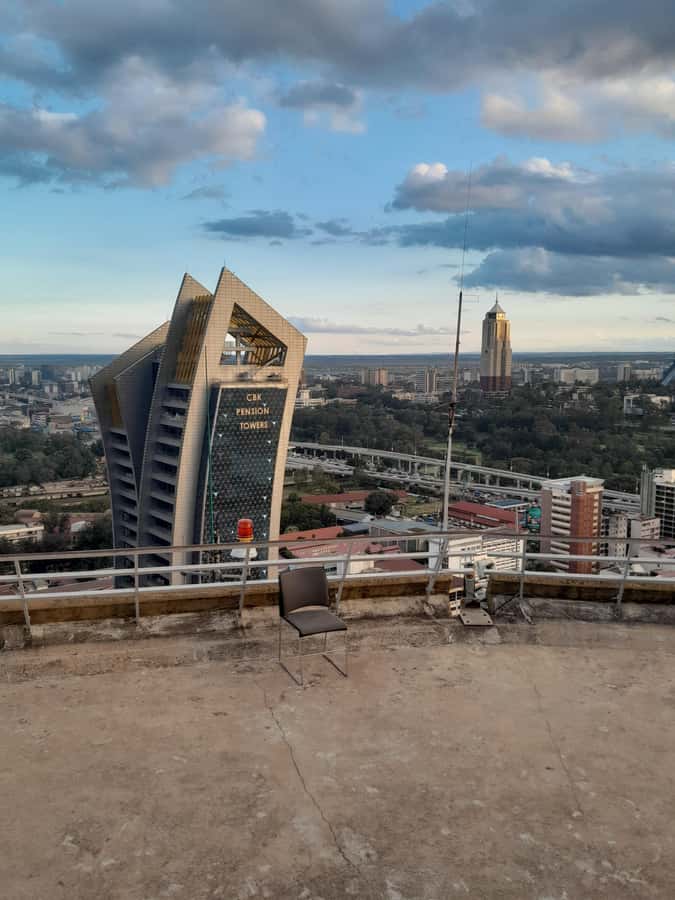
McMillan Memorial Library receives about fifteen minutes, including a visit and scenic views along the way. I consider this one of the most worthwhile stops because it gives the walk a stronger sense of age and continuity.
Libraries are easy to overlook when you plan a city tour, but this one helps explain Nairobi’s civic development. Your guide can place the building within the city’s wider story, including the changes from pre-colonial times to the colonial period and later independence.
Do not expect a long indoor study visit. Fifteen minutes is enough for an introduction, a few photographs, and a better appreciation of the building, but not a detailed architectural tour.
A different kind of day from the same base:
- Nairobi National Park Half-Day Tour; Free Wi-Fi connection
★ 5.0 · 878 reviews - Nairobi: National Park & Optional Elephants & Giraffe Center
★ 4.8 · 874 reviews - NAI NAMI: Nairobi Storytelling Tour with Street Children
★ 5.0 · 792 reviews - Nairobi National Park Half-Day Game Drive
★ 4.5 · 738 reviews
Nyayo House and the Governor’s Office

Nyayo House follows with around ten minutes of sightseeing. It is a significant government building with historical associations, and the guide uses it to explain more about the country’s political past and present.
The Nairobi Governor’s Office is a ten-minute stop for photographs and a visit. These places can seem formal at first, but they become more interesting when your guide explains what they represent in the city’s administration.
This is where the quality of the guide matters most. Daniel has been singled out for explaining Nairobi’s history and current affairs in a clear, engaging way. Ibrahim has also been praised for helping visitors understand Kenyan culture and traditions. The experience depends less on spending long periods at each building and more on the stories shared during the walk.
Holy Family Basilica and KICC

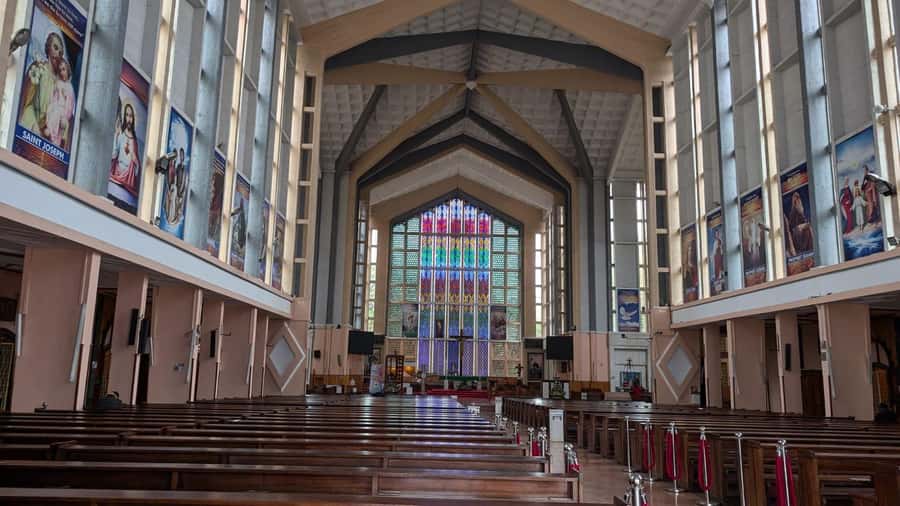
Holy Family Basilica is allotted about fifteen minutes for a visit and photographs. It brings a religious landmark into a route that otherwise focuses heavily on government, commerce, and transport.
The basilica also helps show the variety of institutions that shape Nairobi’s public life. You are not simply moving from one sightseeing photo stop to another. You are seeing how faith, politics, business, and local commerce sit close together in the central district.
Kenyatta International Convention Centre, usually known as KICC, is another major photo stop. Its distinctive tower is one of Nairobi’s best-known city symbols. The tour includes a visit and sightseeing, but the available details do not promise a long interior or rooftop visit, so you should treat it mainly as a landmark stop.
Parliament, Kipande House, and the GPO

The Kenya Parliament Building receives about fifteen minutes. This is one of the route’s central political stops, giving your guide a chance to discuss Kenya’s government and the country’s path after independence.
Photography rules can vary around government buildings, so follow your guide’s instructions. The point is not simply to take a picture. It is to understand how the buildings relate to Kenya’s public life.
Kipande House gets about ten minutes of sightseeing. Its name connects with an important part of the country’s colonial-era history, and the guide can explain why the building matters.
The route then reaches the Smoking Zone and the post office GPO branch, each for about five minutes. These may sound less grand than Parliament or KICC, but they are useful reminders that a city tour should include ordinary working places. The GPO stop connects the route with Nairobi’s commercial and communication history, while the Smoking Zone offers a quick look at how public space is used in the CBD.
Maasai Market, Jamia Mosque, and City Market
The Maasai Market is a shopping stop. If you want souvenirs, this is a good point to ask your guide about prices, local crafts, and respectful buying. The available details do not promise a specific amount of shopping time, so keep your expectations modest.
Jamia Mosque is a ten-minute photo and sightseeing stop. It adds another religious and cultural dimension to the walk and helps you see the range of communities represented in central Nairobi.
City Market receives around fifteen minutes for a visit, shopping, photographs, and walking. This is one of the more active parts of the route. You can expect a working market atmosphere rather than a quiet heritage site, with a chance to see how food, goods, and social exchange shape everyday Nairobi.
I like that the route finishes among markets instead of ending only at government buildings. It leaves you with a more useful impression of the city, and you may want to return later with more time.
Gikomba, Muthurwa, and the local side of Nairobi

The broader experience description also includes Gikomba Market, Muthurwa Market, Nyamakima Matatu Stage, the Nairobi Railway Museum, Electricity House, and Jivanjee Garden. These places give the tour its strongest local character.
Gikomba is described as the largest second-hand clothing market. Muthurwa is a grocery hub, while Nyamakima offers a chance to see Nairobi’s matatu culture at close range. These are not polished attractions, and that is precisely why they can teach you more about daily life than a row of monuments.
There is a practical point here: the detailed sequence of timed stops lists the CBD landmarks through City Market, while the broader route description names Gikomba, Muthurwa, and the other sites. Since 150 minutes is a short window for such a large collection of places, ask for the exact route on your booking day. You may find that the guide adapts the walk to the group, traffic, and meeting arrangement.
If market activity is your main reason for booking, confirm how much time will be spent at those markets. A quick pass gives you a taste, but it is not the same as a dedicated market tour.
What the guides add to the walk
The most praised part of this experience is the guiding. Williams has been recognized for telling strong stories about Nairobi’s past. Daniel is noted for clear explanations of history, culture, and current affairs. Ibrahim has helped with practical matters as well as the tour itself, including arranging an Uber back to a hotel. Ezequiel has been praised for fluent Spanish and friendly explanations.
The language information is English, Spanish, and Swahili. One Spanish-speaking booking did encounter an English-speaking guide who tried to make the tour work, so I would confirm your requested language in advance rather than relying only on the booking selection.
The subject matter is broad. You learn about Nairobi’s population, its different cultural backgrounds, and local traditions. The guides also answer questions, which is especially helpful if you want context about modern Kenya rather than only colonial-era facts.
One piece of practical feedback deserves attention. A Swedish-speaking visitor found repeated approaches from children asking for money distracting and appreciated the guide’s effort to manage the situation. This is a reminder that city walks can include uncomfortable moments. A good guide can help you keep moving and focus on the explanation, but the setting is still a busy urban one.
Price, pace, and what your $27 buys
At $27, the tour offers good value for a short introduction to central Nairobi. The price includes an experienced guide, visits to major landmarks, and explanations of Nairobi’s history and culture. It does not include transport to the start, meals, or drinks.
I would compare it with the cost of arranging several short taxi rides and trying to understand the city without context. The guide’s local knowledge is the main value, especially when you have limited time. If you want a slow photography session, extensive shopping, or a full visit to a museum, the price will not solve the time problem.
The 150-minute duration is both a strength and a limit. It fits neatly into a free afternoon and can work before a flight, as one visitor used it. But the route contains many stops, so expect a brisk pace and short visits. Bring water and avoid scheduling a demanding activity immediately afterward.
The activity is wheelchair accessible, according to the supplied details. Because this is a walking route through central streets and markets, you should still ask about the exact route and surface conditions when arranging the tour.
Who should book this Nairobi walking tour?
I would recommend it to a first-time visitor who wants a quick introduction before exploring independently. It also suits anyone with a spare afternoon, a short Nairobi stay, or an interest in connecting landmarks with daily city life.
You will get the most from it if you enjoy asking questions and listening to explanations while walking. The tour is also a good match for people who want more than hotel districts and formal monuments.
I would choose something else if your priority is a long visit to Gikomba, detailed museum time, or an unhurried food experience. You should also think carefully about the walking pace if you dislike crowds, sun, or frequent stops in busy streets.
Should you book it?
Book this tour if you want a compact, guide-led introduction to Nairobi with strong coverage of history, government, religion, markets, and local customs. The $27 price is fair, and the guides named in the feedback, especially Williams, Daniel, Ibrahim, and Ezequiel, add real value through stories and practical help.
Before paying, confirm your language, pickup point, and whether Gikomba, Muthurwa, the Railway Museum, and the other additional sites are included in your chosen route. If those details match your interests, this is a useful way to get your bearings and see more than the standard postcard version of Nairobi.
FAQ
How long does the Nairobi walking tour last?
The tour lasts 150 minutes, or two and a half hours.
How much does the tour cost?
The listed price is $27 per person.
Where can pickup be arranged?
The stated pickup options are Nairobi, Embakasi, Parklands, Westlands, and Kilimani. You should wait at the entrance of your hotel or at the agreed meeting area.
Is transport to the starting point included?
No. Transportation to and from the starting point is not included.
Which languages are available?
The tour is offered in English, Spanish, and Swahili.
Is the tour wheelchair accessible?
Yes. The activity is described as wheelchair accessible.
Which major Nairobi landmarks are included?
The route includes McMillan Memorial Library, Nyayo House, the Nairobi Governor’s Office, Holy Family Basilica, KICC, the Kenya Parliament Building, Kipande House, Jamia Mosque, and City Market.
Does the tour visit Nairobi markets?
Yes. The route includes Maasai Market and City Market. The wider tour description also names Gikomba Market and Muthurwa Market, so confirm the exact market stops when booking.
Are meals and drinks included?
No. Meals and drinks are not included. Bring your own water.
Can I cancel the booking?
Yes. You can cancel up to 24 hours in advance for a full refund. A reserve-now-and-pay-later option is also available.
Recently added around Nairobi
- Nairobi; City Walk Tour★ 4.5 · 3 reviews
- 2 Days Amboseli National Park Safari★ 3.5 · 3 reviews
- Private 3-Day Masai Mara Safari Adventure★ 5.0 · 3 reviews
- Kenya safari★ 5.0 · 3 reviews
- Full Day, Small Group Guided Tour to Amboseli National Park★ 4.5 · 3 reviews
- 11-Days Best of Kenya & Tanzania Big 5 Safari on a 4×4 Jeep★ 5.0 · 3 reviews
- 10-Days Explore Kenya Wildlife Private Safari★ 5.0 · 3 reviews
- Nairobi: Giraffe Center, Beads Factory & Bomas of Kenya Tour★ 4.5 · 3 reviews
Nairobi Tours, compared.

Nairobi National Park Half-Day Tour; Free Wi-Fi connection
Read our review →
National Park & Optional Elephants & Giraffe Center
Read our review →
NAI NAMI: Nairobi Storytelling Tour with Street Children
Read our review →




Elephant Orphanage and Giraffe Center Tour with Options
Read our review →Browse the lists this tour appears in