
Reviewed · NAIROBI TOURS
Masai Village Cultural Day Tour from Nairobi
The most memorable part of this day is the chance to learn directly from Maasai community members rather than only seeing Kenya through wildlife parks and city streets. You may watch fire-making, learn how women cook and weave jewelry, see goats and other livestock, and hear how daily work is divided within the clan.
I like the personal guide service, especially when the driver adds context during the long road journey. I also like the mix of cultural talk and hands-on moments, from wearing traditional clothing to trying a spear throw. The main caution is cost clarity: the advertised $42 price does not include the village entry fee of $30 for adults or $20 for children and youth, and the size of the village visit can vary.
Key points to know before you go
- A three-hour village visit: Expect a welcome ceremony, guided walk, dancing, family visits, demonstrations, and free time.
- Maasai hosts lead the cultural exchange: You can meet elders and families, visit a traditional manyatta, and ask questions about daily life.
- The $42 price has an extra fee: Pay the village entry charge separately, in Kenyan shillings or US dollars.
- Patrick, Juli, and Erik have hosted guests: Specific guides named in the feedback were praised for their friendly explanations and care on the road.
- Kajiado adds a useful pause: The stop includes lunch, photos, free time, shopping, and a walk, for about 105 minutes.
- Allow a full day: The planned duration is seven to eight hours, but traffic, late pickups, and drop-off order can make the return longer.
What this Maasai village day is really about
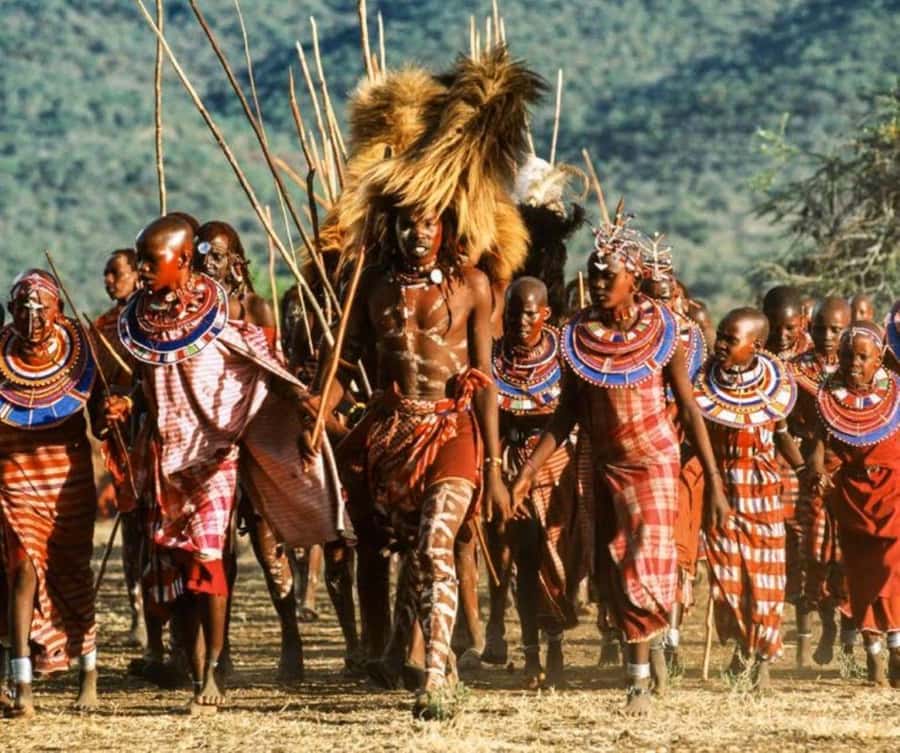
Kenya is famous for its animals and open country, but the story of its people deserves equal time. This tour gives you a direct look at Maasai customs, family life, work, dress, music, and traditional skills during a private or small-group outing from Nairobi.
The experience is not a museum display. You visit a living community and meet people who explain parts of their culture in person. That gives the day more meaning than a quick photo stop, though it also means you should arrive with patience and respect. Daily life continues even when visitors are present, and not every member of the community will necessarily be there.
The tour is listed at $42 per person, a low starting price for a full day with Nairobi pickup, an air-conditioned vehicle, an English-speaking guide and driver, bottled water, the village visit, and the performance. Add the separate village fee of $30 for an adult or $20 for a child or youth, plus lunch, drinks, crafts, and personal purchases.
One booking account described paying $120 plus the entry fee, so confirm the exact price for your date, group type, and booking arrangement before you commit. The important point is simple: the advertised tour price is not the final cost for an adult.
More Maasai Village Visits in Nairobi:
- Nairobi: Day Tour to Amboseli National Park & Maasai Village
★ 4.5 · 310 reviews - Masai village Day Tour Experience
★ 5.0 · 284 reviews - Maasai Village Experience Day Tour
★ 5.0 · 72 reviews
Leaving Nairobi for Kajiado
Pickup is available from two Nairobi locations, with return to two Nairobi drop-off locations. Your guide and driver handle the road journey, which is useful in a city where traffic can stretch a short route into a slow one.
The ride is part of the education. Guides have provided information about Nairobi, Kenya, and Maasai culture before reaching the village, so you can arrive with some background rather than starting cold. Patrick was praised for calmly dealing with heavy traffic, unpredictable drivers, cows crossing the road, and fallen trees. That sort of road skill matters on a long day outside the city.
The vehicle is air-conditioned, and bottled water is included. Still, keep your schedule loose. One outing began around 6 a.m. and returned after 3 p.m. because of a late pickup, delays during the visit, and the order of passenger drop-offs. If you have an evening flight or another fixed booking, leave a generous buffer.
The tour is intended to last seven to eight hours. The planned cultural visit takes about three hours, followed by roughly 105 minutes in Kajiado. Road conditions and city traffic determine how closely the day follows that timetable.
Meeting the Maasai community
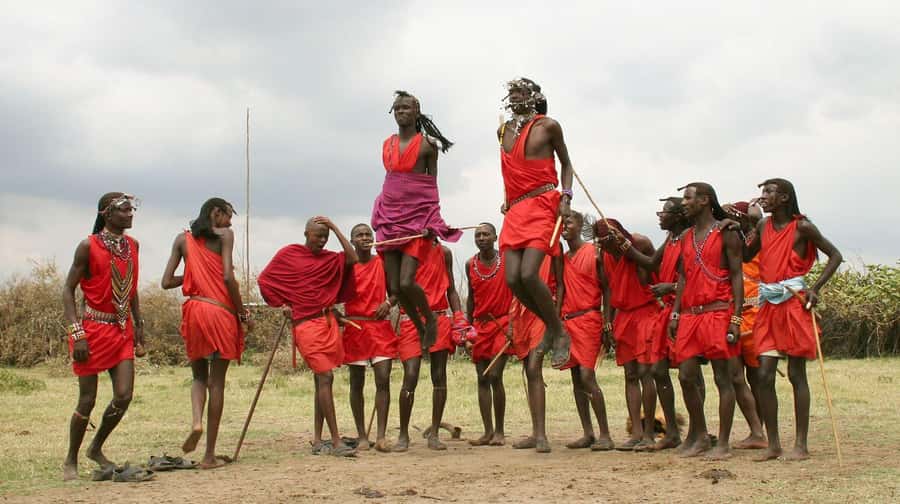
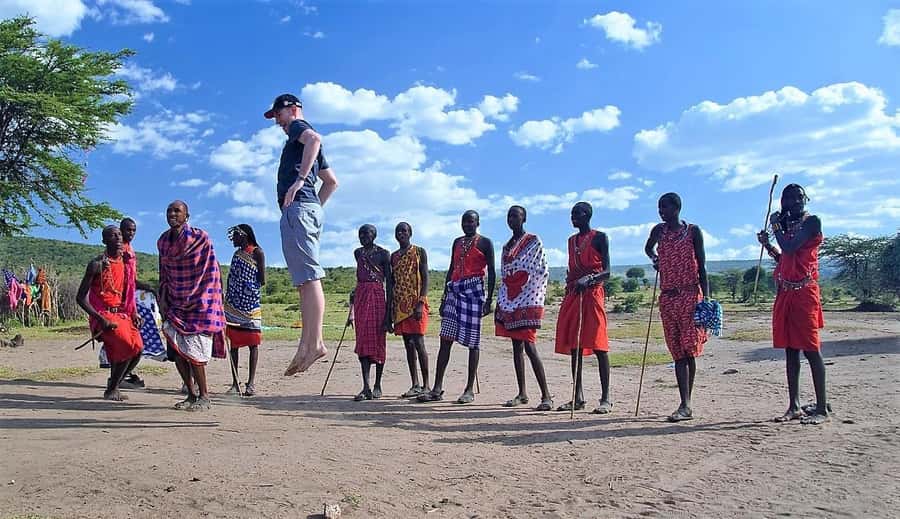
The village portion begins with a welcome by Maasai warriors and a safety briefing. A traditional dance and music performance follows, giving you an immediate sense of the community’s public customs and ceremonial style.
The tone is active rather than purely observational. You may be dressed in traditional Maasai clothing, shown how a spear is used, and invited to take part in demonstrations. One especially memorable activity described by a participant was getting to throw a traditional spear. These moments help you understand the physical side of Maasai life, though you should follow instructions carefully and treat clothing and equipment respectfully.
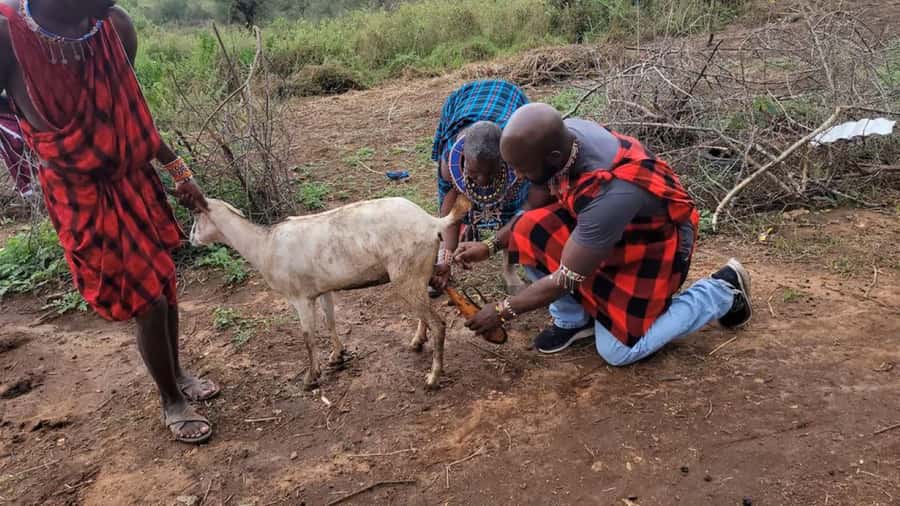
You then walk through the community and visit a traditional manyatta, the Maasai homestead. The tour explains how homes and family spaces are arranged, how livestock fit into daily life, and which tasks are commonly handled by men and women. You may see goats and other livestock as part of this explanation.
The tour also covers practical skills. Women may show you how food is prepared and cooked, how goats are milked, and how necklaces and wristbands are woven. Fire-making is another listed demonstration. These details are valuable because they move the conversation from broad statements about culture to ordinary tasks that shape the day.
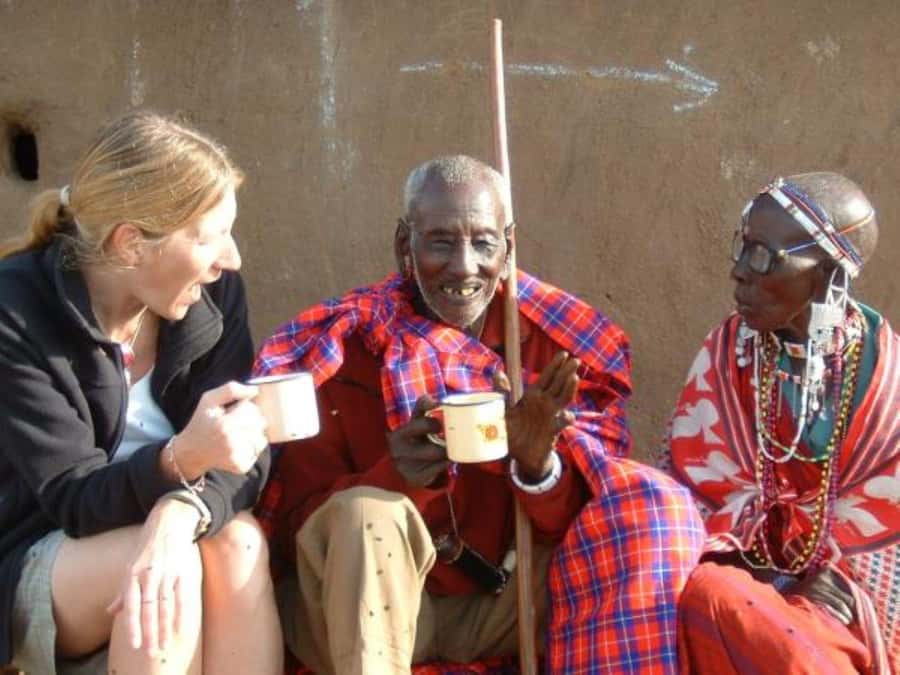
Expect time to ask questions and speak with families and elders. The guide can help fill in context, while a community member explains traditions from personal experience. Erik, Juli, and Patrick were each praised for adding useful information and helping make those conversations easier to follow.
What you may and may not see
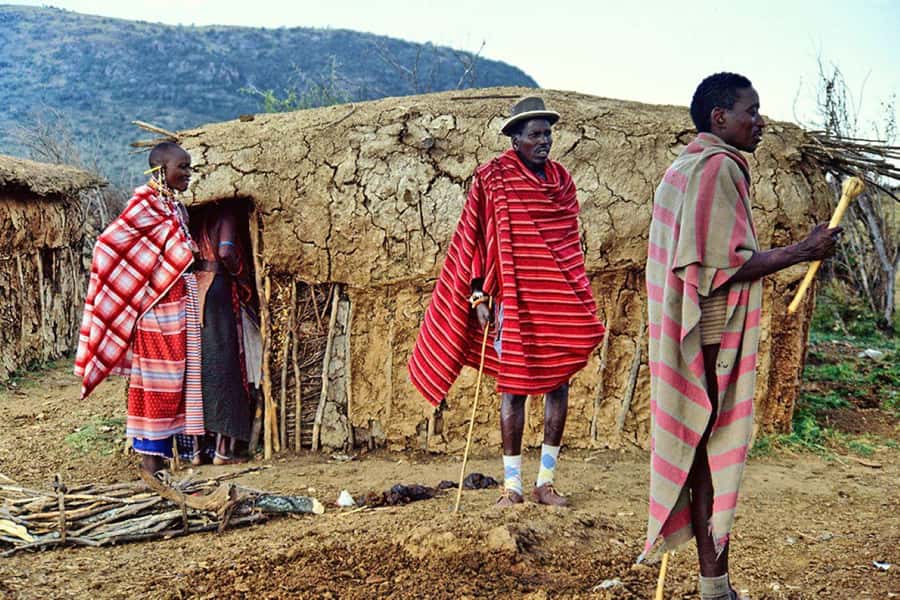
The word village can create a large expectation. You may picture a whole community gathered for your arrival, but that is not guaranteed. One visit included three male community members and five older women, while younger Maasai were away herding cattle and children were at school.
That smaller group did not erase the value of the visit, but it did change the scale of the experience. You are receiving a focused cultural exchange, not a staged picture of every generation living together in one place. If meeting children or seeing a large number of residents is essential to your plans, ask the provider what is expected on your date.
This is also a good reason to think carefully about the word authentic. The tour includes real homes, community members, work demonstrations, and customs preserved over many years. It is also arranged for visitors, with a welcome, dancing, traditional dress, and a handicraft market. Both facts can be true at once.
I would approach the day as a paid cultural exchange. Listen first, ask polite questions, request permission before taking close-up photos, and remember that the people you meet are hosts, not scenery.
More day trips out of Nairobi:
- 1 Day trip to Hells Gate and Lake Naivasha From Nairobi
★ 5.0 · 332 reviews - Half-Day Nairobi National Park Safari from Nairobi with Free Pickup
★ 4.5 · 264 reviews - From Nairobi: Elephant Orphanage and Giraffe Center Day Trip
★ 4.5 · 235 reviews - 3 Days Gamedrive Safari In Masai Mara From Nairobi
★ 5.0 · 207 reviews
Music, dress, and demonstrations
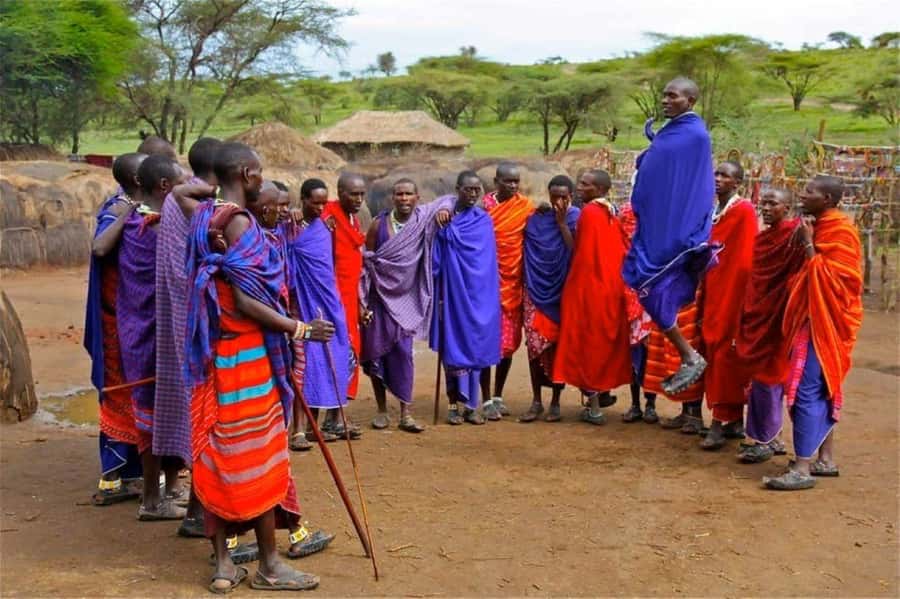
The dancing is one of the clearest highlights. Traditional songs and movement give the visit energy, but they also carry social meaning that a guide or community member can explain. You will have time for a performance rather than only a brief greeting at the roadside.
Traditional dress adds a playful, visual element. You may be invited to put on Maasai clothing, and this can help you understand how color, jewelry, and presentation form part of public identity. Take it as a guided cultural activity, not a costume photo opportunity detached from the people explaining it.
The demonstrations are strongest when you stay curious about the work behind them. Ask how the food is prepared, how the jewelry is made, who does each task, and how daily routines are changing. The tour includes a chance to learn how Maasai culture is adapting to new ways of life, an important point for anyone who wants more than a frozen image of tradition.
The guide can clarify details, but the community members should remain the main source for their own customs. That balance makes the visit more respectful and more useful.
Handicrafts, shopping, and the Kajiado stop
The community handicraft market gives you time to look at necklaces, wristbands, and other handmade items. Shopping is optional, and personal purchases are not included in the tour price.
Set your spending limit before you arrive. One account described the souvenirs as overpriced, so compare items carefully and buy only what you genuinely want. Your purchase can support the community, but you should not feel pressured to turn the cultural visit into a shopping trip.
After the village, the route includes a stop in Kajiado County for about 105 minutes. This section allows time for a meal, photographs, a walk, shopping, free time, and possible hotel or resort activities. The exact balance may depend on the day, so think of it as a practical break after the village rather than a second full attraction.
Lunch and drinks are not included unless specifically stated at booking. Bring extra money for food, refreshments, crafts, donations, and any activity not listed among the inclusions.
Guides, groups, and the road home
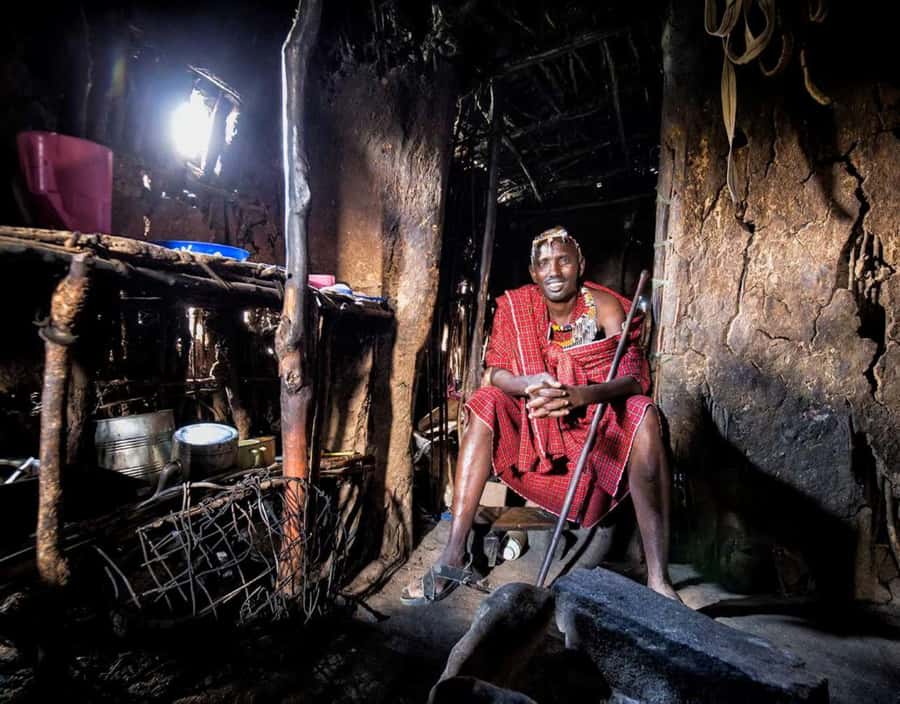
The guide is important here because the cultural material can be broad. A good guide connects what you see at the manyatta with the stories shared by the community, then gives you space to listen.
Patrick received praise for being friendly, calm, and informative during a difficult drive. Juli was described as adding useful detail and making the day easy to manage. Erik was praised for explaining Maasai life on the route and helping clarify points during the chief’s presentation. Guide assignments can change, so treat these names as examples rather than a promise.
Private and small-group formats are available. A private group should give you more room for questions and a pace that fits your party, while a shared outing may cost less but can involve waiting for other people. One serious timing problem came from waiting 40 minutes for late passengers, so group discipline affects the whole day.
The return drive is the part most likely to test your patience. Nairobi traffic can be heavy, and the order of hotel drop-offs may not match your preferred route. If you must reach an airport, restaurant, or evening event, do not schedule it tightly after the stated eight-hour limit.
Who will get the most from this tour
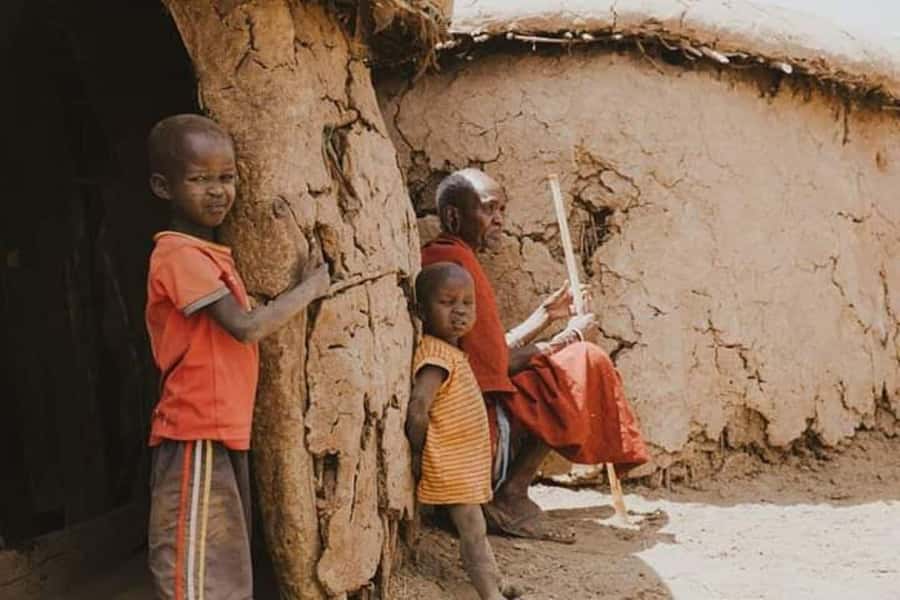
I would choose this outing if you want to understand Kenya through people and daily life, not only through wildlife. It suits first-time visitors who want an accessible cultural introduction, families interested in demonstrations and music, and anyone who values a guide who can explain the country during the drive.
It is also a good fit if you prefer a structured day. Pickup, transport, a guided village visit, a performance, a market, and a Kajiado break are arranged for you. Wheelchair access is listed, which may make the outing practical for some visitors, though you should confirm how the village paths and homestead areas will work for your specific needs.
I would hesitate if you need a tightly timed schedule, dislike shopping pressure, or expect to meet a large cross-section of the community. The entry fee can also make the total cost much higher than the headline price.
Free cancellation up to 24 hours before departure and reserve-now, pay-later booking add useful flexibility. The tour is offered in English, and the activity includes a live English-speaking guide.
Is the $42 tour worth it?
At the advertised $42, the tour offers good value if the inclusions are important to you: hotel pickup and return, air-conditioned transport, a guide, water, a three-hour village program, a manyatta visit, dancing, demonstrations, and time in Kajiado.
The value becomes less clear after adding the $30 adult village fee, lunch, shopping, and possible donations. An adult should budget at least $72 before food and purchases, and possibly more depending on the booking arrangement. Ask for the full per-person total before paying, especially if you are booking a private vehicle.
The cultural content itself is the reason to go. You will learn about cooking, goat milking, jewelry making, livestock, fire-making, work roles, dress, music, and cultural change. Those details give the day substance.
The main risk is not the village program. It is time management. Confirm pickup time, group size, expected return window, entry fee, and drop-off arrangements. If the operator handles those points well, this is a worthwhile addition to a Nairobi stay.
Should you book this Maasai village day?
Book it if you want a direct, guided introduction to Maasai culture and can keep your return plans flexible. The strongest parts are the personal explanations, hands-on demonstrations, traditional music and dance, and the chance to meet families at a manyatta.
Before booking, confirm the extra entry fee and total price, then leave several hours of breathing room after the scheduled return. Go with realistic expectations: this is a community visit arranged for guests, and the number of people you meet may be modest.
For a culture-focused day outside Nairobi, I would recommend it, especially in a private or small group. Just treat the $42 as the starting price, not the complete bill.
FAQ
How long does the Maasai village tour from Nairobi last?
The planned duration is seven to eight hours. The village visit takes about three hours, and the Kajiado stop is scheduled for about 105 minutes, with additional time needed for the drive.
What is included in the tour price?
The tour includes pickup and drop-off at your Nairobi hotel or residence, air-conditioned transport, an English-speaking guide and driver, the guided village visit, a traditional Maasai dance performance, family and elder interactions, a manyatta visit, cultural demonstrations, photographs, and bottled water.
Is the village entry fee included?
No. The village entry fee is separate. It is listed as $30 for adults and $20 for children and youth, payable in Kenyan shillings or US dollars.
Are meals included?
No. Meals and drinks not specifically included are paid for separately. The Kajiado stop includes time for lunch, but the meal itself is not included in the stated tour inclusions.
What language is the tour conducted in?
The live tour guide speaks English, and English is the listed tour language.
Can I book a private group?
Yes. Private and small-group options are available.
Is the tour wheelchair accessible?
Yes. The activity is listed as wheelchair accessible.
Can I cancel the tour for a full refund?
Yes. You can cancel up to 24 hours in advance for a full refund. You can also reserve now and pay later, according to the booking terms provided.
Recently added around Nairobi
- Nairobi; City Walk Tour★ 4.5 · 3 reviews
- Private 3-Day Masai Mara Safari Adventure★ 5.0 · 3 reviews
- Kenya safari★ 5.0 · 3 reviews
- 2 Days Amboseli National Park Safari★ 3.5 · 3 reviews
- 11-Days Best of Kenya & Tanzania Big 5 Safari on a 4×4 Jeep★ 5.0 · 3 reviews
- Full Day, Small Group Guided Tour to Amboseli National Park★ 4.5 · 3 reviews
- 10-Days Explore Kenya Wildlife Private Safari★ 5.0 · 3 reviews
- Nairobi: Giraffe Center, Beads Factory & Bomas of Kenya Tour★ 4.5 · 3 reviews
Nairobi Tours, compared.

Nairobi National Park Half-Day Tour; Free Wi-Fi connection
Read our review →
National Park & Optional Elephants & Giraffe Center
Read our review →
NAI NAMI: Nairobi Storytelling Tour with Street Children
Read our review →




Elephant Orphanage and Giraffe Center Tour with Options
Read our review →Browse the lists this tour appears in