
Reviewed · NAIROBI TOURS
Maasai Village: Cultural Experience of The Maasai Tradition
The most memorable part of this six-hour outing is the chance to try daily Maasai skills yourself. You learn to make fire without matches, cook ugali with local women, shape beadwork, and step inside a manyatta made from mud, sticks, and cow dung. The hands-on work gives the visit more weight than a quick dance stop.
I like the small group limit of 10 and the friendly guiding style associated with Ben and Jen. I also like the way the drive moves from Nairobi’s city streets toward open savanna, with talk about Kenya’s peoples and ecosystems along the way. The main caution is simple: this is not always a large village community. Some visitors find a small family settlement and consider the experience too commercial or expensive, especially after adding the separate $30 admission fee.
Key points to know before you book
- Fire without matches: Try the traditional method yourself, rather than only watching a demonstration.
- Ugali with local women: Cook Kenya’s familiar maize dish and learn how it fits into everyday meals.
- A manyatta visit: Enter a traditional hut and hear how it is built and used by the family.
- Songs and jumping dance: The welcome includes performances by Maasai warriors and women.
- Small-group format: The group is limited to 10, with Nairobi pickup and drop-off included.
- Extra admission cost: The $55 tour price does not include the $30-per-person village entry fee.
From Nairobi streets to open Kenyan scenery
Your day begins with pickup anywhere within Nairobi. After booking, you provide your address and receive a confirmed pickup time and meeting point. That flexibility is useful if you are staying in a hotel, apartment, or another location within the city.
The drive is part of the experience, not just a transfer. You leave urban Kenya behind and pass through changing scenery toward open savanna. The guide provides commentary on Kenya’s cultures and natural areas, which helps put the Maasai visit in a wider setting.
Allow for the fact that the drive takes roughly two hours each way according to the practical experience described by one visitor. That leaves less time on site than the six-hour headline may suggest. Still, the road gives you a useful look at the shift from city life to rural Kenya, and the guide can help you understand what you are seeing.
Bottled water is included, but meals and extra drinks are not. Bring your own water as well, especially if you are sensitive to heat. Comfortable shoes, sunscreen, a sun hat, and a camera belong in your day bag. High heels and bare feet are not suitable.
More Maasai Village Visits in Nairobi:
- Nairobi: Day Tour to Amboseli National Park & Maasai Village
★ 4.5 · 310 reviews - Masai village Day Tour Experience
★ 5.0 · 284 reviews - Maasai Village Experience Day Tour
★ 5.0 · 72 reviews
Meeting the Maasai through song and movement
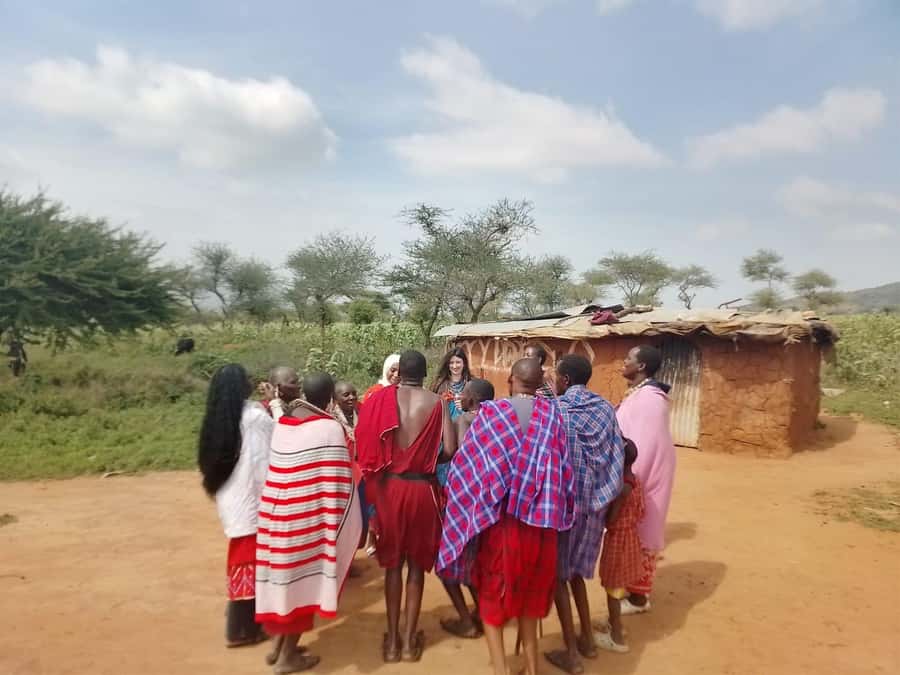
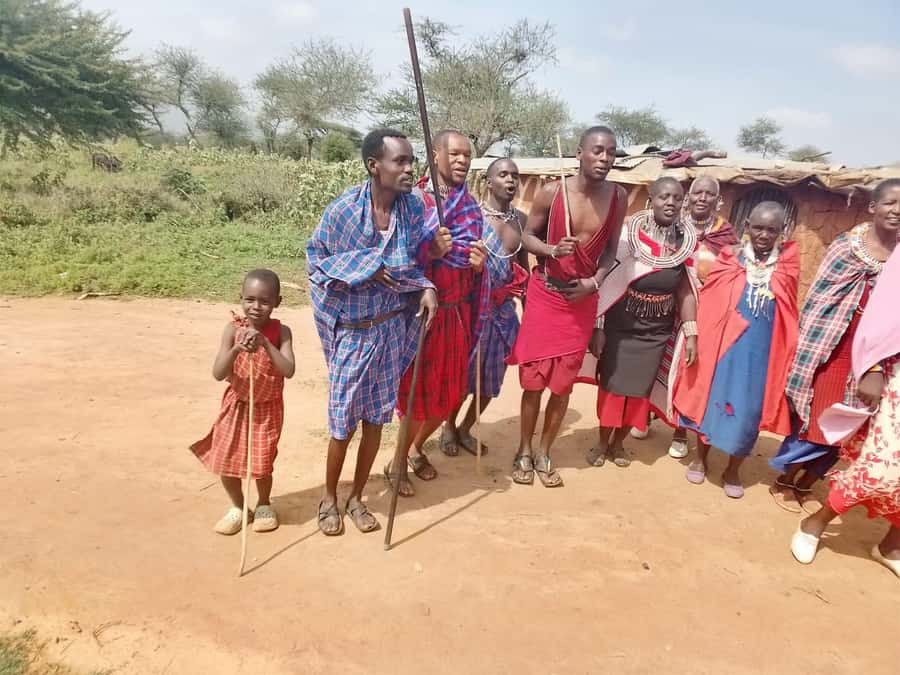
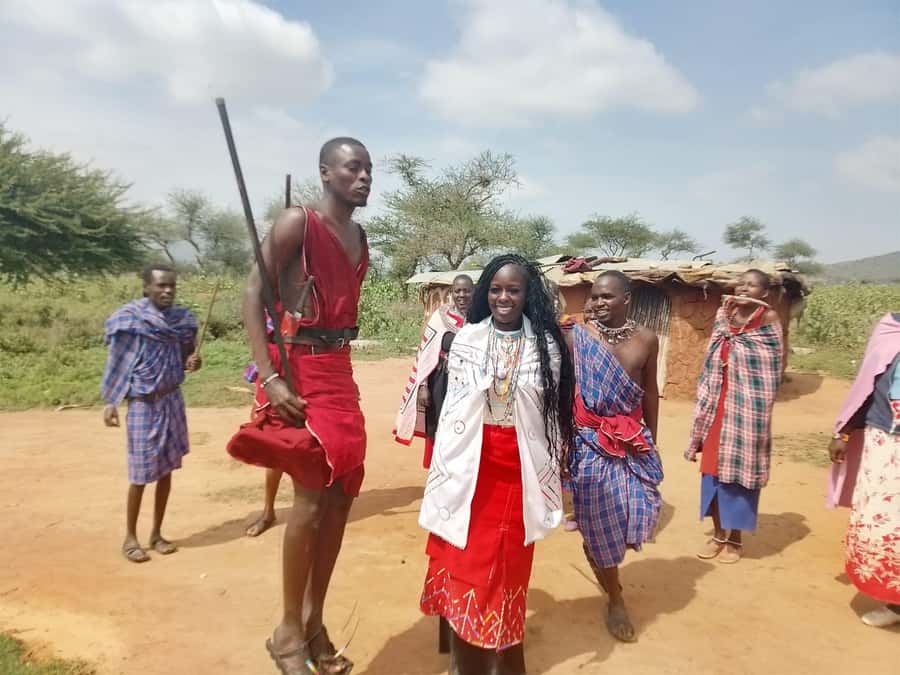
Arrival begins with an energetic welcome. Maasai warriors and women perform songs and a jumping dance, a familiar public expression of Maasai identity. It is lively and photogenic, but it also sets up an important question: how much of the visit is performance, and how much is daily life?
The answer here is a mix. You are receiving a prepared welcome, yet the day continues into practical demonstrations and conversations. You can ask about customs, beliefs, family life, cattle, and household work. The value depends partly on your own approach. If you treat the visit as a photo stop, it may feel staged. If you listen and take part, it offers more substance.
Photos are part of the day, and the activity specifically includes social interaction and photography. Be polite and ask before taking close-up pictures. You may be invited to photograph the dance, clothing, beadwork, and huts, but respectful conversation should come before reaching for your camera.
Guides such as Ben and Jen have been praised for being friendly and accommodating. The guide language is English, so you can ask questions directly during the visit. This matters because a cultural tour can quickly become a set of disconnected demonstrations if nobody explains the meaning behind them.
Making fire the traditional way
One of the strongest parts of the program is the fire-making session. You learn how the Maasai start a fire without matches, using traditional methods rather than modern tools.
This is a small activity, but it tells you a lot. Fire is tied to cooking, warmth, and household routines, so the lesson connects directly to daily life. It also gives you something to do with your hands, which makes the visit feel less like watching a show from the edge of a group.
Do not expect a polished workshop with every attempt succeeding at once. The point is to see the method, try it, and understand the skill involved. Ask the guide to explain which materials are used and how the technique fits into village life. The provided description does not specify the exact tools or materials, so the details may vary on the day.
Cooking ugali with local women
You then work with local women to cook ugali, a staple Kenyan dish made from maize meal. This is a useful window into ordinary food culture because you are not just eating a finished dish. You see part of the preparation and take part in it.
Ugali is simple in appearance, but its importance comes from how often it appears in Kenyan meals and how it is served alongside other foods. Cooking it with local women also shifts the focus from public performance to household knowledge. You have the chance to ask about cooking, family tasks, and how food fits into the rhythm of the day.
Meals are not included in the tour price, so do not assume this activity replaces lunch. The experience includes cooking the dish, but the supplied details do not promise a full meal or other food. Plan accordingly and ask what you will be able to taste.
This is also a good place to slow down. Let the people showing you the process lead. You do not need to turn every moment into a photograph. A few questions and genuine attention will usually give you more than rushing through the recipe.
A few more Nairobi days to weigh up
- Nairobi National Park Half-Day Tour; Free Wi-Fi connection
★ 5.0 · 878 reviews - Nairobi: National Park & Optional Elephants & Giraffe Center
★ 4.8 · 874 reviews - NAI NAMI: Nairobi Storytelling Tour with Street Children
★ 5.0 · 792 reviews - Nairobi National Park Half-Day Game Drive
★ 4.5 · 738 reviews
Beadwork with meaning and a market choice
Maasai beadwork is both decorative and tied to identity. During the visit, you get hands-on experience creating beadwork yourself. You can also buy handmade jewelry, with proceeds going directly to the village.
This gives the shopping portion a clearer purpose than a generic souvenir stop. Buying a bracelet, necklace, or other piece can support the people hosting you, while also giving you something connected to the activity you just tried. Take a moment to ask who made the item and how the proceeds are used.
Still, the sales element may feel uncomfortable to some people. One visitor felt the visit leaned too much toward fundraising, particularly after hearing that the chief was raising money for college. That does not make the request improper, but it does mean you should decide your budget before arriving. An optional purchase or donation is best treated as a choice, not an obligation.
If you do not want to buy anything, you can still take part in the bead-making session and show appreciation through attention and respectful questions. If you do buy, remember that the separate $30 admission fee already applies to each person.
Inside a traditional manyatta

The manyatta visit adds physical detail to what you hear about Maasai life. You step inside a hut built from mud, sticks, and cow dung, then learn how it is made and used.
The hut is not presented as a museum piece. It is a practical home shaped by available materials and family needs. Inside, you hear about household structure, how families are organized, and how everyday tasks are handled. The space may be tight and basic, so do not expect a large room or a comfortable indoor attraction.
This stop is especially useful if you want to understand how a home reflects a way of life. Materials, space, cooking, sleeping, and family roles all connect. Seeing the structure in person makes those ideas easier to grasp than a talk in Nairobi could.
The setting is also where expectations matter most. The term village may suggest a large settlement with many households, but the visit can instead involve a small family group with only a few huts. If you are looking for a broad community tour, this may disappoint you. If you are interested in a close look at one household’s traditions, the smaller scale may feel more personal.
The livestock market on select days
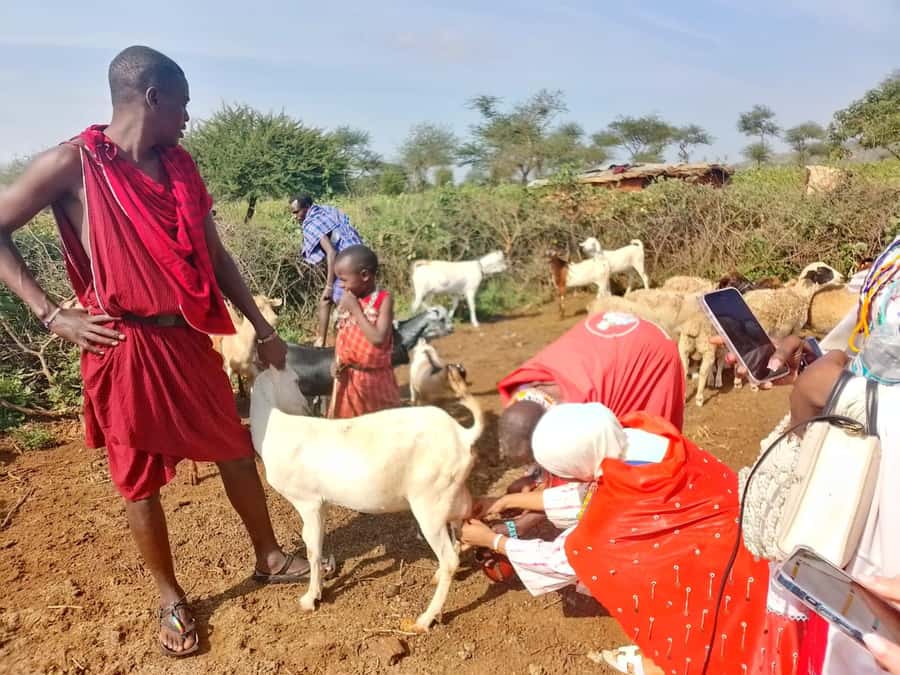
On selected days, the outing may include a visit to one of Kenya’s largest livestock markets. Maasai herders trade cattle, goats, and sheep there, giving you a look at the economic side of pastoral life.
This is a valuable addition because it moves beyond songs, clothing, and huts. Livestock is central to Maasai society, and a market shows how animals connect to work, income, social relationships, and decision-making. You see a place where people come to trade, negotiate, and maintain rural business networks.
The market is not guaranteed every day. Ask when booking or before departure if your date includes it. Since it is an optional-date element, you should not choose the tour solely for this stop.
Market conditions can also be busy and social, so keep your camera ready but remain considerate. The provided details do not specify how long you spend there or exactly how close you get to the trading activity.
What the $55 price really covers
The advertised price is $55 per person. It includes hotel pickup and drop-off within Nairobi, bottled water, an English-speaking driver, a guided cultural visit, and the hands-on activities.
The village admission fee is extra at $30 per person. That brings the known minimum to $85 per person before meals, drinks, souvenirs, donations, or other personal spending. Confirm the final amount when booking so there are no surprises.
For a small group, a full day of transport, and several activities, the base price can be reasonable. The value is strongest if you take part in the fire-making, cooking, beadwork, and manyatta visit rather than treating the outing as a short performance.
The value becomes harder to judge if you expected a large village, a long stay on site, or an all-inclusive price. One dissatisfied visitor considered the total cost high for the amount of time spent at the settlement and felt the experience was too focused on raising funds. That concern is worth taking seriously.
I would compare this with your other Nairobi options based on what you want. If you want a compact cultural introduction with transport arranged, this has clear appeal. If you want a broader Maasai community visit or a longer rural stay, ask very specific questions before paying.
Group size, comfort, and practical limits
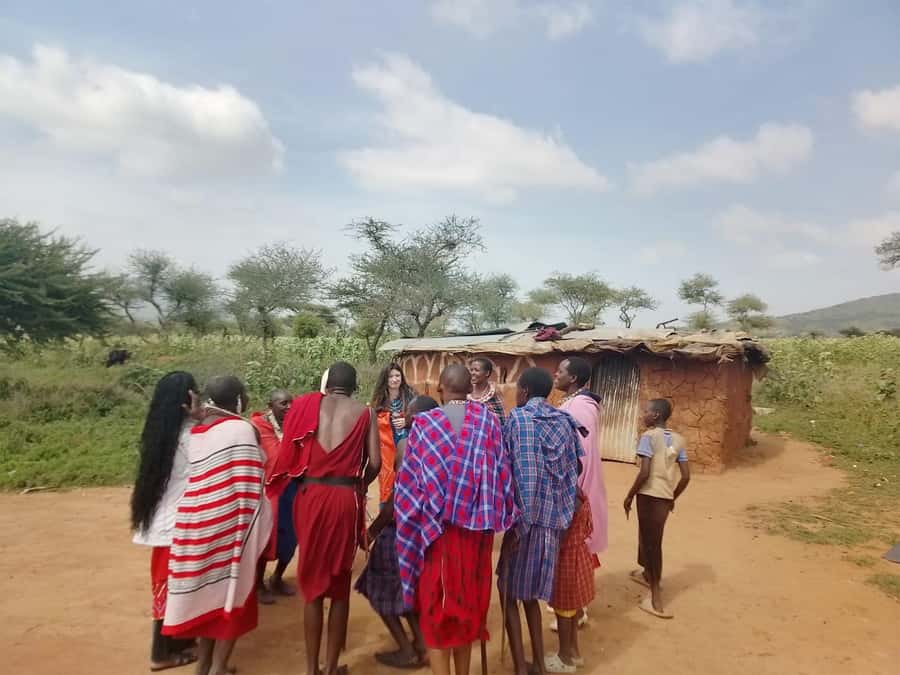
The group is limited to 10 participants, which is a useful middle ground. You get more room to ask questions than on a large bus tour, while the provider can still run the visit efficiently.
The tour is listed as wheelchair accessible in one part of the details, but another section says it is not suitable for wheelchair users or people with mobility impairments. Treat this as a real warning. Confirm the vehicle, walking surfaces, hut access, and activity requirements directly before booking.
The day includes walking, standing, outdoor time, and close social contact. Comfortable shoes matter. A hat and sunscreen will help in the open areas, and a camera is welcome if you use it respectfully.
Free cancellation is available up to 24 hours before the activity for a full refund. You can also reserve now and pay later, which helps if your Nairobi plans may change. The duration is six hours, but ask about the exact start time and the likely time spent driving.
Who will enjoy this Maasai visit most?
I would recommend it to you if you want to meet people, ask questions, try practical activities, and learn through participation. Families, first-time visitors to Kenya, and culturally curious travelers may find the combination easy to understand and rewarding.
It suits people who are comfortable with a prepared welcome ceremony and who can accept that cultural tourism involves presentation as well as ordinary life. The day is social, and you should expect interaction, photographs, demonstrations, and time with local hosts.
I would be more cautious if you want a completely unplanned encounter or if the word village creates a very specific expectation of a large settlement. The experience may involve a small family group and a few huts. You should also budget for the $30 admission fee and possible purchases.
Should you book it?
Book this experience if you want a practical introduction to Maasai traditions from Nairobi, especially the fire-making, ugali cooking, beadwork, and manyatta visit. The small group, English guidance, Nairobi pickup, and praised work by guides including Ben and Jen make it straightforward for a first cultural outing.
Think twice if you are uncomfortable with admission fees, optional fundraising, or a visit that may feel partly staged. Ask whether the livestock market is operating on your date, confirm the total cost, and clarify mobility access before booking.
My advice is to arrive with realistic expectations. This is a short, organized cultural encounter, not a long stay in a remote community. With that in mind, it can give you a memorable and respectful look at Maasai skills, family life, music, and livestock culture.
FAQ
How long does the Maasai village experience last?
The activity lasts six hours, including the excursion from Nairobi and the cultural activities at the Maasai settlement.
Is hotel pickup included?
Yes. Pickup and drop-off are provided from any location within Nairobi. After booking, you provide your address and receive a confirmed pickup time and exact meeting point.
What activities are included?
You can take part in traditional fire-making, ugali cooking with local women, Maasai bead-making, songs, a jumping dance, conversations about customs, and a visit inside a manyatta hut.
Is the $30 village admission fee included?
No. The village admission fee is listed separately at $30 per person. Meals, extra drinks, personal expenses, purchases, and donations are also not included.
Is the tour suitable for wheelchair users?
The details conflict: one section lists wheelchair access, while another says the activity is not suitable for wheelchair users or people with mobility impairments. Confirm access arrangements directly before booking.
Can I cancel the booking?
Yes. You can cancel up to 24 hours in advance for a full refund. The reserve-now-and-pay-later option also lets you hold a place without paying immediately.
Recently added around Nairobi
- Nairobi; City Walk Tour★ 4.5 · 3 reviews
- Private 3-Day Masai Mara Safari Adventure★ 5.0 · 3 reviews
- Kenya safari★ 5.0 · 3 reviews
- 2 Days Amboseli National Park Safari★ 3.5 · 3 reviews
- 11-Days Best of Kenya & Tanzania Big 5 Safari on a 4×4 Jeep★ 5.0 · 3 reviews
- Full Day, Small Group Guided Tour to Amboseli National Park★ 4.5 · 3 reviews
- 10-Days Explore Kenya Wildlife Private Safari★ 5.0 · 3 reviews
- Nairobi: Giraffe Center, Beads Factory & Bomas of Kenya Tour★ 4.5 · 3 reviews
Nairobi Tours, compared.

Nairobi National Park Half-Day Tour; Free Wi-Fi connection
Read our review →
National Park & Optional Elephants & Giraffe Center
Read our review →
NAI NAMI: Nairobi Storytelling Tour with Street Children
Read our review →




Elephant Orphanage and Giraffe Center Tour with Options
Read our review →Browse the lists this tour appears in