
Reviewed · NAIROBI TOURS
Karura forest: A walking tour into Nairobi’s Nature Oasis
Karura Forest gives Nairobi something rare: a quiet woodland with waterfalls and caves only a short distance from the city. I like the Karura Waterfalls, where the sound of falling water cuts through the city noise, and the Mau Mau Caves, which add real historical weight to what could otherwise be a simple nature walk. The private format also lets you set a comfortable pace.
The main consideration is guide quality. Diana has been praised for warm, helpful service and excellent organization, but one guide knew little about the forest’s trees and had limited historical detail. At $50 per person, plus the $4 entry ticket, you are paying mainly for a private guide rather than transport, meals, or admission.
Key points at a glance
- Waterfalls in Nairobi: Reach Karura Waterfalls by forest paths and pause beside the falling water.
- Mau Mau history: Visit caves used as hiding places during Kenya’s fight for independence.
- Private three-hour walk: Follow the route at your group’s pace with an English-speaking guide.
- Wildlife along the trails: Watch for monkeys, birds, and butterflies beneath the tree cover.
- Gate C meeting point: Start and finish at Karura Forest Gate C, with no hotel transfer included.
Why Karura Forest makes a good Nairobi break
Nairobi can feel fast, noisy, and traffic-heavy. Karura Forest offers a very different few hours. Once you are among the trees, the city becomes a distant backdrop rather than the main event. The forest is not a remote wilderness outing, but it gives you shade, quiet, birdsong, and open walking paths without requiring a full-day trip.
That contrast is the real value of this activity. You do not need to spend hours in a vehicle to reach a natural setting. You meet at Karura Forest Gate C, join your guide, and begin on foot. For a first or final day in Nairobi, this is an easy way to add fresh air and movement to a city stay.
The walk is also more than a standard park stroll. The route brings together several different experiences: woodland trails, a waterfall, caves connected with Kenya’s independence struggle, tall fig trees, and a river walk. You get nature and a small dose of local history in the same outing.
The tour lasts three hours. That is long enough to see the main sights without turning the day into a strenuous hike. Since this is a private group, you can usually spend more time at a point that interests you, though the supplied details do not promise a custom route or a specific fitness level.
More Walking Tours in Nairobi
- Nairobi: Historic and Modern Highlights Walking Tour
★ 4.8 · 703 reviews - Nairobi Historical Walking City Tour
★ 5.0 · 258 reviews - Nairobi Downtown Walking Tour
★ 4.7 · 208 reviews
Meeting at Gate C and getting your bearings
Your starting point is Karura Forest Gate C. Pick-up and drop-off are not included, so you need to arrange your own way to the gate and back to your hotel or next stop. This matters when planning your morning, especially if you are relying on Nairobi traffic estimates.
At the entrance, your English-speaking forest guide welcomes you and gives an introduction to the forest’s story and plant and animal life. This opening should help you understand what you are seeing rather than simply following a path from one photo stop to the next.
The private format is useful here. You are not joining a large mixed group with several competing interests. You can ask questions, pause for photographs, and set a steady walking rhythm. The quality of the explanation may depend on the individual guide, however. Diana is specifically praised for being warm, helpful, and well organized, while another guide offered less information about the trees and the park’s past.
That difference is worth keeping in mind when you book. If plant identification and detailed history are your main goals, ask in advance what your guide specializes in. If you mainly want company, direction, and a calm walk through the forest, the basic guiding service may be enough.
Under the canopy: monkeys, birds, and butterflies
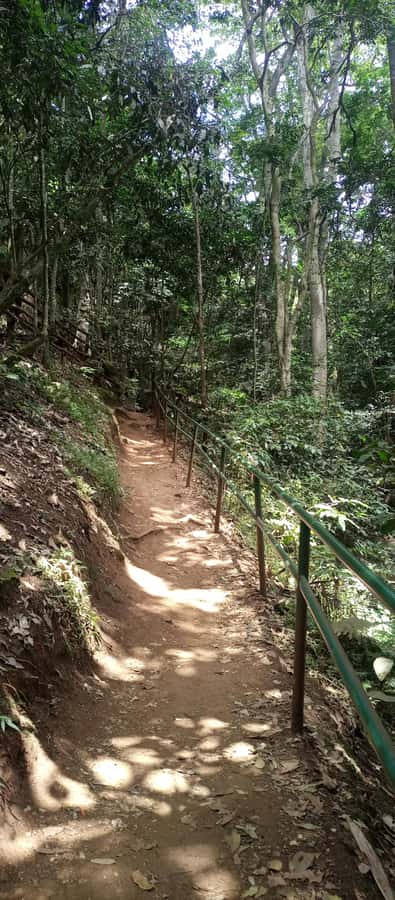
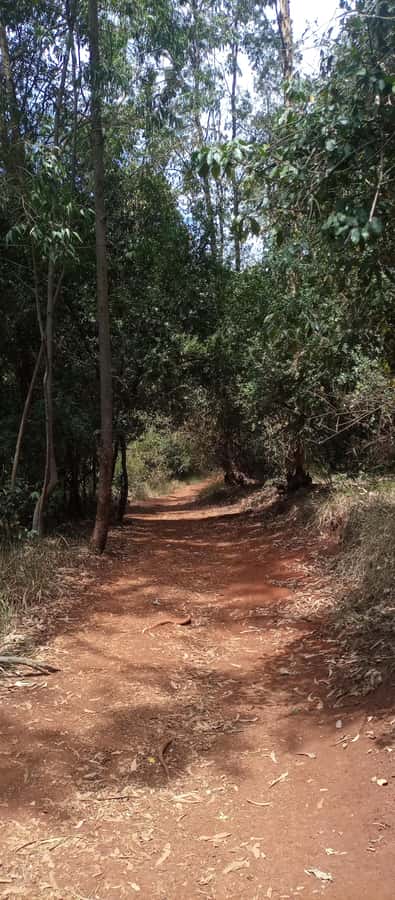
The first part of the walk follows shaded forest trails beneath tall trees and leafy canopies. The shade makes a major difference in Nairobi’s sun, and the route gives you time to settle into a slower pace.
Keep your attention moving. Monkeys may appear in the trees or along the route, while colorful birds and butterflies add quick flashes of life. Wildlife sightings are not guaranteed, so you should treat them as part of the setting rather than a promised show. The pleasure here comes from noticing small changes in the forest: movement in the branches, bird calls, and the sound of your own footsteps.
This is a good section for visitors who want a gentle outdoor activity rather than an intense trek. The description includes sightseeing, walking, hiking, scenic views, and even horse riding and biking as possible forest activities, but this particular experience is presented as a guided walking tour. Do not assume that a horse or bicycle is included.
The forest setting also makes the tour a useful counterpoint to Nairobi’s museums, markets, and urban sights. You get a sensory experience based on sound, shade, and natural movement. It is simple, but it feels refreshingly different from a vehicle-based city tour.
Karura Waterfalls and the sound of falling water
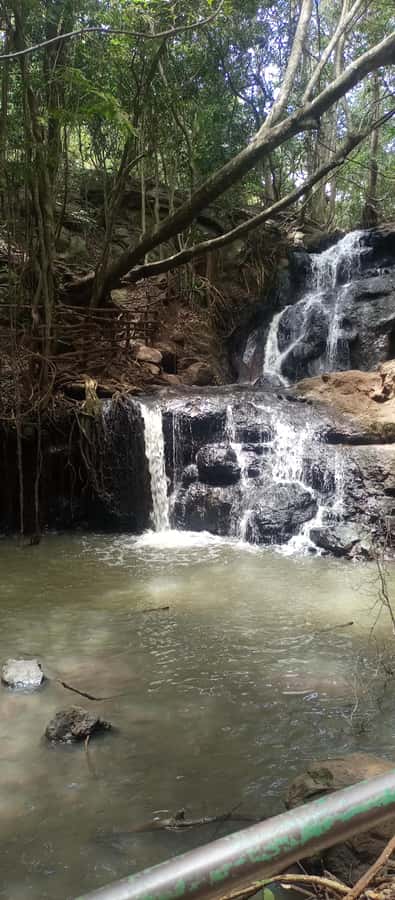
Karura Waterfalls is the natural centerpiece of the route. You follow the forest paths toward the falls, where water drops through a green setting and creates a cool, soothing stop. The sound does much of the work. It gives you a clear break from traffic and conversation, and it is one of the places where the forest feels most peaceful.
Give yourself time here if the schedule allows. This is a strong photo stop, but it is also worth putting the camera away for a moment. The appeal is not only the view. It is the combination of falling water, trees, and quiet that makes the stop memorable.
You should keep your expectations realistic. This is a waterfall inside a city forest, not a large wilderness cascade reached after a remote expedition. Its value lies in the setting and convenience. You can enjoy a natural feature without sacrificing most of a day to transport.
The waterfall also helps break up the walk. Instead of three hours of similar woodland, the route has a clear destination and a reason to keep going. If you are choosing this tour for scenery, this is likely to be your favorite stop.
A different kind of day from the same base:
- Nairobi National Park Half-Day Tour; Free Wi-Fi connection
★ 5.0 · 878 reviews - Nairobi: National Park & Optional Elephants & Giraffe Center
★ 4.8 · 874 reviews - NAI NAMI: Nairobi Storytelling Tour with Street Children
★ 5.0 · 792 reviews - Nairobi National Park Half-Day Game Drive
★ 4.5 · 738 reviews
The Mau Mau Caves and Kenya’s independence struggle
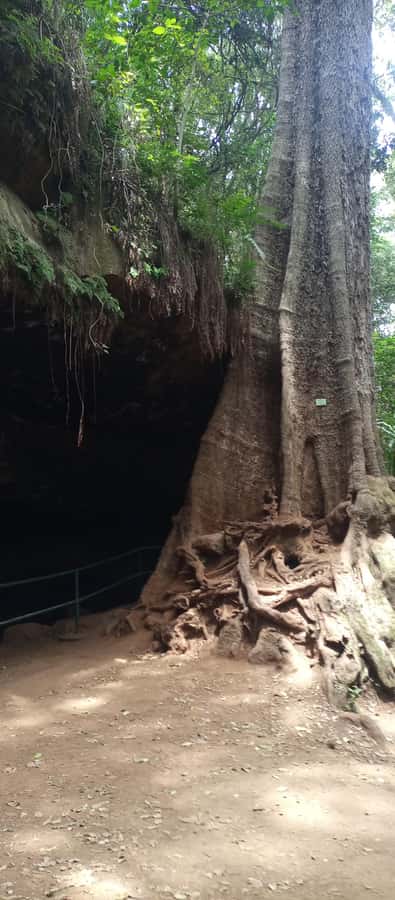
The Mau Mau Caves give the tour a stronger sense of place. These caves served as hiding places during Kenya’s struggle for independence, and your guide explains their role in that period. The visit turns the forest from pleasant scenery into a location connected with the country’s political past.
Expect the history to be delivered as part of a walking tour, not as a museum lecture. The amount of detail may vary with the guide. One guide was described as having limited information about the forest’s past, while Diana received especially strong praise for the stories and care she brought to the outing.
If the caves are a major reason you want to book, contact the provider before the walk and ask whether your guide can give a detailed account of their historical use. That small step could make a big difference to the experience.
The caves are also a reminder that natural places can hold difficult memories. You are not simply stopping for an unusual rock formation. You are visiting a place tied to resistance and independence. Approach this part with curiosity and respect, and listen closely to the context your guide provides.
The Fig Tree Circuit and slower forest moments
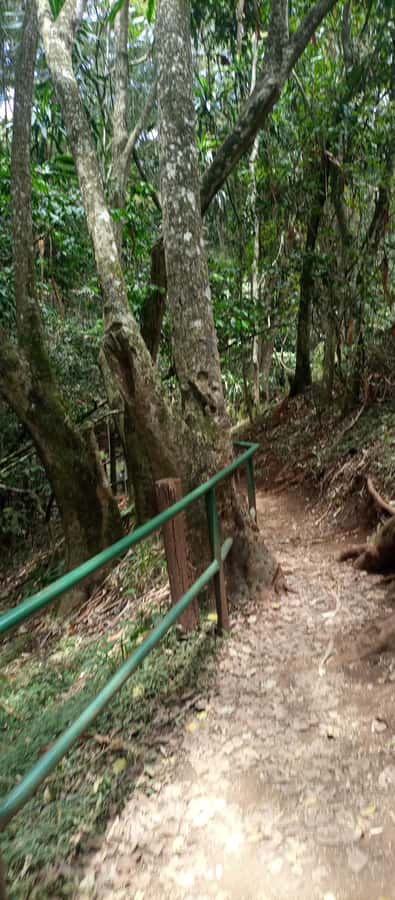
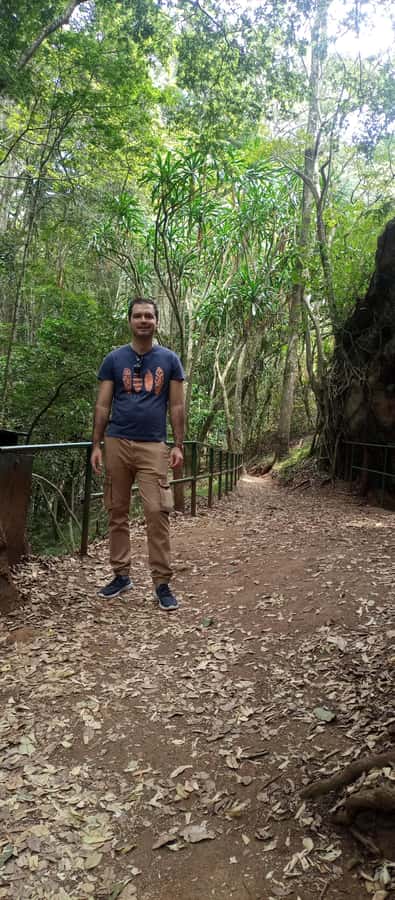
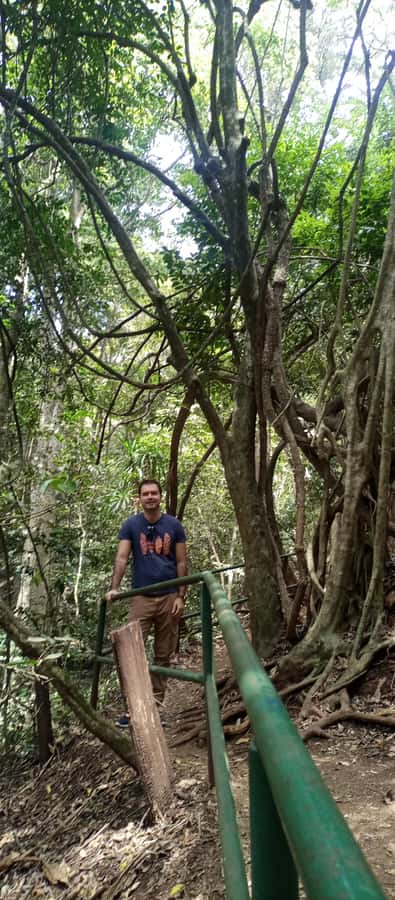
The Fig Tree Circuit offers a more relaxed stretch of the route. Towering fig trees create a strong visual change from the waterfall and cave stops, and the circuit gives you room to walk without rushing from one attraction to another.
This is the section for photographs and quiet pauses. The tall trees make a natural frame, and the route can be appealing if you enjoy simple woodland scenery more than formal monuments. You might also find it the easiest place to talk with your guide and ask questions about the forest.
A three-hour tour has to balance stops with walking time. You will not have unlimited time at every point, especially if you want to reach the waterfall, caves, fig trees, and river. Tell your guide early if photography is important to you, or if you prefer a longer walk with fewer pauses.
The circuit also shows why the private group matters. A fixed group can move only at the slowest or fastest person’s pace. Here, your guide can better match the route to your interests, although the exact flexibility is not guaranteed.
River paths and the final return to Gate C
The later part of the outing follows the river. Along the banks, you continue looking for wildlife and enjoying the quieter side of the forest. The river walk adds another change of scene, with water, shaded edges, and a more open sense of space.
It is a pleasant way to finish because it keeps the activity moving after the main waterfall and cave stops. You are not simply retracing the entrance path. The forest continues to offer small details, and your guide can point out anything you might miss on your own.
At the end, you return to Karura Forest Gate C. From there, you can continue exploring Nairobi or make your own way back to your hotel. Since transport is not included, allow time and money for that final journey when planning the rest of your day.
The supplied schedule also refers to sunset, biking, horse riding, and off-road activities in connection with Karura Forest. Those options should not be confused with the confirmed three-hour guided walk. Ask before booking if you want a particular start time or another activity added.
What the $50 price really covers
The cost is $50 per person, with a separate forest entry fee of $4 per person. Food and drinks are not included, and neither are hotel transfers. The main purchase is the service of a professional English-speaking forest guide for a private group.
That can be fair value if you want direction, company, and some interpretation of the forest. A self-guided visit may cost less, but you would lose the planned route and the chance to hear about the Mau Mau Caves as you walk. The private arrangement is especially useful for couples, families, or friends who do not want to adapt to a large group.
The price is harder to justify if you expect transport, lunch, entry, or a specialist naturalist. None of those are included. You should also remember that guide quality appears uneven. The strongest experience comes when your guide is active, organized, and ready with stories, as Diana was described to be.
Bring your own food and drinks if you want a picnic during the walk. The planned experience includes time for a picnic lunch in the forest, but the meal itself is not provided. A simple packed meal and water will help you make use of that pause without an extra search for supplies.
Who will get the most from this walk
I would recommend this outing to you if you want a manageable nature break in Nairobi, enjoy walking, and like the idea of combining scenery with local history. It is also a good fit for anyone who prefers a private group and an English-speaking guide.
You will get the most from it if you are comfortable spending three hours outdoors and walking between several stops. The activity is not presented as a difficult expedition, but it is still a walking and hiking experience. Comfortable shoes and water are sensible choices, even though the supplied details do not specify the trail surface or difficulty.
Photography fans should like the variety: waterfalls, caves, large fig trees, riverbanks, wildlife, and shaded trails. Families may appreciate the mix of movement and short points of interest, though the information provided does not set a minimum age or describe child-specific arrangements.
This is less suitable if you want a detailed botany lesson, guaranteed animal sightings, or an all-inclusive half-day outing. The guide can make the difference, so ask about the guide’s experience if expert plant and history commentary is central to your plans.
Booking details worth knowing before you go
The activity is offered as a private group with a live English-speaking guide. You can reserve now and pay later, which is useful if your Nairobi plans are still shifting. Free cancellation is available up to 24 hours before the activity for a full refund.
Starting times depend on availability. Check the available slot before you commit to other plans, especially if you want to visit another Nairobi attraction afterward. The tour returns to Gate C after three hours, but your onward transport is your responsibility.
The listed service includes an express security check, described as a skip-the-line benefit. Entry to the forest is still separate, at $4 per person. Food, drinks, pick-up, and drop-off are also separate.
Should you book the Karura Forest walk?
Book it if you want an easy escape from Nairobi’s city streets, especially for the waterfall, forest sounds, and Mau Mau Caves. The route offers a good mix of nature and history, and the private format gives you more breathing room than a large group tour.
I would be more cautious if you are paying $50 mainly for expert interpretation. Ask about your guide, and if possible request someone with strong knowledge of the trees and Mau Mau history. Diana is a particularly encouraging name to ask for, based on the warm, careful service associated with her tour.
For most people, the experience is worth considering because it fits a lot into three hours without requiring a long journey. Just budget for the $4 entry fee, bring your own food and water, and arrange your own transport to Gate C. Those small details keep the price and expectations clear.
FAQ
Where does the Karura Forest tour start?
The tour starts at Karura Forest Gate C.
Where does the activity finish?
The walk returns to Karura Forest Gate C.
How long does the tour last?
The guided activity lasts three hours.
How much does the tour cost?
The listed price is $50 per person.
Is the forest entry fee included?
No. Entry tickets cost $4 per person and are paid separately.
Is a guide included?
Yes. The experience includes a professional English-speaking forest guide.
Is the tour private?
Yes. It is offered for a private group.
Are food and drinks included?
No. Food and drinks are not included. You may bring your own picnic for the forest stop.
Are hotel pick-up and drop-off included?
No. Pick-up and drop-off are not included.
Can I cancel for a full refund?
Yes. You can cancel up to 24 hours in advance for a full refund.
Can I reserve now and pay later?
Yes. The activity allows you to reserve your place and pay later.
Recently added around Nairobi
- Nairobi; City Walk Tour★ 4.5 · 3 reviews
- 2 Days Amboseli National Park Safari★ 3.5 · 3 reviews
- Private 3-Day Masai Mara Safari Adventure★ 5.0 · 3 reviews
- Kenya safari★ 5.0 · 3 reviews
- Full Day, Small Group Guided Tour to Amboseli National Park★ 4.5 · 3 reviews
- 11-Days Best of Kenya & Tanzania Big 5 Safari on a 4×4 Jeep★ 5.0 · 3 reviews
- 10-Days Explore Kenya Wildlife Private Safari★ 5.0 · 3 reviews
- Nairobi: Giraffe Center, Beads Factory & Bomas of Kenya Tour★ 4.5 · 3 reviews
Nairobi Tours, compared.

Nairobi National Park Half-Day Tour; Free Wi-Fi connection
Read our review →
National Park & Optional Elephants & Giraffe Center
Read our review →
NAI NAMI: Nairobi Storytelling Tour with Street Children
Read our review →




Elephant Orphanage and Giraffe Center Tour with Options
Read our review →Browse the lists this tour appears in