
Reviewed · NAIROBI TOURS
From Nairobi: Maasai village and cultural experience
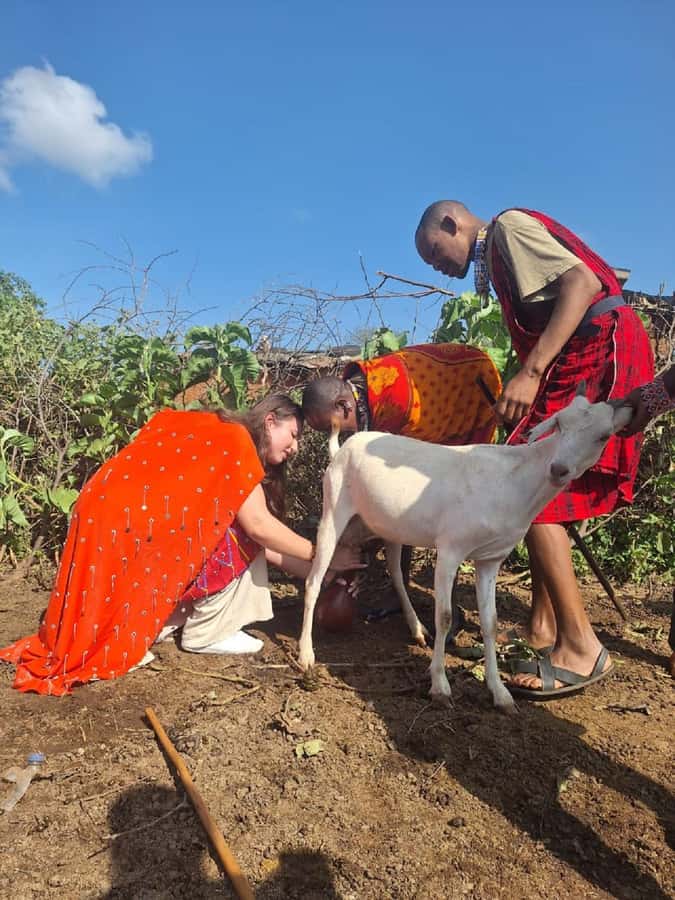
The most memorable part of this Maasai village visit is the move from Nairobi’s city streets into a living homestead near Bisil. You’ll be welcomed with songs, dances, and the famous adumu jumping dance before walking through a manyatta, the Maasai word for a group of homes.
I like two things here: you get close to everyday traditions rather than simply looking at costumes from a distance, and the village chief explains the customs in clear English. I also like the practical demonstrations, especially traditional fire making and the explanation of how mud-thatched houses are built.
The main consideration is cost clarity. The advertised price is $50 per person, but entry and the Maasai guide cost an additional $30 per person. Food is also extra, so carry cash and check the final total before you leave Nairobi.
Key points to know before you go
- Adumu sets the tone: The traditional jumping dance is part of the welcome and gives you an immediate introduction to Maasai performance and ceremony.
- A real manyatta visit: You’ll walk among homesteads and see how mud-thatched houses are made.
- Fire making is hands-on in spirit: Maasai warriors demonstrate how fire is created with traditional methods.
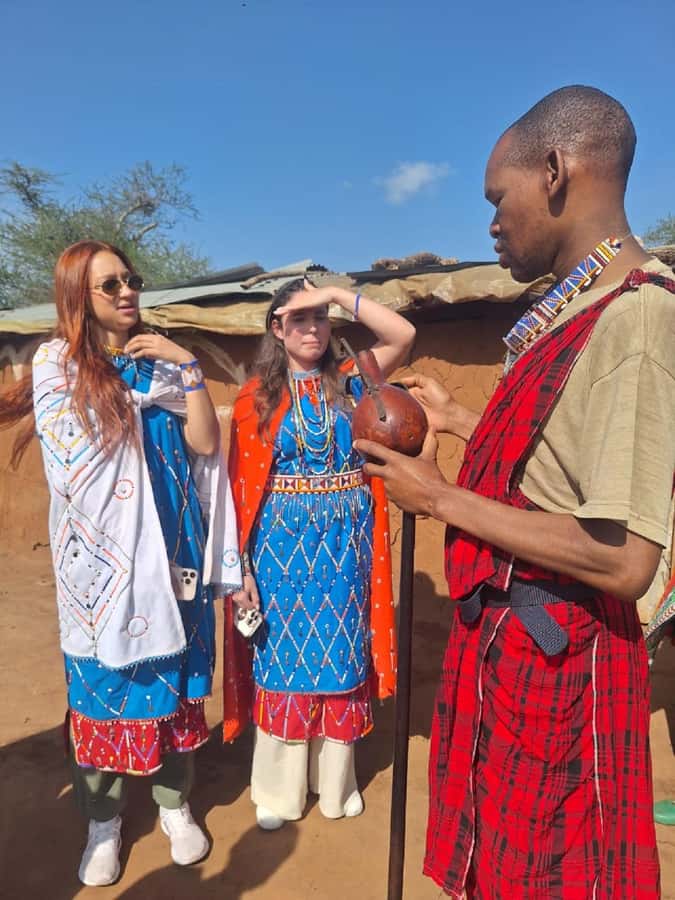
- Beadwork carries meaning: Maasai women present handmade jewelry, with colors linked to identity and community.
- The trip runs 5 to 6 hours: Transport from Nairobi, scenic driving, and the village visit fit into a half-day outing.
- Budget beyond the headline price: Add $30 per person for entry and the Maasai guide, plus any food or drinks.
From Nairobi to Bisil, a half-day change of pace
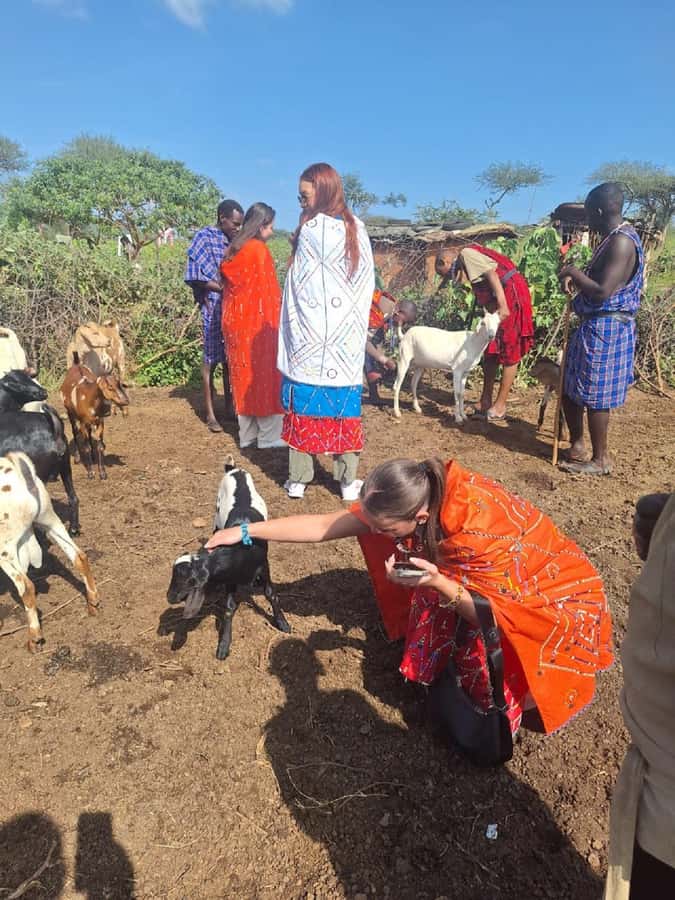
This tour begins with pickup from your hotel or another selected starting point in Nairobi. Airport pickup is included, and transport is provided in an air-conditioned vehicle with bottled water.
The drive takes you toward Kajiado and Bisil in central Kenya. The exact departure time depends on availability, so check the schedule before booking. Since the full experience lasts about 5 to 6 hours, it works well for a free morning or afternoon, provided your other plans are not tightly packed.
I like the fact that the drive is part of the experience rather than a simple transfer. The city gives way to open views and a more rural setting, with scenic stops and off-road sections listed along the route. Still, this is not a full-day safari, and the main focus is cultural contact at the village, not wildlife viewing.
The journey can also affect how much time you spend on site. Traffic leaving Nairobi may influence the day, so I would avoid booking this outing immediately before a flight, train, or fixed evening event. The airport pickup option is useful, but allow plenty of extra time if you are working around a departure.
More Maasai Village Visits in Nairobi:
- Nairobi: Day Tour to Amboseli National Park & Maasai Village
★ 4.5 · 310 reviews - Masai village Day Tour Experience
★ 5.0 · 284 reviews - Maasai Village Experience Day Tour
★ 5.0 · 72 reviews
Meeting the village through song and the adumu
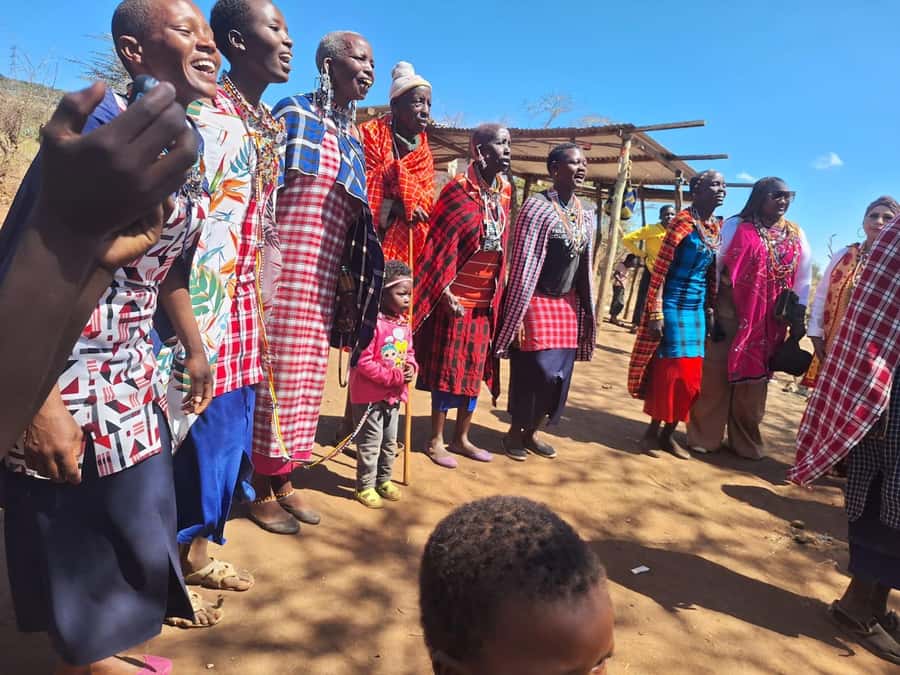
Your arrival in Bisil begins with a traditional Maasai welcome. Songs and dancing introduce the group, and the adumu, often called the jumping dance, is the main performance to watch.
This opening matters because it is not just background entertainment. The tour presents the dance as part of a broader introduction to Maasai tradition, courage, and community. You get a sense of how movement, music, and ceremony help carry customs from one generation to the next.
I would approach this part with respect and attention. Enjoy the performance, but remember that you are entering a community setting, not a stage show in a theater. Listen to the English-speaking guide or village chief, watch how the welcome unfolds, and ask questions when invited.
The dance portion is also likely to be one of the most photographed moments. Ask before taking close-up pictures, especially when photographing people or children. The supplied information does not state a separate photography rule, so simple courtesy is the safest approach.
Walking through a Maasai manyatta
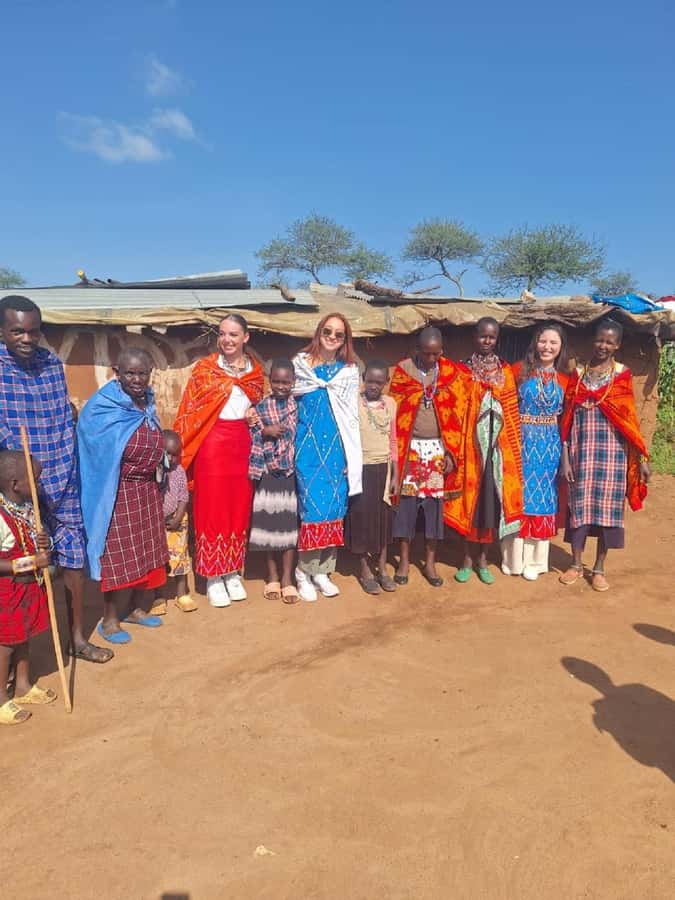
After the welcome, you’ll take a guided walk through the homesteads. The manyatta gives the visit its strongest sense of place because you can see the homes themselves rather than hearing only a general talk about Maasai life.
The houses are described as mud-thatched structures, and you’ll learn how they are built. That practical detail is more useful than a string of broad cultural facts. It connects architecture to daily life and lets you understand how local materials and traditional methods shape the homestead.
The walk also creates room for stories about customs passed down through generations. The Maasai way of life is closely connected to cattle, nature, and community, and the guide explains those links during the visit.
The village chief is described as explaining everything in clear English, which is an important advantage. Cultural visits can lose their value when translation is thin or rushed. Here, you have a direct way to ask about what you see and hear.
You should also expect a working village, not a polished museum. Conditions may be simple, and the ground around the homesteads may be uneven. The tour is listed as wheelchair accessible, but it is still wise to confirm the exact route and village conditions before booking if you need step-free access throughout the visit.
Watching fire made the traditional way
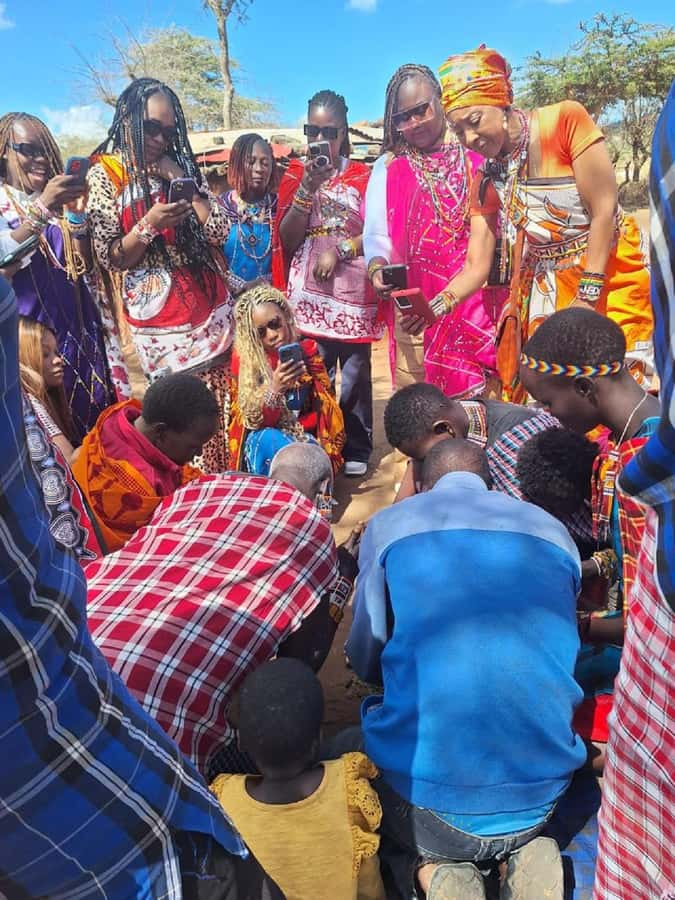
The fire-making demonstration is one of the most concrete parts of the day. Maasai warriors show how to start a fire using traditional methods, turning an old skill into something you can watch at close range.
I value demonstrations like this because they show technique rather than simply displaying an object. You can see how knowledge is passed on through practice, patience, and shared instruction.
The supplied details do not specify the exact materials used or whether visitors can try the method themselves. Plan to watch and listen rather than assume hands-on participation. If the guide invites questions, ask what each material does and how the skill fits into daily life.
This section also gives the tour a useful balance. The songs and dance offer a lively welcome, while fire making and house building show quieter, practical sides of Maasai tradition.
More day trips out of Nairobi:
- 1 Day trip to Hells Gate and Lake Naivasha From Nairobi
★ 5.0 · 332 reviews - Half-Day Nairobi National Park Safari from Nairobi with Free Pickup
★ 4.5 · 264 reviews - From Nairobi: Elephant Orphanage and Giraffe Center Day Trip
★ 4.5 · 235 reviews - 3 Days Gamedrive Safari In Masai Mara From Nairobi
★ 5.0 · 207 reviews
Beadwork, color, and conversation with Maasai women
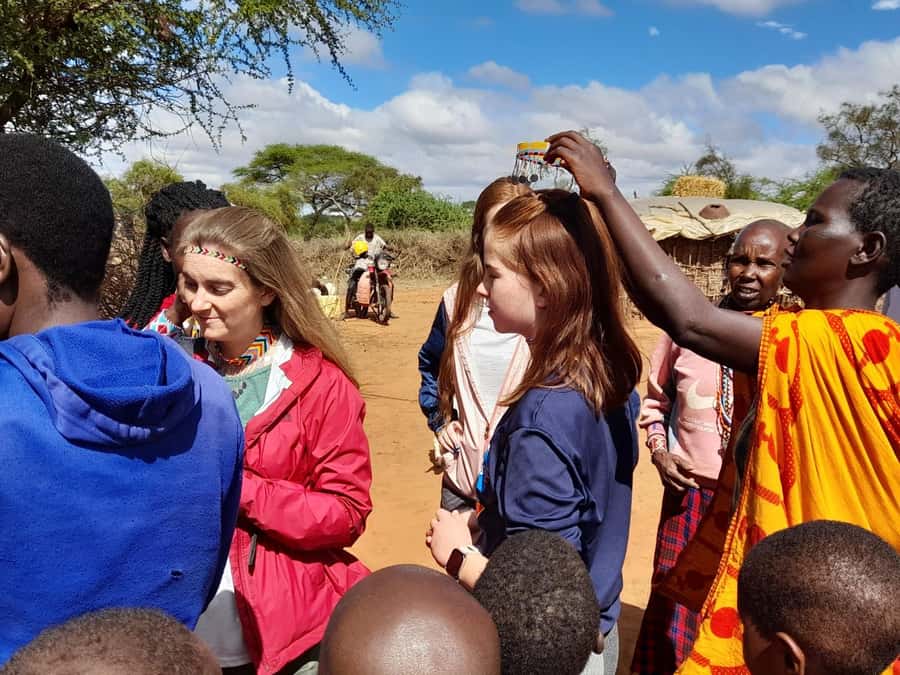
The visit includes time with Maasai women who display handcrafted beadwork and jewelry. You can browse the pieces and learn that colors carry meaning connected to Maasai identity.
This is both a cultural lesson and a shopping opportunity. I would take time to ask about the colors, patterns, and work involved before deciding what to buy. The information describes each piece as carrying a story, so the value is not only in the finished necklace, bracelet, or other item.
Cash is listed as something to bring, and it is especially useful here. The tour does not state that card payments are accepted, so cash is the practical choice for beadwork and other purchases.
Keep your buying polite and unhurried. If you like a piece, ask its price and consider the work behind it. If you do not want to buy, you can still engage with the makers and learn about the craft. The visit works best as a conversation, not a forced shopping stop.
The women’s beadwork also adds a different point of view to the tour. The warriors explain fire making and aspects of Maasai life, while the women present craft, color, and personal expression. That makes the cultural picture broader than a performance centered only on warriors and jumping.
What the $50 price really covers
At $50 per person, this is a reasonably accessible half-day cultural outing from Nairobi, especially for anyone who wants private or small-group transport and a guide rather than arranging the journey alone.
The included services are the driver-guide, airport pickup, bottled water, and an air-conditioned vehicle. Those inclusions matter in Kenya’s heat and on a drive that includes scenic and off-road sections. You are paying for door-to-door transport as well as the village experience.
But the actual budget needs more care. Entry fees and the Maasai guide cost $30 per person on top of the advertised price. That puts the known base cost at $80 per person before food, drinks, or purchases.
Food and nonalcoholic drinks are not included. Alcoholic drinks are available to purchase, though that is unlikely to be central to the cultural visit. Bring cash for practical expenses and beadwork.
For a private booking, the total can make more sense for couples, families, or a small group that values control over pickup and timing. Solo visitors should compare the final cost with the group option, since the supplied details do not explain how group pricing changes.
The tour has a 4.7 rating from four reviews, which is a positive sign but a small sample. One verified booking praised the village visit, the cultural explanation, and the chief’s clear English. Those are exactly the elements I would weigh most heavily when deciding if this outing suits you.
Private groups, accessibility, and pace
Private and small-group options are available. That choice can shape the day more than the number on the booking page. A small group usually makes it easier to hear the guide, ask questions, and spend time at the homesteads without feeling rushed.
A private group may suit families or couples who want a quieter cultural exchange. It can also help if you need to coordinate airport pickup or a particular hotel departure. The exact pickup point depends on the selected option, so confirm it rather than assuming every hotel is covered in the same way.
The tour is wheelchair accessible according to the supplied details. Even so, the village walk and off-road travel deserve a practical check. Ask the provider about the route, surfaces, vehicle access, and how close the vehicle can get to the homesteads if mobility is a concern.
The live guide speaks English. No other language is listed. If you want detailed explanations, an English-speaking guide and the chief’s reported clarity are useful parts of the experience.
The pace should feel manageable for most people because the outing lasts only 5 to 6 hours. Still, you are combining a drive, a village walk, a dance performance, demonstrations, conversation, and shopping. Wear comfortable clothing and shoes suited to walking, and bring cash instead of relying on last-minute access to an ATM.
What this experience does well
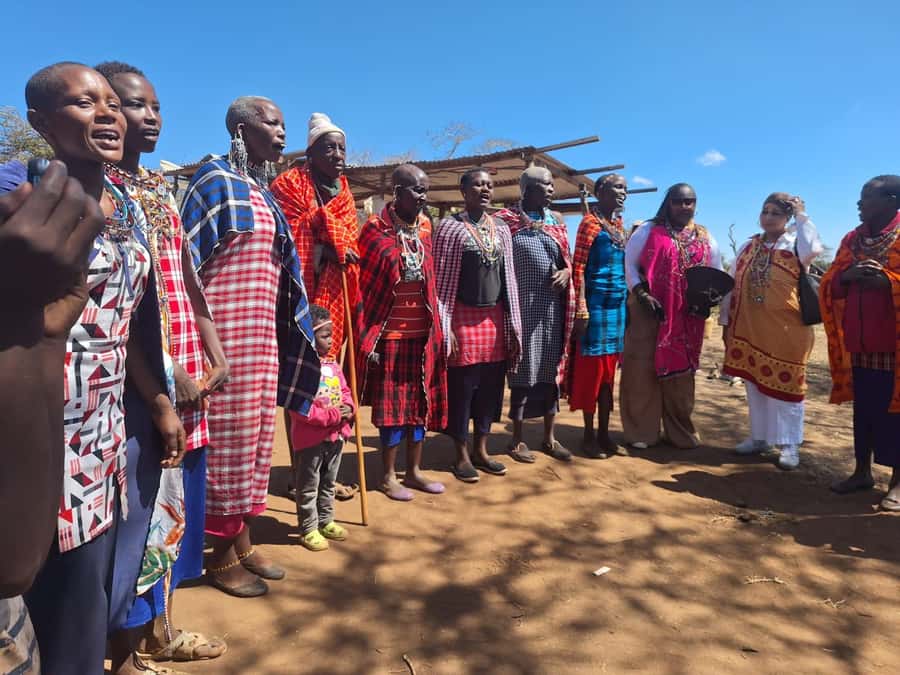
The best feature is its range. You are not limited to one dance performance. The visit combines welcome songs, the adumu, a manyatta walk, house-building explanations, fire making, storytelling, and beadwork.
I also like that the tour gives you several ways to learn. You can watch, ask questions, walk through the homesteads, and examine objects made by local artisans. That mix helps the visit feel less passive.
The English explanation is another strong point. The village chief’s clear communication, highlighted by the booking information, can make a major difference. You are more likely to understand the meaning behind the customs instead of leaving with only photographs.
The transport package is practical, too. Nairobi pickup, bottled water, and an air-conditioned vehicle remove much of the planning work. For someone with limited time in the city, a half-day trip to Bisil is an efficient way to add a cultural visit.
Where you should keep expectations in check
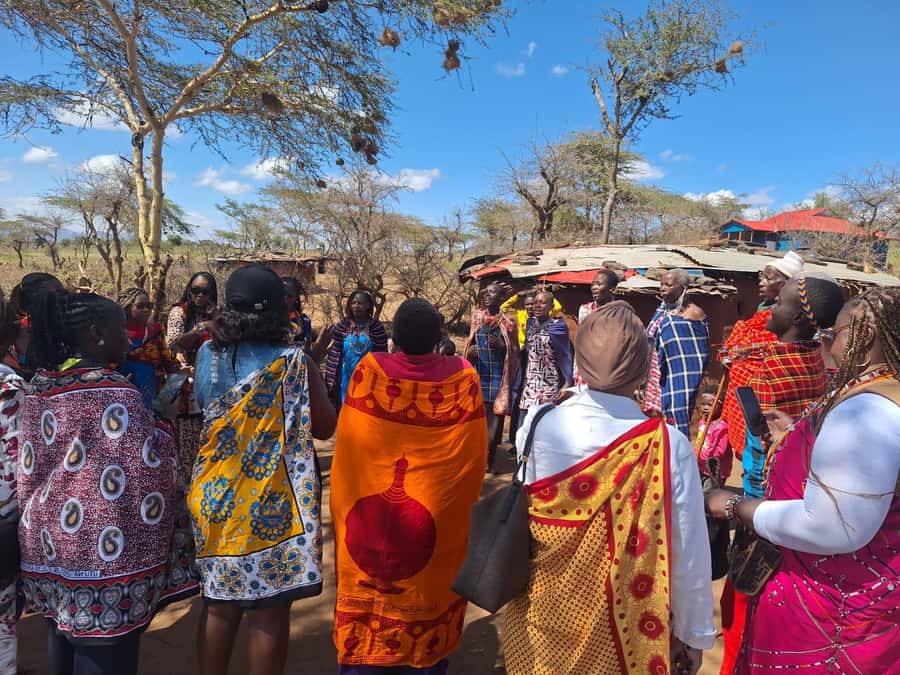
This is a cultural visit, not a full Maasai immersion in every part of daily life. The advertised activities are concentrated around the welcome, village walk, demonstrations, conversation, and beadwork. You should not book it expecting a wildlife drive, a long hike, or a full day spent living alongside a family.
The word authentic needs a little care in any organized village experience. The tour takes you to a real Maasai homestead and presents customs through local people, but the visit is still arranged for paying visitors. You can respect that setting by listening closely, avoiding intrusive behavior, and treating purchases as support for handmade work rather than as a souvenir transaction alone.
The extra $30 fee is the biggest practical drawback. Some people see the $50 headline price and miss the additional entry and guide charge. Add that amount before comparing this outing with other Nairobi day trips.
The short duration is both a strength and a limit. You can fit the visit into a busy schedule, but you will receive an introduction rather than an exhaustive study of Maasai culture. That is a fair trade for a half-day format.
Who should book this Maasai village visit
I would recommend it to you if you want a direct cultural experience close enough to Nairobi for a half-day plan. It fits first-time visitors who want to understand Maasai customs through people, homes, movement, craft, and practical demonstrations.
Families may appreciate the variety. The dance, fire making, and house-building sections give younger visitors something to watch, while the beadwork and stories offer quieter moments for adults. Private or small-group options can make the outing easier to manage.
It also suits photographers and craft lovers, provided you ask permission before taking portraits and carry cash for jewelry. The beadwork section has more meaning when you take time to learn what the colors represent.
I would think twice if you dislike organized cultural visits, do not want to buy anything, or have a very tight flight schedule. I would also confirm accessibility details in advance if the village walk needs to be fully step-free.
Should you book the Bisil experience?
Book this tour if you want a practical introduction to Maasai culture, prefer a guided visit, and value seeing a manyatta, watching fire making, and meeting beadwork makers in one half-day outing.
Before paying, calculate the real cost as $50 plus the stated $30 entry and Maasai guide fee per person. Confirm your pickup point, departure time, group size, food plans, and accessibility needs. With those details clear, this is a strong choice for a focused cultural experience from Nairobi, especially when you want more than a quick performance and do not have time for a longer rural stay.
FAQ
Where does the Maasai village experience take place?
The experience takes place near Bisil in central Kenya, with the route traveling from Nairobi through the Kajiado area.
How long does the tour last?
The tour lasts approximately 5 to 6 hours, including transport and the village visit.
What is included in the $50 price?
The price includes a driver-guide, airport pickup, bottled water, and an air-conditioned vehicle.
Are entry fees included?
No. Entry fees and the Maasai guide cost an additional $30 per person.
Is food included?
No. Food and drinks are not included. Alcoholic drinks are available to purchase.
What language does the guide speak?
The live tour guide speaks English. English is the only language listed for the activity.
Can I book a private group?
Yes. Private and small-group options are available.
Is the experience wheelchair accessible?
The activity is listed as wheelchair accessible. If you need specific access arrangements, confirm the village route and vehicle details before booking.
What should I bring?
Bring cash. It can be useful for the additional fee, beadwork purchases, and any food or drinks you buy.
Recently added around Nairobi
- Nairobi; City Walk Tour★ 4.5 · 3 reviews
- Private 3-Day Masai Mara Safari Adventure★ 5.0 · 3 reviews
- Kenya safari★ 5.0 · 3 reviews
- 2 Days Amboseli National Park Safari★ 3.5 · 3 reviews
- 11-Days Best of Kenya & Tanzania Big 5 Safari on a 4×4 Jeep★ 5.0 · 3 reviews
- Full Day, Small Group Guided Tour to Amboseli National Park★ 4.5 · 3 reviews
- 10-Days Explore Kenya Wildlife Private Safari★ 5.0 · 3 reviews
- Nairobi: Giraffe Center, Beads Factory & Bomas of Kenya Tour★ 4.5 · 3 reviews
Nairobi Tours, compared.

Nairobi National Park Half-Day Tour; Free Wi-Fi connection
Read our review →
National Park & Optional Elephants & Giraffe Center
Read our review →
NAI NAMI: Nairobi Storytelling Tour with Street Children
Read our review →




Elephant Orphanage and Giraffe Center Tour with Options
Read our review →Browse the lists this tour appears in