
Reviewed · NAIROBI TOURS
David Sheldrick Elephant Orphanage Half-Day Tour in Nairobi
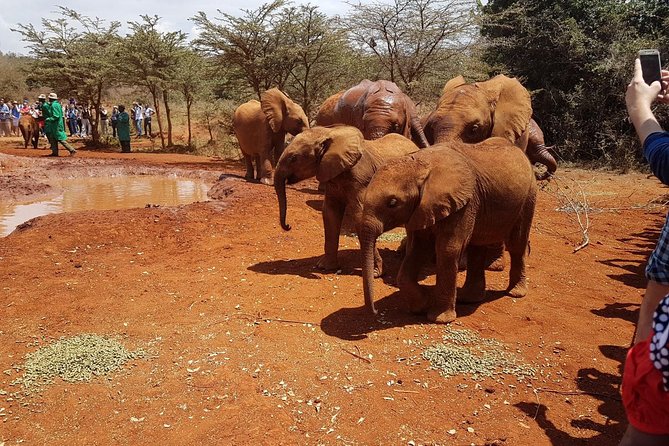
The best part of this Nairobi outing is wonderfully simple: rescued baby elephants come out of the bush for their milk, then splash in water, nudge their keepers, and tumble around in front of you. You stand beside an open enclosure with a rope fence, close enough to see the animals’ personalities without a long list of unrelated sightseeing stops.
I like the focused format and the hotel pickup. I also like the conservation lesson, which gives meaning to those charming feeding scenes. The main caution is cost clarity: the advertised $75 price does not include the mandatory $45 Nairobi National Park entrance fee, bringing the basic total to at least $120 per person.
Key points at a glance
- 11 a.m. feeding: The youngest elephants receive giant bottles of milk during the one-hour visit.
- Rescue stories included: You learn where each elephant came from, how old it was on arrival, and how the trust cares for it.
- Small group size: The vehicle can carry no more than seven people, though the sanctuary viewing area can still feel crowded.
- Hotel pickup in Nairobi: Pickup and return begin at about 9:30 a.m. and are included.
- Extra $45 park fee: Nairobi National Park access is required and must be paid separately.
- Short but memorable visit: The elephant center is scheduled from 11 a.m. to noon, so much of the four-hour outing is transport.
Why the 11 a.m. feeding matters
The timing is the heart of this tour. Pickup is set for 9:30 a.m., giving the driver time to reach the David Sheldrick Wildlife Trust before the feeding begins at 11. Arriving early matters because the viewing area is open, and your position can affect how well you see the elephants.
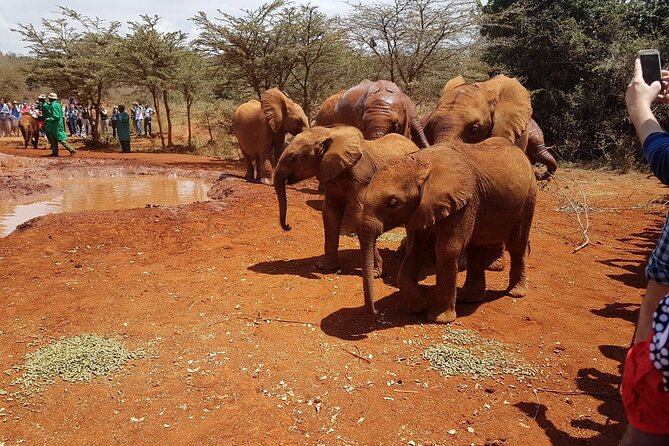
At feeding time, the youngest elephants trot out from the bush toward their keepers. Each keeper waits with a large bottle of milk, and the actual drinking lasts about 10 to 15 minutes for each animal. You will see plenty of slurping, gargling, and impatient trunk work.
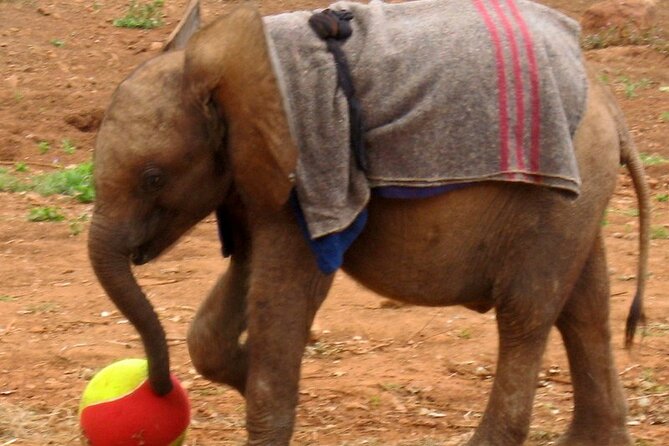
After the bottles are empty, the mood changes. The elephants play in the water, push against their keepers, and seek attention. This is when the visit feels less like a formal presentation and more like a glimpse into the daily care that keeps orphaned animals alive.
The setting is intentionally modest. You watch from an open space bordered by a rope fence, rather than behind glass or from a large enclosed theater. That gives the encounter a natural feel, though it also means the best view is not guaranteed unless your guide gets you into a good position.
Patrick and Stephen are two guides praised for arriving on time and helping people reach a strong viewing spot. Your guide may be someone else, but it is worth asking politely where you should stand before the elephants appear.
More Elephant Orphanage Tours in Nairobi:
- Elephant Orphanage and Giraffe Center Tour with Options
★ 4.5 · 457 reviews - Nairobi National Park, Elephant Orphanage and Giraffe Centre
★ 4.6 · 365 reviews - From Nairobi: Elephant Orphanage and Giraffe Center Day Trip
★ 4.5 · 235 reviews
The rescue stories behind the bottles
The feeding is cute, but the explanation is what gives the hour its weight. You learn the age of each elephant when it arrived, where it was rescued, and what happened to leave it without its mother.
The trust also explains the wider threats facing Kenya’s elephant population. The experience connects individual animals with larger conservation problems, so you are not simply watching young elephants perform a feeding routine. You are seeing animals that need careful human support before they can return to the wild.
That distinction matters. The visit is not designed as a hands-on encounter. You watch the elephants and their keepers from the designated area, take photographs, and listen to the care stories. The keepers provide the physical comfort, including the nudges and hugs, while you remain behind the rope.
For many people, the most powerful part is the contrast between the elephants’ difficult beginnings and their playful behavior now. You may hear rumbling calls, see them charge into the water, and then learn how vulnerable they were when they arrived. The experience carries both joy and sadness, which is appropriate for a working rescue center.
What the one-hour center visit is really like
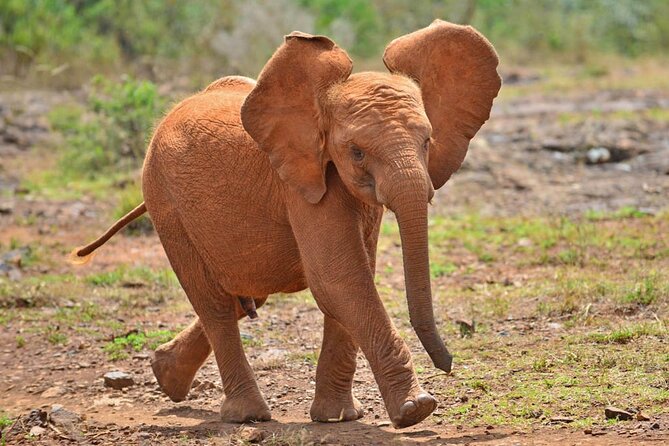
The scheduled visit runs from 11 a.m. to noon. The feeding itself takes only part of that period, with time afterward for play, photographs, and conservation information.
You should set your expectations carefully. Some people find the sanctuary portion closer to 45 minutes, and the full outing lasts around four hours because of pickup, traffic, entry procedures, and the return drive. If you want a full-day safari or several Nairobi attractions, this is not the right tour.
The advantage of the short visit is focus. There is no need to rush from the elephant center to a long menu of other stops. You spend the available time watching the babies and hearing their individual stories.
The drawback is value. A four-hour booking can feel expensive when much of your morning is spent on the road and only about an hour is inside the center. The experience itself is special, but you are paying partly for private transport arrangements and timed access, not just the viewing period.
The center can also feel crowded. The group vehicle is limited to seven people, but the viewing space may include people from other bookings. If having an unobstructed photo position is important, early arrival and a helpful driver make a real difference.
The $75 price is not the final price
The headline price is $75 per person, but you must add $45 for Nairobi National Park access. That required charge is separate, so the minimum practical cost is $120 per person before food, drinks, or purchases.
This extra fee is the biggest planning issue. It is easy to compare the tour with other Nairobi activities using the $75 figure, only to find the real cost at the park gate. Make the calculation before booking, especially if you are traveling alone or with a family.
Some bookings have been priced differently, including an example of $300 for two people and another mention of a $105 paid price before the extra $45 fee. The safest approach is to check the exact amount shown for your date and confirm that the national park charge is included or excluded. Based on the supplied details, you should assume it is excluded.
Is $120 good value? I think it can be, if this is one of your main Nairobi priorities and you value hotel transport, a small vehicle, and a fixed feeding-time visit. It is less attractive if you only want a brief animal sighting and are comparing it with a longer activity at a similar total cost.
Food and drinks are not included, and lunch is not included. Souvenir photographs can be purchased separately. A mobile ticket is offered, and confirmation is sent at booking, which keeps the process fairly straightforward.
A few more Nairobi days to weigh up
- Nairobi National Park Half-Day Tour; Free Wi-Fi connection
★ 5.0 · 878 reviews - Nairobi National Park Half-Day Game Drive
★ 4.5 · 738 reviews - Half-Day Nairobi National Park Safari from Nairobi with Free Pickup
★ 4.5 · 264 reviews - Nairobi National Park Full or Half-Day Tour with Guide
★ 4.7 · 217 reviews
Hotel pickup makes the morning easier
Pickup is offered from a Nairobi hotel or home at about 9:30 a.m., followed by return transport after the visit. That is useful in a city where arranging a taxi, finding the entrance, and reaching a timed conservation program can add stress.
Your driver’s performance matters more than it might on a simple city transfer. The tour must handle the park fee, reach the center on time, and get you back afterward. Patrick was praised for being punctual and building in enough time to secure a good view. Stephen was also praised for helping with the viewing position and arranging onward transport.
Service is not guaranteed to be identical every day. One poor experience involved confusion over ticketing, a rough vehicle, and a driver who became lost. Another involved a driver trying to rearrange a solo passenger’s return so he could accommodate another family’s extra plans. The important practical lesson is simple: your paid transport should remain door to door, and you should not feel pressured to change vehicles or plans.
If you want to visit the Giraffe Centre, have lunch, or add another attraction, arrange that separately and confirm it in writing. The standard experience is the elephant orphanage with pickup and drop-off, not an open-ended private taxi service.
Small groups help, but do not promise solitude
The maximum group size is seven people. That is a useful limit for a vehicle-based Nairobi outing, since you are less likely to spend the morning collecting a large busload of people from different hotels.
A smaller group can also help your guide answer questions and place you near the rope fence. It may be easier to coordinate pickup and return, too.
Still, the group limit applies to this tour vehicle, not necessarily to everyone at the elephant center. The viewing area can become busy, particularly around the feeding period. Do not book this expecting a private encounter or guaranteed quiet.
The program works best for couples, families, and first-time Nairobi visitors who want one clear activity without planning a full safari. Children must be accompanied by an adult, and most people can participate. If you need special assistance, the supplied information does not explain the arrangements, so ask before paying.
Conservation comes before entertainment
The elephants are undeniably appealing, but this is a working rescue program rather than a petting zoo. The most responsible part of the experience is watching the keepers provide milk, water, reassurance, and routine care while explaining the long road ahead.
You can support the work further by adopting an elephant. Several visitors chose to adopt after hearing the animals’ backgrounds, and the adoption option gives the visit a continuing connection beyond the morning. It is optional, and it is separate from the tour price.
The trust’s aim of returning elephants to the wild also makes the visit more hopeful. You are not simply looking at animals that will remain in a permanent enclosure. You hear about their recovery and the goal of eventual release, which helps explain why the keepers’ care is so personal and structured.
Photography is allowed from the viewing area, but the experience is better if you spend some time listening. The names and rescue details can be easy to miss if you focus only on getting a close-up picture.
Optional stops may appear, but do not count on them
The tour is presented as an elephant-focused half-day outing. Yet some itineraries have included a visit to a bead factory, and one account described it as better than a standard souvenir stop.
That may be a pleasant addition, especially if you like locally made crafts. But it is not clearly part of the core schedule, so do not book this tour expecting it. The listed plan gives you the elephant center, transport, and guide.
You might also see other animals during the drive or around the area, but the supplied details do not promise a safari or a separate wildlife stop. Keep your expectations centered on the orphanage.
Who will get the most from this experience
I would choose this tour if you have one morning in Nairobi and the Sheldrick Wildlife Trust is high on your list. The hotel pickup removes much of the practical work, and the 11 a.m. feeding gives the outing a clear purpose.
It is especially suitable for families with children, first-time visitors, and anyone who wants conservation context along with animal viewing. People who have read Daphne Sheldrick’s work may find the visit particularly meaningful because the center is connected to the conservation story they already know.
I would think twice if your budget is tight or if you dislike short attractions reached by a long drive. The mandatory park charge changes the price substantially, and the sanctuary portion may last less than an hour.
I would also avoid booking it as your only Nairobi wildlife experience if you want a broad range of animals or a long game drive. This is a focused elephant visit, not a national park safari.
Booking, timing, and cancellation details
Book early if your schedule is fixed. The average booking is made 26 days ahead, which suggests that timed spaces can fill, especially during busy periods.
You receive confirmation at booking, and the experience uses a mobile ticket. The maximum group is seven people. Children need an accompanying adult, and most people can take part.
Free cancellation is available until 24 hours before the 9:30 a.m. start time. Cancel at least 24 hours ahead for a full refund. Within 24 hours, the payment is not refunded, and changes made during that period are not accepted.
Should you book the Sheldrick elephant tour?
Yes, if you want a moving, tightly focused conservation visit and you are comfortable paying the real total of at least $120 per person. The baby elephants, their milk feeding, and the keepers’ rescue stories are the clear strengths.
Book with eyes open about the timing and price. You may spend two and a half hours or more getting to and from a one-hour center visit, and the separate $45 park fee should be part of your budget from the start.
I would select this experience for a short Nairobi stay, particularly if hotel pickup and a small group matter to you. I would skip it in favor of a longer wildlife outing if you want several attractions, a full meal, or a full day in the park. For a first Nairobi visit, though, few short activities offer such a direct look at the work behind elephant conservation.
FAQ
What time does the tour start?
Pickup begins at about 9:30 a.m. from a hotel or home within Nairobi.
How long does the tour last?
The overall experience lasts approximately four hours. The visit at the David Sheldrick Wildlife Trust is scheduled from 11 a.m. to noon.
What happens during the elephant feeding?
The youngest rescued elephants come from the bush to meet their keepers and drink milk from large bottles. Afterward, they play in water and interact with the keepers while you hear their rescue stories.
Is the Nairobi National Park entrance fee included?
No. You must pay an additional $45 per person for Nairobi National Park access, which is required to reach the elephant orphanage.
Is hotel pickup included?
Yes. Professional guide service and hotel pickup and drop-off are included.
How many people can join the tour?
The activity has a maximum of seven travelers.
Are food and drinks included?
No. Drinks, food, and lunch are not included. Souvenir photographs are available to purchase separately.
Can children join the tour?
Yes, but children must be accompanied by an adult.
What is the cancellation policy?
You can cancel at least 24 hours before the experience start time for a full refund. Cancellations or changes made less than 24 hours before the start are not accepted for a refund.
Recently added around Nairobi
- Nairobi; City Walk Tour★ 4.5 · 3 reviews
- Private 3-Day Masai Mara Safari Adventure★ 5.0 · 3 reviews
- Kenya safari★ 5.0 · 3 reviews
- 2 Days Amboseli National Park Safari★ 3.5 · 3 reviews
- 11-Days Best of Kenya & Tanzania Big 5 Safari on a 4×4 Jeep★ 5.0 · 3 reviews
- Full Day, Small Group Guided Tour to Amboseli National Park★ 4.5 · 3 reviews
- 10-Days Explore Kenya Wildlife Private Safari★ 5.0 · 3 reviews
- Nairobi: Giraffe Center, Beads Factory & Bomas of Kenya Tour★ 4.5 · 3 reviews
Nairobi Tours, compared.
Nairobi National Park Half-Day Tour; Free Wi-Fi connection
Read our review →
National Park & Optional Elephants & Giraffe Center
Read our review →
NAI NAMI: Nairobi Storytelling Tour with Street Children
Read our review →

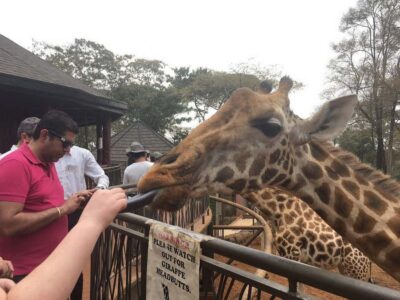
Elephant Orphanage and Giraffe Center Tour with Options
Read our review →Browse the lists this tour appears in