
Reviewed · NAIROBI TOURS
6-Days of Elephants, Wildebeest and Big 5: Kenya’s Classic Safari
Amboseli’s elephants, Kilimanjaro’s snowy outline, and the open grasslands of Masai Mara give this six-day Kenya safari a strong sense of place. You move through three of the country’s best-known wildlife areas rather than spending the whole trip in one reserve, so each day brings a different setting and a new reason to keep your camera ready.
I like the private format, which means only your group takes part, and I like the mix of wildlife with a possible Maasai village visit. The main drawback is the amount of driving. Days 3, 4, and 6 involve long road transfers, and the price does not spell out every lodging or meal detail, so confirm the inclusions before paying.
Key points to know before booking
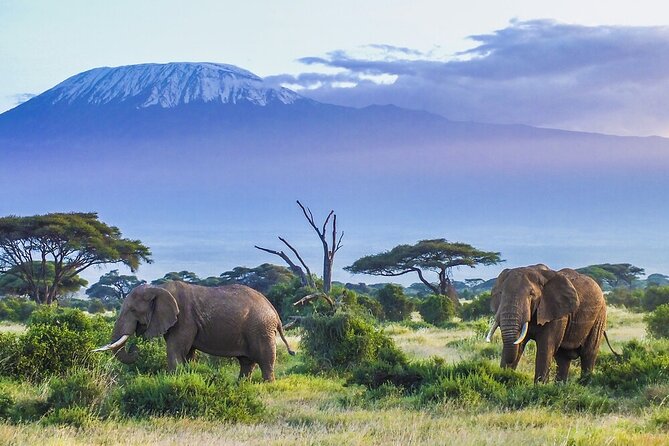
- Amboseli gives you elephant country and Kilimanjaro views, with swamps, acacia woodland, scrub, and open plains.
- Lake Nakuru adds rhinos, flamingos, and Rothschild giraffes to the wildlife list after a stop at the Great Rift Valley viewpoint.
- Masai Mara is your best chance for the Big Five, especially across two game-viewing days.
- The private tour allows a more flexible pace, including an optional early morning drive in Amboseli.
- Guides named in past feedback include Ian, John, and Paul, with praise focused on animal knowledge, care, and photography help.
- The $2,848 price reflects a substantial private circuit, but you should ask exactly what lodging, meals, park fees, and transport arrangements are included.
Why this route works in six days
This is a classic Kenya circuit, and the order makes sense. You begin in the southeast at Amboseli, continue west to Lake Nakuru, then finish in Masai Mara before returning to Nairobi.
You get three distinct wildlife settings:
- Amboseli, with its dry plains, acacia trees, and permanent water in the swamps
- Lake Nakuru, with rocky escarpments, forest, waterfalls, and a famous soda lake
- Masai Mara, with rolling savannah and large populations of plains animals and predators
That variety matters. Safari sightings can never be promised, but changing parks gives you more chances to see different habitats and species. It also keeps the trip from feeling like six repeats of the same game drive.
The private arrangement is particularly useful here. You are not sharing the vehicle with strangers, and your guide can discuss the pace with your group. The published plan allows an early morning game drive in Amboseli, followed by breakfast and a slower midday period, or a full day out with a packed lunch.
More safaris from Nairobi:
- Safari Tour; Nairobi National Park
★ 4.5 · 594 reviews - Half-Day Nairobi National Park Safari from Nairobi with Free Pickup
★ 4.5 · 264 reviews - 5 Days Masai Mara, Lake Nakuru & Naivasha Budget Joining Safari
★ 5.0 · 229 reviews
Day 1: Elephants beneath Mount Kilimanjaro
Your driver-guide collects you from your Nairobi hotel, accommodation, or the airport for the drive southeast to Amboseli National Park. You should expect a travel-heavy morning, followed by lunch at camp and an afternoon game drive.
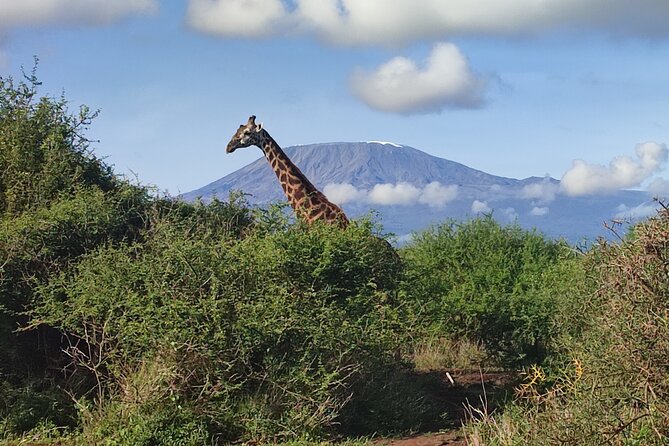
Amboseli covers about 392 square kilometers. Its most famous feature is the view toward Mount Kilimanjaro, Africa’s tallest mountain and the world’s tallest freestanding mountain, rising to 5,895 meters. The mountain is across the border in Tanzania, but Amboseli provides one of the classic African views of it.
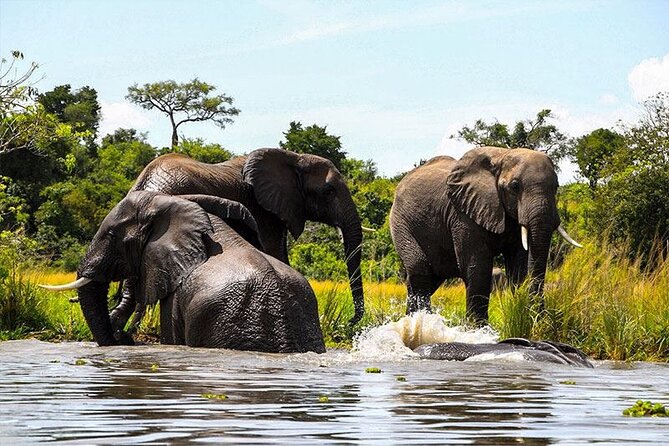
The park’s elephants are the main attraction. Water rises into the marshes through underground channels, creating dependable wet ground and pasture in an otherwise dry setting. Elephants are often associated with these marshes, while other herbivores use the same water and grazing areas.
The first afternoon drive takes you through acacia woodland, scrub, open plains, and freshwater swamps. This is a good introduction because you can see how much the park changes from one habitat to another.
Kilimanjaro is weather dependent. Clouds may cover the summit or much of the mountain, so do not treat a clear peak as guaranteed. The animals remain the main reason to visit, but the mountain view can turn an ordinary stop into a memorable one when conditions cooperate.
Day 2: A full day around Amboseli’s marshes
Day 2 gives Amboseli the time it deserves. After breakfast, you can set out with packed lunch and spend the day exploring the marshlands and swamps, or choose an early morning drive before returning to camp for breakfast and lunch.
I prefer the early morning option if wildlife is your priority. The schedule specifically allows animals to be sought when they are most active, then gives you a quieter midday break at camp. If you want the longest possible look at the park, the full-day plan with a picnic lunch keeps you out in the field.
A picnic beneath a flat-topped acacia tree adds a simple, outdoorsy touch. It is also practical. You do not lose game-viewing time by returning to the lodge for lunch, and you stay close to the places where animals are feeding or resting.
The hottest part of the day can be spent at camp, reading or writing, before another period of activity. That slower rhythm is important on safari. Six days of constant driving and scanning can be tiring, especially if you are carrying camera equipment or traveling with children.
The tradeoff is that a full day in one park can feel long if sightings are quiet. The private setup helps because your group can discuss an early return or a longer outing with the driver-guide rather than following a fixed shared-vehicle schedule.
Day 3: Lake Nakuru, rhinos, and the Rift Valley
After an early breakfast, you drive west toward Lake Nakuru National Park. The route includes a stop at the Great Rift Valley viewpoint, where you can stretch your legs and photograph the broad change in elevation and scenery.
This stop breaks up the road journey and gives you a useful sense of Kenya’s geography. It is more than a quick roadside pause, especially for anyone seeing the Rift Valley for the first time.
Lunch comes on the route, followed by a game drive in Lake Nakuru National Park. The park is smaller in feel than Masai Mara and has a different character from Amboseli. Rocky escarpments, yellow-barked acacia forest, open areas, and a waterfall create a more varied setting around the lake.
Lake Nakuru is especially valuable for its rhinoceros population. Both black and white rhinos are associated with the park, along with Rothschild giraffes, flamingos, and other herbivores and carnivores.
Flamingo numbers can vary, so you should not book this day expecting a solid pink shoreline. The birds remain part of the park’s identity, but the rhinos and giraffes may be the stronger reason to visit on a particular day.
After the game drive, you leave the park for dinner and the night at your lodge. That means you are not spending every evening inside a reserve, which may reduce the sense of wilderness, but it also provides a clear overnight routine after a long transfer.
A few more Nairobi days to weigh up
- Nairobi National Park Half-Day Tour; Free Wi-Fi connection
★ 5.0 · 878 reviews - Nairobi: National Park & Optional Elephants & Giraffe Center
★ 4.8 · 874 reviews - NAI NAMI: Nairobi Storytelling Tour with Street Children
★ 5.0 · 792 reviews - Nairobi National Park Half-Day Game Drive
★ 4.5 · 738 reviews
Day 4: The first Mara game drive
After breakfast, you cross the Rift Valley floor toward Masai Mara National Reserve. Several health stops are planned, and you should arrive at camp in time for lunch before going out for your first afternoon drive.
Masai Mara is famous for gently rolling grassland dotted with flat-topped acacia trees. It forms part of a wider ecosystem that includes the reserve, community conservancies, group ranches, and Maasai villages.
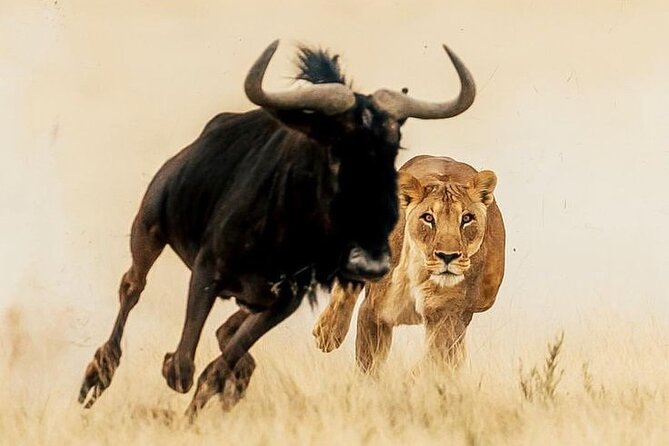
The wildlife list is impressive: lions, leopards, cheetahs, buffalo, rhinos, elephants, zebras, wildebeest, and many other species. The five animals commonly called the Big Five are lion, leopard, rhinoceros, elephant, and buffalo. Seeing all five is never assured, but the Mara gives you a strong setting for searching.
The afternoon drive is a useful first look at the reserve. Your guide can begin reading the terrain, locating active areas, and learning what your group most wants to see. If close animal photography is important to you, say so early and make sure your expectations match park rules and the guide’s approach.
The drive from Nakuru to the Mara is one of the more demanding parts of the trip. Roads and stop times can affect your arrival, so keep Day 4 flexible and avoid scheduling an important evening flight from Nairobi on the same date.
Day 5: Your longest wildlife day in Masai Mara
Day 5 is the heart of the safari. You spend the full day among the Mara’s tree-dotted grasslands and rolling hills, with a picnic lunch under a flat-topped acacia tree.
A full-day drive gives you more ground than a short morning or afternoon outing. The reserve covers about 1,500 square kilometers, so you will not see everything in one day. Still, the longer format gives your guide time to search for predators, follow promising activity, and pause when you find something worth watching.
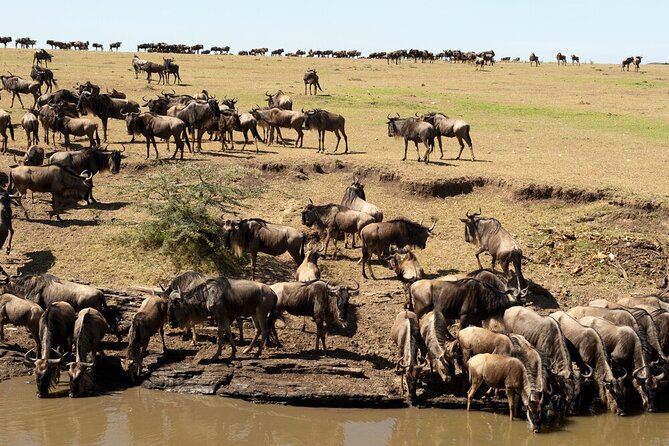
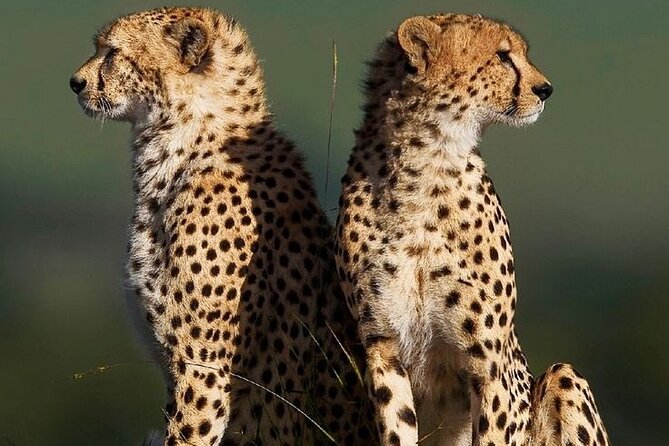
The Mara is known for large herds of plains animals and for predators such as lions, leopards, and cheetahs. The scenery also makes a difference. Open grass allows long views, while acacia trees and small rises provide places for animals to rest and hunt.
The picnic is convenient, but it is not a restaurant meal with shade, a menu, and a long break. You will be eating in the savannah, so keep your expectations practical. The reward is staying out in the reserve during the middle of the day instead of spending hours driving back to camp.
You return toward camp late in the afternoon after a thorough circuit. That can be a tiring day, but it is also the day most likely to feel like the safari you imagined before arriving in Kenya.
Past feedback gives special attention to guides. Ian is praised for making the trip exceed expectations. John is singled out for animal knowledge and help with close-up photographs, while Paul is described as a caring French-speaking guide. Lucy is noted for helping customize arrangements. Guide assignments are not clearly guaranteed, so ask who will lead your departure.
Day 6: Maasai culture and the return to Nairobi
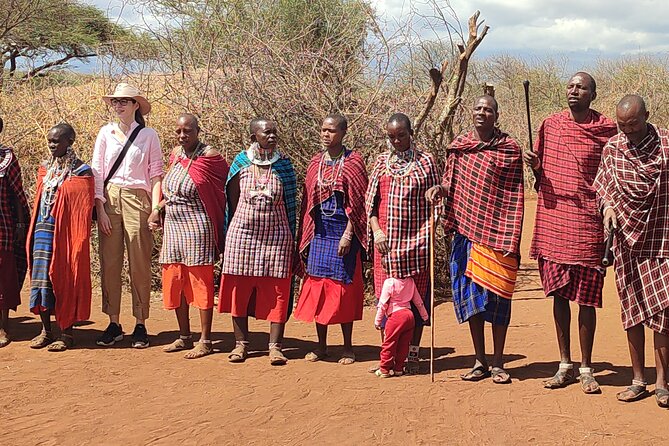
After breakfast, you check out and begin the drive back to Nairobi. A Maasai village visit is offered as an option, giving you a chance to learn about a community that has lived alongside Mara wildlife for centuries.
This cultural stop can add balance to a safari that otherwise focuses heavily on animals and scenery. It also gives you a chance to see the Mara as a lived-in region, not simply a protected area on a map.
Lunch is planned in Narok town at one of its hotels, followed by the continued drive to Nairobi. Arrival is expected in the mid-afternoon, with drop-off at your hotel or Jomo Kenyatta International Airport.
The return day needs careful planning. You can arrange the departure time from Masai Mara with your driver-guide based on your flight, but the drive is long enough that you should avoid a tight connection. If your international flight leaves late in the evening, the timing may work. If it leaves early, a final overnight in Nairobi would be safer, though that is not part of the six-day plan.
What the $2,848 price means
At $2,848 per person, this is a serious purchase. The value depends heavily on how many people are in your private group and what the price includes.
You are paying for a six-day route across three major Kenyan wildlife areas, private participation, a driver-guide, park visits, game drives, and pickup and drop-off between Nairobi and the safari circuit. The route also includes the Rift Valley viewpoint, picnic days, and an optional cultural visit.
The supplied details do not specify the names or quality of the camps and lodges, nor do they clearly list park fees, meals, drinks, gratuities, or internal transport costs. Ask for a written breakdown before booking. The accommodation standard can change the value of a safari by a great deal.
A small private group can make the price more reasonable because you are not paying for a crowded coach trip and can discuss the day’s timing with your guide. A solo booking will feel much more expensive than the same rate shared among several people.
The strongest value is the range of experiences packed into six days. The weakness is that the schedule leaves little room for delays, extra rest, or a second night in any one location.
Who will get the most from this safari
This trip suits you if you want a first Kenyan safari with the country’s best-known names in one route. It is especially appealing if elephants, rhinos, Kilimanjaro, and the Big Five all sit high on your wish list.
It also works well for a private family group or friends who want their own vehicle and guide. The optional early start and optional Maasai village visit give you some control over the rhythm.
You should think twice if you dislike long road journeys or want a slow, lodge-centered holiday. The route covers a lot of ground, and three parks in six days means several transfer days.
The tour is also a good fit if photography matters to you. John’s praise for animal knowledge and close-up photographs suggests that guide quality can add real value, though no specific guide is guaranteed.
Practical details before you commit
Pickup is offered from a Nairobi hotel, accommodation facility, or airport. The listed end point is Jomo Kenyatta International Airport, with hotel drop-off also available.
This is a private activity, so only your group participates. Confirmation is received at booking, and most people can take part according to the supplied information.
The advertised operating period runs from May 3, 2024, through June 18, 2026, with availability listed every day. The cancellation rule is simple: cancel at least 24 hours before the local start time for a full refund. Changes or cancellations inside that window are not accepted or refunded.
Bring realistic expectations about wildlife. The route offers excellent habitats, but animals move freely and sightings cannot be promised. Your guide’s skill, patience, and knowledge of current animal activity will matter as much as the park names.
Should you book it?
Book this safari if you want a private, classic Kenya route with strong wildlife variety and you are comfortable with long drives. Amboseli’s elephants, Nakuru’s rhinos, and Masai Mara’s predator country make a persuasive six-day combination.
Before you pay, confirm the lodging names, what the $2,848 covers, the likely group size, and the assigned guide. If you can share the cost with several people and have a late Nairobi departure on Day 6, the trip offers a well-packed introduction to Kenya. If you prefer more rest or guaranteed mountain views, add nights and allow a wider margin around your flights.
FAQ
How long is the safari?
The experience lasts approximately six days, from pickup in Nairobi through the return to Nairobi.
Where does the safari start?
Pickup is offered from a hotel, accommodation facility, or the airport in Nairobi. The listed meeting point is in Nairobi City.
Where does the safari end?
The safari ends in Nairobi, with drop-off available at your hotel or Jomo Kenyatta International Airport.
Is this a private tour?
Yes. Only your group participates in the activity.
Which national parks are included?
The route includes Amboseli National Park, Lake Nakuru National Park, and Masai Mara National Reserve.
Can I see Mount Kilimanjaro?
Amboseli is known for panoramic views of Mount Kilimanjaro. Visibility can vary, so a clear mountain view is not guaranteed.
What animals can I look for?
The route is designed for elephants, black and white rhinos, flamingos, Rothschild giraffes, lions, leopards, cheetahs, buffalo, wildebeest, zebras, and other herbivores and carnivores.
Is there a Maasai village visit?
Yes. A Maasai village visit is offered as an optional cultural experience on the return to Nairobi.
Are meals included?
The schedule mentions lunch at camp on Day 1, packed picnic lunches on Amboseli and Masai Mara days, lunch en route to Lake Nakuru, and lunch in Narok on Day 6. Confirm the full meal plan before booking.
Can I cancel for a full refund?
Yes, if you cancel at least 24 hours before the experience start time. Cancellations or changes made less than 24 hours before the start are not accepted or refunded.
Recently added around Nairobi
- Nairobi; City Walk Tour★ 4.5 · 3 reviews
- 2 Days Amboseli National Park Safari★ 3.5 · 3 reviews
- Private 3-Day Masai Mara Safari Adventure★ 5.0 · 3 reviews
- Kenya safari★ 5.0 · 3 reviews
- Full Day, Small Group Guided Tour to Amboseli National Park★ 4.5 · 3 reviews
- 11-Days Best of Kenya & Tanzania Big 5 Safari on a 4×4 Jeep★ 5.0 · 3 reviews
- 10-Days Explore Kenya Wildlife Private Safari★ 5.0 · 3 reviews
- Nairobi: Giraffe Center, Beads Factory & Bomas of Kenya Tour★ 4.5 · 3 reviews
Nairobi Tours, compared.

Nairobi National Park Half-Day Tour; Free Wi-Fi connection
Read our review →
National Park & Optional Elephants & Giraffe Center
Read our review →
NAI NAMI: Nairobi Storytelling Tour with Street Children
Read our review →



